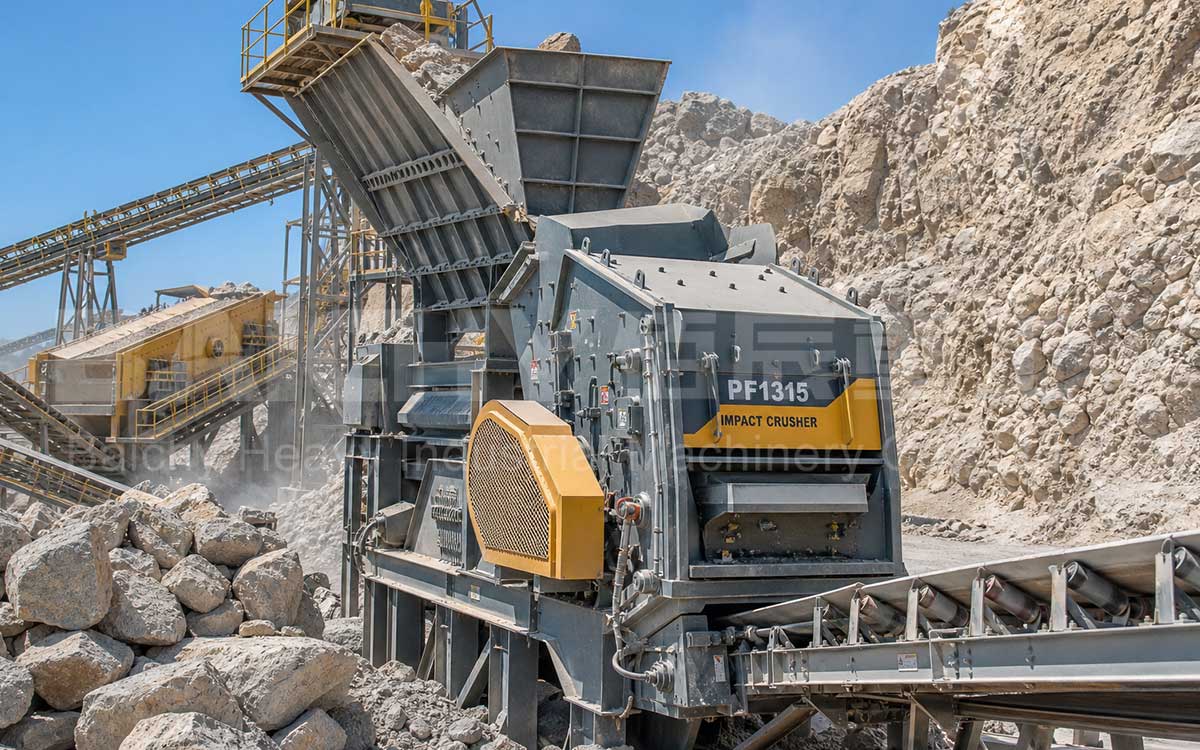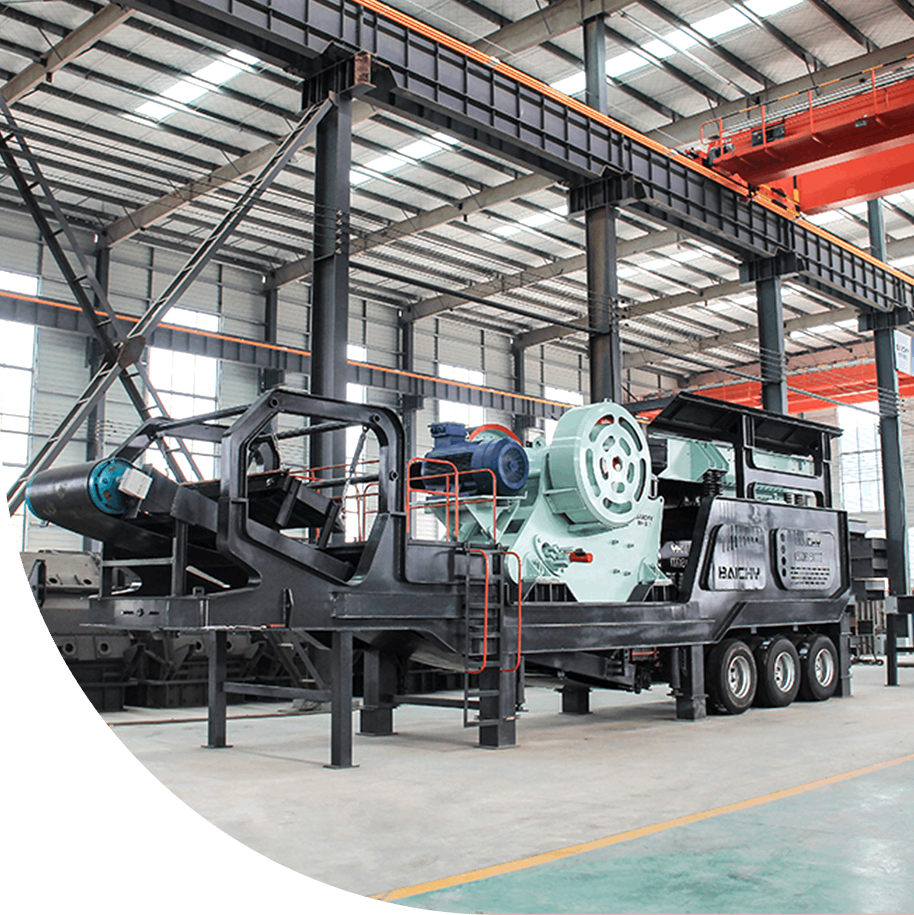

In modern mining, quarrying, construction, and aggregate production, stone crusher machines play a pivotal role in reducing large rocks into smaller, usable sizes. Whether you’re building highways, producing concrete aggregates, or processing minerals, selecting the right type of crusher directly impacts efficiency, product quality, and operational costs.
As a professional manufacturer specializing in mining crushing, ore grinding, and mineral beneficiation equipment, we help clients worldwide choose the most suitable crusher based on material hardness, feed size, output requirements, and site conditions. In this guide, we’ll break down the four core types of stone crushers—jaw crusher, cone crusher, impact crusher, and gravel crusher—and explain how they work, where they excel, and why they matter to your project.
Overview of Stone Crusher Machine Types
Stone crushers are generally classified by their crushing principle and structural design. The four most widely used types are:
• Jaw Crusher – Primary crushing workhorse
• Cone Crusher – Secondary and tertiary crushing specialist
• Impact Crusher – Shaping and recycling expert
• Gravel Crusher – Aggregate-specific solution
Each type has distinct mechanical characteristics, making them ideal for different stages of the crushing process and various materials.
Jaw Crusher: The Backbone of Primary Crushing
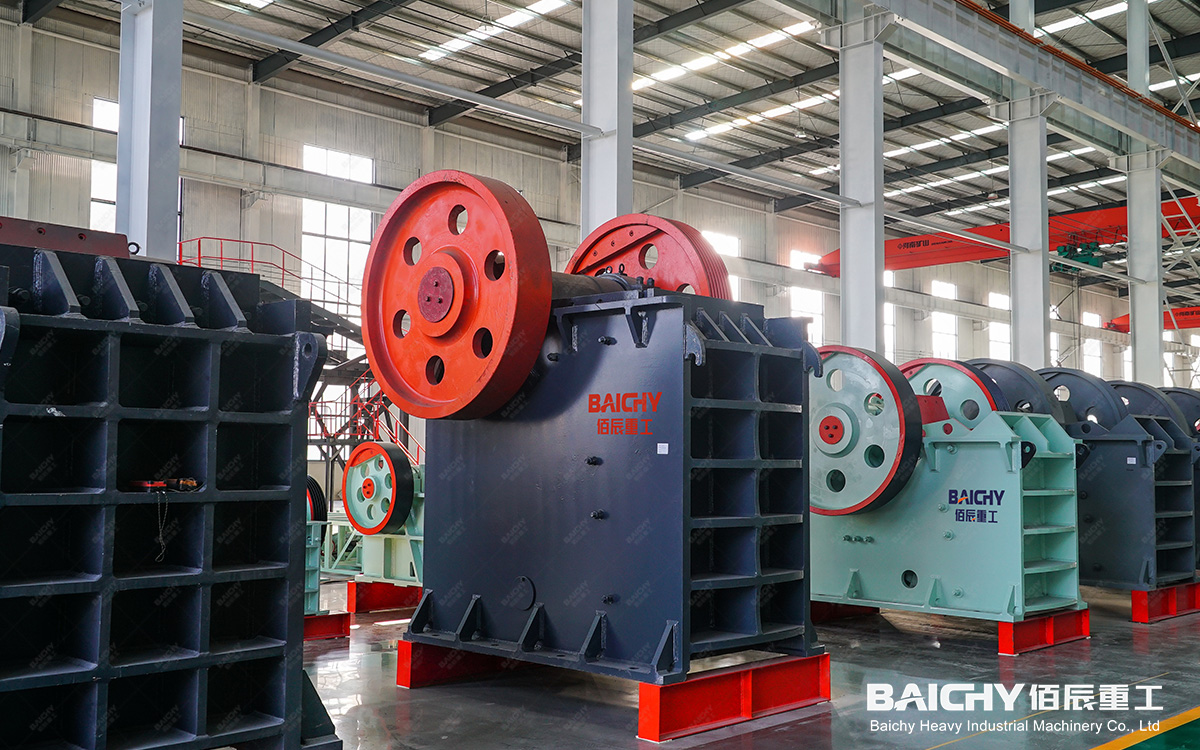
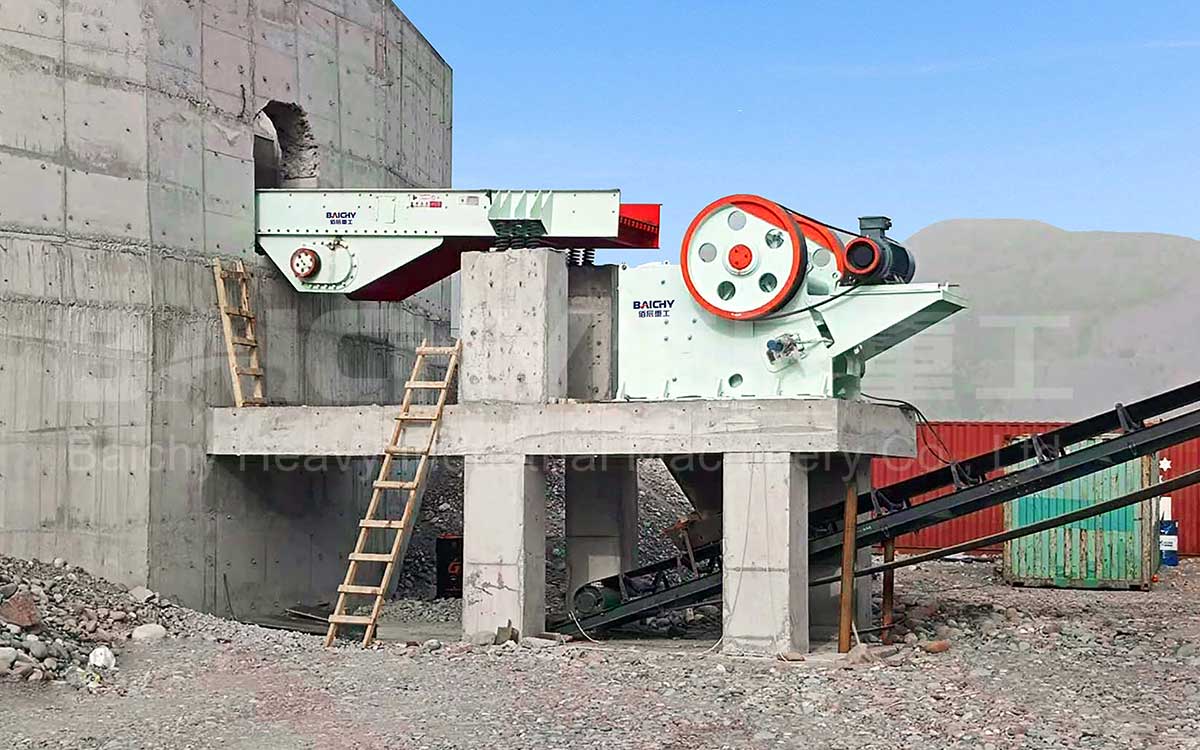
PE Jaw Crusher
How It Works?
A jaw crusher uses compressive force to break materials between a fixed jaw plate and a moving jaw plate. The moving jaw swings back and forth, crushing rocks against the stationary jaw.
Key Applications
• Mining: Primary crushing of hard ores such as iron ore, copper ore, and gold ore
• Quarrying: Breaking blasted rock into manageable sizes
• Construction: Processing granite, basalt, and recycled concrete for infrastructure projects
Advantages
• High reduction ratio (up to 6:1)
• Robust structure for heavy-duty operation
• Simple maintenance and low operating cost
• Suitable for extremely hard materials
Typical Technical Parameters
| Model Feed | Opening (mm) | Max Feeding Size (mm) | Capacity (t/h) | Motor Power (kW) | Discharge Range (mm) |
| PE400×600 | 400×600 | 340 | 16–64 | 30 | 40–100 |
| PE600×900 | 600×900 | 500 | 50–160 | 55 | 65–160 |
| PE900×1200 | 900×1200 | 750 | 220–380 | 110 | 95–225 |
Real-World Case
In a granite quarry in Southeast Asia, our PE900×1200 jaw crusher processed 300 tons per hour of blasted rock, reducing downtime by 18% compared to older models due to optimized toggle plate design and wear-resistant jaw plates.
Cone Crusher: Precision Crushing for Hard Materials
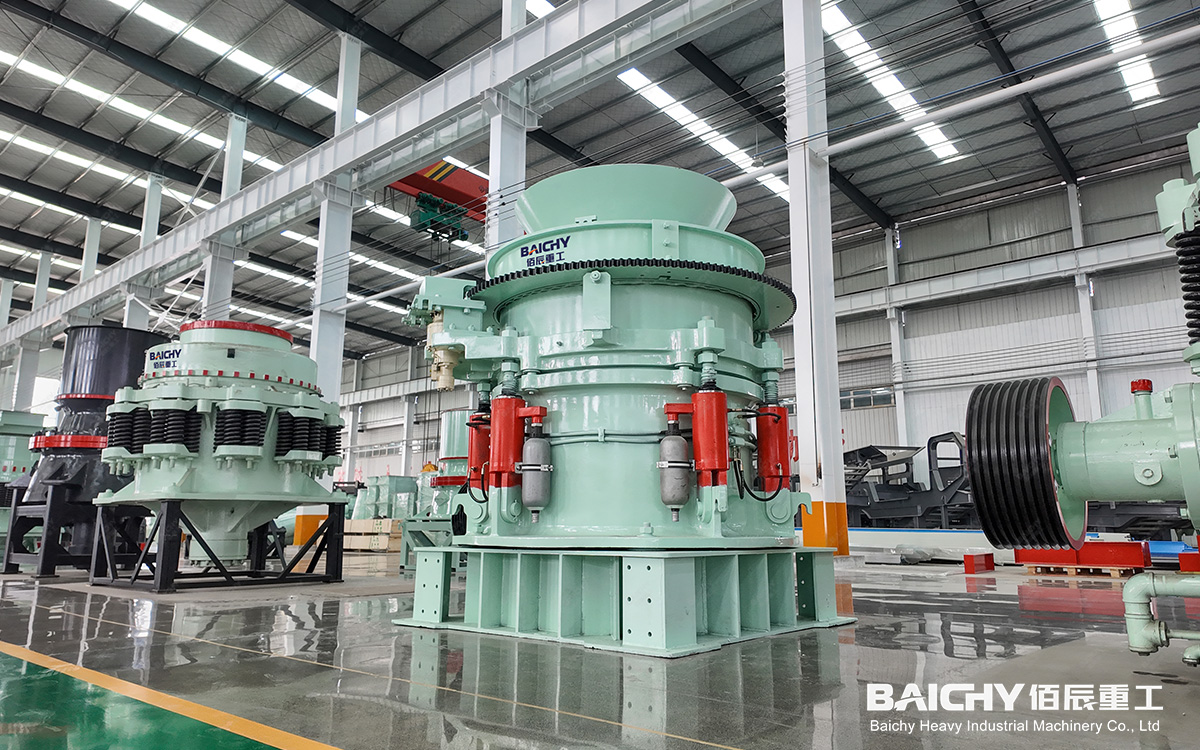
HP Series Cone Crusher
How It Works
A cone crusher crushes material by squeezing it between an eccentrically rotating mantle and a concave bowl liner. The continuous compression results in finer, more uniform particles.
Key Applications
• Secondary/Tertiary Crushing: Refining material after primary jaw crushing
• Mining: Processing hard and abrasive ores
• Aggregate Production: Producing high-quality cubical aggregates
Advantages
• Excellent particle shape control
• High crushing efficiency for medium to hard materials
• Hydraulic adjustment for quick discharge setting changes
• Lower operating cost per ton for hard rock
Real-World Case
A copper mine in South America replaced an aging cone crusher with our HP300 hydraulic cone crusher, achieving a 22% increase in throughput and reducing oversize material by 15%, thanks to advanced laminating crushing technology.
Impact Crusher: Versatility and Superior Particle Shape
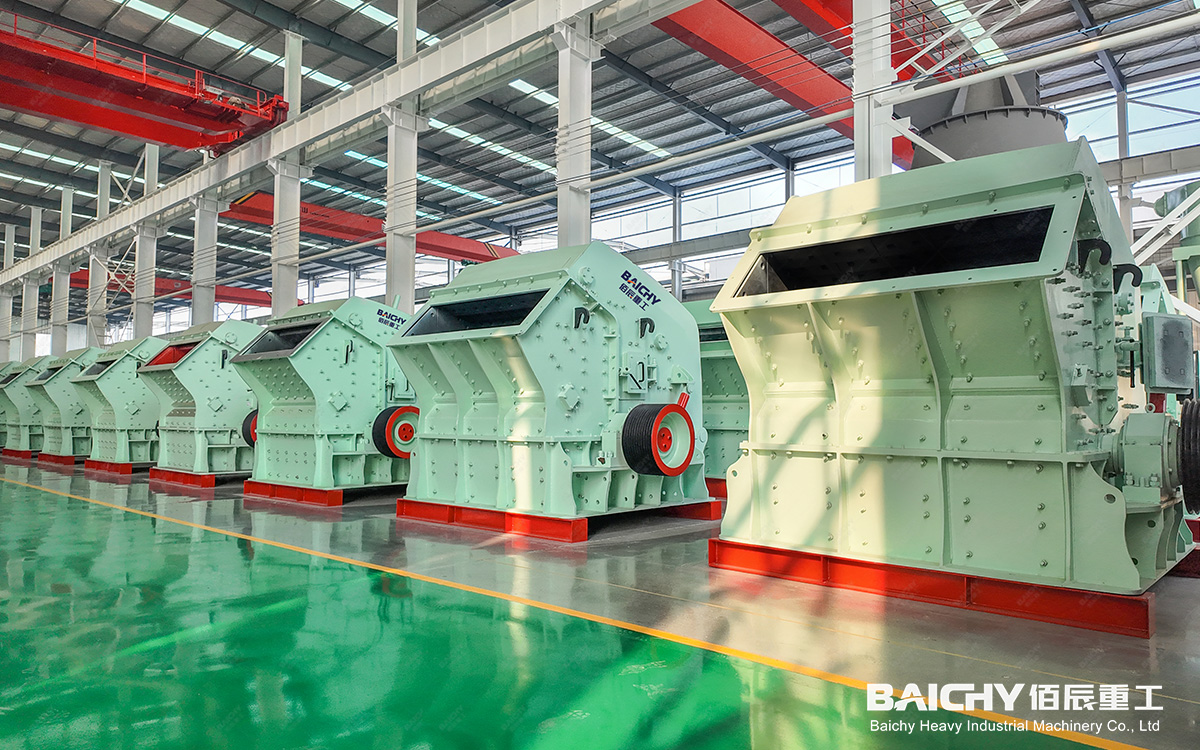
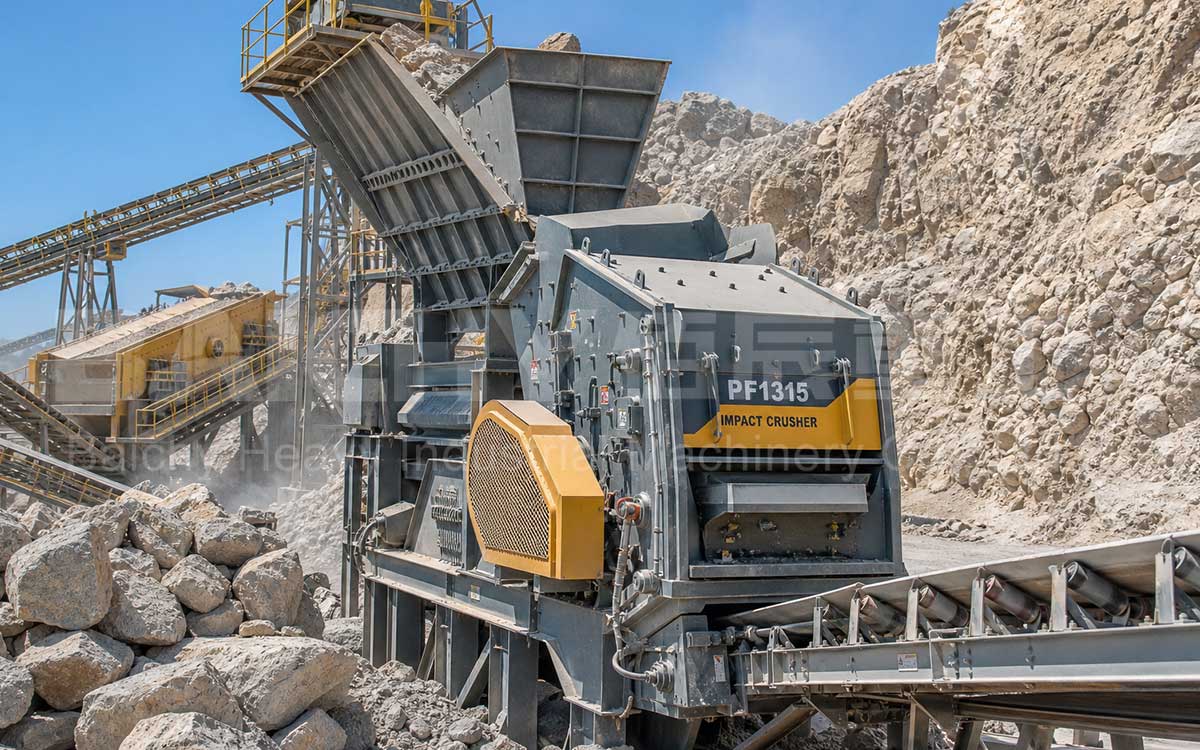
PF Impact Crusher
How It Works
An impact crusher uses high-speed impact force rather than pressure to crush materials. Blow bars mounted on a rotor strike the feed, hurling it against impact plates for further reduction.
Key Applications
• Recycling: Crushing asphalt, concrete, and demolition waste
• Soft to Medium-Hard Rock: Limestone, dolomite, and gypsum
• Shaping Aggregates: Producing cubical particles for asphalt and concrete
Advantages
• Excellent particle shape with minimal flakes
• Adjustable curtain settings for precise sizing
• High reduction ratios (up to 20:1)
• Ideal for recycling and soft rock applications
Real-World Case
In a European road construction project, our PF1315 impact crusher processed recycled concrete at 250 t/h, delivering consistent 0–31.5 mm aggregate with superior cubicity, meeting strict EU specifications for asphalt base layers.
Gravel Crusher: Purpose-Built for Aggregate Excellence
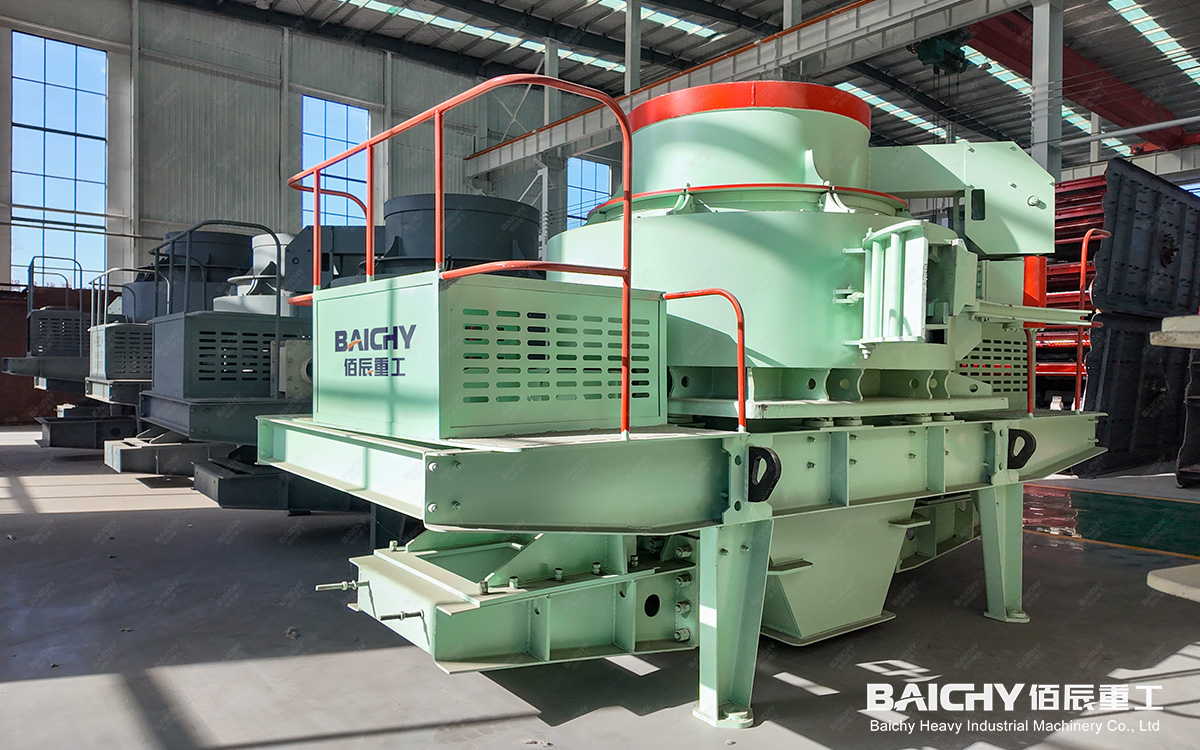
VSI Sand Making Machine
How It Works
While “gravel crusher” can refer to several crusher types adapted for gravel production, it often involves vertical shaft impact (VSI) crushers or fine jaw crushers designed specifically for sand and gravel shaping.
Key Applications
• Sand and Gravel Plants: Producing concrete sand, masonry sand, and pea gravel
• River Gravel Processing: Crushing naturally rounded stones
• Artificial Sand Making: Creating manufactured sand for concrete
Advantages
• Superior particle shape for concrete performance
• Precise control over gradation
• Low wear cost when processing non-abrasive materials
• High sand-forming rate
Real-World Case
A sand and gravel plant in East Africa installed our VSI8518 gravel crusher, increasing fine sand yield by 28% while reducing needle-like particles, resulting in stronger concrete mixes for local housing projects.
Comparative Summary Table
| Crusher Type | Crushing Stage | Best Material Hardness | Typical Reduction | Ratio Key Strength |
| Jaw Crusher | Primary | Very Hard | 4:1 – 6:1 | Durability & high capacity |
| Cone Crusher | Secondary/Tertiary | Hard to Very Hard | 4:1 – 8:1 | Particle shape & efficiency |
| Impact Crusher | Secondary | Soft to Medium-Hard | 10:1 – 20:1 | Cubical product & recycling |
| Gravel Crusher (VSI/Fine Jaw) | Tertiary/Fine | Soft to Medium-Hard | 6:1 – 10:1 | Sand shaping & gradation |
Recommended Equipment from Our Product Line
Based on the above analysis, here are our top recommendations for different crushing needs:
1. PE Series Jaw Crusher – Ideal for primary crushing in mining and quarrying.
2. HPT Hydraulic Cone Crusher – Perfect for secondary and tertiary crushing of hard ores.
3. PF Series Impact Crusher – Excellent for recycling and limestone aggregate production.
4. VSI5X Gravel Crusher – The go-to choice for artificial sand making and gravel shaping.
All our machines feature wear-resistant materials, intelligent control systems, and global after-sales support to ensure long-term reliability.
Frequently Asked Questions (FAQs)
1. What is the difference between a jaw crusher and a cone crusher?
A jaw crusher is primarily used for primary crushing of very hard materials, while a cone crusher is better suited for secondary or tertiary crushing. Cone crushers produce more uniformly shaped, finer particles, whereas jaw crushers focus on breaking large rocks into smaller chunks efficiently.
2. Can an impact crusher handle hard rock like granite?
Impact crushers are best for soft to medium-hard materials. While they can process granite, it accelerates wear on blow bars and impact plates. For hard rock like granite, a jaw crusher followed by a cone crusher is usually more economical and durable.
3. Why choose a gravel crusher for sand making?
Gravel crushers—especially VSI crushers—are engineered to produce well-shaped, evenly graded sand and gravel. They improve concrete strength, reduce cement consumption, and offer higher sand-forming rates compared to traditional crushing methods.
Conclusion: Choosing the Right Stone Crusher Machine
Selecting the correct stone crusher machine—whether a jaw crusher, cone crusher, impact crusher, or gravel crusher—is essential for optimizing productivity, minimizing costs, and ensuring high-quality end products. By understanding each crusher’s working principle, applications, and advantages, you can make informed decisions tailored to your material type, project scale, and budget.
As a trusted manufacturer of crushing, grinding, and beneficiation equipment, we provide not only machines but also complete solutions—from site analysis and equipment selection to installation and after-sales service. Contact us today to find the ideal crusher for your next project.