Mobile Impact Crusher - FAQs
Q1: What is a mobile impact crusher?
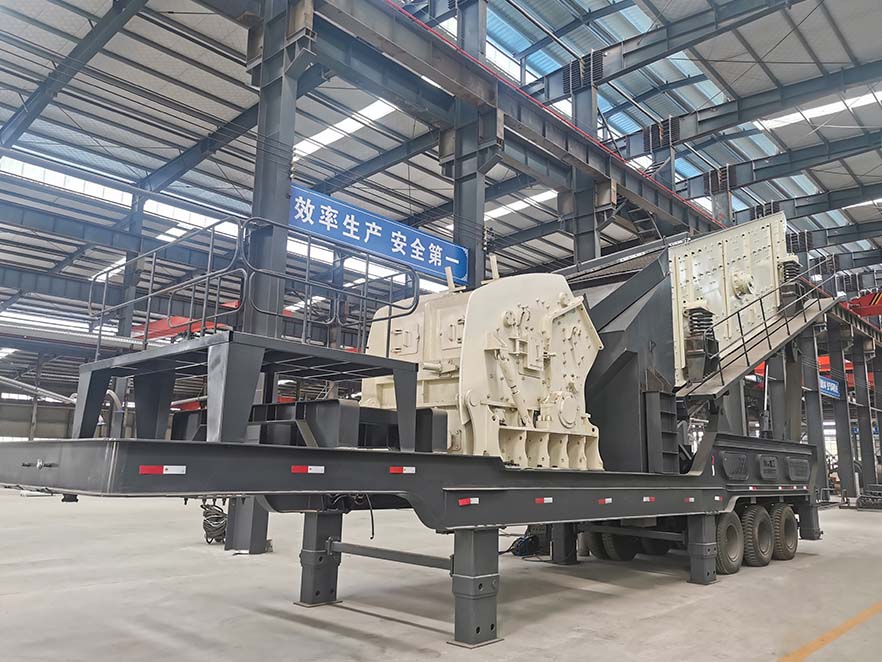
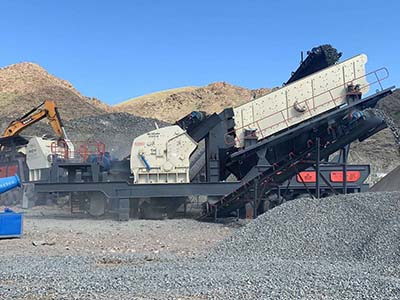
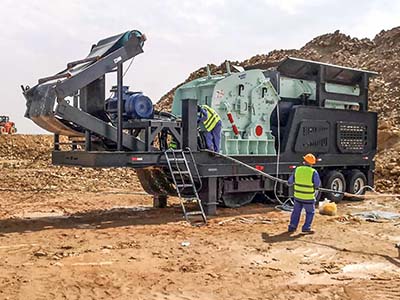
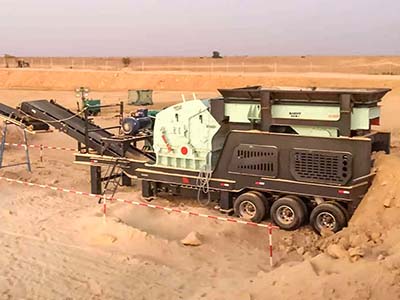
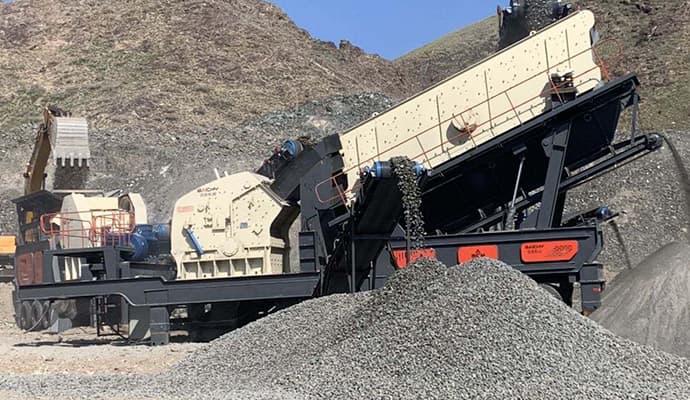
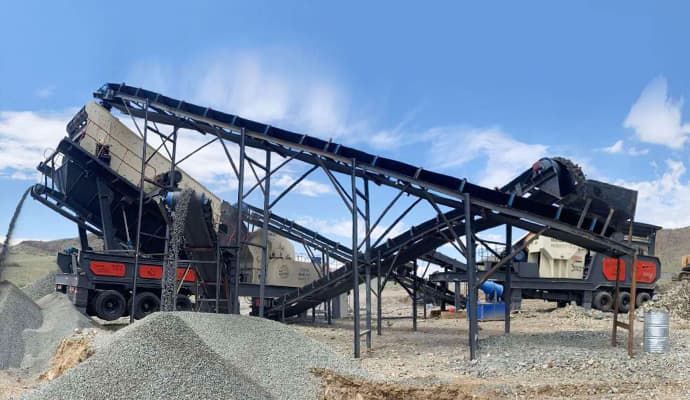
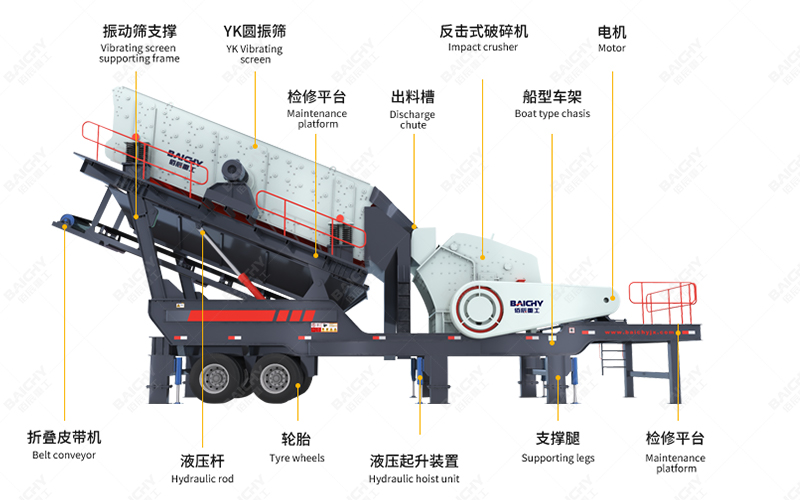
A mobile impact crusher is a modular crushing plant that integrates an impact crusher, vibrating feeder, screening module, and belt conveyors onto a mobile tire or track chassis. Instead of relying on compressive force like a jaw crusher, it uses the high-speed impact of rotating blow bars (plate hammers) against an impact plate to shatter materials. It requires no fixed foundation and can be put into production within one hour of arriving on site.
Q2: What materials can a mobile impact crusher process?
It is best suited for medium and low-hardness rocks (Mohs hardness ≤ 6), such as limestone, dolomite, and coal gangue, as well as recycled construction materials like concrete, bricks, and asphalt blocks. It can also handle medium-hard granite (Mohs 6–7) when the feed size is reduced and wear-resistant hammers are used. It is not recommended for ultra-hard rocks such as basalt or quartzite (Mohs > 7), where a mobile cone crusher is more economical, or for highly viscous, high-moisture materials that may clog the crushing chamber.
Q3: What is the difference between a mobile impact crusher and a mobile jaw crusher?
A mobile impact crusher uses high-speed impact force to break soft-to-medium-hard rock and produces cubical, well-shaped end products ideal for asphalt and concrete aggregate. A mobile jaw crusher uses compressive force between a fixed and moving jaw plate, making it better for hard, abrasive materials like granite, basalt, and quartz; however, its output tends to be more elongated and less uniformly shaped.
Q4: What is the capacity and feed size range?
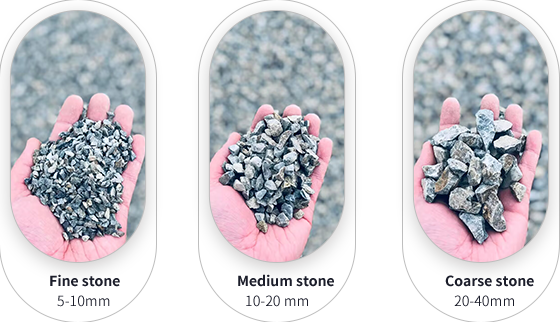
Baichy's mobile impact crushing plants accept feed sizes up to around 500 mm and deliver capacities from 30 to 600 tons per hour, depending on the model, material type, and feed grading. Motor power typically ranges from 60 to 300 kW. The final product size can be adjusted by changing the gap between the rotor and the impact plate, and a vibrating screen closes the loop by returning oversize material back to the crusher.
Q5: What are the main advantages of a mobile impact crusher?
The key advantages are high mobility (it can be relocated by a truck or self-driven to follow the working face), fast setup without a concrete foundation, modular design that allows optional pre-screening, iron removal, and dust collection units, excellent particle shape after multi-stage crushing, lower installation and transportation costs compared to a fixed plant, and strong environmental performance—making it especially valuable for construction waste recycling, mining, and road-building projects.
 +86-15093222637