+86-15093222637
Contact us for a quote and free process design
Baichy know what you are expecting from mining project and we are making it happen with unrivalled products and services.
Leave Message


Hammer crusher is an important crushing equipment, mainly used to crush hard materials such as stones and ores. It breaks the materials into smaller particles by hammering.
☛ Contact Us Now To Get A Customized Production Line Configuration Plan.
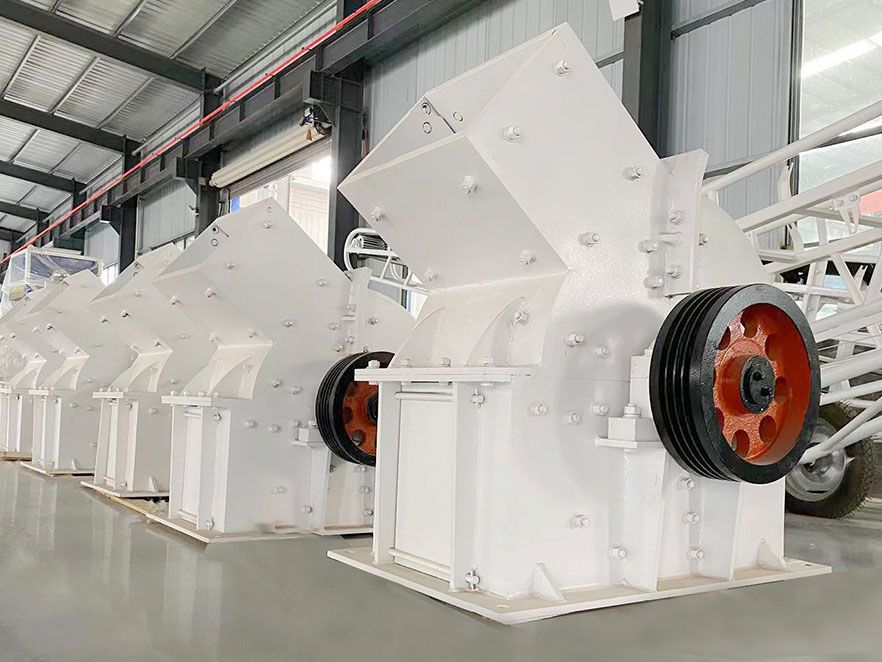
Hammer crushers use a high-speed rotary hammer to impact the ore, The compressive strength of broken material is less than 150Mp, and humidity is less than 15%, It is used to crush the mineral of hard brittle material.
The PC hammer crusher is a highly efficient crushing equipment that utilizes high-speed rotating hammers to impact materials, causing them to break along natural cracks, bedding planes, and joint surfaces. This equipment adopts advanced crushing technology and structural design, featuring a large crushing ratio, high output, and low energy consumption. The grate bar gap can be adjusted according to user needs to change the output particle size and meet different crushing requirements.
The equipment features an integral cast steel rotor structure and replaceable wear-resistant hammers, making maintenance convenient and ensuring a long service life. It is widely used in the crushing of medium-hardness materials in mining, cement, chemical, power, metallurgy, and other industries.
1. High efficiency and energy saving
2. Reliable structure
3. Easy maintenance
4. Environmentally friendly and intelligent
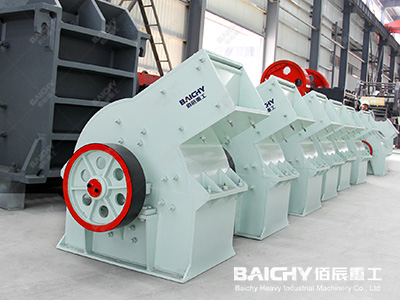
PC Hammer Crusher Manufacturer
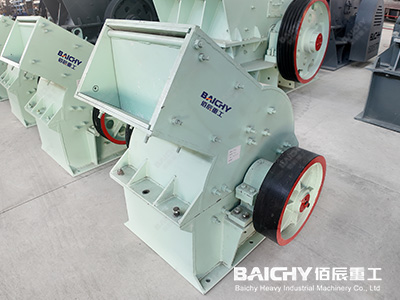
PC Hammer Crusher
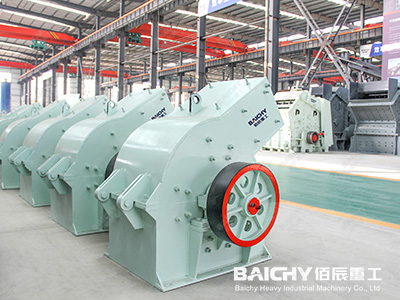
Hammer Crusher Price
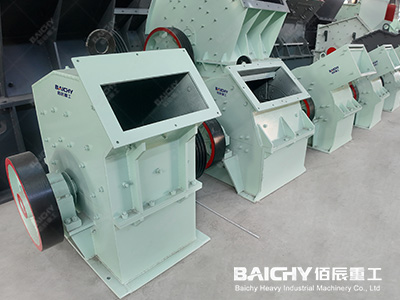
Mining Crushing Equipment
The PC hammer crusher is a core equipment for processing medium-hardness brittle materials, and its typical applications revolve around the characteristics of brittle, dry, and medium-hard. It is mainly used for crushing materials such as limestone, gypsum, coal gangue, and slag, and is an economical and efficient choice for primary or secondary crushing operations in cement manufacturing, sand and gravel aggregate production, mining, and industrial waste treatment.
In addition, this equipment also plays a key role in resource recycling, especially in the crushing and recycling of construction waste (concrete blocks, waste bricks and tiles). While its application scenarios are wide-ranging, it is important to note that it is not suitable for high-hardness rocks (such as granite) or highly wet and viscous materials, as this can lead to severe wear or blockage, affecting production efficiency.
In mines and quarries, hammer crushers are used to process a variety of hard rocks and ores, such as granite, limestone, coal, iron ore, etc. These devices can effectively break hard rocks into the required particle size for subsequent processing or extraction of metal minerals. Hammer crushers can cope with ores of different hardness and characteristics, showing their strong adaptability and flexibility.
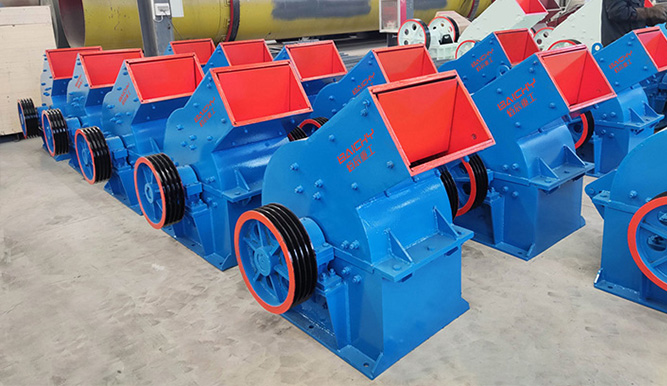
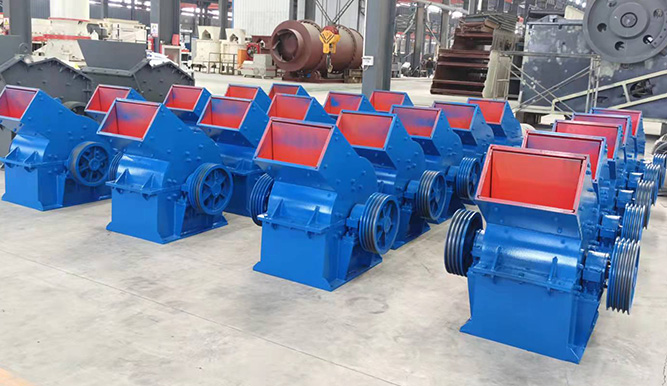
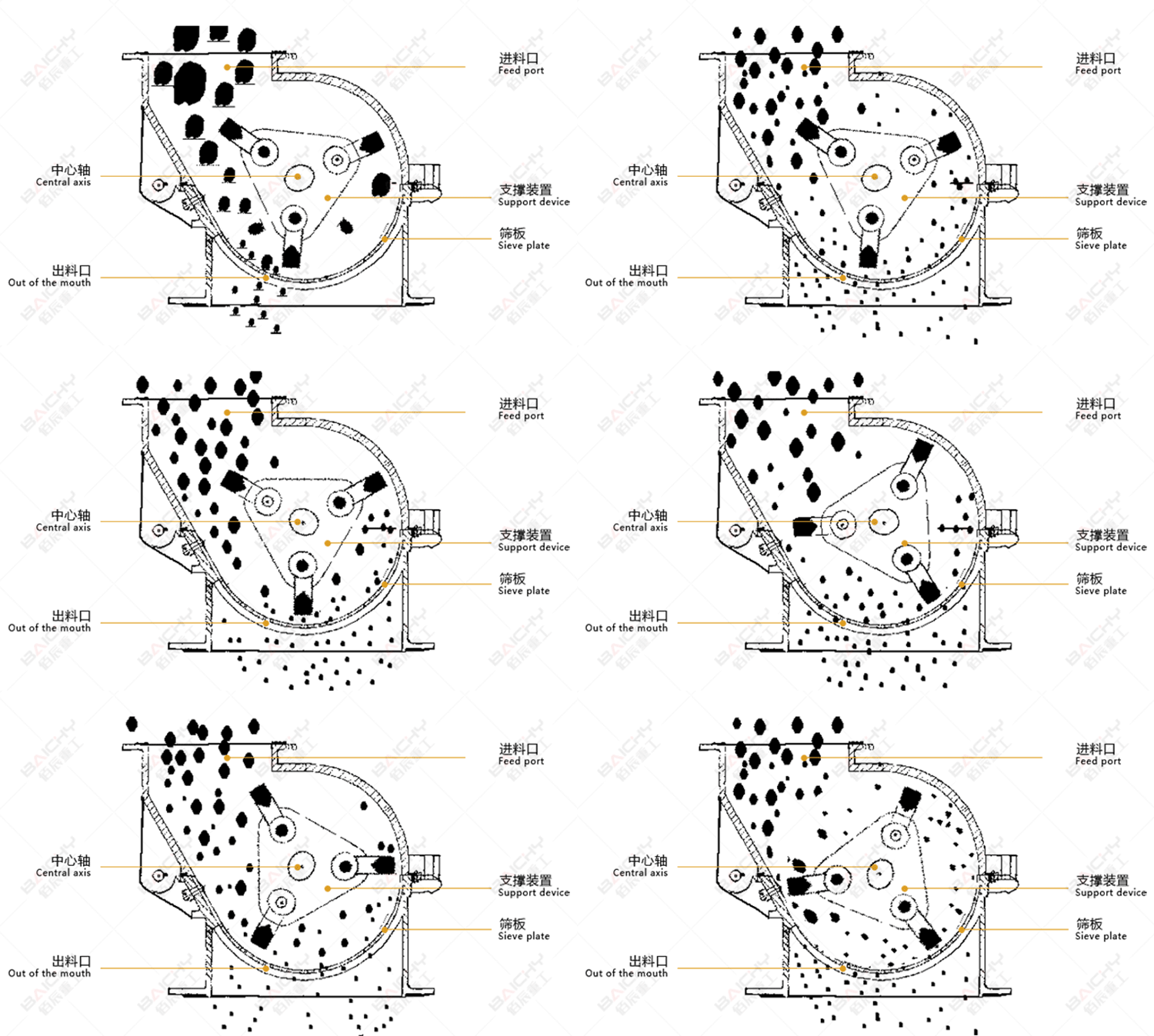
During operation, the PC hammer crusher's motor drives the rotor to rotate at high speed via a V-belt. Material enters the crushing chamber through the feed opening and is crushed by the impact of the high-speed rotating hammers. The crushed material gains kinetic energy and is propelled at high speed towards the crushing plate, where it is further crushed. Material smaller than the grate gap is discharged through the gap, while larger material continues to be impacted and ground by the hammers in the crushing chamber until it reaches the desired particle size and is then discharged.
The entire crushing process combines impact crushing, collision crushing, and grinding, ensuring that the material is thoroughly crushed to achieve the ideal particle shape and size distribution.
| Model | Input Size (mm) | Output Size (mm) | Capacity (t/h) | Power (kw) |
| PC400x300 | <100 | <15 | 5-10 | 11 |
| PC600x400 | <220 | <15 | 10-25 | 22 |
| PC800x600 | <350 | <15 | 20-40 | 55 |
| PC1000x800 | <400 | <15 | 25-80 | 110 |
Have Any Questions!
Don't Hesitate To Contact Us AnyTime.
A. It crushes medium-hard and brittle materials with a compressive strength under 150 MPa and moisture under 15% — limestone, gypsum, coal gangue, blast furnace slag, construction waste (waste concrete blocks, bricks and tiles). It is not suitable for high-hardness rock such as granite, or for wet, sticky feed, which causes severe hammer wear and screen blockage.
A. Yes. The grate bar gap under the rotor is adjustable, so the discharge particle size can be changed to match downstream requirements. Standard models produce material finer than 15 mm; the gap is set during commissioning according to your aggregate or grinding feed spec.
A. Match the model to your maximum feed size and target throughput: PC400x300 takes feed under 100 mm at 5–10 t/h (11 kW); PC600x400 takes under 220 mm at 10–25 t/h (22 kW); PC800x600 takes under 350 mm at 20–40 t/h (55 kW); PC1000x800 takes under 400 mm at 25–80 t/h (110 kW). Actual output depends on material, feed size and required fineness. Send us your feed size and capacity target and we will recommend a model.
A. A jaw crusher uses compression and handles harder rock and larger feed as a primary crusher. A hammer crusher uses high-speed impact, gives a bigger crushing ratio in one stage and produces a finer, more cubic product — so it can replace a two-stage jaw plus impact setup on soft to medium-hard stone and cut both cost and energy use. For granite or basalt, a jaw or cone crusher is the better choice.
A. Price depends on the model, drive power and whether you need a complete crushing line, so we quote per project — contact us for a factory price and a free layout design. Daily maintenance is limited: the rotor is a one-piece cast steel structure and the hammers are replaceable wear parts, so liners and screens can be swapped without dismantling the machine.
If you need further information,please fill in your questions and comments in the form below.
Representatives from Baichy machinery will be back to you within the hour,thanking you for your support to Baichy machinery