+86-15093222637

Contact us for a quote and free process design
Baichy know what you are expecting from mining project and we are making it happen with unrivalled products and services.
Leave Message


PEX fine jaw crusher is designed for secondary and fine crushing of hard rock, ores, and aggregates. With adjustable discharge size, stable operation, and flexible capacity, it suits mining, quarrying, and processing plants.
Contact Us Now To Get A Customized Production Line Configuration Plan.
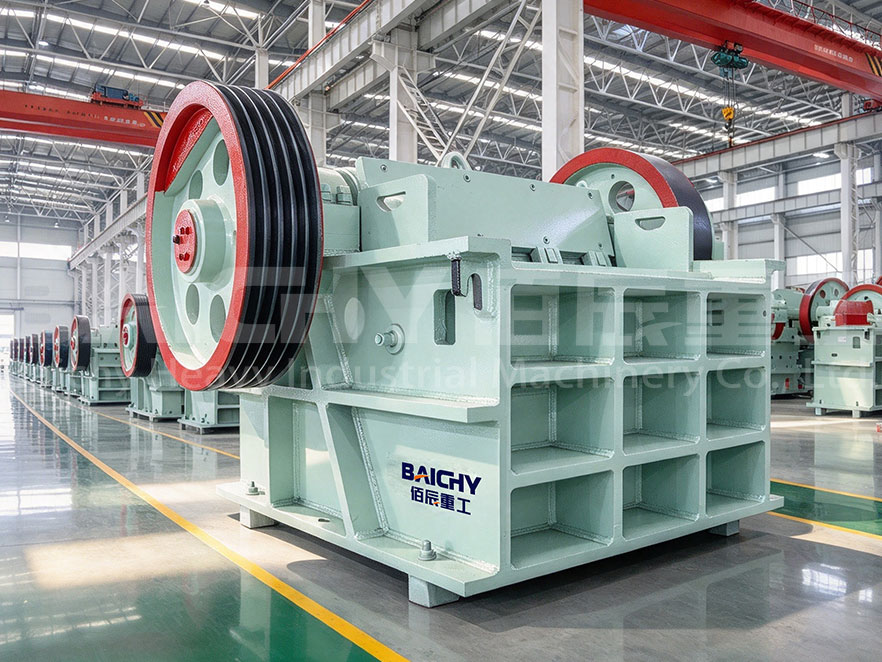
The PEX fine jaw crusher is designed for medium and fine crushing after primary crushing. It processes medium-hard and hard materials such as granite, basalt, limestone, iron ore, copper ore, river pebble, and quartz stone.
Compared with a PE series jaw crusher used for primary crushing, the PEX series has a smaller feed opening and a finer adjustable discharge range. It is suitable when the next process requires a more controlled product size and a stable secondary crushing stage.
Fine Jaw Crusher for Secondary Crushing
fine jaw crusher
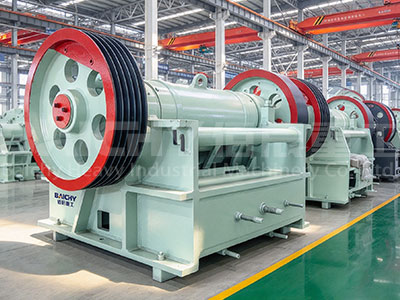
PEX jaw crusher price
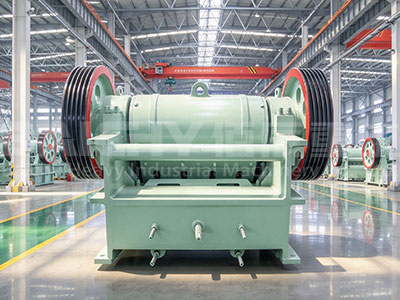
stone fine crushing machine
A PEX jaw crusher can be considered when the production line needs a compact secondary crusher for hard or medium-hard material. It is commonly used in the following situations:
• The primary crusher has already reduced large rock to a suitable feed size.
• The required product is finer than the normal output of a primary jaw crusher.
• The material is abrasive and a compression crusher is preferred.
• The plant requires a simple mechanical structure and accessible wear parts.
• Space or investment constraints make a compact secondary crushing unit practical.
PEX is not a universal replacement for every secondary crusher. The final selection should be based on the material's compressive strength, abrasiveness, maximum feed size, target product size, required capacity, and the complete process flow.
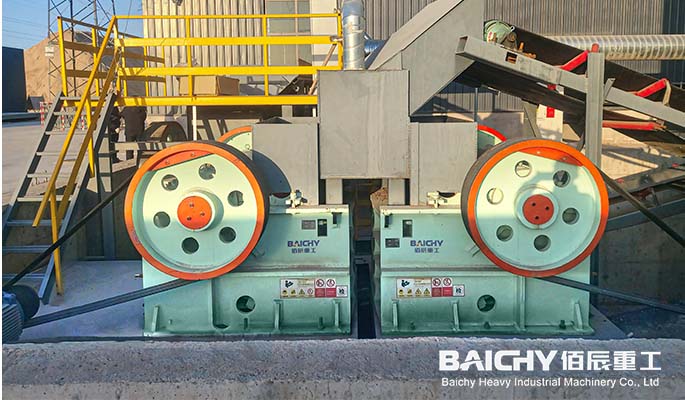
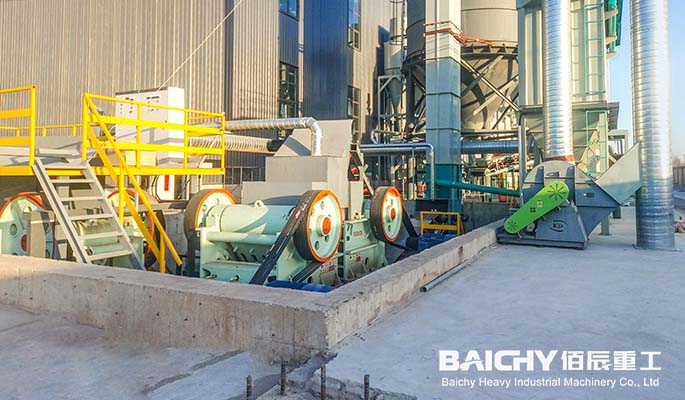
The PEX fine jaw crusher is operating at the customer’s site, delivering stable secondary crushing for hard rock and ore. Adjustable discharge helps maintain consistent output for downstream processing.
1. Feeding: Material enters the crushing chamber through the feed opening.
2. Compression: The motor drives the eccentric shaft, which moves the movable jaw toward the fixed jaw.
3. Crushing: The material is compressed and fractured between the two jaw plates.
4. Discharge: Material moves downward under gravity after reaching a size that can pass through the discharge opening.
5. Continuous cycle: Oversized material remains in the chamber for further crushing until it reaches the required discharge range.

| Model |
Feeder Opening Size(mm) |
Max. Feeding Size (mm) |
Outlet adjusting Size(mm) |
Capacity (t/h) |
Motor Power (kw) |
Overall Dimension (mm) |
| PEX150x750 | 150x750 | 120 | 10-40 | 5-16 | 15 | 1310x1118x1145 |
| PEX250x750 | 250x750 | 210 | 15-50 | 15-30 | 22 | 1440x1751x1515 |
| PEX250x1000 | 250x1000 | 210 | 15-60 | 15-52 | 30 | 1730x1950x1400 |
| PEX250x1200 | 250x1200 | 210 | 15-60 | 25-80 | 37 | 1730x2150x1400 |
| PEX300x1300 | 300x1300 | 250 | 25-60 | 30-105 | 55 | 2000x2320x1730 |
Have Any Questions!
Don't Hesitate To Contact Us AnyTime.
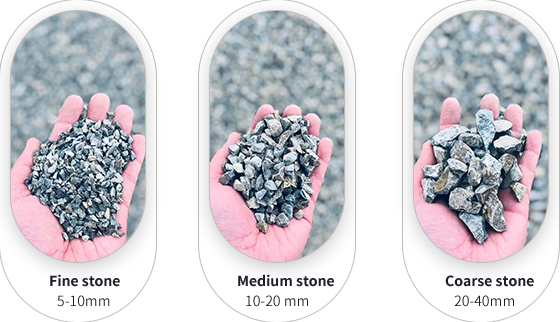
It can be used for medium and fine crushing of many hard and medium-hard materials, including granite, basalt, limestone, iron ore, copper ore, gold ore, manganese ore, river pebble, quartz stone, and dolomite. Final suitability depends on material hardness, abrasiveness, feed size, and the required product.
The listed models cover approximately 5–105 t/h. This is a reference range, not a guaranteed output. Actual production depends on the material, feed gradation, discharge setting, moisture, feeding method, and operating conditions.
The listed discharge adjustment ranges are approximately 10–60 mm, depending on the model. The actual product-size distribution should be confirmed through process calculation or testing because the setting alone does not determine every particle size.
It may be used as the first crusher in some small or specially designed plants when the feed size is within the model limit. However, the PEX series is generally positioned for secondary or fine crushing, while a PE series jaw crusher is commonly selected for larger primary feed.
Both can be used in secondary crushing, but the equipment choice depends on feed size, material properties, required product shape, capacity, reduction ratio, and the complete plant layout. A technical comparison should be made using the actual project data rather than a general equipment label.
Provide the material type, maximum feed size, required capacity, target product size, operating hours, site conditions, and any existing equipment. Photos, feed analysis, or a simple process description can help the technical team recommend a suitable model and supporting equipment.
If you need further information,please fill in your questions and comments in the form below.
Representatives from Baichy machinery will be back to you within the hour,thanking you for your support to Baichy machinery