+86-15093222637
Baichy Heavy Industrial Machinery Co., Ltd

Phone/Wechat/Whatsapp:+008615093222637

Email:[email protected]
24 hours online
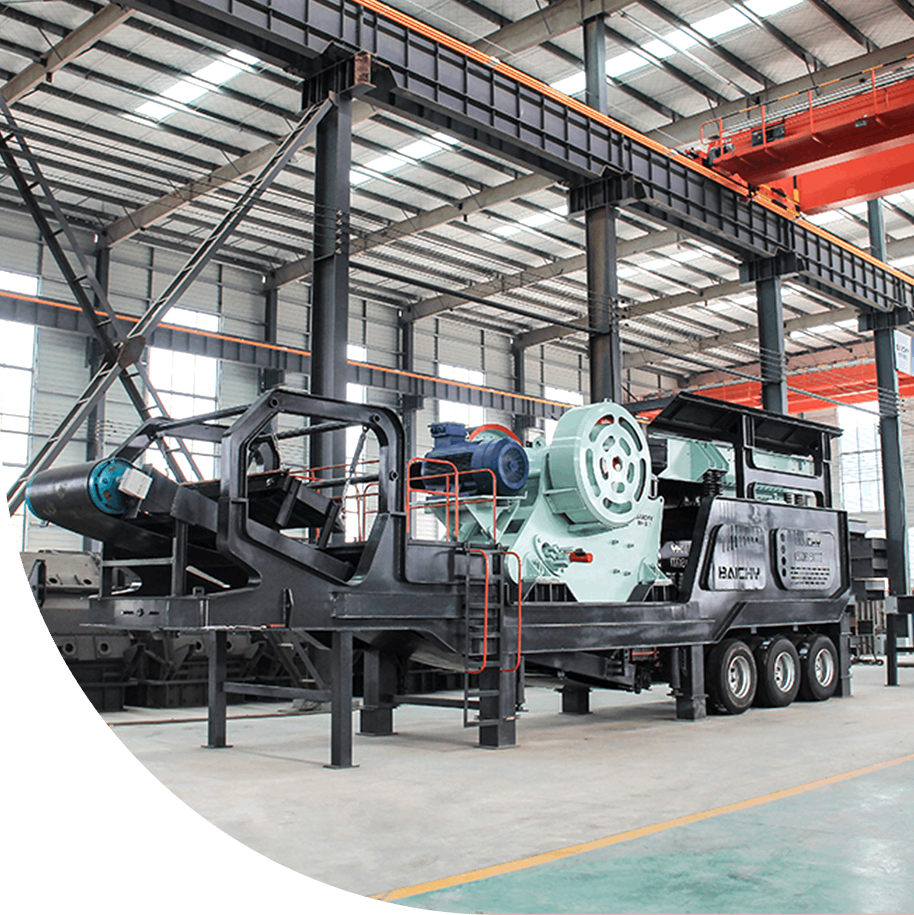
Crawler mobile impact crusher is a modern crushing equipment that integrates efficient crushing and flexible mobility. It adopts heavy-duty impact crushing technology and a fully hydraulic crawler drive system, which is perfectly adapted to diversified operating scenarios such as mining, construction waste recycling, and road construction.
☛ Contact Us Now To Get A Customized Production Line Configuration Plan.
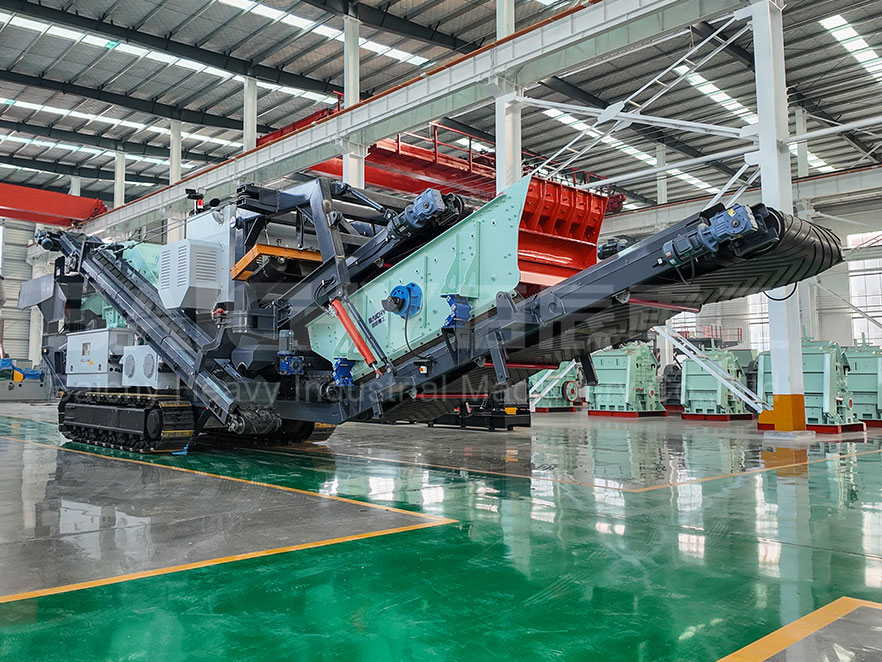
A track-mounted mobile impact crusher (crawler mobile impact crusher or tracked impact crushing plant) puts a vibrating feeder, horizontal-shaft impact (HSI) crusher, optional onboard screen, belt conveyors and a diesel-electric or full-hydraulic power unit on one self-propelled crawler chassis. It moves on its own tracks — no tractor, no crane, no foundation — climbs slopes up to 20°–25°, and is ready to work in 15–30 minutes. That makes it ideal for contractors who change sites often or crush right at the quarry face.
• True mobility – self-propelled tracks, wireless remote control, setup in 15–30 minutes.
• High reduction ratio – up to 20:1 in one pass (0–700 mm feed → 0–40 mm product).
• Superior product shape – cubical aggregate for asphalt and ready-mix concrete.
• Flexible power – diesel-electric or full hydraulic; can also run on mains power.
• Smart control – PLC with touch screen, load-based feeder speed, hydraulic gap adjustment, optional remote diagnostics.
• Compact footprint – folding conveyors and a low profile suit urban demolition sites and tunnels.
track-mounted mobile impact crusher
crawler mobile impact crusher
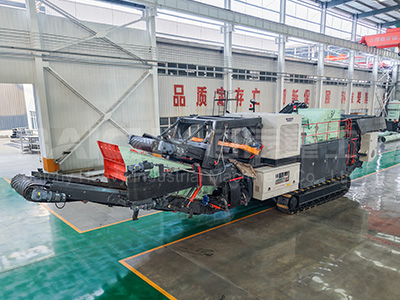
tracked impact crusher
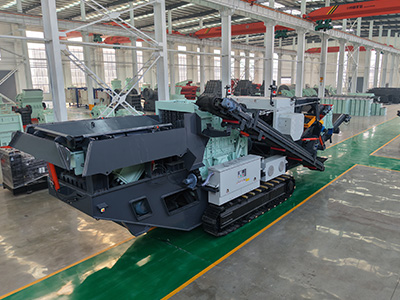
mobile impact crusher for sale
| Material | Suitability | Note |
|---|---|---|
| Limestone, dolomite, marl | ★★★★★ | Ideal — soft to medium-hard, low wear cost |
| Concrete, reinforced concrete | ★★★★★ | Rebar removed by magnetic separator |
| Sandstone, gypsum, shale | ★★★★☆ | Watch moisture and stickiness |
| Asphalt / RAP | ★★★★☆ | Keep rotor speed moderate to limit fines |
| Brick, tile, C&D mix | ★★★★☆ | Pre-screen out soil first |
| Weathered granite, gneiss | ★★★☆☆ | Only if silica content is low |
| Granite, basalt, quartzite | ★☆☆☆☆ | Not recommended — use jaw + cone |
Rule of thumb: impact crushers work best when compressive strength is ≤150–200 MPa and silica content is low. Hard abrasive rock wears blow bars fast — choose jaw + cone instead.
1. Size for peak output + 20% buffer — never run at 100% load continuously.
2. Check feed size — largest boulder ≤ 80% of the crusher inlet.
3. Open or closed circuit — need one certified fraction? Add an onboard screen + return conveyor. Two fractions? Use a 2- or 3-deck screen.
4. Pick the drive — diesel-electric for remote quarries; full hydraulic for frequent start-stop and cold climates; grid power where available.
5. Check transport dimensions — width, height, track width against local road permits.
6. Calculate wear cost per ton — blow bars, aprons and screen meshes dominate opex; ask for guaranteed t/h per set.
7. Check compliance — dust suppression, noise enclosure (< 75 dB at 10 m), spill-free transfer points.
8. Judge after-sales — commissioning, spare parts within 72 h, operator training.
Track-mounted mobile impact crushers are recognized as experts in coarse crushing within the mining industry and serve as essential tools for construction waste recycling. These machines are specifically engineered to crush hard materials, including limestone and granite, and are also well-suited for applications such as construction waste recycling, road reconstruction, and other related projects.
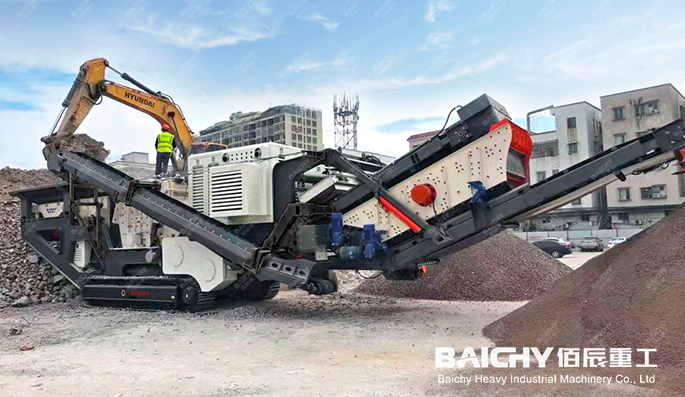
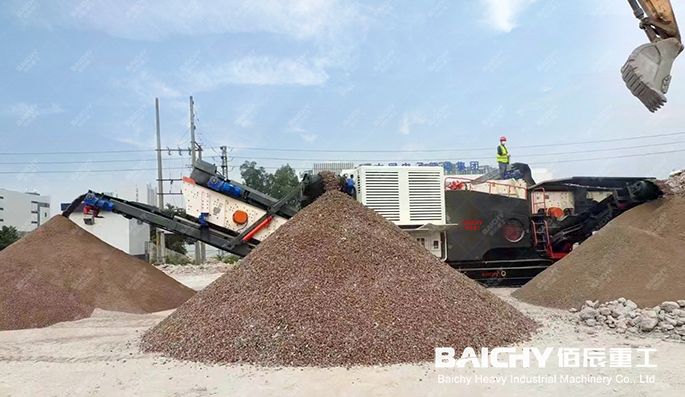
1. Feeding Stage: An excavator or loader feeds raw materials (e.g., ore, construction waste) into the vibrating feeder, which evenly distributes the material to the impact crusher.
2. Crushing Stage:
- Primary Crushing: The material is initially crushed through the high-speed rotation of the rotor and the action of the plate hammer.
- Secondary Crushing: The pre-crushed material rebounds upon hitting the impact plate, undergoing multiple impacts to ensure a uniform particle shape (with less than 15% needle-shaped particles).
3. Screening and Recirculation:
- The crushed material is screened by the vibrating screen. Qualified products are conveyed out via the belt conveyor, while oversized material is recirculated back to the impact crusher for reprocessing.
4. Finished Product Output:
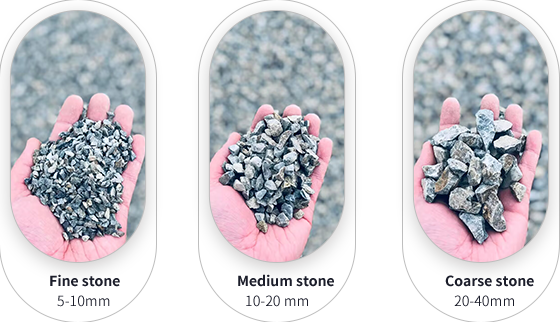
- The discharge port can be adjusted according to specific requirements to produce various specifications of finished products, such as 0-5mm (for sand production), 5-20mm (for aggregate production), etc.
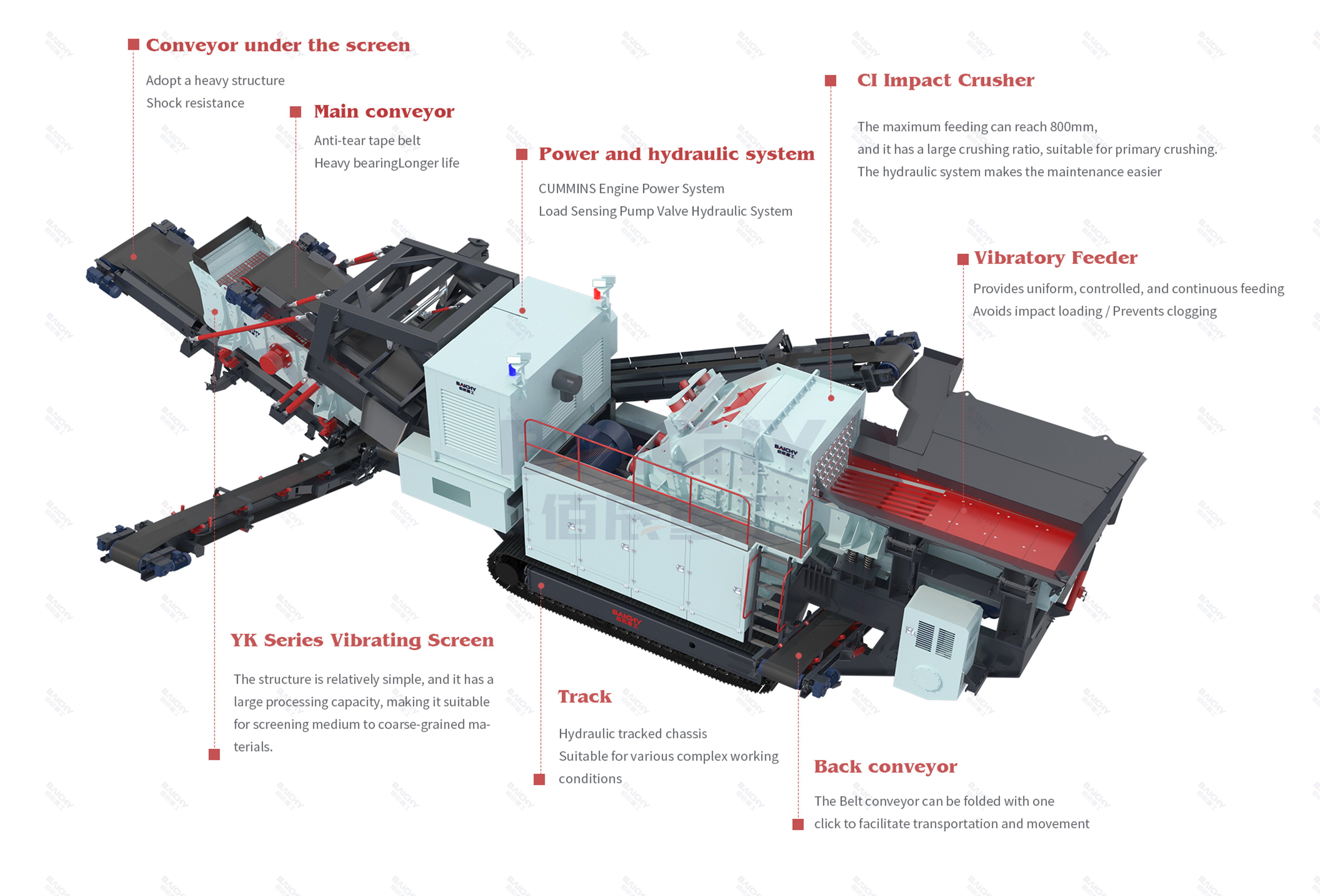
| Model | Feeder | Impact Crusher | Main Belt | Side Discharge Belt | Inspection Screen | Discharge Belt Under Screen | Transition Belt1 | Transition Belt2 | Screen Front Side Discharge Belt | Return Belt Conveyor | Capacity |
|---|---|---|---|---|---|---|---|---|---|---|---|
| YMCI10S | GZD9538 | CI1110 | B1000x10m | B500x3.8m | 2YK1436 | B1200x6.5m | B500x2m | B500x2m | B500x4.5m | B500x8.2m | 100-200t/h |
| YMC12S | GZD1135 | CI1213 | B1000x10m | B500x3.8m | 2YK1436 | B1200x6.5m | B500x2m | B500x2m | B500x4.5m | B500x8.2m | 150-300t/h |
| YMCI12 | GZD1135 | CI1213 | B1000x10m | B500x3.8m | — | — | — | — | — | — | 150-300t/h |
| YMCI13S | GZD1235 | CI1313 | B1200x10m | B500x3.8m | 2YK1436 | B1200x6.5m | B500x2m | B500x2m | B500x4.5m | B500x8.6m | 220-500t/h |
| YMCI13 | GZD1235 | CI1313 | B1200x10m | B500x3.8m | — | — | — | — | — | — | 220-500t/h |
Have Any Questions!
Don't Hesitate To Contact Us AnyTime.
A track-mounted (crawler) unit moves under its own power via hydraulic tracks, handles rough, muddy and sloped ground up to 20°–25°, and needs no towing vehicle — ideal for quarries and multi-site contractors. A wheeled unit is cheaper and faster on paved roads but must be towed by a truck or loader and requires a firmer, flatter site. Choose tracked for rough terrain and frequent relocation; choose wheeled for budget-sensitive, road-accessible sites.
Generally no. Granite, basalt and quartzite have high silica content and compressive strength above 200 MPa, which wears blow bars extremely fast and drives the cost per ton far above a cone crusher. Impact crushers are designed for limestone, dolomite, sandstone, concrete, asphalt and demolition waste. For hard rock, use a jaw crusher for primary and a cone crusher for secondary/tertiary stages.
Base the decision on your peak hourly output requirement plus a 20% buffer, then check that the crusher's maximum feed size accepts your largest boulder (keep feed ≤ 80% of the inlet opening). Also confirm whether you need a screened, single-spec product — if so, specify an onboard screen and recirculating conveyor. Typical models cover 50–450 t/h; a 150–250 t/h tracked impact plant is the most common choice for mid-size quarries and C&D recycling.
Key factors are capacity and rotor size, crusher brand and apron configuration (2 vs 3 aprons), whether an onboard screen and return conveyor are included, the drive type (diesel-electric vs full hydraulic), engine and emission tier (EPA Tier 4 / EU Stage V), automation level, and optional extras such as magnetic separators, dust suppression and noise enclosures. Freight, import duty, commissioning and spare-parts packages also shift the landed cost, so request a full itemized quote rather than comparing base prices only.
Setup is typically 15–30 minutes: drive into position, unfold the conveyors via hydraulics, set the discharge gap and start. No foundation or anchoring is required. Routine maintenance includes daily greasing of bearings, checking belt tension and tracking, and inspecting blow bars and aprons. Blow bars are usually rotated or replaced after 150–400 operating hours depending on rock abrasiveness; screen meshes last 3–6 months. Keeping a spare set of blow bars, aprons and belt splices on site prevents most unplanned downtime.
If you need further information,please fill in your questions and comments in the form below.
Representatives from Baichy machinery will be back to you within the hour,thanking you for your support to Baichy machinery