Baichy Heavy Industrial Machinery Co., Ltd

Phone/Wechat/Whatsapp:+008615093222637

Email:[email protected]
24 hours online
The small-scale portable mobile crushing plant is the preferred solution for "lightweight" crushing requirements. By foregoing ultra-high production volumes, it gains exceptional mobility, low relocation costs, and a rapid return on investment—making it ideally suited for small-to-medium-sized engineering contractors and individual investors.
☛ Contact Us Now To Get A Customized Production Line Configuration Plan.
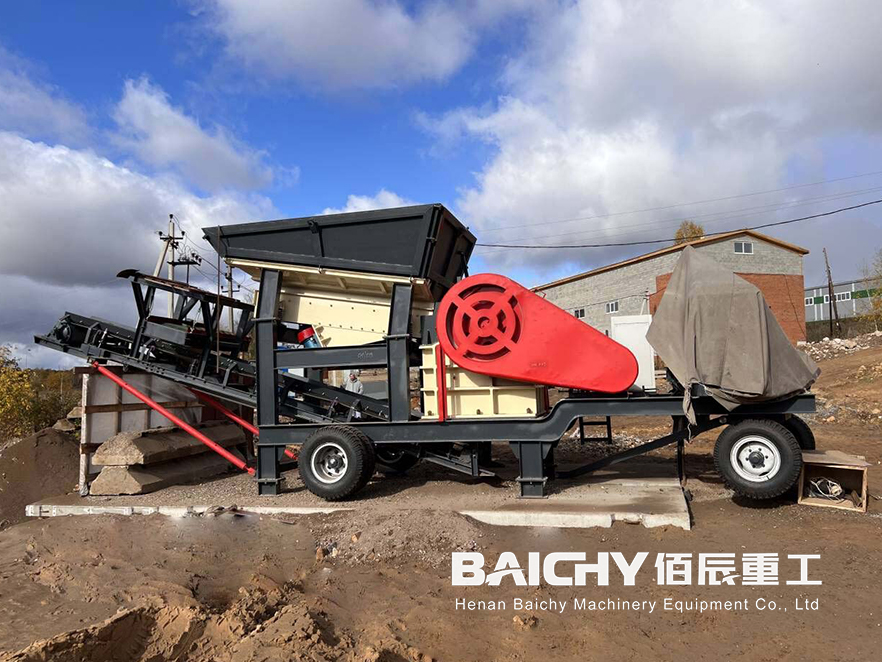
Small-scale portable mobile crushing plants are pieces of equipment typically utilized in mining operations, construction waste recycling, road construction, and stone processing.
• Crushing Method: Jaw crushers are the most common choice (suitable for coarse crushing), though hammer crushers (suitable for medium to fine crushing) are also available.
• Power System: Most units are equipped with diesel engines, allowing for independent field operations without the need for an external power supply; some models also support electric motor drives.
• Mobility: Typically mounted on a wheeled mobile chassis, facilitating easy towing by vehicles.
The production capacity of small-scale portable mobile crushing plants varies significantly, depending on the specific equipment model, the hardness of the material being crushed, and the required finished product particle size. The following provides a detailed breakdown of capacity ranges and an analysis of the production line requirements they are suited to meet:
This category of equipment is typically pided into three tiers; you can identify the appropriate tier based on the scale of your project:
• Capacity: 1 – 10 t/h
• Characteristics: Typically no larger than a pushcart and equipped with a small diesel engine; primarily used for laboratory sampling, small-scale home workshops, or extremely small-scale gold ore beneficiation.
• Capacity: 10 – 50 t/h (the best-selling range)
• Characteristics: This represents the most common "portable" model currently available on the market. It is capable of meeting the basic requirements of small-scale quarries or road repair projects. It can process approximately 80 – 400 tons of material per day (based on an 8-hour shift).
• Capacity: 50 – 150 t/h
• Characteristics: Slightly larger in size, typically utilizing a heavy-duty, wheeled trailer chassis. This grade is capable of meeting the demands of small-scale construction waste recycling facilities or rural road construction projects.
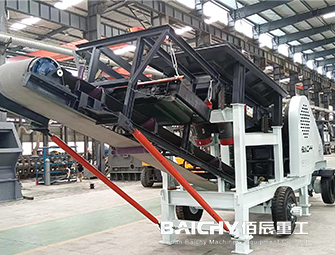
Small Mobile Crushing Station
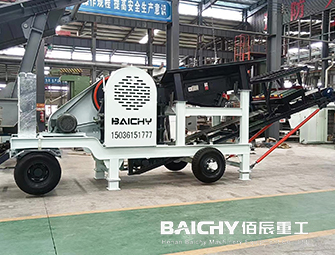
Stone Crushing Equipment
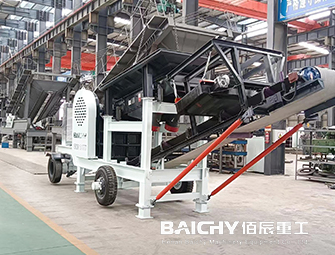
Construction Waste Crushing
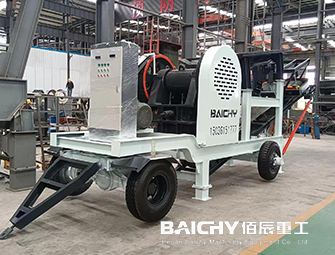
Samll Portable Jaw Crusher
While the equipment itself is portable, successfully operating a production line requires attention to the following key metrics:
• Constraint: The feed opening on small, portable equipment is typically limited in size.
• Requirement: Raw material dimensions generally must be kept below 200mm – 400mm. If your raw material consists of massive blasted rock, you will need to perform preliminary manual blasting or crushing, or opt for a larger model of jaw crusher.
Configuration:
• Single-Unit Crushing: If your only objective is to break large rocks into smaller pieces, a single mobile jaw crusher will suffice.
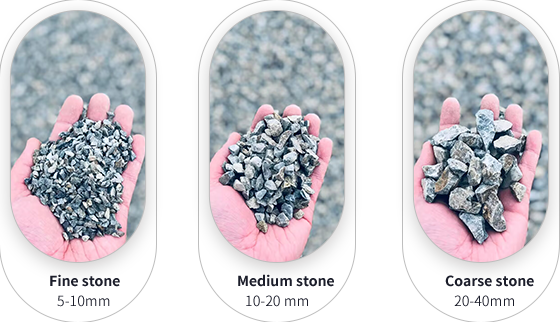
• Screening Requirements: If you need to simultaneously produce multiple aggregate specifications—such as 0–5mm (sand), 10–20mm (gravel), and 20–30mm (larger stone)—you must install a mobile vibrating screen downstream from the crusher.
• Diesel Engine: Suitable for remote areas lacking access to grid electricity; maintenance is simple, though long-term fuel costs are higher than those associated with electric power.
• Dual-Power (Diesel-Electric): It is recommended to select a model equipped with an electric motor; in locations where grid power is available, switching to electric drive can significantly reduce operating costs.
• Space: Unlike stationary production lines—which typically require thousands of square meters—a small mobile crushing station requires only 30 to 100 square meters of level, hardened ground to commence operations.
• Ancillary Equipment: You will typically require a loader to feed material into the hopper, as well as one or two dump trucks to transport the finished products away.
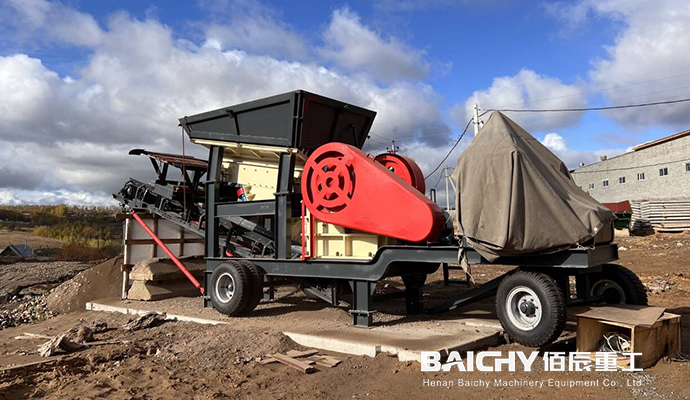
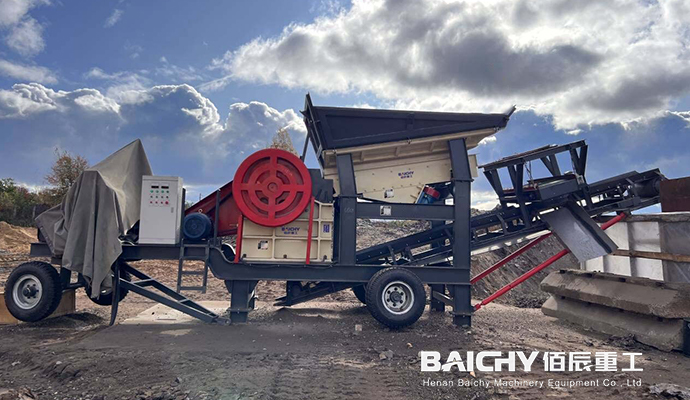
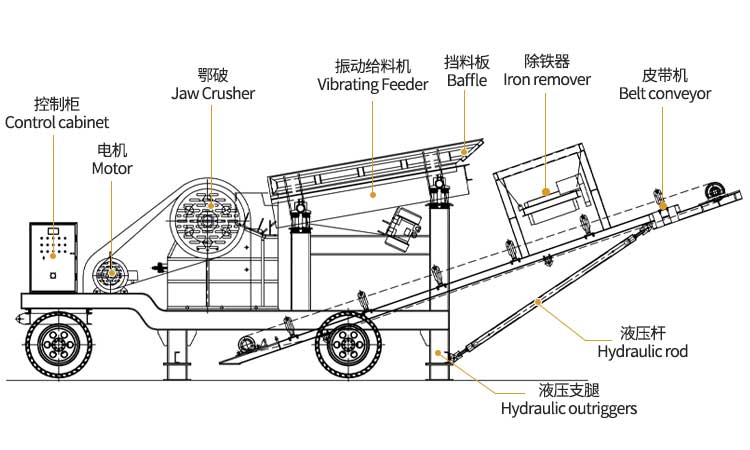
Raw Materials → Hopper → Feeder → Main Crusher Unit (Crushing/Impacting) → Vibrating Screen (Screening/Sorting) → Finished Product Conveyor Belt (Transport) → Stockpiles of Stone Materials (Sorted by Size).
Based on the type of main crushing unit configured for the equipment, crushing methods are categorized into two types:
• Principle: Simulates the movement of an animal's jaw. Through the periodic approach and retraction of a movable jaw plate against a stationary jaw plate, the material is subjected to powerful compression and grinding forces.
• Characteristics: Generates immense force; suitable for processing rocks of extremely high hardness (e.g., granite, basalt).
• Principle: Utilizes a high-speed rotating rotor to drive hammers or blow bars, which violently strike the material entering the crushing chamber and cause it to repeatedly rebound and impact against the inner walls of the chamber.
• Characteristics: Produces finished materials with excellent particle shape (predominantly cubical); suitable for processing materials of medium hardness (e.g., limestone, construction waste).
|
Transport size
|
|||||
|
|
Length(mm)
|
Width(mm)
|
Height(mm)
|
Total weight(kg)
|
Main unit(kg)
|
|
|
6000
|
2350
|
3100
|
9600
|
6800
|
|
Main unit
|
|||||
|
Jaw crusher
|
Model
|
Feed opening(mm)
|
Discharging hole setting range(mm)
|
Motor Power(kw)
|
Capacity(t/h)
|
|
PE400x600
|
400x600
|
40-100
|
30kw
|
30-60t/h
|
|
|
Feeder vibrating
|
Model
|
Size of Feed Spout(mm)
|
Max Feeding size(mm)
|
Motor Power(kw)
|
Capacity (t/h)
|
|
ZSW6520
|
650x2500
|
560
|
5.5x2
|
50-90t/h
|
|
|
Belt
|
Model
|
Width(mm)
|
Length(mm)
|
Motor Power(kw)
|
|
|
B500
|
500
|
6000
|
4kw
|
||
|
Capacity(t/h)
|
30-60t/h
|
||||
Have Any Questions!
Don't Hesitate To Contact Us AnyTime.
If you need further information,please fill in your questions and comments in the form below.
Representatives from Baichy machinery will be back to you within the hour,thanking you for your support to Baichy machinery




 +86-15093222637