 +86-15093222637
Contact us for a quote and free process design
Baichy know what you are expecting from mining project and we are making it happen with unrivalled products and services.
Leave Message


The fine sand recycling machine is a high efficiency sand washer integrating sand washing, dehydration, and recycling, which has various functions. It has the characteristics of a reliable structure, a small footprint, and a reasonable price.
☛ Contact Us Now To Get A Customized Production Line Configuration Plan.
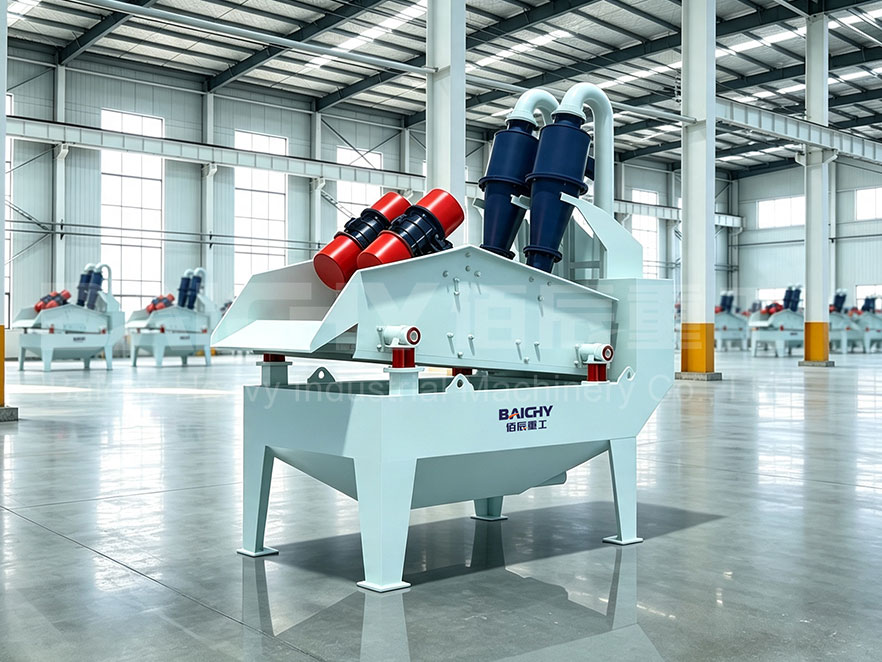
Fine sand recycling machine is the development of equipment for the slurry material dehydration, disengagement, deslimatization , the machine biggest feature is a good solution to the sand industry of the problem of fine sand loss.
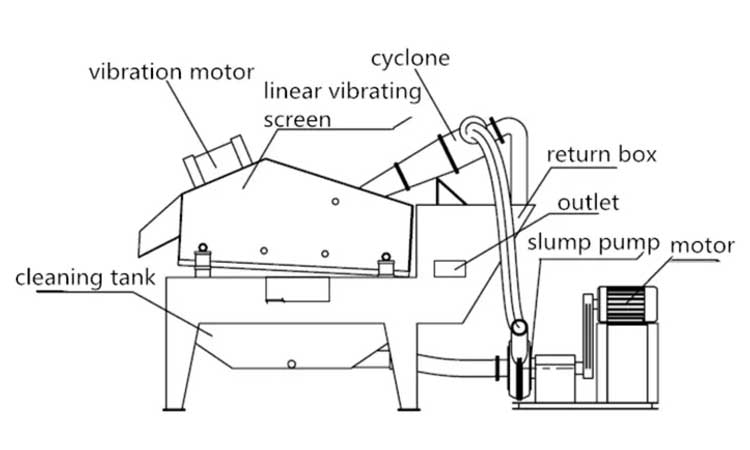
A fine sand recovery machine is a sand-water separation system comprising a hydrocyclone, a slurry pump, a vibrating dewatering screen, and a return box. Designed to address the industry-wide issue of fine particles being lost in overflow water during the sand washing process, it is also known as a sand-silt separator, tailings recovery unit, or sand-water recycling system.
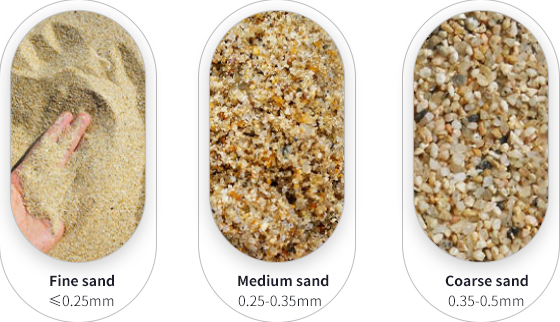
Efficiently recovers fine sand particles (0.075–0.5 mm) from sand-washing wastewater and dewaters them to a state suitable for direct stockpiling and sale.
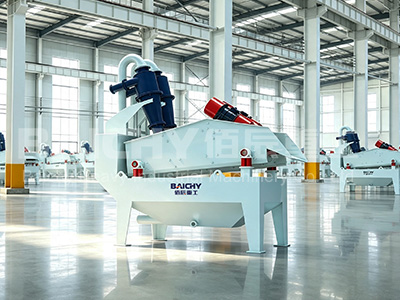
fine sand recovery for sand washing plant
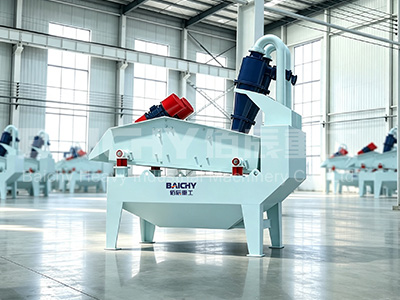
sand washing water recycling system
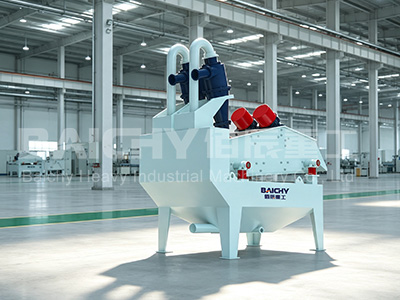
fine tailings dewatering system
gold mine tailings dewatering
Fine sand recovery machines are not limited to a single industry; they serve as a versatile solution for any scenario requiring solid-liquid separation and resource recovery from sand-laden wastewater.
Scenario Description: During the washing of manufactured or natural sand, the overflow wastewater from spiral or wheel-bucket sand washers carries 10–18% fine sand. Direct discharge wastes resources and consumes valuable capacity in sedimentation ponds.
• 30–80 t/h production line → DN1530 (φ300×2 cyclones + 1,500×3,000 mm dewatering screen)
• 80–150 t/h production line → DN1840/DM2045 (φ350–500×2 cyclones + 1,800–2,000×4,000–4,500 mm dewatering screen)
• 150–250 t/h large-scale line → DN2245/DN2445 (φ500×3–4 cyclones + 2,200–2,400×4,500 mm dewatering screen)
Configuration Option: Can be connected in series with a sand washer to create an integrated, closed-loop production line: "Sand Washing → Recovery → Dewatering."
The fine sand recycling machine is usually used after the circular vibrating screen or drum sieve, and the mixture of sand, water, and mud after screening is fed into the feeding end of the sand recycling machine, and finally, the sand is cleaned, dehydrated, and deslimed. The finished sand after fine sand dehydration has a water content of 14-16% and a mud content of less than 3.5%.
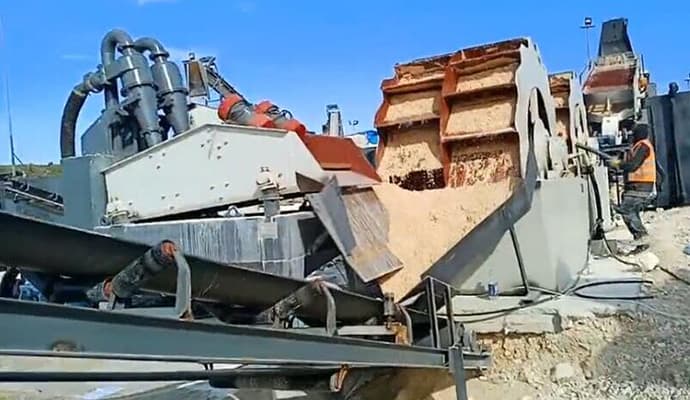
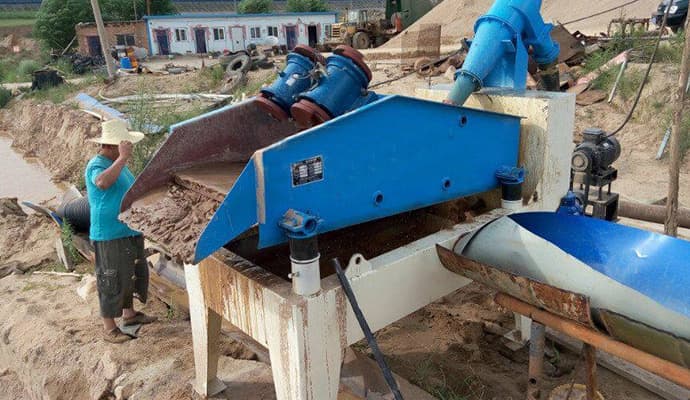
The fine sand recovery machine utilizes a two-stage process combining centrifugal classification and mechanical dewatering.
1. Feed Collection — Sand-laden wash water first enters a holding tank.
2. Pressurized Injection — A slurry pump delivers the mixture tangentially into the hydrocyclone at 1.0–1.5 bar.
3. Centrifugal Separation — Under centrifugal forces ranging from 500 to 2,000 G:
- Denser sand particles are thrown against the cyclone wall and spiral downward, discharging as a concentrated fine sand slurry (60–75% concentration) in an umbrella-shaped spray from the bottom underflow nozzle.
- Water and fine silt migrate to the central low-pressure zone, forming an upward inner vortex that exits through the top overflow pipe and returns to the holding tank via a recycle box for further processing.
The concentrated fine-sand slurry from the cyclone underflow is directed onto a high-frequency vibrating dewatering screen. Continuous vibration at approximately 1,000 rpm drives free water through the screen apertures, ultimately yielding a finished sand product with a moisture content of < 15% — ready for direct stockpiling and sale.
| Model | Pump Power (kw) |
Separator Spec (mm) |
Dewatering Screen | Capacity (m³/h) |
|
| Spec(mm) | Power (kw) | ||||
| FX250 | 11 | 250 | 800×2000 | 2×0.75 | 30-60 |
| FX300 | 15 | 300 | 800×2000 | 2×0.75 | 60-100 |
| FX350 | 18.5 | 350 | 1000×2000 | 2×1.5 | 70-130 |
| FX550 | 22 | 550 | 1200×3000 | 2×2.2 | 100-220 |
| FX650 | 30 | 650 | 1500×3000 | 2×3 | 120-272 |
| FX750 | 37 | 750 | 1500×3000 | 2×3 | 180-350 |
| FX900 | 55 | 900 | 1800×3600 | 2×4 | 450-650 |
Have Any Questions!
Don't Hesitate To Contact Us AnyTime.
If you need further information,please fill in your questions and comments in the form below.
Representatives from Baichy machinery will be back to you within the hour,thanking you for your support to Baichy machinery



