+86-15093222637
Contact us for a quote and free process design
Baichy know what you are expecting from mining project and we are making it happen with unrivalled products and services.
Leave Message


The TS Series High-Efficiency Vortex Powder Separator (TS High Efficiency Vortex Separator) is currently a mainstream model in the field of dry powder classification, specifically and extensively optimized for manufactured sand dedusting, fine ore processing, and fly ash separation.
☛ Contact Us Now To Get A Customized Production Line Configuration Plan.
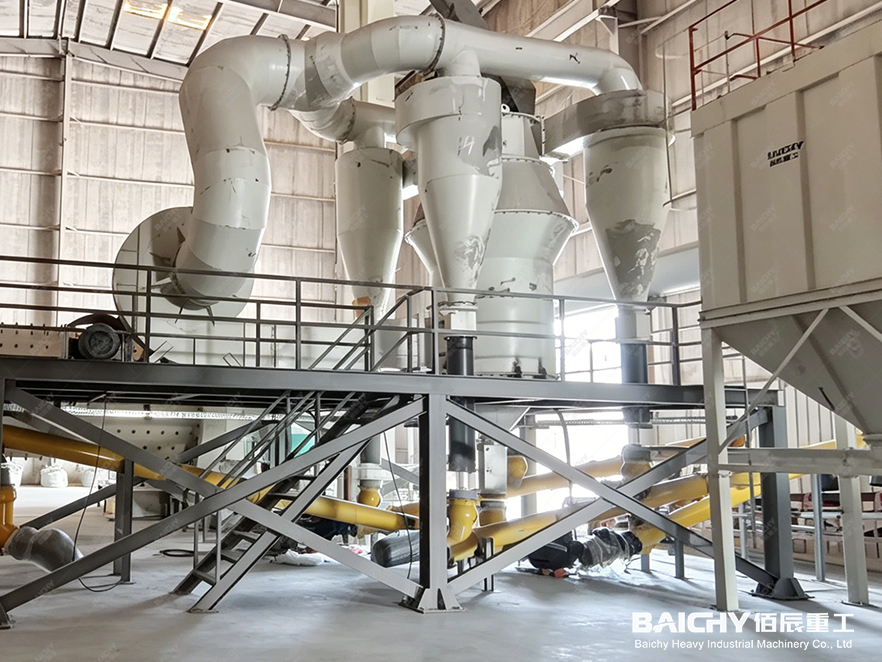
1. Built-in Air Circulation System (Optional): Many TS Series models come equipped with an integrated fan and an internal cyclone collector, eliminating the need for a massive, external dust collection system. This results in a highly compact structure with a smaller footprint compared to the T-Sepax series, making it ideal for technical upgrades in older plants with limited space.
2. Optimized for "Dry" Materials: Through internal design optimizations, the unit achieves superior classification precision and processing capacity when handling materials such as manufactured sand (specifically for controlling stone powder content) and fly ash (for separating Grade I ash).
3. Highly Wear-Resistant and Low-Maintenance: To withstand highly abrasive materials—such as sand, gravel, and mineral powders—critical components in the TS Series feature thickened wear-resistant liners or embedded industrial ceramics. The service life of these key parts is 3 to 5 times longer than that of components made from standard materials.
4. Extremely Low Air Leakage Rate: Thanks to a specialized sealing structure and multi-interlocking air valves, the system exhibits minimal air leakage. This ensures stable air pressure, resulting in a highly uniform fineness of the finished product.
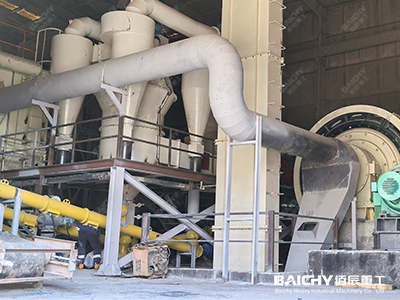
TS Series Vortex Powder Separator
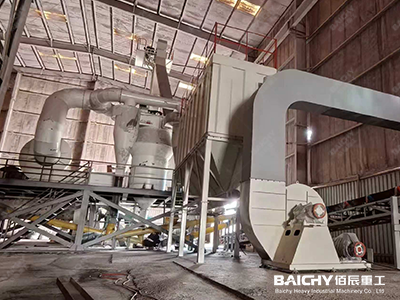
TS Series High-Efficiency Air Classifier
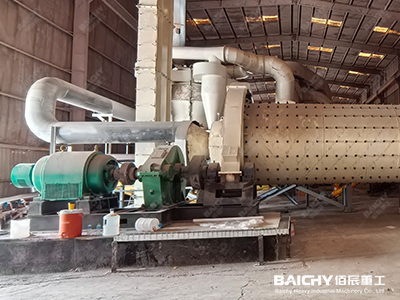
TS Vortex Classifier
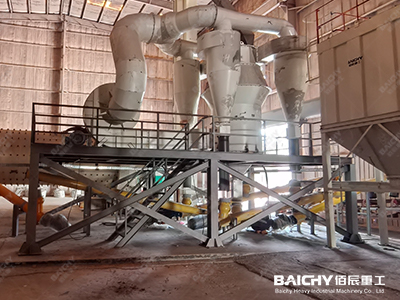
Turbo Air Classifier
• Manufactured Sand Production Lines: Used to regulate the stone powder content in manufactured sand (reducing it to a range of 3%–7%) and to enhance the overall quality of the sand (specifically through MB value control).
• Fly Ash Separation: Separates Grade I and Grade II fly ash from raw ash, significantly boosting the resource utilization value of the material.
• Non-Metallic Mineral Processing: Used for classification during the production of ultrafine powders such as heavy calcium carbonate, gypsum, lime, and talc.
• Dry-Mix Mortar and Precast Concrete: Provides raw materials with consistent fineness for use in high-performance concrete applications.
• T Series (T-Sepax): Primarily focused on large-scale cement plants. Its advantages lie in its exceptionally high single-unit throughput and extremely precise particle size distribution control (meeting cement strength requirements); it is typically configured as an external circulation system.
• TS Series: Prioritizes environmental friendliness and operational flexibility. Its advantages include simple installation, a compact system design (often utilizing internal circulation), and superior adaptability to specific mineral powders (such as manufactured sand). It currently stands as a flagship model in both the manufactured sand and fly ash processing industries.
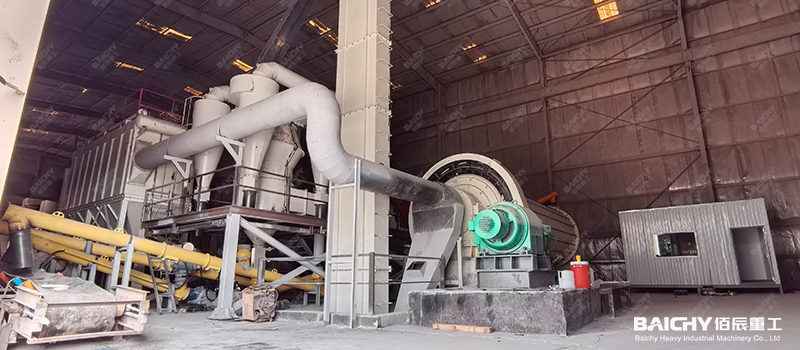
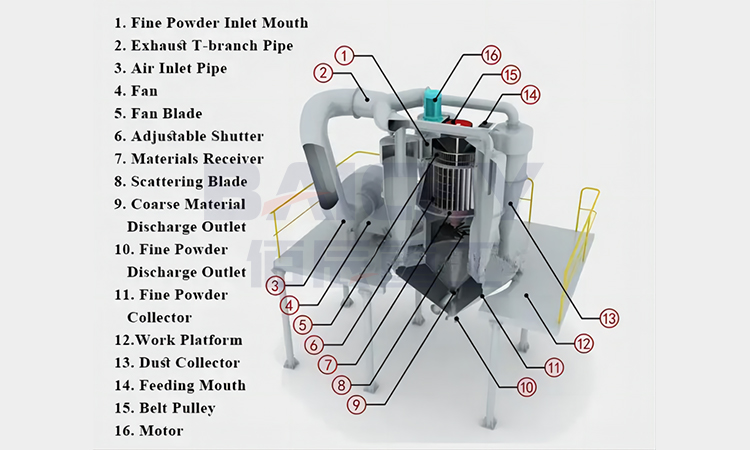
Building upon the rotor-based forced vortex classification mechanism, the TS Series incorporates an enhanced "multi-pass air sweeping" function (typically involving a triple classification process).
Many models in this series feature an internal air circulation loop design, equipped with a built-in high-efficiency cyclone collection system and a dedicated circulation fan. Compared to traditional T-Sepax systems, this design eliminates the need for bulky external dust collectors and complex ductwork networks.
Utilizes an advanced variable-frequency, stepless speed control system. Operators can precisely adjust the fineness of the finished product over a wide range—simply by adjusting the rotor speed—to achieve specific objectives (such as controlling the fines content in manufactured sand or classifying different grades of fly ash).
Specifically engineered for highly abrasive materials—such as manufactured sand and slag—key components of the TS Series (including rotor blades, spreading discs, and internal liners) are extensively fitted with high-wear-resistant ceramic inserts or specialized alloy liners.
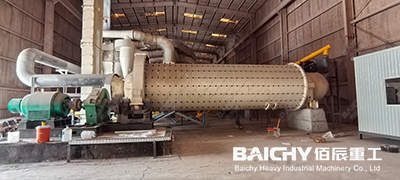
The TS Series typically employs a combined internal circulation/vortex classification mode:
1. Pre-classification: Material is fed from the top and uniformly dispersed outward by a spreading disc under the influence of centrifugal force.
2. Forced Vortex Classification: External airflow (or internal circulating air) enters a vortex zone formed by a series of blades, generating a powerful rotating flow field. Within this field, the centrifugal forces acting on the particles balance against the centripetal drag forces, enabling the precise separation of coarse and fine particles.
3. Multi-stage Scavenging (Triple Classification):
• First Stage: The primary classification zone (rotor zone).
• Second Stage: The central cyclone settling zone.
• Third Stage: Multiple air-sweeping passes at the bottom. Fine particles are thoroughly entrained and removed, ensuring that the discharged coarse fraction contains no residual fines.

| Model | Fineness(R0.08)% | Air Quantity(m³/h) | Rotating Speed(rpm) | Power(kw) | Capacity(t/h) |
|---|---|---|---|---|---|
| TS-250 | 0-3 | 16000 | 250-500 | 15 | 10-18 |
| TS-350 | 0-3 | 22000 | 220-450 | 18.5 | 15-28 |
| TS-500 | 0-3 | 30000 | 180-400 | 22 | 20-40 |
| TS-750 | 0-3 | 45000 | 160-340 | 37 | 30-50 |
| TS-1000 | 0-3 | 60000 | 130-300 | 37 | 40-70 |
| TS-1250 | 0-3 | 75000 | 130-260 | 37 | 50-85 |
| TS-1500 | 0-3 | 90000 | 130-260 | 45 | 75-100 |
| TS-1750 | 0-3 | 105000 | 120-240 | 55 | 85-120 |
| TS-2000 | 0-3 | 120000 | 110-240 | 55 | 110-140 |
| TS-2500 | 0-3 | 150000 | 110-200 | 75-90 | 130-170 |
| TS-3000 | 0-3 | 180000 | 110-180 | 90-110 | 150-200 |
If you need further information,please fill in your questions and comments in the form below.
Representatives from Baichy machinery will be back to you within the hour,thanking you for your support to Baichy machinery