 +86-15093222637
Contact us for a quote and free process design
Baichy know what you are expecting from mining project and we are making it happen with unrivalled products and services.
Leave Message


The multi-cylinder hydraulic cone crusher is developed based on the spring cone crusher. Its basic structure is similar to that of the spring cone crusher, but it has better performance and a wider range of applications.
☛ Contact Us Now To Get A Customized Production Line Configuration Plan.
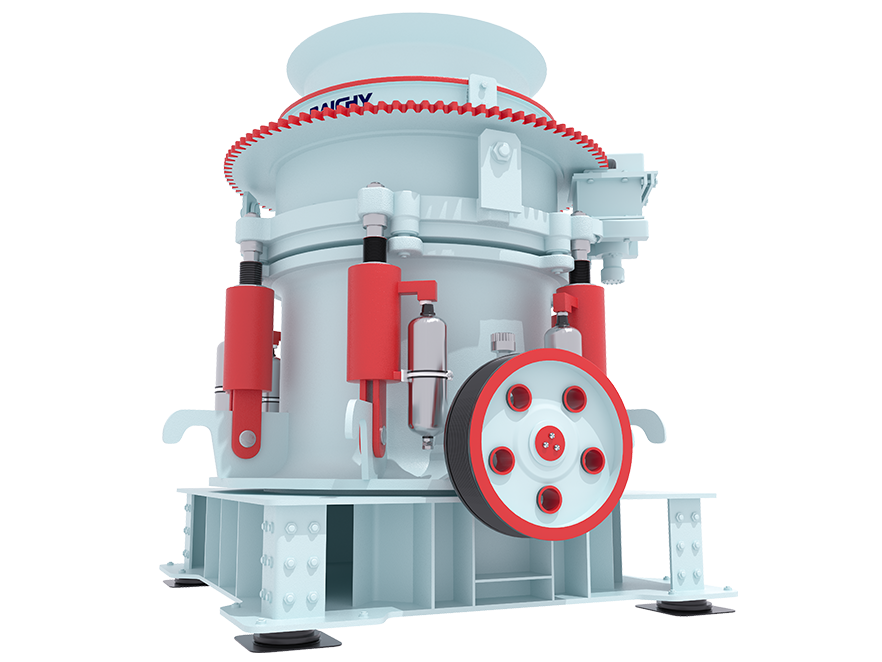
The multi-cylinder hydraulic cone crusher has the advantages of high-efficiency crushing capacity, flexible and adjustable discharge port, intelligent protection system, stable and reliable performance, energy saving and environmental protection, and easy maintenance and maintenance.
The multi-cylinder hydraulic cone crusher is a piece of medium-to-fine crushing equipment evolved from the traditional spring cone crusher. By utilizing 4 to 8 hydraulic cylinders for coordinated control, it achieves precise discharge opening adjustment and "tramp iron" protection. It is gradually replacing traditional spring-type and single-cylinder hydraulic models to become the mainstream choice in the high-end crushing market.
1. Production Capacity Increased by Over 30%: Multi-cylinder linkage precisely controls the crushing chamber, resulting in significantly higher output compared to single-cylinder models.
2. Intelligent Hydraulic System: Features one-touch discharge opening adjustment, automatic pressure relief for tramp iron protection, and automatic compensation for liner wear—all without stopping the machine.
3. Energy Consumption Reduced by 15–20%: Employs the principle of inter-particle (lamination) crushing, where material undergoes repeated compression and grinding within the chamber, offering significant energy savings compared to impact crushing.
4. Excellent Product Shape: Needle-and-flake content is less than 10%, meeting the stringent aggregate requirements for high-grade concrete used in high-speed railways and expressways.
The series covers six size classes ranging from HP100 to HP800. Each model offers five chamber configurations—EC (Extra Coarse), C (Coarse), M (Medium), F (Fine), and EF (Extra Fine)—to suit various feed and discharge requirements. The flagship HP800 model boasts a maximum processing capacity of 1,200 t/h and an installed power of 630 kW.
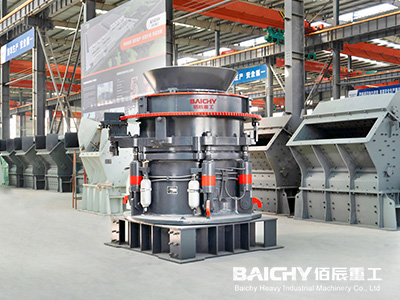
cone crusher price
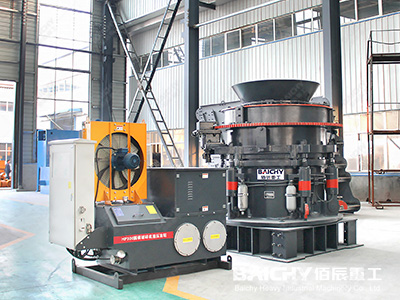
Hydraulic cone crusher
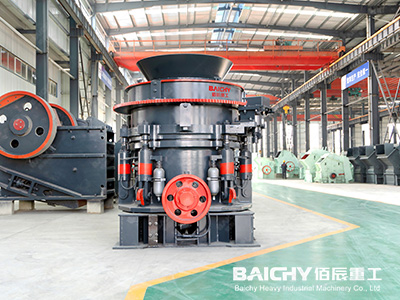
Mining crushing equipment
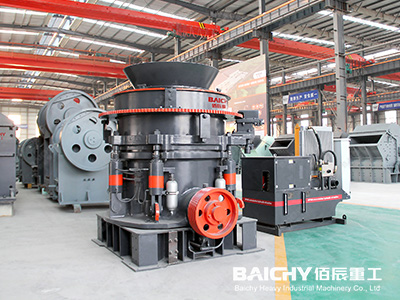
Multi-cylinder hydraulic cone crusher
Multi-cylinder hydraulic cone crushers are designed for the medium-to-fine crushing stage. Their core strengths lie in high crushing force and precise particle size control. The following four scenarios represent their typical applications:
Crushing hard rock with a Mohs hardness of 6–7 and a compressive strength of 150–300 MPa is where the multi-cylinder hydraulic cone crusher excels.
• Compared to spring cone crushers: 30% higher capacity; liner lifespan extended due to inter-particle (lamination) crushing.
• Compared to single-cylinder hydraulic crushers: more stable gyratory path of the moving cone and more uniform product gradation.
Typical configuration: PE900×1200 Jaw Crusher (primary) → HP400 Cone Crusher (secondary) → HP300 Cone Crusher (tertiary).
Large-scale aggregate lines with daily outputs of 3,000–10,000 tons demand extremely high equipment uptime and superior product particle shape.
• Low flaky and elongated particle content (<10%) is a key selling point of multi-cylinder hydraulic cone crushers—meeting standards for high-grade (C50/C60) concrete aggregates.
• Automatic hydraulic compensation for liner wear eliminates the need to stop production for discharge setting adjustments, enabling 24-hour continuous operation.
Typical configuration: Vibrating Feeder → Jaw Crusher → HP500 Crusher (secondary) → Vibrating Screen → Impact Crusher (sand making).
Primary crushing stages for metal ores (iron, copper, gold, etc.) require uniform particle size to enhance the efficiency of downstream ball milling.
• Multi-cylinder hydraulic cone crushers deliver stable discharge sizing (discharge opening fluctuation within ±2mm), ensuring consistent ball mill feed and reducing grinding energy consumption by 10–15%.
• Rapid tramp iron protection (automatic pressure relief upon encountering foreign objects like drill bits or bucket teeth) prevents unplanned downtime.
Typical configuration: Jaw Crusher (primary) → HP400/HP500 Crusher (secondary) → HP300 Crusher (tertiary) → Ball Mill.
Crushing mine overburden and waste rock for use as construction aggregate represents a growing market driven by recent environmental policies.
• Waste rock composition is complex (containing rocks of varying hardness), making tramp iron protection crucial.
• The principle of inter-particle (lamination) crushing ensures more uniform breakage of mixed soft and hard materials, avoiding "selective crushing."
• Integration with mobile crushing stations enables on-site processing, allowing waste rock to be treated without leaving the mine site.
Multi-cylinder hydraulic cone crusher is widely used in medium and fine crushing of medium and high hardness ores (such as granite, iron ore), and is particularly suitable for large-scale sand and gravel aggregate production lines and modern intelligent mines that have strict requirements on the finished product particle shape.
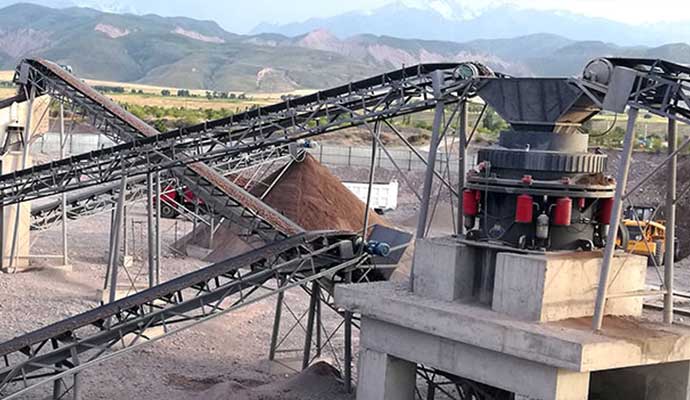
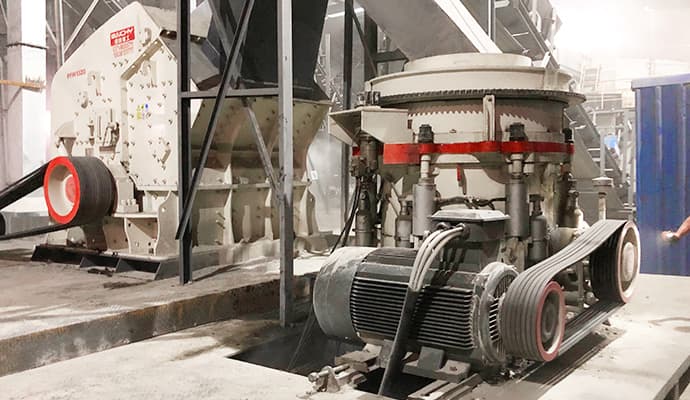
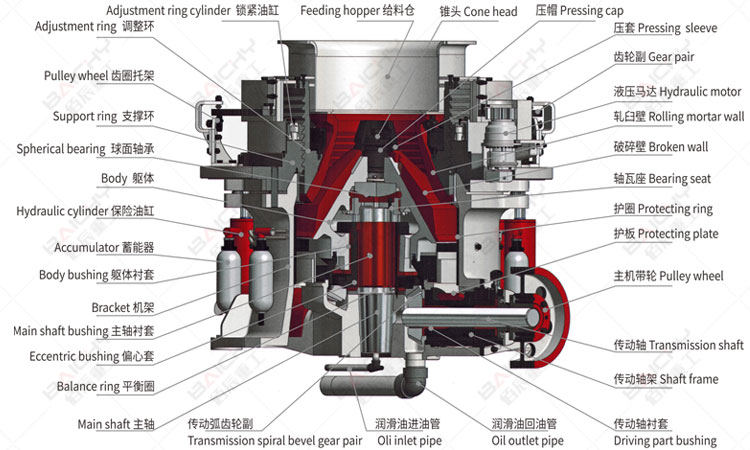
The working principle of the multi-cylinder hydraulic cone crusher can be summarized as the dual technical combination of "laminated crushing + hydraulic intelligent control". The core is to achieve an efficient and stable crushing process through the synergistic action of multiple hydraulic cylinders.
1. Dynamic extrusion: The main shaft drives the moving cone to perform eccentric swinging motion, so that the material in the crushing chamber is repeatedly squeezed and ground between the moving cone and the fixed cone liner.
2. Multi-stage crushing: The material falls in a "waterfall-like" manner in the crushing chamber and undergoes multiple laminated crushing (similar to a "sandwich" structure). Compared with single impact crushing, it can significantly reduce the proportion of needle-like particles.
3. Particle shape control: By adjusting the swing trajectory of the moving cone, the finished product particle size is made more uniform (needle-like content <10%).
| Model | Cavity Type |
Feed Openning Size(mm) |
Max Feeding Size (mm) |
Min Discharge Opening (mm) |
Capacity (t/h) |
Power (kw) |
|
HP100 |
Extra Coarse - EC | 140 | 110 | 19 | 65-140 | 90 |
| Coarse - C | 100 | 75 | 13 | 50-110 | ||
| Medium - M | 70 | 50 | 9 | 45-100 | ||
| Fine - F | 50 | 35 | 9 | 40-95 | ||
| Extra Fine - EF | 20 | 10 | 6 | 35-90 | ||
|
HP200 |
Extra Coarse - EC | 185 | 145 | 19 | 145-250 | 160 |
| Coarse - C | 125 | 100 | 16 | 135-235 | ||
| Medium - M | 95 | 75 | 13 | 115-220 | ||
| Fine - F | 75 | 60 | 10 | 90-190 | ||
| Extra Fine - EF | 54 | 45 | 12 | 81-190 | ||
|
HP300 |
Extra Coarse - EC | 234 | 190 | 25 | 220-445 | 220 |
| Coarse - C | 211 | 170 | 20 | 190-380 | ||
| Medium - M | 150 | 120 | 16 | 175-320 | ||
| Fine - F | 107 | 85 | 14 | 145-280 | ||
| Extra Fine - EF | 53 | 40 | 12 | 110-240 | ||
|
HP400 |
Extra Coarse - EC | 295 | 240 | 30 | 300-630 | 315 |
| Coarse - C | 251 | 200 | 25 | 285-560 | ||
| Medium Coarse - MC | 196 | 160 | 20 | 250-490 | ||
| Fine - F | 110 | 90 | 13 | 180-345 | ||
| Extra Fine - EF | 90 | 75 | 10 | 135-320 | ||
|
HP500 |
Extra Coarse - EC | 330 | 270 | 38 | 425-795 | 400 |
| Coarse - C | 290 | 230 | 30 | 370-700 | ||
| Medium Coarse - MC | 210 | 165 | 22 | 330-605 | ||
| Fine - F | 135 | 105 | 16 | 270-535 | ||
| Extra Fine - EF | 95 | 75 | 13 | 220-430 | ||
|
HP800 |
Extra Coarse - EC | 350 | 280 | 38 | 570-1200 | 630 |
| Coarse - C | 299 | 240 | 32 | 520-1050 | ||
| Medium Coarse - MC | 265 | 214 | 25 | 475-950 | ||
| Fine - F | 220 | 175 | 16 | 370-800 | ||
| Extra Fine - EF | 150 | 125 | 13 | 310-600 |
Have Any Questions!
Don't Hesitate To Contact Us AnyTime.
If you need further information,please fill in your questions and comments in the form below.
Representatives from Baichy machinery will be back to you within the hour,thanking you for your support to Baichy machinery



