
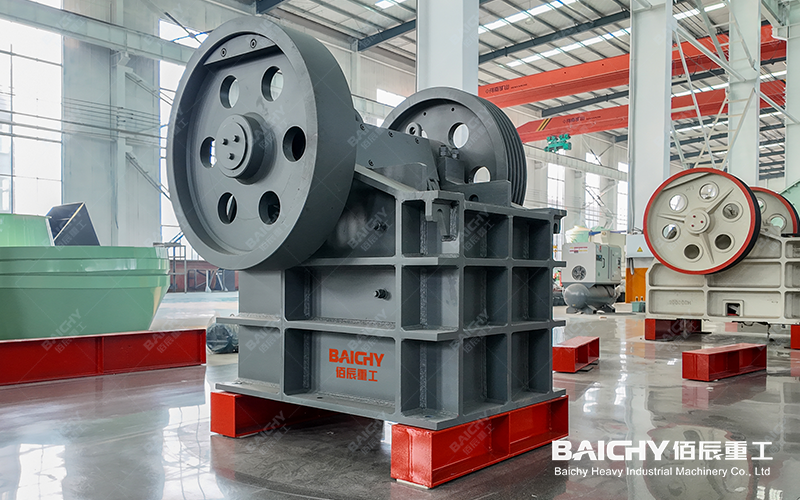
PE 400x600 Jaw Crusher
A dependable primary crusher is the foundation of a stable aggregate production line. For small and medium-sized quarries, construction projects, and jobsite crushing operations, the PE 400×600 jaw crusher provides a practical way to reduce large rocks before screening or secondary crushing.
With a suggested capacity range of 15–60 tons per hour, it can be used for limestone, granite, basalt, river pebble, concrete, and other blocky materials, subject to material characteristics and operating conditions. Actual output depends on feed size, rock hardness, moisture, discharge setting, feeding method, and the complete plant configuration.
This guide covers the machine’s role, working principle, capacity factors, recommended configurations, applications, and maintenance requirements.
What Does PE 400×600 Mean?
The PE 400×600 model designation generally refers to the approximate width and length of the feed opening, measured in millimeters. The PE series is commonly used for primary crushing, where large feed material is reduced before screening or further size reduction.
A typical process is:
Raw rock → vibrating feeder → PE 400×600 jaw crusher → vibrating screen → finished aggregate or secondary crusher
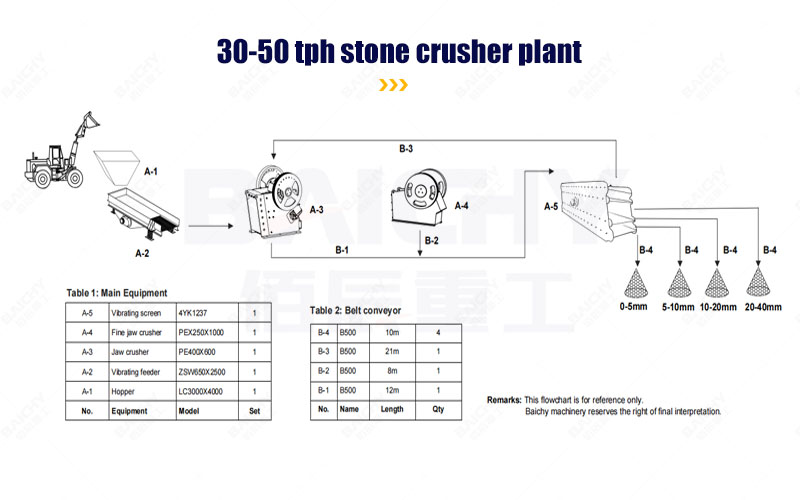
Process Flowchart for PE400x600 Jaw Crusher
Depending on the final product, the line may also include belt conveyors, a secondary impact or cone crusher, dust-control equipment, and a product stockpile system. Final equipment selection should be based on the feed material, target capacity, product sizes, site layout, and power supply.
Main Advantages of the PE 400×600 Jaw Crusher
Efficient primary crushing
The crusher breaks material by compressing it between a fixed jaw plate and a moving jaw plate. This makes it suitable for the first crushing stage, where large rocks must be reduced to a manageable size for screening or secondary crushing.
Suitable for small and medium projects
A 15–60 TPH requirement is common in small quarries, road construction, concrete aggregate production, and temporary crushing sites. The PE 400×600 can be considered when a project needs a compact primary crusher rather than a large industrial machine.
Compact plant integration
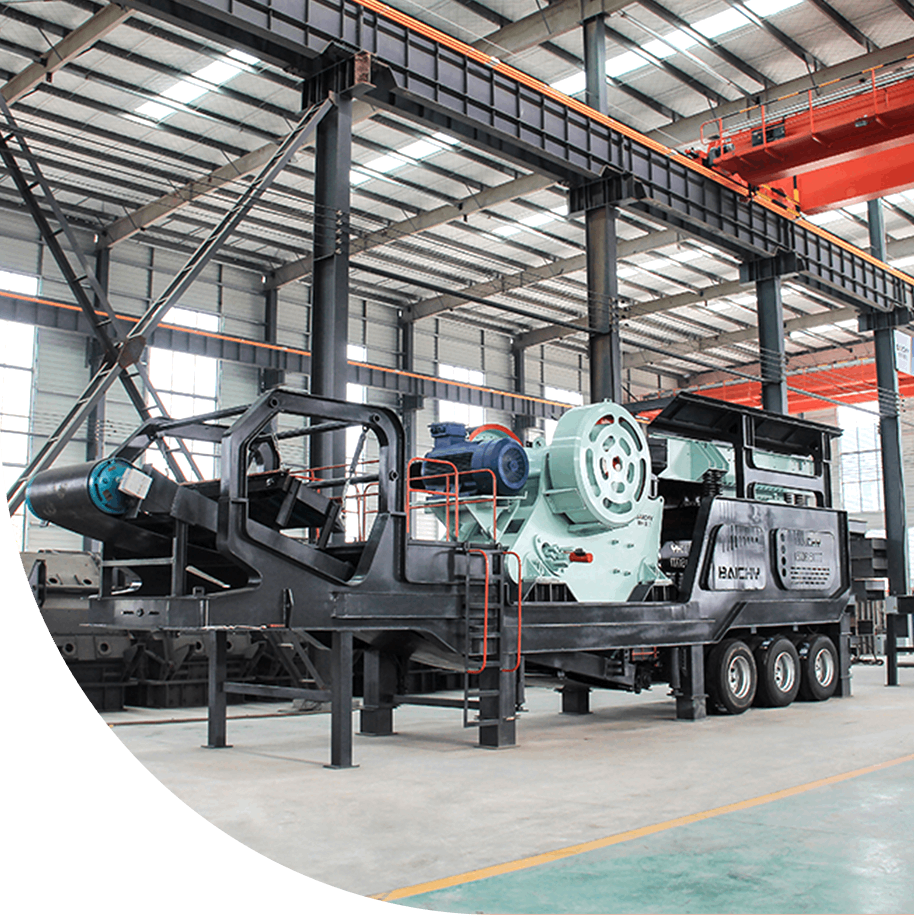
The equipment can be installed in a fixed, semi-mobile, or mobile arrangement, depending on the project. It can be combined with a hopper, vibrating feeder, conveyors, vibrating screen, dust-control system, and electrical control panel.
Adjustable discharge size
The discharge opening can be adjusted within the manufacturer’s specified range. A smaller setting generally produces a finer product but can reduce throughput and increase crushing load. A larger setting may improve capacity while producing a coarser product. The setting should match the required aggregate grading and downstream equipment.
Accessible wear-part maintenance
Jaw plates and other wear components need regular inspection and replacement. Easy access to these parts helps reduce downtime and maintain stable performance.
How the Jaw Crusher Works
Material enters the crushing chamber through a feeder. An eccentric shaft drives the movable jaw in a reciprocating motion. As the moving jaw approaches the fixed jaw, the material is compressed and fractured. When the jaw moves away, crushed material falls toward the discharge opening.
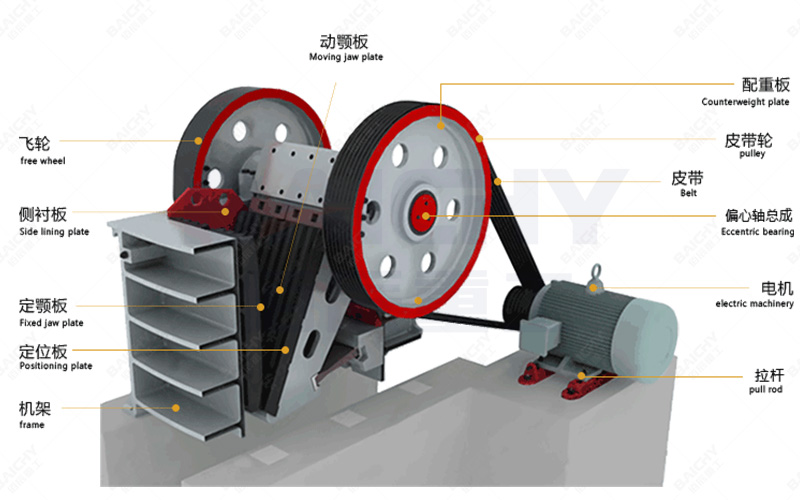
Structural Diagram of the PE400x600 Jaw Crusher
The process uses compression, splitting, bending, and friction. Material that reaches the required size passes through the discharge opening and is transported by belt conveyor. Continuous, evenly distributed feeding is essential: overfeeding can increase motor load and cause blockage, while insufficient feeding reduces chamber utilization.
Understanding the 15–60 TPH Capacity Range
The stated range is a planning reference, not a guaranteed output for every material. Hard, abrasive, wet, or sticky rock can reduce production. Oversized feed, uneven feeding, worn jaw plates, an unsuitable discharge setting, or an undersized screen can also limit the actual plant capacity.
What Affects Crusher Throughput — and What to Do About It
| Operating factor | Effect on production | What to do |
|---|---|---|
| Rock hardness | Harder rock usually requires more energy and may reduce throughput | Size the model by compressive strength and allow a power margin |
| Feed size | Oversized material increases load, blockage risk, and wear | Add scalping or a primary stage; keep feed within the rated maximum |
| Moisture and clay | Sticky material may build up and restrict material flow | Pre-screen fines and soil, or switch to a trommel / washing circuit |
| Discharge setting | A smaller setting gives finer product but often lowers capacity | Set the CSS to the coarsest size the product spec allows |
| Feeding consistency | Uniform feeding improves chamber utilization and output stability | Use a vibrating feeder with level control and a matched hopper |
| Wear condition | Worn jaw plates reduce efficiency and change product size | Plan liner changes by tonnage; track wear cost per ton |
| Screening and conveying | Downstream bottlenecks limit the whole-line capacity | Balance screen area and belt capacity before upsizing the crusher |
For accurate sizing, the supplier should review the material type, maximum feed size, desired product size, working hours, and expected daily production.
Recommended Plant Configurations
Basic 15–25 TPH setup
A basic arrangement may include a feed hopper, vibrating feeder, PE 400×600 jaw crusher, and belt conveyor. It is suitable when the project needs primary crushed stone and does not require multiple product sizes.
Standard 25–45 TPH setup
A standard line may include a vibrating feeder, jaw crusher, vibrating screen, and several belt conveyors. The screen separates different sizes, while oversize material can be returned to the crusher or sent to a secondary crushing stage.
Higher-output 45–60 TPH setup
For production near 60 TPH or multiple finished aggregate sizes, a complete line may include a feeder, jaw crusher, secondary impact or cone crusher, vibrating screen, return conveyor, product conveyors, and dust-control equipment. Every component must be correctly matched to prevent bottlenecks.
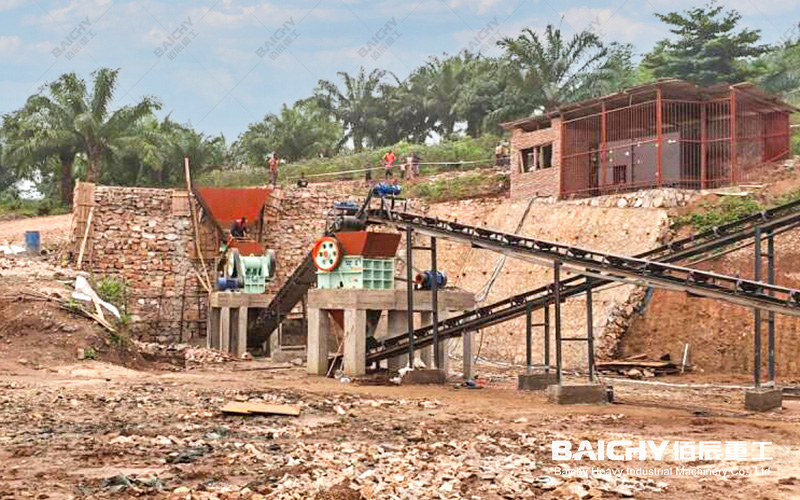
Customer site for pebble crushing
Aggregate Production Applications
Road base and construction aggregate
The crusher can produce initial material for road base, sub-base, backfilling, and general construction. A screen is normally required when a controlled size distribution is needed.
Concrete aggregate
For concrete production, the jaw crusher is generally used as the primary stage. A secondary crusher and screening system may be required to achieve the specified particle sizes and grading.
Small quarry operations
Small quarries can use the crusher as the first stage in a fixed or semi-mobile plant. A secondary crusher and multi-deck screen can be added to produce several commercial aggregate sizes.
Selected construction waste
Concrete and masonry waste can be reduced before screening or additional processing. The feed should be checked for steel, excessive moisture, and other contaminants, and the process must follow local safety and environmental requirements.
Frequently Asked Questions
1. What is the capacity of a PE 400×600 jaw crusher?
It can be considered for aggregate applications in the approximate range of 15–60 TPH. Actual capacity depends on rock properties, feed size, discharge setting, feeding consistency, wear condition, and the rest of the plant.
2. What materials can it crush?
Typical applications include limestone, granite, basalt, river pebble, concrete, and other blocky materials. Suitability should be verified according to hardness, abrasiveness, moisture, and maximum feed size.
3. Is the PE 400×600 a primary crusher?
Yes. It is generally used as a primary jaw crusher to reduce large feed material before screening or secondary crushing.
4. Can it produce manufactured sand directly?
Usually not. The jaw crusher is normally a primary machine. Manufactured sand generally requires a secondary crusher or sand-making machine, plus suitable screening and possibly washing equipment.
5. What equipment is needed for a 15–60 TPH crushing line?
A basic line may include a hopper, vibrating feeder, PE 400×600 jaw crusher, belt conveyor, and vibrating screen. A secondary crusher, return conveyor, dust-control system, and product stockpiles can be added according to the required product sizes.
Baichy Heavy Industry
Baichy Heavy Industry is a high-tech mining equipment company integrating R&D, manufacturing, sales, and after-sales service. Focusing on crushing, grinding, and mineral processing equipment, we provide professional solutions to our customers. We are ISO9001:2015 Certified, and our products include mobile crushing palnts, crawler crushing plant, construction waste crushing plants, jaw crushers, sand making machines, cone crushers, fine crushers, grinding mills, ball mills, etc., all with reliable performance to meet diverse project needs.
Baichy Heavy Industry – Your Trusted Partner
To ensure optimal performance of your equipment, Baichy Heavy Industry offers:
- Professional on-site installation guidance
- Comprehensive operator training
- 24/7 technical support & maintenance services
Our complete after-sales service system guarantees long-term, stable operation of your machinery with minimal downtime.
Protect Your Rights – Only Use Official Channels
To avoid scams and ensure authentic support, contact us exclusively through:
• Official Website: www.baichychina.com
• WhatsApp: +8615093222637
• Email: [email protected]
Your satisfaction is our priority – expect prompt, professional service every time.
(Note: Beware of unauthorized third parties claiming to represent Baichy. Always verify through official contacts.)