
Turning 80-mesh feed into a consistent 500-mesh product requires more than a powerful grinding machine. A reliable system combines controlled feeding, efficient grinding, accurate classification, dust collection, and a suitable conveying layout. For many non-metallic minerals, 500 mesh is commonly understood as approximately 25–30 microns, although the exact result depends on the mesh standard and testing method.
This requirement is common for calcite, limestone, dolomite, barite, talc, gypsum, kaolin, and feldspar. The solution depends on hardness, moisture, capacity, particle-size distribution, whiteness, and iron content.
For most conventional non-metallic mineral projects, the first option to evaluate is a roller mill or ultrafine vertical mill with a dynamic classifier. A ball mill with a high-efficiency classifier is an alternative for harder materials or applications requiring stable particle-size control. An air jet mill is more suitable for high-purity or low-contamination powder.
What Do 80 Mesh and 500 Mesh Mean?
An 80-mesh feed is already relatively fine and may be suitable for direct feeding into an ultrafine grinding stage. However, the maximum feed size must meet the selected mill’s inlet requirements. A 500-mesh product is much finer and needs classification to prevent coarse particles from entering the finished powder.
Mesh size alone does not fully describe powder quality. Confirm the feed size, finished-product capacity, definition of 500 mesh, D90 or D97 value, moisture, purity, and iron-content limits.
Why Is a Classifier Important?
The mill reduces particle size, while the classifier separates qualified fine powder from oversize material. In a closed-circuit system, fine powder leaves as finished product and coarse particles return to the mill.
This arrangement provides stable fineness, reduces over-grinding, improves energy use, and allows the output to be adjusted by changing classifier speed. With a properly sized dust collector, the line can also operate under negative pressure with lower fugitive dust emissions. A 500-mesh project should therefore be evaluated as a complete grinding and classification line, not as a single mill purchase.
Recommended Grinding Equipment
1. Roller Mill with Dynamic Classifier
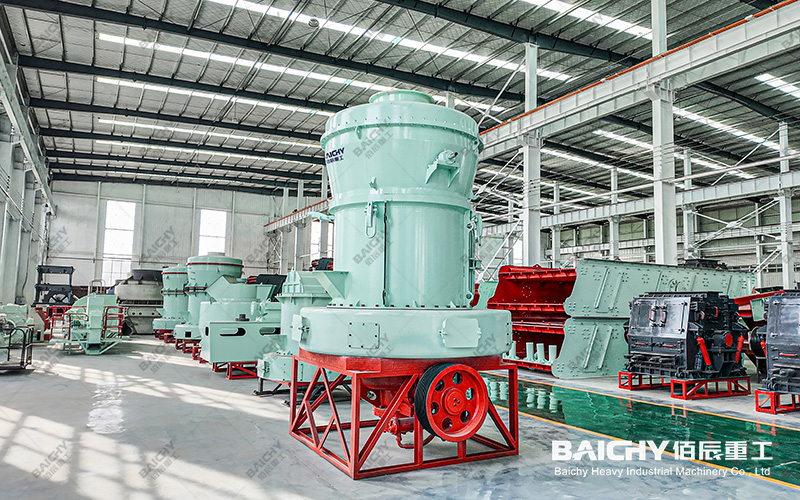
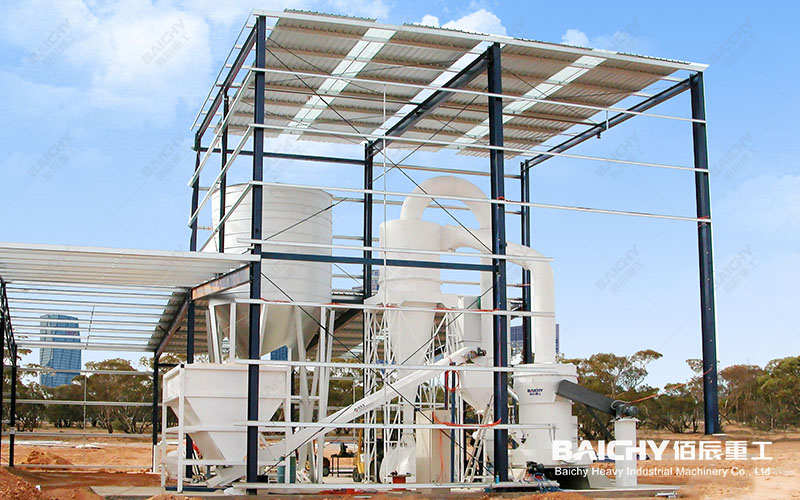
Roller Mill with Dynamic Classifier
A ring roller mill or ultrafine roller mill is practical for many non-metallic minerals. The rollers apply pressure, while the dynamic classifier controls final fineness. This configuration supports continuous operation and adjustable output for calcite, limestone, dolomite, barite, and talc.
2. Ultrafine Vertical Mill
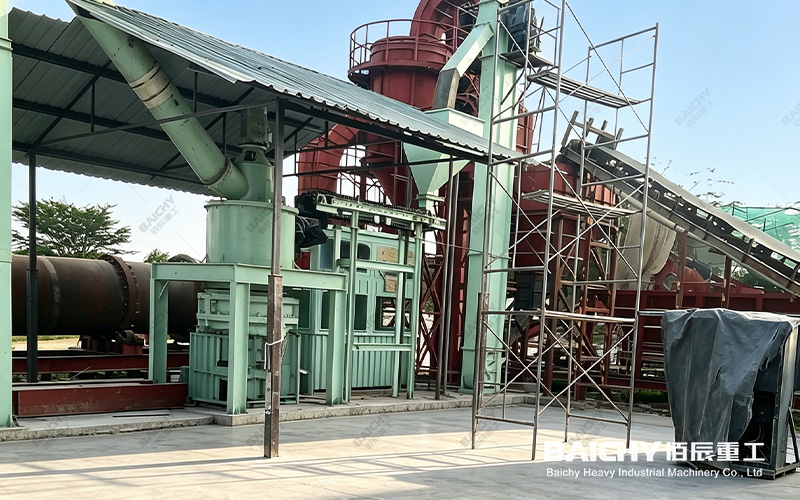
HGM Grinding Equipment
An ultrafine vertical mill suits larger plants requiring continuous and automated production. Depending on the design, grinding, classification, conveying, and partial drying may be integrated into one process. Evaluate investment, installation conditions, maintenance access, and feed moisture together.
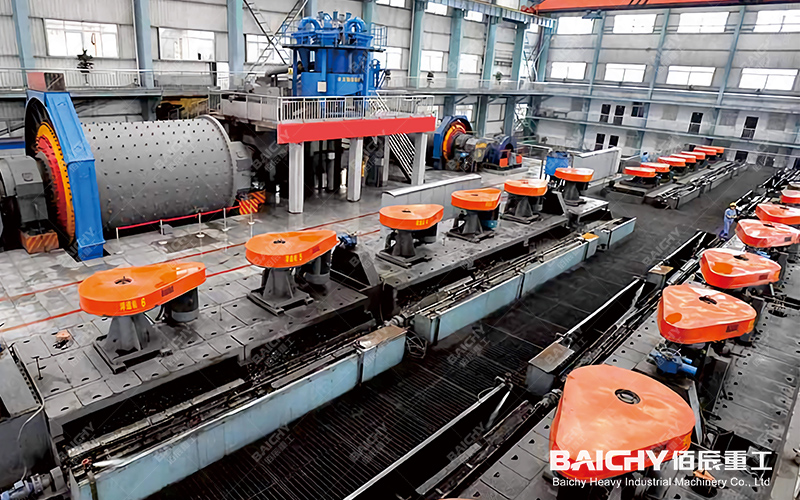
3. Ball Mill with High-Efficiency Classifier
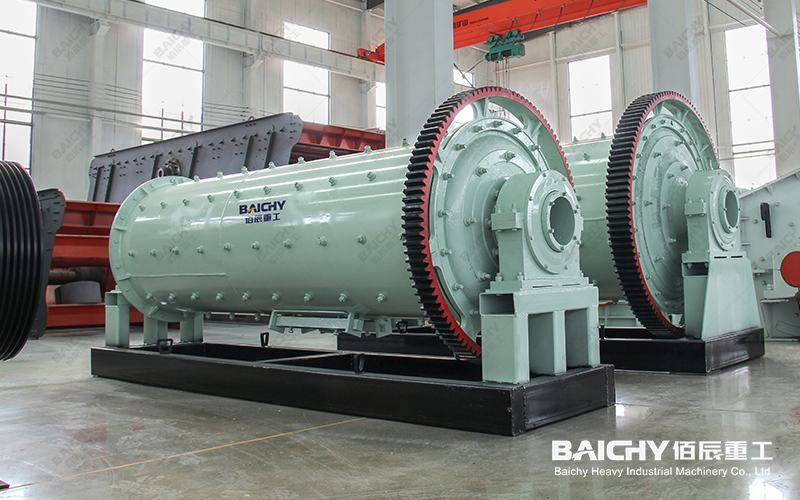
dry ball mill
A ball mill and classifier system is often selected for harder feed materials or applications requiring consistent particle-size distribution. The ball mill performs the main grinding work, while the classifier removes qualified powder and returns coarse material.
Check power consumption, floor space, grinding-media consumption, liner wear, noise, and possible iron contamination. For high-purity products, liner and media materials are especially important.
4. Air Jet Mill
An air jet mill uses high-velocity gas to create inter-particle collisions. It can be appropriate for high-purity, low-contamination, or very fine powder applications. However, it requires a reliable compressed-air system and may have higher operating costs, so it is generally better for smaller-capacity or high-value products.
Recommended 500-Mesh Production Line
A typical closed-circuit layout is:
Raw material bin → vibrating feeder → roller mill or ultrafine vertical mill → dynamic classifier → pulse-jet dust collector → finished-product silo
The classifier’s coarse fraction returns to the mill, while the dust collector captures fine powder and helps maintain a clean, negative-pressure environment. If the material contains large lumps, add pre-crushing and screening. High-moisture or sticky feed may also require a dryer or hot-air system.
Equipment Comparison
| Equipment solution | Best suited for | Main advantages | Main points to check |
|---|---|---|---|
| Roller mill + dynamic classifier | Most conventional non-metallic minerals | Adjustable fineness, compact layout, continuous operation | Hardness, wear rate, capacity, classifier range |
| Ultrafine vertical mill | Large plants and automated production | Integrated process and stable operation | Investment, installation, moisture, maintenance |
| Ball mill + high-efficiency classifier | Harder materials and stable size control | Strong adaptability and reliable closed circuit | Energy, floor space, media wear, contamination |
| Air jet mill | High-purity and low-contamination powders | Fine control and limited mechanical contact | Compressed air, operating cost, capacity |
How to Select the Correct Machine
Confirm the mineral type, Mohs hardness, abrasiveness, moisture, feed temperature, and tendency to agglomerate. A dry, soft mineral may be efficiently processed with a roller mill, while a hard or abrasive material may require wear-resistant components or a ball-mill solution.
The target capacity determines mill size, motor power, classifier model, air volume, dust collector, and conveying equipment. State capacity as tons of finished 500-mesh powder per hour, not only as raw feed throughput. Clarify whether “500 mesh” means screen residue or a micron-based specification, and confirm allowable coarse particles, moisture, whiteness, iron content, purity, and packaging requirements. Stable output depends on the feeder, mill, classifier, air system, dust collector, and return circuit working together.
Recommended Solution
For a standard non-metallic mineral project with dry material and moderate capacity, evaluate a ring roller mill or ultrafine vertical mill with a dynamic classifier first. This is generally the most balanced solution for 80-mesh feed and 500-mesh output. For harder materials or strict particle-size consistency, consider a ball mill with a high-efficiency classifier. For high-purity products, evaluate an air jet mill while accounting for compressed-air demand and operating cost.
The final model should not be selected from mesh size alone. A material sample, target capacity, moisture test, and product specification provide a more reliable basis for equipment design and quotation.
Frequently Asked Questions
1. Can 80-mesh material enter a 500-mesh grinding line directly?
In many cases, yes. The actual maximum feed size, moisture, hardness, and mill inlet specifications must be checked first. Oversized lumps may require pre-crushing or screening.
2. Can a conventional Raymond mill produce 500-mesh powder?
Some configurations may reach fine-powder ranges, but stable 500-mesh production depends on the material, mill design, classifier, and operating conditions. A dedicated ultrafine grinding and classification system is preferable when consistent output is required.
3. Should I choose a roller mill or a ball mill?
A roller mill is generally a good option for conventional non-metallic minerals and continuous production. A ball mill may be better for harder materials or stable particle-size control. Compare energy, wear, contamination, and floor space together.
4. What micron size is equivalent to 500 mesh?
500 mesh is commonly understood as approximately 25–30 microns, but the value can vary with the mesh standard and test method. The purchase specification should state the required screen residue or particle-size distribution clearly.
5. What information is needed for an accurate quotation?
Provide the material name, hardness, moisture content, feed rate, finished-product capacity, target fineness, operating hours, and requirements for whiteness, iron content, purity, or packaging. These details allow the supplier to match the mill, classifier, motor, and auxiliary equipment.
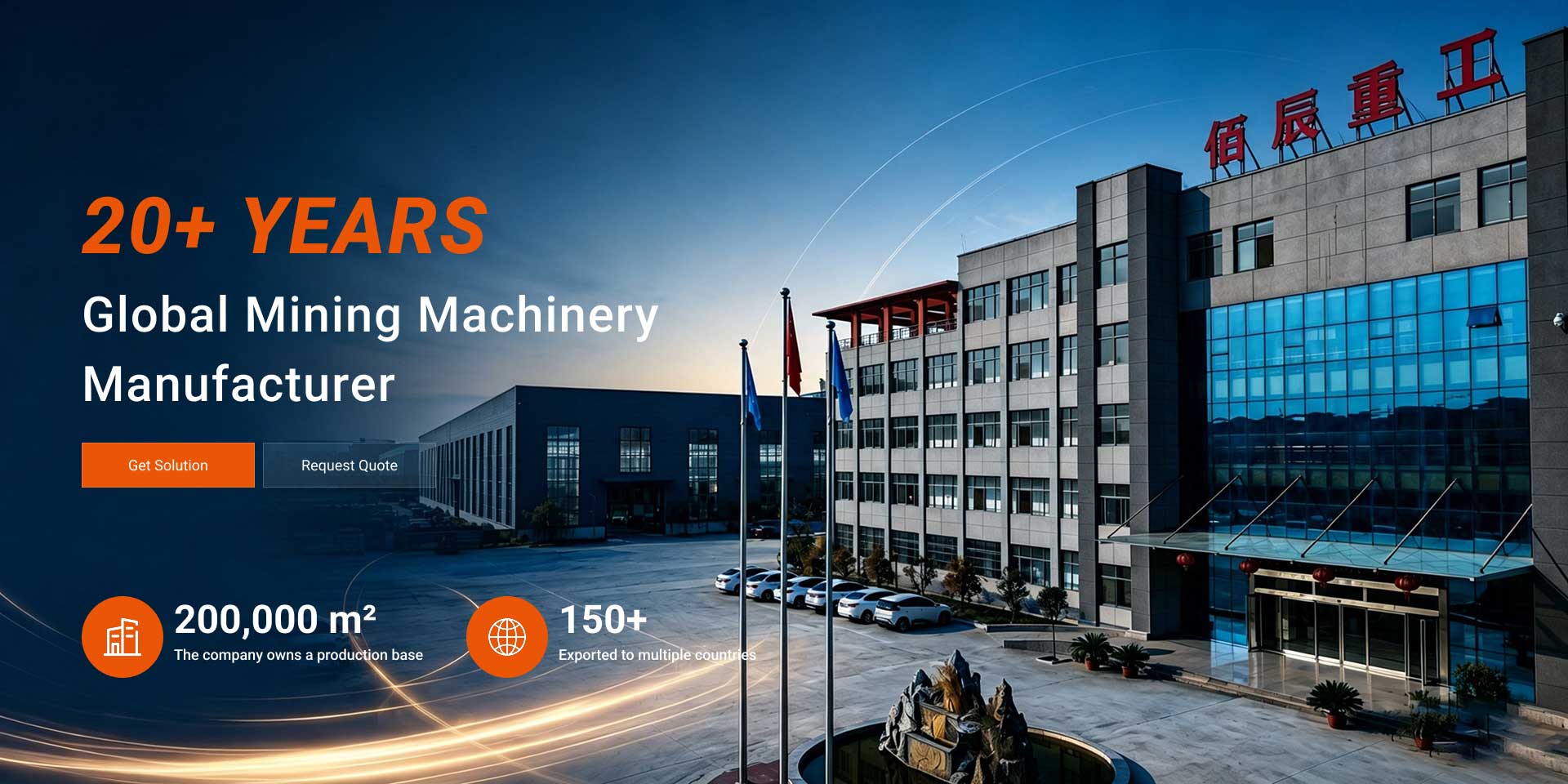
Baichy Heavy Industry
Baichy Heavy Industry is a high-tech mining equipment company integrating R&D, manufacturing, sales, and after-sales service. Focusing on crushing, grinding, and mineral processing equipment, we provide professional solutions to our customers. We are ISO9001:2015 Certified, and our products include mobile crushing palnts, crawler crushing plant, construction waste crushing plants, jaw crushers, sand making machines, cone crushers, fine crushers, grinding mills, ball mills, etc., all with reliable performance to meet diverse project needs.
Baichy Heavy Industry – Your Trusted Partner
To ensure optimal performance of your equipment, Baichy Heavy Industry offers:
- Professional on-site installation guidance
- Comprehensive operator training
- 24/7 technical support & maintenance services
Our complete after-sales service system guarantees long-term, stable operation of your machinery with minimal downtime.
Protect Your Rights – Only Use Official Channels
To avoid scams and ensure authentic support, contact us exclusively through:
• Official Website: www.baichychina.com
• WhatsApp: +8615093222637
• Email: [email protected]
Your satisfaction is our priority – expect prompt, professional service every time.
(Note: Beware of unauthorized third parties claiming to represent Baichy. Always verify through official contacts.)