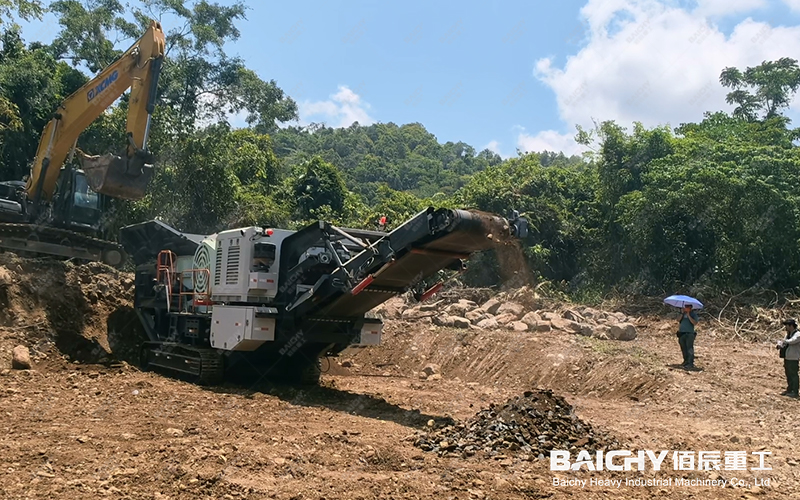
YMC106 Track-Mounted Jaw Crushing Station
Are you still concerned about the sourcing and quality of stone materials for your road construction projects? The YMC106 Track-Mounted Jaw Crushing Station allows you to transform river pebbles into high-quality aggregates right on-site—saving time and effort while reducing costs and boosting efficiency.
Faced with the demand for high-quality aggregates in Malaysia's road and infrastructure projects, transportation logistics and cost control are critical factors. The YMC106 Track-Mounted Jaw Crushing Station is precisely the mobile solution you need to overcome these challenges.
It can be deployed directly to river pebble source sites, where its robust crushing power enables a stable output of 160-360tph. By directly processing raw river pebbles into high-quality aggregates with the required gradation, it drastically reduces material transfer and long-distance transportation costs. Its track-mounted mobility and dual diesel-electric power design make it particularly well-suited to Malaysia's perse site conditions; whether or not the site is connected to the power grid, it operates flexibly, ensuring that your project proceeds autonomously and without interruption.
The YMC106 is more than just a piece of equipment; it serves as a "mobile aggregate processing plant" right at your project site. It empowers you to control quality, efficiency, and costs directly at the source, making it the ideal choice for maximizing the profitability of your engineering projects.
1. YMC106 Track-Mounted Jaw Crushing Station: Core Specifications
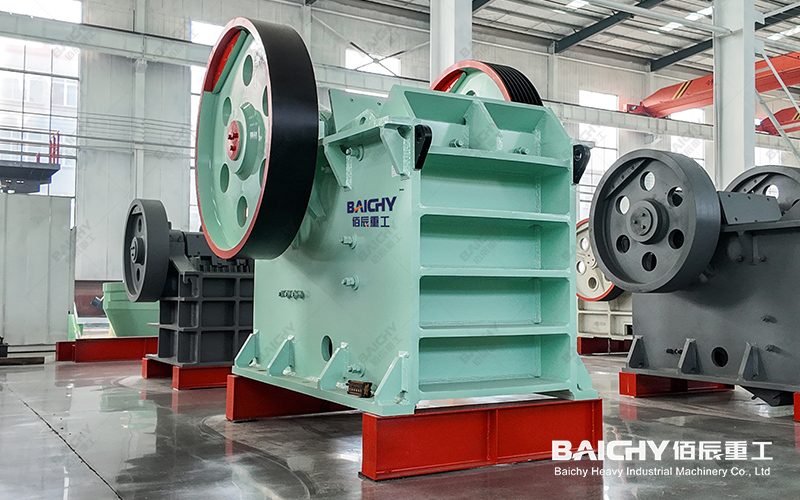
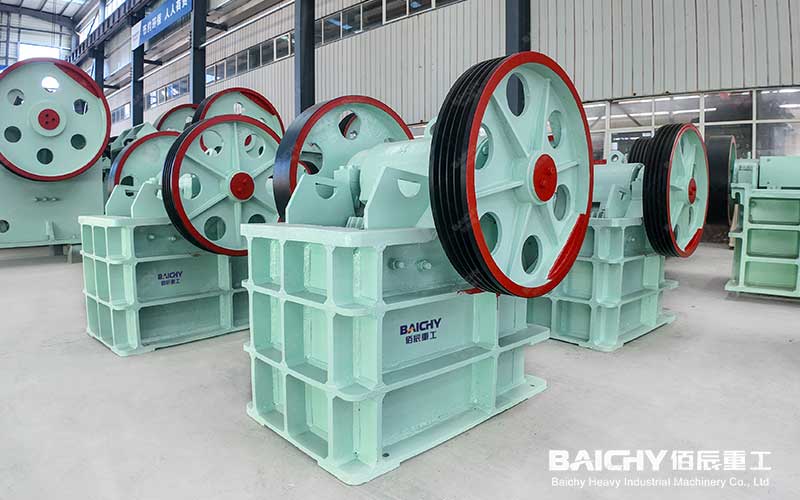
The YMC106 is a high-performance mobile primary crushing unit, widely utilized in mining operations, construction waste recycling, and sand & aggregate production.
Its key technical specifications are as follows:
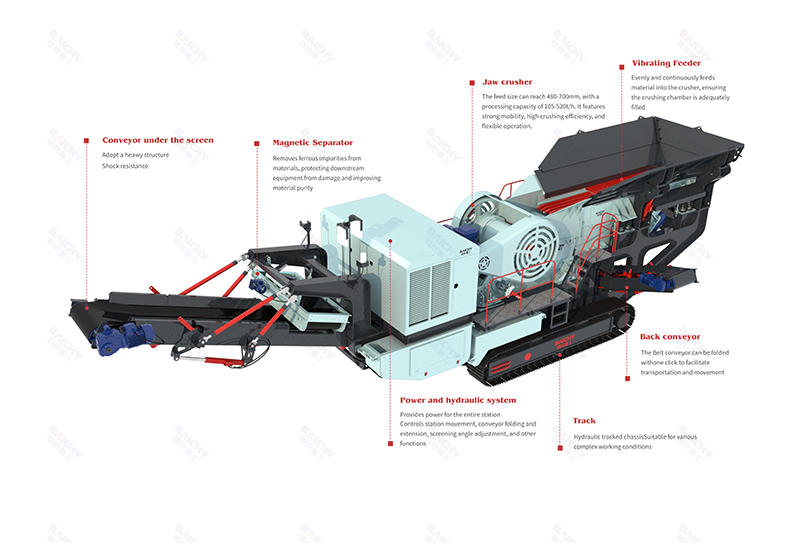
Track-Mounted Jaw Crushing Station: Structural Diagram
| Key Item | Technical Parameters / Specifications | Remarks |
| Equipment Model | YMC106 | Crawler-mounted Mobile Type |
| Main Unit Model | C106 High-Performance Jaw Crusher | European-Standard Chamber Profile |
| Feed Opening Size | 1060 × 700 (mm) | Capable of processing large river pebbles |
| Max. Feed Size | ≤ 600 (mm) | Subject to slight variation based on material hardness |
| Discharge Opening Adjustment Range | 70 – 200 (mm) | Hydraulically adjustable discharge opening |
| Processing Capacity | 160 – 360 (t/h) | Influenced by feed uniformity |
| Total Machine Weight | Approx. 48 (t) | Compact design for easy transport |
| Drive Power | Diesel Engine / Electric Motor (Dual-Power: Diesel/Electric) | 164 – 200 kW Output |
2. Targeted Analysis for Processing "River Pebbles"
River pebbles (primarily composed of silicon dioxide) are characterized by their high hardness, strong toughness, and high abrasiveness.
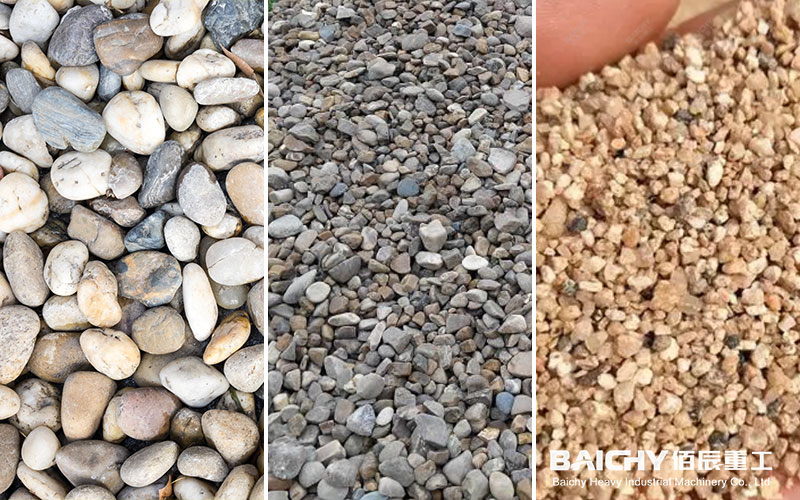
Riverstone crushing
• Advantages of the Jaw Crusher: The YMC106 utilizes a "compression-style" crushing principle and features a robust structure; it is ideally suited as the primary stage (first-stage crushing) for river pebbles, effectively reducing large-diameter pebbles into semi-finished products sized 100–200 mm or smaller.
• Wear Part Consumption: Due to the high silicon content of river pebbles, significant wear occurs on the jaw plates (liner plates). It is recommended to select high-manganese steel or ultra-high-manganese steel wear parts during operation, and to regularly inspect the jaw plates for wear to ensure consistent crushing efficiency.
3. Requirements and Workflow for Aggregates Used in Subsequent "Road Construction"
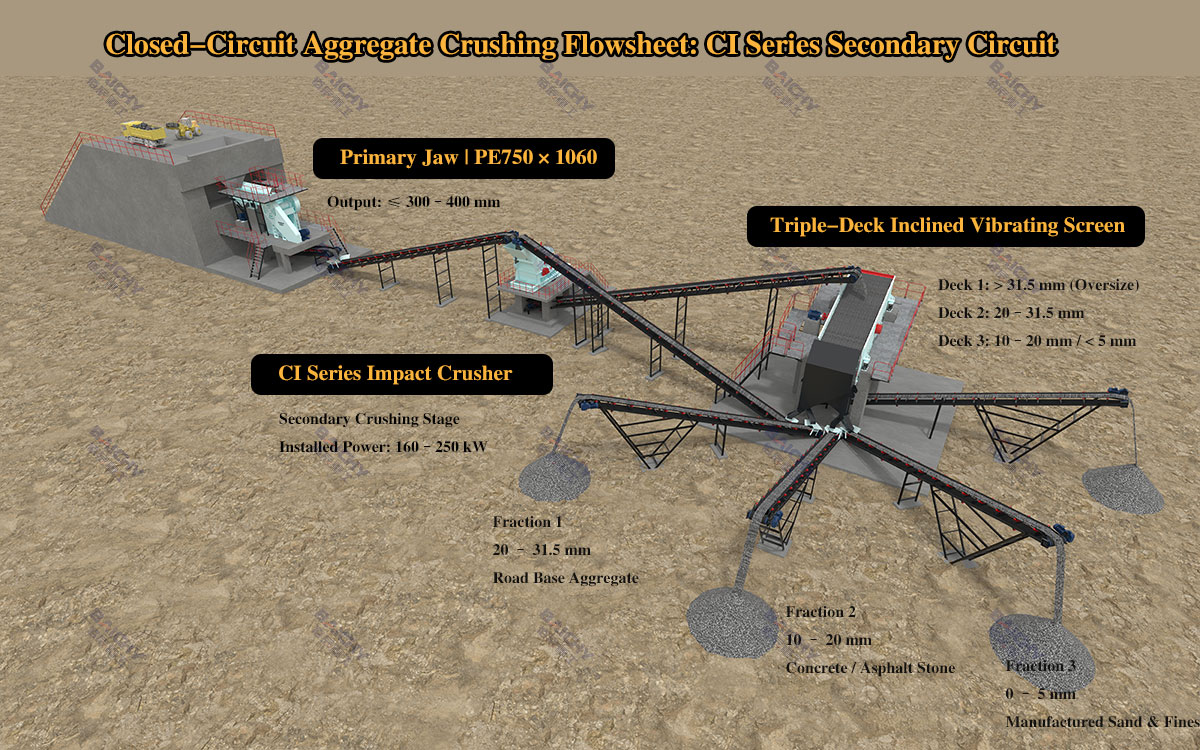
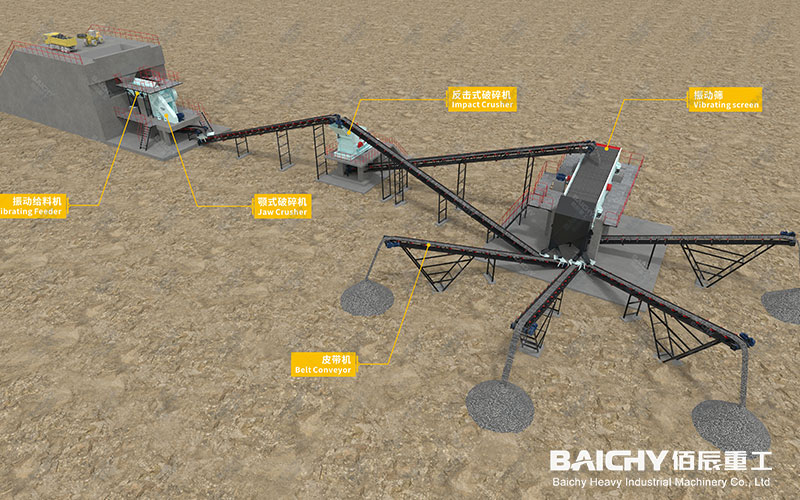
Road construction imposes strict requirements regarding aggregate gradation, particle shape, and strength. Relying solely on the YMC106 jaw crusher may not fully satisfy the demands of high-quality road surfaces; typically, a closed-loop production line is required:
• Primary Crushing (YMC106 Jaw Crusher): Addresses the challenge of "feeding large materials," reducing large rocks into smaller stones.
• Secondary Crushing (Recommended: Paired with a Track-Mounted Cone Crusher): Key Recommendation! Given the high hardness of river pebbles, a cone crusher (such as the YMC-CS series) is strongly recommended for the secondary crushing stage. Cone crushers are specifically designed to process hard rock; they produce finished aggregates with superior particle shape (featuring a high cubic content) and offer greater wear resistance compared to impact crushers or horizontal shaft impactors.
• Screening and Classification: Utilizing a track-mounted screening station, the finished products are classified into the following categories:
0–5 mm: Suitable for road pavement bedding layers or as manufactured sand.
5–10 mm / 10–20 mm / 20–30 mm: Various grades of roadbed aggregates, or materials for asphalt/concrete mixing plants used in road surfacing.
Reference Guide: Application of Crushed River Pebbles in Road Construction Projects
| Finished Product Size Range | Corresponding Aggregate Name | Primary Applications (Road Construction) | Recommended Downstream Equipment |
| > 40 mm | Coarse-Crushed Semi-Finished Product | Roadbed Cushion Layer Filling, Large Foundation Pit Backfilling | YMC106 Jaw Crusher (Direct Output) |
| 20 – 40 mm | Coarse Aggregate (Crushed Stone) | Base Course & Sub-base Course (Cement-Stabilized Crushed Stone) | Cone Crusher + Screening Station |
| 10 – 20 mm | Medium Aggregate | Pavement Asphalt Concrete, Bridge Structural Components | Cone Crusher + Screening Station |
| 5 – 10 mm | Fine Aggregate (Fine Crushed Stone) | Pavement Surface Treatments, Joint Filling Material | Cone Crusher + Screening Station |
| 0 – 5 mm | Manufactured Sand | Pavement Mortar, Concrete Leveling Layer | Impact Crusher (Sand Making Machine) |
4. Summary of Solution Advantages
1. Mobile Crushing, On-the-Go: Road construction is a linear process; the YMC106 can advance in tandem with the road-building progress, utilizing materials sourced directly from riverbeds or adjacent to the construction site. This eliminates substantial material transportation costs.
2. Rapid Deployment: No civil engineering work (such as foundation laying) is required; the equipment can be driven directly to the site and be fully operational within just 30 minutes.
3. Environmental Compliance: Typically equipped with dust suppression systems and noise reduction devices, the unit fully meets the environmental impact assessment requirements for modern road construction projects.
Baichy Recommendation
If your project involves the construction of surface layers for expressways or high-grade highways, we recommend adding a crawler-mounted cone crusher and a crawler-mounted screening plant downstream from the YMC106. This configuration ensures the resulting aggregates possess a low crushing value and excellent particle shape, fully complying with national standards for road construction aggregates. However, for standard rural roads or temporary access roads, the jaw crusher paired with a simple screening unit may suffice.
About of Baichy Heavy Industry
Baichy Heavy Industry is a high-tech mining equipment company integrating R&D, manufacturing, sales, and after-sales service. Focusing on crushing, grinding, and mineral processing equipment, we provide professional solutions to our customers. We are ISO9001:2015 、certified, and our products include mobile crushing palnts, crawler crushing plant, construction waste crushing plants, jaw crushers, sand making machines, cone crushers, fine crushers, grinding mills, ball mills, etc., all with reliable performance to meet diverse project needs.
Our advantages:
• Professional pre-sales support: Free project design and comprehensive solutions to help you accurately select the right equipment;
• Comprehensive on-site service: Providing installation guidance and worker training to ensure smooth equipment commissioning;
• Reliable after-sales guarantee: A complete after-sales system, timely response to technical inquiries and equipment maintenance, ensuring long-term stable operation.
To protect your rights, please contact us through the following official channels for professional service:
Official Website Customer Service
https://wa.me/+8615093222637
Email: [email protected]
We are committed to providing high-quality equipment and full-cycle services to deliver comprehensive intelligent solutions for the global mining industry!
Frequently Asked Questions (FAQ)
Q1: How efficient is the YMC106 crawler-mounted jaw crushing station at processing high-hardness river pebbles?
A: The YMC106 is powered by a high-performance C106 jaw crusher at its core, specifically engineered to process high-hardness materials such as river pebbles and basalt. Its compressive crushing mechanism—combined with wear-resistant jaw plates made of ultra-high manganese steel—allows it to effortlessly handle river pebbles with high crushing values. The unit maintains a stable hourly output capacity of 160–360 tons; furthermore, its large feed opening effectively minimizes material blockages, ensuring high-efficiency output during the primary crushing stage.
Q2: Can the resulting finished aggregates be used directly for road surface construction?
A: The YMC106 primarily functions as a primary (coarse) crushing device, producing aggregates with a particle size typically ranging from 40mm to 150mm. These aggregates are suitable for direct use in roadbed filling (subgrade construction). However, if the aggregates are intended for use in the asphalt or concrete mixtures required for road surface layers, we recommend integrating a crawler-mounted cone crusher downstream to perform secondary (medium-to-fine) crushing. This process further optimizes the particle shape of the aggregates—specifically by reducing the proportion of needle-like and flaky particles—thereby ensuring they meet national standards for aggregates used in high-grade highways.
Q3: What advantages does a crawler-mounted crushing station offer over a fixed production line during mobile construction operations?
A: The primary advantage lies in its "mobility." Road construction projects typically progress in a linear fashion; the YMC106, equipped with crawler tracks and remote-control capabilities, can drive directly into riverbeds or construction sites. It moves in tandem with the road-building progress, allowing for on-site material extraction. This not only eliminates the substantial transportation costs associated with shuttling materials back and forth but also obviates the need to pour concrete foundations, enabling a workflow where operations can "commence immediately upon arrival and conclude the moment the job is done."