
Sludge Drying Equipment
Sludge management is a growing cost and compliance challenge for wastewater treatment plants, municipalities, and industrial facilities. Although sludge is usually treated as a waste stream, water often makes up most of its weight. This increases transport frequency, storage pressure, fuel consumption, and final disposal fees.
Mechanical dewatering removes part of the water, but the resulting sludge cake may still be expensive to transport or difficult to use. Sludge drying equipment provides an additional treatment stage. By removing more moisture under controlled conditions, it can reduce sludge mass, improve handling, and create more options for downstream treatment or resource recovery.
For projects with long transport distances, high disposal charges, or access to low-cost waste heat, an integrated drying system may help reduce total sludge management costs by up to 40%. This is a project-based possibility, not a universal guarantee. The actual result depends on sludge composition, moisture content, treatment capacity, energy prices, transport distance, and the selected disposal route.
What Is Sludge Drying Equipment?
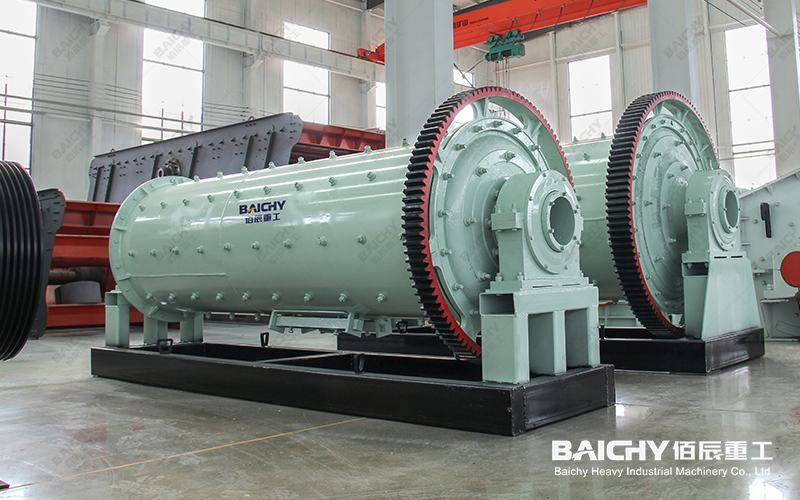
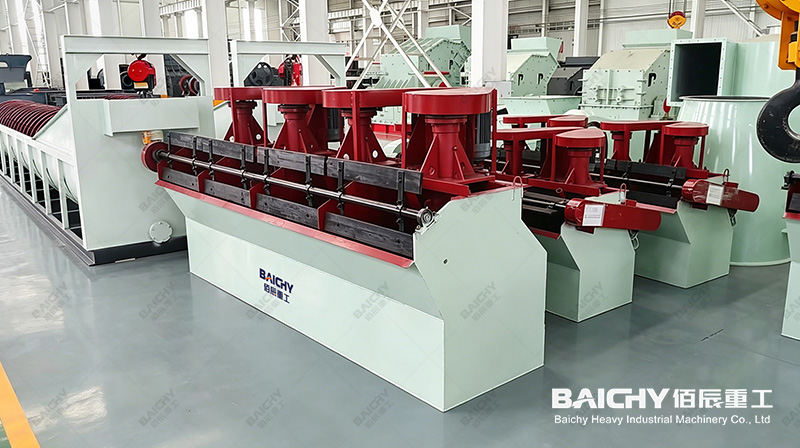
Sludge drying equipment uses thermal energy to evaporate water from dewatered sludge. A complete system may include a feeding unit, dryer, heat source or heat exchanger, air circulation system, exhaust treatment, dust and odor control, discharge conveyor, and automatic control panel.
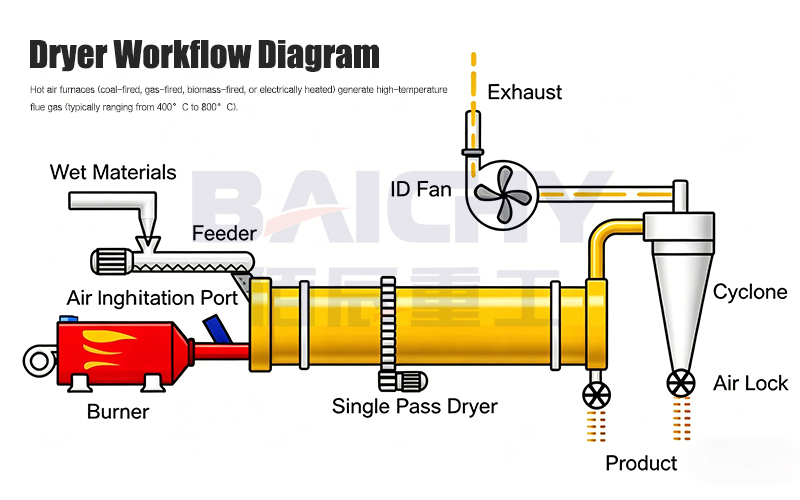
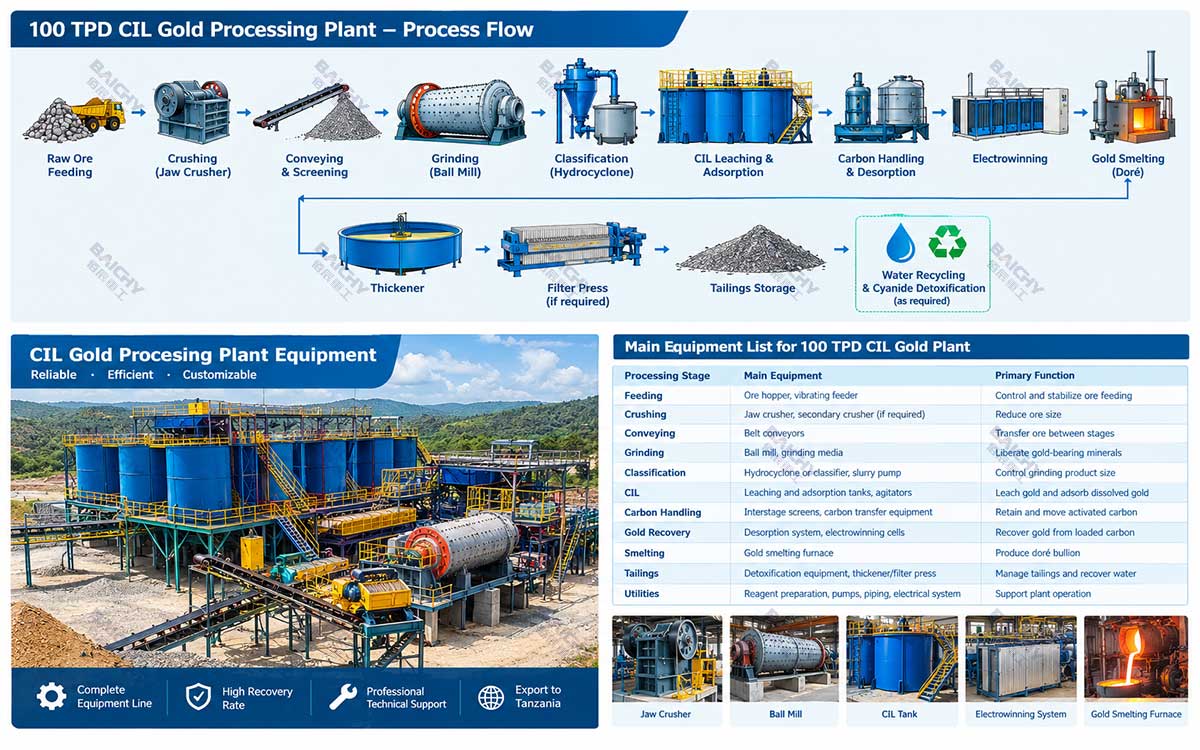
Dryer Workflow Diagram
A typical process includes:
• Sludge collection and concentration
• Conditioning and mechanical dewatering
• Feeding the sludge cake into the dryer
• Controlled moisture evaporation
• Cooling, conveying, and optional screening
• Storage, transport, co-processing, or another approved use
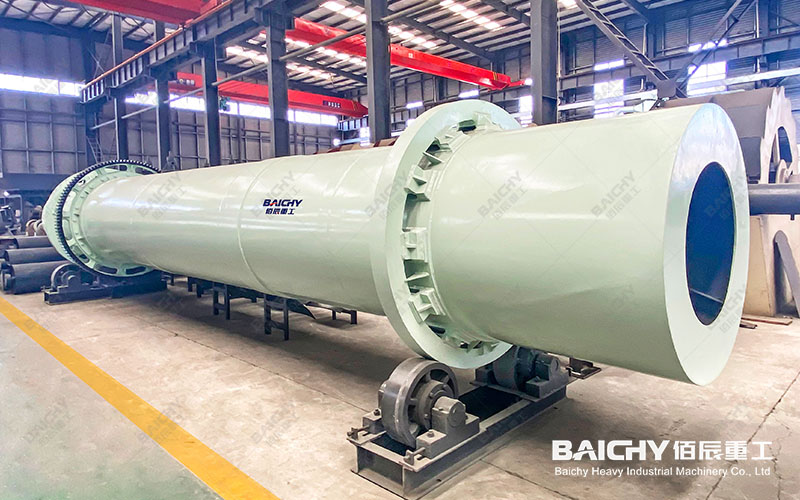
Different dryer designs suit different materials. Low-temperature belt dryers are often considered for continuous municipal sludge treatment. Disc and paddle dryers can provide intensive heat transfer for sticky industrial sludge, while rotary dryers may be suitable for larger capacities. Final selection should follow material testing, heat-balance calculations, and a review of local operating requirements.
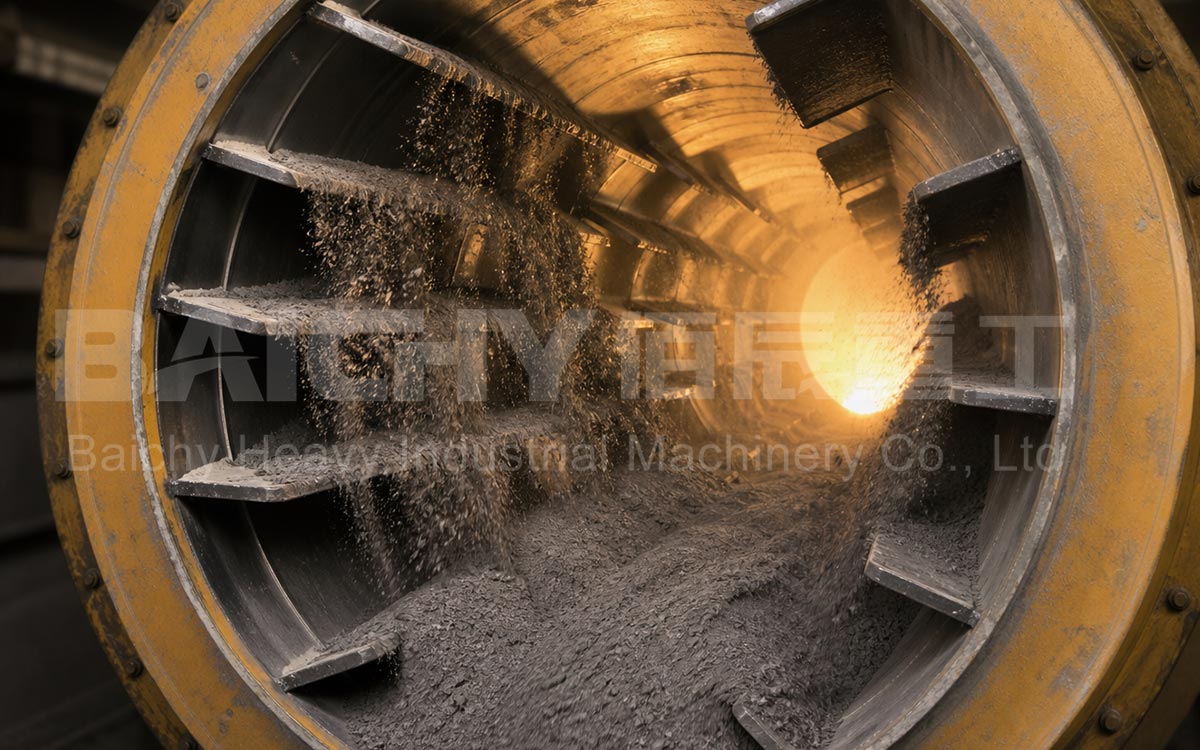
Concentrate Drying Equipment
How Can Sludge Drying Reduce Treatment Costs?
1. Reduce transport costs through weight reduction
Water is normally the largest component of wet sludge. As drying lowers the moisture content, less material needs to be transported to an off-site facility. Fewer truck trips can reduce fuel use, loading labor, road traffic, and logistics management costs.
The benefit is especially important when the disposal or utilization site is far from the treatment plant. A facility transporting wet sludge over a long distance may spend more on logistics than expected. Drying makes each shipment lighter and can increase the useful payload per trip.
2. Lower final disposal costs
Disposal contractors may charge according to weight, volume, moisture content, or the treatment requirements of the receiving facility. Dried sludge may be easier to send for co-incineration, cement kiln co-processing, fuel substitution, or another approved route.
Drying does not automatically make sludge suitable for every application. Operators should test heavy metals, pathogens, organic contaminants, ash content, calorific value, and other relevant indicators before choosing a final destination. Any reuse must comply with local environmental rules and the receiving facility’s specifications.
3. Improve the economics of thermal treatment
High-moisture sludge consumes considerable heat during incineration because energy is needed to evaporate water. Drying can increase the proportion of combustible solids and make the material easier to feed into a thermal treatment process.
However, the energy balance must be checked. The benefit of improved calorific value should be compared with the energy required by the dryer. A system using waste heat, biogas, steam, or combined heat and power exhaust may be more economical than one relying entirely on purchased fuel.
4. Recover available waste heat
Many treatment plants and industrial sites have heat that can potentially be recovered. Possible sources include:
• Incinerator or furnace exhaust heat
• Biogas combustion systems
• Combined heat and power units
• Steam condensate or low-pressure steam
• Industrial process waste heat
• Solar-assisted thermal systems
Using existing heat can lower the dryer’s operating cost and improve overall energy efficiency. Engineers should verify heat temperature, flow rate, annual availability, corrosion risk, heat-exchanger design, and backup requirements before integration.
5. Reduce storage and site-management pressure
Wet sludge is more likely to cause odor, leachate, handling problems, and storage limitations. Dried material is generally easier to convey, enclose, store, and load. This can reduce the need for temporary storage space and help improve control over secondary pollution risks.
How to Evaluate a Potential 40% Cost Reduction?
A reliable evaluation should compare the complete sludge management chain, not just the dryer’s electricity or fuel consumption.
| Cost item | Before drying | After drying | Main factor |
|---|---|---|---|
| Mechanical dewatering | Project data | Project data | Polymer use and equipment efficiency |
| Thermal energy | Project data | Project data | Heat source and moisture target |
| Electricity | Project data | Project data | Fans, conveyors, pumps, and controls |
| Transport | Project data | Project data | Final weight, distance, and truck capacity |
| Disposal or utilization | Project data | Project data | Receiving route and material quality |
| Maintenance and labor | Project data | Project data | Automation and operating schedule |
| Total cost | Baseline | New total | Combined project economics |
The basic formula is:
Cost reduction rate = (Original total cost − New total cost) / Original total cost × 100%
For a project-specific estimate, collect:
• Daily wet sludge production
• Initial and target moisture content
• Annual operating days
• Transport distance and cost per trip
• Current disposal fee
• Available heat source and energy price
• Dryer electricity and thermal demand
• Maintenance, labor, and depreciation costs
• Potential value of an approved recovered product
For some projects, transport and disposal savings may create the largest benefit. In other projects, expensive energy or the lack of waste heat may reduce the financial return. A transparent total-cost model is more credible than presenting 40% as a fixed result.
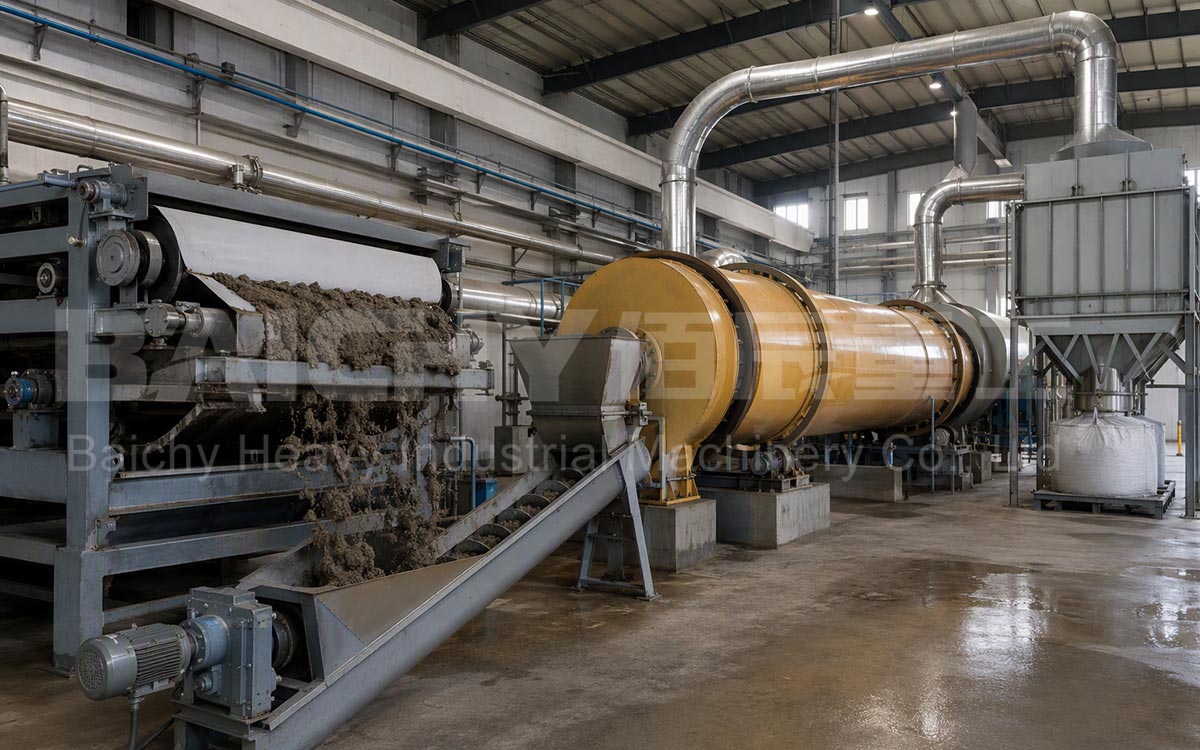
Sludge Drying Equipment: Cut Treatment Costs by 40%
How to Select the Right Sludge Drying System?
Match the dryer to the sludge characteristics
The system should be selected according to whether the feed is municipal sludge, paper mill sludge, textile sludge, chemical sludge, oily sludge, or another industrial material. Confirm whether the feed is liquid, paste-like, or a dewatered cake, and check whether it is sticky, abrasive, corrosive, oily, or rich in inorganic solids.
The moisture content and composition may also change over time. Laboratory testing or a pilot trial can help determine the required residence time, drying temperature, feeding method, and discharge design.
Match capacity to the operating plan
Design capacity should account for average production, seasonal peaks, planned maintenance, and future expansion. Continuous plants may need standby capacity or a bypass arrangement. Always distinguish between tonnes of wet sludge per day and tonnes of dried product per day, because these figures are not interchangeable.
Check heat-source reliability
A dryer connected to stable waste heat can have a very different operating cost from one powered by natural gas or electric heaters. Compare the temperature, flow, operating schedule, and availability of each heat source. A backup source may be necessary when the primary source is interrupted.
Include environmental and safety controls
Drying may produce water vapor, odor, dust, and combustible gases. Depending on the sludge and operating temperature, the system may require enclosed conveying, condensation, exhaust treatment, dust collection, deodorization, temperature and oxygen monitoring, fire protection, explosion protection where applicable, and automatic shutdown interlocks.
These features support safe operation and environmental compliance. They should be included in the initial design and cost estimate rather than added after commissioning.
Sustainability Benefits Beyond Cost Savings
Sludge drying supports three major goals of modern sludge management:
• Reduction: Removing water decreases the mass and volume that must be transported or treated.
• Recovery: A dried product may have better handling properties and may be considered for co-processing, fuel substitution, construction-material applications, or other approved uses after testing.
• Responsible disposal: Lower moisture and enclosed handling can reduce storage problems, odor emissions, and uncontrolled leachate risks.
The most sustainable solution is not necessarily the system with the lowest purchase price. It is the system that balances energy consumption, emissions control, operating reliability, recovery potential, and life-cycle cost.
Frequently Asked Questions
1. Can sludge drying equipment always reduce costs by 40%?
No. Up to 40% may be achievable in suitable projects, but it is not a universal result. Actual savings depend on moisture reduction, transport distance, disposal fees, energy prices, heat-source availability, and operating costs.
2. What moisture content can dried sludge reach?
The target depends on the sludge type, dryer design, heat source, residence time, and final application. It should be established through material testing and heat-balance calculations rather than selected only from a general specification.
3. Can a sludge dryer use waste heat from another process?
Yes. Heat from incineration, biogas engines, combined heat and power units, or industrial processes may be used when its temperature, flow, and availability are suitable. A backup source is recommended for interruptions.
4. Can dried sludge be used directly as fertilizer?
Not necessarily. Agricultural or soil-related use requires testing for heavy metals, pathogens, organic pollutants, and other regulatory indicators. The material must meet local standards before use.
5. How can odor, dust, and fire risks be controlled?
A complete system normally uses enclosed conveying, controlled drying temperatures, exhaust treatment, dust collection, monitoring instruments, fire protection, and automatic safety interlocks. The configuration should reflect the sludge composition and site risk assessment.
Baichy Heavy Industry
Baichy Heavy Industry is a high-tech mining equipment company integrating R&D, manufacturing, sales, and after-sales service. Focusing on crushing, grinding, and mineral processing equipment, we provide professional solutions to our customers. We are ISO9001:2015 Certified, and our products include mobile crushing palnts, crawler crushing plant, construction waste crushing plants, jaw crushers, sand making machines, cone crushers, fine crushers, grinding mills, ball mills, etc., all with reliable performance to meet diverse project needs.
Baichy Heavy Industry – Your Trusted Partner
To ensure optimal performance of your equipment, Baichy Heavy Industry offers:
- Professional on-site installation guidance
- Comprehensive operator training
- 24/7 technical support & maintenance services
Our complete after-sales service system guarantees long-term, stable operation of your machinery with minimal downtime.
Protect Your Rights – Only Use Official Channels
To avoid scams and ensure authentic support, contact us exclusively through:
• Official Website: www.baichychina.com
• WhatsApp: +8615093222637
• Email: [email protected]
Your satisfaction is our priority – expect prompt, professional service every time.
(Note: Beware of unauthorized third parties claiming to represent Baichy. Always verify through official contacts.)