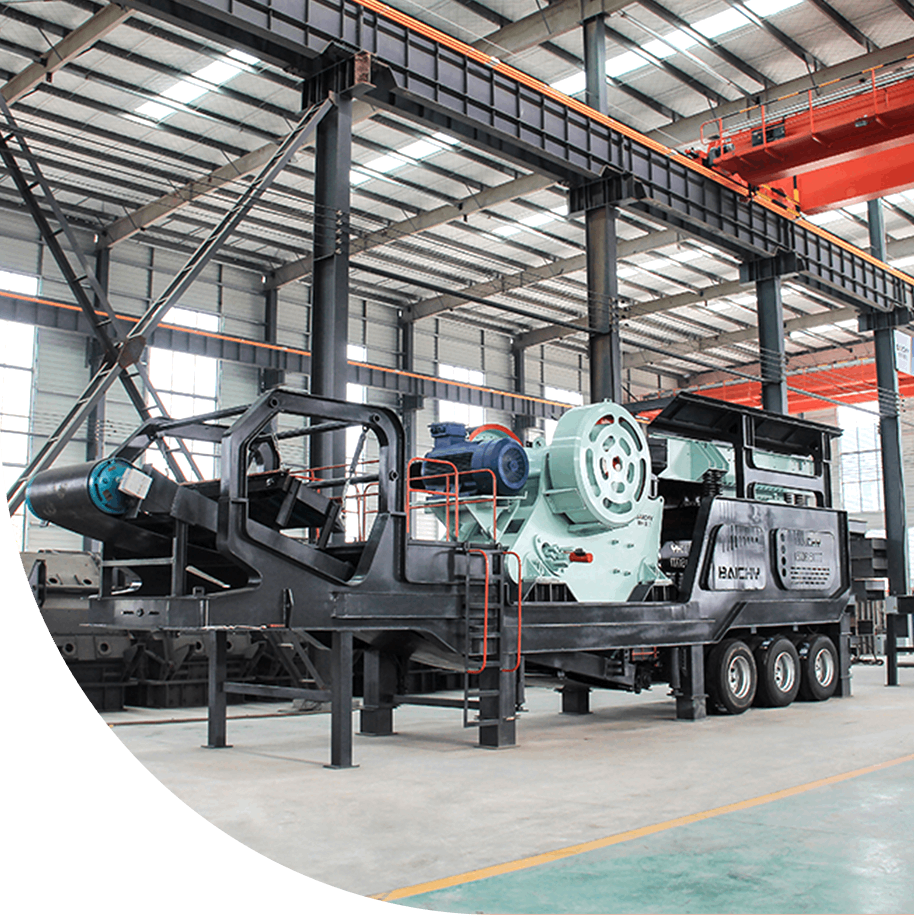

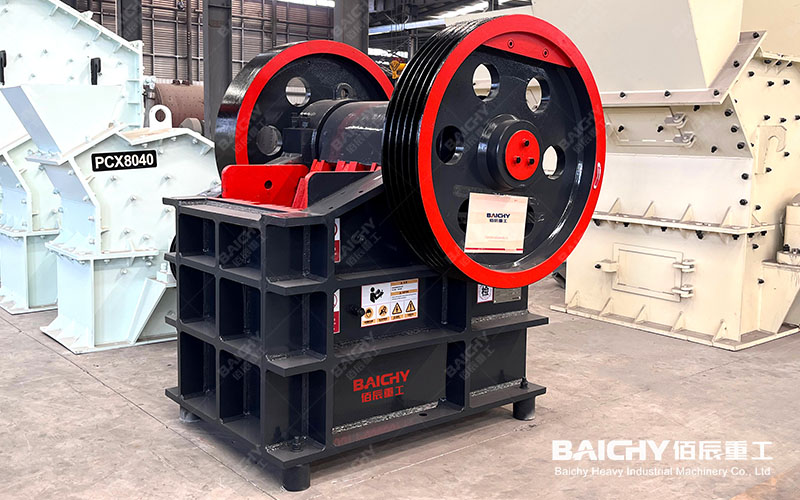
PE400x600 Jaw Crusher
For small and medium-sized quarry, aggregate, and mineral-processing projects, the primary crusher must be reliable, easy to maintain, and properly matched to the feed material. A PE 400x600 jaw crusher is often considered for this role because its operating principle is straightforward: material is compressed between a fixed jaw plate and a moving jaw plate until it reaches a smaller size for the next process.
This equipment may be used for limestone, granite, basalt, river stone, selected ores, and some construction waste applications. However, the model is not automatically suitable for every project. Material hardness, abrasiveness, moisture, maximum feed size, required capacity, discharge setting, and final product specifications must be checked before purchase.
As a fixed-plant primary crusher, the PE 400x600 jaw crusher can operate in a basic coarse-crushing line or connect with a secondary crusher, vibrating screen, conveyors, dust-control equipment, and an electrical control system. The best configuration is the one that meets the actual production target without adding unnecessary equipment or creating bottlenecks.
What Does PE 400x600 Mean?
The PE designation generally identifies a traditional PE-series jaw crusher, while 400x600 refers to the nominal feed-opening class commonly associated with the model. Exact specifications can differ among manufacturers. Maximum feed size, discharge opening range, capacity, motor power, machine weight, jaw-plate material, and optional components should therefore be confirmed in the supplier’s technical datasheet.
Buyers should avoid selecting a machine by model number alone. A professional manufacturer will review the complete operating conditions and explain whether the PE 400x600 model is suitable or whether another size would provide better performance and service life.
Main Advantages of the PE 400x600 Jaw Crusher
1. Simple and practical primary crushing
The jaw crusher reduces large raw material at the beginning of the process. This makes the material easier to convey, screen, stockpile, or send to a secondary crusher. It is a practical choice when the project needs a conventional first crushing stage.
2. Straightforward maintenance
The main components normally include the frame, fixed and moving jaw plates, eccentric shaft, flywheel, toggle plate, tension system, bearings, and drive parts. This relatively direct structure allows trained operators to inspect wear parts, lubrication points, fasteners, and belt alignment using a planned maintenance schedule.
3. Suitable for compact fixed plants
A PE 400x600 jaw crusher can be integrated into a relatively compact layout. It may be considered for local aggregate supply, road construction material, small quarry operations, and preliminary ore crushing when the feed and output requirements are compatible.
4. Balanced equipment investment
High cost performance does not mean choosing the lowest quotation. It means balancing the purchase price with energy use, wear-part life, maintenance access, spare-parts availability, installation, technical support, and expected operating life. A slightly higher-quality machine may reduce downtime and total cost over the project lifecycle.
5. Potential for future expansion
Some projects begin with primary crushing and conveying, then add secondary crushing and screening as market demand grows. A manufacturer with complete plant-design experience can reserve space, transfer points, and electrical capacity for a future upgrade.
General PE 400x600 Fixed Crushing Line Configurations
Basic coarse-crushing line
Raw material hopper → vibrating feeder → PE 400x600 jaw crusher → belt conveyor → stockpile
This is a practical layout when the project mainly needs coarse crushed material and does not require several calibrated product sizes. The feeder controls the material flow, while the conveyor transfers the output to a stockpile or the next processing area.
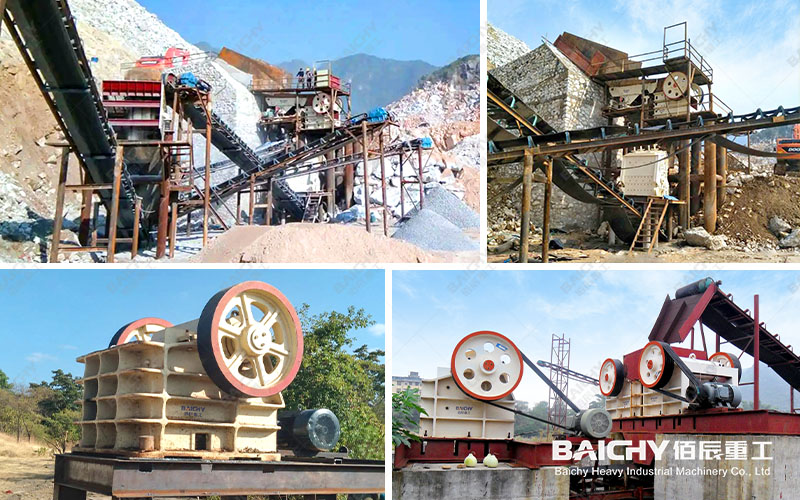
PE 400x600 Fixed Crushing Line
Two-stage aggregate line
Hopper → vibrating feeder → PE 400x600 jaw crusher → belt conveyor → secondary crusher → vibrating screen → product piles
An impact crusher, cone crusher, or fine jaw crusher may be selected for the secondary stage according to material properties, product shape, and target sizes. The vibrating screen separates the material into different grades. Oversize can be returned to the secondary crusher through a recirculation conveyor.
Line with pre-screening and return circuit
Hopper → feeder with pre-screening → PE 400x600 jaw crusher → secondary crusher → vibrating screen → finished products
Screen oversize → return conveyor → secondary crusher
Pre-screening can remove unwanted fines before the primary crusher, while the return circuit helps control the final product size. This layout requires additional conveyors, transfer points, structural support, and a coordinated control system. The plant should be designed to reduce excessive conveying distance and avoid material accumulation.
Common Equipment and Selection Points
| Equipment | Main function | Key selection points |
|---|---|---|
| Feed hopper | Receives and stores raw material | Loading method, volume, and available space |
| Vibrating feeder | Feeds the jaw crusher evenly | Feed rate, maximum feed size, and pre-screening |
| PE400×600 jaw crusher | Performs primary crushing | Material, capacity, feed size, and discharge setting |
| Belt conveyor | Transfers material between stages | Belt width, distance, height, and dust protection |
| Secondary crusher | Further reduces particle size | Product specification, hardness, and shape requirement |
| Vibrating screen | Separates finished products | Deck number, screen area, moisture, and cut points |
| Electrical control system | Coordinates operation and protection | Voltage, automation level, and safety functions |
| Dust-control equipment | Limits dust at crushing points | Local rules, enclosure, and transfer-point design |
How to Choose a High-Value Manufacturer
Compare the complete supply scope
A quotation should clearly state the jaw crusher, motor, drive parts, jaw plates, electrical cabinet, spare parts, technical documents, foundation requirements, installation guidance, and optional services. Compare quotations with the same scope instead of comparing only the headline equipment price.
Check manufacturing and inspection capability
Ask how the supplier controls frame fabrication, machining, assembly, alignment, bearing installation, fastener tightening, jaw-plate fitting, lubrication, and trial operation. A documented inspection process can reduce installation problems and early failures.
Request a project-specific design
The manufacturer should ask about raw material, maximum feed size, target capacity, discharge size, final products, operating hours, site dimensions, power supply, and environmental requirements. A recommendation made without this information may not reflect the actual operating conditions.
Confirm wear parts and after-sales service
Jaw plates, toggle plates, bearings, belts, springs, and other components affect operating cost. Confirm their material grade, replacement procedure, availability, warranty coverage, remote support, installation service, commissioning, and operator training.
Evaluate lifecycle cost
Include freight, foundation work, installation, electrical connection, commissioning, lubrication, wear-part replacement, energy use, and planned downtime in the comparison. The lowest initial price may not be the lowest total cost.
Information to Prepare Before Requesting a Quote
To obtain a suitable configuration, send the manufacturer:
1. Raw material type, hardness, and abrasiveness.
2. Maximum feed size and possible oversize pieces.
3. Required hourly capacity and daily operating hours.
4. Target discharge size from the primary crusher.
5. Final product sizes and the number of products required.
6. Whether secondary crushing, screening, and product return are needed.
7. Site dimensions, elevation limits, and foundation conditions.
8. Available voltage, frequency, and power capacity.
9. Loading method, such as wheel loader, excavator, or truck.
10. Dust, noise, enclosure, and other environmental requirements.
Complete information helps the manufacturer verify whether PE 400x600 is the right model and prepare a more accurate fixed-line layout and quotation.
Frequently Asked Questions
1. What materials can a PE 400x600 jaw crusher process?
It may be used for limestone, granite, basalt, river stone, selected ores, and some construction waste. Suitability depends on hardness, abrasiveness, moisture, feed size, and the manufacturer’s design limits. Difficult applications may require a material test or engineering review.
2. Can the PE 400x600 jaw crusher work alone?
Yes, it can be used as a stand-alone coarse crusher in a simple application. A vibrating feeder is normally recommended for stable feeding. If the project needs several product sizes or a defined final gradation, a vibrating screen and possibly a secondary crusher will also be required.
3. What equipment is normally paired with it in a fixed line?
A common arrangement includes a feed hopper, vibrating feeder, PE 400x600 jaw crusher, belt conveyor, secondary crusher, vibrating screen, electrical control system, and dust-control equipment. The final selection depends on capacity, material, product sizes, and site conditions.
4. How should I compare PE 400x600 jaw crusher manufacturers?
Compare the complete technical scope rather than only the price. Review feed and discharge specifications, motor and drive configuration, frame and shaft quality, jaw-plate material, spare-parts supply, warranty, installation support, delivery scope, and experience with similar projects.
5. What should I send when requesting a quotation?
Send the raw material type, maximum feed size, target capacity, discharge size, final product sizes, operating hours, site dimensions, local power conditions, loading method, and environmental requirements. Complete information allows the supplier to recommend a suitable machine and fixed-line layout.
Baichy Heavy Industry
Baichy Heavy Industry is a high-tech mining equipment company integrating R&D, manufacturing, sales, and after-sales service. Focusing on crushing, grinding, and mineral processing equipment, we provide professional solutions to our customers. We are ISO9001:2015 Certified, and our products include mobile crushing palnts, crawler crushing plant, construction waste crushing plants, jaw crushers, sand making machines, cone crushers, fine crushers, grinding mills, ball mills, etc., all with reliable performance to meet diverse project needs.
Baichy Heavy Industry – Your Trusted Partner
To ensure optimal performance of your equipment, Baichy Heavy Industry offers:
- Professional on-site installation guidance
- Comprehensive operator training
- 24/7 technical support & maintenance services
Our complete after-sales service system guarantees long-term, stable operation of your machinery with minimal downtime.
Protect Your Rights – Only Use Official Channels
To avoid scams and ensure authentic support, contact us exclusively through:
• Official Website: www.baichychina.com
• WhatsApp: +8615093222637
• Email: [email protected]
Your satisfaction is our priority – expect prompt, professional service every time.
(Note: Beware of unauthorized third parties claiming to represent Baichy. Always verify through official contacts.)