Addressing the crushing requirements for gold ore at a throughput of 20 tons per hour (20 t/h), this analysis provides an in-depth examination of the selection logic for Double Roller Crushers versus Hammer Crushers. It covers distinct solutions tailored to different ore types, specifically hard quartz-vein ores and oxidized ores.
1. Why shouldn't gold ore crushing focus solely on "throughput"?
When processing gold ore at a scale of 20 tons per hour (20 t/h), many mine owners fall into a common trap: focusing exclusively on whether the equipment can achieve a "sand-grade" particle size (0–5 mm).
However, while standard stone crushing aims to produce aggregates with specific shapes for sale, gold ore crushing aims for "gold liberation"—that is, exposing the gold particles encapsulated within the rock matrix, while simultaneously avoiding the excessive pulverization that can lead to gold loss through the generation of fine mineral slimes.
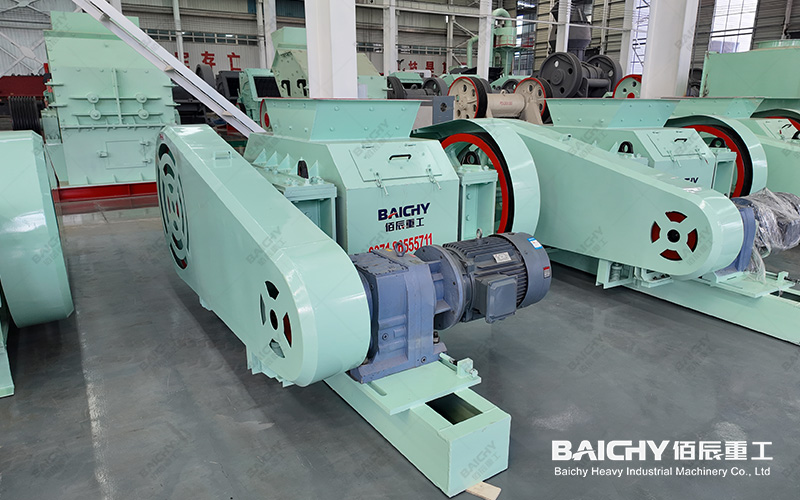
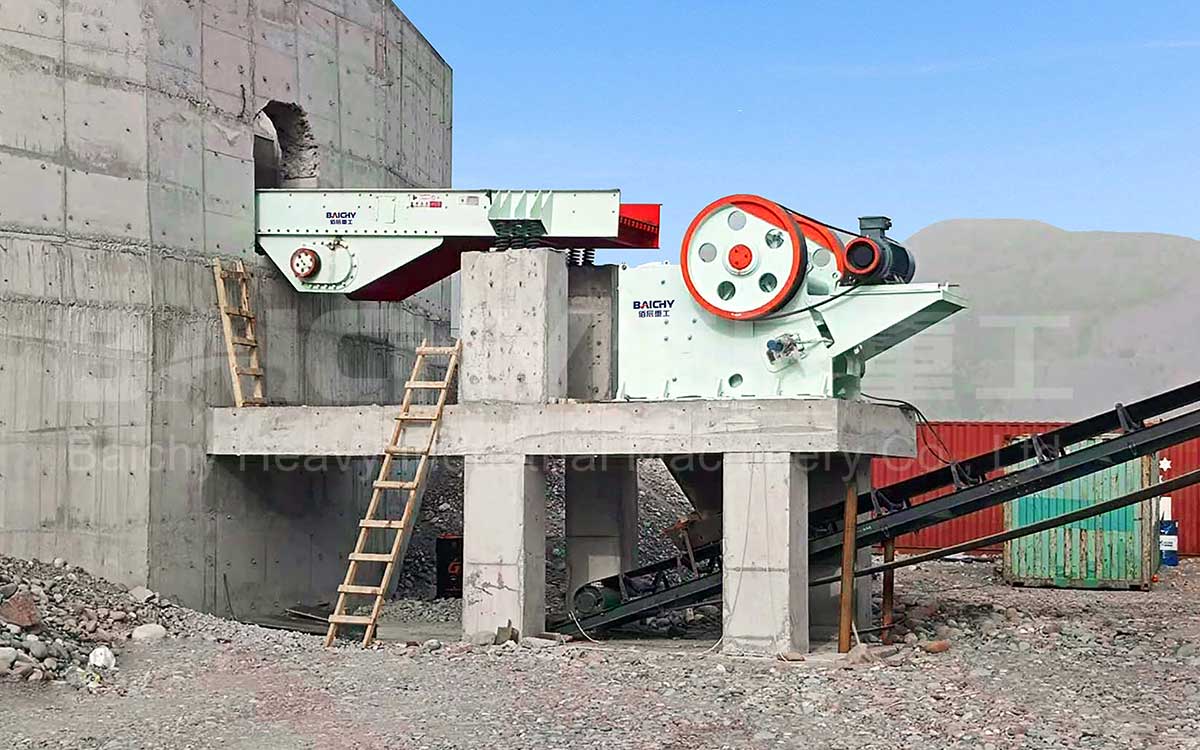
Double-Roller Crusher
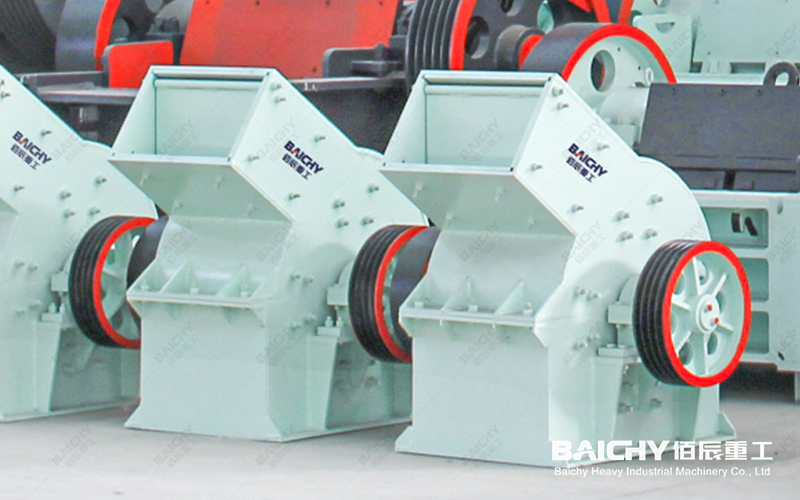
Gold Ore Crusher
2. Core Recommendations: Equipment Solutions for 20 t/h Gold Ore Crushing
2.1 Solution 1: Double Roller Crusher — The Preferred Choice for Hard Rock
Applicable Scenarios: Quartz-vein gold deposits, hard ores with high silica content, and operations utilizing a ball mill in the subsequent processing stage.
| Dimension | Detailed Parameters & Advantages |
| Core Principle | Dual-roller extrusion; features a low rate of over-crushing (generating minimal mineral slimes), which facilitates subsequent gravity separation for gold recovery. |
| Discharge Particle Size | 1–3 mm (the ideal feed size for ball mills); adjustable to 0–5 mm. |
| 20 t/h Model Selection | 2PG0850 (Power: 2 × 22 kW) |
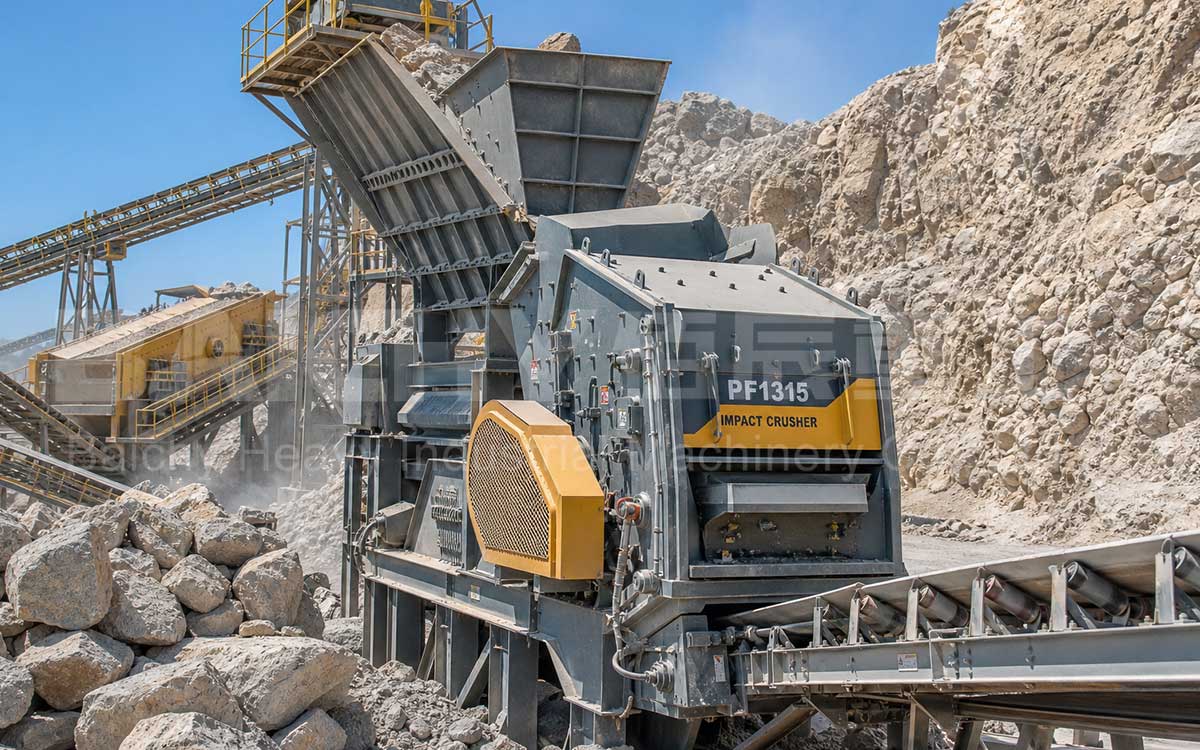
2.2 Solution 2: Hammer Crusher — A Cost-Effective Choice
Applicable Scenarios: Oxidized gold ores, weathered ores, and primary beneficiation sites with limited budgets.
| Dimension | Detailed Parameters & Advantages |
| Core Principle | High-speed hammer impact; features a high crushing ratio, effectively performing the work of two crushing stages in one ("one crusher does the work of two"). |
| Discharge Particle Size | 0–5 mm (adjustable). |
| 20 t/h Model Selection | PC800×600 (Power: 30 kW) |
| Important Note | The hammer heads are subject to rapid wear; a stock of spare wear-resistant parts should be kept on hand. 2.3 Option |
3: VSI Sand Making Machine (VSI Crusher) — The High-Quality Particle Shape Solution
Applicable Scenarios: Large-scale beneficiation plants with extremely high requirements for the particle shape of the finished sand product (typically used in conjunction with a jaw crusher).
3. In-Depth Comparison: How to Make a Decision Based on Ore Characteristics?
To help you quickly identify the best fit for your needs, we have structured a comparison based on three dimensions: ore hardness, budget, and downstream processing requirements:
3.1 Selection Based on "Ore Hardness" (Most Critical Factor)
• White/Gray Hard Rocks (Quartz Veins):
Highly Recommended: [Double-Roller Crusher]. Quartz has a Mohs hardness of up to 7; in such an environment, the hammerheads of a hammer crusher would have an extremely short lifespan, whereas the compressive crushing principle of the double-roller crusher offers superior wear resistance.
• Reddish-Brown/Earthy, Loose Rocks (Oxidized Ores):
Recommended: [Hammer Crusher]. These types of ores are highly brittle; a hammer crusher offers extremely high processing efficiency for such materials and entails the lowest initial investment cost.
3.2 Selection Based on "Downstream Beneficiation Processes"
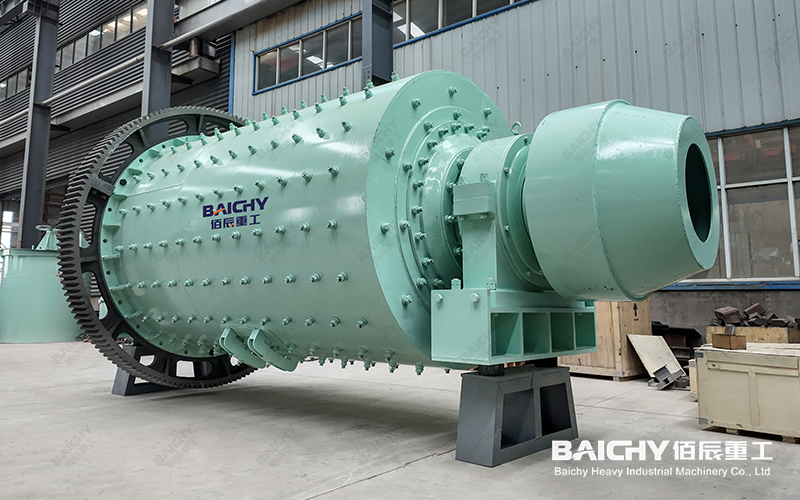
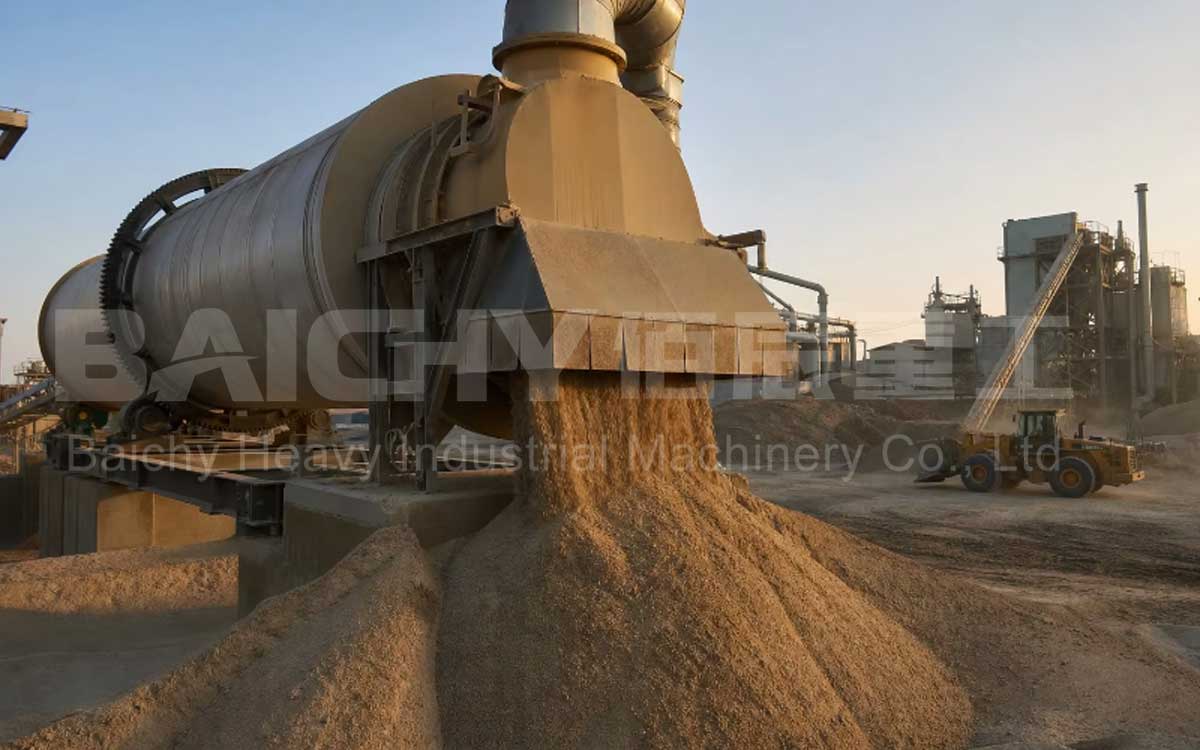
wet ball mill
• Followed by a Ball Mill: Preferred Choice: [Double-Roller Crusher]. Controlling the feed size entering the ball mill to under 3mm can boost the ball mill's efficiency by over 30%, resulting in significant savings on electricity costs.
• Followed by Shaking Tables/Sluices (Gravity Separation): Preferred Choice: [Double-Roller Crusher]. Gravity separation is highly susceptible to interference from "slimes" (fine mineral mud); the double-roller crusher generates the fewest fines, thereby maximizing gold recovery rates.
4. Selection Decision Matrix (Quick Match)
| Your Current Situation | Recommended Equipment | Key Rationale |
| Hard ore (e.g., quartzite); concerns about future maintenance hassles | Double-Roller Crusher | Long service life for wear parts, low operating costs, minimal over-crushing. |
| Just starting out; limited budget; ore is not particularly hard | Hammer Crusher | Lowest unit price; capable of achieving "single-stage crushing" (one-step processing). |
| Mine site located in remote mountains; no access to grid electricity | Diesel-Powered Mobile Crushing Station | No need to erect power lines; highly mobile and flexible; suitable for scattered mining sites. |
5. Expert Tip: Common Pitfalls in Configuring 20t/h Production Lines
Many users searching for "gold ore crushers" often overlook the critical factor of *feed size* (the size of the material entering the crusher). Important Reminder: If the lump size of your raw ore exceeds 30 cm (roughly the size of a fist), regardless of which fine crusher you choose from the options above, you *must* first install a small jaw crusher (such as the PE250×400 model) to perform coarse crushing. Otherwise, there is a high risk of the fine crusher jamming or sustaining damage.
About of Baichy Heavy Industry
Baichy Heavy Industry is a high-tech mining equipment company integrating R&D, manufacturing, sales, and after-sales service. Focusing on crushing, grinding, and mineral processing equipment, we provide professional solutions to our customers. We are ISO9001:2015 、certified, and our products include mobile crushing palnts, crawler crushing plant, construction waste crushing plants, jaw crushers, sand making machines, cone crushers, fine crushers, grinding mills, ball mills, etc., all with reliable performance to meet diverse project needs.
Our advantages:
• Professional pre-sales support: Free project design and comprehensive solutions to help you accurately select the right equipment;
• Comprehensive on-site service: Providing installation guidance and worker training to ensure smooth equipment commissioning;
• Reliable after-sales guarantee: A complete after-sales system, timely response to technical inquiries and equipment maintenance, ensuring long-term stable operation.
To protect your rights, please contact us through the following official channels for professional service:
Official Website Customer Service
https://wa.me/+8615093222637
Email: [email protected]
We are committed to providing high-quality equipment and full-cycle services to deliver comprehensive intelligent solutions for the global mining industry!
Frequently Asked Questions (FAQ)
Q1: For a gold ore crusher with a capacity of 20 tons per hour, how much ore can it process in a single day?
A: Based on a 10-hour workday, a 20 t/h unit has a daily processing capacity of approximately 200 tons. If operated at full capacity for 24 hours, the daily throughput can reach up to 480 tons. Actual output is influenced by factors such as ore hardness, moisture content, and feed uniformity; for hard ores (such as quartz), the actual output may be slightly lower than the nominal value.
Q2: Why does gold ore crushing place such strong emphasis on "preventing over-crushing"?
A: In gold ore beneficiation (particularly gravity separation methods, such as using shaking tables or sluices), the most undesirable outcome is the generation of excessive "slimes" (extremely fine powder). Once gold is ground down to micron-sized particles, it tends to be washed away by the water flow and cannot be effectively recovered through physical separation methods. Therefore, compared to standard sand-making machines, gold ore crushers (such as double-roller crushers) prioritize minimizing the rate of over-crushing.
Q3: If my raw ore lumps are very large (exceeding 30 cm), can I feed them directly into a double-roller crusher?
A: No, you cannot. The feed opening for a 20 t/h double-roller crusher or hammer crusher is typically limited to a maximum size of 10–15 cm. For large ore lumps, you must first install a PE250×400 jaw crusher to perform coarse crushing, breaking the large rocks down to under 10 cm before feeding them into the fine crusher.
Q4: Approximately how much does a gold ore crusher cost?
A: For equipment with a 20 t/h capacity, the hammer crusher is the most economical option (priced in the range of tens of thousands of RMB). The double-roller crusher falls into a moderate price range, as it utilizes more wear-resistant materials. If configured as a mobile crushing station (which includes feeding and screening components), the price will be higher. A specific price quote will be determined based on the specific characteristics of your ore and your chosen motor configuration.
Q5: Aside from their high hardness, what other challenges do quartz-vein gold ores present during crushing?
A: Quartz possesses extremely high toughness and abrasiveness. If a hammer crusher is used, the hammer heads wear out at an exceptionally rapid rate—potentially requiring replacement every few days—leading to skyrocketing maintenance costs. Consequently, it is widely recognized within the industry that a double-roller crusher constitutes the most reliable solution for processing quartz-vein gold ores.