
Cement Production Line Manufacturer
As a professional manufacturer of cement production lines, we have dedicated ourselves to this industry for many years. Leveraging mature technologies, reliable equipment, and comprehensive services, we provide global clients with end-to-end cement production line solutions—spanning design, manufacturing, installation, and ongoing operation and maintenance. The cement production line constitutes a core cluster of equipment within the building materials sector; it encompasses every stage of the process—from raw material handling and raw meal preparation to clinker calcination and cement grinding. Its performance directly determines the quality, output, and environmental sustainability of the final cement products. Whether catering to the large-scale production needs of major building materials enterprises or assisting small-to-medium-sized manufacturers in upgrading their quality and capabilities, we customize bespoke cement production lines tailored to each client's specific requirements. Our goal is to help clients reduce production costs, enhance their market competitiveness, and achieve green, high-efficiency production.
I. Overview of Cement Production Lines: A Comprehensive Process Analysis and Core Components
A cement production line is an integrated, automated production system. Its primary function is to process raw materials—such as limestone, clay, and iron powder—through a series of physical and chemical transformations to produce finished cement products that meet national and industry standards. These products are widely utilized across various sectors, including general construction, infrastructure development, and road engineering. A complete cement production line is not merely a simple assembly of disparate machines; rather, it comprises multiple core systems working in close coordination. Each system plays a critical, indispensable role in the overall operation.
1.1 Core Systems of a Cement Production Line
A complete cement production line primarily consists of five major core systems. Each system features a distinct Pision of labor and operates with high efficiency in coordination with the others, thereby ensuring the smooth and uninterrupted flow of the production process. These systems are detailed as follows:
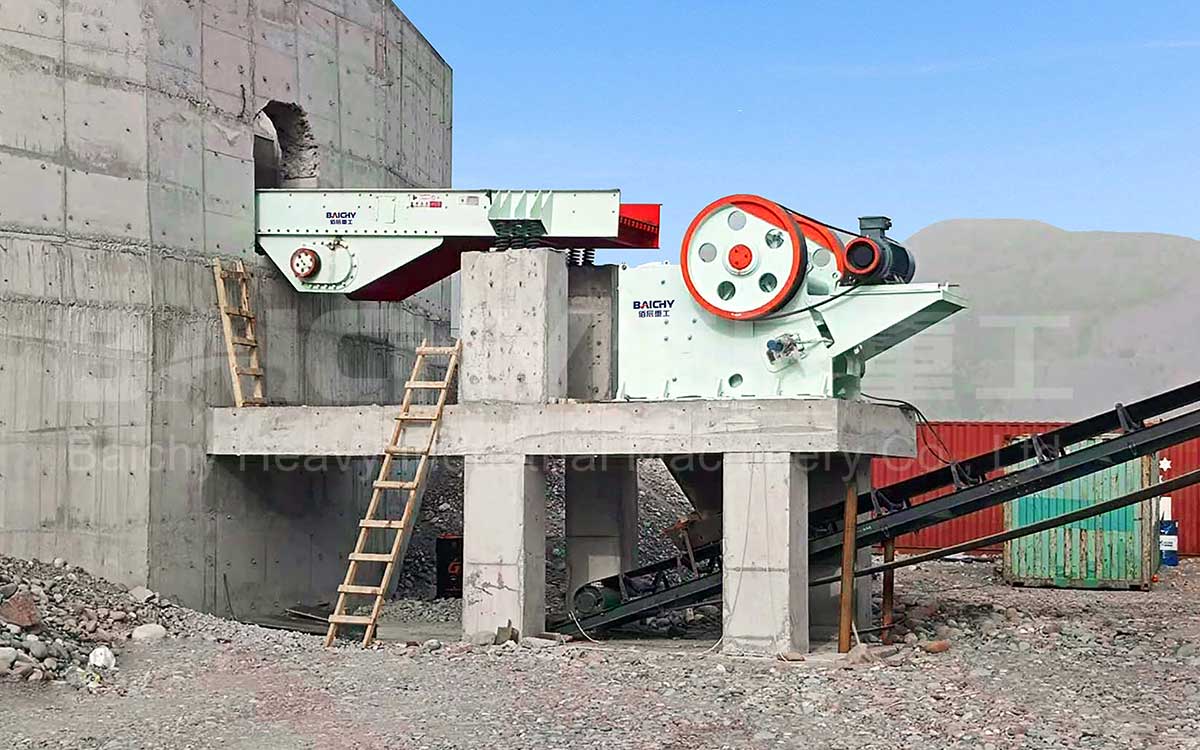
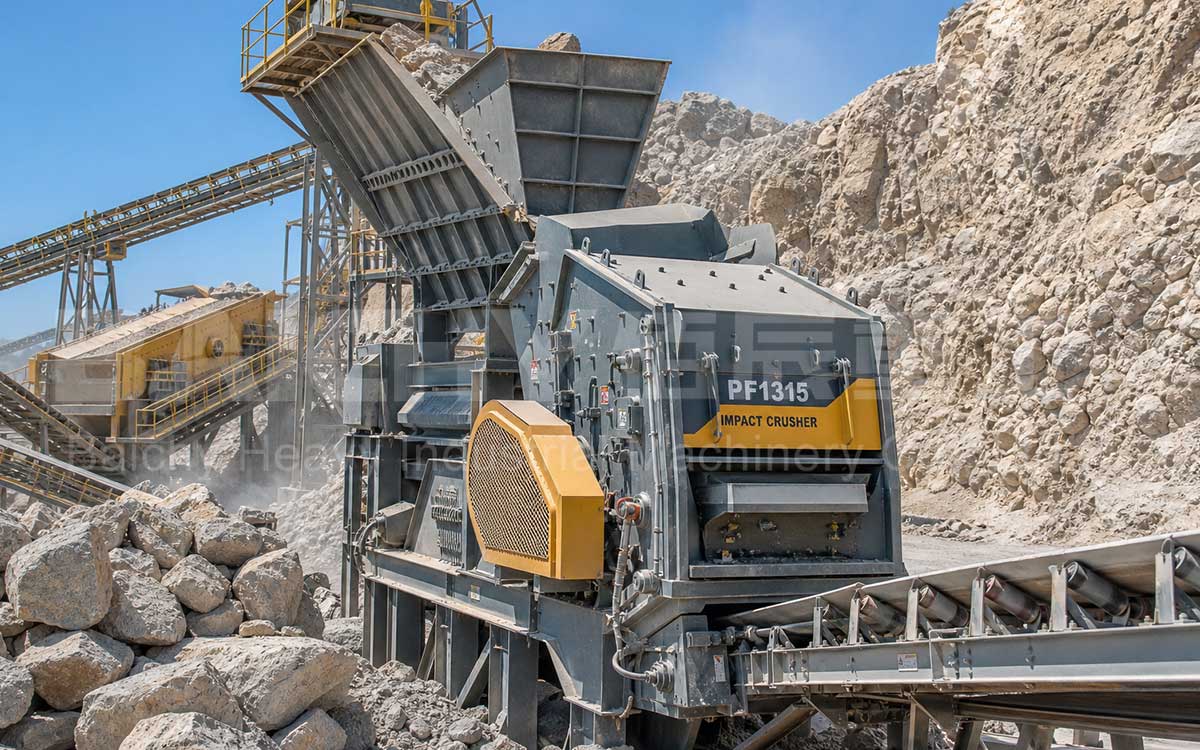
- Raw Material Handling System: Primarily responsible for the crushing, homogenization, and storage of raw materials. Key equipment includes jaw crushers, impact crushers, and raw material homogenization silos. The objective is to remove impurities from the raw materials and ensure their chemical composition is uniform, thereby laying a solid foundation for subsequent production stages.
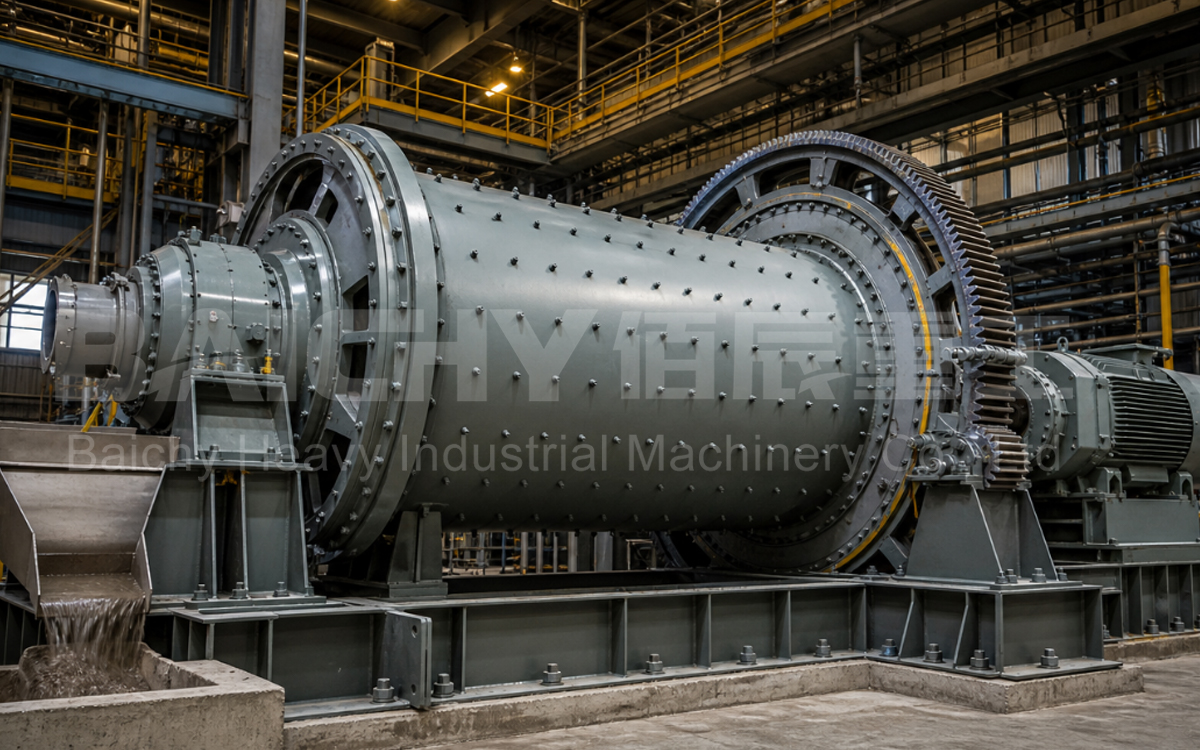
- Raw Meal Preparation System: This system blends the processed raw materials in precise proportions and grinds them into a fine, qualified raw meal powder. Core equipment includes vertical mills and ball mills. The fineness and uniformity of the raw meal directly impact the quality of the subsequent clinker calcination process.
- Clinker Calcination System: This constitutes the core stage of the entire cement production line. Raw meal is fed into equipment such as preheaters, decomposition furnaces, and rotary kilns. Through high-temperature calcination—reaching temperatures of approximately 1450°C—the raw meal is transformed into clinker, which serves as the essential semi-finished product at the heart of cement manufacturing. - Cement Grinding System: This system blends clinker with gypsum, admixtures, and other materials in precise proportions, grinding them into finished cement products that meet established standards. Key equipment includes cement ball mills, roller presses, and similar machinery; the fineness of the grinding process ultimately determines the final strength grade of the cement.
- Auxiliary and Environmental Protection Systems: Comprising dust removal equipment, desulfurization and denitrification units, conveying systems, control systems, and other components, these systems serve a dual purpose: ensuring that the production process complies with environmental regulations while simultaneously enabling the automated control of production workflows, thereby enhancing overall production efficiency.
1.2 Table of Core Parameters for Cement Production Lines
Cement production lines of varying capacities and specifications naturally differ in their core parameters. The following table presents the core parameters for three of our flagship production line specifications. These parameters can be customized and adjusted according to client requirements to ensure a perfect fit for production operations of any scale:
| Production Line Specification (Daily Output) | Raw Mill Output (t/h) | Rotary Kiln Specification (Φ × L) | Cement Mill Output (t/h) | Installed Power (kW) | Environmental Standards | Applicable Scenarios |
| 1000 Tons | 180–220 | Φ4.8 × 72m | 120–150 | 8500–9500 | GB4915-2013 (Chinese Standard), EU EN 197-1 (EU Standard) | Small-to-medium-sized building material plants; regional cement manufacturing enterprises |
| 2500 Tons | 450–500 | Φ5.6 × 88m | 300–350 | 18000–20000 | GB4915-2013 (Chinese Standard), EU EN 197-1 (EU Standard) | Medium-sized building material enterprises; large-scale infrastructure support production |
| 5000 Tons | 900–1000 | Φ6.2 × 98m | 600–650 | 35000–38000 | GB4915-2013 (Chinese Standard), EU EN 197-1 (EU Standard) | Large-scale building material groups; multinational cement manufacturers |
II. Application Scenarios for Cement Production Lines: Covering Multiple Fields and Meeting Every Need
As a fundamental material in the construction industry, cement has an extremely wide range of applications; consequently, the capacity and specifications of cement production lines are customized to meet the specific demands of these various scenarios. Thanks to their flexible customization capabilities, our cement production lines can be tailored to meet production requirements across Perse sectors—enabling efficient production for everything from standard construction cement to specialized engineering cements.
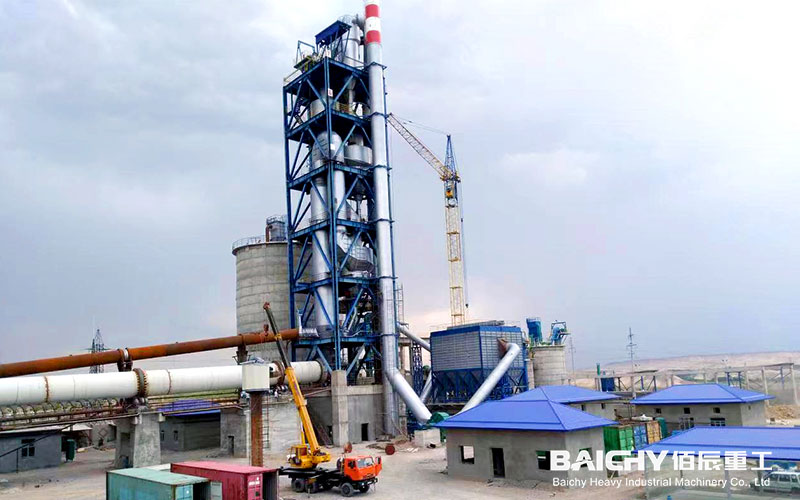
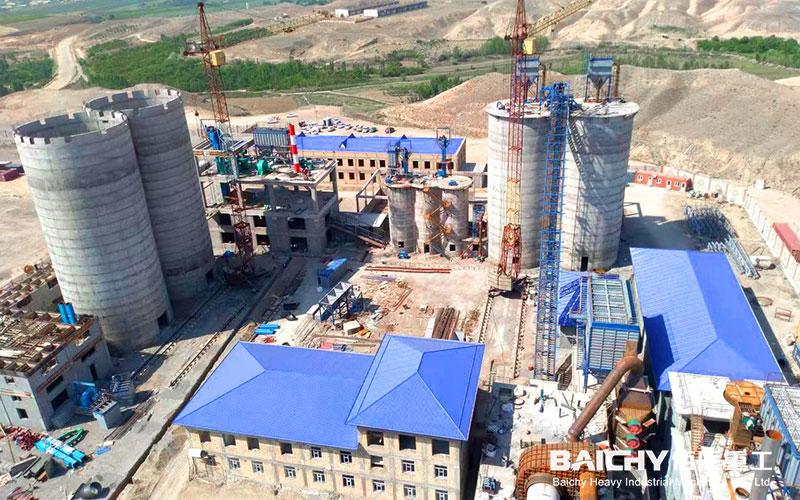
Cement Production Line
Specific application scenarios are outlined below:
2.1 1. Construction Engineering Sector
This represents the core application scenario for cement production lines, encompassing a wide range of construction projects such as residential buildings, commercial complexes, and industrial facilities. Whether involving the pouring of walls and floor slabs for residential housing or the construction of foundations and structural frameworks for commercial complexes, a substantial volume of ordinary Portland cement is required. Tailored to the specific demands of the construction sector, our cement production lines are designed to produce Grade 32.5, 42.5, and 52.5 ordinary Portland cement. These lines deliver stable output and reliable quality, meeting the Perse strength requirements of various structural designs, thereby facilitating the efficient advancement of construction projects while simultaneously reducing raw material procurement costs for construction enterprises.
2. Infrastructure Development Sector
As global infrastructure development continues to accelerate, large-scale projects—including highways, railways, bridges, water conservancy systems, and airports—generate a massive demand for cement, accompanied by increasingly stringent quality standards. Our cement production lines can be customized to produce specialized cements—such as road-grade Portland cement and dam cement—characterized by high compressive strength, excellent frost resistance, and superior abrasion resistance. These specialized products are ideally suited to meet the unique requirements of major infrastructure projects, including expressways, high-speed railways, large-span bridges, and reservoir dams. For instance, in highway construction, the cement produced by our lines is utilized for road base layers and bridge deck paving, ensuring the structural load-bearing capacity and long-term durability of the roadway. In water conservancy engineering, dam cement provides resistance against water erosion, thereby safeguarding the structural integrity and safety of the dam.
3. Specialized Engineering and Industrial Sectors
Beyond conventional construction and infrastructure applications, cement production lines also find extensive application in specialized engineering and industrial manufacturing sectors, producing specialized cements to meet unique requirements. For example, in nuclear power engineering, there is a critical need for specialized nuclear-grade cement possessing radiation-shielding, high-strength, and corrosion-resistant properties; our production lines can be configured—through adjustments to raw material ratios and manufacturing processes—to produce specialized cements that fully comply with nuclear power engineering standards. In industrial sectors such as mining and chemical manufacturing, our lines can produce acid-resistant and alkali-resistant cements suitable for use in anti-corrosion projects, mine backfilling operations, and similar applications. Furthermore, in the field of precast concrete manufacturing, our lines can produce rapid-hardening cement, thereby shortening the curing cycle for precast components and significantly boosting overall production efficiency.
4. Overseas Market Application Scenarios
Our cement production lines not only meet domestic market demands but are also exported to numerous countries and regions across Southeast Asia, Africa, and South America, where they are adapted to suit the specific geological conditions, environmental standards, and production requirements of each locale. For instance, in Africa, we have customized energy-efficient, low-consumption cement production lines—tailored to local raw material characteristics and power supply conditions—to help local enterprises reduce their production and operational costs. In Southeast Asia, we have optimized the corrosion-resistant and moisture-proof designs of our production lines to accommodate the region's hot and humid climate, thereby ensuring the long-term, stable operation of the equipment. In Europe, we strictly adhere to EU environmental standards, equipping our lines with high-efficiency dust removal, desulfurization, and denitrification systems to achieve eco-friendly production—a commitment that has earned us high acclaim from local clients.
III. Core Advantages of Our Cement Production Lines: Professional Manufacturing, Empowering Efficient Production
As a specialized manufacturer of cement production lines, we consistently place customer needs at the core of our operations, focusing intently on technological innovation and quality enhancement. Compared to competing products in the industry, our cement production lines offer five key core advantages: they simultaneously guarantee production efficiency and reduce operational costs, thereby empowering our clients to maximize their profitability.
3.1 High Degree of Customization: Tailored to Perse Requirements
We maintain a professional design team capable of creating bespoke cement production line solutions based on a client's specific production scale, raw material characteristics, environmental compliance standards, and site conditions. Whether the project involves a small-to-medium-scale line with a daily output of 1,000 tons or a large-scale line producing 5,000 tons per day—and whether the objective is standard cement production or the manufacture of specialty cements—we can optimize equipment configurations and fine-tune production processes to ensure the production line aligns perfectly with the client's requirements. Furthermore, we can provide cost-effective equipment packages tailored to a client's budget, thereby minimizing their initial capital investment while simultaneously guaranteeing high-quality production outcomes.
3.2 Technologically Advanced, High Production Efficiency
With years of deep expertise in the manufacturing of cement production lines, we integrate advanced domestic and international technologies to continuously optimize and upgrade the core equipment within our production lines. By adopting automated control systems, we achieve fully automated control across the entire process—including raw material proportioning, grinding, calcining, and finish grinding—thereby minimizing manual intervention, reducing human error, and significantly boosting production efficiency. We have optimized the structural designs of core equipment, such as rotary kilns and vertical mills, to enhance raw material utilization and product pass rates; specifically, raw meal grinding efficiency has improved by 15%–20%, and the clinker calcining pass rate can reach over 99%, ensuring consistent quality in the final cement product. Furthermore, our production lines utilize energy-efficient motors and optimized production processes, resulting in a specific energy consumption per unit of product that is 10%–15% lower than the industry average. Over the long term, this translates into substantial energy cost savings for our clients.
3.3 Reliable Quality, Long Service Life
We consistently uphold a "Quality-First" philosophy, subjecting all equipment within our production lines to rigorous quality control measures. Core components are manufactured using high-strength, wear-resistant materials and undergo multiple inspection stages to ensure exceptional wear resistance, corrosion resistance, and operational stability, thereby extending the equipment's service life. Key parts are sourced from renowned brands, which helps minimize equipment failure rates and reduce downtime required for maintenance. Additionally, we have established a comprehensive quality inspection system that monitors every stage of the production process in real-time, ensuring that the quality of the cement products meets both national and industry standards, and ultimately helping our clients enhance their product competitiveness.
3.4 Eco-Friendly and Compliant with Global Standards
As global environmental awareness continues to rise, environmental protection has become a core requirement in cement production. Our cement production lines are equipped with advanced environmental control systems—including high-efficiency dust removal, desulfurization and denitrification, and wastewater treatment technologies—to effectively control the emission of pollutants such as dust, sulfur dioxide, and nitrogen oxides. Dust emission concentrations are maintained at ≤10 mg/Nm³, and sulfur dioxide concentrations at ≤50 mg/Nm³, ensuring compliance with major global environmental standards such as China's GB4915-2013 and the EU's EN 197-1. This enables our clients to achieve eco-friendly production and avoid environmental penalties. Furthermore, our production lines facilitate waste recycling and utilization, allowing for the comprehensive reuse of waste residue and exhaust gases generated during cement production. This approach not only reduces environmental pollution but also improves resource utilization efficiency, achieving a win-win outcome that delivers both economic benefits and environmental sustainability.
3.5 Comprehensive End-to-End Service: Guaranteed After-Sales Support
We provide our clients with a comprehensive, one-stop service covering the entire process—from initial consultation, solution design, and equipment manufacturing to installation and commissioning, extending through to subsequent operations and maintenance, spare parts supply, and technical training. In the initial phase, our professional team offers detailed consultation services, crafting customized solutions tailored specifically to each client's unique requirements. During the intermediate phase, we deploy a specialized installation and commissioning team to ensure the production line is installed rapidly and brought into operation smoothly, thereby significantly shortening the client's time-to-production cycle. In the final phase, we maintain a robust after-sales service system that responds to client needs 24 hours a day, promptly resolving any issues that may arise during equipment operation. Simultaneously, we provide ongoing technical training and spare parts supply services to ensure the long-term stability and reliable performance of the production line. Furthermore, we offer cross-border after-sales support to our international clients, dispatching professional technical personnel overseas to provide on-site assistance and alleviate any potential concerns.
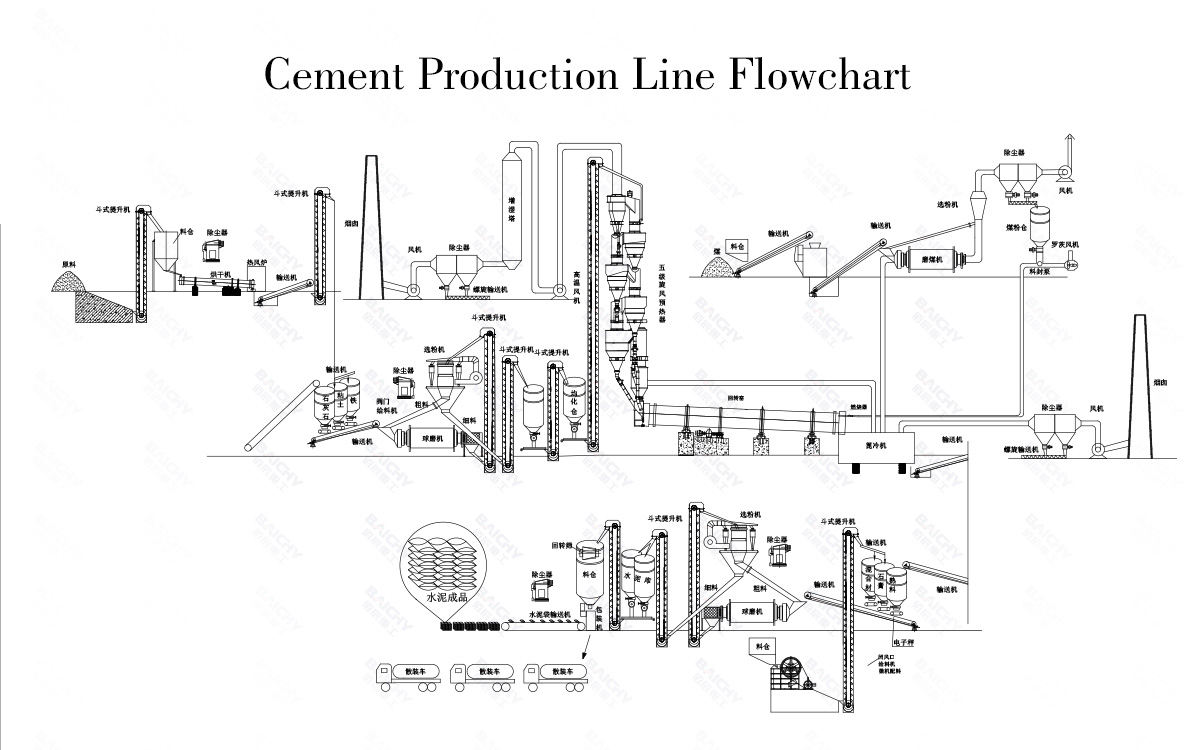
Cement Production Line Flowchart
IV. Successful Case Studies: A Testament to Our Strength and Reputation
Over the years, leveraging our high-quality cement production lines and comprehensive service offerings, we have delivered professional solutions to a multitude of clients worldwide, thereby accumulating extensive project experience. Presented below are three representative success stories—spanning various scales and industry sectors—that serve as compelling evidence of our capabilities and our sterling reputation.
4.1 Case Study 1: A 2,500-Ton/Day Cement Production Line Project in Southeast Asia
Client Requirements: A building materials enterprise in Southeast Asia—primarily engaged in the production of ordinary Portland cement for local residential construction and small-scale infrastructure projects—sought a cement production line with a daily output capacity of 2,500 tons. The client required a system specifically adapted to the characteristics of local limestone raw materials, featuring low energy consumption, full compliance with environmental standards, and controllable investment costs, while also demanding a rapid timeline for commissioning and startup.
Solution: We designed and customized a 2,500-ton/day cement production line tailored to the client's specific needs. To accommodate the high hardness of the local limestone, we optimized the raw material handling system by selecting wear-resistant jaw crushers and impact crushers, thereby significantly enhancing crushing efficiency. We employed a vertical roller mill for raw meal preparation to boost grinding efficiency and reduce energy consumption. Furthermore, we equipped the facility with high-efficiency dust removal, desulfurization, and denitrification systems to ensure full compliance with local environmental regulations. An automated control system was implemented to minimize manual intervention and maximize production efficiency. Concurrently, we deployed a dedicated professional team to oversee the entire process—from equipment manufacturing to installation and commissioning—ensuring the production line commenced operations smoothly and within the timeframe stipulated in the contract.
Project Outcomes: Since its commissioning, the production line has operated with exceptional stability, achieving an average daily output of 2,600 tons—exceeding the client's initial expectations. The unit energy consumption per ton of cement produced is 12% lower than that of comparable local production lines, resulting in annual energy cost savings of approximately 800,000 RMB for the client. The finished cement product boasts a qualification rate of 99.5%; its superior quality has garnered widespread recognition within the local market, leading to a significant increase in the client's market share. To date, the production line has operated stably for three years without experiencing any major equipment failures, and the client has expressed high satisfaction with both our products and services.
4.2 Case Study 2: Energy-Efficient 1,000-Ton/Day Cement Production Line Project in Africa
Client Requirements: A small-to-medium-sized building materials enterprise in Africa, primarily serving local rural and small-town construction markets, required a cement production line with a daily output of 1,000 tons. Given the local constraints—namely limited power resources and a dispersed raw material supply—the client stipulated that the production line must feature low energy consumption, simple operation, and convenient maintenance, while also meeting environmental compliance standards and being adapted to the local high-temperature climate.
Solution: Based on the specific local conditions, we customized an energy-efficient 1,000-ton/day cement production line for the client. We selected low-energy motors and optimized production processes to minimize electricity consumption. We simplified the production line's structure and streamlined operational procedures to facilitate easy operation and maintenance by local workers. We incorporated anti-corrosion and moisture-proof designs to ensure adaptability to the local high-temperature climate. Furthermore, we equipped the facility with compact, high-efficiency dust removal systems to meet local environmental regulations. Concurrently, we provided technical training to the client, enabling local workers to quickly master the operation and maintenance skills required for the production line.
Project Outcomes: Since commencing operations, the production line has run stably, achieving an average daily output of 1,050 tons and fully meeting the client's production demands. The energy consumption per unit of product is 15% lower than the industry average, effectively alleviating the local strain on power resources. The line's simple operation and convenient maintenance features have reduced the client's labor costs. Moreover, by meeting all environmental compliance standards, the project successfully avoided potential environmental penalties. The successful implementation of this project not only enabled the client to achieve large-scale production but also stimulated local employment, earning high commendation from the local government.
4.3 Case Study 3: 5,000-Ton/Day Special Cement Production Line Project for a Major Domestic Building Materials Group
Client Requirements: A major domestic building materials group—primarily serving large-scale infrastructure projects—required a special cement production line with a daily output of 5,000 tons. This line was intended for the production of road-grade Portland cement and dam cement, necessitating stable output and high product quality characterized by properties such as frost resistance, abrasion resistance, and corrosion resistance. Additionally, the production line was required to comply with the latest national environmental protection standards to ensure "green" production.
Solution: We customized a 5,000-ton/day special cement production line for the client. We optimized the raw material batching system to ensure precise control over material ratios, thereby guaranteeing the specific performance characteristics of the special cement. We employed advanced rotary kiln calcination technology to enhance clinker quality and boost the cement's overall strength and durability. Furthermore, we equipped the facility with high-efficiency desulfurization, denitrification, and dust removal systems to...It achieves ultra-low emissions of dust, sulfur dioxide (SO2), and nitrogen oxides (NOx). By employing an intelligent control system, the facility enables real-time monitoring and regulation across the entire production workflow, thereby ensuring production stability and consistent product quality. Furthermore, we provide clients with comprehensive post-commissioning operation, maintenance, and technical upgrade services, empowering them to continuously enhance their production efficiency and product quality.
Project Outcomes: Since commencing operations, this production line has achieved an average daily output of 5,200 tons. The product quality fully complies with specialized cement standards, and the cement has been successfully utilized in numerous domestic expressways and large-scale water conservancy projects. Environmental emissions meet ultra-low standards, earning commendations from environmental protection authorities. The high degree of automation has resulted in a 20% reduction in labor costs and an 18% increase in production efficiency. Annually, the facility generates substantial economic benefits for the client, further solidifying their leading position within the domestic building materials industry.
V. Recommended Equipment: Facilitating the Efficient Operation of Cement Production Lines
A complete cement production line requires the synergistic coordination of various core and auxiliary equipment. To ensure the efficient and stable operation of the production line, we recommend the following core equipment designed to complement cement production lines. All these units are independently developed and manufactured by us, featuring reliable quality and strong adaptability; they can be flexibly configured to suit the specific specifications of any production line.
5.1 Core Production Equipment
- Vertical Mill: Used for the grinding of raw meal and cement, this unit features high grinding efficiency, low energy consumption, and a compact footprint. It is compatible with cement production lines of various specifications; different models can be selected based on output requirements, and grinding fineness can be flexibly adjusted to ensure the quality of both raw meal and cement.
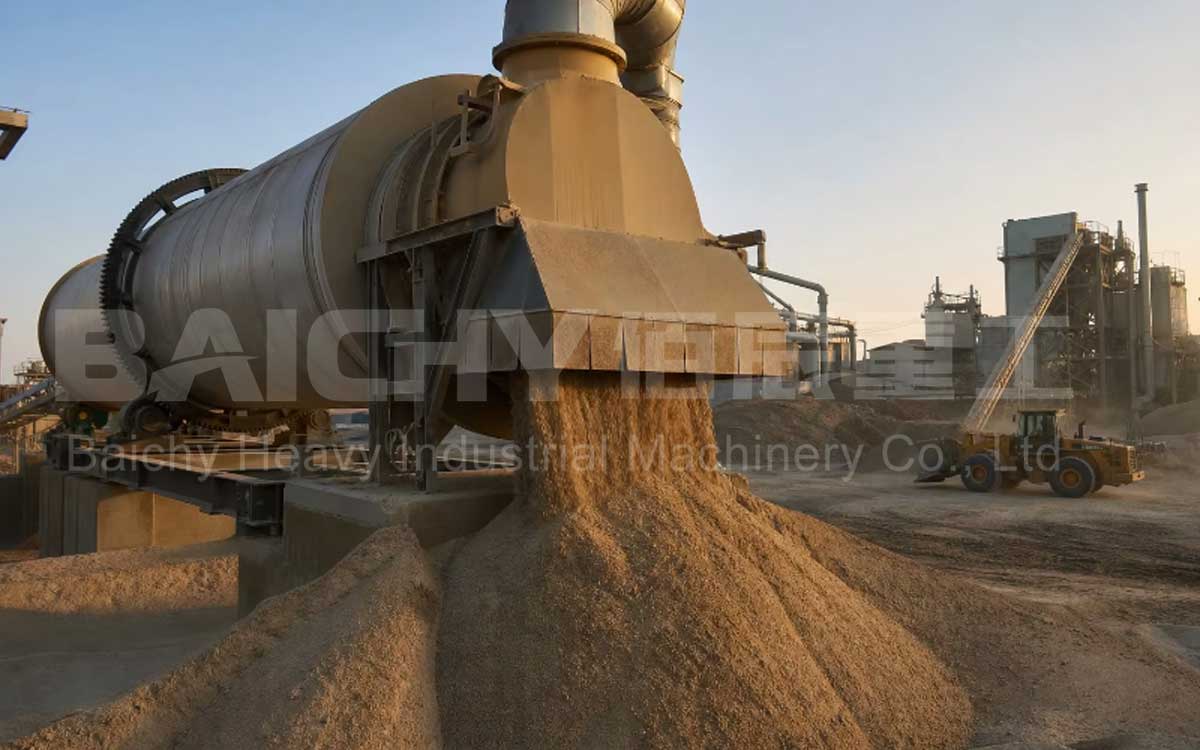
- Rotary Kiln: The core component of a cement production line, used for the calcination of clinker. It features an advanced kiln body structure design that is resistant to high temperatures and corrosion. With high calcination efficiency, it ensures uniform clinker calcination, thereby enhancing clinker quality. It is suitable for production lines with a daily output ranging from 1,000 to 5,000 tons.
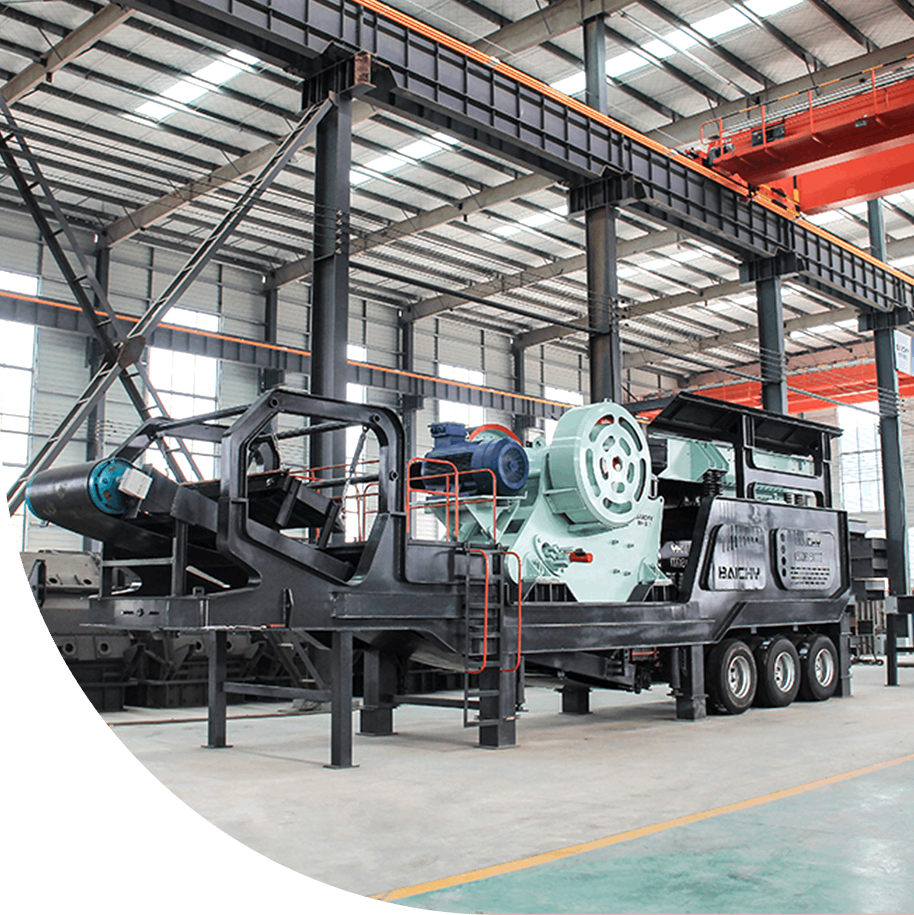
- Jaw Crusher: Used for the primary crushing of raw materials. Constructed from high-strength, wear-resistant materials, it offers high crushing efficiency and a long service life. It is capable of processing raw materials with high hardness—such as limestone and clay—and can be adapted to meet the specific crushing requirements of various raw material types, serving as a core component of the raw material handling system. 5.2 Auxiliary and Environmental Protection Equipment
- High-Efficiency Pulse Bag Filter: Used for dust control within cement production lines, achieving a dust removal efficiency of over 99.9%. Dust emission concentrations remain ≤10 mg/Nm³, fully complying with global environmental standards; this effectively controls dust pollution and safeguards the production environment.
- Desulfurization and Denitrification Equipment: Designed to control emissions of sulfur dioxide (SO₂) and nitrogen oxides (NOx). Utilizing advanced desulfurization and denitrification technologies, this equipment offers high processing efficiency and stable operation. It meets the requirements of various environmental standards, helping clients achieve eco-friendly production.
- Automated Control System: Provides comprehensive process control for the entire production line. It enables automated regulation of key stages—including raw material batching, grinding, calcining, and finish milling—while monitoring production parameters in real-time. This allows for timely adjustments to production status, thereby boosting production efficiency and minimizing the need for manual intervention.
VI. FAQ: Frequently Asked Questions
To address common questions that clients encounter during the procurement, installation, and operation of cement production lines, we have compiled the following three frequently asked questions (FAQs) for your reference. Should you have any further inquiries, please feel free to contact our professional team at any time.
6.1 How long does it take to commission a cement production line?
The commissioning timeline for a cement production line depends primarily on the line's specifications and the client's specific site conditions. Generally: for small-to-medium-sized lines with a daily output of 1,000 tons, the entire process—from equipment manufacturing, transportation, and installation/commissioning through to successful startup—takes approximately 3 to 4 months; for medium-sized lines with a daily output of 2,500 tons, the timeline is approximately 4 to 6 months; and for large-scale lines with a daily output of 5,000 tons, the timeline is approximately 6 to 8 months. We optimize our manufacturing and installation workflows to minimize the commissioning period—without compromising on quality—thereby helping our clients achieve profitability as quickly as possible.
6.2 Are the long-term maintenance costs for a cement production line high? How can maintenance costs be reduced?
The maintenance costs associated with our cement production lines are relatively low. The primary reasons for this are the reliable quality of our equipment—which results in a low incidence of mechanical failures—and our optimized equipment structure, which facilitates easy and efficient maintenance. Specific methods for reducing maintenance costs include the following: First, we provide technical training to help clients master routine equipment maintenance techniques, thereby minimizing equipment malfunctions caused by improper operation. Second, we maintain an ample supply of spare parts to ensure timely replacements and minimize downtime. Third, our after-sales service team conducts regular on-site inspections to promptly identify and resolve potential equipment issues, thereby extending the equipment's service life and reducing long-term maintenance costs. Typically, the annual maintenance cost for a cement production line amounts to approximately 3% to 5% of the total equipment investment.
6.3 Are your cement production lines available for export? Do they comply with the environmental and technical standards of overseas countries?
Our cement production lines are fully export-ready; we have successfully exported them to numerous countries and regions—including those in Southeast Asia, Africa, and South America—and possess extensive experience in cross-border projects. We customize our production lines to align with the specific environmental standards and technical requirements of various overseas nations. For instance, for European Union countries, we strictly adhere to the EU's EN 197-1 environmental standards and equip our lines with high-efficiency, eco-friendly machinery. For countries in Africa, Southeast Asia, and similar regions, we optimize the production line design based on local power infrastructure and raw material conditions to ensure full compliance with local technical and environmental regulations. Furthermore, we provide comprehensive end-to-end services—including international shipping, installation and commissioning, and after-sales support—to alleviate any concerns our clients may have regarding cross-border procurement.