Cement Production Lines Comprehensive Guide
I. Overview of Cement Production Lines
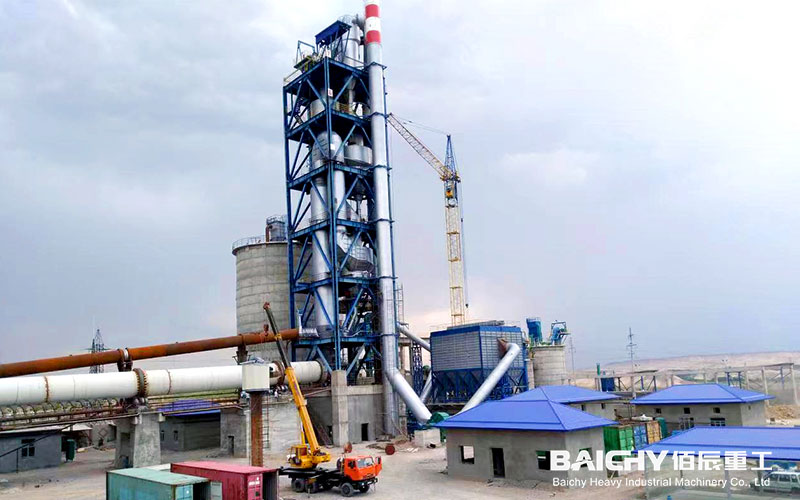
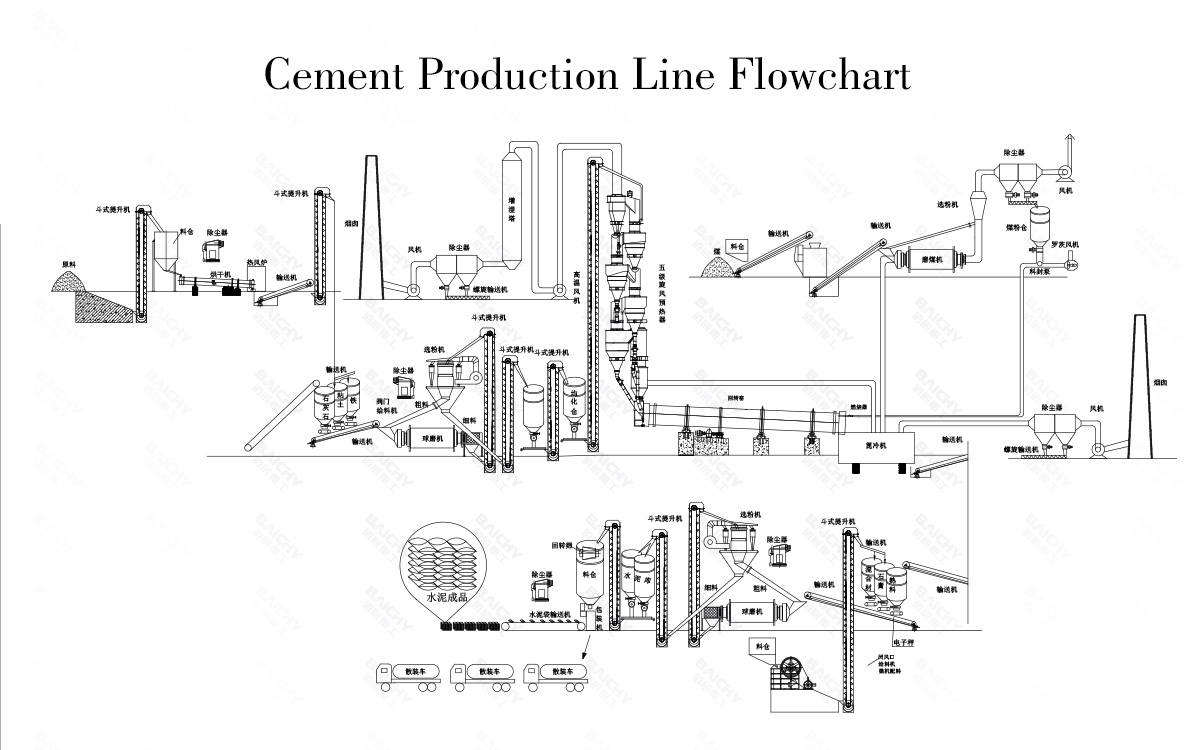
A cement production line is an automated production system comprising a series of interconnected equipment working in synergy to execute the entire process—from raw material crushing, processing, and calcination to the packaging and dispatch of finished cement products. It serves as the core vehicle of the modern cement industry. Unlike standalone machinery, a complete cement production line encompasses five core stages: "Raw Material Handling → Raw Meal Preparation → Clinker Calcination → Cement Grinding → Finished Product Packaging." Each stage is intricately linked; through standardized and automated process designs, basic raw materials—such as limestone, clay, and gypsum—are transformed into various cement products that meet both national and international standards, thereby catering to a wide spectrum of cement production needs across different scales and types.
As a specialized manufacturer of cement production lines, we have cultivated deep expertise in the industry over many years. Leveraging our mature R&D capabilities and extensive project experience, we offer customized, comprehensive cement production line solutions—ranging in capacity from 500 tons to 12,500 tons per day—tailored to each client's specific output requirements, site conditions, and environmental compliance standards. Our "one-stop" service package covers everything from equipment selection, process design, and installation and commissioning to after-sales support and maintenance, empowering our clients to achieve efficient, energy-saving, and eco-friendly cement production.
The core value of a cement production line lies in its "scalability, standardization, and high efficiency." Compared to traditional, decentralized production models, it significantly reduces labor costs and enhances the consistency and stability of product quality. Furthermore, by integrating advanced environmental protection equipment, the system ensures that exhaust gases and dust emissions meet regulatory standards, thereby aligning with the global trend toward green industrial development. Consequently, it stands as a pivotal asset for cement manufacturing enterprises seeking to undergo industrial transformation and upgrading.
Cement Production Line Flowchart
II. Core Processes of a Cement Production Line: A Complete Transformation from Raw Materials to Finished Products
2.1 Raw Material Pre-treatment: Laying the Foundation for Cement Quality
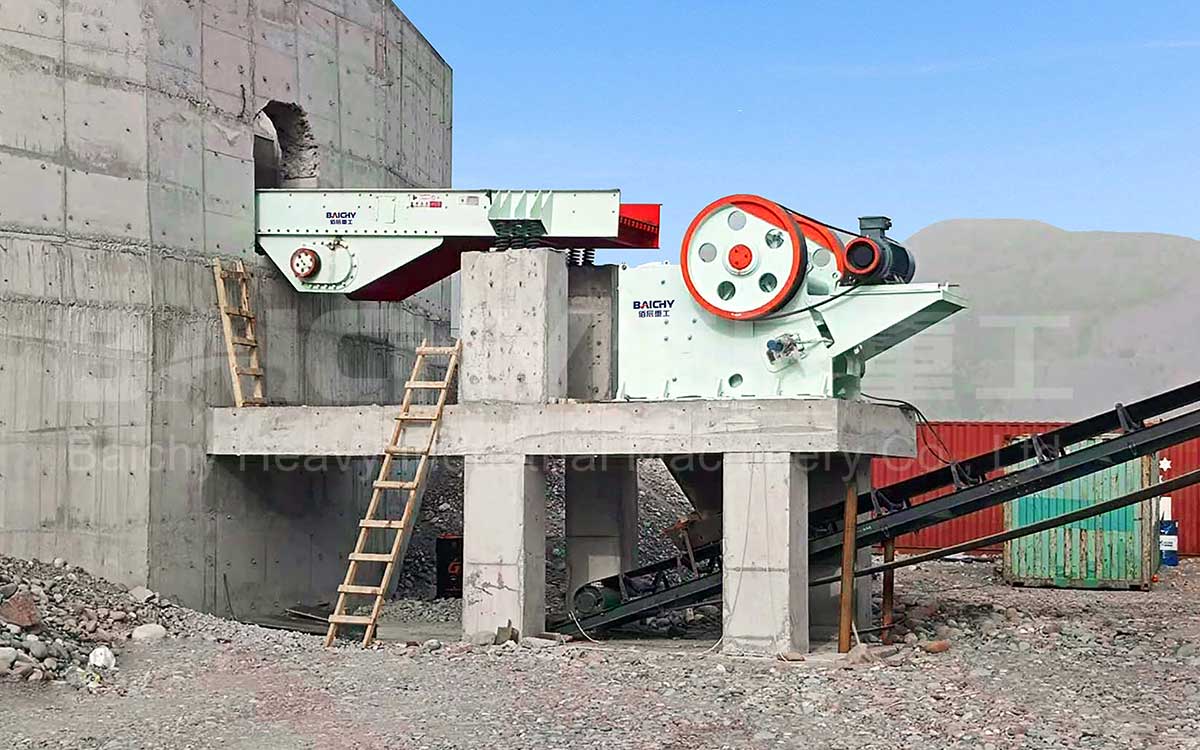
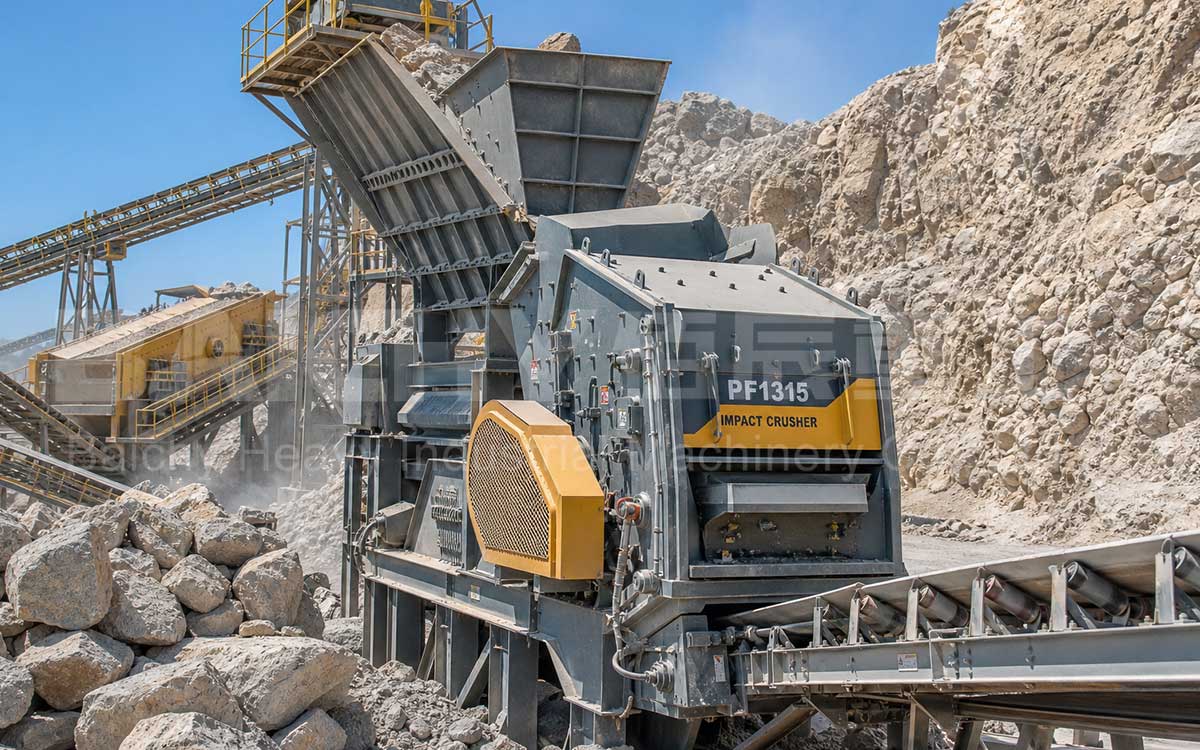
The primary raw materials for cement production include limestone (accounting for 70%–80% of the mix), clay, iron ore, gypsum, and fuel (typically coal). The core objective of raw material pre-treatment is "crushing and homogenization"—processes designed to ensure that the raw materials possess a uniform chemical composition and meet the required particle size specifications, thereby laying a solid foundation for subsequent production stages. First, large blocks of limestone (which can reach maximum dimensions exceeding 1,000 mm) are crushed using crushers to a suitable particle size (typically ≤ 40 mm). Subsequently, the crushed raw materials undergo mixing and homogenization via pre-homogenization equipment; this process minimizes fluctuations in the raw material composition and prevents potential clinker quality defects that could otherwise arise from material non-uniformity. Our production line is equipped with high-efficiency, heavy-duty apron feeders and hammer crushers, enabling rapid crushing and stable conveyance of raw materials; this boosts pretreatment efficiency by over 30% compared to traditional equipment.
2.2 Raw Meal Preparation: Precise Proportioning and Fine Grinding
Following pretreatment, raw materials are blended according to scientifically determined ratios and then ground using equipment such as vertical mills and roller presses to produce raw meal powder (typically controlled to a fineness where the residue on an 80μm sieve is ≤12%). Simultaneously, drying equipment is utilized to remove moisture from the raw meal (reducing moisture content to ≤1%), ensuring that the material undergoes complete reactions during the subsequent calcination process. Raw meal preparation is one of the most energy-intensive stages in cement production; our production line employs new energy-saving grinding equipment paired with an intelligent proportioning system. This combination enables precise control over the raw meal mix while simultaneously reducing grinding energy consumption, achieving energy savings of 20%–25% compared to traditional production lines.
2.3 Clinker Calcination: The "Core Stage" of Cement Production
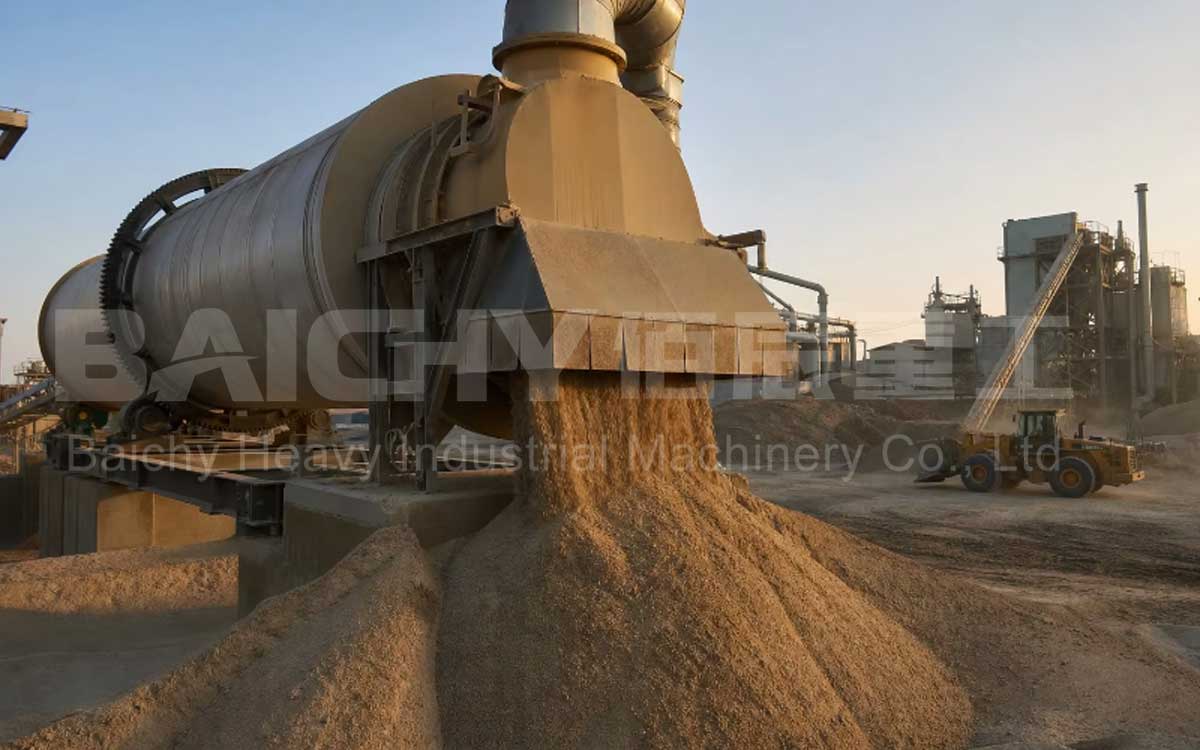
After being preheated and decomposed in a preheating unit (cyclone preheater), the raw meal powder is fed into a rotary kiln for high-temperature calcination. Calcination temperatures reach approximately 1450°C; within this high-temperature environment, the raw meal undergoes a series of chemical reactions to form cement clinker—the fundamental "backbone" of cement. As the central piece of equipment in the calcination stage, our rotary kiln features a customized design: we optimize the kiln body length and rotation speed based on specific production capacity requirements, and pair the kiln with a high-efficiency combustion system to ensure uniform clinker calcination and stable product quality. Concurrently, a grate cooler is used to rapidly cool the high-temperature clinker (at approximately 1300°C) immediately after calcination. This process recovers the clinker's sensible heat, thereby enhancing the system's overall thermal efficiency; the cooled clinker's temperature is reduced to below 200°C, facilitating subsequent grinding operations. Notably, our grate coolers—distinguished by their high cooling efficiency and low wear rate—are capable of effectively challenging the monopoly held by European manufacturers in the high-end market and are fully compatible with various large-scale cement production lines.
2.4 Cement Grinding: Refining Quality, Enhancing Performance
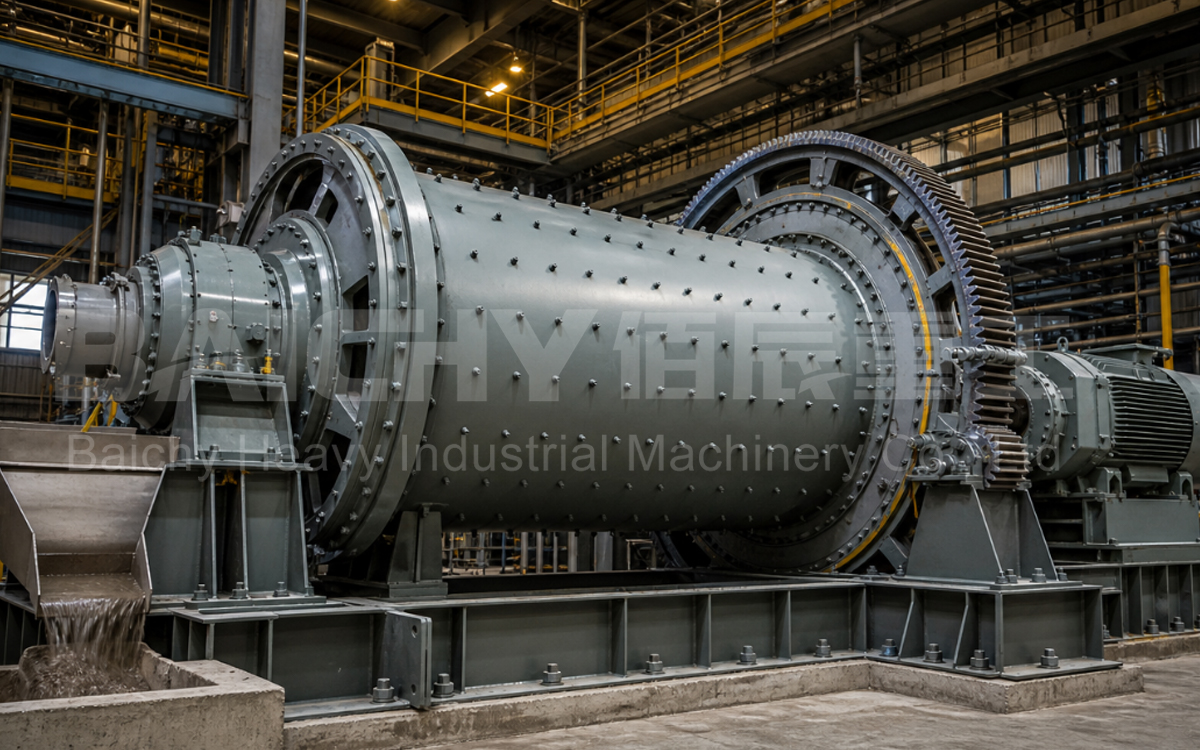
The cooled clinker is mixed with an appropriate amount of gypsum (to regulate cement setting time) and supplementary cementitious materials (such as slag or fly ash). This mixture is then subjected to further grinding in a cement mill, reducing the materials to a particle fineness that meets established standards (specific surface area ≥ 320 m²/kg) to produce the final cement product. The grinding stage directly influences critical performance characteristics of the cement, such as strength and setting time. Our production lines are equipped with high-efficiency cement mills and air classifiers, enabling intelligent control of the grinding process. This allows us to adjust cement fineness according to specific client requirements while simultaneously reducing energy consumption during grinding and boosting production efficiency.
2.5 Product Packaging and Dispatch: Standardized Storage and Transport, Ensuring Quality
Following the grinding process, the finished cement product is either bagged using an 8-spout rotary packer (in 50 kg bags, with a weighing accuracy controlled within ±0.5 kg) or loaded directly into tanker trucks via a bulk loading system for transport to the client's site. The packaging section is equipped with eco-friendly dust collection systems to effectively control dust emissions, ensuring compliance with global environmental standards. Furthermore, an intelligent warehousing system facilitates the orderly storage and rapid dispatch of the finished cement, ensuring that the product remains free from moisture and clumping during storage and transport, thereby guaranteeing the quality of the final delivery.
Cement Production Line
III. Cement Production Line Core Parameters: Precisely Tailored to Your Production Needs
As a professional manufacturer of cement production lines, we are able to customize lines of various specifications to meet our clients' specific requirements regarding production capacity, site conditions, and environmental regulations. The table below presents reference parameters for common specifications—covering key equipment performance metrics and production indicators—to assist you in selecting the optimal configuration for your project:
| Production Line Specifications (Daily Output) | Core Equipment Models | Raw Meal Grinding Capacity (t/h) | Clinker Calcining Capacity (t/h) | Cement Grinding Capacity (t/h) |
| 500 Tons | Hammer Crusher PPC-1214, Vertical Mill LM34.31, Rotary Kiln Φ3.2×52m, Cement Mill Φ3.0×11m | 60–80 | 20–25 | 18–22 |
| 2000 Tons | Hammer Crusher PPC-2018, Vertical Mill LM46.41, Rotary Kiln Φ4.8×72m, Cement Mill Φ4.2×13m | 220–250 | 80–90 | 70–75 |
| 5000 Tons | Heavy-duty Crusher PPC-2522, Vertical Mill LM56.41, Rotary Kiln Φ5.6×88m, Cement Mill Φ4.8×15m | 550–600 | 200–220 | 180–200 |
| 12,500 Tons | Heavy-duty Crusher PPC-3025, Vertical Mill LM60.45, Rotary Kiln Φ8.7×87.3m, Cement Mill Φ5.6×18m | 1300–1400 | 520–550 | 450–480 |
Note: The parameters listed above serve as a reference for standard configurations. They can be customized and adjusted based on actual client requirements (e.g., production capacity, environmental standards, site dimensions). The specific parameters applicable to your project will be determined by the final, approved technical proposal. IV. Application Scenarios for Cement Production Lines: Supporting Core Building Materials Across the Entire Industry
As the "staple food of industry," cement is widely utilized across numerous sectors, including construction, infrastructure, transportation, and water conservancy. As the primary vehicle for cement manufacturing, cement production lines feature application scenarios that align closely with the specific demands for cement products, encompassing production environments of varying scales and types. The following is a detailed overview of the key application scenarios:
4.1 Large-scale Cement Manufacturers: Mass Production Scenarios
For large-scale cement manufacturing enterprises, the core requirements are "scale, efficiency, and low energy consumption." Our cement production lines—with daily capacities of 5,000 tons and 12,500 tons—are capable of continuous, stable operation throughout the year, boasting an operating rate exceeding 85% to meet the high-volume production demands of large enterprises. For instance, Saudi Arabia’s YAMAMA Cement Company utilized our 10,000-ton-class cement production line relocation and upgrade project to boost its original daily capacity from 10,000 tons to 12,500 tons. This move significantly enhanced its market competitiveness while simultaneously achieving low-carbon, eco-friendly production—a development that aligns perfectly with the industry transformation and upgrading trends in the Middle East region. These types of production lines are ideally suited for large-scale industrial parks, enabling centralized raw material processing as well as centralized storage and transportation of finished products, thereby reducing overall production costs. Furthermore, through advanced digital control systems, they facilitate intelligent monitoring and management of the entire production workflow.
4.2 Small and Medium-sized Building Material Enterprises: Flexible Adaptation Scenarios
Small and medium-sized building material enterprises typically face constraints such as limited site space, moderate capacity requirements, and reasonable capital budgets. Our cement production lines—with daily capacities of 500 tons and 2,000 tons—feature a modular design that allows for flexible layout configurations based on available site dimensions. These lines require no extensive civil engineering works, boast short construction cycles (typically 3 to 6 months), and enable rapid commissioning and profitability. Capable of producing a perse range of products—including ordinary Portland cement and blended Portland cement—these production lines are well-suited for scenarios involving small-to-medium-scale construction projects and rural infrastructure development, effectively meeting regional cement supply demands. Moreover, the equipment is simple to operate and entails low maintenance costs, making it an ideal solution for small and medium-sized enterprises looking to rapidly expand their business operations.
V. Core Advantages of Our Cement Production Lines
1. Technological Advantage: Independently developed technology that breaks market monopolies and complies with global standards.
2. Customization Advantage: Tailored solutions designed to meet specific needs, offering flexible adaptability and reducing overall costs.
3. Quality Advantage: Rigorous quality control ensures stability and durability, thereby extending the service life of the equipment.
4. Service Advantage: Comprehensive, one-stop service with global coverage, providing dedicated support and guidance throughout the entire project lifecycle.
VI. Successful Case Studies: Demonstrating Quality Through Strength, Earning Trust Through Service
Over the years, leveraging our high-quality products and services, we have provided cement production line solutions to clients across numerous countries and regions worldwide. We have successfully implemented numerous benchmark projects spanning a variety of scenarios—including large-scale production facilities, environmental retrofits, and site relocation and upgrade initiatives. The following are three representative success stories for your reference:
Saudi Arabia: 10,000-Ton Cement Production Line Relocation and Upgrade Project
Client Requirements: A Saudi cement company required the relocation and upgrade of its existing cement production line—which had a daily output capacity of 10,000 tons—to a new site. The project demanded an increase in production capacity and full compliance with environmental standards, while simultaneously controlling project costs and ensuring construction safety and efficiency.
Our Solution: Acting as both the core equipment supplier and project service provider, we delivered a comprehensive relocation and upgrade solution to the client. This included a one-stop service package covering the dismantling, transport, refurbishment, and upgrading of equipment from the old plant, as well as process design, equipment installation, and commissioning for the new facility. Our team operated with the precision of "surgeons," meticulously dismantling each piece of equipment and establishing rigorous standards for removal and transport. We successfully overcame the logistical challenge of transporting heavy machinery up a steep 50-degree incline, setting records for "one million safe working hours" and "zero accidents during dismantling." Furthermore, utilizing our proprietary technologies, we refurbished and upgraded core equipment—such as the rotary kiln and stacker-reclaimer—boosting the stacker-reclaimer's handling capacity from 1,800 tons per hour to 2,350 tons per hour. Finally, by integrating an on-site photovoltaic power station with high-efficiency environmental protection equipment, we enabled an annual reduction of 5,100 tons of carbon emissions. Project Outcomes: The project successfully commenced operations in September 2025. The production line's capacity was increased from 10,000 tons per day to 12,500 tons per day—a 25% boost in output. Energy consumption was reduced by 15%, resulting in annual electricity cost savings of approximately 2 million RMB. Dust emission concentrations were maintained at ≤10 mg/m³, fully complying with EU environmental protection standards. The project's construction period was completed six days ahead of schedule, earning high commendation from the Vice President of YAMAMA Cement Company. This project successfully broke the monopoly previously held by European enterprises in the Middle Eastern cement equipment market, setting a new benchmark for the global expansion of Chinese-manufactured equipment.
VII. Recommended Related Equipment
As a professional manufacturer of cement production lines, we provide not only complete turnkey solutions but also a comprehensive range of core auxiliary equipment. These components can be purchased inpidually or integrated into a complete production line. The following are three key pieces of recommended equipment, tailored to meet the specific requirements of different stages within the production process:
7.1 Rotary Kiln: The Core Equipment for Clinker Calcination
Serving as the "heart" of the cement production line, our rotary kilns feature a customized design utilizing high-temperature-resistant and wear-resistant steel alloys. The kiln body's rotation speed can be intelligently adjusted to accommodate varying capacity requirements (ranging from 500 to 12,500 tons per day). Key Advantages: Ensures uniform calcination and high thermal efficiency, reducing energy consumption by 10–15% compared to traditional rotary kilns; equipped with intelligent temperature monitoring and fault warning systems, ensuring stable operation and a long service life; adaptable to various raw material types, consistently producing high-quality clinker with a high rate of compliance with strength standards. Applicable Scenarios: Suitable for the clinker calcination stage in all types of cement production lines, particularly well-suited for large-scale, industrialized production operations.
7.2 Vertical Mill: The Core Equipment for Raw Meal/Cement Grinding
The vertical mill is the central component of the grinding stage within a cement production line. Our vertical mills employ advanced grinding technology to deliver high grinding efficiency and low energy consumption, enabling the fine grinding of both raw meal and finished cement with adjustable fineness settings (sieve residue on an 80μm screen is ≤12%). Key Advantages: Integrates grinding, drying, and powder classification functions into a single unit, thereby simplifying the production workflow and minimizing the required equipment footprint; features wear-resistant components made from premium materials, ensuring a long service life and low maintenance and operating costs; equipped with an intelligent control system that enables automated control of the grinding process, thereby reducing the need for manual intervention. Applicable Scenarios: Raw meal preparation and cement grinding stages within cement production lines; suitable for small-to-medium as well as large-scale production lines.
7.3 High-Efficiency Grate Cooler: The Core Equipment for Clinker Cooling
Grate coolers are utilized for the rapid cooling of clinker following calcination. Our high-efficiency grate cooler features a novel grate plate design that delivers exceptional cooling efficiency, capable of rapidly reducing high-temperature clinker (1300°C) to below 200°C while simultaneously recovering the clinker's sensible heat to enhance overall system thermal efficiency. Key Advantages: Uniform and highly efficient cooling, which improves clinker quality and minimizes clinker cracking; stable operation with a low wear rate; breaks the long-standing monopoly held by European equipment manufacturers; and is fully compatible with massive, ten-thousand-ton-class production lines. Furthermore, it is equipped with an intelligent temperature control system that automatically adjusts cooling air velocity based on clinker temperature, thereby reducing energy consumption. Applicable Scenarios: The clinker cooling stage in all types of cement production lines, particularly well-suited for large-scale, high-output facilities.
VIII. FAQ: Answering Your Common Questions Regarding Cement Production Lines
Below are the three most frequently asked questions we receive from clients inquiring about cement production lines. Our professional technical experts have provided detailed answers to help you quickly gain the information you need:
Q1: How long does it take to construct a cement production line? What is the approximate initial investment cost?
A1: The construction timeline for a cement production line depends primarily on the line's specifications and the site conditions. For small-to-medium-scale lines (producing 500 or 2,000 tons per day), the construction cycle typically ranges from 3 to 6 months. For large-scale lines (producing 5,000 or 12,500 tons per day), the cycle ranges from 6 to 12 months (this includes equipment manufacturing, civil engineering works, installation, and commissioning). The initial investment costs are categorized into equipment costs, civil engineering costs, and installation/commissioning costs; of these, equipment costs typically account for 60% to 70% of the total. Specific costs vary based on production capacity, equipment configuration, and customization requirements. For example: a 500-ton/day production line requires an initial investment of approximately 8 to 12 million RMB; a 2,000-ton/day line requires approximately 30 to 40 million RMB; and a 12,500-ton/day line requires approximately 150 to 200 million RMB. We are able to provide cost-effective, customized solutions tailored to each client's specific budget, thereby helping to minimize initial investment outlays.
Q2: Can the energy consumption and environmental protection metrics of the cement production line meet international standards? How is energy conservation and consumption reduction achieved?
A2: Both the energy consumption and environmental protection metrics of our cement production lines meet international standards. In terms of energy consumption, production lines with a daily output exceeding 5,000 tons achieve consumption levels as low as 85–95 kWh per ton of cement—a figure lower than the global average (100–110 kWh/t). Regarding environmental protection, dust emission concentrations remain ≤ 10 mg/m³, and waste gas emissions comply with standards such as the EU ETS and China’s GB4915-2013. We achieve energy conservation and cost reduction through three primary methods: First, by utilizing new energy-efficient equipment (such as vertical mills and high-efficiency rotary kilns) to reduce energy consumption during the grinding and calcination stages; second, by integrating waste heat recovery systems to capture the sensible heat from clinker and the thermal energy from waste gases, which is then utilized for drying raw materials; and third, by adopting a "Photovoltaics + Industry" model—incorporating supporting PV power stations to ensure a clean energy supply—while simultaneously optimizing production processes to minimize energy waste.
IX. Summary
The cement production line serves as the core equipment of the cement industry; its performance and quality directly determine the quality, production capacity, and overall cost-effectiveness of the final cement products. As a specialized manufacturer of cement production lines, we leverage our strengths in technological R&D, customized solutions, superior quality, and global service capabilities to provide clients worldwide with comprehensive, end-to-end solutions—spanning the entire process from raw materials to finished products. We empower our clients to achieve highly efficient, energy-saving, and eco-friendly cement production. Whether your requirements involve large-scale industrial production, flexible small-to-medium-scale operations, environmental retrofits and upgrades, or facility relocation projects, we are fully equipped to precisely tailor our solutions to meet your specific needs.