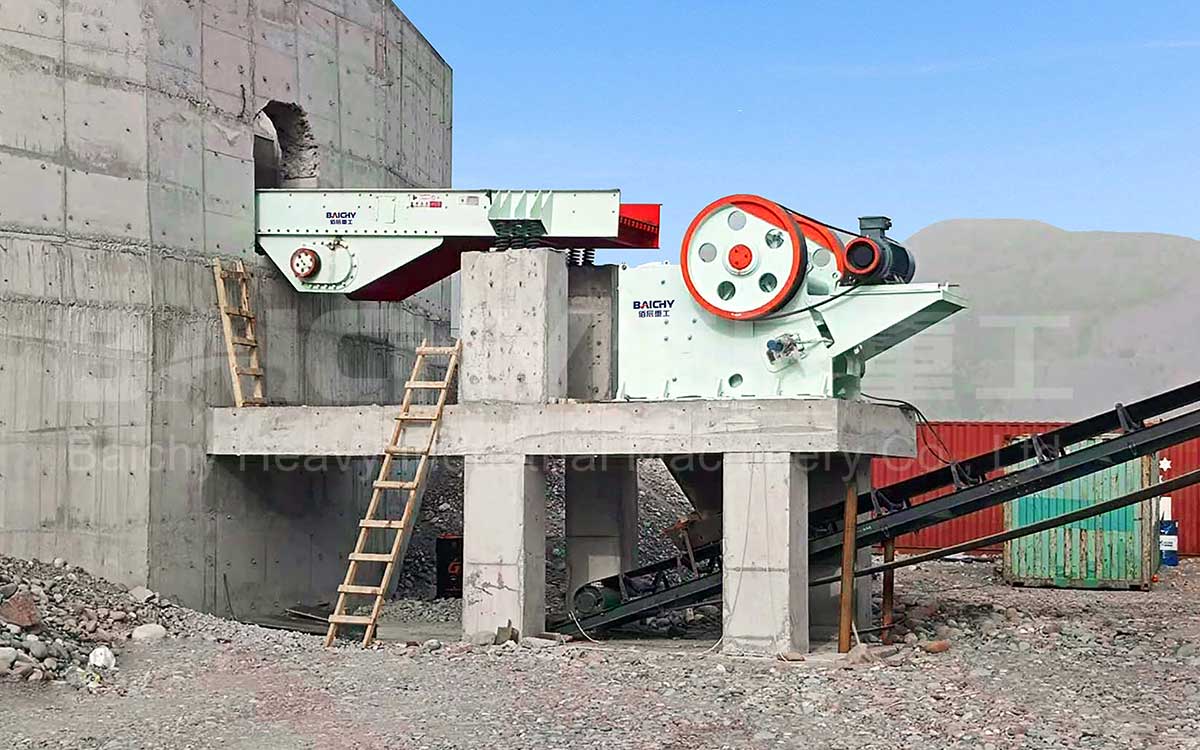
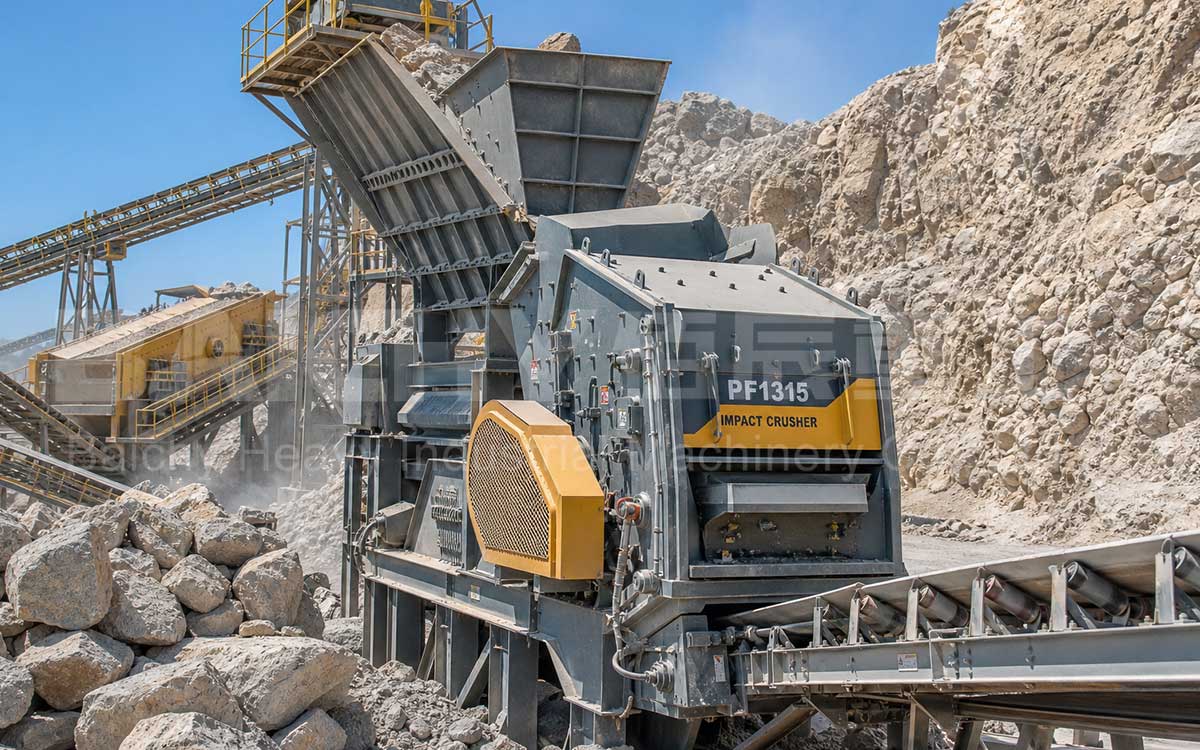
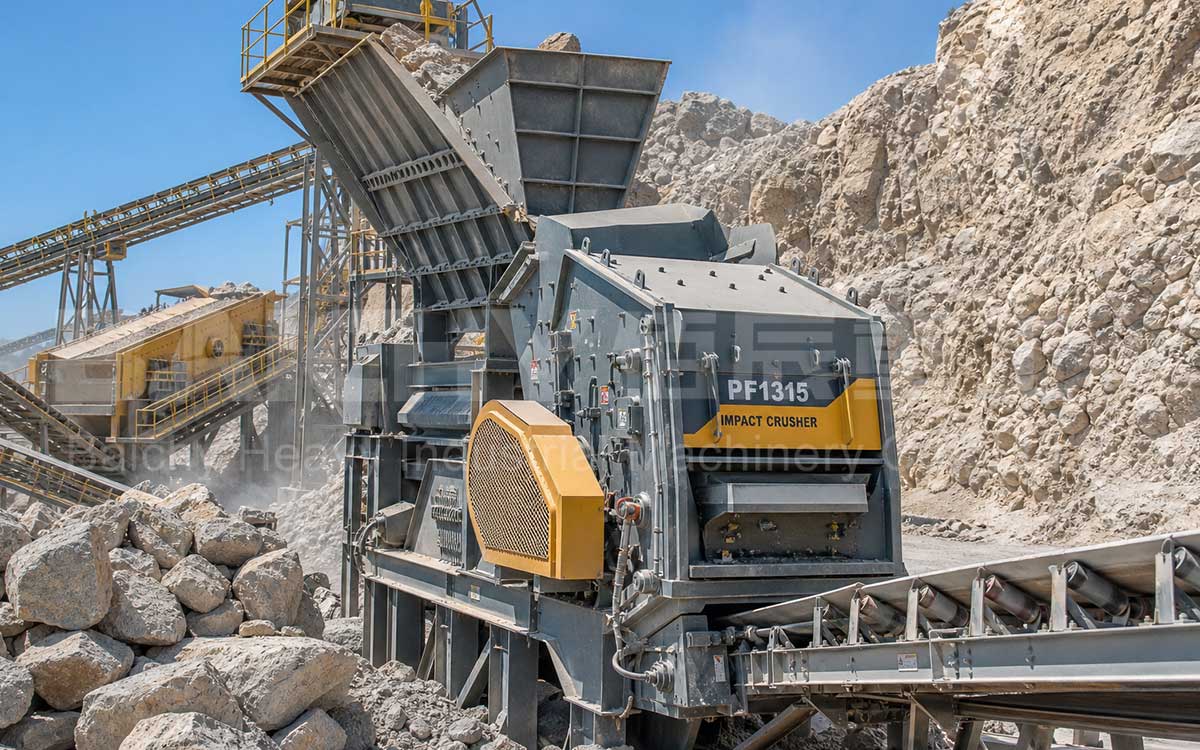
Addressing the specialized processing requirements for silica sand—specifically high clay content, strict particle size specifications (70–140 mesh), and a final moisture content requirement of less than 0.2%—Baichy has introduced a 1 t/h premium-grade washing and drying production line. By integrating "high-shear washing + high-efficiency cyclone recovery + triple-pass drying" technologies, this line achieves industrial-grade precision control even at a micro-scale production capacity.
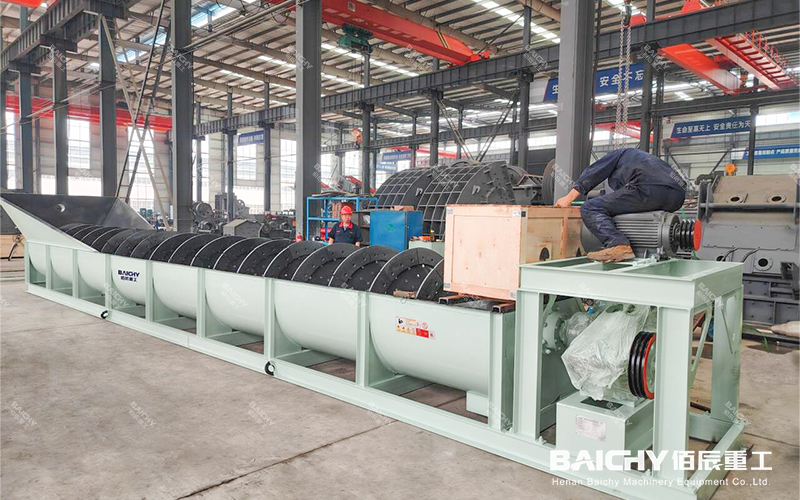
Spiral Sand Washer
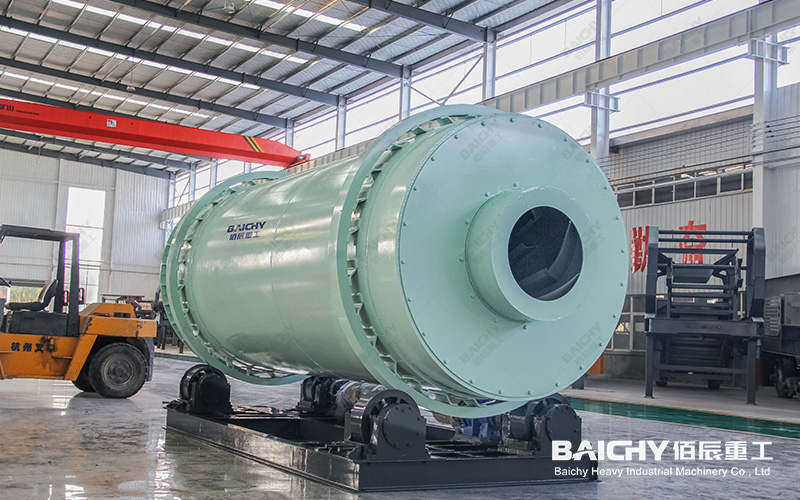
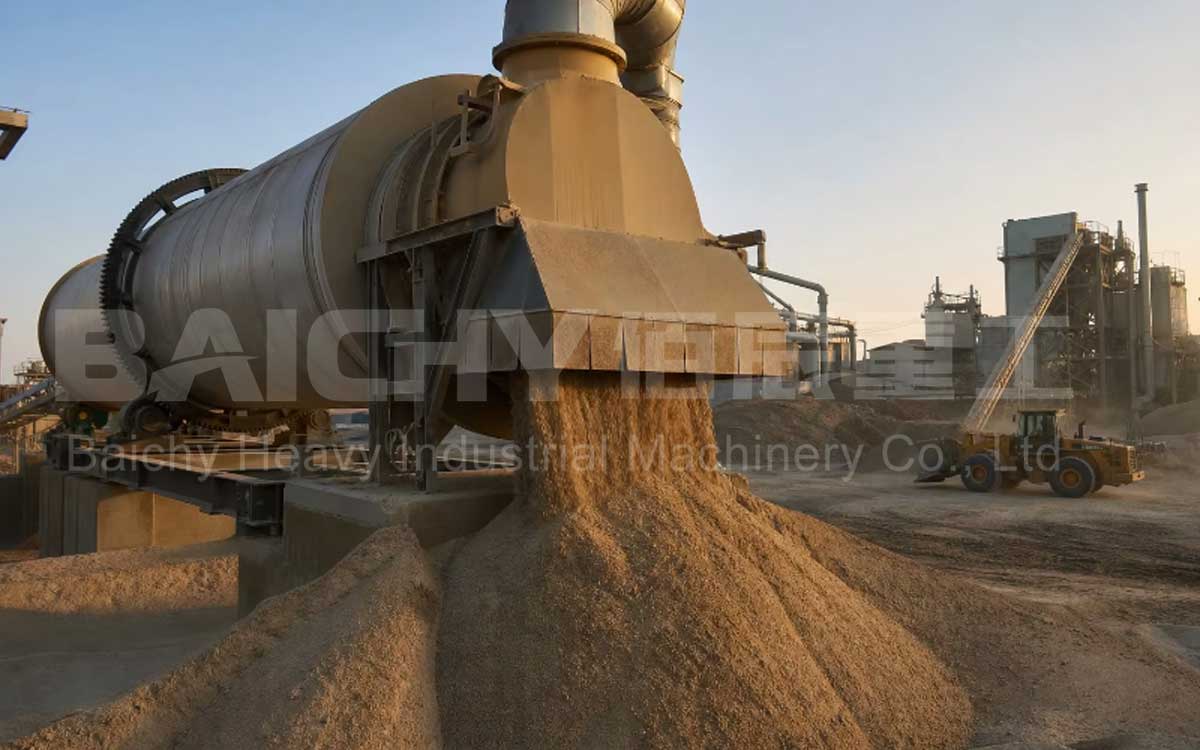
Three-cylinder Dryer
1. Core Challenges and Solutions
In small-scale production operations of just 1 ton per hour, the primary challenges lie in controlling fine sand loss and achieving deep-level dewatering.
• Addressing High Clay Content and Fine Dust: We employ a belt feeder paired with a high-efficiency spiral sand washer; through vigorous agitation, this system effectively strips clay particles from the surface of the sand grains.
• Precise Retention of 70–140 Mesh Particles: To handle extremely fine particle sizes ranging from 0.1 mm to 0.2 mm, we have integrated a cyclone classification system. This eliminates the drawback inherent in traditional sand washers—where useful fine sand is inadvertently discharged during the overflow process—thereby ensuring a recovery rate of over 95% for 70–140 mesh sand.
• Achieving a Moisture Limit of 0.2%: We utilize a customized, compact triple-pass rotary dryer. Compared to single-drum dryers, this unit boasts a 40% increase in thermal efficiency; combined with an automated temperature control system, it ensures the output material is thoroughly dried, meeting the stringent requirements of the coatings, precision casting, and oilfield fracturing industries.
2. Production Line Process Flow Diagram (Technical Flow)
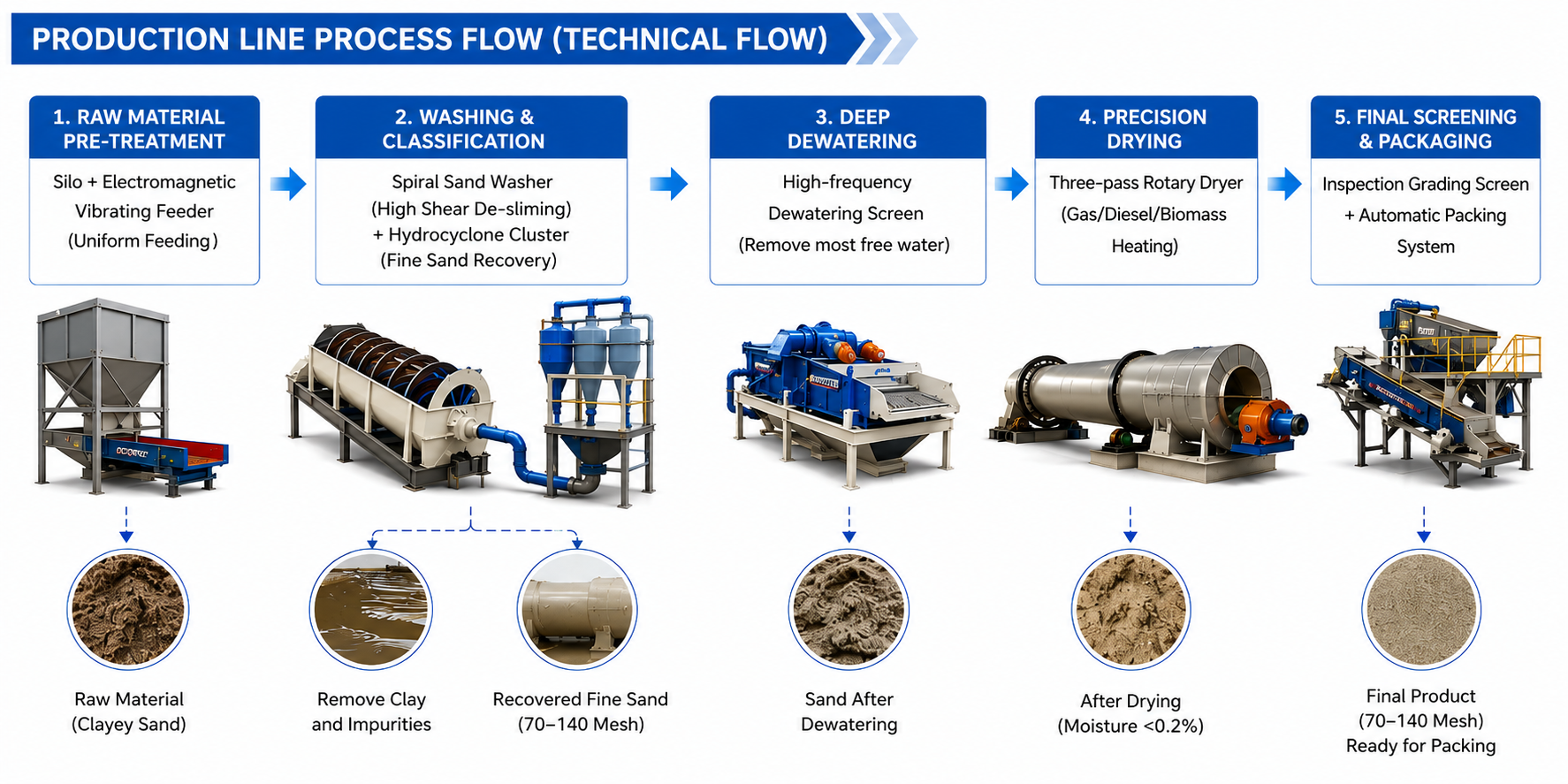
1 tph Silica Sand Washing & Drying Plant Process Flow Diagram
• Raw Material Pre-treatment: Storage Hopper → Electromagnetic Vibrating Feeder (for uniform feeding).
• Washing and Classification: Spiral Sand Washer (for vigorous clay removal) + Cyclone Dewatering Cluster (for fine sand recovery).
• Deep-Level Dewatering: High-Frequency Dewatering Screen (mechanically removes the majority of free water, thereby reducing energy consumption during drying).
• Precision Drying: Triple-Pass Dryer (heated via natural gas, fuel oil, or biomass), controlling the outlet moisture content to ≤0.2%.
• Finished Product Screening and Packaging: Inspection and Grading Screen + Automated Filling System.
3. Technical Specifications Table
| Item | Technical Indicators |
| Design Capacity | 1 ton/hour (1 t/h) |
| Raw Material Properties | Natural Silica Sand (containing clay/fines) |
| Particle Size Range | 70–140 Mesh (0.106 mm – 0.212 mm) |
| Finished Product Moisture Content | < 0.2% (after drying) |
| Clay Removal Efficiency | > 98% |
| Footprint | Approx. 100–150 m² (Compact Design) |
4. Why Choose Baichy’s 1 t/h Solution?
No "Oversized Equipment for Small-Scale Tasks": Many manufacturers simply repurpose large-scale equipment, resulting in 1 t/h production lines with extremely high energy consumption and poor fine sand recovery rates. Baichy, specifically targeting the specialty sand market, combines laboratory-grade precision with industrial-grade durability.
Robust Delivery Guarantees:
• Zero-Contamination Path: Components in contact with the material can be optionally lined with high-alumina ceramics or polyurethane to prevent iron contamination (specifically for high-purity silica sand applications).
• Energy Saving & Cost Reduction: The heat exchange system has been meticulously recalculated to ensure that every kilowatt-hour of electricity and every unit of fuel is precisely utilized for moisture evaporation.
5. Frequently Asked Questions (FAQ)
Q: Is a 1 t/h capacity too small? Is the operating cost economically viable?
A: This production line is specifically designed for high-value-added sands (such as foundry sand, blasting sand, and filtration media). Although the throughput is modest, the market premium for the finished product is high. Our automated design requires only one operator, significantly reducing labor costs.
Q: How do you ensure that such fine sand—in the 70–140 mesh range—is not washed away during the beneficiation process?
A: This constitutes the core competitive advantage of our solution. Rather than relying on simple gravity overflow, we employ pressure hydrocyclones to perform physical, forced classification, thereby precisely capturing particles larger than 140 mesh.