
PE400×600 Jaw Crusher in Gold Ore Processing
Gold ore processing requires durable and efficient crushing equipment. The PE400×600 jaw crusher is widely applied in small and medium gold mines for primary crushing, ensuring high reduction ratio and uniform particle size for subsequent grinding.
I. Overview: What is the PE400×600 Jaw Crusher?
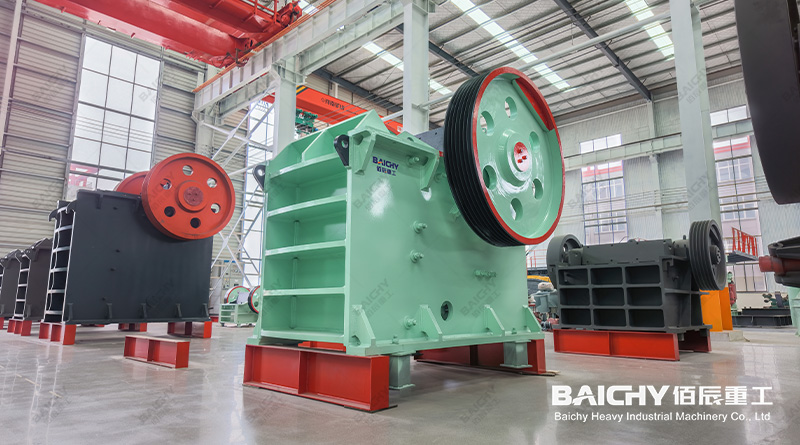
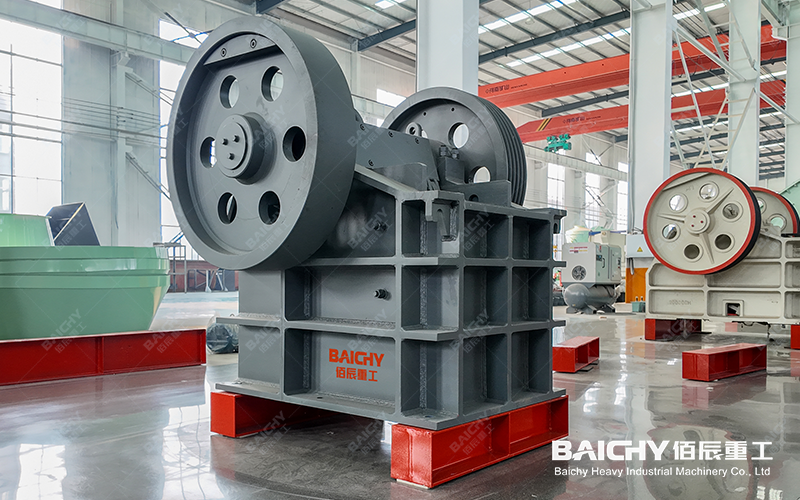
The PE400×600 Jaw Crusher is a medium-sized double-toggle jaw crusher. Its model designation directly reflects its core parameters: a feed opening size of 400 mm × 600 mm. It is renowned for its simple structure, reliable operation, ease of maintenance, and strong adaptability—making it particularly well-suited for processing medium-to-high hardness and highly abrasive ores, such as gold ore.
Serving as the "throat" of the crushing production line, its primary function is to reduce large blocks of mined raw ore (typically with a maximum feed size of around 350 mm) to a medium particle size (approximately 40–100 mm), thereby preparing the material for subsequent secondary and tertiary crushing stages or for direct feeding into grinding mills. Its robust frame, combined with movable and fixed jaw plates crafted from high-quality manganese steel, ensures the equipment’s long-term, stable operation even within harsh mining environments.
II. Application Scenarios and Process Requirements in Gold Ore Beneficiation
The gold ore beneficiation process typically comprises several stages: crushing, grinding, classification, separation (e.g., flotation, cyanidation), and dewatering. The core requirements for crushing equipment within this context can be summarized as follows:
1. High Crushing Ratio and Uniform Particle Size: The equipment must effectively reduce large blocks of raw ore while producing an output with a relatively uniform particle size. This prevents "over-crushing" (producing excessive fines), thereby facilitating improved efficiency in subsequent grinding stages and ensuring the stability of separation performance metrics.
2. Exceptional Durability and Reliability: Gold ores are typically characterized by high hardness and abrasiveness; consequently, the equipment must possess excellent wear resistance and a low failure rate to ensure continuous production and minimize losses associated with downtime.
3. Economical Operating Costs: For small-to-medium-sized mines, the equipment's initial acquisition cost, energy consumption, and maintenance expenses are key factors that require careful consideration.
The primary application scenarios for the PE400×600 Jaw Crusher include:
• Primary Crushing Stations in Small-to-Medium-Sized Gold Mines: Serving as the primary crusher, it processes raw ore transported directly from the mine site.
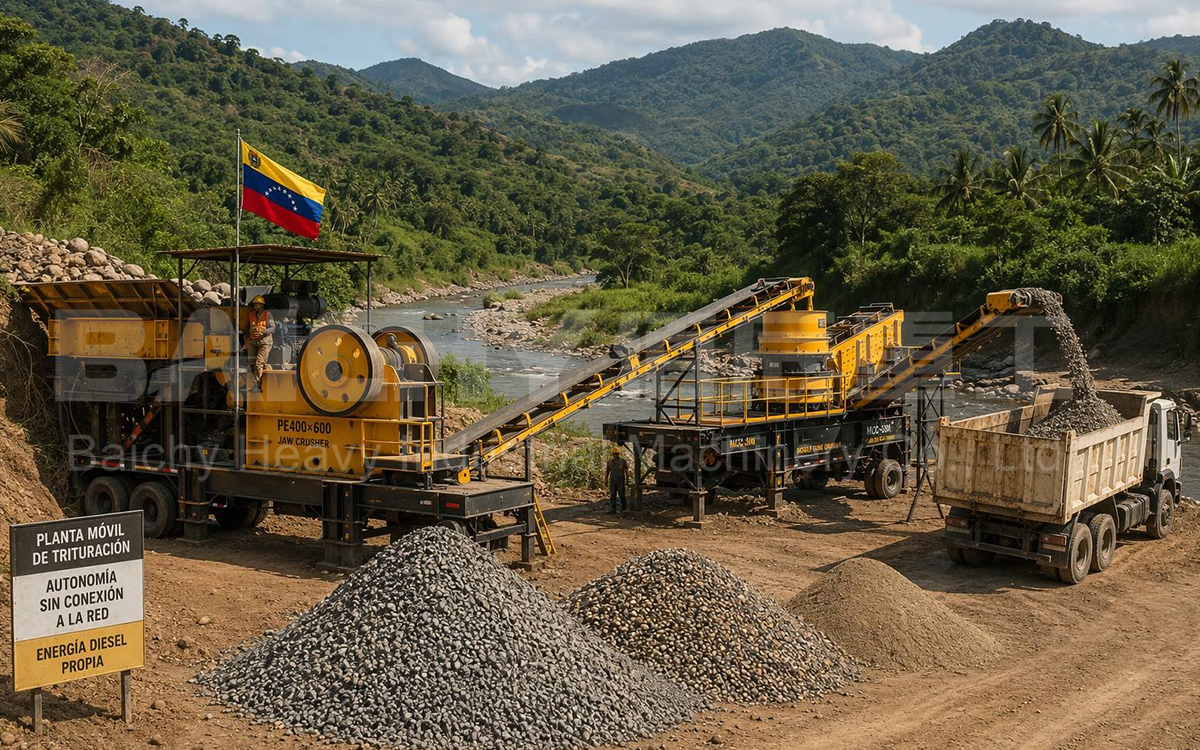
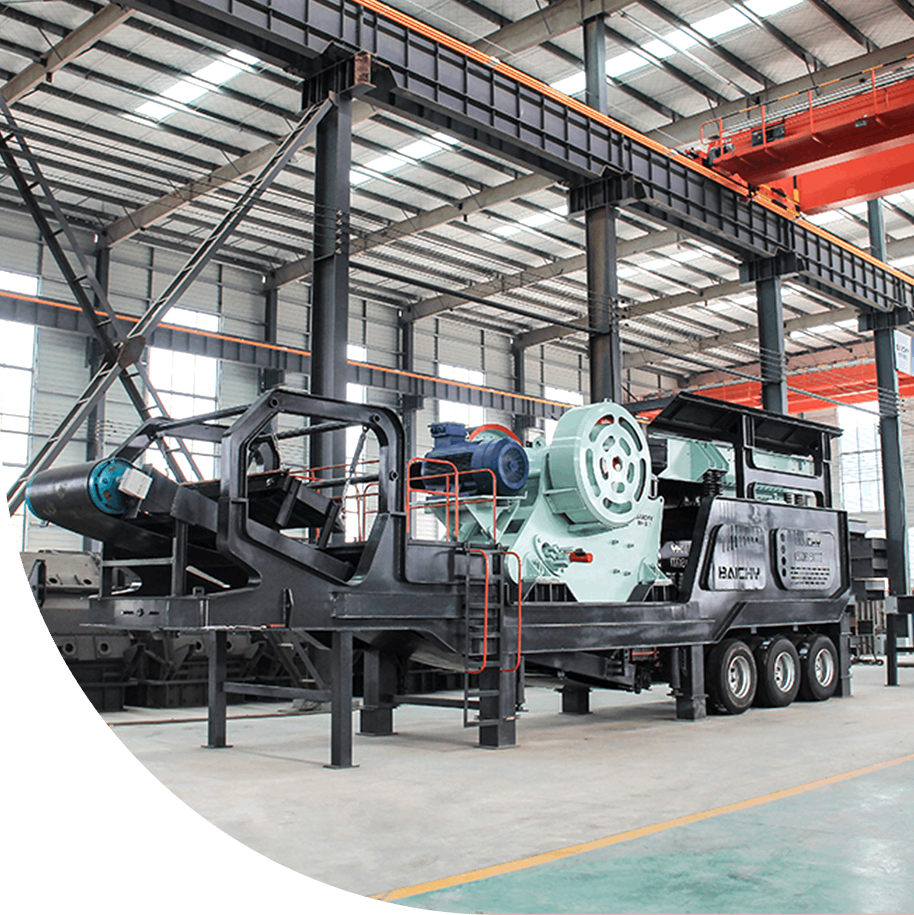
• Mobile or Semi-Mobile Crushing Production Lines: Due to its compact structure, it is frequently utilized as the core unit within mobile crushing stations, allowing it to adapt effectively to shifting mining locations within the ore zone.
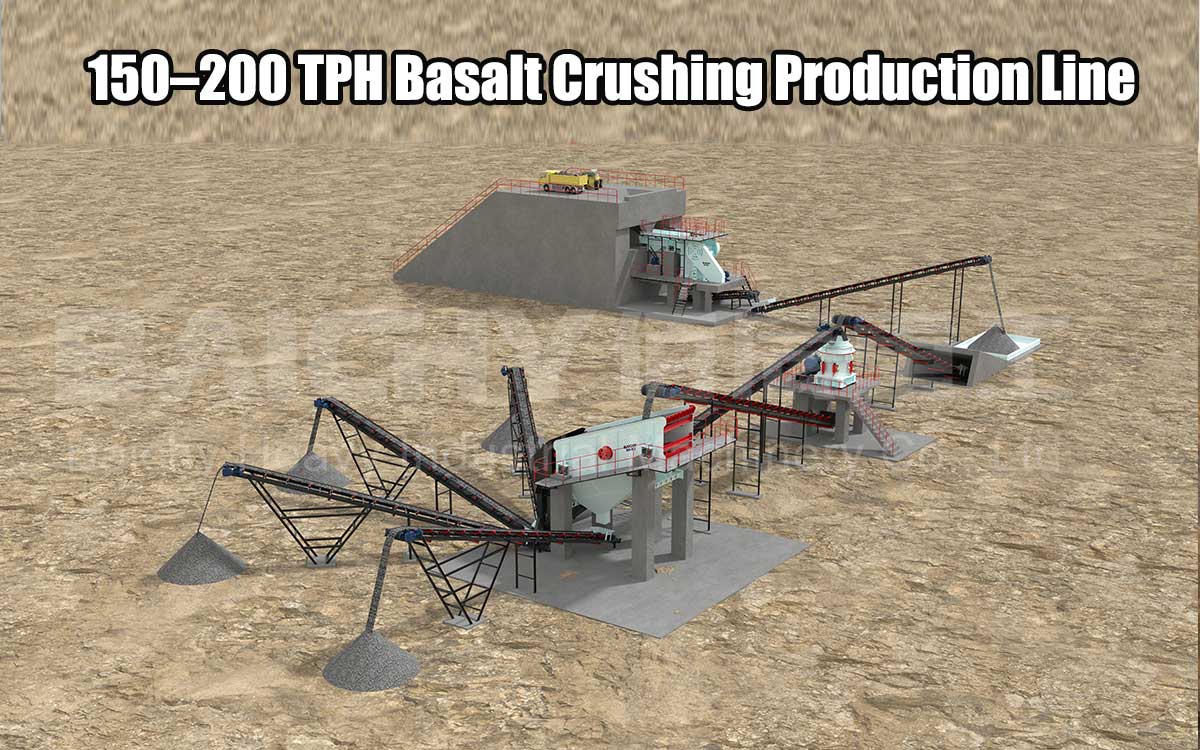
• Integration with Cone or Impact Crushers: Forms a two-stage or three-stage crushing circuit, achieving higher crushing efficiency and a finer final product size.
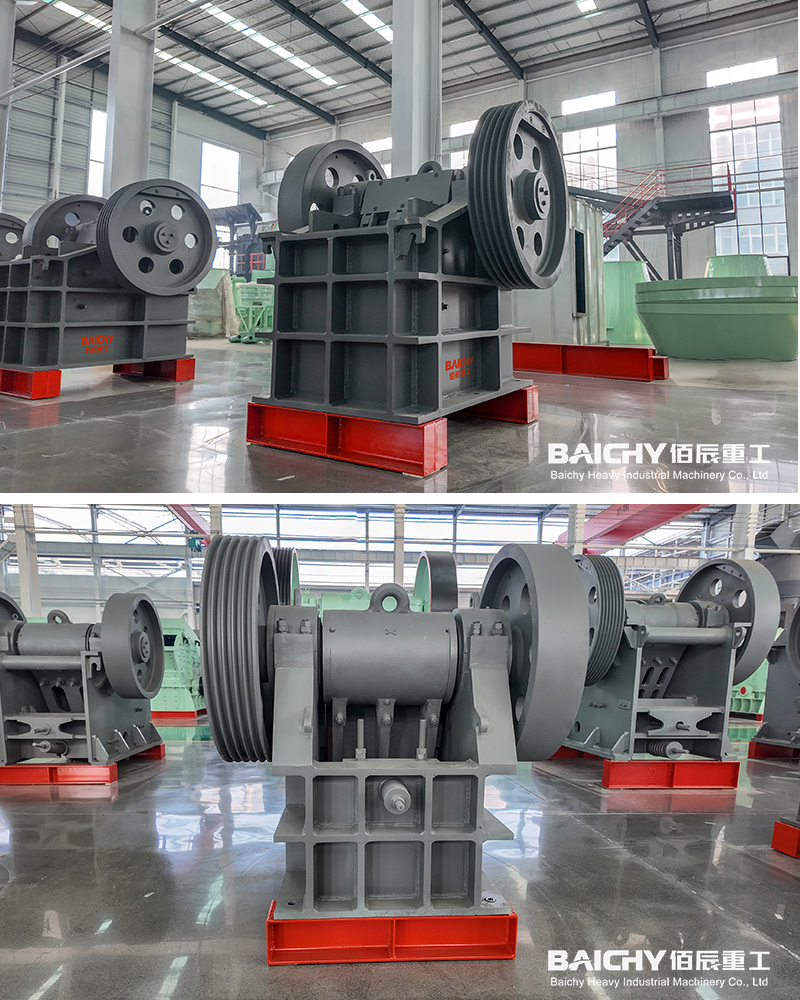
Gold Crusher - PE400x600 Jaw Crusher
III. Key Advantages of the PE400×600 Jaw Crusher in Gold Mining Applications
Selecting the PE400×600 jaw crusher for gold ore crushing offers investors a wide range of significant advantages:
• Robust Structure and Exceptional Durability: Featuring a frame welded from high-quality steel and jaw plates made of high-manganese steel, the equipment boasts greatly enhanced resistance to impact and abrasion. This ensures a long service life, making it particularly well-suited for processing hard gold ores.
• High Crushing Efficiency and Uniform Product Size: Its deep-cavity crushing design eliminates dead zones, thereby increasing feed capacity and throughput. The optimized jaw plate profile produces a more uniform, cubical product shape—minimizing the generation of needle-like and flaky particles—which creates favorable conditions for subsequent grinding operations.
• Stable Operation and Simplified Maintenance: The core bearings feature a heavy-duty design, offering superior load-bearing capacity and ensuring smoother operation. With a reliable lubrication system, fewer daily maintenance points, and simple operational procedures, the unit significantly reduces long-term operating and maintenance costs.
• High Return on Investment (ROI): As a mature and proven model, it offers exceptional cost-effectiveness. Its low initial investment requirement, reliable performance, and low maintenance costs make it an ideal choice for small-to-medium-sized gold mines looking to mitigate investment risks and achieve rapid profitability.
Technical Specifications Table for the PE400×600 Jaw Crusher
| Parameter | Specific Specification/Data |
| Model | PE-400×600 |
| Feed Opening Size | 400×600 mm |
| Max. Feed Size | 340 mm |
| Discharge Opening Adjustment Range | 40–100 mm |
| Processing Capacity | 16–64 t/h |
| Eccentric Shaft Speed | 275 r/min |
| Motor Power | 30–37 kW |
| Overall Dimensions (L×W×H) | 1700×1732×1653 mm |
| Equipment Weight (Approx.) | 6.5 t |
IV. Reference: Related Application Case Studies
Case Study: A 200-ton/day Gold Ore Processing Plant in Central Asia
The gold ore at this site is of the quartz vein type; the maximum lump size of the run-of-mine (ROM) ore is approximately 500 mm, and its hardness is medium-to-high. The mineral processing production line employs a process flow consisting of "Primary Jaw Crushing + Secondary Cone Crushing + Ball Milling."
• Primary Crushing Equipment: One PE400×600 Jaw Crusher.
• Operational Performance: This unit consistently crushes the ROM ore to a particle size of less than 100 mm, providing an ideal feed for the subsequent cone crusher. Since commissioning, the equipment has operated smoothly; the service life of the jaw plates has exceeded 6 months, effectively ensuring the continuity and stability of the entire plant's production. The client is highly satisfied with both the reliability of the equipment and the quality of the discharge product.
V. Recommended Ancillary Equipment for Your Gold Ore Processing Line
An efficient gold ore processing line requires the precise matching of equipment at every stage. In addition to the core PE400×600 Jaw Crusher used for primary crushing, we typically recommend the following ancillary equipment solutions:
1. Secondary (Medium & Fine) Crushing Equipment:
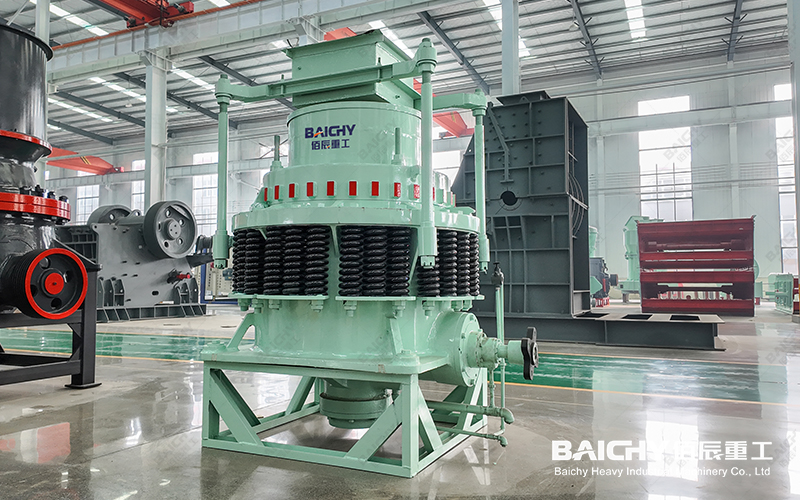
PYB Spring Cone Crusher
◦ PYB/PYD Series Spring Cone Crushers: Suitable for gold ores of medium-to-high hardness and above; these units offer high crushing efficiency and produce a uniform product size, making them the ideal partner for secondary crushing following the PE400×600.
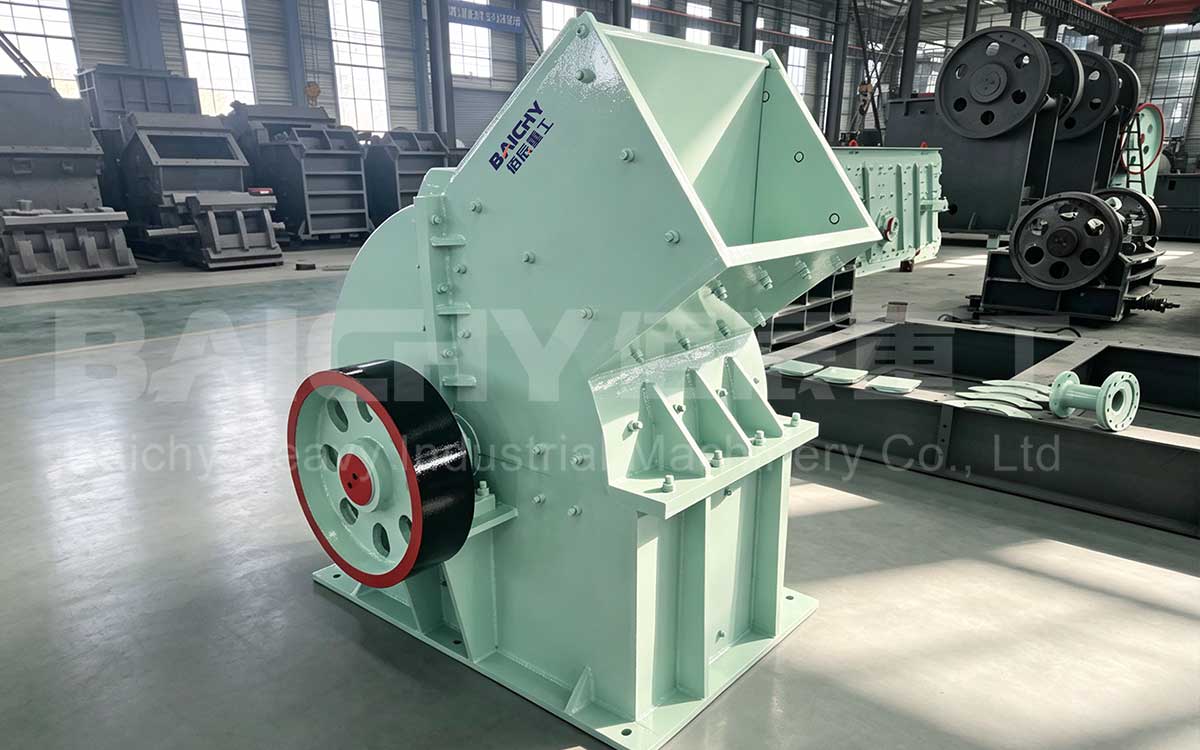
◦ PF Series Impact Crushers: Suitable for gold ores of medium hardness or lower, particularly those with low silica content; they produce a product with excellent particle shape and minimal fines.
2. Grinding Equipment:
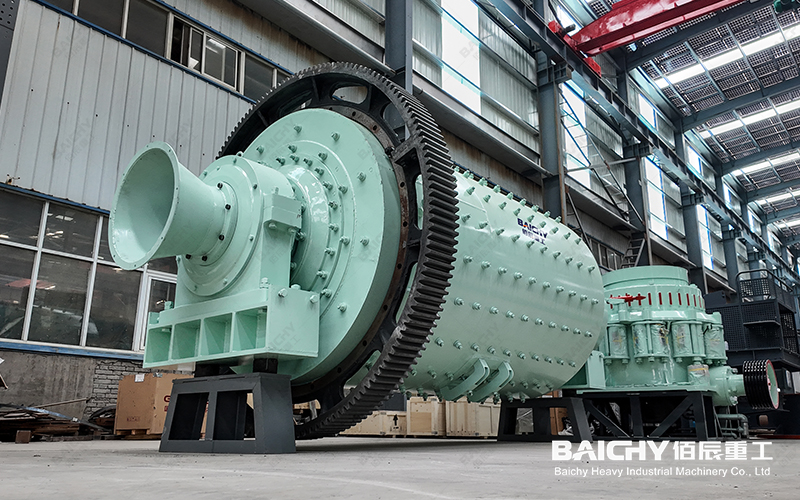
Gold Ball Mill
◦ MQG Series Grate-type Ball Mills / MQY Series Overflow-type Ball Mills: Used to grind crushed ore to the fineness required for beneficiation (typically with over 80% passing the -200 mesh sieve); these serve as critical preparatory equipment prior to gold ore leaching or flotation processes.
3. Beneficiation and Dewatering Equipment:
◦ XCF/KYF Series Flotation Machines: Used for the flotation enrichment of gold-bearing sulfide ores.
◦ High-Efficiency Thickeners, Belt Filters: Used for the dewatering of concentrates or tailings.
VI. Frequently Asked Questions (FAQ)
Q1: What is the typical throughput of a PE400×600 Jaw Crusher when processing gold ore?
A1: Its processing capacity is not a fixed value; it depends primarily on the hardness, density, and moisture content of the gold ore, as well as the discharge opening setting. When the discharge opening is set to a medium range (approximately 60–80 mm) and processing medium-hardness gold ore, the typical throughput is approximately 25–40 tons per hour. The specific throughput requires precise calculation based on parameters such as the ore's Bond Work Index.
Q2: How are jaw plates replaced once worn out? What is the typical replacement interval?
A2: Replacing jaw plates is a relatively simple process. First, loosen the fastening bolts; then, use a crane or jack to remove the old jaw plate, clean the mounting surface, install the new jaw plate, and tighten the bolts. The replacement interval depends entirely on the abrasiveness of the ore and the operating hours. When processing high-silica gold ore, a single set of jaw plates may last 3–6 months; for less abrasive ores, the lifespan may extend to over one year. Periodically reversing the jaw plates extends their overall service life.
Q3: Does the equipment have any specific requirements regarding voltage or installation foundations?
A3: The 30–37 kW motor accompanying this equipment typically operates on a 380V/50Hz three-phase AC power supply (specific requirements should be verified against the motor's nameplate). The requirements for the installation foundation are rigorous, necessitating a sturdy concrete base to absorb vibrations generated during equipment operation. It is recommended that the weight of the foundation be 5 to 10 times the self-weight of the equipment. Detailed foundation drawings for installation should be provided by the equipment supplier.