Advantages of Mobile Three-Stage Crushing Stations and Application Guide for Sand & Gravel Yards
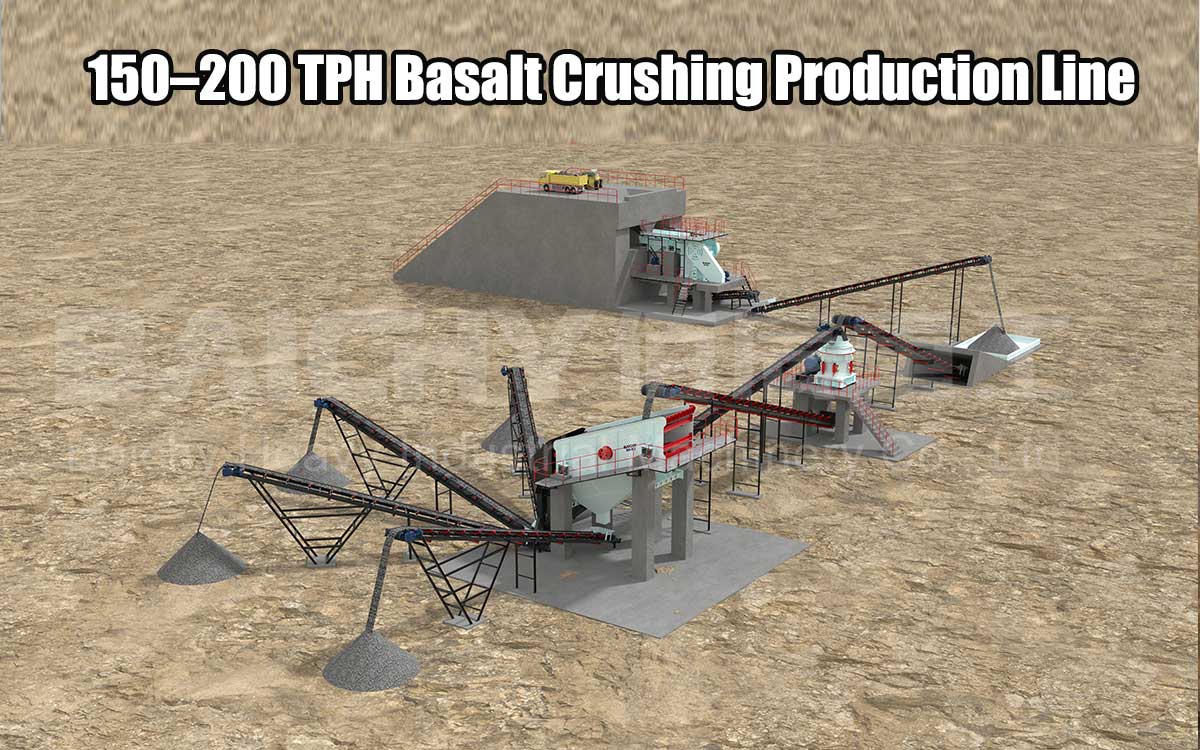
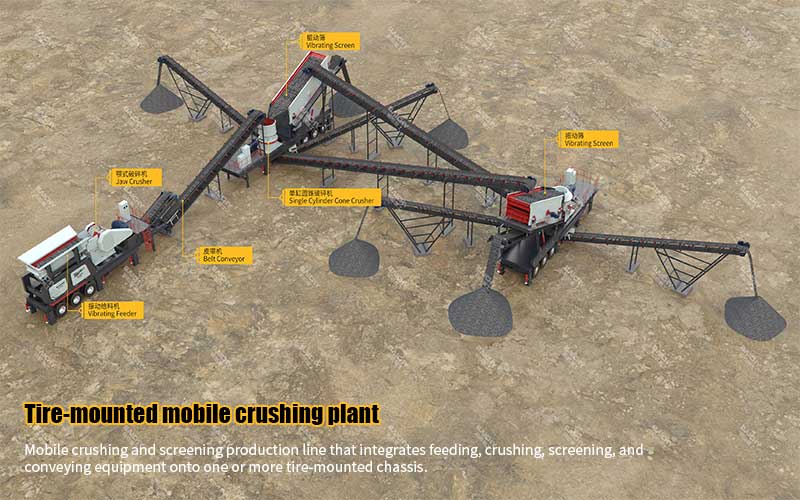
A mobile three-stage crushing station is a complete crushing and screening production line that highly integrates feeding, primary crushing, secondary crushing, tertiary crushing, screening, and conveying systems onto one or more mobile chassis. It breaks free from the site dependency inherent in traditional fixed production lines, boasting the standout characteristics of being "ready to use upon arrival" and "ready to leave upon completion," making it an ideal solution for handling dispersed, temporary, or complex operating scenarios.
Compared to traditional fixed crushing and screening lines, the core value of the mobile three-stage crushing station lies in its unparalleled flexibility and rapid commissioning capability. It is particularly well-suited for scenarios such as temporary aggregate processing, construction waste recycling, and decentralized quarrying operations, significantly reducing material transfer costs and project timelines.
Core Advantages: Why Choose a Mobile Three-Stage Crushing Station?
1. Flexible Relocation: Move as Needed
The equipment utilizes either crawler-type or wheeled travel mechanisms, allowing it to be easily towed by a tractor unit to various job sites. For contractors managing multiple dispersed mining sites or requiring transfers between different urban demolition sites, a single unit can serve multiple projects, thereby maximizing equipment utilization.
2. No Complex Infrastructure Required: Rapid Commissioning
Traditional fixed production lines typically require weeks or even months to complete concrete foundation pouring and steel structure installation. In contrast, once the mobile three-stage crushing station arrives on-site, it requires only simple site leveling and a power connection (or the startup of its onboard diesel generator) to commence production within just a few hours—significantly shortening the return-on-investment cycle.
3. Reduced Material Transfer Costs
It embodies the principle of "taking the equipment to the material" rather than "bringing the material to the equipment." The mobile station can be driven directly to raw material stockpiles or construction debris sites to perform on-site crushing, thereby eliminating the high transportation costs associated with hauling large volumes of raw materials over long distances to a fixed processing plant, and saving costs right from the source.
4. Intelligent Control and Convenient Maintenance
The integrated electrical control system enables one-touch startup and shutdown, process monitoring, and fault diagnostics. The layout of the various modules is compact and logical, with key components being easily accessible, making routine maintenance and upkeep tasks faster and more convenient.
Typical Application Scenarios and Case Studies
Application Scenario 1: Sand & Gravel Yards and Temporary Stone Processing
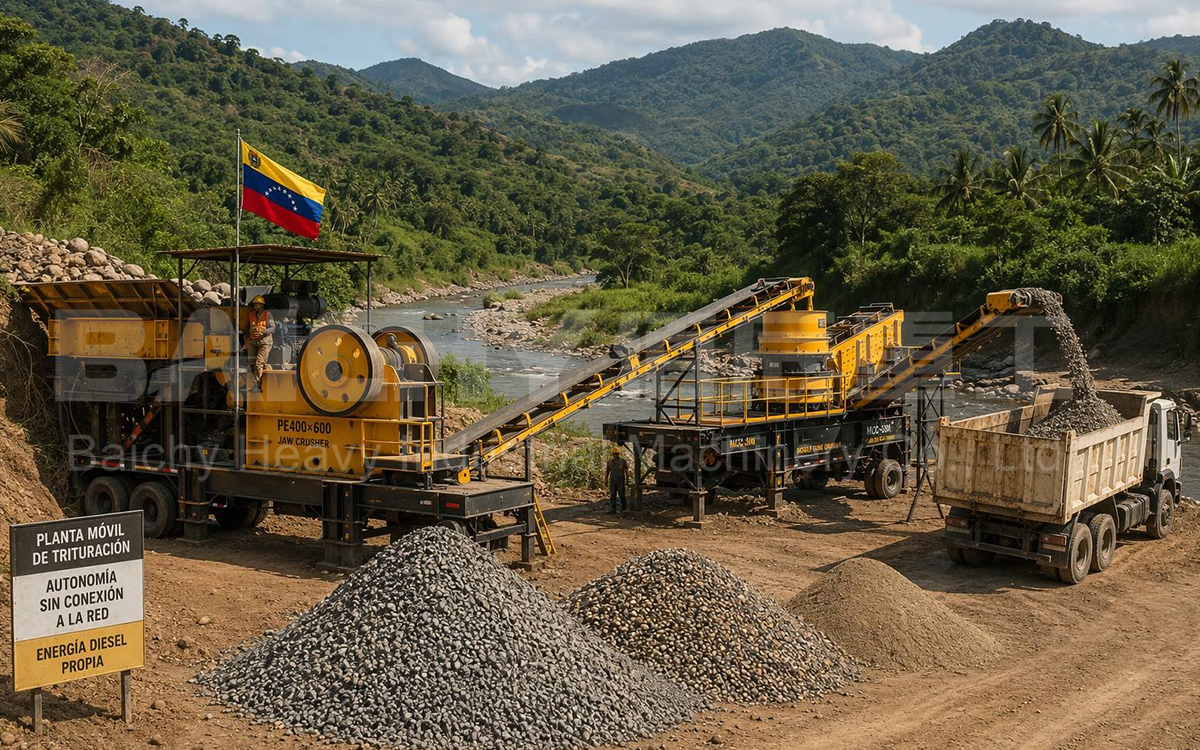
In small-to-medium-sized quarries, river pebble sand-making operations, or alongside temporary mixing plants for road construction projects, raw material sources may be dispersed, or the project duration may be relatively short. A mobile three-stage crushing station is perfectly suited for such environments; it can rapidly produce crushed stone and manufactured sand of various gradations, satisfying the aggregate requirements for the project itself or for local commercial sale.
• Case Study: In a mountainous road construction project, multiple temporary processing sites were established along the route. A mobile three-stage crushing station was deployed to advance alongside the project's progress, processing excavated mountain rock *in situ* to provide aggregate for the roadbed base layer—thereby saving substantial transportation costs.
Application Scenario 2: Resource Utilization of Construction Waste
Urban redevelopment and building demolition projects generate vast quantities of construction waste, such as concrete blocks, bricks, and tiles. Mobile crushing stations can be deployed directly to demolition sites to facilitate the "on-site crushing, screening, and recycling" of this waste. The process yields recycled aggregates suitable for use in road sub-bases, brick manufacturing, and other applications—aligning with environmental protection policies while delivering significant economic benefits.
Internal Link Suggestion: Interested in learning more about specialized processing techniques? Please read: [Three-Stage Crushing Processes for Construction Waste Resource Utilization].
Application Scenario 3: Mines and Dispersed Quarry Sites
For mining areas where ore bodies are scattered—making large-scale fixed-plant investment impractical—or for situations requiring exploratory mining within a limited scope, mobile crushing stations offer a low-risk, high-efficiency solution for site entry and operation. These units can easily navigate complex terrain and quickly verify the crushability and economic viability of the ore body.
Key Equipment Parameter Reference
The table below presents the key parameters for one of our high-performance, tire-mounted mobile three-stage crushing station configurations. The specific configuration can be customized and adjusted based on the hardness of the raw materials and the required output specifications.
| Module | Equipment Configuration | Processing Capacity (t/h) | Feed Size (mm) | Discharge Size (mm) | Power Source (Optional) |
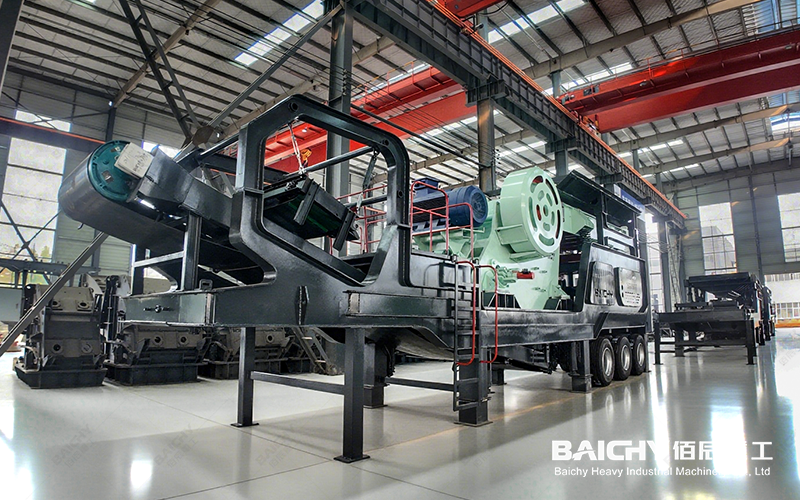
| Primary Crushing Unit | Mobile Jaw Crusher Station | 150–300 | ≤650 | 100–200 | Diesel / Electric Motor |
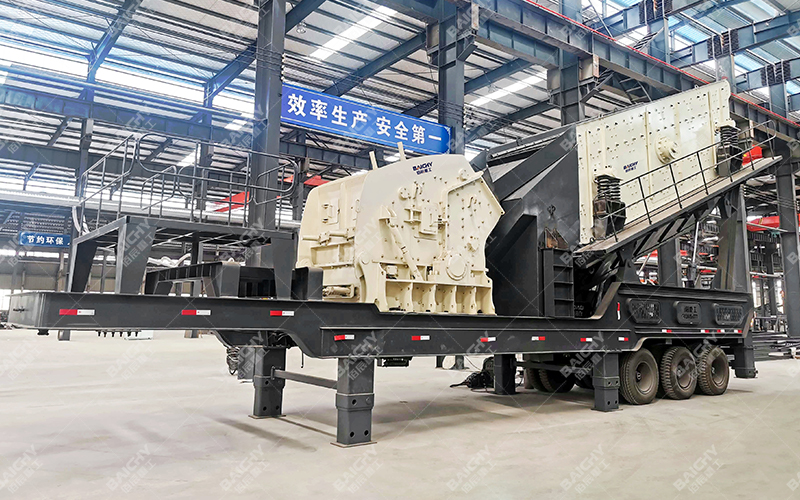
| Secondary Crushing Unit | Mobile Impact Crusher / Cone Crusher Station | 100–250 | ≤300 | 30–60 | Diesel / Electric Motor |
| Tertiary Crushing & Screening Unit | Mobile Sand Making Machine + Vibrating Screen Station | 80–180 | ≤55 | 0–5, 5–10, 10–30 | Diesel / Electric Motor |
Whole-Line Features: Flexible configuration options; standard features include centralized electrical control, iron removal systems, and dust suppression systems, ensuring full compliance with environmental standards.
Internal Link Suggestion: Unsure how to select the right model? This [Tertiary Crushing Equipment Selection Guide: Matching Output, Particle Size, and Material Type] offers detailed guidance to assist you.
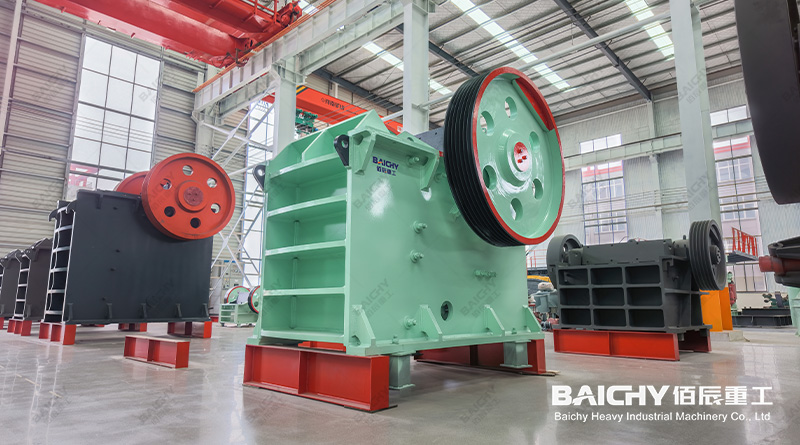
Primary Crushing Unit
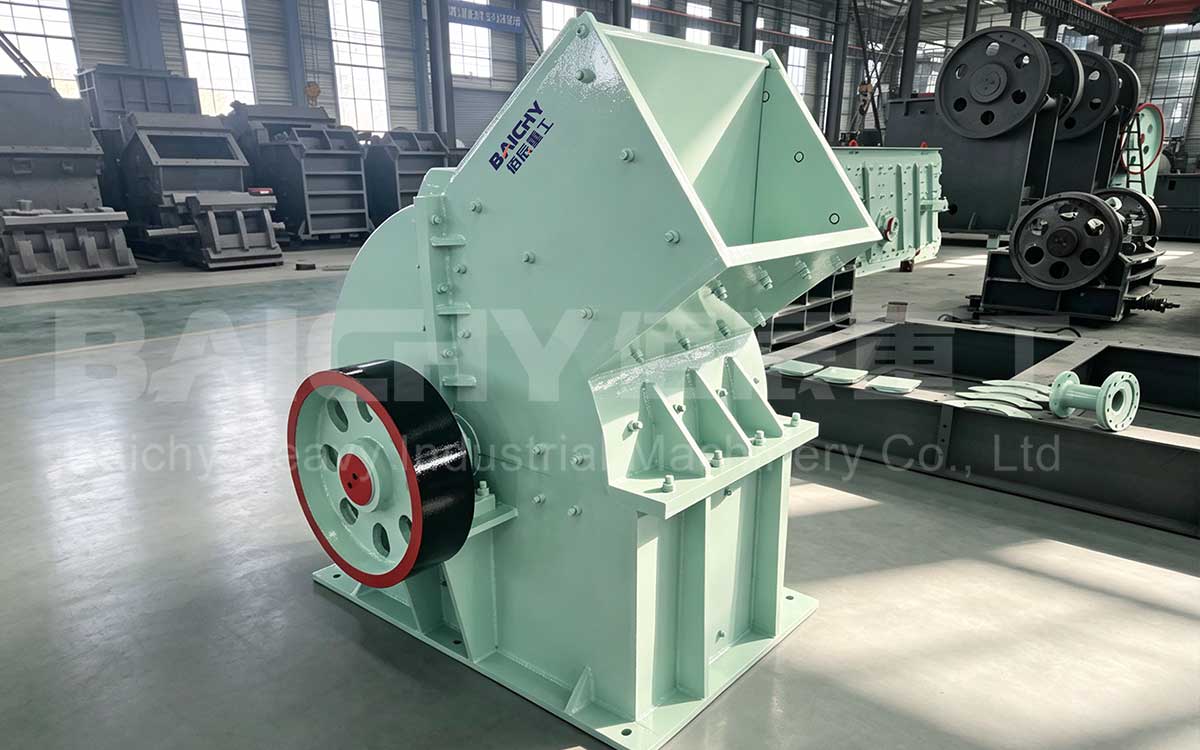
Secondary Crushing Unit
Recommended Related Equipment
Based on the applications described above, we recommend the following core equipment units, which can be flexibly combined to form a highly efficient mobile tertiary crushing system:
1. Mobile Jaw Crusher Station (Wheel-Mounted): As the pioneer of coarse crushing, it is robust, durable, and highly capable of processing large-sized materials, serving as the critical "throat" of the production line.
2. Mobile Multi-Cylinder Hydraulic Cone Crusher Station (Wheel-Mounted): Ideal for the secondary crushing of hard rocks (such as granite and basalt); it produces finished products with excellent particle shape and features long-lasting wear parts.
3. Mobile Impact Crusher Station (Wheel-Mounted): Suitable for the secondary crushing of materials with medium-to-low hardness (such as limestone and construction waste); it yields finished products with good particle shape and offers excellent cost-effectiveness.
4. Mobile Impact Crusher / Sand Making Machine Station (Wheel-Mounted): Capable of performing both "stone-on-stone" and "stone-on-iron" crushing; it is the core equipment for producing high-quality manufactured sand, combining both shaping and fine crushing functions.
5. Mobile Vibrating Screen Station (Wheel-Mounted): Features multi-layer, high-efficiency screening capabilities; it can be configured for closed-circuit circulation or for the direct output of finished products in various size specifications, serving as the key component for controlling the final product's gradation.
Frequently Asked Questions (FAQ)
Q1: Is there a significant difference in investment costs between a mobile three-stage crushing station and a fixed production line?
A1: In terms of initial one-time investment, a mobile station may have a higher unit price for the same production capacity. However, if one factors in the civil engineering, steel structure, and installation costs—as well as the longer construction timeline—associated with a fixed line, the mobile station demonstrates a clear advantage in total investment costs; furthermore, it generates revenue faster and offers superior capital liquidity.
Q2: Can a mobile station process materials with high moisture content (such as earth and rock mixtures with a high clay content)?
A2: Yes, it can, provided that the specific operating conditions are communicated to us in advance. We can install grates on the feeder or at the feed inlet to prevent material clogging or bridging. For the screening unit, we can opt to install screen-cleaning devices (such as bouncing balls) or utilize non-clogging screen plates to ensure a smooth and uninterrupted workflow.
Q3: How does the equipment perform in terms of environmental protection? Can it meet the operational requirements for sites located near urban areas?
A3: Modern, high-end mobile three-stage crushing stations place a strong emphasis on environmental protection. We can equip the units with comprehensive water-spray dust suppression systems, enclosed covers for screening points, and pulse-jet bag filters. Additionally, we utilize low-noise motors and sound-insulating materials to ensure that dust and noise emissions remain within regulatory limits, thereby meeting the strict environmental standards required for urban construction projects.
Summary
In conclusion, the mobile three-stage crushing station is reshaping operational paradigms within the sand and aggregate production and construction waste processing industries, thanks to its unparalleled flexibility, rapid deployment speed, and significant operational cost advantages. It serves not only as an ideal solution for temporary projects and decentralized resource sites but also offers traditional mining operations a more flexible and lower-risk production alternative.