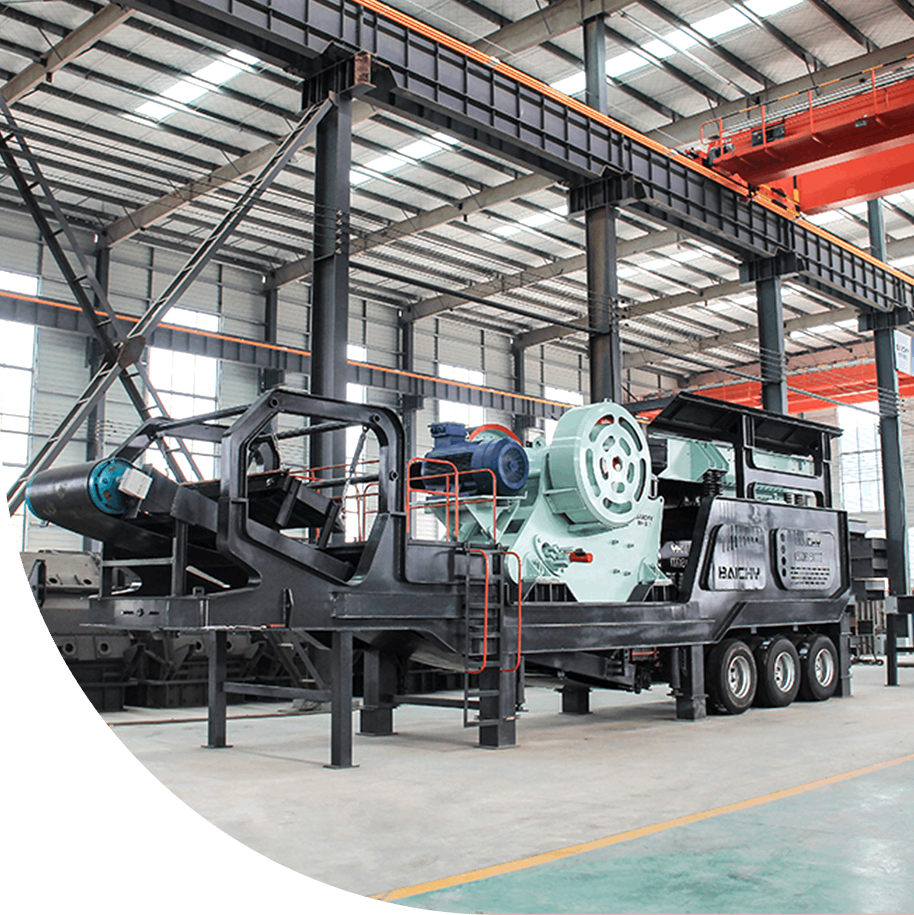

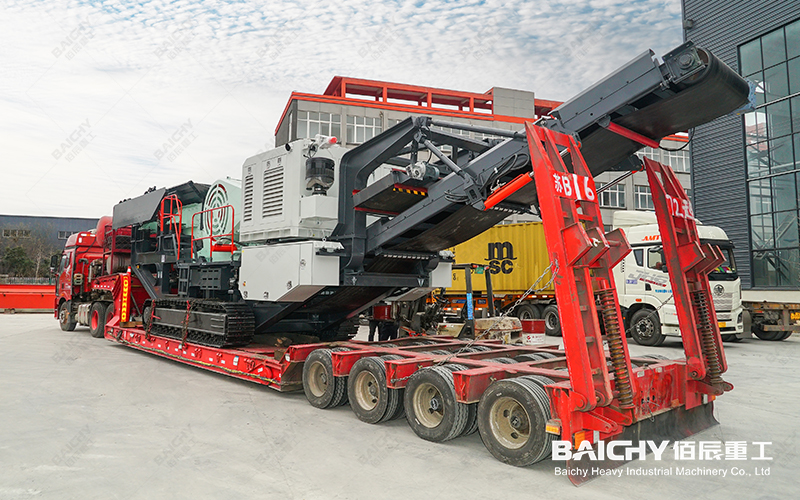
Tracked jaw crusher
In the mining, building aggregate, and road construction sectors, tracked jaw crushers, with their superior mobility and powerful primary crushing capabilities, have become the core equipment of mobile crushing plants. However, high-intensity continuous operation places severe challenges on equipment components, especially vulnerable parts. Understanding the life cycle of these key components and performing preventative maintenance is crucial for ensuring equipment uptime, controlling operating costs, and maximizing return on investment. This article aims to provide equipment managers and owners with a detailed maintenance guide.
I. Detailed Explanation and Replacement Cycle of Core Vulnerable Parts
The crushing principle of a jaw crusher dictates that some of its components will continuously endure enormous impacts, compression, and friction during operation. These components are collectively referred to as vulnerable parts. Their lifespan is not a fixed value but is affected by multiple factors such as material hardness, particle size, moisture content, and equipment operating parameters. The following is an analysis of the main vulnerable parts.
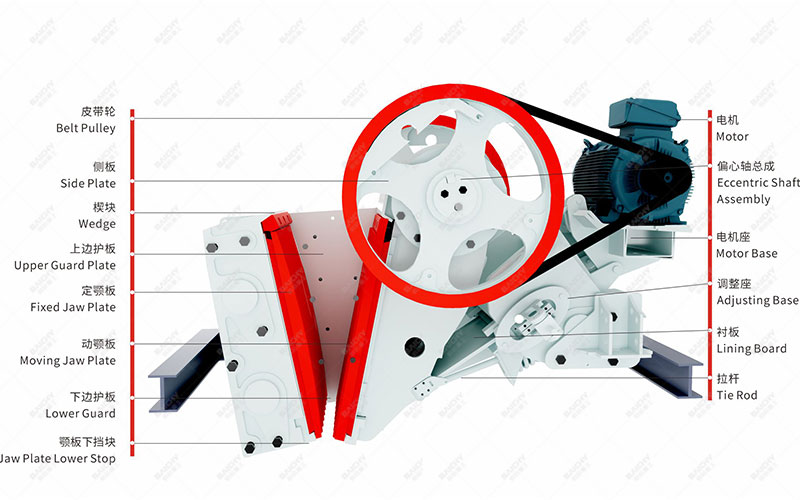
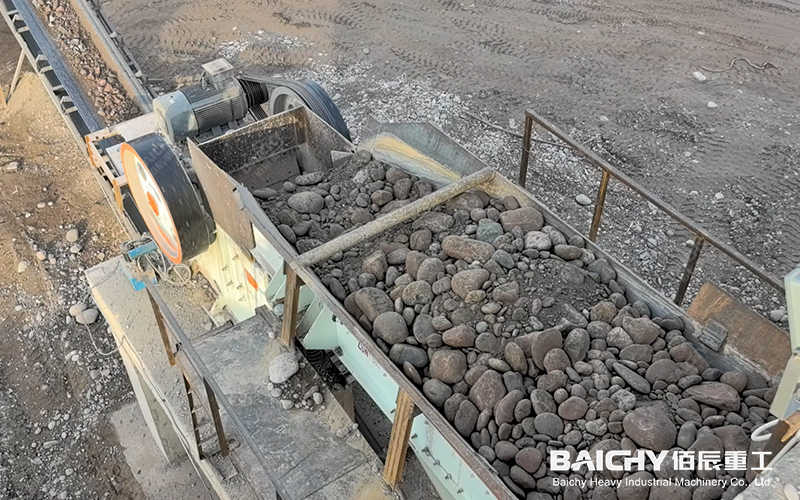
C-series jaw breaker structural diagram
1.1 Components Directly Involved in Crushing
These components are in direct contact with the material and experience the most severe wear.
Jaw Plates (Tooth Plates)
• Function: The fixed jaw plate and the movable jaw plate together form the crushing chamber, directly squeezing and crushing materials.
• Wear Mechanism: Withstands high-stress abrasive wear. The higher the material hardness and silicon content, the faster the wear.
• Replacement Cycle: Typically 500-1500 operating hours. The overall service life can be extended by approximately 30% by periodically rotating the plates (top and bottom swapped).
Side Guard Plates
• Function: Installed on both sides of the movable jaw, protecting the jaw crusher frame and preventing material from causing wear on the frame sidewalls.
• Replacement Cycle: Typically 1-2 sets of jaw plates need replacing, depending on the material characteristics.
1.2 Transmission and Support Components
Although these components do not directly contact the material, they are crucial in power transmission and support; fatigue or wear can lead to equipment failure.
Bearings
• Function: Supports the movable jaw and eccentric shaft, withstanding huge periodic impact loads.
• Maintenance Points: Ensuring proper lubrication and sealing is key to extending bearing life (typically thousands of hours). Regular checks for temperature rise and unusual noises are necessary.
V-Belts
• Function: Transmits power to the motor.
• Replacement Cycle: Depends on inspection. Regular checks of tension and wear are required. Replace immediately if cracks, aging, or loosening are observed. A comprehensive inspection or preventative replacement is generally recommended every 2000-3000 hours.

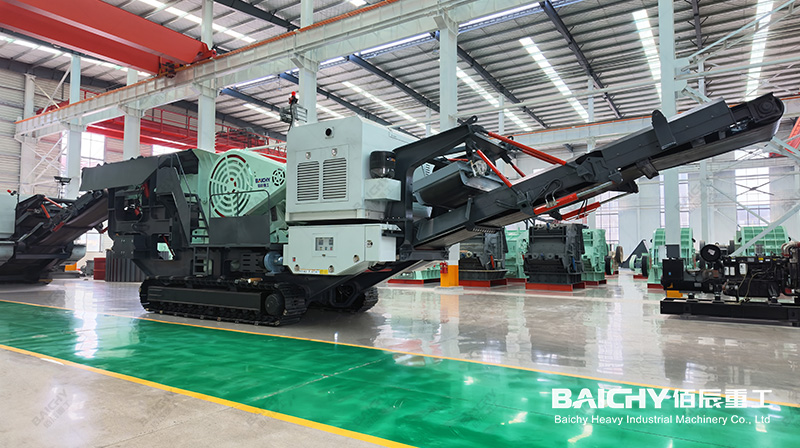
Structural diagram of tracked jaw crusher station
To provide a more intuitive overview, the table below summarizes the typical replacement cycles and influencing factors for key wear parts:
| Wear Part Name | Main Function | Typical Replacement Cycle (Running Hours) | Key Influencing Factors |
| Jaw Plate (Tooth Plate) | Directly Crushes Materials | 500 - 1500 | Material Hardness, Compressive Strength, Silicon Content, Feed Size |
| Side Guard Plate | Protects the Side Wall of the Frame | Synchronized with 1-2 | Jaw Plates Material Characteristics, Side Abrasion Condition |
| Bearing | Supports Core Rotating Components | 3000+ (Maintenance Depends) | Lubrication Condition, Sealing Effect, Load Stability |
| V-Belt | Transmits Power | 2000 - 3000 (Depending on Inspection) | Tension, Ambient Temperature, Dust Condition |
II. Practical Strategies for Optimizing the Lifespan of Wear Parts
Simply knowing the replacement cycle is insufficient; proactive measures to extend these cycles are essential for truly reducing costs.
2.1 Scientific Operation and Feeding
• Uniform Feeding: Prevent material segregation within the crushing chamber, which can lead to premature wear of the jaw plates.
• Strict Control of Feed Particle Size: Materials exceeding the maximum feed size of the equipment are strictly prohibited from entering to prevent jamming and abnormal impact.
• Prevention of Metal Foreign Object Ingress: Install iron separators or similar devices at the feed front end.
2.2 Selection of High-Quality Spare Parts
Invest in wear parts with superior materials and advanced heat treatment processes. For example, choosing jaw plates made of high-manganese steel or alloy steel that have undergone water quenching or hardening may have a higher initial cost, but their lifespan is often more than 1.5 times that of ordinary spare parts, resulting in a higher overall cost-effectiveness.
2.3 Strict Regular Maintenance
• Lubrication System: Use the specified grade of lubricating oil and change it strictly according to the recommended schedule. Clean lubricating oil is the "lifeline" of the bearings.
• Bolt Tightening: Regularly inspect and tighten all fasteners in critical areas (such as jaw plate fixing bolts) to prevent loosening from causing component damage or safety accidents.
• Daily Inspection: Establish a point inspection system to record and assess the equipment status (abnormal noise, vibration, temperature) before startup, during operation, and after shutdown.
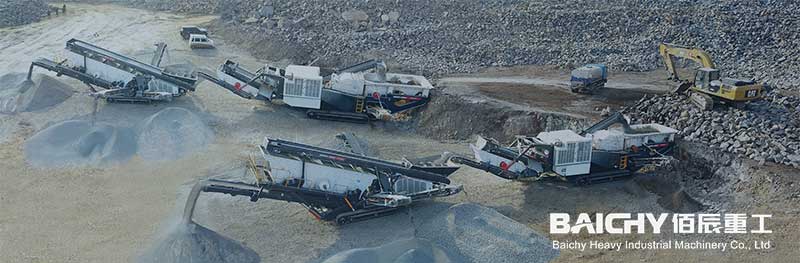
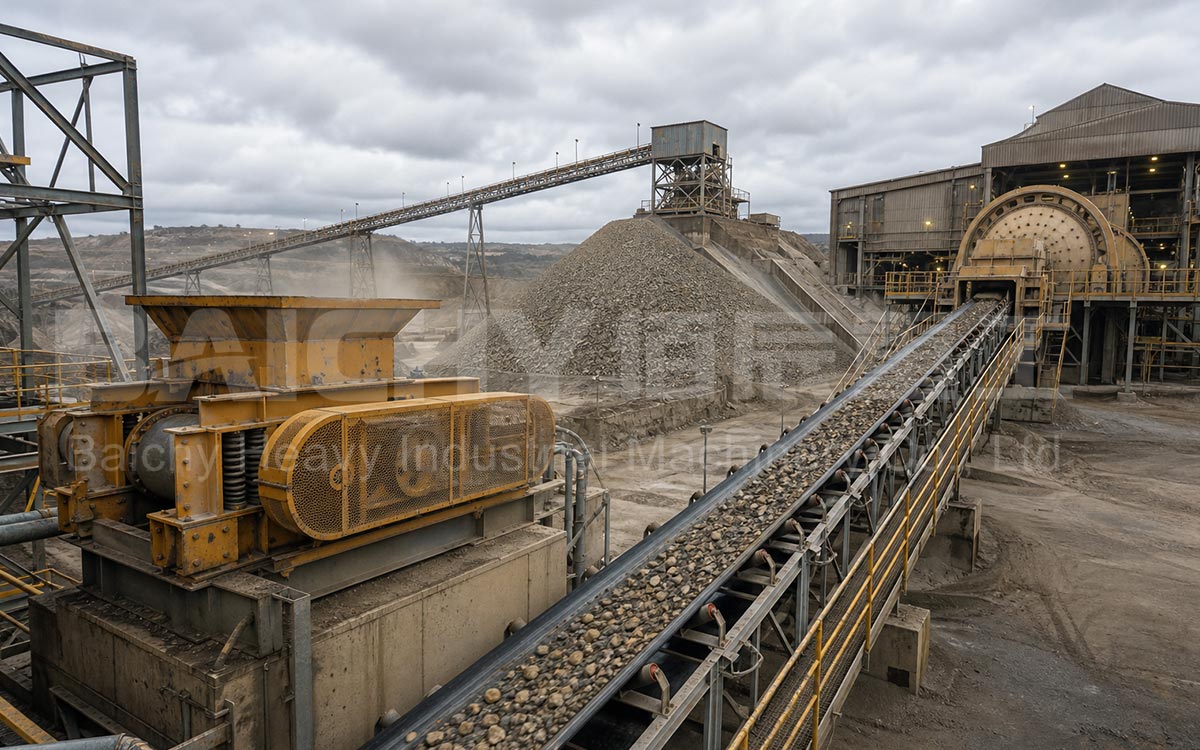
Tracked jaw crusher site
III. Case Sharing: Cost Control Practices of a Granite Quarry
A large Russian granite quarry initially used ordinary jaw plates for its tracked jaw crusher. When crushing high-hardness granite, the lifespan was only about 400 hours, requiring frequent replacements and severely impacting production. Based on our technical team's recommendations:
1. Upgraded Spare Parts: Replaced with our specially designed ultra-high manganese steel composite jaw plates.
2. Optimized Process: Adjusted the discharge port to reduce the swing stroke of the moving jaw while ensuring product particle size, thus reducing wear.
3. Enhanced Maintenance: Strictly implemented lubrication checks every shift.
Results: The average service life of the jaw plates increased to 850 hours, the cost of wear parts per ton of ore decreased by approximately 40%, and the overall equipment utilization rate increased by 15%.
IV. Recommended Related Equipment and Services
• Intelligent Monitoring System: We recommend installing an online equipment health monitoring system, which can monitor parameters such as bearing temperature and vibration in real time, enabling predictive maintenance and avoiding sudden downtime.
• Quick Tool Replacement: We provide specialized hydraulic wrenches and jaw plate lifting tools, which can reduce jaw plate replacement time from the traditional 8-10 hours to 4-5 hours, significantly reducing downtime losses.
• Full Lifecycle Service Contract: We offer customized service packages that include regular maintenance, inspections, spare parts supply, and technical support, making customer operations more worry-free.
V. Frequently Asked Questions (FAQ)
Q1: How to determine if the jaw plate needs replacement?
A1: Three main points to observe: First, check if the output particle size continues to increase due to wear, exceeding the allowable range; second, observe if the jaw plate teeth have been worn flat, resulting in a significant decrease in crushing efficiency; third, directly measure the wear height of the jaw plate, and when it exceeds 1/3 to 1/2 of its original height, replacement is recommended.
Q2: What precautions should be taken when replacing bearings?
A2: Bearing replacement is a specialized task. It is essential to ensure that the new bearing is original equipment manufacturer (OEM) or of equivalent high quality; appropriate tools must be used during installation, and heating or other methods should be employed; direct hammering is strictly prohibited; after installation, ensure proper clearance and immediately add sufficient, clean lubricating oil.
Q3: Besides the components listed in the table, what else needs to be checked regularly?
A3: Yes. It is also crucial to pay attention to the motor's operating status, the sealing and pressure of the hydraulic system (such as the cylinders used to adjust the discharge port and overload protection), the wear and tension of the tracks, and the integrity of all protective devices and safety markings. While these are not strictly considered "wear parts," they are equally critical for ensuring safe and continuous operation.
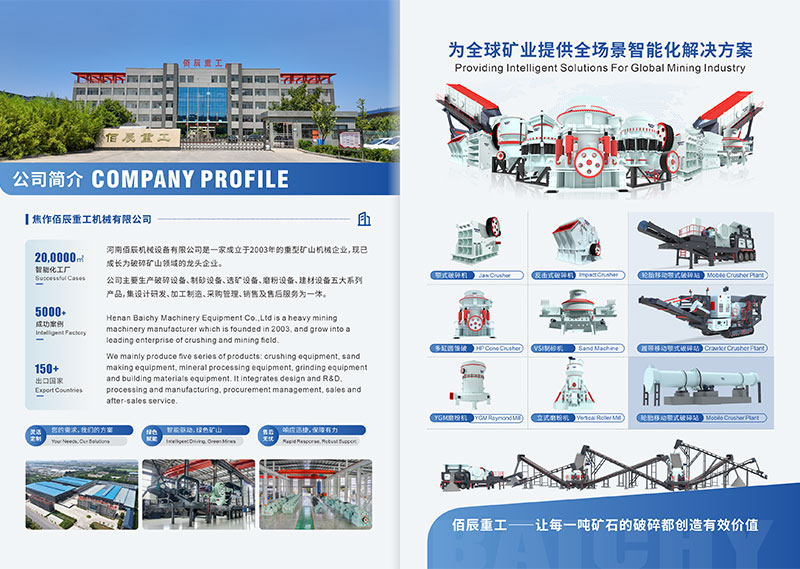
About of Baichy Heavy Industry
Baichy Heavy Industry is a high-tech mining equipment company integrating R&D, manufacturing, sales, and after-sales service. Focusing on crushing, grinding, and mineral processing equipment, we provide professional solutions to our customers. We are ISO9001:2015 、certified, and our products include mobile crushing palnts, crawler crushing plant, construction waste crushing plants, jaw crushers, sand making machines, cone crushers, fine crushers, grinding mills, ball mills, etc., all with reliable performance to meet diverse project needs.
Our advantages:
• Professional pre-sales support: Free project design and comprehensive solutions to help you accurately select the right equipment;
• Comprehensive on-site service: Providing installation guidance and worker training to ensure smooth equipment commissioning;
• Reliable after-sales guarantee: A complete after-sales system, timely response to technical inquiries and equipment maintenance, ensuring long-term stable operation.
To protect your rights, please contact us through the following official channels for professional service:
Official Website Customer Service
WhatsApp: 0086-15093222637
Email: [email protected]
We are committed to providing high-quality equipment and full-cycle services to deliver comprehensive intelligent solutions for the global mining industry!