
1100 Wet Pan Mill in Sudan
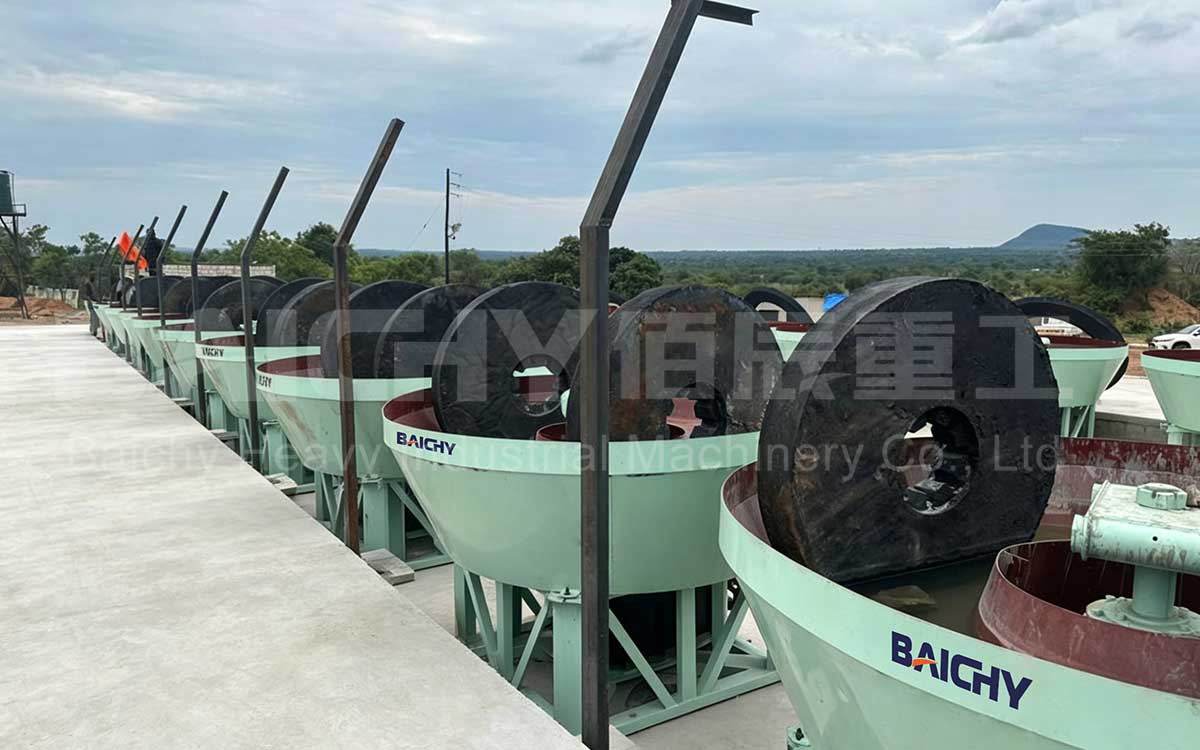
If you are operating a small concentrator in Sudan with a daily processing capacity of 5–10 tons of gold ore, the Model 1100 Wet Pan Mill is currently the grinding equipment with the highest return on investment in the African artisanal and small-scale gold mining (ASGM) market.
Key Reasons:
• Daily processing capacity of 8 tons (of gold ore), matching the daily output of over 90% of artisanal mines in Sudan.
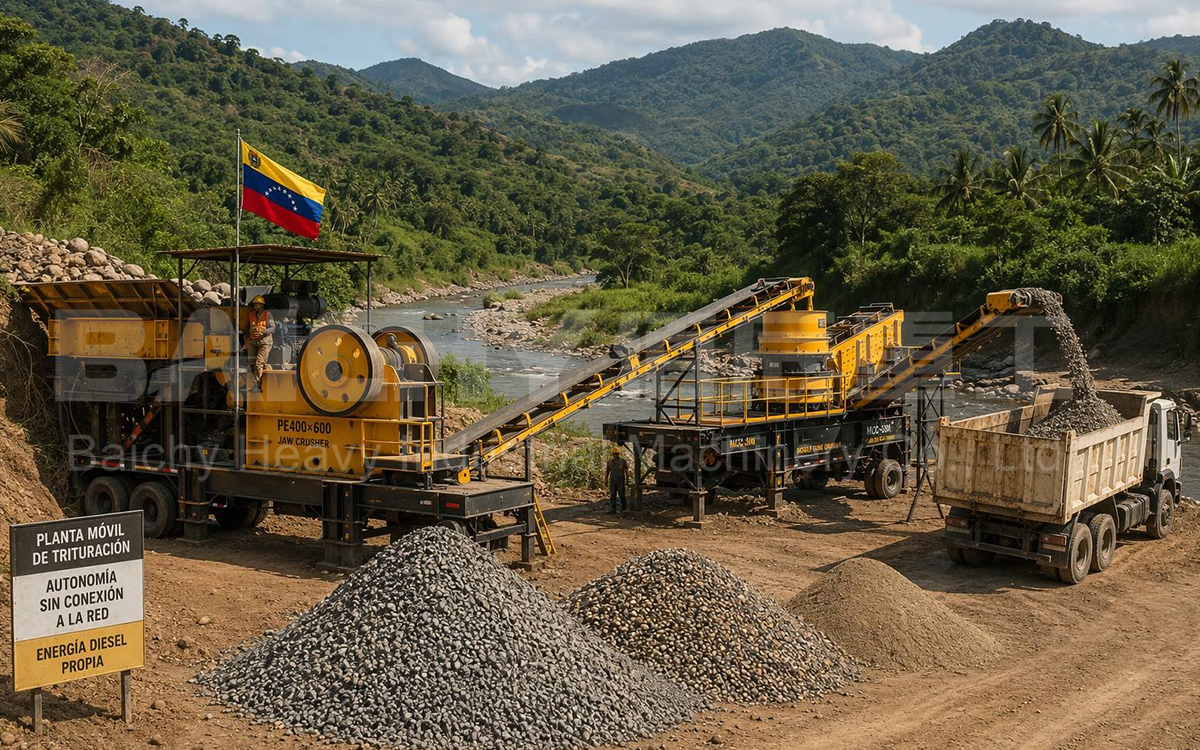
• Motor power of only 5.5kW, powered by a diesel generator, eliminating the need for grid connection in remote mining areas.
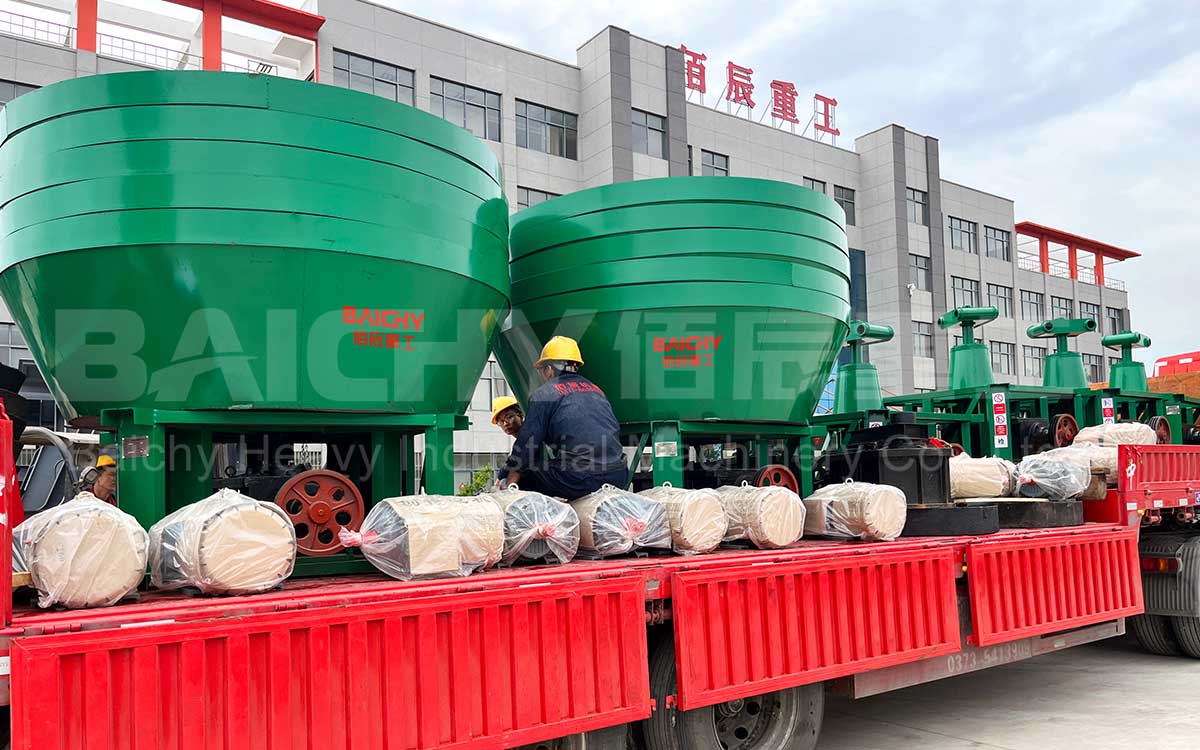
• Weighing only 4.5 tons, five units can be packed in a 20GP container, keeping logistics costs under control.
• Direct gold extraction via amalgamation, eliminating complex processes such as flotation/cyanidation, allowing for same-day production and gold production.
Sudan's gold production is projected to exceed 70 tons by 2025, with artisanal and small-scale mining (ASGM) contributing 91.5% of that output. The Model 1100 wet pan mill is the "golden entry point" to this market.
II. Market Background: Sudan, the "Heartland" of Global Artificial Gold Mining
2.1 Data Facts
| Indicators | Data | Source |
| Sudan's 2025 Gold Production | 70 tons (Exceeding Target) | Business Insider SSA, 2025 |
| Gold Mine Export Value | ~$1.8 billion | Business Insider SSA, 2025 |
| ASGM as a Percentage of Gold Production | 91.5% (2024) | African Gold Report, 2025 |
| Darfur Gold Mine Value | $860 million (2024) | Yale Environment 360, 2025 |
Sudan's artificial gold mining industry ranks among the top three globally and is still expanding rapidly. Remote sensing satellite data shows that ASGM mining sites along the Nile River are spreading at a rate exceeding 15% annually (ResearchGate, 2025).
2.2 Equipment Requirements Profile
The core needs of Sudanese gold mine owners are very clear:
1. Low investment threshold — Mine owners are mostly sole proprietors or small cooperatives, with a typical budget of no more than $8,000 per unit.
2. Ready to use immediately — Few parts, simple installation, no need for on-site engineers.
3. Low energy consumption operation — Mines are mostly located in desert areas far from the power grid, powered by diesel generators.
4. Quick returns — Gold extraction via amalgamation, with gold produced on the same day as grinding, resulting in extremely fast cash flow.
The 1100-type wet gold mill precisely addresses these four dimensions.
III. Technical Parameters and "Benefit Translation" of the 1100 Type Wet Gold Grinder
3.1 Core Parameter Table
| Parameter Item | Value | Description |
| Model | 1100 | Baichy Standard Model |
| Grinding Wheel Diameter | 1100±10 mm | — |
| Grinding Wheel Thickness | 200±20 mm | Thick wheel design, longer wear resistance and life |
| Grinding Disc Diameter | 1800±20 mm | - |
| Grinding Disc Thickness | 90±10 mm | - |
| Grinding Disc Width | 230–250 mm | - |
| Motor Power | 5.5 kW | Y6L Series Industrial Motor |
| Speed | 10–13 r/min (Gold Extraction Mode) | Low speed and high torque, avoids over-crushing of gold particles |
| Feed Particle Size | ≤30 mm | Requires front-end crushing with a small jaw crusher or hammer crusher |
| Processing Capacity (Gold Ore) | 8 tons/day | Related to ore hardness and feed particle size |
| Machine Weight | ~4.5 tons | Rollers and grinding discs can be detached and transported separately |
| Reference Price Range | 3,800–6,800 (Ex-factory Price) | Subject to configuration and order volume |
3.2 Profit Translation: How Parameters Turn into Profits
5.5kW Motor → Less than $2 in electricity cost per day
Sudanese diesel generator costs approximately $0.15–$0.20/kWh. A 1100 model operating for 8–10 hours a day costs $8–$11 in electricity. Compared to the 1200 model (7.5kW), which consumes at least $3–$4 more per day, this saves $1,000+ per year.
Daily Processing Capacity 8 Tons → Daily Gold Production 16–40 Grams
Sudanese gold ore grades fluctuate greatly. Based on a common grade of 2–5 g/t, processing 8 tons of ore per day with a recovery rate of 60%–80% (mercury amalgamation) allows a single unit to produce 10–32 grams of crude gold per day. Based on an international gold price of $2,500/oz (approximately $80/g), the daily revenue is $800–$2,560.
10–13 r/min low-speed grinding → Preserves gold particles, high recovery rate
Excessive rotation speed can cause gold particles to be over-crushed and embedded in the grinding disc grooves, making them difficult to recover. The 1100 model features a dedicated "gold extraction mode" (10–13 r/min), using low-speed, high-torque grinding to maximize the preservation of gold particle integrity, improving the amalgamation recovery rate by 5–8 percentage points.
4.5 tons total machine weight → 5 units can fit in one 20GP container
The 1100 model can be disassembled for separate transport of the grinding wheels and discs. A standard 20GP container can hold 5 complete 1100 model units, with a single unit costing only $200–$300 by sea to Port Sudan.
1100 Wet Pan Mill in Sudan
IV. Why does the Sudanese market choose the 1100 model instead of the 1200/1400 models?
4.1 Model Selection Comparison
| Comparison Dimensions | 1100 | 1200 | 1400 |
| Daily Processing Capacity (Gold Mine) | 8 tons/day | 10 tons/day | 20 tons/day |
| Motor Power | 5.5kW | 7.5kW | 15kW |
| Total Weight | 4.5 tons | 5.5 tons | 8.5 tons |
| Ex-factory Price Range | 3,800–6,800 | 4,600–8,000 | 6,800–12,000 |
| Daily Operating Electricity Cost | ~$10 | ~$14 | ~$27 |
| Recovery period (estimated) | 2–4 weeks | 3–5 weeks | 4–6 weeks |
| Suitable Mine Size | Small team of 2–5 people | Small team of 5–10 people | Medium-sized mine of 10+ people |
4.2 Selection Recommendations
For newly established inpidual mine owners with limited budgets → Select 1100. Daily output of 8 tons, operated by 2-3 people, payback period of 2-4 weeks, lowest risk.
Small teams with existing stable ore sources and needing to expand production → Choose 1200. An additional 1,000-2,000, but a 25% increase in daily output.
Medium-sized cooperatives with a daily output of 15 tons or more → Choose 1400. More significant economies of scale, lower grinding cost per ton.
The 1100 and 1200 are the two best-selling models in the Sudanese market. According to Ascend Mining industry data, "the small model is the 1100 and 1200 model, which is usually used in Sudan."
V. Supporting Equipment List: A complete small-scale gold processing line
The 1100 wet gold mill cannot operate independently; it requires crushing at the front end and grading at the back end. The following is a standard equipment setup for processing 8–10 tons of gold ore per day:
| Process | Recommended Equipment | Specifications | Function |
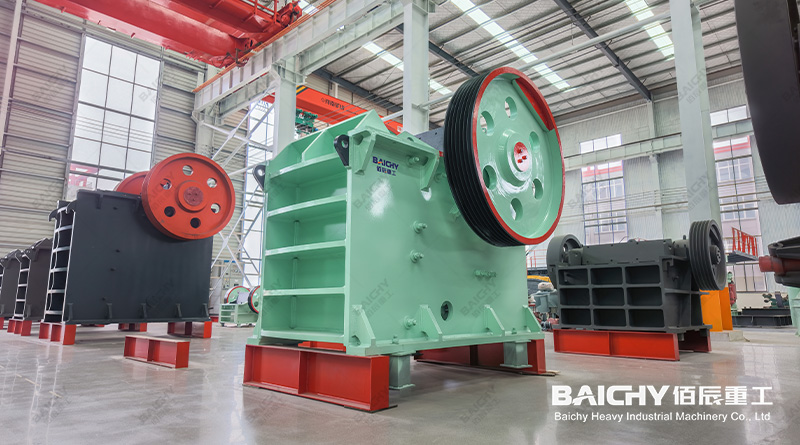
| Coarse Crushing | Small Jaw Crusher | PE200×300 or PE250×400 | Crushes the raw ore to ≤50mm |
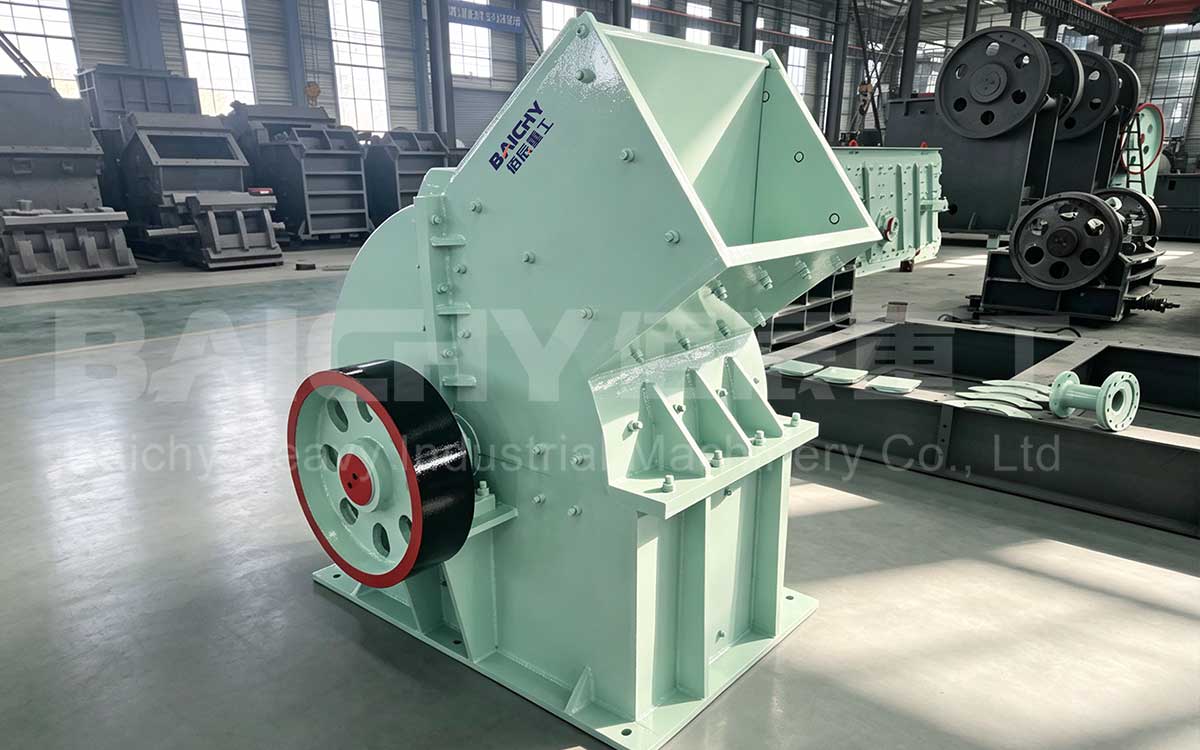
| Fine Crushing | Hammer Crusher | PC400×300 | Further crushes to ≤30mm, meeting mill feed requirements |
| Grinding/Gold Extraction | Wet Gold Mill | Type 1100 | Core equipment, grinding + amalgamation for gold extraction |
| Classification | Shaking Table or Spiral Chute | 6-S Type Shaking Table | Further recovers fine gold particles from tailings |
| Water Supply | Water Pump + Circulating Water Tank | - | Wet gold milling requires a continuous water supply |
Note: If the ore has low hardness (e.g., oxidized gold ore, weathered ore), the hammer crusher can be omitted, and the jaw crusher discharge can be directly fed into the mill. If the mine has limited water resources, a circulating water system is recommended.
VI. Five Practical Questions Most Concerning Sudanese Mine Owners
Q1: Is the Baichy 1100 model stable in high-temperature desert environments?
A: The core transmission components of the Baichy 1100 model (gearbox, spindle bearings) use industrial-grade high-temperature resistant grease. No additional cooling measures are needed at ambient temperatures below 45°C. However, it is recommended to build a simple sunshade over the motor and gearbox area to prevent premature aging of the lubricating oil due to prolonged exposure to sunlight. The standard Baichy Y6L motor has an IP54 protection rating, which can resist sand and dust intrusion.
Q2: How often should the grinding wheels and grinding discs be replaced?
A: This depends on the hardness of the ore and the daily operating time. For processing medium-hard gold ore (Mohs hardness 5–6), running for 8–10 hours per day, a set of grinding wheels and grinding discs will have a lifespan of approximately 3–6 months. Baichy offers two material options: manganese steel and wear-resistant cast iron. The latter has a longer lifespan but is about 30% more expensive. It is recommended to purchase 1–2 extra sets of easily worn parts during the initial purchase.
Q3: Is amalgamation for gold extraction safe? Are there environmental restrictions in Sudan?
A: Amalgamation does involve the use of mercury. Currently, there are no strict regulations in Sudan, but global trends are tightening them. It is recommended to install a mercury vapor recovery hood (available from Baichy) to recover mercury vapor during the heating and distillation process. This protects operator health and reduces mercury consumption (recovered mercury can be reused 6-8 times). In the long term, upgrading to a small-scale cyanide leaching or flotation system can be considered.
Q4: How is the equipment transported to the mining area after arriving at Port Sudan?
A: The 1100 wet grinding mill can be disassembled into 4-5 main components (grinding disc base, grinding wheels x2, drive shaft, motor), with the largest single component weighing no more than 1.5 tons. It can be transported in sections using a pickup truck. Major gold mining areas in Sudan (Nile State, Red Sea State, Darfur) are accessible by unpaved roads. Baichy provides detailed installation videos and remote guidance via WhatsApp.
Q5: How long does it take to recoup the investment?
A: Based on a daily processing capacity of 8 tons, an ore grade of 3 g/t, and a recovery rate of 70%, the average daily gold production is approximately 16.8 grams. At a gold price of 80/g, the average daily revenue is approximately 1,344. After deducting labor costs (2 people × 10/day), diesel fuel (10/day), and mercury consumption (~5/day), the average daily net profit is approximately 1,319. Equipment investment: 5,000–6,000, with a theoretical payback period of approximately 4–5 days. Even considering ore grade fluctuations and equipment downtime, the actual payback period is typically 2–4 weeks.
VII. Summary: Why choose the Baichy 1100 wet gold mill?
| Dimensions | Baichy Commitment |
| Price | Factory direct supply, no middlemen markups, ex-factory price 3,800–6,800 |
| Logistics | Professional heavy machinery packaging, 5 units per 20GP container, controllable sea freight |
| Quality | Industrial-grade manganese steel wear-resistant parts, grinding wheel/grinding disc matching tolerance ≤2mm |
| Service | 7×24h WhatsApp technical support, installation video + remote guidance |
| Accessories | Always stocked with 1100 type vulnerable parts, shipped within 72 hours after ordering |