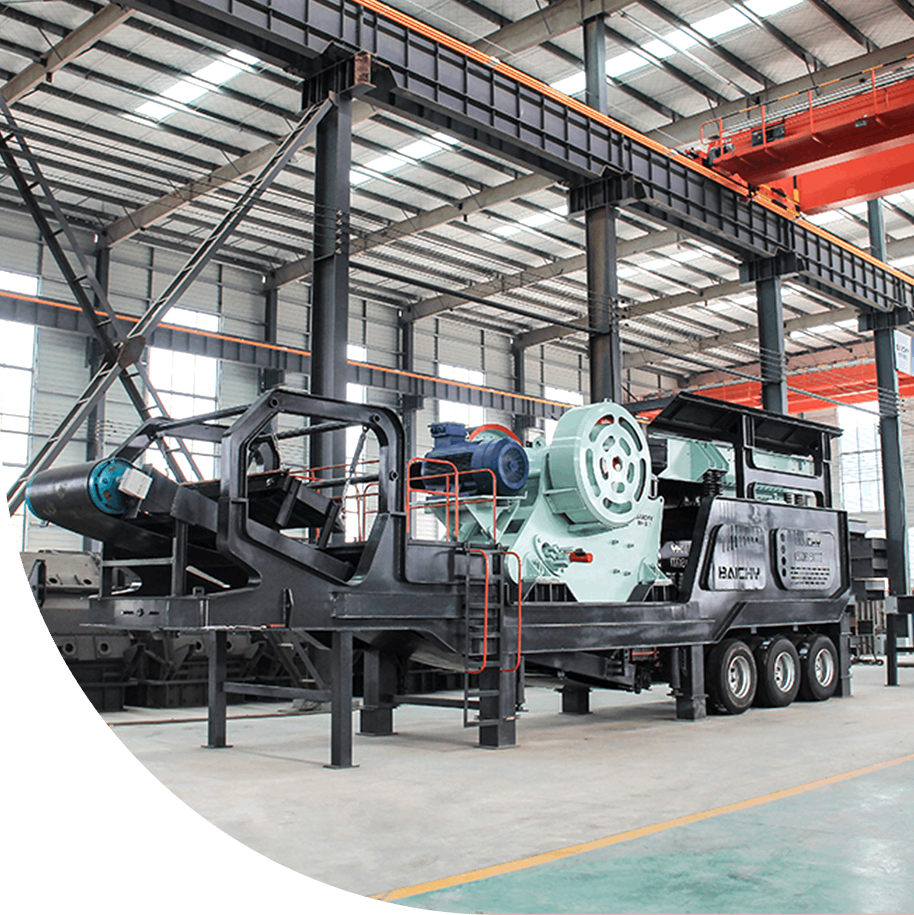

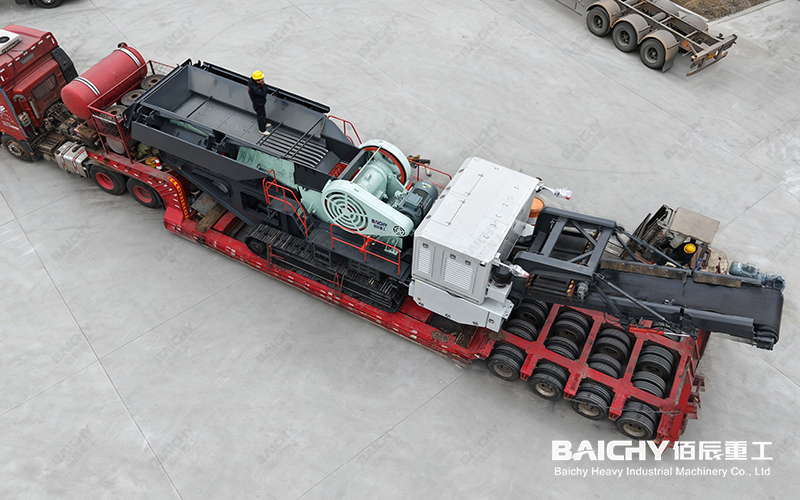
Tracked Jaw Crusher
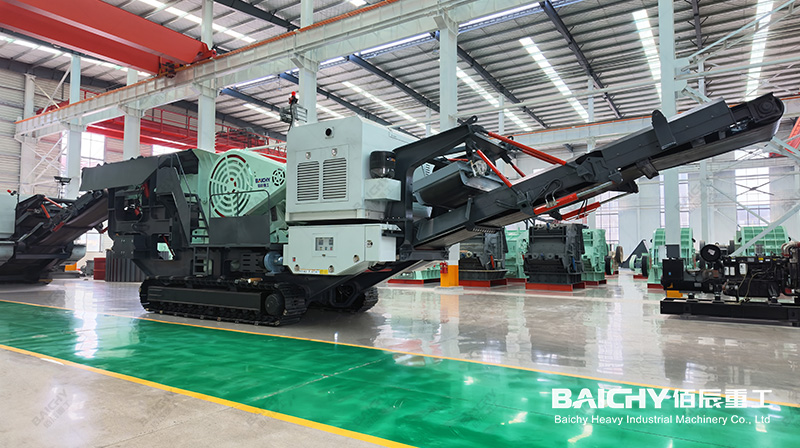
In numerous fields such as mining, building demolition, and road construction, tracked jaw crushers have become star equipment for modern mobile operations due to their superior mobility and powerful primary crushing capabilities. However, maximizing their efficiency and ensuring long-term stable operation requires standardized and scientific operation and maintenance. This article will delve into the key considerations for tracked jaw crushers in mobile operations, helping you achieve safe, efficient, and economical production.
In-depth Analysis of Core Considerations for Mobile Operations
The "mobile" attribute of tracked jaw crushers is both their greatest advantage and brings unique challenges compared to stationary equipment. Mobile operations require meticulous management from multiple dimensions, including site conditions, operation, and maintenance.
Careful Planning and Preparation Before Operations
Adequate preparation is half the battle. A thorough assessment of the operating environment is essential before the equipment arrives on site.
1.1 Site Assessment and Treatment
• Ground Bearing Capacity Survey: It is crucial to confirm that the ground bearing capacity of the transfer route and operating area meets the requirements. Soft, muddy, or uneven ground may cause equipment sinking, track slippage, or machine tilting, posing serious safety hazards. If necessary, the ground should be compacted, and steel plates or gravel should be laid.
• Space and Clearance Check: Ensure sufficient space in the operating and turning areas, and be aware of any overhead obstacles such as power lines or bridges. Plan the routes for loading and unloading vehicles to ensure smooth operation.
• Environmental Considerations: Consider slope limitations; equipment operating and moving on slopes requires strict tilt angles. Furthermore, in adverse weather conditions such as windy or rainy weather, operational safety must be carefully assessed.
1.2 Equipment Condition Pre-inspection
A comprehensive inspection must be conducted before starting the equipment; this should be a strict rule. Key areas of inspection include:
• Track System: Check the track tension for proper fit, and for any severely worn, cracked, or damaged track plates, track rollers, and carrier rollers.
• Jaw Crusher Main Unit: Check the wear of the jaw plates, ensure the fixing bolts are tight, and check the lubrication system oil level and quality.
• Power System: Check the diesel engine's oil, coolant, and fuel levels, and ensure the air filter is clean.
• Safety Devices: Confirm that the emergency stop button, protective covers, and audible and visual alarms are all in good working order.
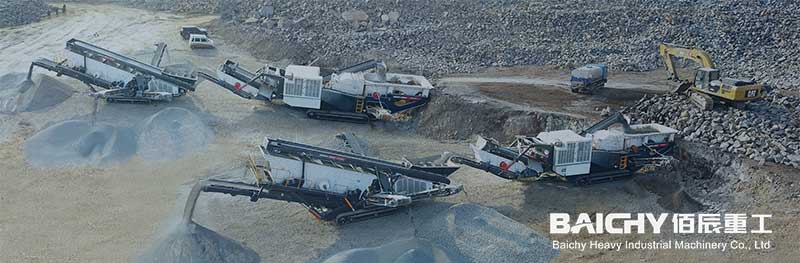
Mobile Operation of Tracked Jaw Crusher
Standardized Operation and Real-time Monitoring During Operation
Standardized operation is crucial for ensuring equipment and personnel safety and controlling operating costs.
2.1 Key Points for Crushing Operation
• Uniform Feeding: Use feeding equipment (such as a vibrating feeder) to ensure uniform and continuous material feeding. Avoid direct dumping to prevent blockage or overloading of the jaw crusher chamber. Material size must not exceed the equipment's maximum designed feed particle size.
• Discharge Port Adjustment: Adjust the discharge port size using the hydraulic adjustment system or shims with the equipment completely stopped, according to the target product particle size. Never adjust while the equipment is running.
• Anomaly Monitoring: Closely monitor the equipment's operating sounds and vibrations for any abnormalities. Monitor various parameters on the instrument panel (such as oil temperature, oil pressure, water temperature, current/voltage, etc.). If abnormal noise, severe vibration, or parameter alarms occur, stop the machine immediately for inspection.
2.2 Equipment Movement and Relocation
• Preparation before movement: Retract the conveyor, lock relevant components, and switch the equipment to "walking mode." Raise the feeder and ensure there are no obstructions under the chassis or along the travel path.
• Observation during movement: The operator should constantly observe the surrounding environment, and the equipment should be driven at a low and smooth speed under the direction of a designated person. Avoid lateral movement on slopes. For long-distance relocations, use flatbed trucks to reduce track wear.
Post-operation maintenance and long-term storage
Consistent maintenance is fundamental to extending equipment life and reducing unexpected downtime.
3.1 Daily and Periodic Maintenance
Strictly follow the maintenance manual. The table below shows an example of core maintenance items:
| Maintenance Cycle | Maintenance Item | Key Contents and Standards |
| Per Shift/Daily | Circumferential Inspection | Check for looseness, leaks, and abnormal noises; clean the equipment. |
| Lubrication Point Inspection | Add grease to designated bearings and other lubrication points. | |
| Every 250 hours | Filter Check | Inspect and clean/replace air filter and pre-filter oil filter. |
| Every 500 hours | Track Check | System check track tension and wear condition. |
| Every 1000 hours | Hydraulic Oil Check | Check hydraulic oil quality; filter or replace if necessary. |
| Critical Bolt Tightening | Tighten bolts on key components such as the main unit and motor to the required torque. |
3.2 Long-Term Storage
If the equipment needs to be idle for an extended period, special handling should be performed: thoroughly clean the equipment and apply rust-preventive oil to all exposed metal surfaces; park the equipment in a flat, dry indoor area; loosen track tension; disconnect the battery or perform periodic charging maintenance.
Key Advantages of Tracked Jaw Crusher Mobile Operation
• Integrated mobility, rapid positioning: Integrates feeding, crushing, and conveying into one unit, requiring no concrete foundation. Production can begin shortly after arrival at the site, significantly shortening the project preparation cycle.
• Adaptable to complex terrain, reaching deep into the front lines of operations: The tracked walking mechanism has low ground pressure and strong off-road capability, allowing it to directly reach raw material locations such as mines and construction waste dumps, achieving "crushing wherever the material is," saving significant intermediate transportation costs.
• Flexible relocation, multi-purpose: After completing one construction site, it can quickly move autonomously to the next, or flexibly switch between different work surfaces, greatly improving equipment utilization and return on investment.
• Energy-saving and environmentally friendly, reducing costs and increasing efficiency: On-site crushing reduces material transportation and vehicle exhaust emissions, aligning with green construction principles. Simultaneously, it directly reduces raw material transportation and external procurement costs.
Application Case: Construction Waste Resource Utilization Project
A construction waste resource utilization center in East China introduced a heavy-duty tracked jaw crusher manufactured by our company. This equipment directly enters the demolition site to crush large pieces of waste concrete and bricks on-site. Thanks to its powerful mobility and crushing force, it successfully converts construction waste into recycled aggregates of different specifications for use in road subbase and brick making. The project achieved "on-site processing and turning waste into treasure," avoiding the costs and environmental pressures of long-distance transportation of construction waste. The equipment's excellent site adaptability and stability received high praise from the client.
Related Equipment Recommendations
To build a more efficient mobile crushing production line, you may also need:
• Tracked impact crusher/cone crusher mobile station: As medium and fine crushing equipment, it can be paired with a tracked jaw crusher to produce high-quality finished aggregates of various specifications.
• Tracked screening mobile station: Screens and grades the crushed material, achieving precise finished product classification and enhancing product value.
• Wheel feeder/plate feeder: Ensures uniform and controllable feeding to the jaw crusher, and is a key auxiliary equipment for protecting the jaw plates and stabilizing production.
Frequently Asked Questions (FAQ)
Q1: What slope can a tracked jaw crusher operate on?
A: Specific slope limitations vary depending on the model, but the maximum permissible tilt angle is typically between 15-22 degrees. In actual operation, the specifications in the equipment manual must be strictly followed, and additional safety measures, such as using wooden blocks, must be taken when working on slopes. Exceeding design limits is strictly prohibited.
Q2: How to determine if the jaw plate needs replacement?
A: The main basis is whether the output particle size continues to exceed the standard and whether the production capacity has significantly decreased. In addition, the jaw plate tooth profile can be checked through the observation hole. When the wear height exceeds 1/3 to 1/2 of the original tooth height, or when local breakage or chipping occurs, the jaw plate should be considered for flipping or replacement to prevent damage to other components and ensure product particle size.
Q3: What precautions should be taken when operating the equipment in low-temperature winter environments?
A: Special attention should be paid to the following during winter operation:
① Use diesel fuel, engine oil, and hydraulic oil suitable for the local lowest temperature.
② Before starting, preheat the diesel engine oil pan and coolant.
③ After starting the equipment, allow it to idle for a period of time until the hydraulic oil temperature rises to the normal operating range before operating under load.
④ After the work is completed, drain the cooling water from the water pump and pipeline as much as possible, or use antifreeze to prevent freezing and cracking.
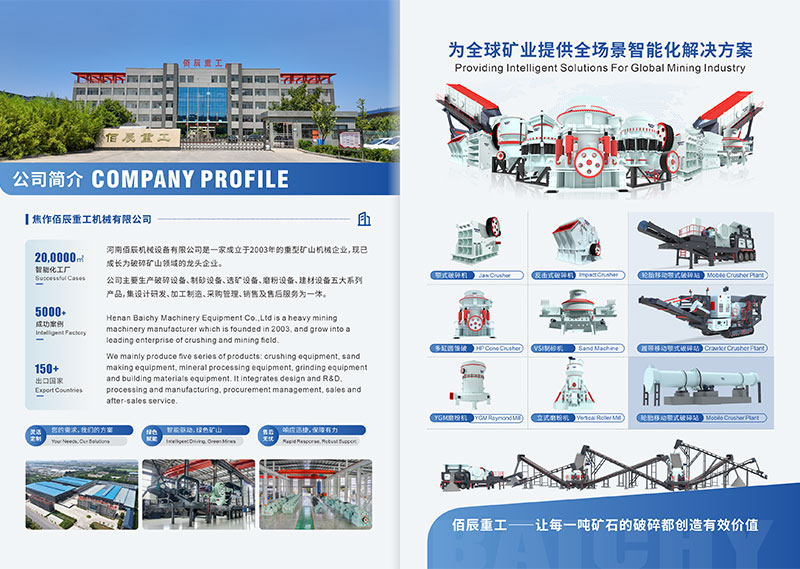
About of Baichy Heavy Industry
Baichy Heavy Industry is a high-tech mining equipment company integrating R&D, manufacturing, sales, and after-sales service. Focusing on crushing, grinding, and mineral processing equipment, we provide professional solutions to our customers. We are ISO9001:2015 、certified, and our products include mobile crushing palnts, crawler crushing plant, construction waste crushing plants, jaw crushers, sand making machines, cone crushers, fine crushers, grinding mills, ball mills, etc., all with reliable performance to meet diverse project needs.
Our advantages:
• Professional pre-sales support: Free project design and comprehensive solutions to help you accurately select the right equipment;
• Comprehensive on-site service: Providing installation guidance and worker training to ensure smooth equipment commissioning;
• Reliable after-sales guarantee: A complete after-sales system, timely response to technical inquiries and equipment maintenance, ensuring long-term stable operation.
To protect your rights, please contact us through the following official channels for professional service:
Official Website Customer Service
WhatsApp: 0086-15093222637
Email: [email protected]
We are committed to providing high-quality equipment and full-cycle services to deliver comprehensive intelligent solutions for the global mining industry!