
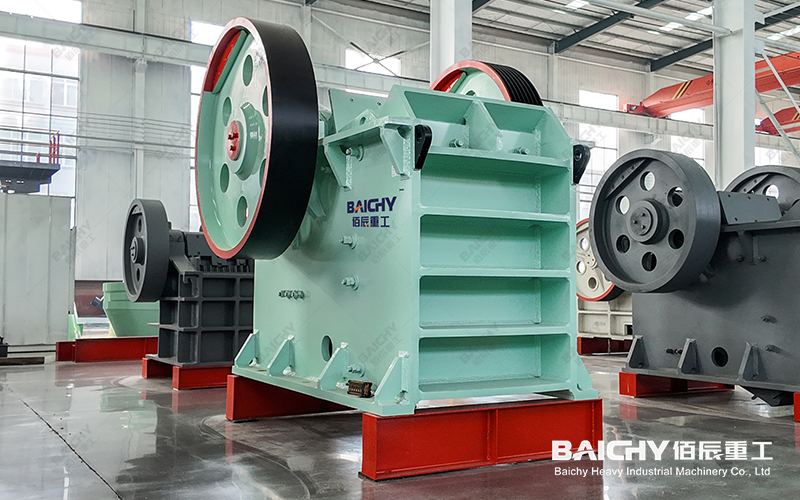
PE600x900 Jaw Crusher
A Practical Starting Point for Kyrgyzstan Aggregate Projects
Road construction, concrete production, and infrastructure development in Kyrgyzstan require a steady supply of correctly graded aggregate. River cobbles and rounded gravel are widely considered useful raw materials, but their smooth shape, high strength, and possible quartz content can make them more demanding than ordinary soft stone.
A PE600×900 jaw crusher—often called a “69 crusher”—can be used as the primary crushing stage. It is not, however, a complete production solution by itself. A reliable plant must also control feeding, remove unwanted fines, reduce the intermediate material, classify finished products, and return oversize material to the crushing circuit.
This article presents a differentiated configuration concept for a Kyrgyzstan cobblestone project. It focuses on how to balance the equipment around the 69 jaw crusher rather than simply listing a single standard machine combination.
Why Use a PE600×900 Jaw Crusher for Cobblestone?
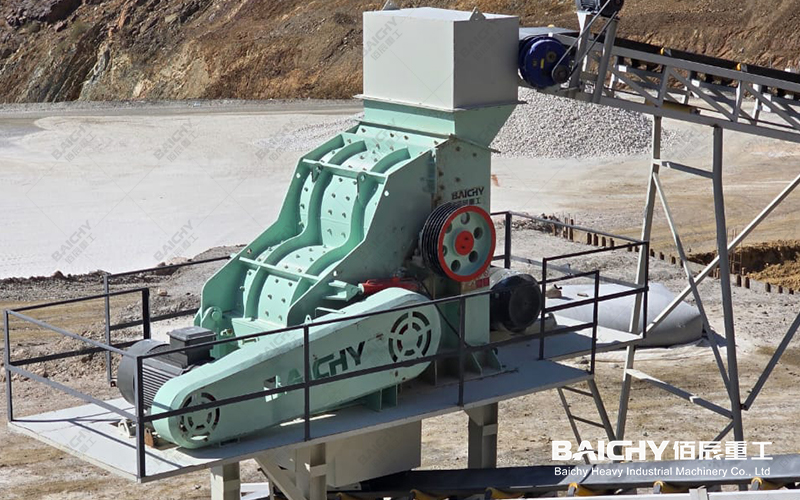
The PE600×900 jaw crusher is a practical primary crusher because it accepts relatively large stones and reduces them to a size suitable for secondary crushing. Its simple mechanical structure is also useful for projects that need straightforward inspection and maintenance.
Before choosing the crusher, confirm the following conditions:
• Maximum cobblestone feed size and feed gradation
• Required capacity in tonnes per hour
• Rock hardness, abrasiveness, and quartz content
• Target size after primary crushing
• Soil, clay, moisture, and natural-fines content
• Finished products required by the road or concrete project
• Available electricity, water, transport access, and installation space
The term “69 crusher” describes the jaw-crusher size, not the complete plant capacity or final product. The cone crusher, screen, conveyors, and washing equipment still need to be matched to the actual application.
Recommended Process Flow
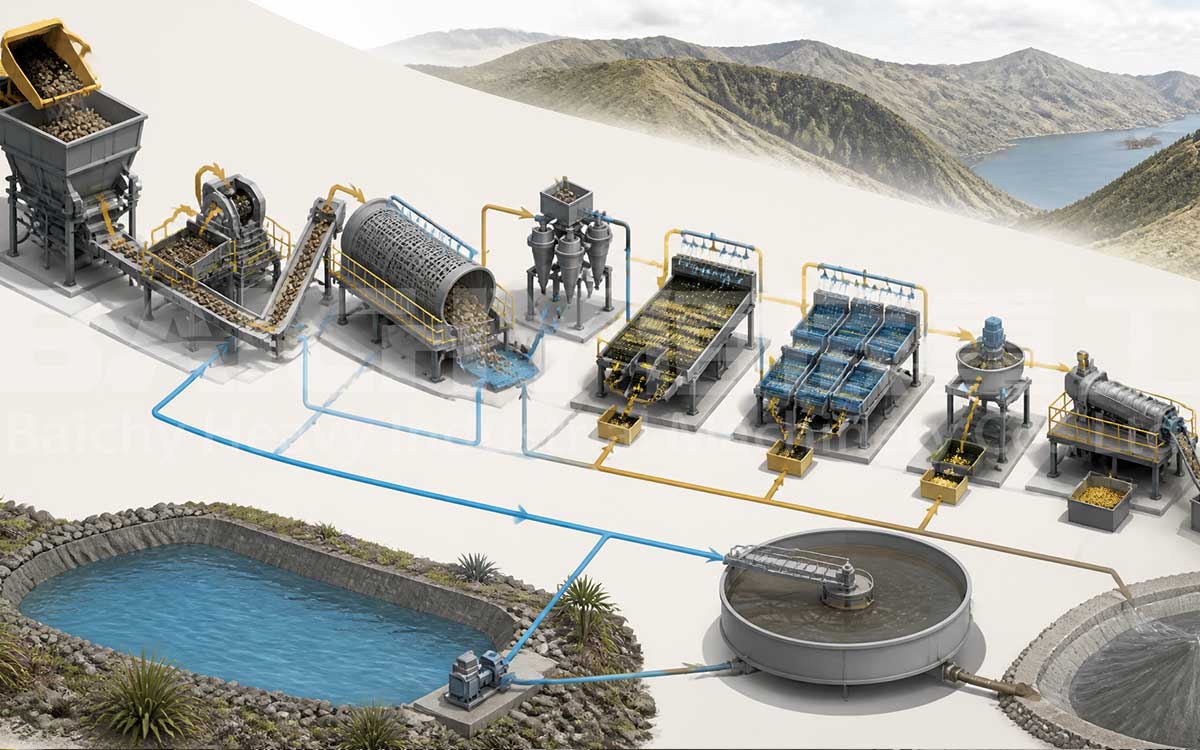
For ordinary coarse aggregate, a balanced closed-circuit process can be arranged as follows:
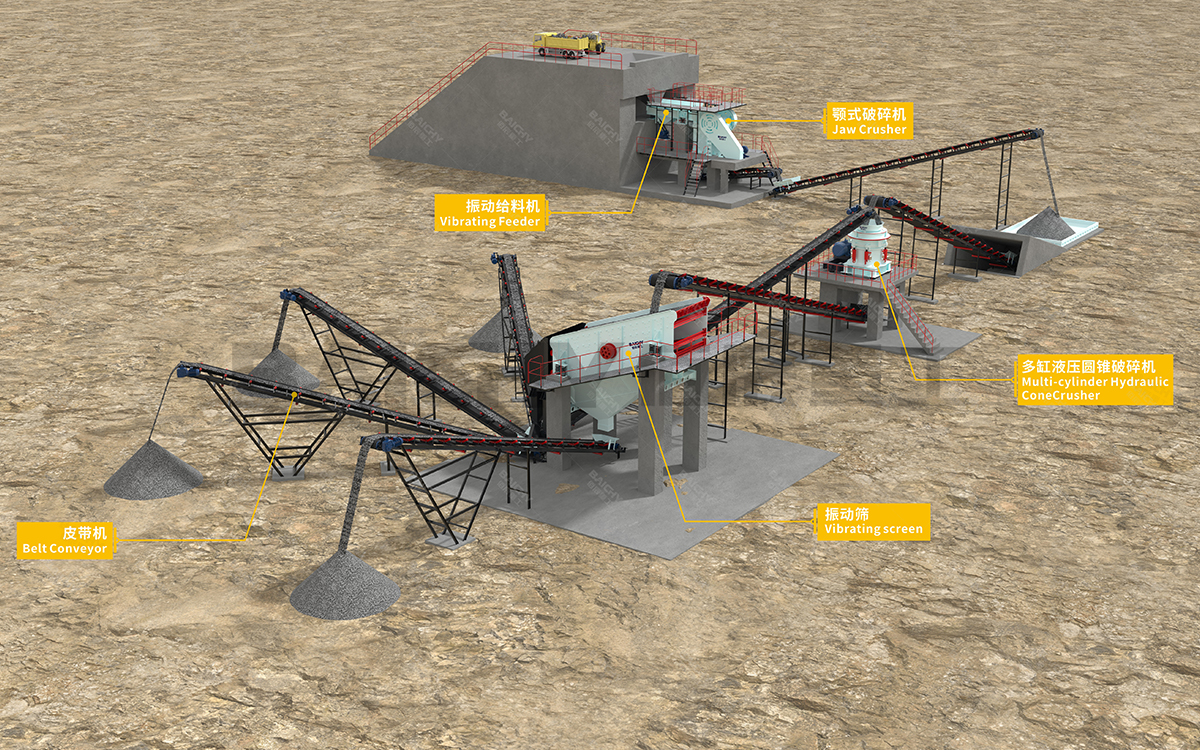
Schematic Diagram of a 69 Jaw Crusher + Cone Crusher Process Flow
The pre-screen removes soil and natural fines before they enter the jaw crusher. This can reduce unnecessary crushing and improve the screening result. When the cobblestone is clean and dry, the pre-screen may be simplified. When clay or sticky material is present, it becomes much more important.
For manufactured sand, the circuit can be extended:
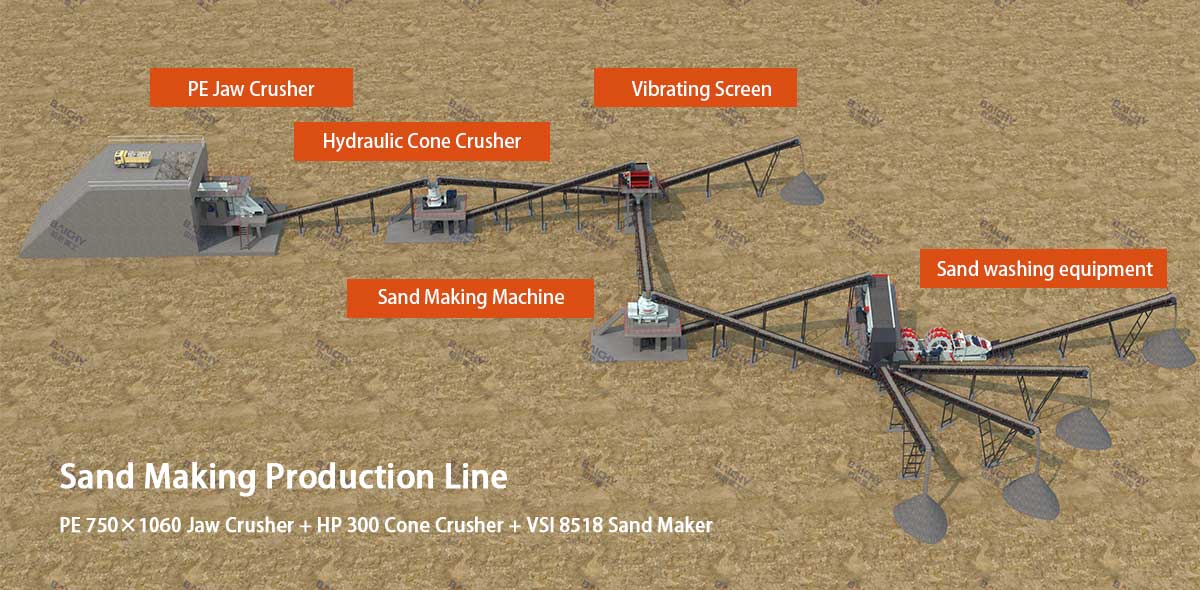
Schematic Diagram of the 69 Jaw Crusher + Sand Making Machine Process Flow
A representative raw-material sample should be checked before final design. Testing helps determine the crusher setting, screen aperture, liner material, and expected wear rate.
Reference Equipment Configuration
The following table is a planning reference, not a final quotation. Capacity and model matching must be confirmed after the project data is supplied.
| Process stage | Equipment | Function | Main selection factor |
|---|---|---|---|
| Feeding | Hopper and vibrating feeder | Provides continuous feed | Hopper volume and feed stability |
| Prescreening | Grizzly or feeder with screen | Removes soil and fines | Opening size and moisture |
| Primary crushing | PE600×900 jaw crusher | Breaks large cobblestones | Feed size and wear resistance |
| Secondary crushing | Cone crusher | Reduces hard intermediate material | Abrasiveness and capacity |
| Classification | Two- or three-deck screen | Separates finished sizes | Screen area and product sizes |
| Sand making | VSI crusher, if required | Produces sand and improves shape | Sand demand and feed gradation |
| Washing | Sand washer and dewatering screen | Removes clay and lowers moisture | Water supply and cleanliness target |
| Conveying | Product and return conveyors | Connects the complete circuit | Length, angle, and dust control |
Cone Crusher or Impact Crusher?
For hard and abrasive cobblestone, a cone crusher is usually the safer secondary-crushing choice. It uses compression, can be equipped with suitable wear parts, and works efficiently in a closed circuit. The screen sends oversize material back to the cone, while correctly sized aggregate moves to the stockpile.
An impact crusher may be considered when the rock is less abrasive and the project places a higher priority on cubical shape. With highly abrasive cobblestone, however, blow bars and impact liners may wear faster. The decision should therefore consider product shape, wear cost, maintenance resources, and required output—not only the initial equipment price.
Selecting the Final Products
Road Base and Concrete Aggregate
A jaw crusher, cone crusher, and multi-deck screen can produce several products, for example 5–10 mm, 10–20 mm, and 20–31.5 mm. The actual sizes should follow the customer’s specification. Separate stockpiles help prevent mixing and allow the plant to sell different fractions to different construction applications.
Manufactured Sand
When the project needs 0–5 mm manufactured sand, a VSI crusher can be added after secondary crushing and screening. Stable feed size and efficient classification are essential for controlling the sand gradation. If the raw material contains clay, a washer and dewatering screen may be needed. If water is limited, dry classification and dust control can be evaluated instead, subject to the final quality requirement.
Fixed, Semi-Mobile, or Mobile?
A fixed plant is suitable when the cobblestone source is stable and the project will operate for many years. It allows larger stockpiles and future expansion, but requires permanent foundations, electrical installation, and a planned site layout.
A semi-mobile plant can reduce civil-work requirements while maintaining a relatively organized process. It may suit a quarry or construction project where the feed point changes occasionally.
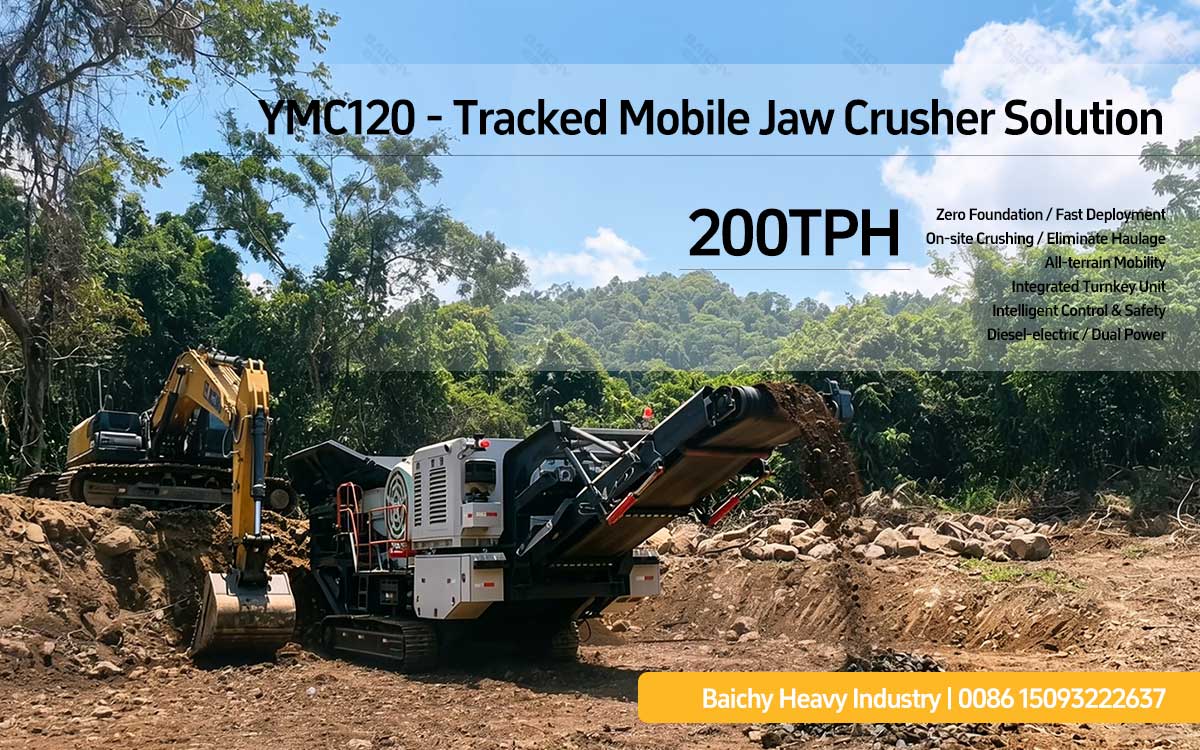
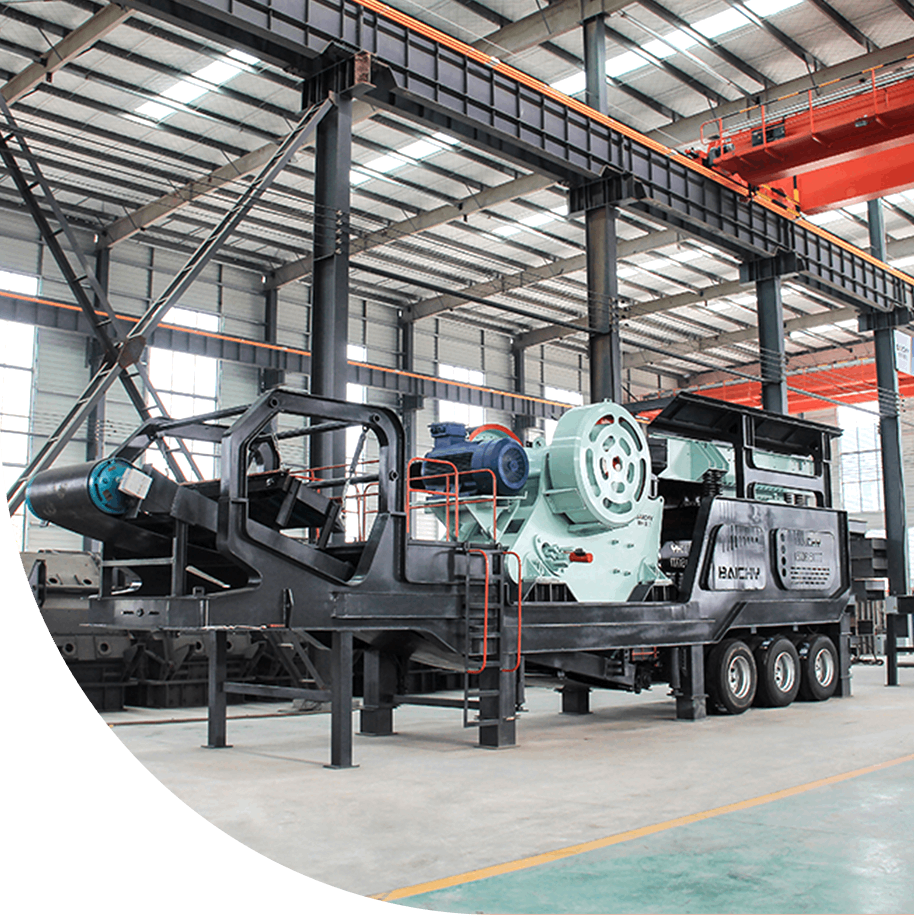
A mobile jaw-and-cone combination is useful for temporary projects, dispersed material sources, or difficult mountain access. Before choosing it, check road width, bridge limits, turning space, power or fuel supply, and the area needed for finished products.
Site and Maintenance Considerations in Kyrgyzstan
Mountainous terrain can affect transport, conveyor inclination, foundations, and access for maintenance. In colder areas, wet fines may freeze in hoppers, chutes, and screens. Lubricants, hydraulic systems, motors, and electrical cabinets should match the local operating temperature and be protected from moisture.
Dust control is important near settlements and work sites. Enclosed transfer points, water spray, dry dust collection, or a combination of methods can be selected according to climate and water availability. A clear maintenance route should be included so operators can safely reach jaw plates, cone liners, screen media, belts, and lubrication points.
To control wear and maintain output, operators should:
• Keep the feeder load steady and avoid sudden surges.
• Prevent metal and other uncrushable objects from entering the chamber.
• Inspect jaw plates, cheek plates, cone liners, and lubrication systems.
• Check screen panels, springs, vibration, belts, idlers, and transfer chutes.
• Record feed condition, discharge setting, motor load, product size, and wear consumption.
The smallest discharge opening is not always the best setting. The correct setting is the one that meets the product requirement at a sustainable wear, energy, and maintenance cost.
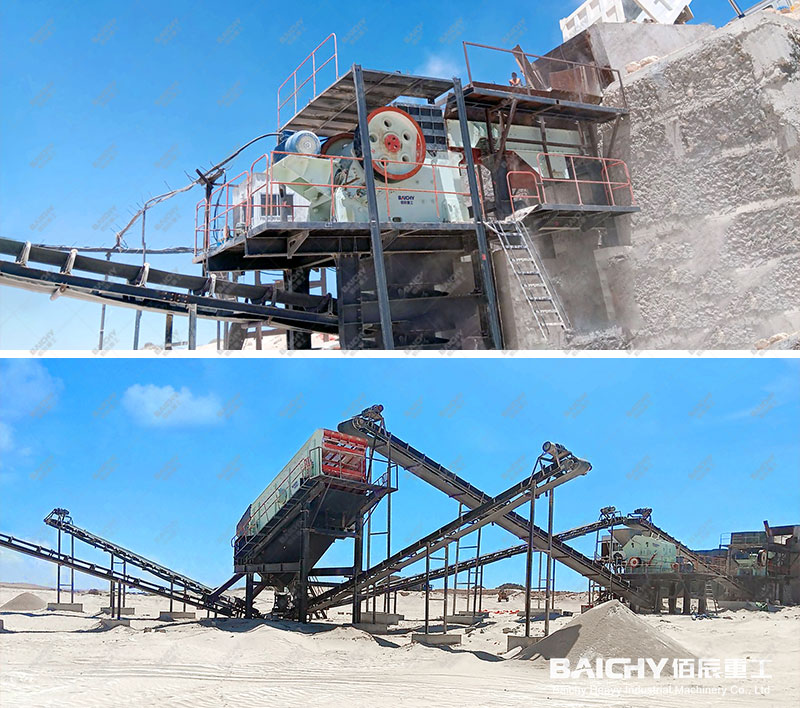
Kyrgyzstan Cobblestone Crushing Line: 69 Crusher Guid
Data Required for Final Design
Before a supplier prepares the final flow sheet and power list, the customer should provide:
• Target capacity and operating hours
• Maximum feed size and feed gradation
• Hardness, abrasiveness, moisture, and clay content
• Required product sizes and tolerances
• Whether manufactured sand is needed
• Washing, dewatering, or dry classification requirements
• Available voltage and power reliability
• Site elevation, climate, access, and installation area
• Fixed, semi-mobile, or mobile preference
These data determine the jaw setting, secondary-crusher model, screen area, conveyor capacity, motor selection, and spare-parts plan. They also prevent the common mistake of designing around one crusher while leaving the rest of the circuit unbalanced.
Conclusion
A PE600×900 jaw crusher can provide an effective primary stage for a Kyrgyzstan cobblestone project, but a dependable “69 crusher line” must be designed as a complete system. Controlled feeding, prescreening, abrasion-resistant secondary crushing, accurate classification, and a suitable return circuit are all important.
For road and concrete aggregate, the basic jaw–cone–screen combination is a practical starting point. For manufactured sand, the line can be extended with a VSI crusher, washer, dewatering screen, or fine-material recovery unit. The best configuration depends on feed properties and product requirements, not on a standard equipment list.
Confirming the feed size, capacity, hardness, fines content, and final gradation before ordering will help the project achieve stable production, easier maintenance, and better long-term operating value.
Frequently Asked Questions
1. Can a PE600×900 jaw crusher process cobblestone?
Yes. It can act as the primary crusher when the feed size, rock strength, capacity, and discharge setting are within its operating range. The machine should be protected from metal and excessive fines.
2. What crusher should follow the 69 jaw crusher?
For hard and abrasive cobblestone, a cone crusher is often the preferred secondary stage. An impact crusher may be suitable when abrasiveness is lower and particle shape is the main priority.
3. Is a pre-screen necessary before the jaw crusher?
Not for every project, but it is strongly useful when the feed contains soil, clay, or abundant natural fines. It can reduce unnecessary crushing and improve capacity and screening efficiency.
4. Can this line produce manufactured sand?
Yes. A VSI sand maker can be added after secondary crushing and screening. Depending on cleanliness and moisture requirements, the project may also need a washer, dewatering screen, or fine-material recovery unit.
5. How should the final configuration be confirmed?
Provide the maximum feed size, target capacity, cobblestone properties, moisture and clay content, final product sizes, power conditions, and site layout. These details allow all crushers, screens, conveyors, motors, and wear parts to be matched as one balanced system.
Baichy Heavy Industry
Baichy Heavy Industry is a high-tech mining equipment company integrating R&D, manufacturing, sales, and after-sales service. Focusing on crushing, grinding, and mineral processing equipment, we provide professional solutions to our customers. We are ISO9001:2015 Certified, and our products include mobile crushing palnts, crawler crushing plant, construction waste crushing plants, jaw crushers, sand making machines, cone crushers, fine crushers, grinding mills, ball mills, etc., all with reliable performance to meet diverse project needs.
Baichy Heavy Industry – Your Trusted Partner
To ensure optimal performance of your equipment, Baichy Heavy Industry offers:
- Professional on-site installation guidance
- Comprehensive operator training
- 24/7 technical support & maintenance services
Our complete after-sales service system guarantees long-term, stable operation of your machinery with minimal downtime.
Protect Your Rights – Only Use Official Channels
To avoid scams and ensure authentic support, contact us exclusively through:
• Official Website: www.baichychina.com
• WhatsApp: +8615093222637
• Email: [email protected]
Your satisfaction is our priority – expect prompt, professional service every time.
(Note: Beware of unauthorized third parties claiming to represent Baichy. Always verify through official contacts.)