
Introduction: Start With the Ore, Not the Equipment List
A 300-ton-per-hour gold project in New Zealand needs more than a list of large machines. Feeding, washing, screening, classification, gravity recovery, water circulation and tailings handling must operate as one system.
The correct design starts with the ore. Is the deposit alluvial, weathered, oxidised or hard rock? Is the gold coarse and liberated, fine and free, or associated with sulphide minerals? How much clay enters the plant during wet weather? These answers determine whether the circuit needs scrubbing, crushing, grinding, several gravity stages or a combined recovery process.
The objective is not simply to claim a nominal 300 TPH. It is to create a stable circuit that controls the feed, recovers the gold that responds to gravity concentration, recycles water efficiently and remains serviceable at a remote site.
Recommended: Gold CIL Production Line - 200 TPD Processing Plant Solution
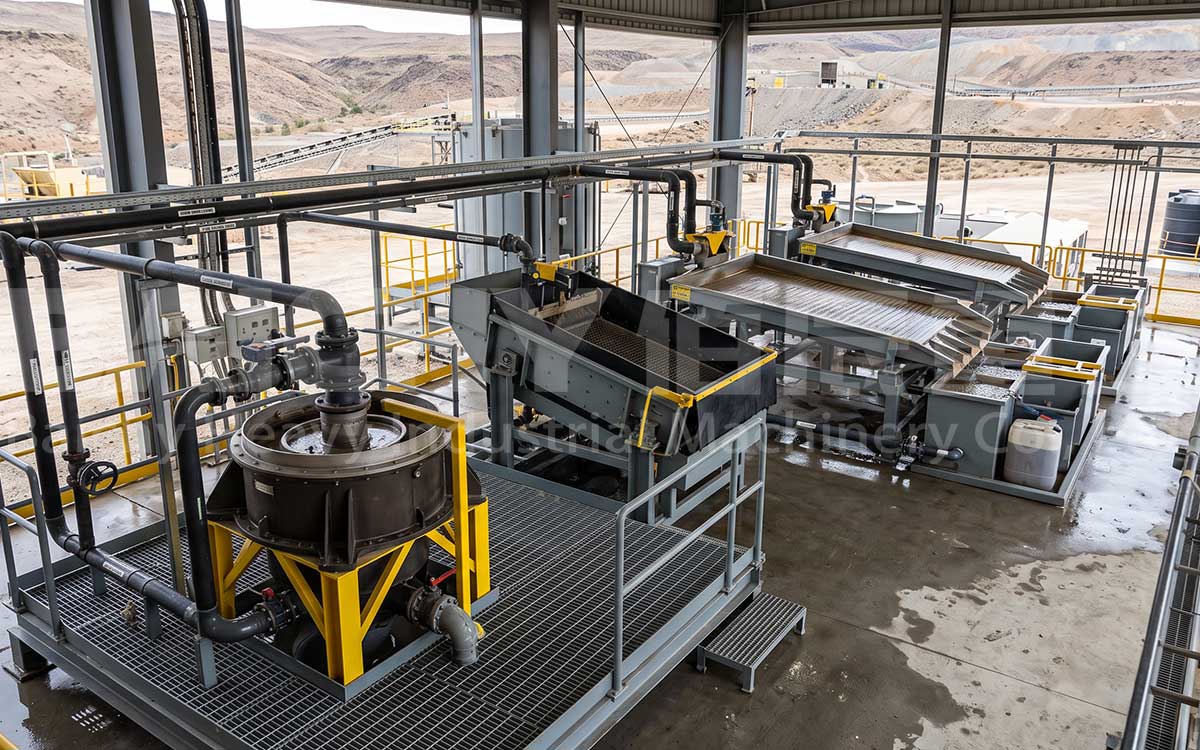
gold-gravity-separation-process
What Does “300 TPH” Mean in Practice?
“300 TPH” normally describes the design feed rate. Actual performance changes with feed size, moisture, clay content, hardness and gold liberation. Clean alluvial gravel may be screened and washed before gravity recovery. Hard-rock ore may require crushing and grinding before the gold can be separated.
Before selecting equipment, define the nominal and peak feed rate, maximum feed size, target product size, ore hardness, moisture, clay content, gold particle-size distribution, operating hours, water conditions, power supply, access and tailings requirements.
A 300 TPH plant is a coordinated circuit, not one oversized gravity machine. Stable feeding and accurate size separation protect the recovery section from fluctuating loads.
Recommended 300 TPH Gold Gravity Separation Flow
A practical starting concept is:
ROM feed hopper → controlled feeding → crushing or screening → washing and scrubbing → classification → coarse gold recovery → fine gold recovery → concentrate cleaning → dewatering → tailings and water recycling
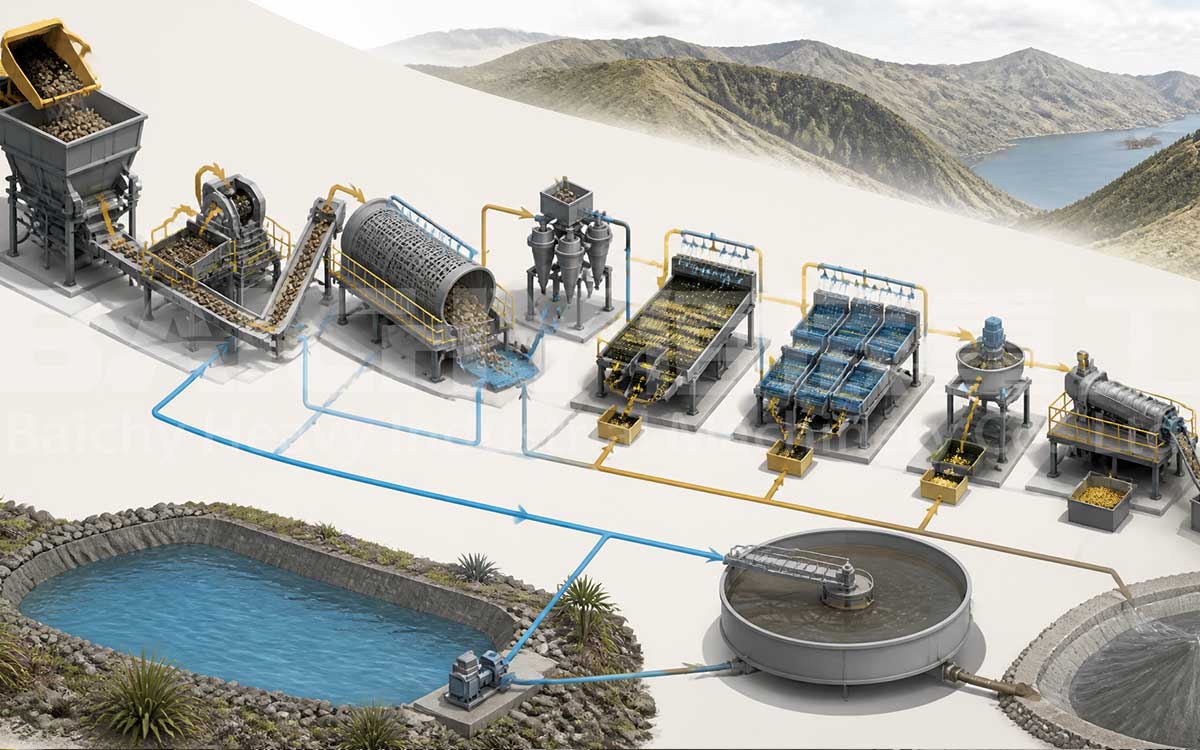
gold-processing-plant-New-Zealand
This is a design framework, not a fixed final flowsheet. Ore testing and mass-balance calculations should confirm the final arrangement.
Feed Control, Crushing and Washing
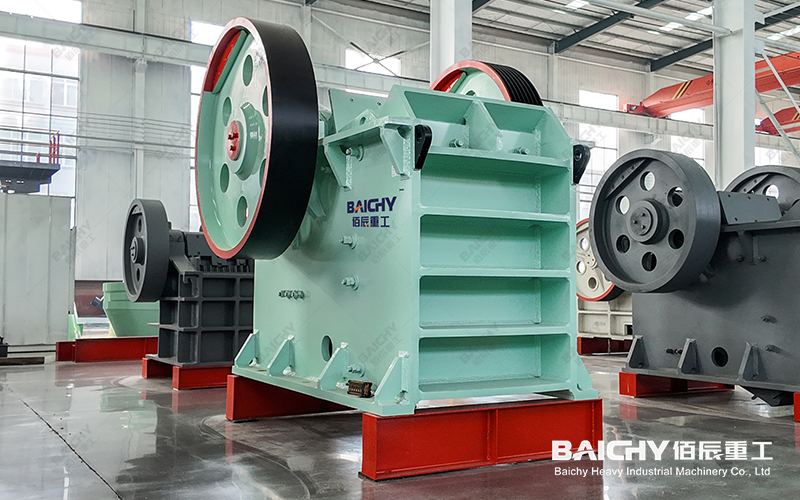
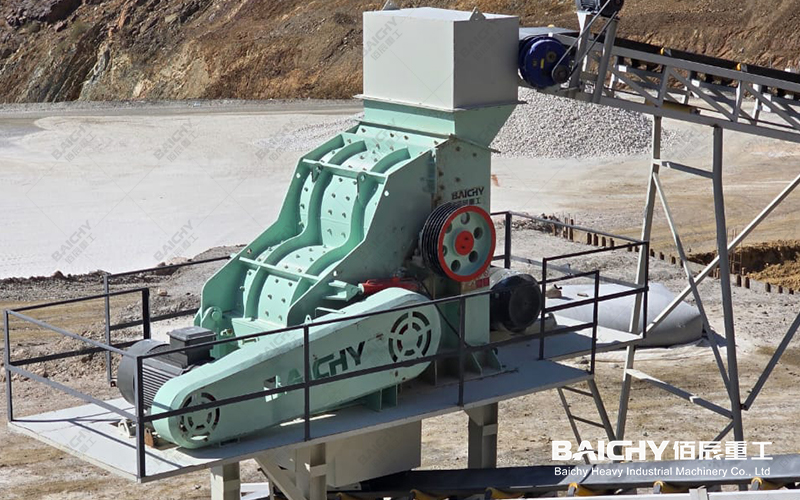
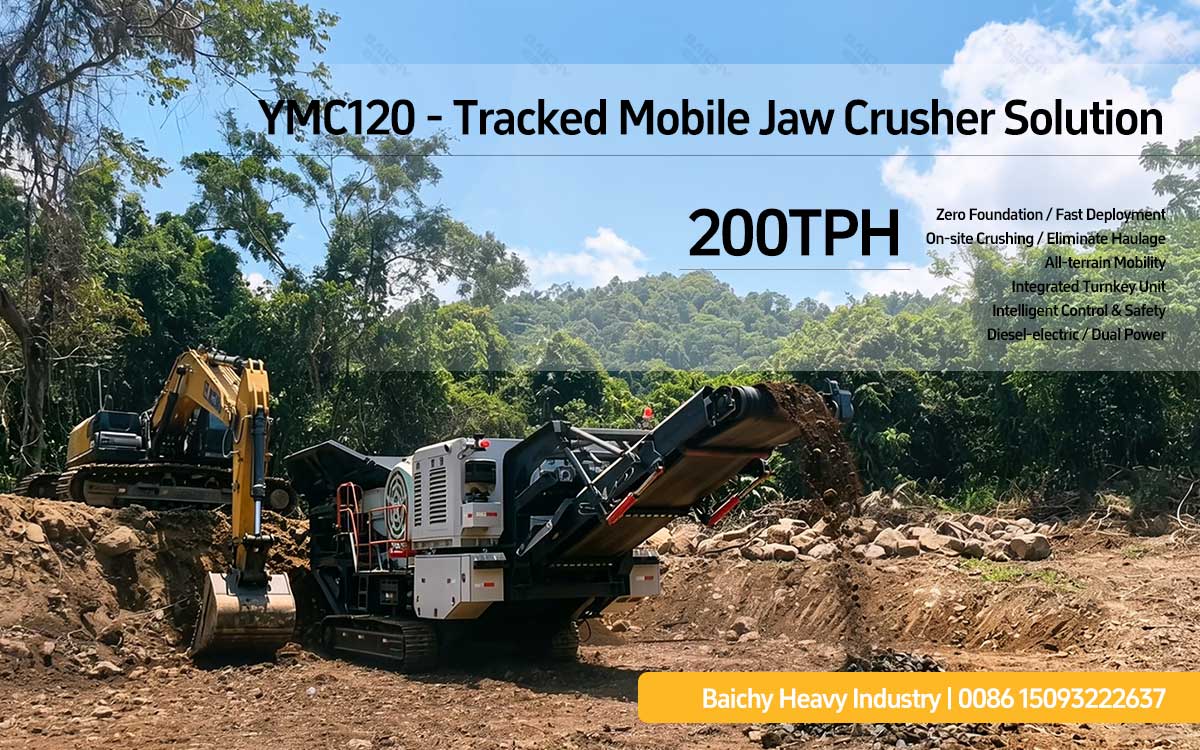
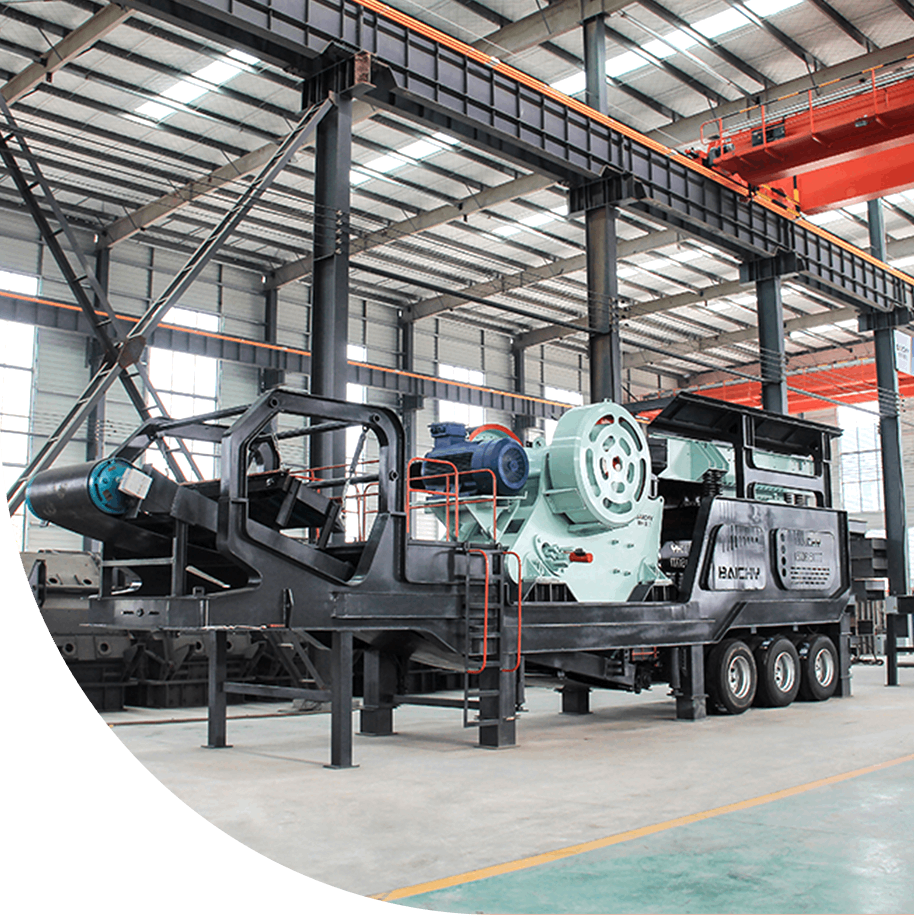
A hopper, grizzly and vibrating feeder regulate the plant feed. A steady flow helps screens, scrubbers, pumps and concentrators stay within their design range. Hard-rock ore may need a jaw crusher and secondary crushing, while alluvial material may bypass most crushing.
Washing is important when clay coats gold particles or binds gravel into lumps. Depending on test results, the circuit may use a trommel, scrubber or washing screen. The objective is a consistent feed for gravity separation—not equipment added without a process reason. For a remote New Zealand site, safe access, spare parts and a practical bypass should be included in the layout.
Classification and Gold Recovery
Classification pides the feed into size streams. Coarse material may report to a jig, sluice or gravity concentrator; finer slurry may be directed to a centrifugal concentrator or fine-gravity circuit.
Gravity separation uses the density difference between gold and lighter gangue. It works best when gold is sufficiently liberated. A shaking table is usually more suitable for concentrate cleaning than for treating the full 300 TPH feed, so it normally belongs in the upgrading section.
If gold is extremely fine or locked in sulphide minerals, gravity alone may not achieve the required overall recovery. Gravity can still provide early recovery or pre-concentration, while flotation, leaching or another method is assessed for the remaining gold. This decision should be based on mineralogical and metallurgical testing.
Preliminary Equipment Structure
The following table supports an initial technical discussion. Final equipment numbers and sizes must be calculated from ore testwork and duty points.
| Process section | Possible equipment | Main purpose | Selection focus |
|---|---|---|---|
| Feed control | Hopper, grizzly, vibrating feeder | Regulate ore flow | Peak rate and top size |
| Size reduction | Jaw crusher, crusher or mill | Liberate hard-rock gold | Hardness and product size |
| Washing | Trommel, scrubber, washing screen | Remove clay and break lumps | Clay content and washability |
| Classification | Screen, hydrocyclone, classifier | Separate size streams | Cut size and slurry density |
| Coarse recovery | Jig, sluice, gravity concentrator | Recover coarse free gold | Gold size distribution |
| Fine recovery | Centrifugal concentrator, table | Recover or clean fine gold | Liberation and concentrate quality |
| Tailings and water | Thickener, settling pond, pumps | Recycle water and manage solids | Water balance and site limits |
This arrangement separates a robust high-throughput front end from a smaller, controlled concentrate-cleaning section. It also makes staged expansion easier to assess.
Adapting the Flowsheet to the Ore
Alluvial and Placer Gold
Alluvial ore may need less crushing but can contain large gravel, roots, clay and variable moisture. Screening and washing become the key stages. A modular washing and gravity plant may suit staged development or relocation. Oversize and fines management must still be planned.
Weathered or Oxidised Ore
Weathered material can be easy to break but may generate fines and clay. The design should test scrubbing, desliming and water clarification. If the gold is fine, different gravity stages should be compared rather than assuming a coarse-gold device is sufficient.
Hard-Rock Gold Ore
Hard-rock projects generally require controlled crushing and, where necessary, grinding. Gravity recovery can capture liberated coarse gold early and reduce the load on downstream treatment. Gold locked inside sulphides or very fine particles may require a combined flowsheet.
New Zealand Site Factors
A laboratory flowsheet may need changes before field installation. Review rainfall, drainage, winter conditions, road access, lifting capacity, electrical supply, water storage and maintenance response time. Tailings planning should be completed with the plant layout, including solids density, overflow clarity, stormwater control and future expansion. Local consent and environmental requirements should be confirmed with qualified professionals.
Useful monitoring points may include feeder rate, screen load, pump pressure, sump level, slurry density and motor load. The goal is stable operation and early fault detection—not maximum automation for its own sake.
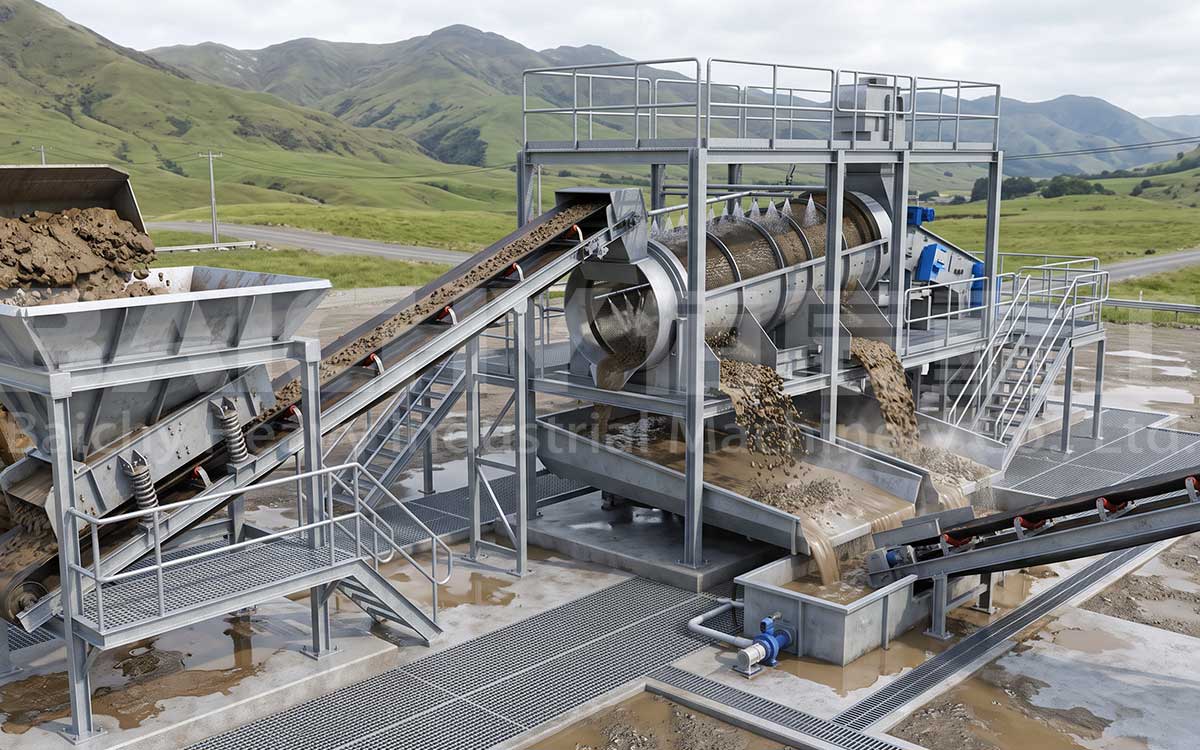
300-TPH-gold-processing-plant
A Test-Led Project Development Sequence
1. Define the ore and target: record ore type, top size, moisture, clay content, gold size and operating hours.
2. Complete representative testwork: check washing response, size distribution, liberation and gravity performance.
3. Prepare a flowsheet and mass balance: estimate solid, water, concentrate and tailings streams.
4. Check site conditions: review access, power, water, drainage, foundations and tailings space.
5. Size equipment and plan commissioning: include operating margin, inspection access, training and spare parts.
This test-led sequence is the main difference from a catalogue-based solution: process data and site realities come before the equipment list. It gives the customer a clearer basis for comparing capital cost, operating risk and expansion options.
Frequently Asked Questions
1. Can a gravity plant process 300 tons of gold ore per hour?
Yes, a complete plant can be designed around a 300 TPH feed rate. The capacity must be achieved by coordinating feeding, screening, washing, classification and recovery equipment. A single gravity machine should not be expected to process the entire feed.
2. Is gravity separation suitable for every gold deposit?
No. It is best suited to liberated or partially liberated gold that responds to density-based separation. Very fine, locked or sulphide-associated gold may require a combined process confirmed by testing.
3. Does a 300 TPH plant always need washing?
No. Washing is most valuable when the ore contains sticky clay, mud or cemented gravel. Clean, free-flowing ore may need only screening and classification. The decision should follow washability tests.
4. Can one plant process both alluvial and hard-rock gold?
A plant may use modular or alternative sections, but alluvial and hard-rock ores usually have different crushing, washing, grinding and classification requirements. One fixed equipment list should not be used for both without testing.
5. What should a New Zealand customer provide first?
Provide the ore type, feed size, clay content, gold particle size, target capacity, site conditions, water availability and desired concentrate quality. Representative samples or test results will support a more reliable process recommendation.
Baichy Heavy Industry
Baichy Heavy Industry is a high-tech mining equipment company integrating R&D, manufacturing, sales, and after-sales service. Focusing on crushing, grinding, and mineral processing equipment, we provide professional solutions to our customers. We are ISO9001:2015 Certified, and our products include mobile crushing palnts, crawler crushing plant, construction waste crushing plants, jaw crushers, sand making machines, cone crushers, fine crushers, grinding mills, ball mills, etc., all with reliable performance to meet diverse project needs.
Baichy Heavy Industry – Your Trusted Partner
To ensure optimal performance of your equipment, Baichy Heavy Industry offers:
- Professional on-site installation guidance
- Comprehensive operator training
- 24/7 technical support & maintenance services
Our complete after-sales service system guarantees long-term, stable operation of your machinery with minimal downtime.
Protect Your Rights – Only Use Official Channels
To avoid scams and ensure authentic support, contact us exclusively through:
• Official Website: www.baichychina.com
• WhatsApp: +8615093222637
• Email: [email protected]
Your satisfaction is our priority – expect prompt, professional service every time.
(Note: Beware of unauthorized third parties claiming to represent Baichy. Always verify through official contacts.)