
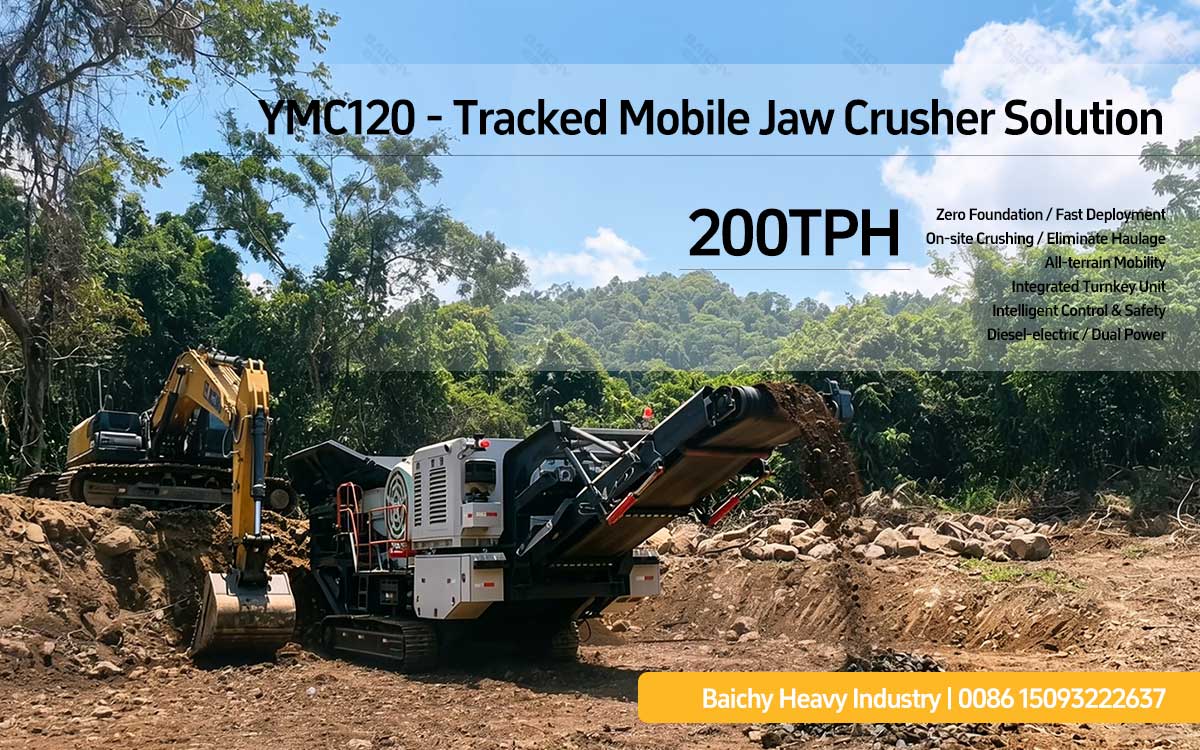
200 TPH Tracked Jaw Plant for Philippine Pebbles
A Philippine aggregate project may work around river deposits, temporary stockpiles, uneven ground, and changing access routes. When hard river pebbles must be processed at approximately 200 tons per hour, a tracked jaw crushing plant offers a practical primary-crushing solution.
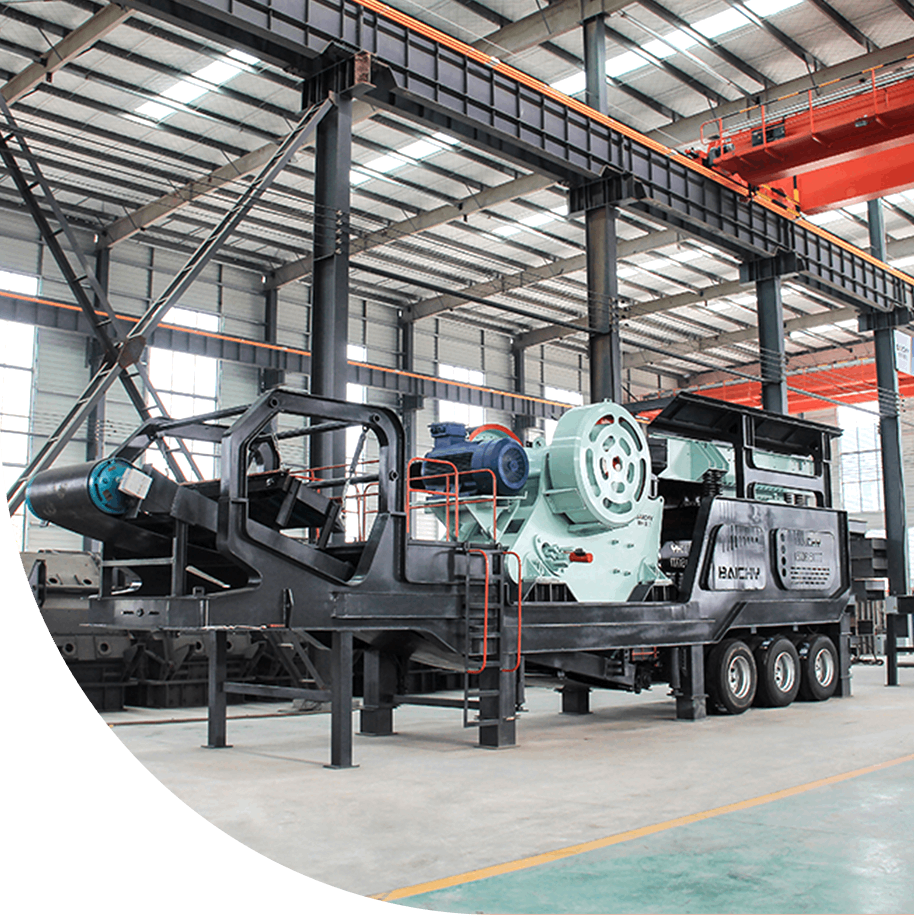
The plant combines a feeder, jaw crusher, crawler chassis, and discharge conveyor in one mobile unit. It can move closer to the working face or stockpile, reducing internal hauling. Final selection must match the feed size, hardness, moisture, fines, discharge size, and downstream process.
Why Philippine Pebbles Need the Right Crusher?
River pebbles may look smooth but can be hard and abrasive inside. Their rounded shape can also make feeding less consistent than angular blasted rock. Oversized rocks, wet fines, and irregular loading may cause bridging, blockage, unstable capacity, and faster wear.
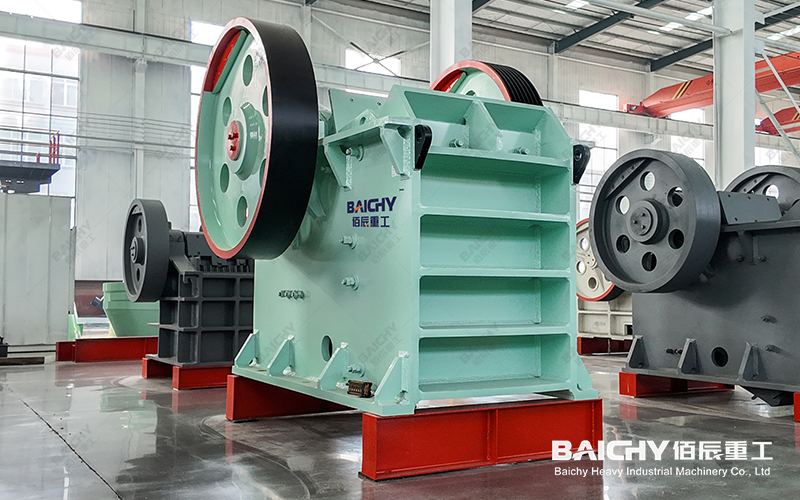
A jaw crusher reduces rock through compression between fixed and moving jaw plates. It suits the first stage of hard pebble processing. The setting can be adjusted for the required product, although a smaller setting may affect throughput and wear.
For 200 TPH, the loader, feeder, conveyor, downstream equipment, and stockpile must be balanced to avoid bottlenecks.
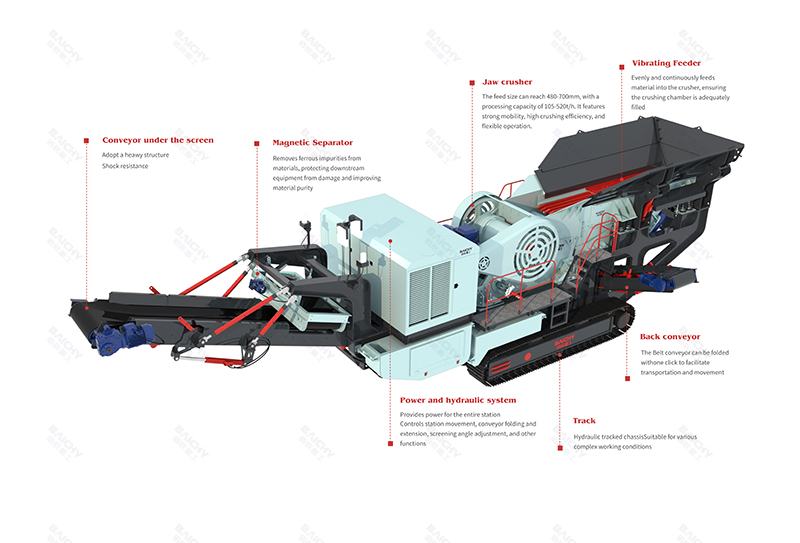
Structural Diagram of a Track-Mounted Jaw Crushing Station
How the Tracked Jaw Plant Works?
Controlled feeding
An excavator or wheel loader places raw pebbles into the vibrating feeder. The feeder regulates material flow and helps prevent sudden surges. Consistent loading is important: an empty chamber wastes capacity, while overloading can increase power demand and cause blockages.
If the feed contains considerable soil, clay, or undersize material, a grizzly section can remove part of the fines before crushing. Wet, sticky fines may build up on the feeder and transfer points.
Primary jaw crushing
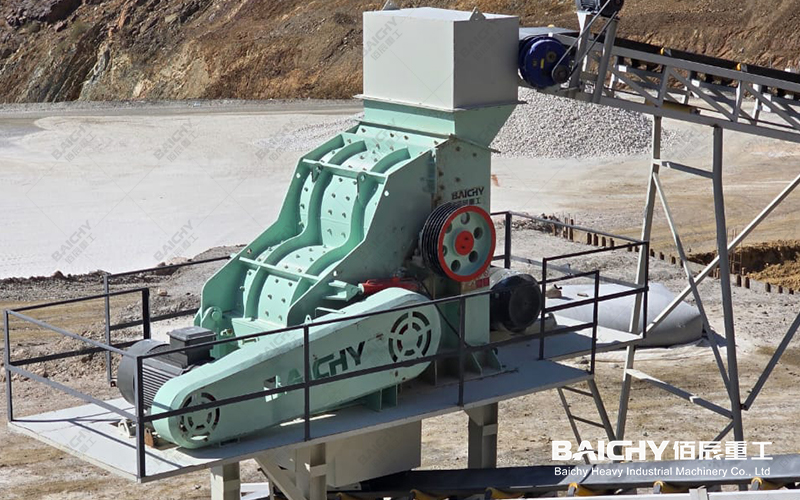
The jaw crusher reduces the pebbles to the selected primary product size. Operators should control the maximum feed size before loading. Material above the permitted feed opening can bridge at the inlet and create a production and safety problem.
A regular feed keeps the chamber efficient. The setting should match the required product.
Discharge and stockpiling
The integrated conveyor transfers crushed material to a stockpile, vibrating screen, or secondary crusher. If the primary product suits road base or coarse fill, it may be stockpiled directly. Smaller or separated sizes require secondary crushing and screening.
The layout should leave room for stockpile growth, loader movement, maintenance access, and drainage. The goal is stable overall production.
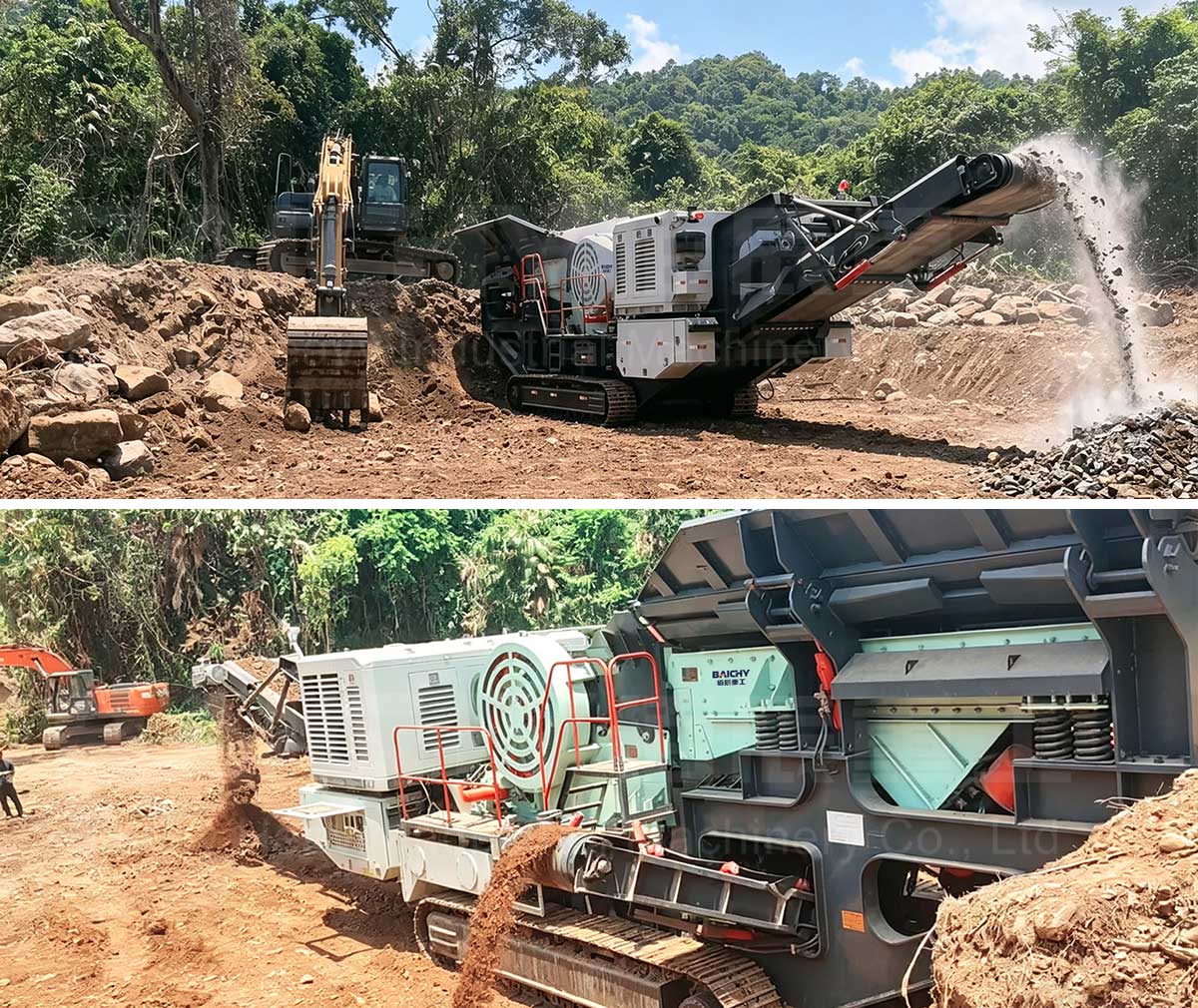
200 TPH Tracked Jaw Plant for Philippine Pebbles
Indicative Configuration for the 200 TPH Site
This table is a planning reference; final model and wear-part specifications require material and site data.
| Component | Main function | Selection focus |
|---|---|---|
| Vibrating feeder | Controls raw-pebble flow | Feed size, fines, moisture, loading method |
| Grizzly section | Removes some soil and undersize | Clay content and pre-screening need |
| Jaw crusher | Performs primary reduction | Hardness, feed size, setting, output |
| Tracked crawler | Moves the plant on site | Ground strength, slope, travel route |
| Discharge conveyor | Transfers crushed material | Stockpile height and spillage control |
| Wear parts | Maintain crushing performance | Abrasion, inspection, spare-parts plan |
Why a Tracked Design Fits Philippine Conditions
Flexible site movement
A crawler-mounted plant can travel between nearby working areas without being dismantled for every short move. The route must still be inspected for ground stability, slope, and safe clearance.
Fewer fixed works and less rehandling
A tracked unit generally needs less foundation work than a fixed station, although it still requires firm ground, drainage, safe access, and maintenance clearance. Positioning the crusher close to the source may also shorten internal hauling and reduce repeated handling.
Connection to later stages
The tracked jaw plant is normally the primary stage. A cone crusher, impact crusher, or screen can be added for further reduction, better particle shape, or several aggregate sizes.
Operating Measures for Stable Production
• Maintain a regular feed: Avoid long pauses followed by a sudden surge.
• Control oversized rocks: Remove or reduce material above the permitted feed size before crushing.
• Manage wet material: Use drainage and planned cleaning to limit sticky-fines build-up during rain.
• Inspect wear components: Check jaw plates, cheek plates, conveyor parts, fasteners, and lubrication points.
• Record production data: Track operating hours, interruptions, maintenance time, material condition, and output.
• Prepare local support: Arrange trained operators, routine lubrication, critical spare parts, and technical assistance.
Before final selection, provide the feed size and gradation, hardness, abrasiveness, moisture, clay content, discharge size, working hours, ground conditions, and downstream process. Photos, test data, and a simple layout can improve the recommendation.
Conclusion
For a Philippine pebble project targeting approximately 200 TPH, a tracked jaw crushing plant offers a mobile method for completing the primary crushing stage. Its integrated feeder, jaw crusher, crawler system, and discharge conveyor can make the production point easier to relocate and may reduce unnecessary internal hauling.
Reliable results depend on matching the plant with the real feed conditions and managing the process from loading to stockpiling. With controlled feeding, suitable drainage, appropriate wear parts, routine inspections, and a clear downstream plan, the tracked jaw station can support steady aggregate production in changing Philippine site conditions.
Frequently Asked Questions
1. Can a tracked jaw crusher process Philippine river pebbles?
Yes. A jaw crusher is suitable for primary reduction of hard and compact pebble feed. The model, jaw plates, and setting should match the actual feed size, hardness, abrasiveness, and discharge requirement.
2. Can the plant guarantee 200 TPH?
No capacity should be treated as unconditional for every material. Approximately 200 TPH is a target under defined conditions. Actual output depends on feed gradation, moisture, hardness, setting, feeding continuity, and downtime.
3. Is a secondary crusher required?
It depends on the final product. A secondary crusher and screen are usually considered for smaller sizes, several product grades, or tighter gradation control. Some coarse-fill or road-base applications may use the primary product directly.
4. Can the plant operate during the Philippine rainy season?
It can operate in wet conditions when the site has stable ground, effective drainage, and a plan for sticky fines. Heavy rain may affect access, feeding, stockpiling, and crawler travel, so weather limits should be included in the operating procedure.
5. What data is needed for the final recommendation?
Provide the maximum feed size, typical gradation, material hardness, moisture and clay content, target capacity, discharge size, operating hours, site conditions, and downstream process. Material photos and test data are also useful.
Baichy Heavy Industry
Baichy Heavy Industry is a high-tech mining equipment company integrating R&D, manufacturing, sales, and after-sales service. Focusing on crushing, grinding, and mineral processing equipment, we provide professional solutions to our customers. We are ISO9001:2015 Certified, and our products include mobile crushing palnts, crawler crushing plant, construction waste crushing plants, jaw crushers, sand making machines, cone crushers, fine crushers, grinding mills, ball mills, etc., all with reliable performance to meet diverse project needs.
Baichy Heavy Industry – Your Trusted Partner
To ensure optimal performance of your equipment, Baichy Heavy Industry offers:
- Professional on-site installation guidance
- Comprehensive operator training
- 24/7 technical support & maintenance services
Our complete after-sales service system guarantees long-term, stable operation of your machinery with minimal downtime.
Protect Your Rights – Only Use Official Channels
To avoid scams and ensure authentic support, contact us exclusively through:
• Official Website: www.baichychina.com
• WhatsApp: +8615093222637
• Email: [email protected]
Your satisfaction is our priority – expect prompt, professional service every time.
(Note: Beware of unauthorized third parties claiming to represent Baichy. Always verify through official contacts.)