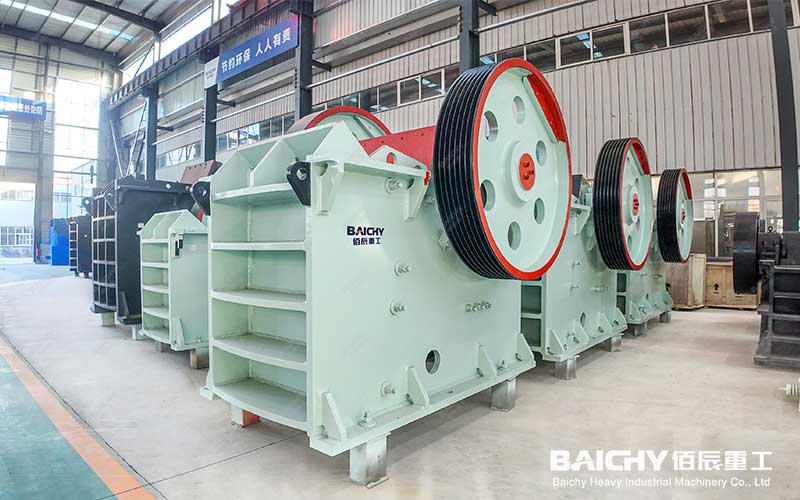
Iron Ore Jaw Crusher
In the field of mining machinery, iron ore is renowned for its high hardness and extreme abrasiveness. For many mid-sized mining investors, a production capacity of "50–100 tons per hour" represents a classic and highly sought-after operational scale. However, amidst the vast array of available equipment, how does one select a jaw crusher capable of not only "crushing the toughest materials" but also maintaining long-term, stable operation?
Today, we will provide a comprehensive breakdown—spanning equipment selection, system configuration, and post-installation maintenance—to reveal the "master key" to successful iron ore crushing.
I. Core Equipment Selection: Why is the Jaw Crusher the First Choice for Iron Ore?
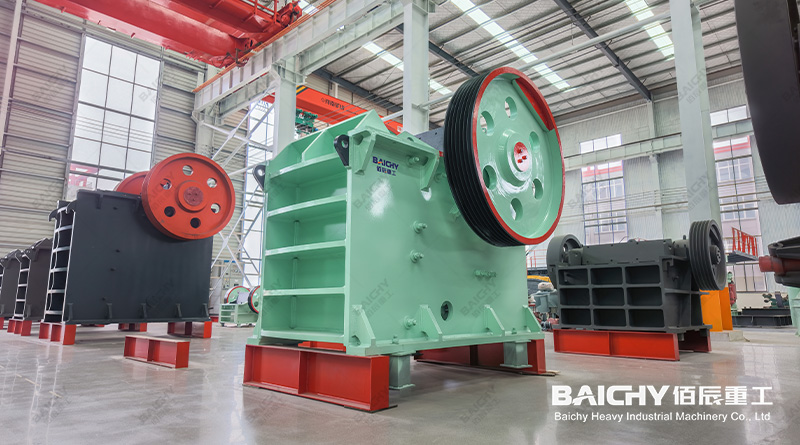
Iron ore typically possesses a Mohs hardness ranging from 5.5 to 6.5. Feeding it directly into a fine crusher is not only inefficient but also results in excessive wear and tear on components. As the undisputed workhorse of primary crushing (the initial stage), the Jaw Crusher offers the following key advantages:
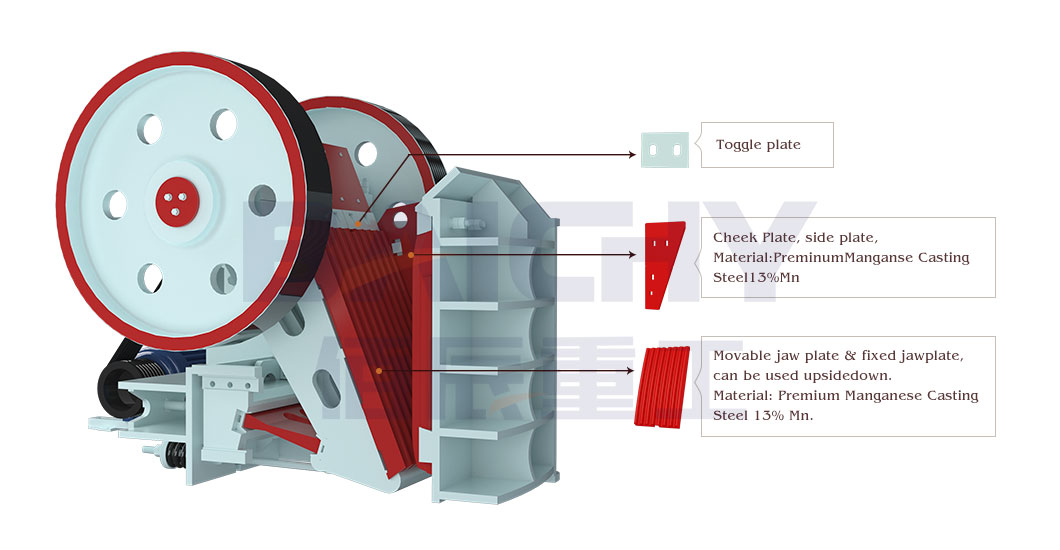
Structural-Diagram-of-the-PEJaw-Crusher
1. High Crushing Ratio: It can rapidly reduce large blocks of raw ore to a particle size suitable for secondary crushing.
2. Robust Structure: Designed specifically to handle the characteristics of iron ore, modern models typically feature high-manganese steel jaw plates and heavy-duty cast steel movable jaws, offering exceptional wear resistance.
3. Simple Maintenance: The mechanical structure is straightforward, making the replacement of wear parts both convenient and easy.
Recommended Model Comparison
For production requirements ranging from 50 to 100 tons per hour (t/h), we typically recommend the following two "star models":
| Model | Feed Opening Size (mm) | Max. Feed Size (mm) | Output (t/h) | Power (kW) | Features |
| PE-500×750 | 500×750 | 425 | 40–110 | 55 | Economical and practical; suitable for small to medium-scale mines |
| PE-600×900 | 600×900 | 500 | 50–120 | 75 | Wider feed range; superior stability |
II. How to Set Up a Complete Iron Ore Processing Line?
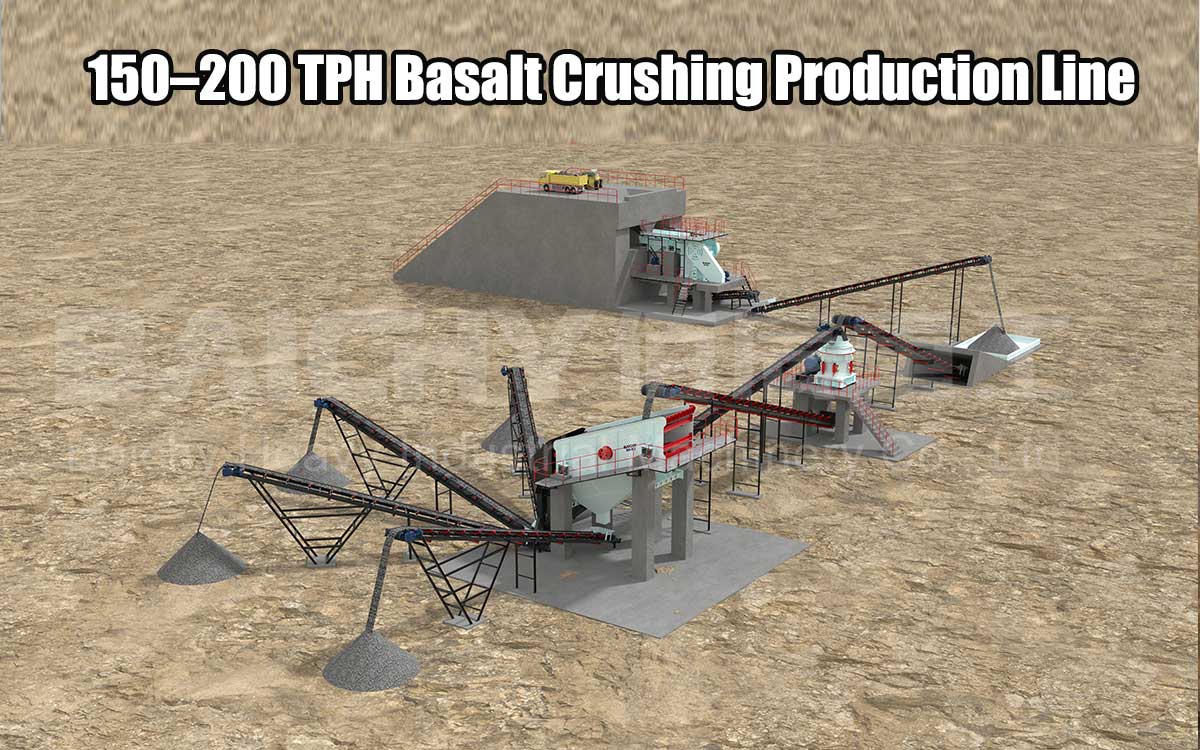
A single crusher is not enough. To achieve a finished product output of 50–100 t/h, you need a "team" of equipment working in synergy:
1. Uniform Feeding (Feeder): Configure a ZSW Series Vibrating Feeder to prevent the direct dumping of raw ore—which could shock-load the crusher—while simultaneously pre-screening out soil and fine sand.
2. Secondary Crushing (Cone Crusher): Iron ore is a hard material; the output from a jaw crusher often does not yet meet the feed specifications required for a ball mill. We recommend pairing the setup with a Cone Crusher. The cone crusher utilizes the principle of "laminated crushing," making it far more efficient than an impact crusher for processing hard ores.
3. Precise Classification (Vibrating Screen): Use a Circular Vibrating Screen to classify the finished products; any oversized or unqualified material is returned to the cone crusher for re-crushing.
4. Conveying System: Based on the site layout, configure multiple belt conveyors to establish a closed-circuit loop.
III. How to Extend Equipment Lifespan and Reduce Costs?
In the iron ore crushing process, the largest expenditure item is the replacement of wear parts. Here are several tips for reducing operational costs:
* Flip the Jaw Plates: Jaw plates typically experience the most severe wear at the bottom. Once wear reaches a certain threshold, flipping the plates upside down for continued use can effectively double their service life.
* Strictly Control Material Moisture Content: While jaw crushers are robust enough to handle hard materials, they are susceptible to "stickiness." If the raw ore contains a high proportion of clay and is damp, it can easily lead to blockages within the crushing chamber, thereby increasing energy consumption.
* Regularly Inspect the Hydraulic System: Many modern jaw crushers feature hydraulic systems for adjusting the discharge opening. Regularly checking the pressure and seal integrity of this system ensures the stability and consistency of the final product's particle size.
IV. Industry Trends: Green and Intelligent Solutions in Tandem
As environmental regulations become increasingly stringent, modern iron ore crushing production lines must now incorporate the following considerations:
* Dust Control Measures: Install water-spraying dust suppression systems at material discharge points.
* Noise Reduction: Equip electric motors with soundproof enclosures.
* Intelligent Monitoring: Implement remote monitoring systems that allow users to view real-time data—such as bearing temperatures, current fluctuations, and hourly output—directly via a mobile device.
Conclusion
Selecting an iron ore jaw crusher with an hourly output of 50–100 tons essentially means choosing a production starting point characterized by high efficiency, stability, and low operating costs. Whether your project requires a stationary crushing unit or a more flexible mobile crushing station, clearly defining the material properties and the intended end-use remains the key to success.
If you are currently planning an iron ore crushing project, or if you would like to receive the latest quotation and a customized solution for the PE-600×900 model, please click the link below or contact us directly. Our engineers are ready to provide you with personalized, one-on-one technical support!
About of Baichy Heavy Industry
Baichy Heavy Industry is a high-tech mining equipment company integrating R&D, manufacturing, sales, and after-sales service. Focusing on crushing, grinding, and mineral processing equipment, we provide professional solutions to our customers. We are ISO9001:2015 、certified, and our products include mobile crushing palnts, crawler crushing plant, construction waste crushing plants, jaw crushers, sand making machines, cone crushers, fine crushers, grinding mills, ball mills, etc., all with reliable performance to meet diverse project needs.
Our advantages:
• Professional pre-sales support: Free project design and comprehensive solutions to help you accurately select the right equipment;
• Comprehensive on-site service: Providing installation guidance and worker training to ensure smooth equipment commissioning;
• Reliable after-sales guarantee: A complete after-sales system, timely response to technical inquiries and equipment maintenance, ensuring long-term stable operation.
To protect your rights, please contact us through the following official channels for professional service:
Official Website Customer Service
https://wa.me/+8615093222637
Email: [email protected]
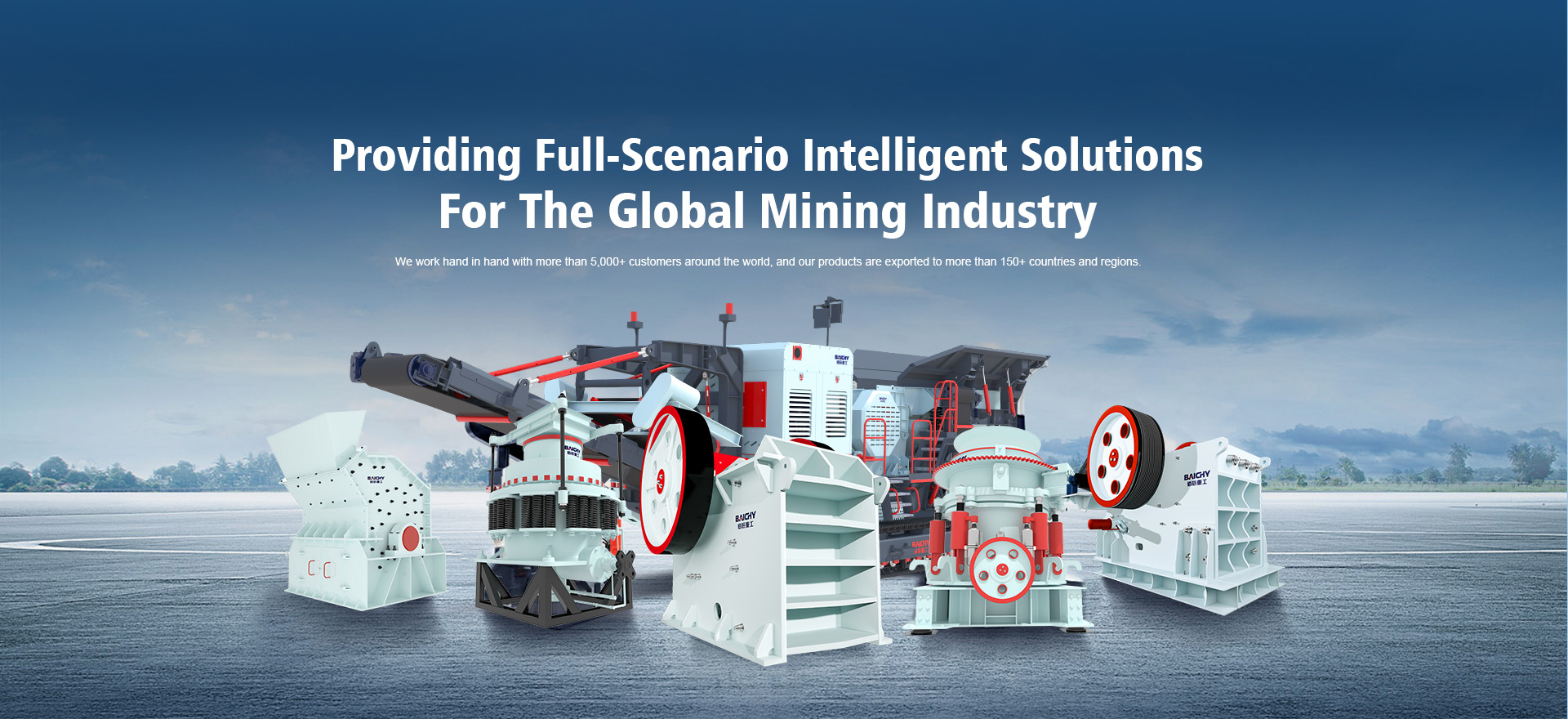
We are committed to providing high-quality equipment and full-cycle services to deliver comprehensive intelligent solutions for the global mining industry!
Frequently Asked Questions (FAQ)
Q1: Iron ore is known for its high hardness; won't the jaw plates on the crusher wear out very quickly?
A: Iron ore is indeed classified as a high-hardness material. Our equipment is specifically optimized for iron ore processing and utilizes jaw plates made from high-manganese steel alloys (such as Mn13Cr2 or Mn18Cr2). Under normal operating conditions, a single set of jaw plates can process tens of thousands of tons of ore. Furthermore, regularly flipping the jaw plates for continued use can significantly extend their overall service life.
Q2: For a production line with an hourly output of 50–100 tons, what equipment is required in addition to a jaw crusher?
A: A complete production line typically includes: a vibrating feeder (for uniform feeding), a jaw crusher (for coarse crushing), a cone crusher (for medium and fine crushing—essential for iron ore applications), a vibrating screen (for screening/sizing), and belt conveyors.
Q3: What is the motor power for the PE-600×900 model? Is its power consumption high?
A: This model is typically equipped with a 75 kW electric motor. Although the motor power is substantial, the machine features an optimized power transmission design; consequently, its energy consumption per unit of output is approximately 15%–20% lower than that of comparable older models, resulting in high energy efficiency.
Q4: If the power supply at my mining site is unstable, are there any alternative solutions?
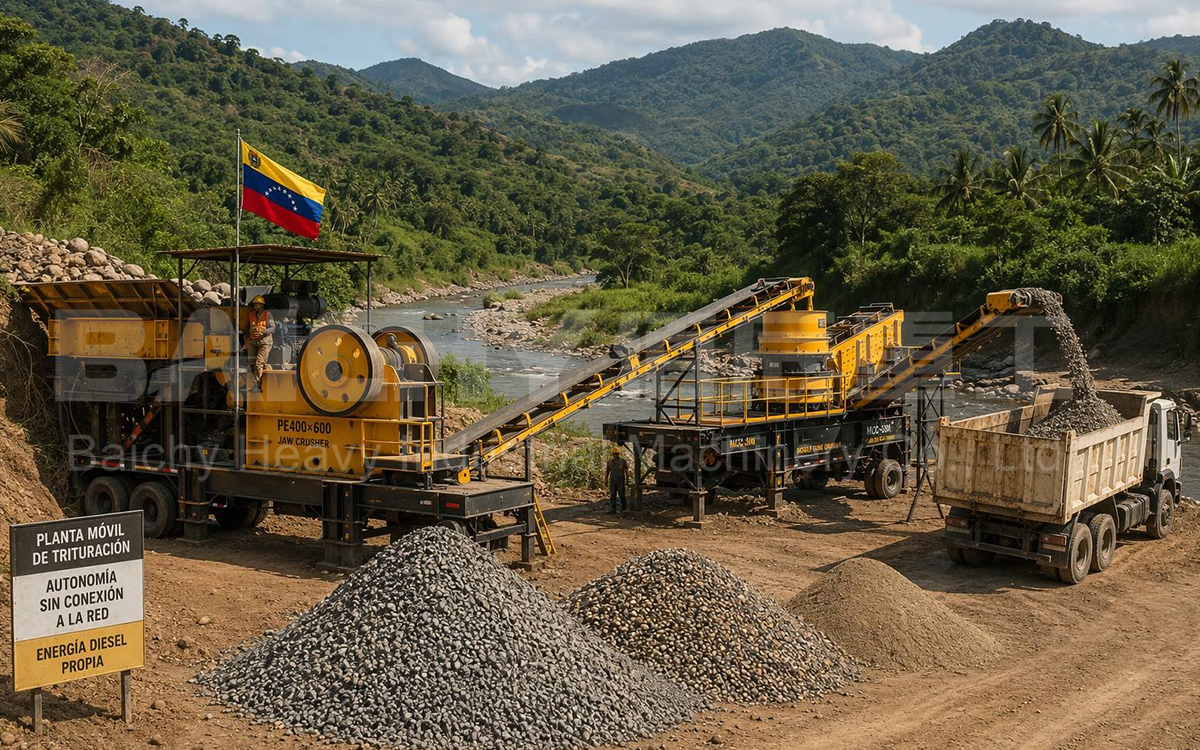
A: Yes, there are. We can configure a diesel-engine-driven version or a mobile jaw crushing station for you. The mobile station integrates a diesel generator set, making it ideal for remote mining areas or sites requiring frequent relocation for operations.
Q5: Is the discharge size adjustable? What is the minimum discharge size?
A: Yes, it is adjustable. By adjusting the shims at the rear of the machine or utilizing the hydraulic discharge setting mechanism, the discharge range for the PE-600×900 model can typically be set between 65 mm and 160 mm. If a finer finished product is required (e.g., 10–20 mm), a cone crusher must be utilized for secondary crushing.