
30-60tph-Stationary-Crushing-Screening-Plant
In the fields of mining, infrastructure construction, and building material production, not all projects require massive crushing capacities of hundreds—or even thousands—of tons per hour. For many start-up aggregate plants, rural road construction projects, small-scale quarries, or operations serving as auxiliary pre-processing units for larger production lines, a stationary 50t/h (50 TPH) stone crushing plant presents a highly attractive solution. Thanks to its moderate investment threshold, stable output capabilities, and low operation and maintenance costs, it meets the specific needs of these operations effectively. As a professional manufacturer of mining crushing and beneficiation equipment, we deeply understand the core requirements of clients across various scales; in this article, we will provide an in-depth analysis of the equipment value and application prospects of this classic capacity configuration.

Stone Crushing Plant PDF,Download ↓↓↓
Equipment Overview: What is a Stationary 50 TPH Stone Crushing Plant?
A stationary stone crushing plant—as the name implies—refers to a complete crushing and screening production line installed on a solid concrete foundation or level ground. This stands in contrast to mobile crushing plants (which are either wheel-mounted or crawler-mounted). The "50 tons per hour" (50 TPH) figure represents the line's designed processing capacity, meaning it can process approximately 50 tons of raw material (such as large raw stones) per hour, transforming it into finished aggregates of various specifications.
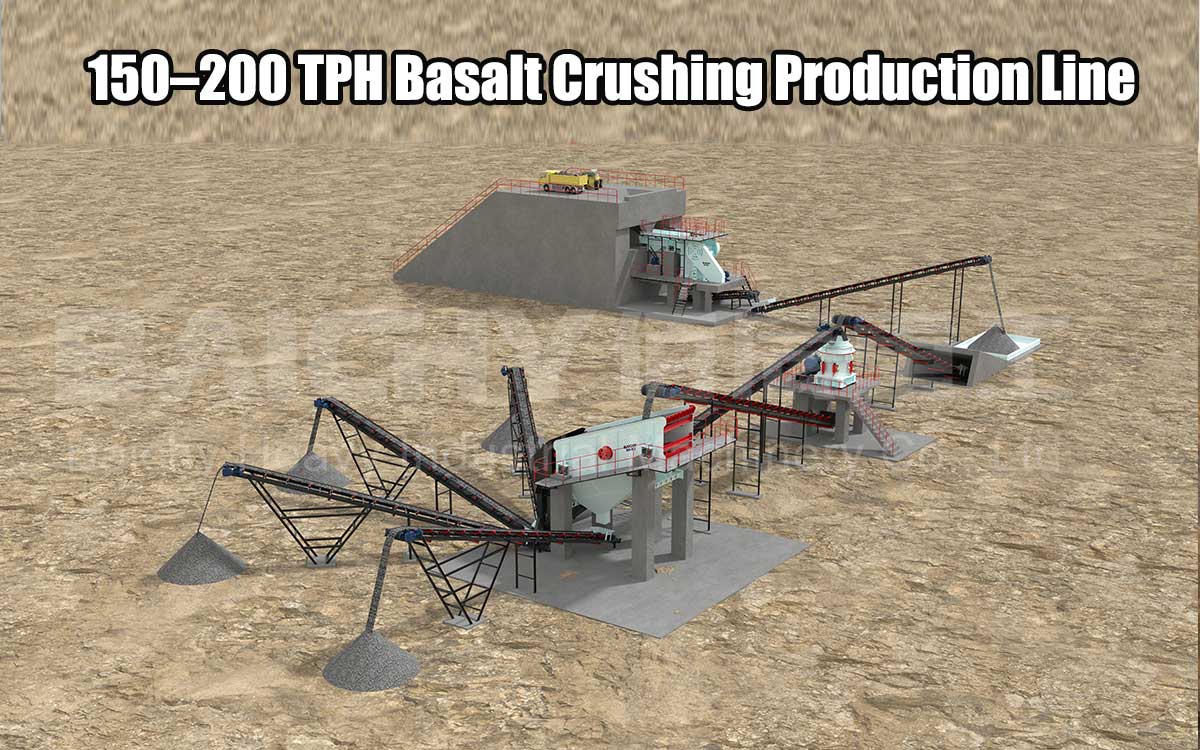
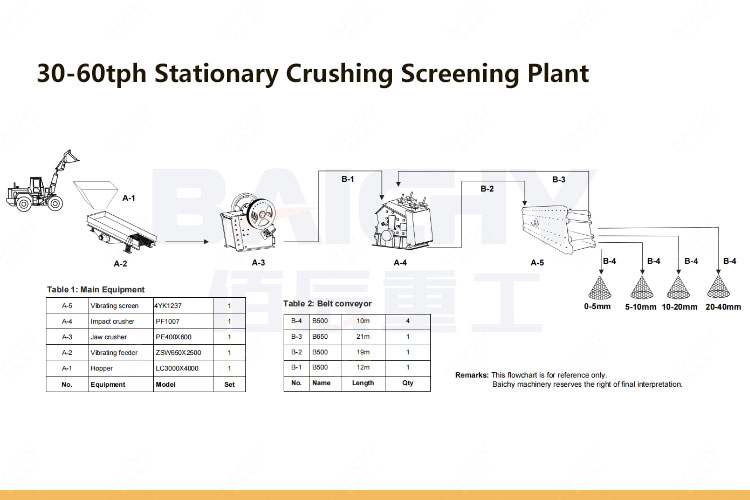
A standard 50 TPH stationary stone crushing plant typically consists of the following core stages:
1. Feeding Stage: A vibrating feeder (e.g., model GZD650×2500) is responsible for uniformly and quantitatively conveying raw stones from the hopper into the crusher, while simultaneously pre-screening out fine soil and impurities.
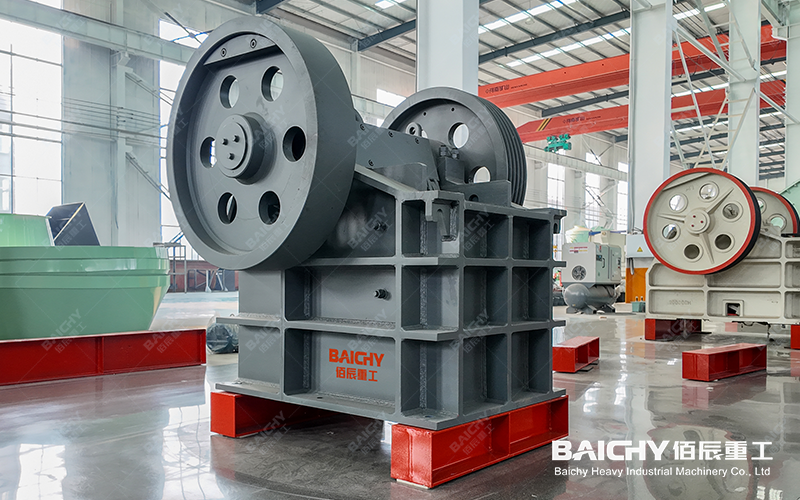
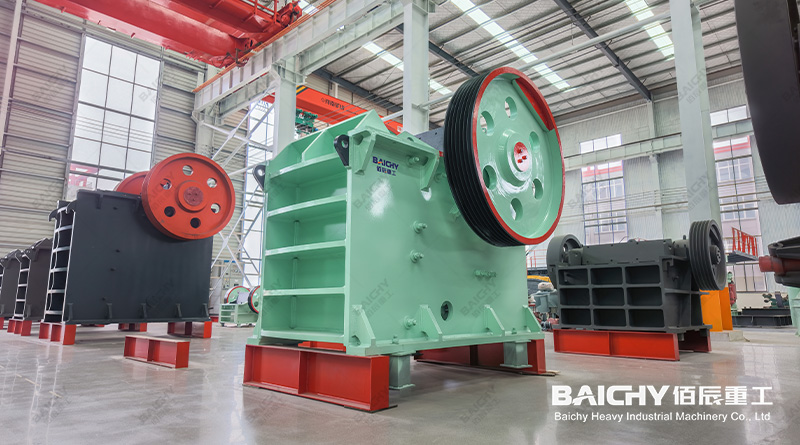
PE400x600 Jaw Crusher
2. Primary Crushing (Coarse Crushing): Typically utilizing a jaw crusher (e.g., model PE400×600 or PE500×750), this stage is responsible for breaking down large stones (e.g., up to 400 mm in size) into medium-sized blocks ranging from 60 to 100 mm.
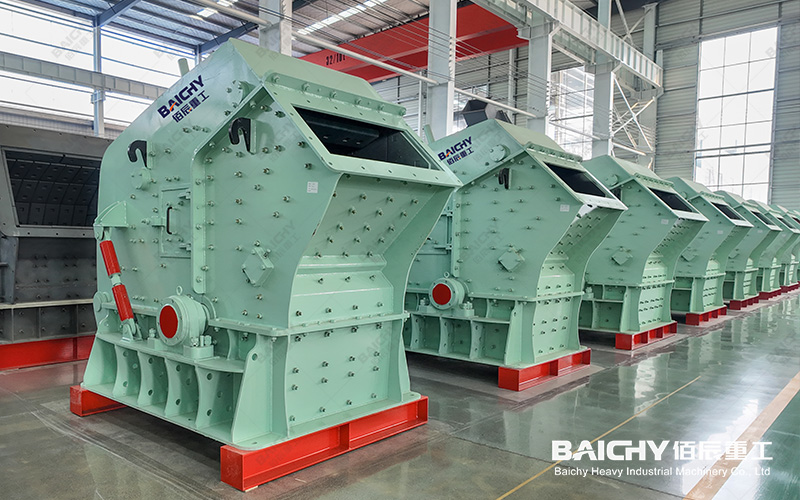
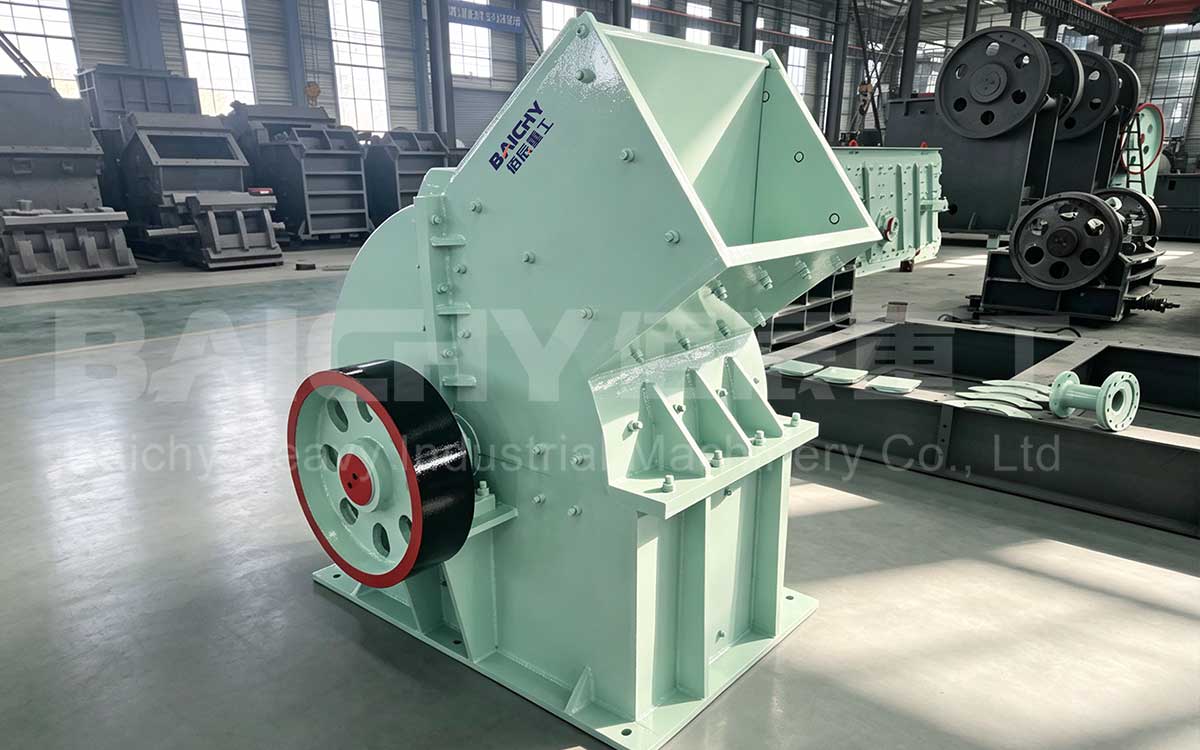
PF1007 Impact Crusher
3. Secondary Crushing (Fine Crushing—Optional): If finer finished products are required—such as 0–5 mm manufactured sand or 5–10 mm gravel—an impact crusher (e.g., model PF1007), a cone crusher (specifically for processing high-hardness stones), or a double-roller crusher will be configured for this stage.
4. Screening Stage: A vibrating screen (e.g., model 3YK1230) classifies the crushed mixed materials according to particle size (e.g., 0–5 mm, 5–10 mm, 10–20 mm).
5. Conveying Stage: Multiple belt conveyors connect the various pieces of equipment and transport the finished products to the output point.
6. Control System: A centralized electrical control cabinet manages start-up/shut-down operations, provides overload protection, and facilitates interlocking control between components.
This stationary crushing plant features a compact layout and a mature process flow, making it the gold standard for entry-level sand and aggregate production.
Description of Typical Application Scenarios
A production capacity of 50 tons per hour (TPH) falls within the small-to-medium scale range; consequently, it has a wide range of applications and is particularly well-suited for the following scenarios:
• Small-Scale Quarries and Aggregate Plants: For sand and aggregate operators just starting out, there is no need to make a massive upfront investment in large-scale, multi-thousand-ton equipment. A 50 TPH production line requires a relatively small footprint, involves a simpler approval process, and allows for rapid commissioning and capital recovery—making it the ideal choice for a "start small, grow fast" strategy.
• Rural Roads and Local Infrastructure: Many rural road and township infrastructure projects do not require massive quantities of concrete aggregates, and their construction sites are often relatively fixed. Establishing a stationary 50 TPH production line at such locations ensures a steady supply of materials while allowing for strict cost control.
• Hydropower Stations and Civil Construction Support: In remote regions featuring small-scale water conservancy hubs or concentrated residential construction zones, crushing locally sourced stone and sand is often more economical than transporting finished aggregates over long distances.
• Pre-processing for Mineral Beneficiation Plants: In mineral processing operations—such as those for gold or iron ore—raw ore typically needs to be crushed to a specific particle size (e.g., 0–15 mm) before undergoing subsequent ball milling and flotation stages. A stationary 50 TPH plant frequently serves as the primary crushing workshop at the front end of such beneficiation facilities.
• Construction Waste Recycling (Fixed Sites): If a processing facility is established at a designated, fixed site for the disposal of demolition waste, a 50 TPH line offers sufficient throughput to crush waste concrete blocks and brick rubble into recycled aggregates.
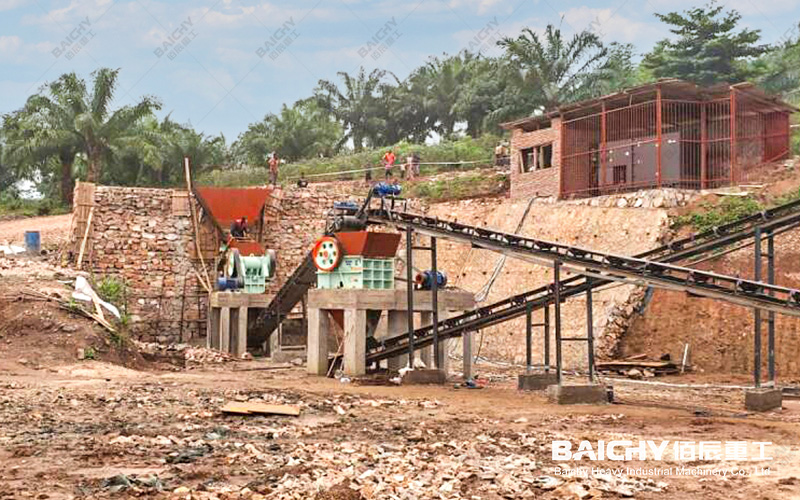
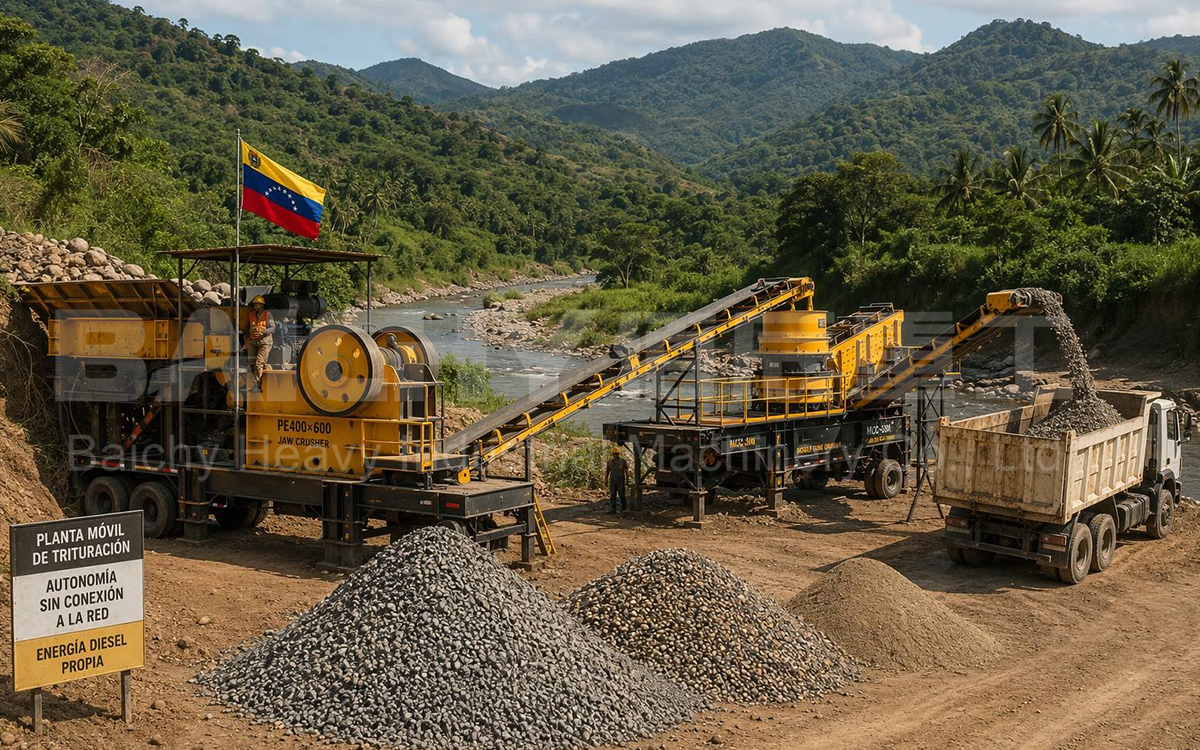
Vietnam: Pebble Crushing Site
Core Advantages of the Equipment
By choosing our stationary 50-ton-per-hour stone crushing plant, you will benefit from the following significant advantages:
1. High Cost-Effectiveness and Low Investment Risk: Compared to large-capacity production lines and mobile crushing plants, the capital expenditure, civil engineering costs for foundations, and installation costs for this 50 TPH stationary line are significantly lower. For those with limited budgets, this represents one of the lowest entry barriers into the aggregate industry.
2. Mature Technology and Stable Operation: This specific configuration (typically featuring a jaw crusher paired with an impact crusher) is a classic and time-tested combination within the aggregate industry. The technology is extremely mature, resulting in a very low failure rate. Furthermore, the equipment is easy for operators to master, and spare parts (such as jaw plates and hammerheads) are highly interchangeable and affordable.
3. Superior Product Shape and Optimized Grading: Through a rational design of the crushing chamber profile and screen configuration, the produced stone aggregates are predominantly cubical in shape (with minimal needle-like or flaky content). Additionally, the fineness modulus of the manufactured sand is adjustable, fully complying with national standards for construction sand and ensuring strong market competitiveness.
4. Modular Design for Easy Maintenance: Modern stationary plants typically utilize a modular steel structure base. The equipment layout is clear and logical, while the design of lubrication points and maintenance walkways is highly ergonomic, making routine maintenance and the replacement of wear parts exceptionally convenient.
5. High Degree of Automation: Equipped with a centralized electrical control system, the plant enables fully synchronized operation across the entire line. It features built-in alarm functions for phase loss, overload, and material blockage, thereby reducing the required number of on-site operators (typically, just 1–2 personnel are sufficient to monitor the entire facility).
Typical Technical Parameter Configuration Table
The following is a common configuration parameter table for a 50 TPH (tons per hour) limestone/medium-hardness stone processing line (for reference only; specific details must be customized based on material hardness and finished product requirements):
| No. | Equipment Name | Model/Specification | Power (kW) | Quantity | Remarks |
| 1 | Vibrating Feeder | GZD650×2500 | 2.2 | 1 | Uniform feeding; soil removal |
| 2 | Jaw Crusher (Primary Crushing) | PE400×600 | 30 | 1 | Feed size <350mm; Discharge size 40–100mm |
| 3 | Impact Crusher (Secondary Crushing) | PF1007 | 37/45 | 1 | Feed size <100mm; Discharge size <20mm |
| 4 | Vibrating Screen | 3YK1230 / 3YZ1230 | 5.5 | 1 | 3-deck screen; Grading: 0–5–10–20mm |
| 5 | Belt Conveyors | B500 / B650 | - | Multiple | Feeding, return material transport, and finished product conveying |
| 6 | Centralized Electrical Control Cabinet | - | - | 1 | Complete control system |
Note 1: The motor power for each belt conveyor typically ranges from 3 kW to 5.5 kW; the length depends on the specific site layout.
Note 2: If crushing hard rocks such as granite, it is recommended to replace the secondary crushing equipment with a Cone Crusher (e.g., the PYZ900 Spring Cone Crusher).
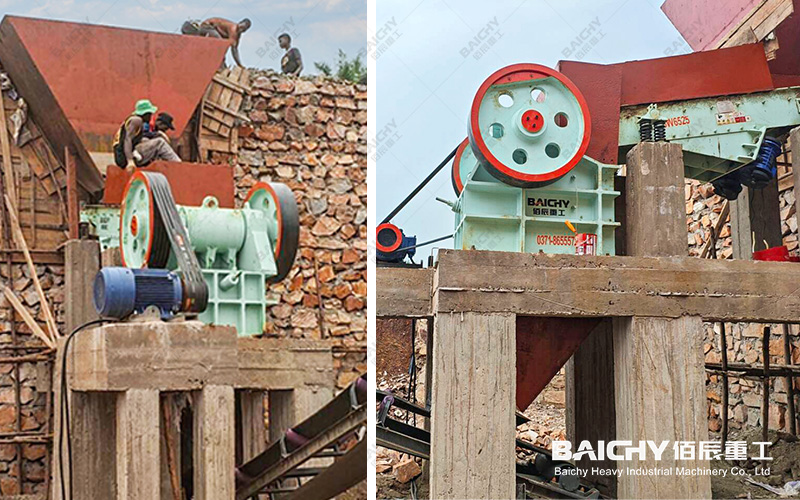
50 t/h Pebble Crushing Site
Related Application Cases
Case Study: 50–80 TPH Stationary Crushing Plant Project in the Philippines
In 2022, we delivered and installed a 50–80 TPH stationary crushing plant for a client in the Philippines. This client is primarily engaged in concrete production and the supply of local construction materials.
• Raw Materials: Local river pebbles and raw ore.
• Configuration: Vibrating Feeder + PE500×750 Jaw Crusher + PYZ900 Cone Crusher + 3YK1225 Vibrating Screen.
• Results: The equipment operates stably, and the produced 3/4" (approx. 19mm) and 3/8" (approx. 9.5mm) aggregate sizes are precise, meeting local high-standard construction requirements. The client reported that this stationary line demonstrates excellent energy consumption control, significantly reducing their per-ton production costs for sand and gravel. Furthermore, it integrates seamlessly with their existing grinding production line, thereby enhancing overall operational efficiency.
Recommended Related Equipment
Based on the requirements for a 50 TPH stationary stone crushing plant, we—as the manufacturer—strongly recommend the following core equipment models. You may select the most suitable options based on the specific properties of your raw materials:
1. PE400×600 or PE500×750 Jaw Crusher: Serving as the core component for primary crushing, the PE series jaw crushers feature a simple structure, reliable operation, and easy maintenance, making them the absolute workhorse for 50 TPH-class production lines.
2. PF1007 Impact Crusher: Suitable for the fine crushing of materials with medium-to-low hardness (such as limestone and coal gangue). It produces finished products with excellent particle shape and comes at an economical price, making it the preferred choice when seeking high cost-effectiveness.
3. PYB900 or PYZ900 Spring Cone Crusher: If your raw materials consist of high-hardness substances—such as granite, basalt, or river pebbles—we recommend selecting a cone crusher for secondary crushing. Although the initial investment is slightly higher than that of an impact crusher, its wear parts offer a longer service life, resulting in lower long-term operating costs, and it is capable of effectively handling the crushing demands of hard rock.
About of Baichy Heavy Industry
Baichy Heavy Industry is a high-tech mining equipment company integrating R&D, manufacturing, sales, and after-sales service. Focusing on crushing, grinding, and mineral processing equipment, we provide professional solutions to our customers. We are ISO9001:2015 、certified, and our products include mobile crushing palnts, crawler crushing plant, construction waste crushing plants, jaw crushers, sand making machines, cone crushers, fine crushers, grinding mills, ball mills, etc., all with reliable performance to meet diverse project needs.
Our advantages:
• Professional pre-sales support: Free project design and comprehensive solutions to help you accurately select the right equipment;
• Comprehensive on-site service: Providing installation guidance and worker training to ensure smooth equipment commissioning;
• Reliable after-sales guarantee: A complete after-sales system, timely response to technical inquiries and equipment maintenance, ensuring long-term stable operation.
To protect your rights, please contact us through the following official channels for professional service:
Official Website Customer Service
https://wa.me/+8615093222637
Email: [email protected]
We are committed to providing high-quality equipment and full-cycle services to deliver comprehensive intelligent solutions for the global mining industry!
Frequently Asked Questions (FAQ)
1. How long does the installation process take for a stationary 50 TPH stone crushing plant? Are the civil engineering requirements demanding?
A1: Typically, provided that the civil engineering foundation (concrete base) has been prepared in advance, the mechanical installation of the equipment—including electrical wiring and commissioning—can be completed in approximately 7 to 15 days. Compared to mobile stations, stationary plants indeed require the construction of a concrete foundation; however, this ensures low vibration and high precision during operation, thereby extending the equipment's service life. We provide a complete set of foundation construction drawings and technical guidance services.
2. What is the maximum hardness of rock that this production line can process? What is the maximum feed size?
A2: If utilizing the "Jaw Crusher + Impact Crusher" combination, we recommend crushing medium-hardness rocks with a compressive strength of less than 350 MPa. The maximum feed size is generally limited to within 350–400 mm (depending on the specific jaw crusher model; for instance, the PE400×600 model has a maximum feed size of 340 mm). For high-hardness materials—such as granite or basalt—the secondary crushing stage must be replaced with a Cone Crusher. In this scenario, the maximum feed size remains determined by the jaw crusher, but the system's wear resistance is significantly enhanced.
3. Are the operating costs for a 50 TPH production line high? What are the approximate costs for electricity and wear parts?
A3: The total installed power capacity for this production line typically ranges from 80 kW to 120 kW (depending on the specific configuration), with an actual operating load rate of approximately 70%–80%. The primary wear parts include jaw plates, impact plates (or cone liners), and screen meshes. Taking limestone as an example, the cost of wear parts required to crush one ton of material amounts to merely a few cents to one dime (RMB); consequently, operating costs are highly controllable, and the return on investment is substantial.