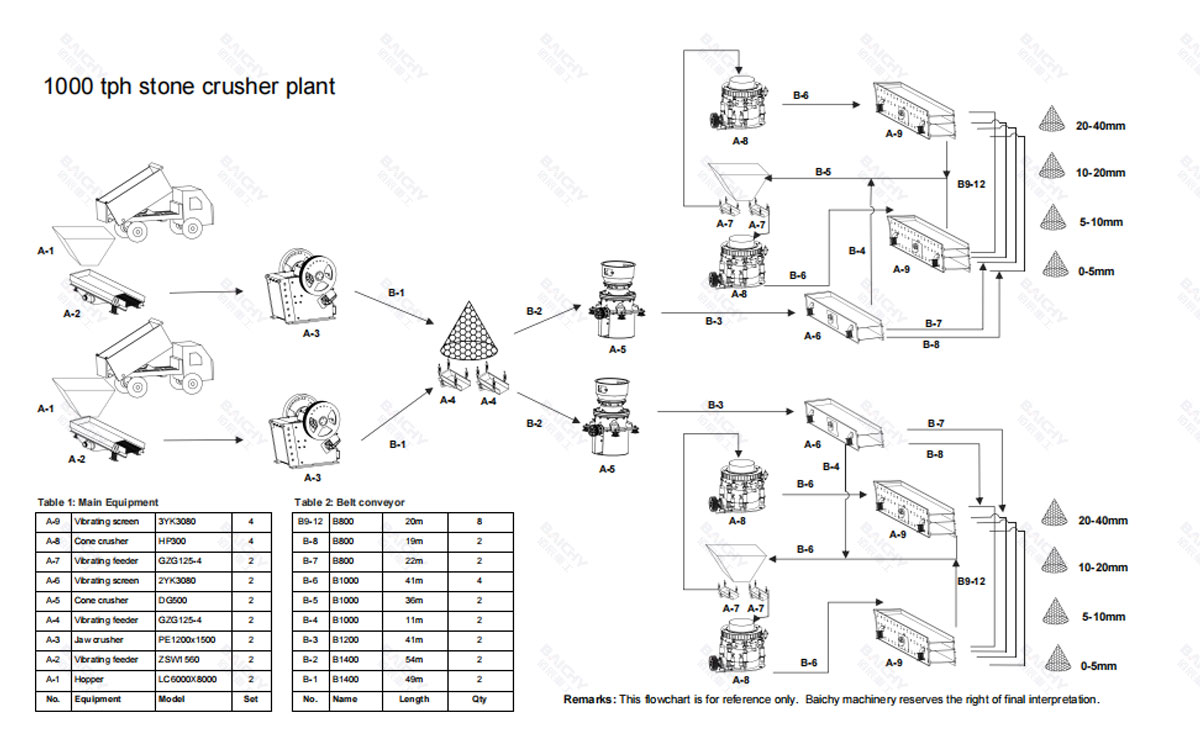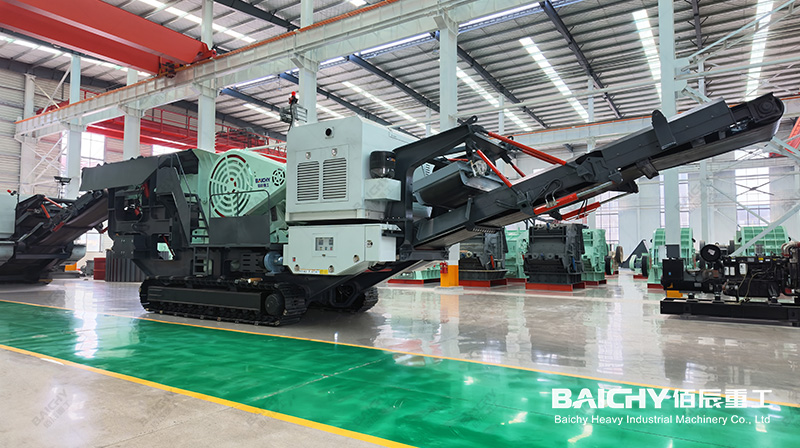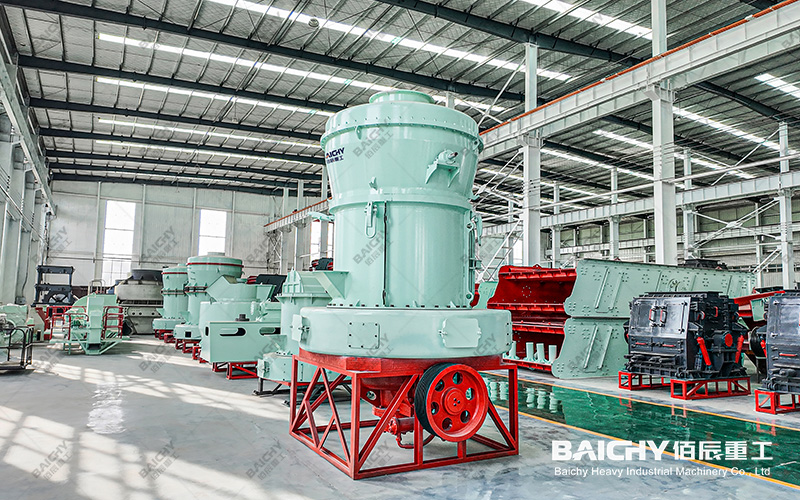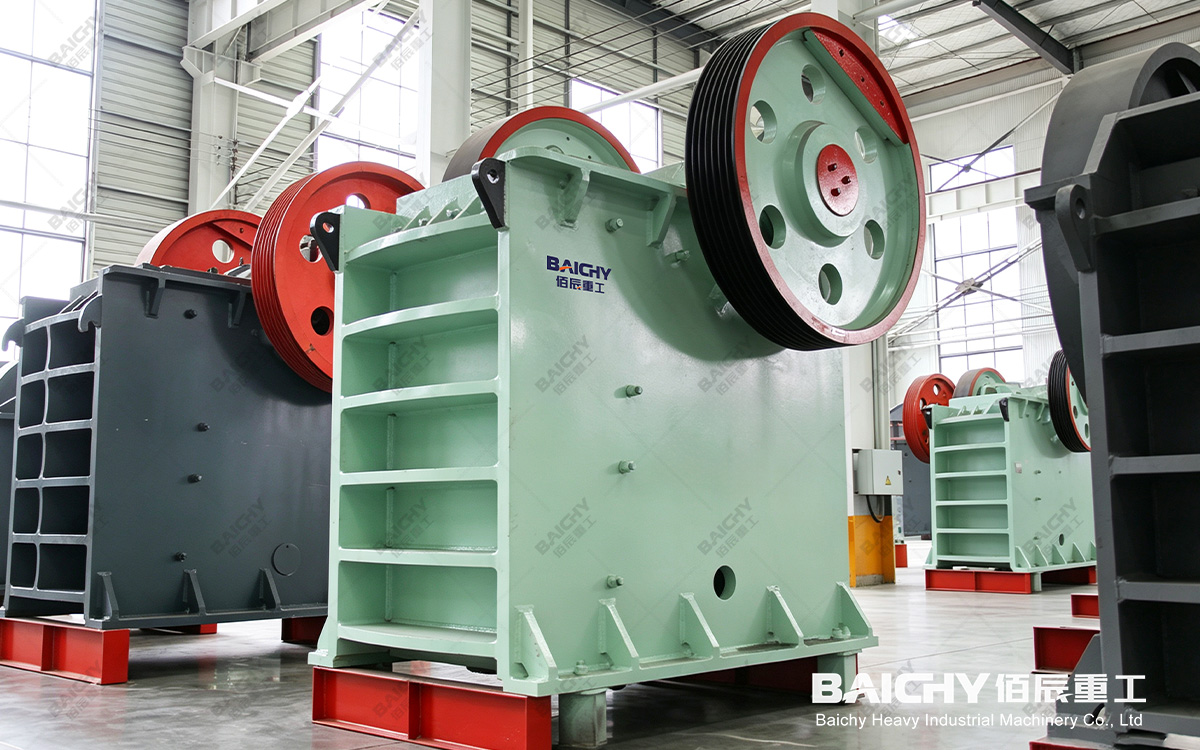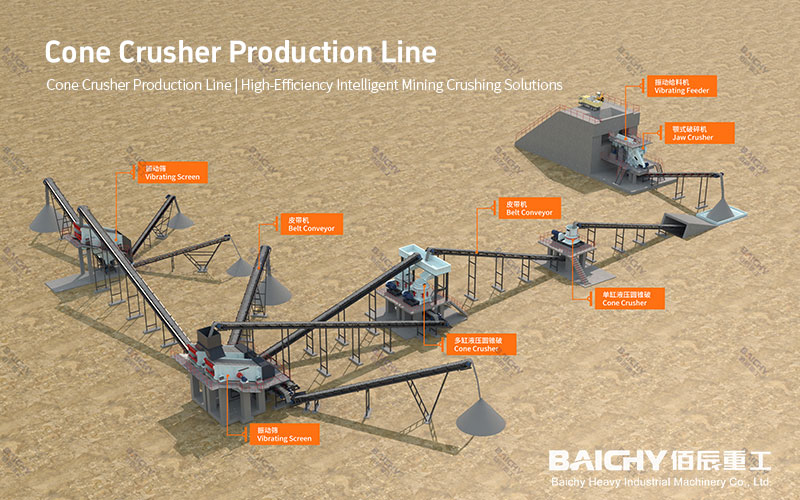
In fields such as sand and gravel aggregate processing, mining operations, and the resource utilization of construction solid waste, the three-stage crusher stands out thanks to its "coarse + medium + fine" three-stage crushing advantage. Capable of processing various ores and waste materials into finished products that meet industry standards, it has become an indispensable core piece of equipment in modern engineering construction. However, when inquiring about the cost of three-stage crushers, many investors encounter common dilemmas: "widely varying price quotes" and "uncertainty regarding how to make the right selection." Given that two machines—both classified as three-stage crushers—might have quotes ranging from just over 100,000 to well over a million, what exactly determines the price? Today, we will provide a comprehensive breakdown of the latest price ranges and influencing factors for three-stage crushers in 2026, helping you make a precise selection and effectively save on costs.
2026 Price Reference for Tertiary Crushers (Excluding Shipping and Installation)
The price of a tertiary crusher is not a fixed figure; it depends primarily on factors such as the equipment type, capacity specifications, and configuration standards. Based on domestic market trends in 2026, we have compiled price ranges for mainstream models to serve as a quick reference for investors. (Note: The figures below represent average market prices; specific quotations are subject to the manufacturer's detailed configuration list.)
| Equipment Type | Capacity Range (t/h) | Applicable Scenarios |
| Fixed Tertiary Cone Crusher (Short-head Type) | 50–150 | Small to medium-sized aggregate plants, construction waste processing; suitable for the fine crushing of hard rock (e.g., granite, basalt). |
| Fixed Tertiary Cone Crusher (Large-scale) | 150–300 | Large-scale mines, large-scale aggregate production lines; suitable for applications requiring high capacity and high stability. |
| Tertiary Impact Crusher (PF/PFW Series) | 80–250 | Crushing of medium-hard to soft rock (e.g., limestone, dolomite); produces aggregates with excellent shape, making it suitable for projects with strict requirements regarding aggregate appearance. |
| Mobile Tertiary Crushing Station | 100–300 | Sites with non-fixed locations (e.g., demolition sites, mobile aggregate processing); requires no foundation construction and allows for one-touch mobile operation. |
| Compact Tertiary Crushing Combination Unit | 20–50 | Small workshops, rural aggregate processing, support for small-scale engineering projects; features low investment costs and simple operation. |
Important Reminder: The prices listed above represent the cost of the bare machine only. In actual procurement, factors such as shipping fees, installation and commissioning costs, wear parts kits, and after-sales warranty services will all influence the final total price. We recommend explicitly inquiring about these details when consulting with manufacturers to avoid incurring additional costs later on.
Revealed: The 5 Key Factors Influencing Tertiary Crusher Prices—Don't Get Scammed!
Many investors are puzzled as to why price quotes for the *same type* of tertiary crusher can vary by a factor of two or more. In reality, this discrepancy stems primarily from the following five factors. By understanding these elements, you can accurately assess whether a quotation is reasonable and select equipment that offers the best value for money.
Factor 1: Capacity and Specifications — Higher Capacity Leads to Stepwise Price Increases
Capacity is one of the core factors determining the price of a tertiary crusher. Equipment with an hourly output of 50 tons differs vastly—in terms of body dimensions, motor power, crushing chamber design, and wear-part specifications—from equipment with an hourly output of 300 tons. For instance, a small tertiary crusher with a 50 t/h capacity typically features a motor power of 30–55 kW, a compact body, and low manufacturing costs. In contrast, a large-scale unit with a 300 t/h capacity may require a motor power of 160–250 kW; its larger body size entails significantly higher costs for steel and components, naturally causing its price to double.
Recommendation: Select a model based on the actual output requirements of your specific project; do not blindly pursue excessive capacity. Overcapacity leads to increased energy consumption and wasted resources, while undercapacity can hinder project progress. Choosing equipment strictly according to your actual needs is the most cost-effective approach.
Factor 2: Equipment Type and Crushing Process — Vastly Different Pricing Logics for Different Types
Different types of tertiary crushers feature distinct core structures, are suited for different materials, and yield different processing results; consequently, their prices vary significantly.
The two mainstream types currently on the market follow very different pricing logics:
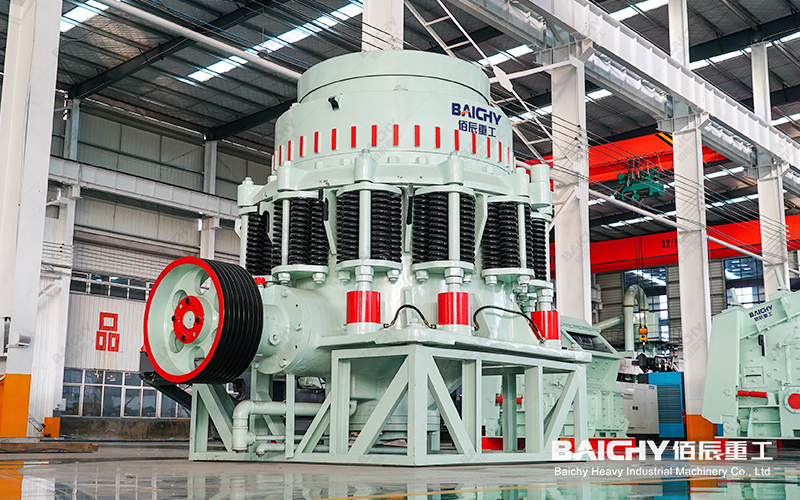
Symons Cone Crusher
1. Tertiary Cone Crusher: Primarily designed for crushing hard rock, this type utilizes the principle of inter-particle crushing (lamination). It features low wear-part consumption and high crushing efficiency, making it suitable for high-hardness materials such as granite and basalt. Relatively affordable, it remains the mainstream choice for most sand and aggregate plants today.
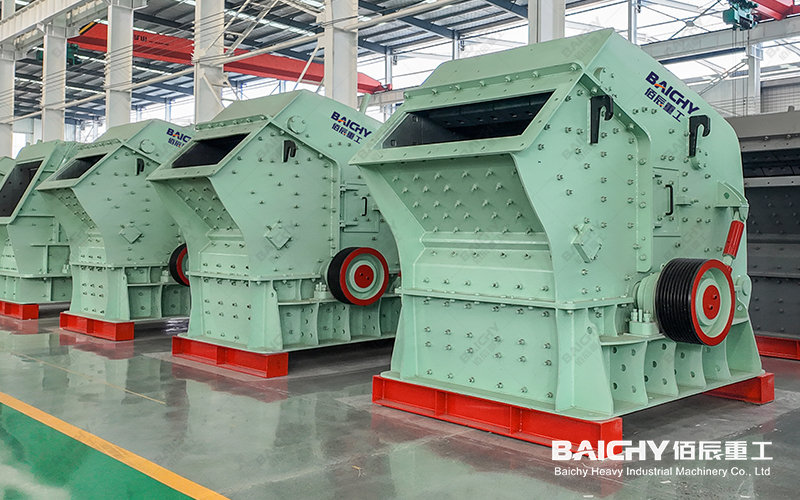
PF Impact Crusher
2. Tertiary Impact Crusher: Primarily designed for crushing medium-to-soft rock and for aggregate shaping, this type produces finished products with a rounded shape and uniform gradation. It is ideal for projects with strict aggregate quality requirements—such as highways and high-speed railways—where aggregate shape is critical. Due to its added shaping functionality, its price is typically 20%–30% higher than that of a cone crusher with the same processing capacity.
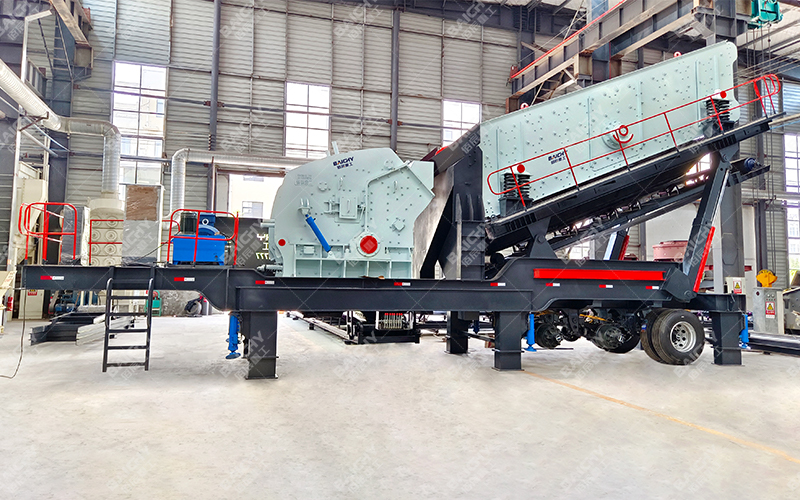
Mobile Impact Crusher
3. Mobile Tertiary Crushing Station: This integrated system combines a feeder, crusher, vibrating screen, and conveyors into a single unit. It requires no on-site foundation construction and offers flexible mobility, thereby resolving the site-restriction issues associated with stationary equipment. However, due to its high level of integration and technical complexity, its price is typically 3 to 8 times higher than that of a stationary crushing unit with the same processing capacity.
Factor 3: Brand and Configuration—You Get What You Pay For; Configuration Determines Value
Brand and configuration are key variables influencing the price of tertiary crushers—factors that many investors often overlook:
1. Brand Differences: Tier-one brands (such as Liming, SBM, Hongxing, etc.) possess mature manufacturing technologies and comprehensive after-sales support systems. Their equipment offers superior stability and comes with services such as on-site installation and lifetime maintenance; consequently, their prices are typically 10%–30% higher than those of generic brands. Conversely, equipment from niche brands or small-scale manufacturers, while inexpensive upfront, often suffers from substandard materials and poor workmanship. This leads to a higher propensity for malfunctions later on and increased maintenance costs, ultimately making them a less cost-effective choice.
2. Configuration Differences: Tertiary crushers with a basic configuration are designed to meet only fundamental crushing requirements. If optional features are selected—such as a hydraulic adjustment system (for quick and easy adjustment of discharge size), a PLC automatic control system (to enable automated operation and save on labor costs), a dust removal system (to ensure compliance with environmental regulations and avoid penalties), or upgraded wear-resistant components (to extend service life)—the total price will increase by 5%–20%.
Cautionary Note: Do not blindly chase the "lowest price." If equipment is constructed from inferior materials or features a low-end configuration, it becomes prone to issues such as material clogging, frequent replacement of wear parts, and downtime due to mechanical failure. Such problems can ultimately delay project progress and significantly increase hidden costs.
Factor 4: Material Characteristics—Processing Hard Rock vs. Soft Rock Yields Significant Price Differences
The price of a tertiary crusher also varies depending on the hardness and moisture content of the material being processed. Handling materials with different characteristics necessitates variations in the composition of wear-resistant components and the structural design of the crushing chamber:
1. Hard Rock Processing (e.g., granite, basalt, quartzite): This requires the use of high-chromium alloy wear parts and thickened crushing chamber liners. The equipment demands greater overall structural strength, which increases manufacturing costs; consequently, the price is typically 15%–25% higher than that of equipment designed for processing soft rock.
2. Soft Rock Processing (e.g., limestone, dolomite, shale): Since these materials have lower hardness, they cause minimal wear on components. The equipment structure is relatively simpler, resulting in a more affordable price point.
Additionally, if the material being processed has a high moisture content (e.g., a water content exceeding 15%), the equipment may require the addition of drying units or anti-clogging mechanisms, which will also result in a slight increase in the overall price. Factor 5: Condition and Origin—New vs. Used, A Significant Price Gap
In addition to brand-new equipment, many investors consider purchasing used tertiary crushers to reduce initial capital outlay. The price difference between the two is substantial:
1. New Equipment: Prices are stable, and buyers benefit from a full manufacturer's warranty. There are no hidden defects, making it ideal for long-term, large-scale production—the preferred choice for the majority of investors.
2. Used Equipment: Prices typically range from 30% to 60% of the cost of new equipment. However, it is crucial to carefully assess the equipment's overall condition, the wear and tear on consumable parts, and whether core components (such as the motor or hydraulic system) have undergone repairs. If the condition is poor, subsequent maintenance and repair costs can be very high; thus, used equipment is best suited for short-term projects or small-scale investors with limited budgets.
Furthermore, domestically manufactured equipment is typically 30% to 50% cheaper than imported machinery. Domestic manufacturers also offer faster after-sales response times and more convenient access to spare parts. Currently, domestic technology for tertiary crushers is highly mature, offering a cost-performance ratio far superior to that of imported equipment, making it an excellent choice for domestic investors.
2026 Guide to Selecting and Quoting Tertiary Crushers: A Must-Read for Beginners!
To obtain an accurate and reasonable quote for a tertiary crusher—and to avoid wasting money—we recommend following these three key steps:
1. Clarify Your Specific Needs: Determine the following factors in advance: "target production capacity, type and hardness of materials to be processed, required particle size of the finished product, whether mobile operation is required, and whether environmental protection configurations are needed." This information serves as the foundation for manufacturers to provide an accurate quote.
2. Compare Multiple Options and Verify Capabilities: We recommend requesting configuration lists and detailed quotes from 3 to 5 reputable, mainstream manufacturers. Do not focus solely on the "bare-machine" price; instead, compare the "Total Cost of Ownership" (which includes the equipment price, freight, installation fees, energy consumption, maintenance costs, and after-sales support). Additionally, verify the manufacturer's production credentials and reputation (via case studies and reviews) to avoid selecting a small-scale, workshop-style supplier.
3. Avoid the "Low-Price Trap": If a manufacturer quotes a price significantly lower than the market average, exercise extreme caution. In all likelihood, this indicates inferior materials, low-spec configurations, or a complete lack of after-sales support. Such equipment is prone to issues down the line, ultimately resulting in a false economy.
Conclusion: There is no single, standardized price for tertiary crushers. The core principle is to "select based on specific needs, prioritizing the best value for money." With market competition expected to be fierce in 2026, many manufacturers will be introducing customized configurations and promotional offers; investors should therefore align their choices of equipment types and brands with the specific requirements of their own projects. If you are unsure how to determine optimal production capacity or select the appropriate configuration, you can consult directly with professional manufacturers to obtain personalized equipment selection plans and precise price quotes. This approach helps you avoid unnecessary detours, save on costs, and ensure that your tertiary crusher serves as a valuable asset in driving your project's profitability.
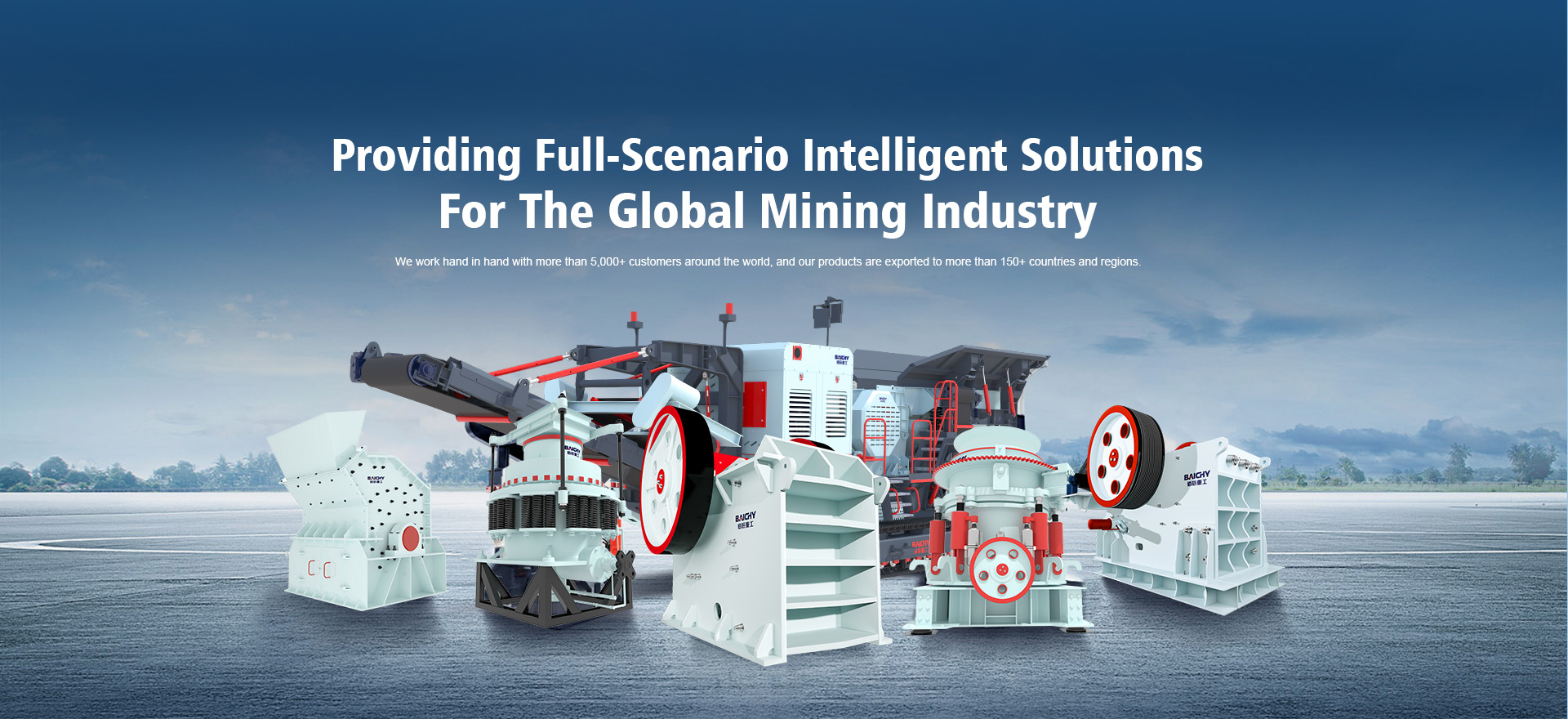
About of Baichy Heavy Industry
Baichy Heavy Industry is a high-tech mining equipment company integrating R&D, manufacturing, sales, and after-sales service. Focusing on crushing, grinding, and mineral processing equipment, we provide professional solutions to our customers. We are ISO9001:2015 、certified, and our products include mobile crushing palnts, crawler crushing plant, construction waste crushing plants, jaw crushers, sand making machines, cone crushers, fine crushers, grinding mills, ball mills, etc., all with reliable performance to meet diverse project needs.
Our advantages:
• Professional pre-sales support: Free project design and comprehensive solutions to help you accurately select the right equipment;
• Comprehensive on-site service: Providing installation guidance and worker training to ensure smooth equipment commissioning;
• Reliable after-sales guarantee: A complete after-sales system, timely response to technical inquiries and equipment maintenance, ensuring long-term stable operation.
To protect your rights, please contact us through the following official channels for professional service:
Official Website Customer Service
https://wa.me/+8615093222637
Email: [email protected]
We are committed to providing high-quality equipment and full-cycle services to deliver comprehensive intelligent solutions for the global mining industry!