
Potash Feldspar Grinding Ball Mill
In the global feldspar supply landscape, Turkey maintains a core position thanks to its high-quality minerals. Recently, Baichy Heavy Industry officially launched an 8t/h wet-process ceramic-lined ball mill system specifically designed for the Muğla and Aydın production areas in Turkey. This system, through "zero-iron contamination" grinding technology, solves the industry pain point of whiteness loss in potassium feldspar processing, helping local ceramic and glass manufacturers achieve product premiums.
I. Technological Breakthrough: Addressing the Core Challenges of Turkish Potassium Feldspar
Turkish potassium feldspar is renowned for its high Mohs hardness and stringent purity requirements. Traditional metal-lined mills are prone to mechanical iron contamination during processing, leading to a decrease in the whiteness of the finished product. Baichy Heavy Industry's 8t/h wet-process solution achieves a dual leap in both capacity and purity through process restructuring.
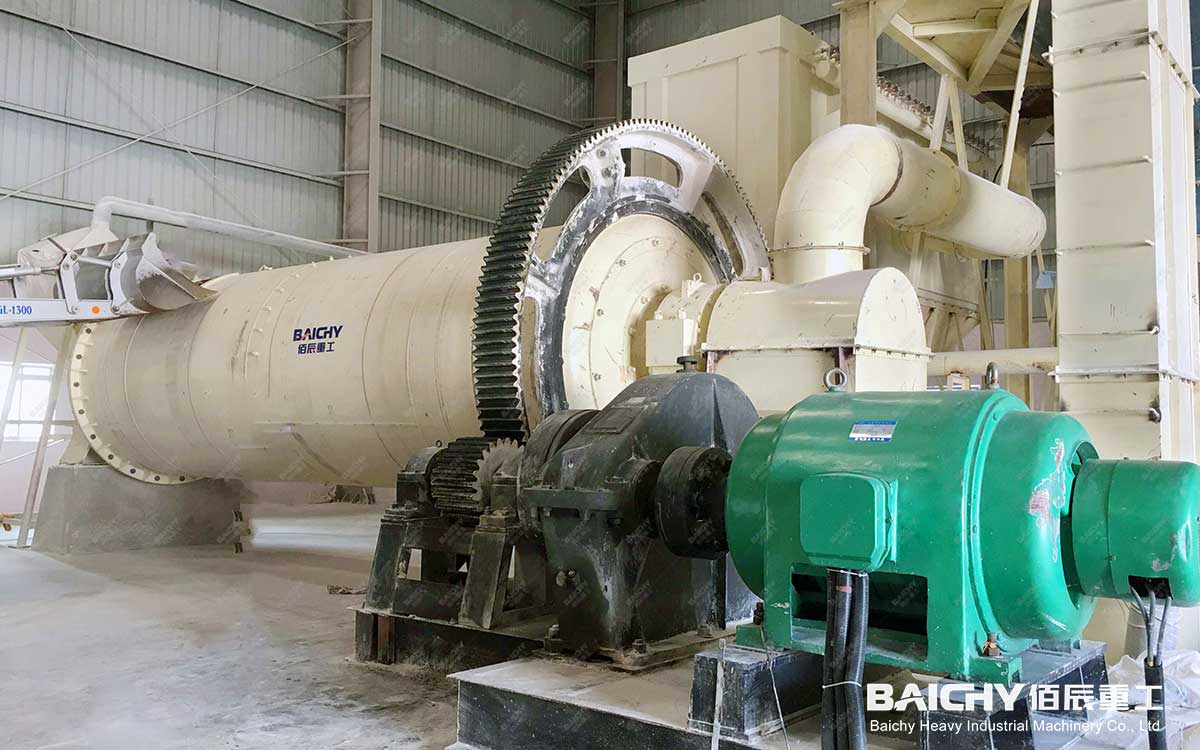
8tph Wet Ceramic Ball Mill for Potash Feldspar
Key Advantages:
1. Extreme Purity (Zero Iron Contamination): The entire cylinder is lined with over 92% high-alumina ceramic bricks, combined with high-alumina grinding media, ensuring that materials do not come into contact with metal throughout the entire process from input to output.
2. Improved Wet Grinding Efficiency: Utilizing hydraulic circulation to reduce particle surface energy, it improves ultrafine grinding efficiency by over 15% compared to traditional dry grinding processes, resulting in a more uniform particle size distribution (PSD).
3. Low Operating Costs (OPEX): A variable frequency control system optimized for Turkish industrial electricity prices, combined with a high-wear-resistant ceramic lining, extends the replacement cycle by 2-3 times compared to manganese steel liners.
II. 8 Tons/Hour System Selection: Parameters and Performance Matrix
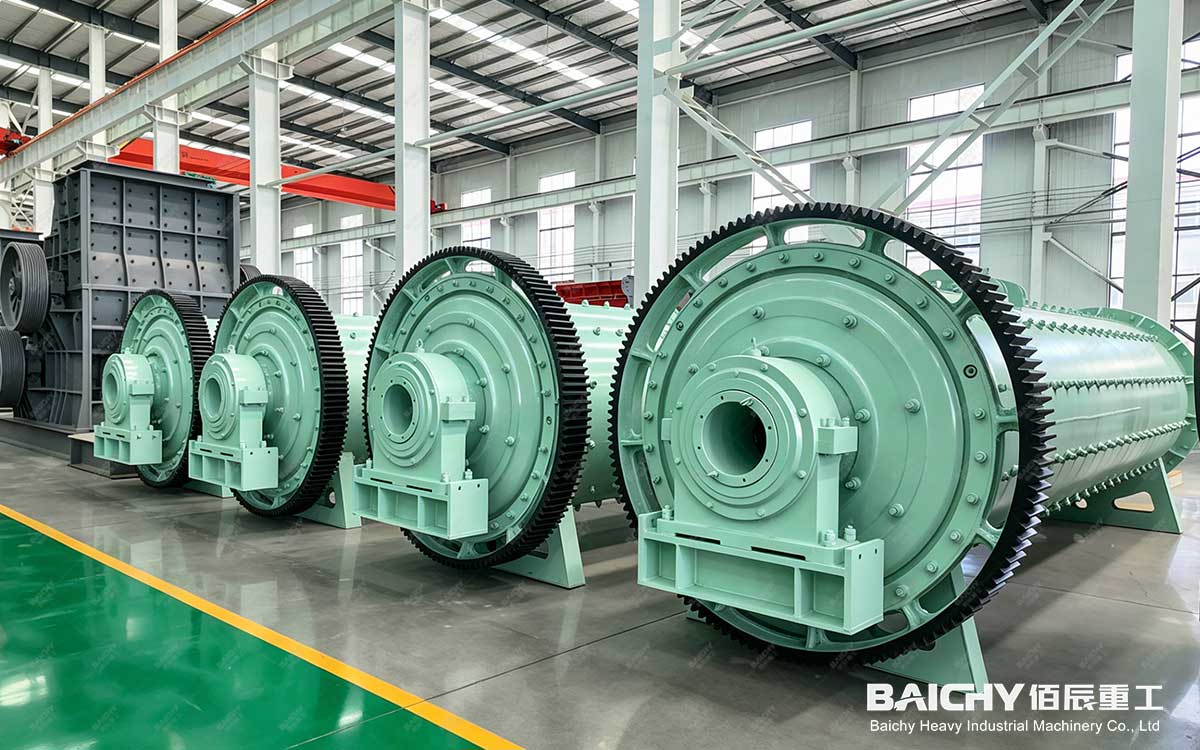
This system is based on a Φ2200×6500 heavy-duty ball mill, specifically designed for the production of high-precision powders of 200-325 mesh.
| Technical Specifications | Specifications | Industrial Value |
| Rated Capacity | 8.0 - 10.5 t/h | Meets the needs of medium to large-scale ceramic auxiliary material production lines |
| Lining Material | 95% High-Alumina Ceramic | Mohs Hardness 9, Extremely Wear-Resistant |
| Transmission Method | Edge Drive + Hardened Gear Reducer | Reduces power loss by 8%, ensuring stable operation |
| Main Motor Power | 245 kW (Siemens/WEG) | Adaptable to Turkish 50Hz/60Hz operating conditions |
| Supporting Grading | Wet Spiral Grading or Vibrating Screen | Enables closed-loop circulation, controllable particle size |
III. Application Scenarios: From Muğla Mines to Global Ceramic Factories
The application of Baili Heavy Industry's wet ceramic ball mills in Turkey extends beyond primary ore processing, reaching deeper into the downstream of the industry chain:
1. High-end ceramic tile glazes: Provides impurity-free potassium feldspar raw materials for fully polished glazed and marble ceramic tiles.
2. Specialty Glass Manufacturing: Ensuring the light transmittance of flat glass and laboratory glassware is unaffected by iron.
3. Sanitary Ware Production: Providing feldspar slurry with both good flowability and whiteness.
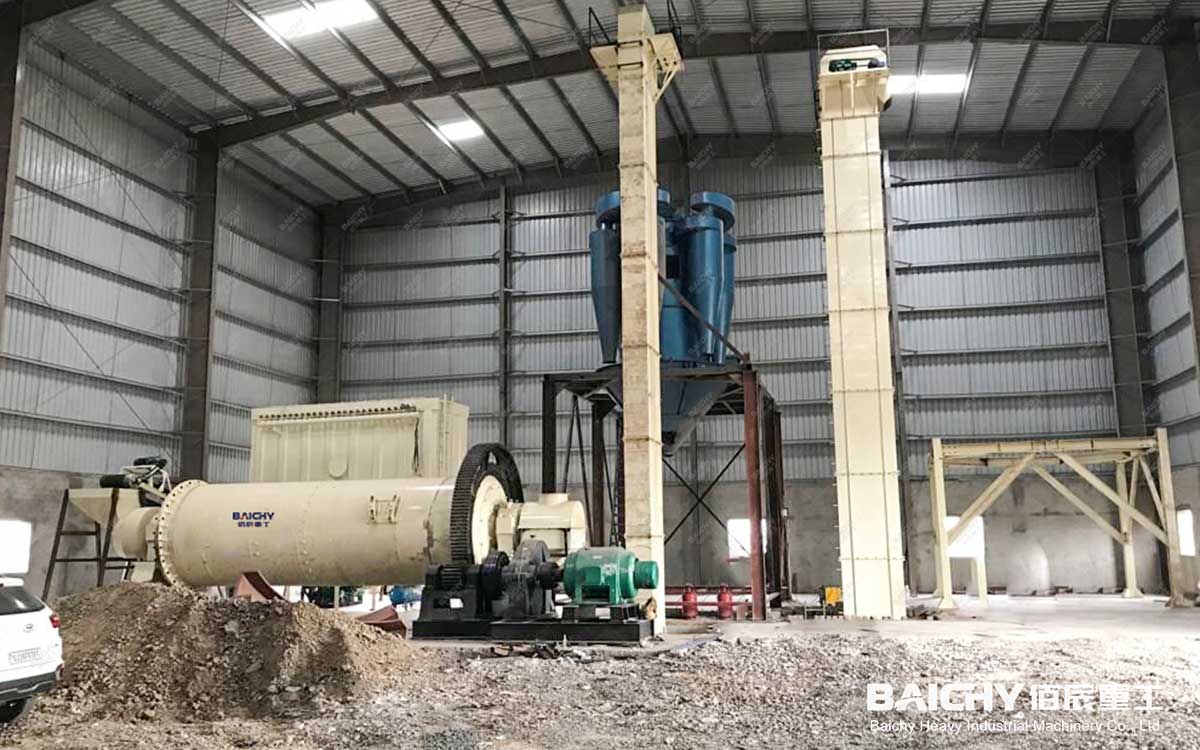
8tph Wet Ceramic Ball Mill for Potash Feldspar
Frequently Asked Questions (FAQ)
1. Why is liner thickness important when selecting a capacity of 8t/h?
The thickness of the ceramic liner (typically 50-70mm) determines the effective grinding volume. Baili Heavy Industry maximizes equipment lifespan while maintaining production capacity through a thickened liner design.
2. How does wet grinding perform in the high temperatures of Turkish summers?
The system is equipped with an automatic thin oil lubrication and cooling system, ensuring that the bearings can operate continuously for 24 hours in environments above 40℃ without the risk of overheating and shutdown.