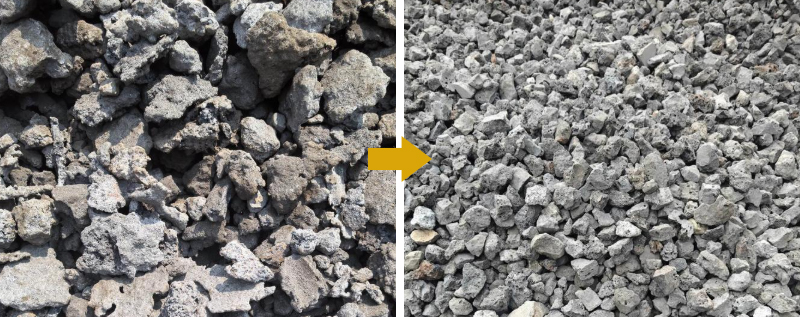
vanadium-iron slag crushiing
During the smelting of vanadium-titanium magnetite and the production of vanadium alloys, the massive quantities of vanadium-iron slag generated often present a significant challenge. The dilemma is this: should it be simply stockpiled—thereby occupying valuable land—or should we seek out high-value utilization pathways?
The answer lies in the latter. Crushing serves as the critical first step in the process of transforming vanadium-iron slag from "waste" into "valuable resources." Today, we will conduct an in-depth analysis of why the industrially ubiquitous PE600×900 jaw crusher (commonly referred to as the "69 Crusher") is the ideal primary crushing device for processing vanadium-iron slag, and how it can be utilized to unlock the inherent value of this industrial residue.

PE Jaw Crusher PDF,Download ↓↓↓
I. The Core Question: Can Vanadium-Iron Slag Actually Be Processed by a Jaw Crusher?
Many clients' initial reaction is: "This slag is as hard as rock; can a standard machine really handle it?"
The definitive answer is: Absolutely—and, in fact, this is the standard industry practice.
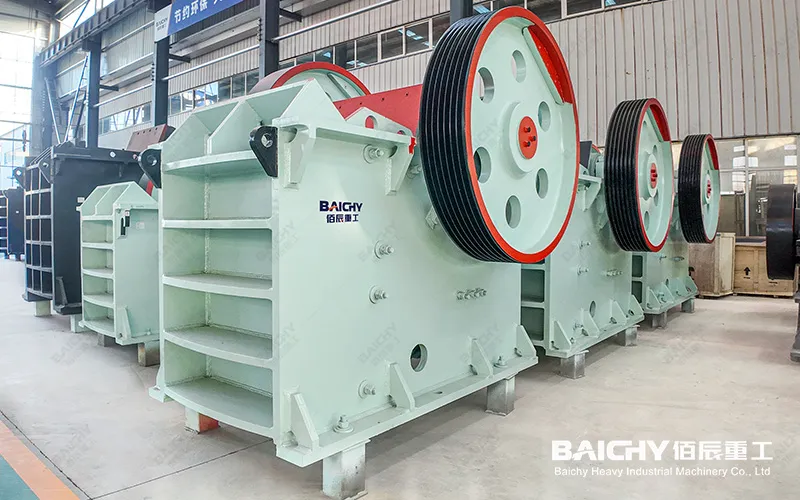
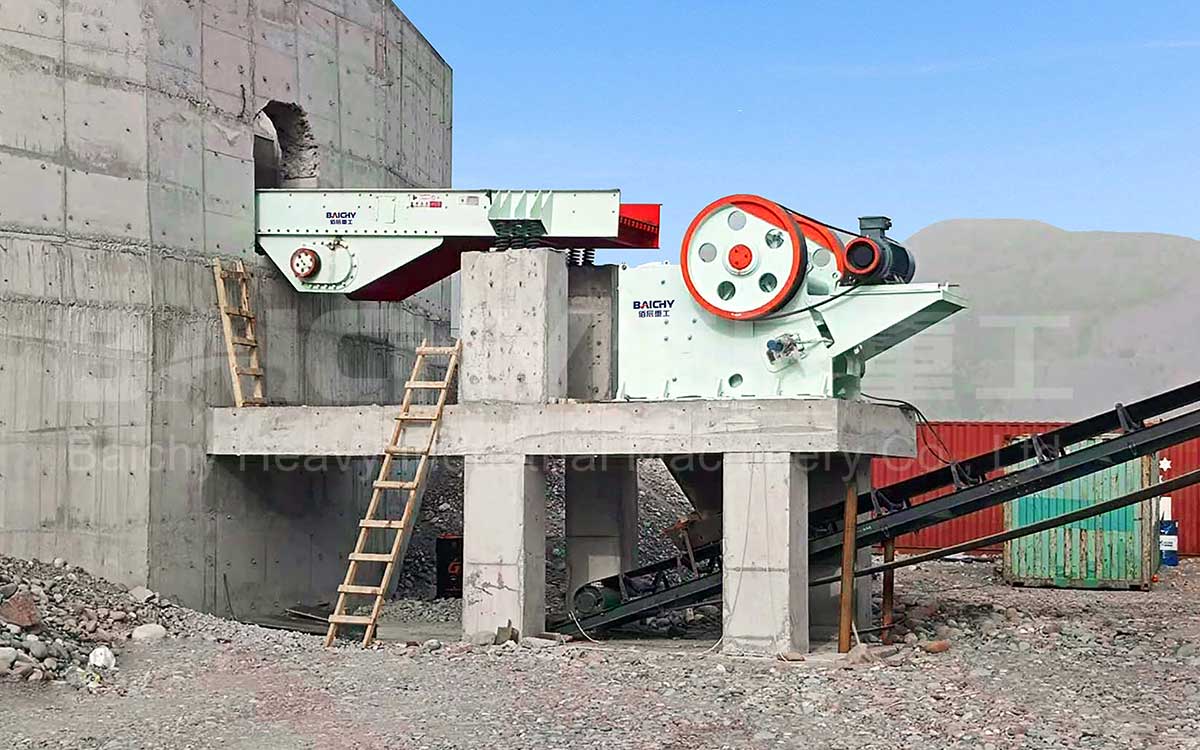
PE600x900 vanadium-iron slag crusher
Although vanadium-iron slag may appear honeycomb-like or massive in form—and while certain localized zones (such as those rich in aluminum spinel or calcium aluminate phases) exhibit high strength—its overall hardness is significantly lower than that of typical hard rocks like granite or basalt. In industrial production settings, even when dealing with massive slag cakes approaching two meters in diameter, the standard processing workflow is precisely as follows:
Jaw Crusher (Primary Crushing) → Double-Roller Crusher (Secondary/Fine Crushing) → Screening → Finished Product
As a classic medium-sized primary crushing device, the PE600×900 possesses the structural integrity and mechanical strength required to fully handle the demanding task of crushing vanadium-iron slag.
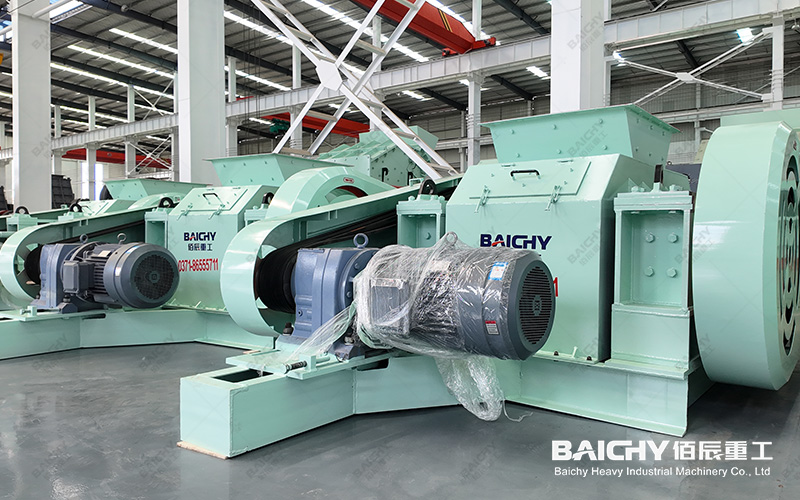
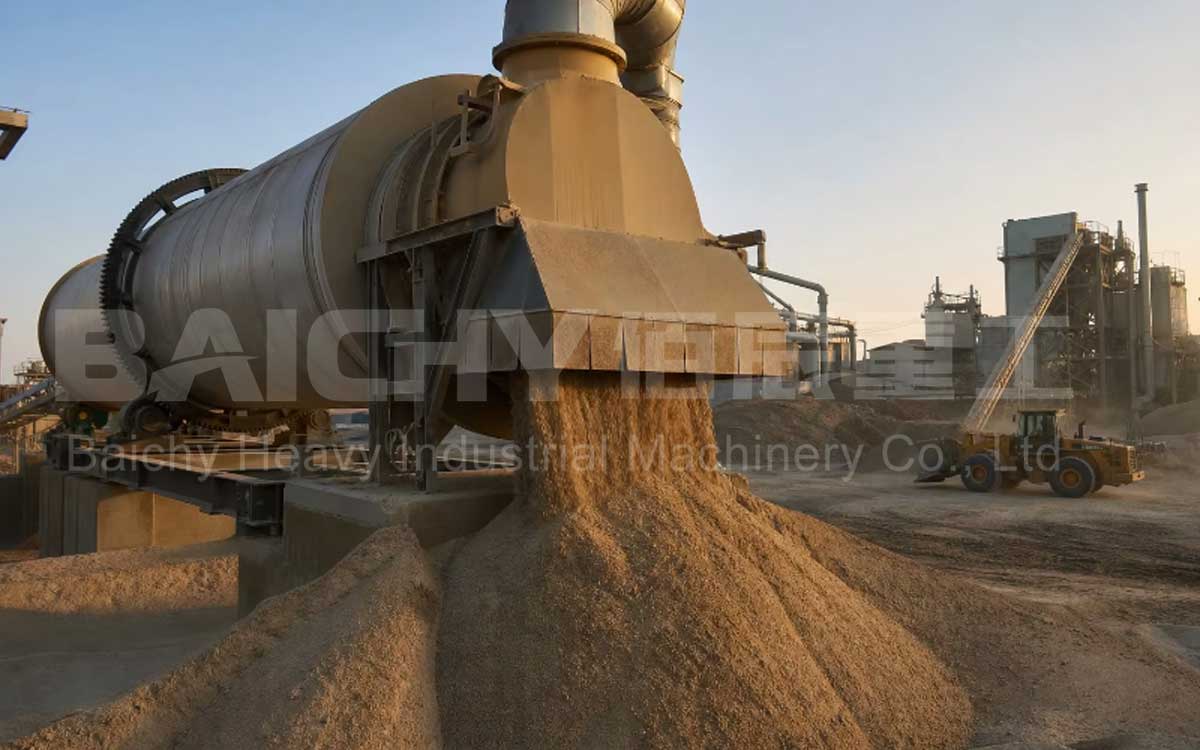
Double Roller Crusher For crushing vanadium-iron slag
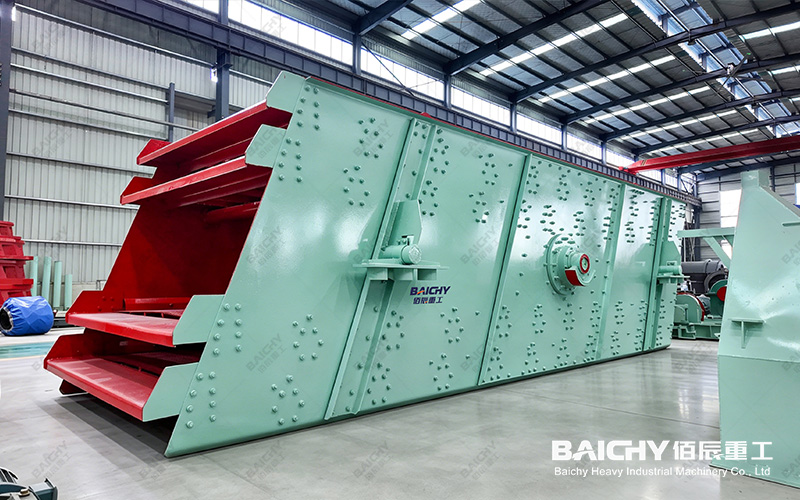
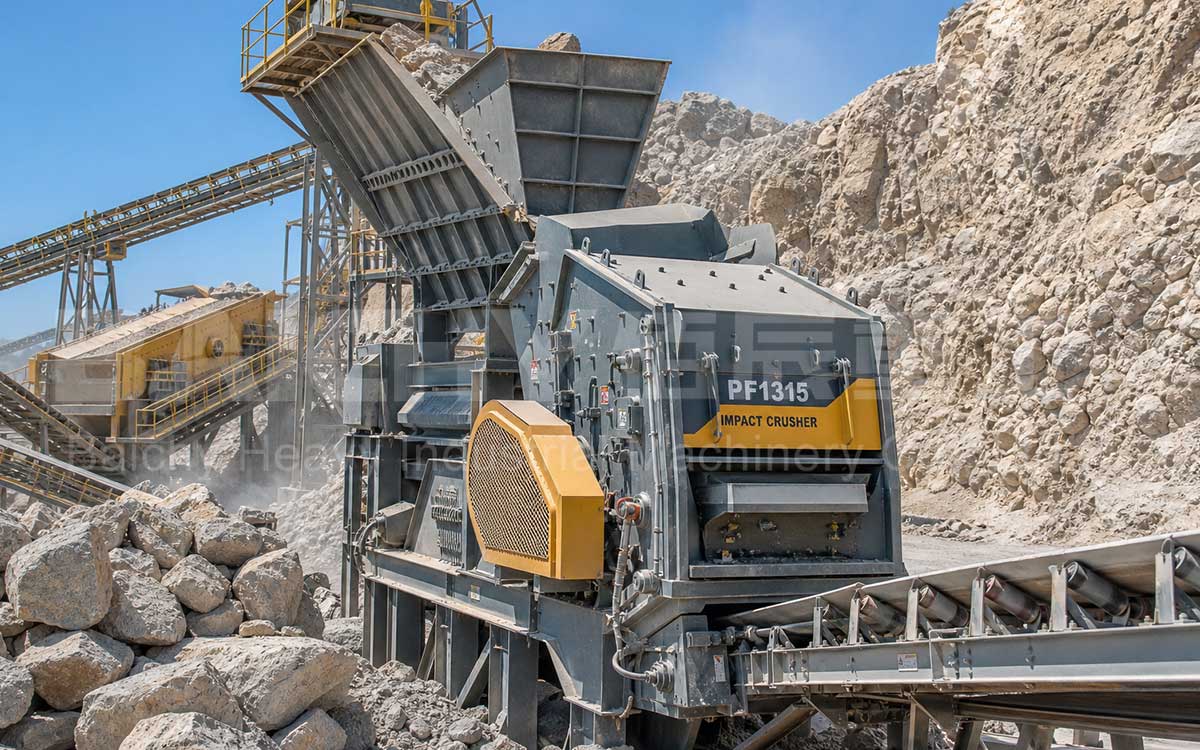
Vibrating Screen For screening vanadium-iron slag
II. Why Is the PE600×900 the Preferred Choice?
The selection of the PE600×900 is driven by more than just its widespread availability; it is primarily due to the fact that its technical specifications align perfectly with the specific characteristics of vanadium-iron slag.
1. Analysis of Parameter Suitability
| Key Indicator | PE600×900 Equipment Parameters | Suitability for Vanadium-Iron Slag Processing |
| Maximum Feed Size | 500 mm | Pre-processing Required: Large, raw slag lumps must be cut or broken down to under 500 mm; small to medium-sized slag pieces can be fed directly. |
| Processing Capacity | 90 – 180 t/h | High-Efficiency Range: Given the inherent structural heterogeneity of vanadium-iron slag, the actual throughput performance of the machine in this application is often exceptional, frequently approaching the upper limit of its rated capacity. |
| Compressive Strength | ≤ 320 MPa | More Than Sufficient: The hardness of ferrovanadium slag is far below the equipment's operational limits; thus, there is no risk of the machine being unable to "bite into" or crush the material. |
2. Economic Efficiency and Versatility
Compared to larger-scale heavy-duty crushers, the PE600×900 model features a moderate investment cost. Furthermore, its accompanying motor (typically 55–75 kW) consumes a reasonable amount of energy, making it an ideal choice for medium-scale solid waste processing lines or ancillary upgrade projects within smelting plants.
III. Where Does It Go After Crushing? The "Path to Rebirth" for Ferrovanadium Slag
Once large blocks of ferrovanadium slag have been crushed into aggregates with a particle size of 0–50 mm or smaller, their potential applications become remarkably perse. This is precisely why we go to the trouble of crushing it:
1. High-End Refractory Materials (High Added Value)
• Core Value: Ferrovanadium slag—particularly that produced via the aluminothermic process—possesses an extremely high Al₂O₃ content and a refractoriness exceeding 1790°C.
• Applications: After crushing and screening, the resulting aggregates can serve as a direct substitute for expensive high-alumina bauxite. They are utilized in the production of materials such as taphole castables for blast furnaces and ladle bricks, offering slag-corrosion resistance that is, in some instances, superior to that of certain natural raw materials.
2. Green Building Material Admixtures
• Core Value: When ground into a fine powder, the slag exhibits hydraulic activity.
• Applications: By incorporating it into cement or concrete mixes at a ratio of 15%–20%, its micro-expansion properties can be leveraged to compensate for shrinkage. This effectively resolves the persistent problem of concrete cracking and significantly enhances the overall durability of structures.
3. Mineral Processing and Recovery (Cost Reduction and Efficiency Improvement)
• Core Value: The slag encapsulates unseparated particles of ferrovanadium alloy.
• Applications: By employing a combination of "jaw crushing + double-roll crushing" to fully liberate the mineral particles, followed by processing through gravity separation equipment (such as jigging machines), the embedded metal particles can be successfully recovered—thereby generating direct economic benefits.
IV. Practical Pitfall Avoidance Guide: Operational Advice for Owners
Although the equipment selection itself is sound, during actual operation—given the unique characteristics of ferrovanadium slag—two points require particular attention:
1. Regarding Feeding Methods:
If your raw material consists of large, intact slag lumps (diameter > 500mm), do not attempt to feed them directly into the jaw crusher. We recommend installing a hydraulic breaker or a gantry shear at the front end of the production line for pre-treatment. This ensures the feed size remains < 500mm, preventing the main machine from jamming or the jaw plates from sustaining damage due to excessive impact forces.
2. Regarding Wear Part Consumption:
Ferrovanadium slag inevitably contains inclusions of iron or high-hardness minerals, which tend to "wear out" jaw plates much faster than crushing ordinary rock. Recommendations:
◦ Select jaw plates made from high-chrome alloy or modified high-manganese steel materials;
◦ Maintain a sufficient inventory of spare wear parts to avoid production delays caused by downtime required for component replacement.
Integrating the PE600×900 Jaw Crusher into a ferrovanadium slag processing line is not only a technically mature and reliable choice but also a pivotal step in bridging the gap between "industrial solid waste" and "valuable resources."
If you are currently planning a comprehensive utilization project for ferrovanadium slag—or if you have further questions regarding crushing processes or refractory material formulations—we invite you to leave a comment in the section below to join the discussion, or send us a direct private message to receive a customized equipment selection checklist!
Let industrial solid waste cease its slumber; let its revitalization begin with a single, highly efficient crushing operation.
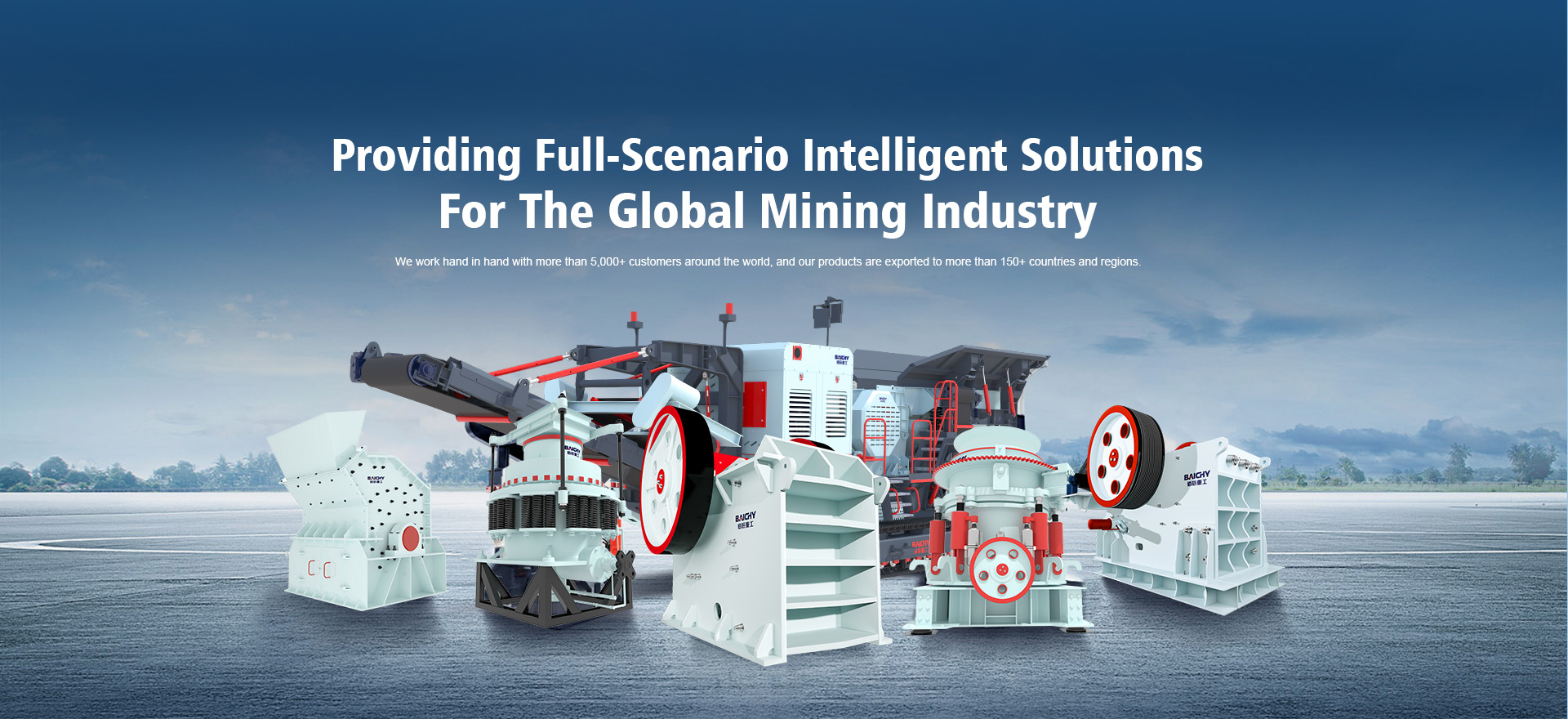
About of Baichy Heavy Industry
Baichy Heavy Industry is a high-tech mining equipment company integrating R&D, manufacturing, sales, and after-sales service. Focusing on crushing, grinding, and mineral processing equipment, we provide professional solutions to our customers. We are ISO9001:2015 、certified, and our products include mobile crushing palnts, crawler crushing plant, construction waste crushing plants, jaw crushers, sand making machines, cone crushers, fine crushers, grinding mills, ball mills, etc., all with reliable performance to meet diverse project needs.
Our advantages:
• Professional pre-sales support: Free project design and comprehensive solutions to help you accurately select the right equipment;
• Comprehensive on-site service: Providing installation guidance and worker training to ensure smooth equipment commissioning;
• Reliable after-sales guarantee: A complete after-sales system, timely response to technical inquiries and equipment maintenance, ensuring long-term stable operation.
To protect your rights, please contact us through the following official channels for professional service:
Official Website Customer Service
https://wa.me/+8615093222637
Email: [email protected]
We are committed to providing high-quality equipment and full-cycle services to deliver comprehensive intelligent solutions for the global mining industry!
Frequently Asked Questions (FAQ)
1. When using the PE600×900 Jaw Crusher to process ferrovanadium slag, can the actual throughput really reach 180 t/h?
A: The nominal capacity range of 90–180 t/h typically applies to medium-hardness limestone. However, with ferrovanadium slag—due to its internal structure often being "sponge-like" or porous and loose—the actual resistance to crushing is lower than that of dense rock. In actual production scenarios, provided the feed is continuous and uniform (with particle sizes kept under 500mm), the throughput can typically stabilize within the highly efficient range of 150–180 t/h.
2. Given the high hardness of ferrovanadium slag, won't it cause the jaw plates (liner plates) to wear out very quickly?
A: It is true that crushing ferrovanadium slag results in slightly greater wear compared to crushing ordinary rock. Ferrovanadium slag often contains unreacted metal particles or high-hardness spinel phases. We recommend against using standard manganese steel jaw plates; instead, we suggest upgrading to high-chromium alloy composite jaw plates or modified high-manganese steel jaw plates. Although the unit cost is slightly higher, this upgrade can extend service life by 30% to 50%, ultimately offering superior overall cost-effectiveness.
3. How much can crushed ferrovanadium slag actually be sold for? And who are the primary buyers?
A: The price depends on the Al₂O₃ content and particle size. If utilized as aggregate for refractory materials (with an Al₂O₃ content > 70%), the price typically ranges from several hundred RMB per ton—significantly higher than standard waste disposal fees. However, if used as an additive for cement, the price is lower. The primary customer base consists of refractory material manufacturers, cement plants, and specialized metallurgical slag recycling companies.