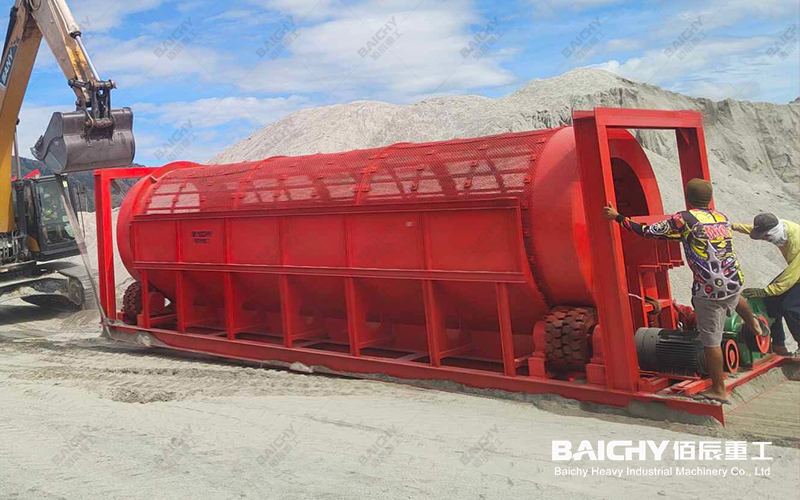
Rotary Trommel Screen
In the process flows of mining crushing and grinding operations, screening serves as a critical link that determines both the quality and efficiency of the final product. Among the various screening technologies available, the rotary trommel screen—distinguished by its unique operating principles and exceptional adaptability—has emerged as a reliable piece of equipment for processing a wide variety of materials. This article provides an in-depth analysis of the rotary trommel screen, offering you a comprehensive overview of this "all-rounder" in the field of screening technology.
I. An In-Depth Analysis of the Rotary Trommel Screen
1.1 What is a Rotary Trommel Screen?
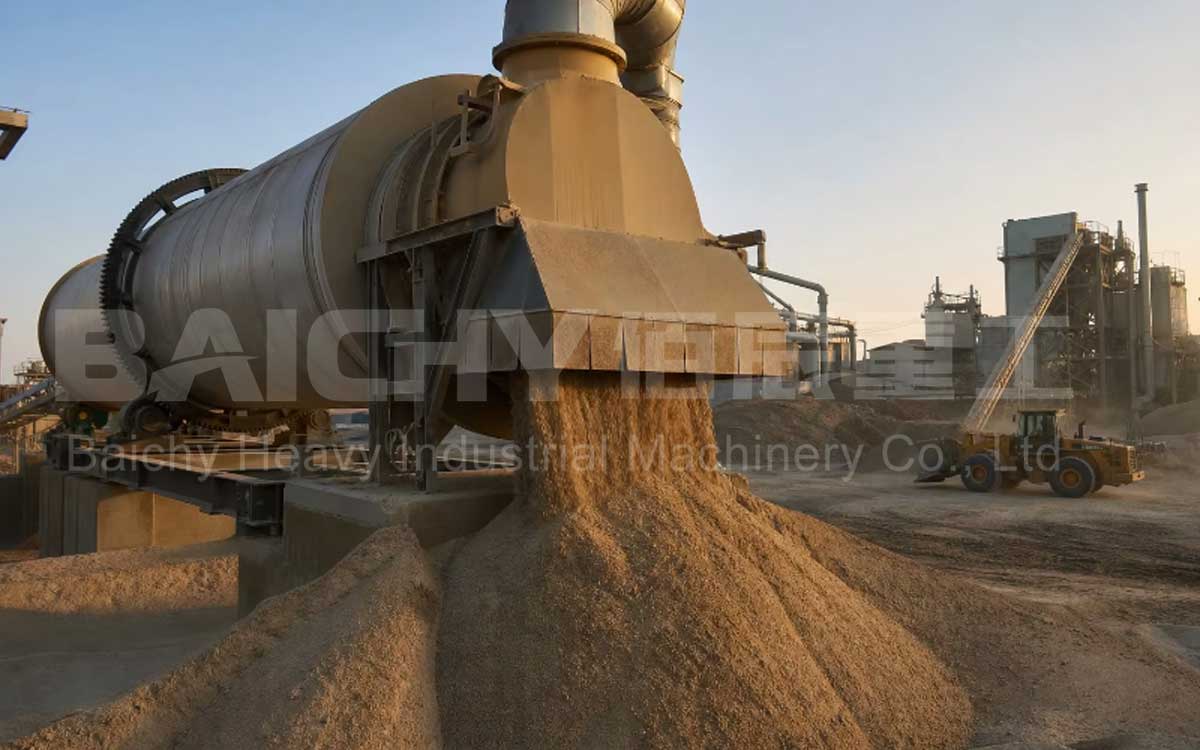
The rotary trommel screen—also known as a rotary screen or cylindrical screen—is a device designed to classify and separate materials based on size. It operates by slowly rotating a cylindrical drum around its central axis; as the materials tumble and slide within the drum, they pass through screen apertures of varying specifications to achieve separation. Its core operating principle relies on harnessing the forces of gravity, centrifugal force, and inter-particle friction to achieve precise classification.
1.2 Overview of Core Operating Principles
Materials enter the slightly inclined rotating drum from the feed end. As the drum rotates at a constant speed, the materials are lifted to a certain height before tumbling and cascading back down under the influence of gravity. Smaller particles pass through the corresponding screen mesh layers during this tumbling process and fall into the collection hoppers located beneath; conversely, materials larger than the screen apertures travel along the downward incline of the drum and are discharged from the outlet end, thereby completing the multi-stage screening process. The entire operation is continuous and smooth, subjecting the materials to minimal mechanical impact.
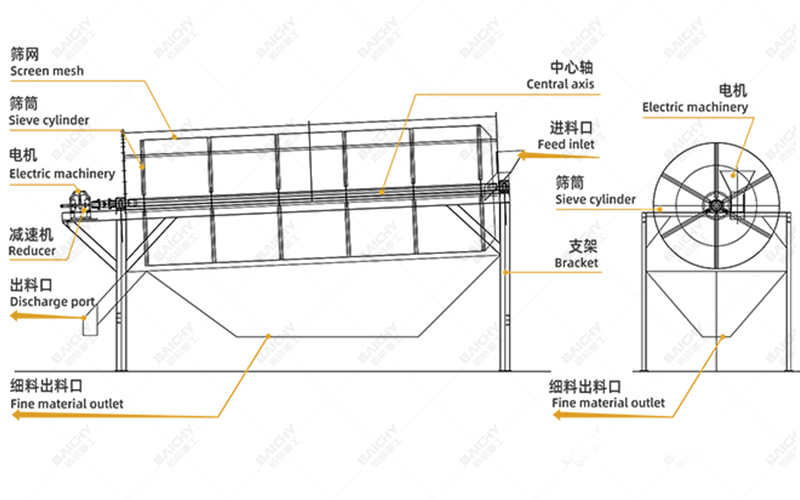
Rotary Screen Structural Diagram
II. Key Advantages of the Rotary Trommel Screen
Compared to other screening devices—such as linear vibrating screens or probability screens—the rotary trommel screen offers distinct and indispensable advantages in specific application scenarios.
• High Adaptability: It is capable of processing wet and sticky materials with high moisture and clay content without suffering from screen clogging—a common challenge that proves difficult for many vibrating screens to overcome.
• Precise Classification: By configuring the drum with multiple layers (typically 2 to 4) featuring different mesh sizes, the device can simultaneously and accurately separate materials into various distinct particle size fractions in a single pass.
• Stable Operation: It operates without violent vibrations, generates low noise levels, and exerts minimal structural impact on the facility's foundation and plant infrastructure, thereby ensuring high equipment durability and longevity.
• High Processing Capacity: The large internal volume of the drum allows it to accommodate and continuously process substantial quantities of material, making it ideally suited for both primary coarse screening and intermediate-stage classification applications. • Easy Maintenance: Featuring a simple structure—with the drum and drive mechanism serving as the primary moving parts—the machine has few potential failure points, making routine maintenance both convenient and straightforward.
III. Reference: Classic Application Cases
The table below illustrates typical applications of the rotary trommel screen across various industries, demonstrating its broad applicability.
| Application Industry | Sample Materials Processed | Primary Screening Objective | Key Advantages |
| Sand & Aggregate | Crushed stone, river sand, manufactured sand | Separation into finished aggregate grades (e.g., 0–5mm, 5–10mm, 10–20mm) | Precise grading, high throughput, wear-resistant |
| Mining | Raw ore, coal, quartz sand | Pre-screening, check screening, coal washing & desliming | Handles sticky/wet raw ores effectively; low screen-clogging rate |
| Metallurgy & Chemicals | Coke, sintered ore, fertilizer granules | Particle size classification, fines removal | Smooth operation; minimal breakage of fragile materials |
| Construction Waste Recycling | Crushed construction waste mixtures | Separation of light materials, soil, and recycled aggregates of various sizes | High screening efficiency, strong impact resistance |
IV. Selection Guidelines & Recommended Ancillary Equipment
When selecting a rotary trommel screen, key factors to consider include material characteristics (moisture content, viscosity, particle size distribution, abrasiveness), required throughput, desired number of classification grades, and available installation space. Generally, the rotary trommel screen is the preferred choice for the medium-scale screening of sticky or wet materials.
Within a complete crushing and grinding production line, the rotary trommel screen typically operates in conjunction with the following equipment:
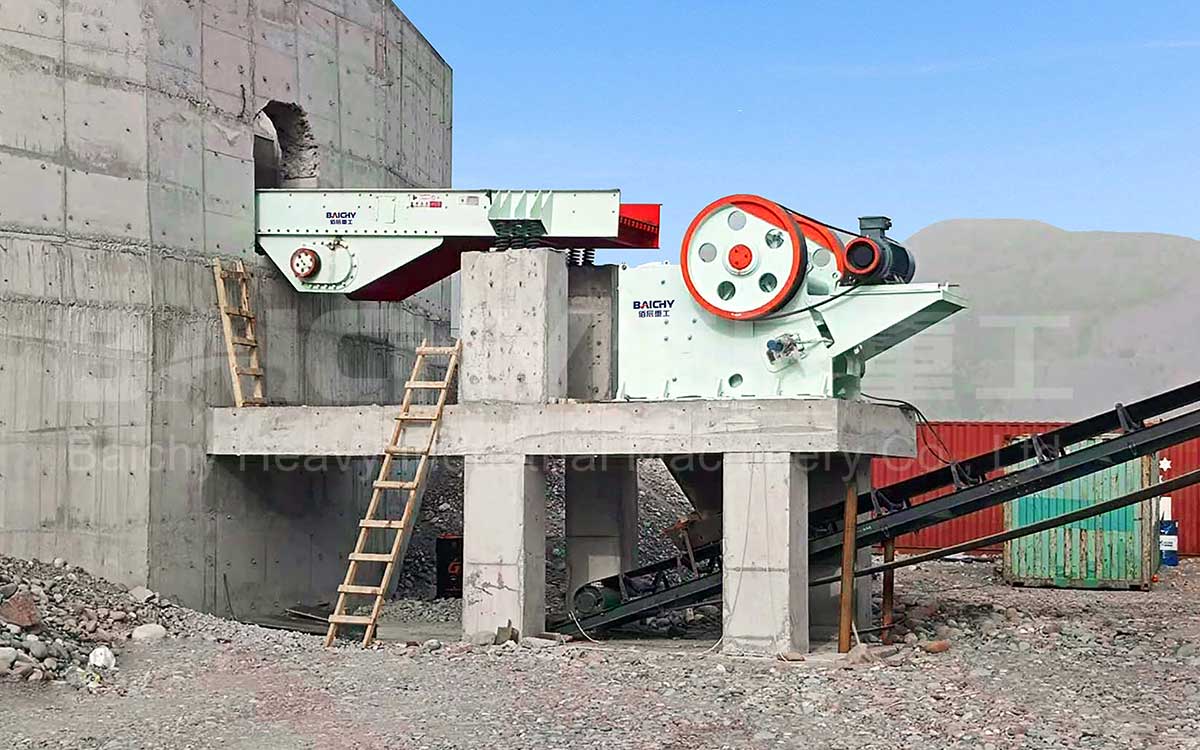
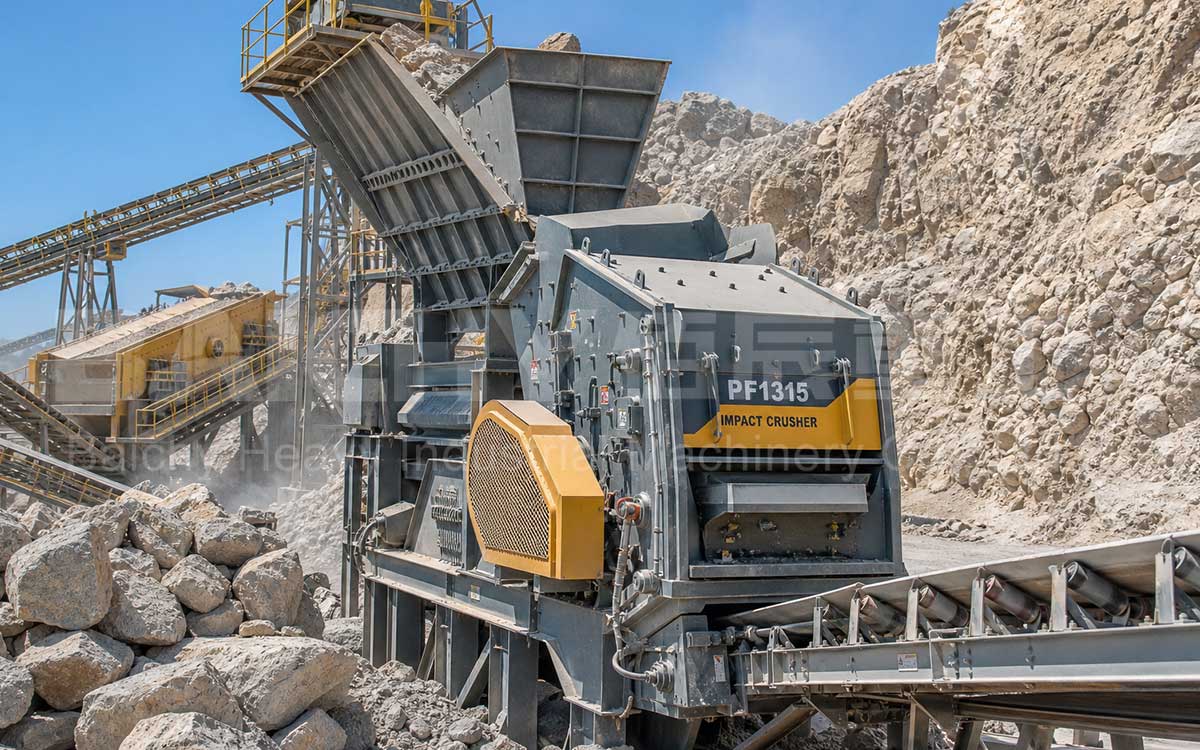
• Recommended Upstream Equipment: Jaw crusher (for primary coarse crushing) and/or impact crusher/cone crusher (for secondary and fine crushing)—these provide raw materials of appropriate particle size for the screening process.
• Recommended Downstream Equipment: Bucket elevator or belt conveyor (for transporting finished products), ball mill/vertical mill (for further processing of fine materials requiring pulverization), and packaging systems.
A rationally configured production line ensures the maximization of the rotary trommel screen's operational efficiency.
V. Frequently Asked Questions (FAQ)
Q1: Which is better: a rotary trommel screen or a vibrating screen?
There is no absolute "better" or "worse"—only what is most suitable for the specific application. Rotary trommel screens excel at processing sticky, wet materials that are prone to clogging; they operate more smoothly and quietly, making them ideal for precise, multi-stage classification. Vibrating screens (such as linear screens), on the other hand, typically offer higher processing efficiency per unit area; they are well-suited for the rapid screening of dry materials and generally involve a lower initial equipment investment. The choice between the two should be determined based on the specific material properties and process requirements.
Q2: Are the screen meshes prone to clogging? How are they cleaned?
Thanks to their tumbling-action screening principle, rotary trommel screens possess inherent self-cleaning capabilities, resulting in a significantly lower probability of mesh clogging compared to static screens. For extremely sticky materials, the equipment can be fitted with built-in screen-cleaning devices (such as bouncing balls or rotating brushes) or an intermittent spray system to effectively resolve any clogging issues.
Q3: What are the equipment's energy consumption and wear characteristics?
The driving power for a rotary trommel screen is primarily utilized to overcome the frictional resistance associated with the rotation of the drum; consequently, energy consumption is typically moderate and stable. The primary component subject to wear is the screen mesh itself, particularly when processing highly abrasive materials. It is recommended to select screen meshes made from wear-resistant materials (such as manganese steel or polyurethane) and to design them as modular units that allow for quick and easy replacement, thereby minimizing long-term maintenance costs.
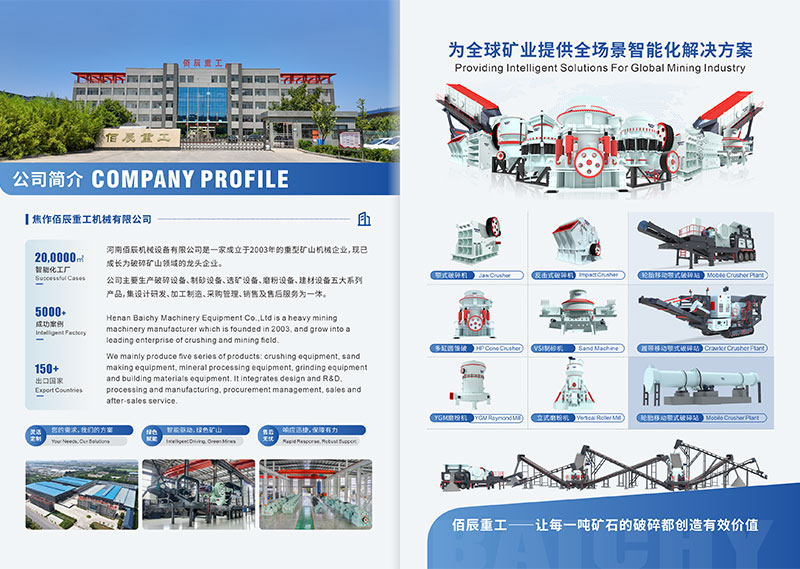
About of Baichy Heavy Industry
Baichy Heavy Industry is a high-tech mining equipment company integrating R&D, manufacturing, sales, and after-sales service. Focusing on crushing, grinding, and mineral processing equipment, we provide professional solutions to our customers. We are ISO9001:2015 、certified, and our products include mobile crushing palnts, crawler crushing plant, construction waste crushing plants, jaw crushers, sand making machines, cone crushers, fine crushers, grinding mills, ball mills, etc., all with reliable performance to meet diverse project needs.
Our advantages:
• Professional pre-sales support: Free project design and comprehensive solutions to help you accurately select the right equipment;
• Comprehensive on-site service: Providing installation guidance and worker training to ensure smooth equipment commissioning;
• Reliable after-sales guarantee: A complete after-sales system, timely response to technical inquiries and equipment maintenance, ensuring long-term stable operation.
To protect your rights, please contact us through the following official channels for professional service:
Official Website Customer Service
https://wa.me/+8615093222637
Email: [email protected]
We are committed to providing high-quality equipment and full-cycle services to deliver comprehensive intelligent solutions for the global mining industry!