
A project-specific solution for Malaysian limestone
A customer in Malaysia is asking for a limestone crushing line with a target capacity of 50–80 tons per hour. The raw rock is approximately 300–400 mm, and the requested finished material is 30–40 mm aggregate.
Instead of treating the project as a simple crusher purchase, the process should be designed around three connected requirements: stable feeding, staged size reduction and reliable product separation.
The proposed arrangement is:
Feeder → PE500×750 jaw crusher → PF1010 impact crusher → vibrating screen → 30–40 mm product
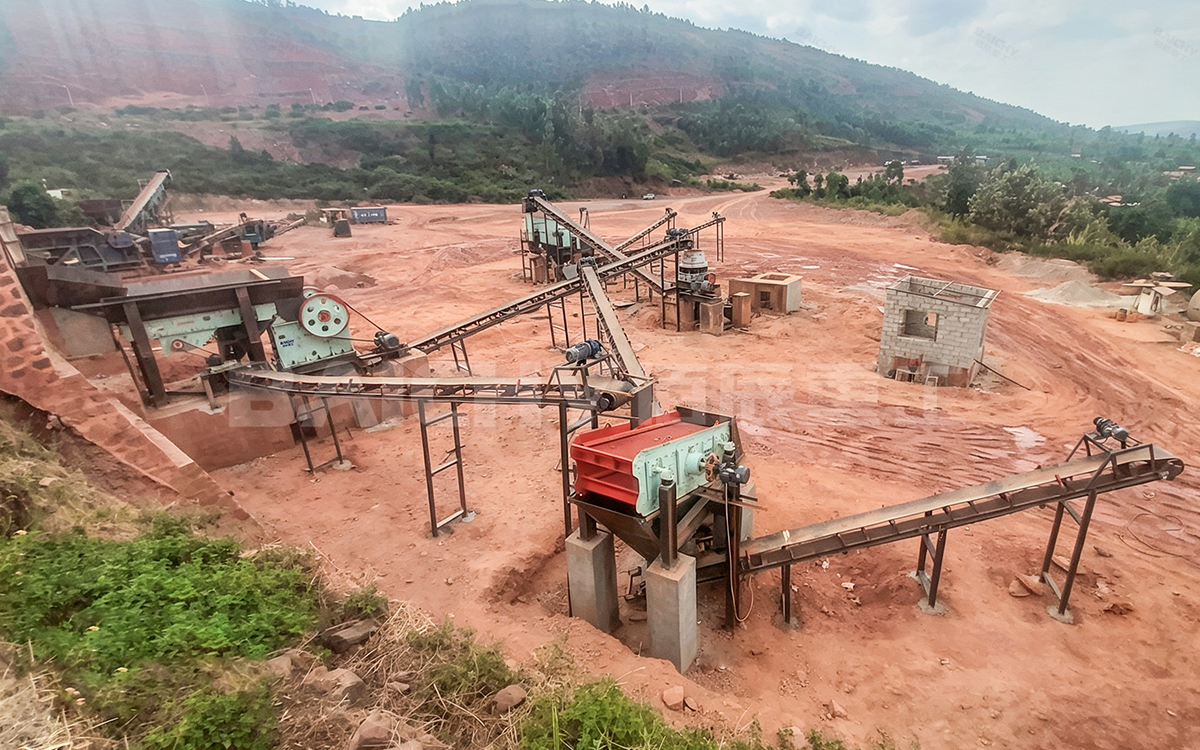
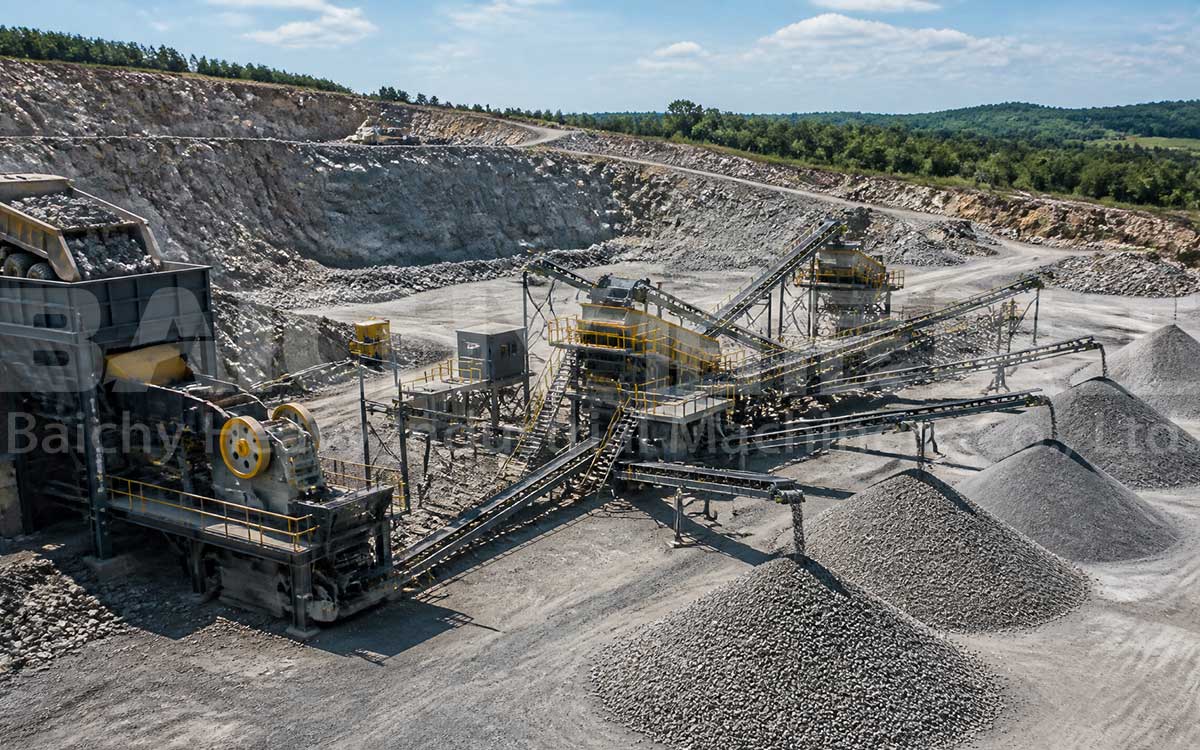
50–80 TPH Limestone Crushing Plant for Malaysia
Oversize from the screen is sent back to the PF1010 by a return conveyor. This creates a closed circuit that gives the operator better control over the final product size. The configuration is a preliminary solution; the final selection should be checked against limestone test data, the site layout and the customer’s exact product definition.
Proposed equipment and design parameters
| Item | Preliminary specification |
|---|---|
| Project market | Malaysia |
| Material | Limestone |
| Feed rock size | Approximately 300–400 mm |
| Target fresh-feed capacity | 50–80 t/h |
| Finished product | 30–40 mm aggregate |
| Feeding equipment | Feeder |
| Primary crushing | PE500×750 jaw crusher |
| Secondary crushing | PF1010 impact crusher |
| Classification | Vibrating screen |
| Oversize control | Return conveyor to PF1010 |
| Process layout | Two-stage, closed-circuit crushing |
The actual output may change with limestone hardness, abrasiveness, moisture, clay content, feed gradation, crusher settings and screen efficiency. These factors should be confirmed before a firm capacity or product-distribution figure is issued.
How the crushing line operates
1. The feeder controls the material flow
The feeder receives limestone from a loader or excavator and supplies the jaw crusher at a controlled rate. This buffer is important because irregular loading can cause surges, even when the average feed rate is within the 50–80 t/h target.
A stable feed helps the jaw crusher work more consistently and makes the downstream screen easier to manage. If the quarry material contains a significant amount of natural fines or clay, a grizzly section may be considered after reviewing the feed condition. Removing suitable fines before crushing can reduce unnecessary load, but the correct arrangement depends on the raw material.
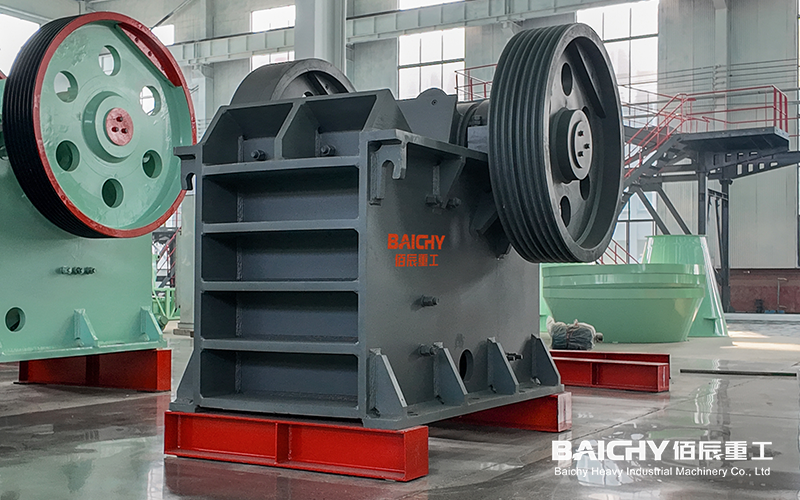
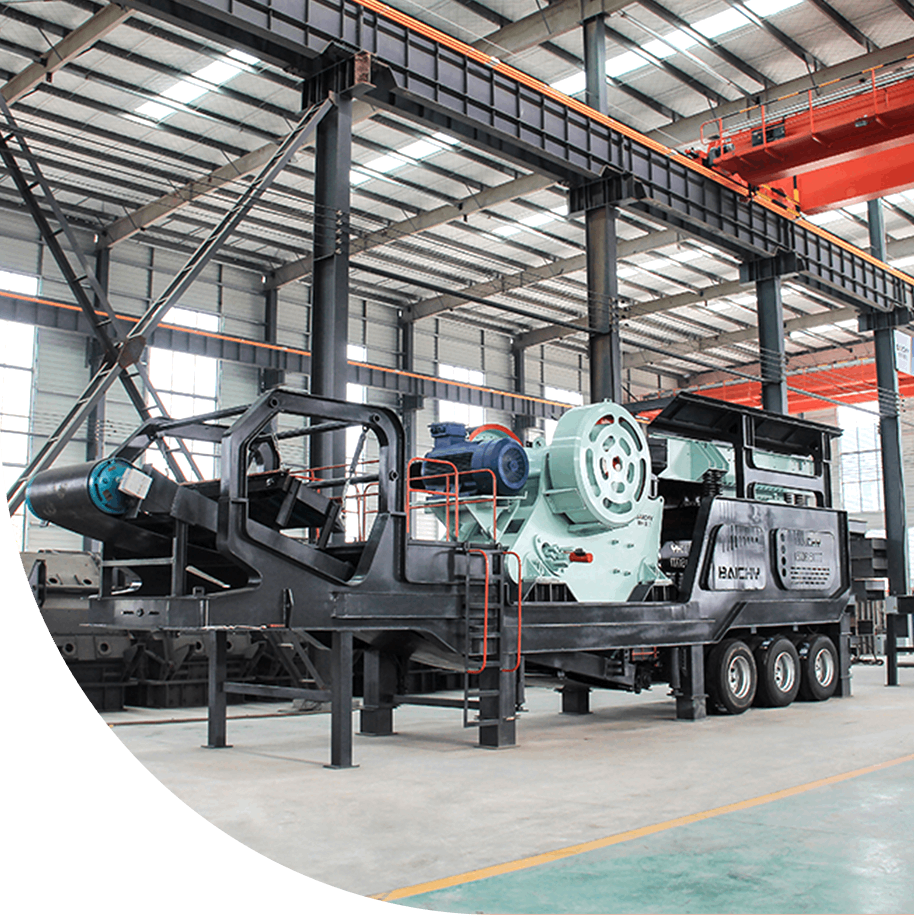
PE500x750 Jaw Crusher
2. The PE500×750 jaw crusher handles the large feed
The PE500×750 jaw crusher is the primary crusher in this proposal. Its job is to reduce the 300–400 mm limestone to a smaller size that can be accepted by the PF1010 impact crusher.
The jaw crusher provides a robust first reduction stage for quarry rock. Its discharge setting should not be selected only by looking at the requested 30–40 mm final product. It must also be coordinated with the acceptable feed size of the impact crusher, the desired reduction ratio and the total circulating load.
A jaw setting that is too open may leave excessive oversize for the secondary stage. A setting that is too tight may reduce the primary-stage throughput or increase wear. The correct setting should therefore be confirmed during commissioning and adjusted according to actual feed conditions.
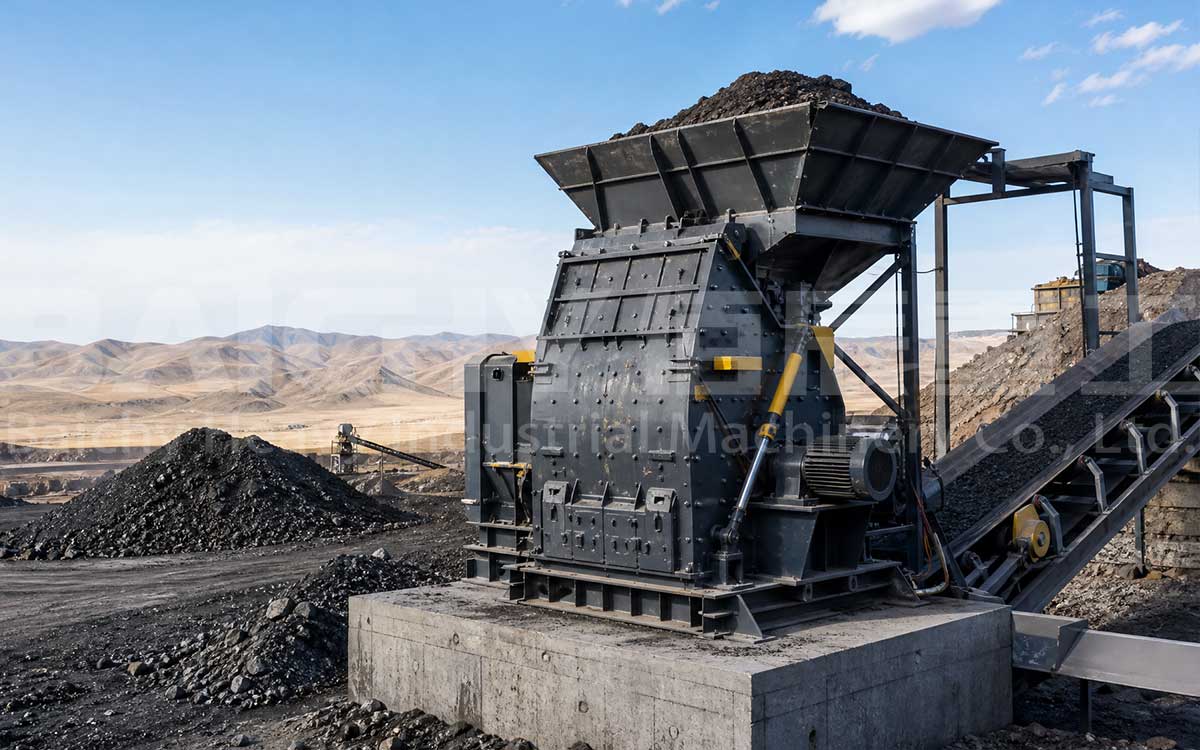
3. The PF1010 impact crusher performs secondary reduction
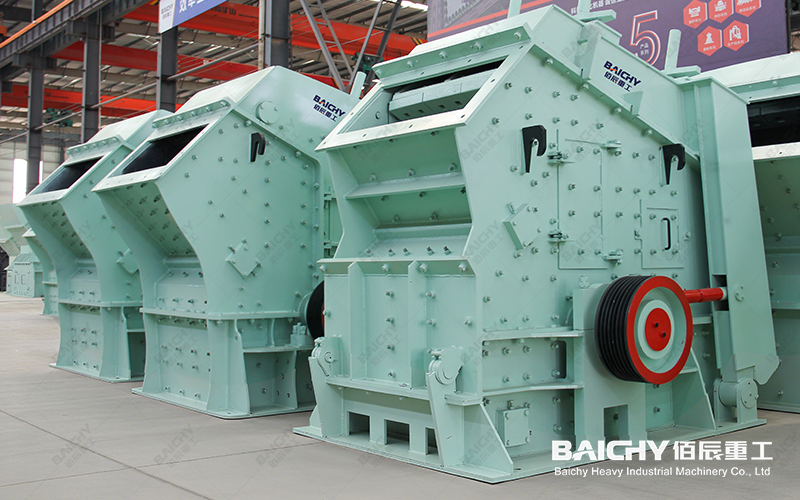
PF1010 Impact Crusher
Material from the jaw crusher enters the PF1010 impact crusher for the second reduction stage. The impact crusher further reduces the limestone and can help improve the shape of the aggregate compared with a single compression stage.
For this Malaysian project, the PF1010 is positioned to produce material suitable for screening into the requested 30–40 mm fraction. Its performance depends on the feed size from the jaw crusher, the limestone’s abrasiveness, rotor condition, wear parts and clearance settings.
The customer should also clarify whether 30–40 mm is a strict single-size product or a nominal commercial size. The answer affects the crusher setting and the selection of the screen aperture. If several products are required, the screen and discharge arrangement will need to be redesigned accordingly.
4. The vibrating screen separates the saleable product
After secondary crushing, the material enters the vibrating screen. The screen separates material that meets the selected 30–40 mm specification from particles that are still too large.
Screen efficiency depends on deck area, aperture, inclination, vibration, feed rate and material moisture. In Malaysia, rainfall and wet limestone should be considered during plant layout. Drainage, access for maintenance and suitable protection around transfer points can help keep screening performance more stable in wet conditions.
A single-deck arrangement may be enough when the customer wants one main product. A multi-deck screen may be more appropriate when the market also needs smaller or larger aggregate fractions. The desired product list should be confirmed before the equipment is finalized.
5. The return conveyor completes the closed circuit
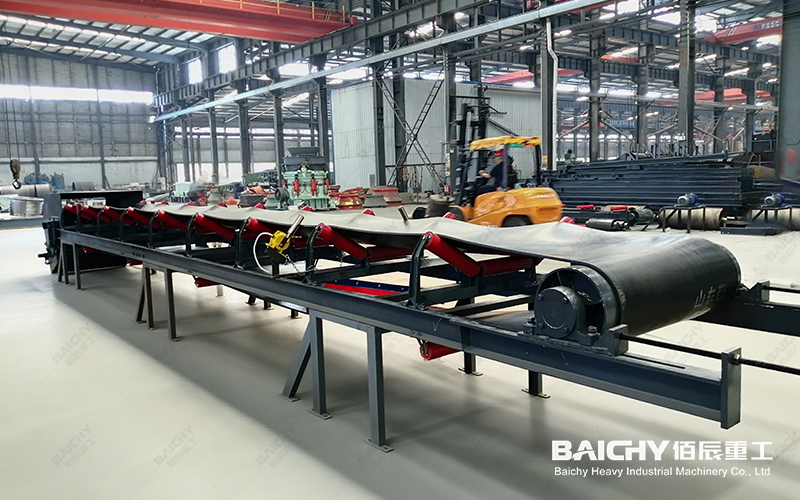
Belt conveyor
Oversize retained by the screen is transferred back to the PF1010 impact crusher through the return conveyor. It is not mixed with the finished stockpile. After another crushing pass, the material returns to the screen for classification again.
This arrangement focuses the production line on product control rather than simply discharging everything that leaves the crusher. It can reduce oversize in the 30–40 mm stockpile and accommodate changes in the raw feed more effectively.
The internal circulating load must be considered when sizing the screen, impact crusher and conveyor. The 50–80 t/h figure normally refers to the intended fresh-feed range; the material moving inside the closed circuit may be higher depending on the oversize percentage.
Why this configuration is different from a basic two-crusher setup?
A basic equipment list does not explain how the machines should work together. This proposal emphasizes the relationship between feed control, reduction ratio and screening. The jaw crusher protects the secondary stage from uncontrolled large rocks; the impact crusher provides the additional reduction; and the screen decides which material is finished.
The return conveyor is also important. Without a return path, oversize can be discharged into the product pile or require manual handling. With closed-circuit operation, the line can continuously reprocess material above the selected screen size. This makes the product specification a planned process result rather than an assumption based only on crusher model names.
The layout remains relatively straightforward for a 50–80 t/h application. Every major component has a defined purpose, which can simplify inspection and operator training. If the customer later needs more aggregate sizes, the screen decks, discharge conveyors and stockpile positions can be reviewed, provided that space and circulating-load requirements are considered from the beginning.
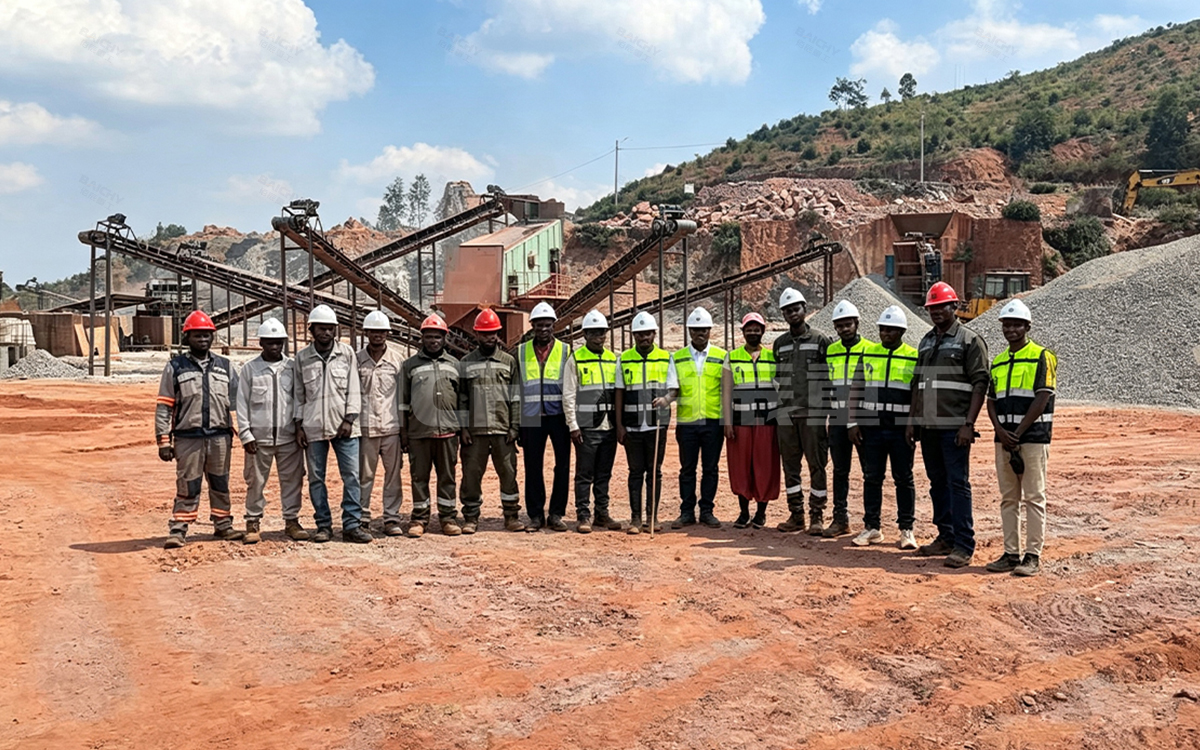
50–80 TPH Limestone Crushing Plant
Information required before the final quotation
The following details should be confirmed with the Malaysian customer:
1. Is 300–400 mm the maximum feed size, the normal size or the full feed range?
2. What are the limestone’s hardness, abrasiveness, moisture and clay content?
3. Is the required production closer to 50 t/h or 80 t/h?
4. Does “30–40 mm” mean a strict screened fraction or a nominal aggregate size?
5. Is 30–40 mm the only product, or are smaller fractions also required?
6. What voltage, frequency and available electrical capacity are provided on site?
7. What are the site dimensions, foundation conditions, access restrictions and elevation changes?
8. Will the plant need dust suppression, rain protection or additional environmental equipment?
9. Does the supply scope include hoppers, conveyors, steel structures, electrical controls, installation and commissioning?
These answers affect the feeder capacity, screen area, conveyor width, motor selection, foundation requirements and expected wear-part consumption.
Operation and maintenance notes
Before starting the plant, the operator should verify that the feed is within the agreed size range and that metal or other non-crushable objects have been removed. The feeder should deliver a steady flow rather than intermittent surges. The jaw crusher should not be used as a storage hopper for incoming material.
During production, operators should observe crusher current, bearing temperature, abnormal vibration, screen performance and conveyor tracking. A sudden change in product size may indicate worn impact parts, a changed feed gradation, damaged screen media or an unsuitable setting. Because the return conveyor sends oversize through the impact crusher repeatedly, screen media and return-conveyor components need regular inspection.
Safe access to inspection and wear-part replacement points should be included in the layout. Good housekeeping at transfer points helps reveal spillage, belt misalignment and abnormal material flow early. The final spare-parts list should be based on the limestone’s abrasiveness and the expected operating hours.
Conclusion
For the stated Malaysian requirement, the feeder + PE500×750 jaw crusher + PF1010 impact crusher + vibrating screen + return conveyor configuration provides a practical route for processing approximately 300–400 mm limestone into 30–40 mm aggregate at a target of 50–80 t/h.
Its main strength is the closed cooperation of the equipment: controlled feeding stabilizes the circuit, primary crushing reduces the large rock, secondary impact crushing completes the size reduction, and screening with return circulation controls the final product. Before finalizing the quotation, the line should be checked against material properties, local power conditions, site space, weather protection and the customer’s required product tolerances.
Frequently Asked Questions
1. Can this line process 300–400 mm limestone?
Yes, the proposed process is arranged for this approximate feed range. Limestone first enters the feeder and PE500×750 jaw crusher, then moves to the PF1010 impact crusher. The exact maximum feed size must still be confirmed against the final equipment data and the actual rock shape.
2. Can it produce 30–40 mm aggregate?
The vibrating screen and return conveyor are designed to separate the requested fraction and send oversize back for further crushing. Actual sizing results depend on screen aperture, crusher settings, limestone properties and the customer’s tolerance for the 30–40 mm product.
3. Is 50–80 t/h a guaranteed output?
It is the preliminary target range, not an unconditional guarantee. Confirmed capacity requires data on feed gradation, hardness, moisture, fines, settings, screening efficiency and operating conditions. A material test or detailed technical review is recommended before final confirmation.
4. Why does the plant need a return conveyor?
The return conveyor sends screen oversize back to the PF1010 impact crusher. This closed circuit reduces large particles in the finished stockpile and improves control of the final product size.
5. Can the plant produce more than one limestone size?
It may be possible by using additional screen decks and discharge conveyors. If the customer needs several fractions, the products, stockpile layout and circulating-load requirement should be defined before the final plant design is approved.
Baichy Heavy Industry
Baichy Heavy Industry is a high-tech mining equipment company integrating R&D, manufacturing, sales, and after-sales service. Focusing on crushing, grinding, and mineral processing equipment, we provide professional solutions to our customers. We are ISO9001:2015 Certified, and our products include mobile crushing palnts, crawler crushing plant, construction waste crushing plants, jaw crushers, sand making machines, cone crushers, fine crushers, grinding mills, ball mills, etc., all with reliable performance to meet diverse project needs.
Baichy Heavy Industry – Your Trusted Partner
To ensure optimal performance of your equipment, Baichy Heavy Industry offers:
- Professional on-site installation guidance
- Comprehensive operator training
- 24/7 technical support & maintenance services
Our complete after-sales service system guarantees long-term, stable operation of your machinery with minimal downtime.
Protect Your Rights – Only Use Official Channels
To avoid scams and ensure authentic support, contact us exclusively through:
• Official Website: www.baichychina.com
• WhatsApp: +8615093222637
• Email: [email protected]
Your satisfaction is our priority – expect prompt, professional service every time.
(Note: Beware of unauthorized third parties claiming to represent Baichy. Always verify through official contacts.)