
Jaw crushers and double-roll crushers are not direct competitors; rather, they serve distinct roles—like runners passing a baton—within the crushing process. Jaw crushers utilize the repeated squeezing action between a moving jaw and a fixed jaw to handle hard rock (compressive strength ≤320 MPa), reducing large ore blocks (around 1 meter in size) to 40–100 mm. Double-roll crushers employ the shearing and squeezing forces generated by counter-rotating rolls to process medium-soft and brittle materials (≤160 MPa), crushing 25–50 mm feed directly down to 2–10 mm while minimizing over-crushing and fines generation. Choosing the wrong machine can result in anything from a 50% drop in production capacity to a doubling of wear-part costs. This article uses a parameter table, three application scenarios, and two practical configuration examples to help you make the right choice the first time.
I. Differences in Working Principles
1.1 Jaw Crusher: Single-point compression for "tough" rock
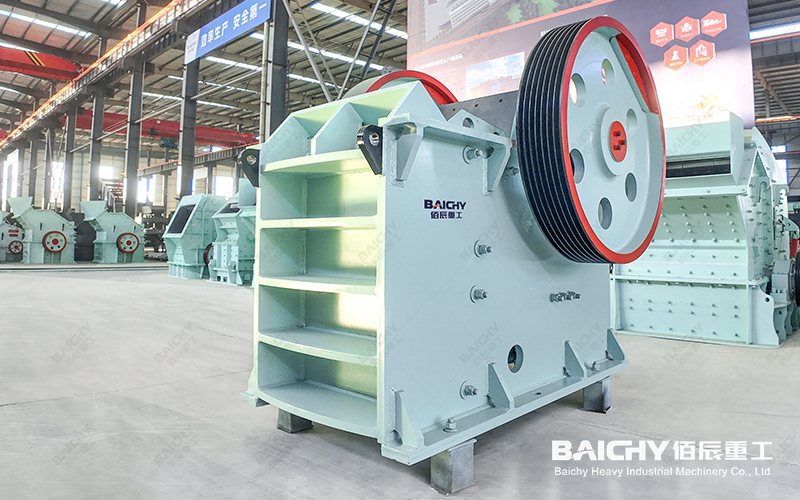
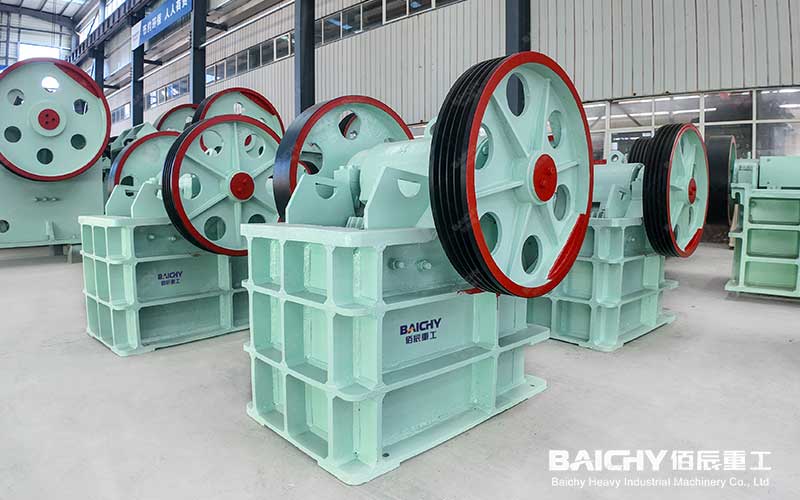
PE Jaw Crusher
The crushing chamber of a jaw crusher consists of a fixed jaw plate and a movable jaw plate. A motor drives an eccentric shaft, causing the movable jaw to swing cyclically and press material against the fixed jaw; the rock is fractured through a combination of compression and bending/splitting forces. It offers a high single-stage reduction ratio (up to 4–6), allowing it to accept oversized feed, though it offers less precise control over output particle size and produces a lower proportion of fines.
1.2 Double-Roll Crusher: Dual-roll shearing for brittle and fine materials
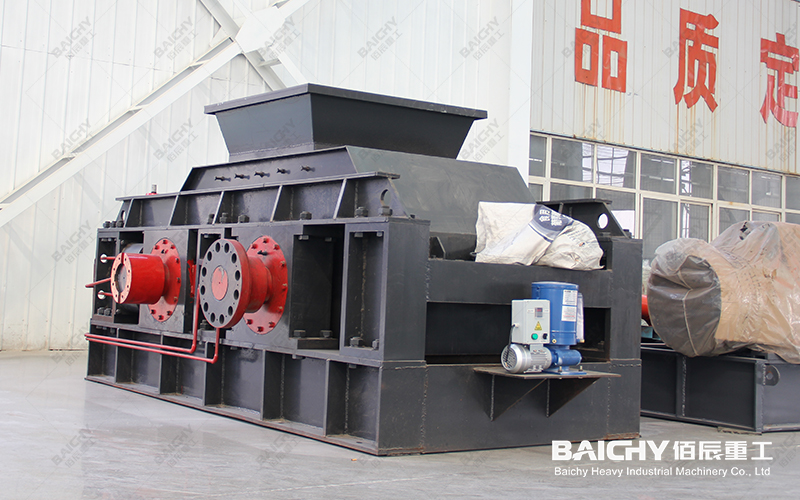
Double Roller Crusher
A double-roll crusher consists of two counter-rotating rolls; material falls into the gap between them and is crushed by the combined forces of shearing and compression. The output particle size is directly determined by the gap between the rolls, which can be precisely adjusted using hydraulics or shims. With roll surfaces typically featuring teeth or a smooth finish, these machines are ideal for crushing medium-to-fine materials down to the desired size in a single pass, with an over-crushing rate far lower than that of hammer crushers or impact crushers.
II. Core Parameter Comparison Table
| Comparison Dimension | Jaw Crusher (PE Series) | Double-Roll Crusher (2PG Series) |
| Crushing Principle | Compression + splitting via moving jaw | Shearing + compression via twin rolls |
| Applicable Compressive Strength | ≤320 MPa (granite, basalt, iron ore) | ≤160 MPa (limestone, coke, slag, river pebbles) |
| Feed Size | 120–1200 mm; accepts large blocks directly | Generally ≤50 mm; requires primary crushing beforehand |
| Discharge Size | Adjustable (40–100 mm) | 2–10 mm; gap precisely adjustable |
| Single-Unit Capacity | 15–800 t/h | 5–100 t/h |
| Over-crushing Rate | Moderate | Low; more uniform particle shape |
| Moisture Tolerance | ≤8%; prone to clogging with high moisture | ≤15%; better handles sticky/wet materials |
| Wear Parts Cost | Jaw plate replacement; relatively low cost | Roll shell wear; higher cost when processing hard materials |
| Typical Application Stage | Primary (coarse) crushing | Secondary (medium/fine) crushing / Sand making |
Key Insight: The most critical rows in the table are "Feed Size" and "Discharge Size." The value of the jaw crusher lies in its ability to "swallow large blocks," reducing blasted quarry rock in a single step to a size suitable for secondary crushing. The value of the double-roll crusher lies in its ability to "grind finely," compressing material smaller than 50 mm directly into finished sand or aggregate (2–10 mm); this eliminates the need for an impact crusher or fine crusher, thereby reducing both total line power consumption and equipment investment costs.
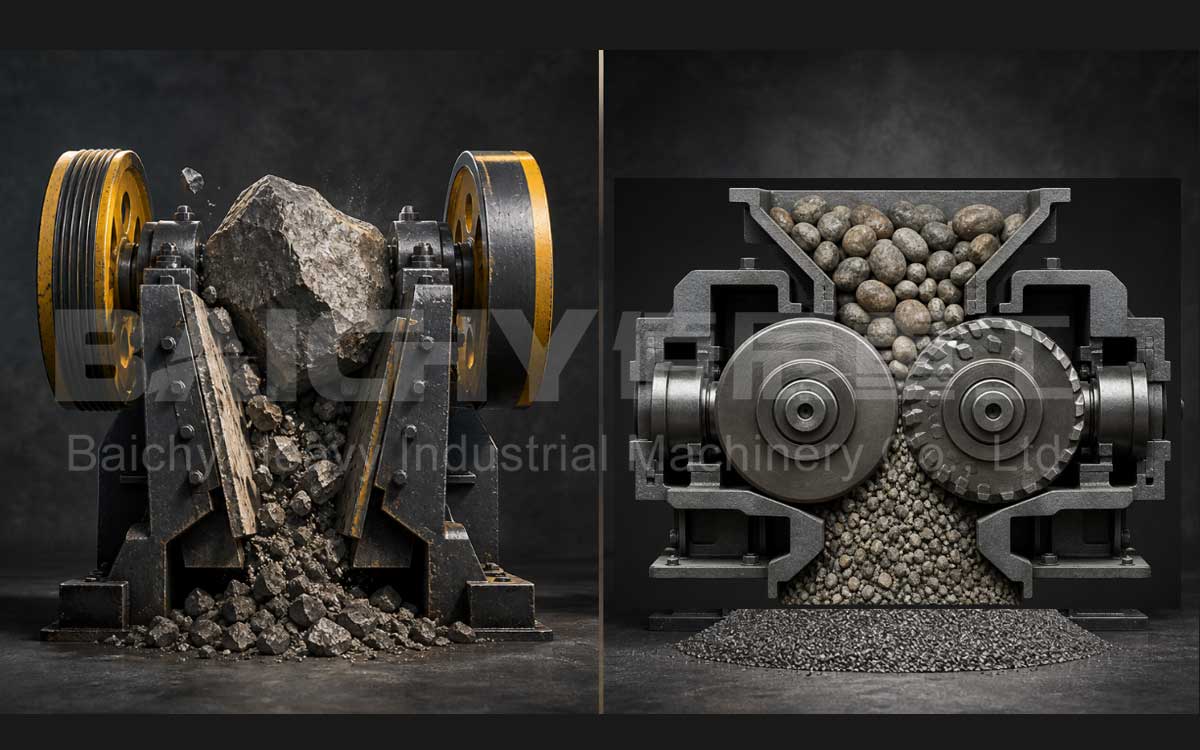
Difference Between Roller Crusher And Jaw Crusher
III. Application Scenario Descriptions
3.1 Scenario 1: Primary Crushing in Mines and Quarries — Choose Jaw Crusher
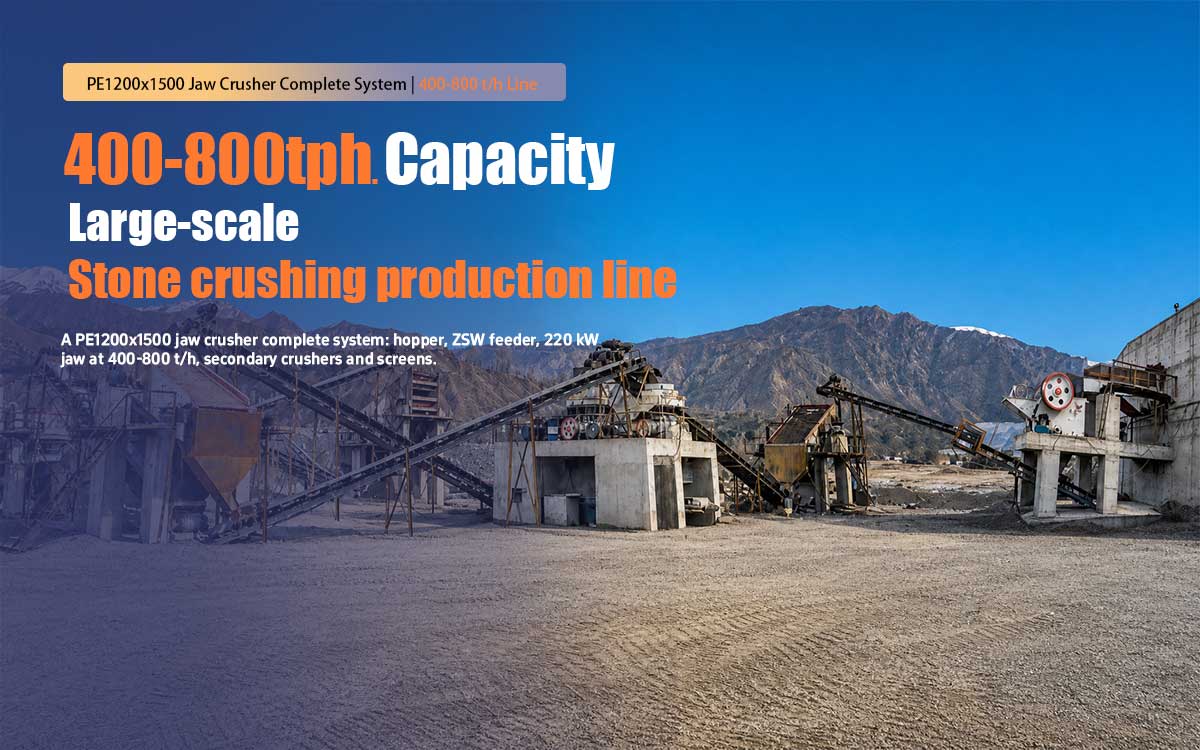
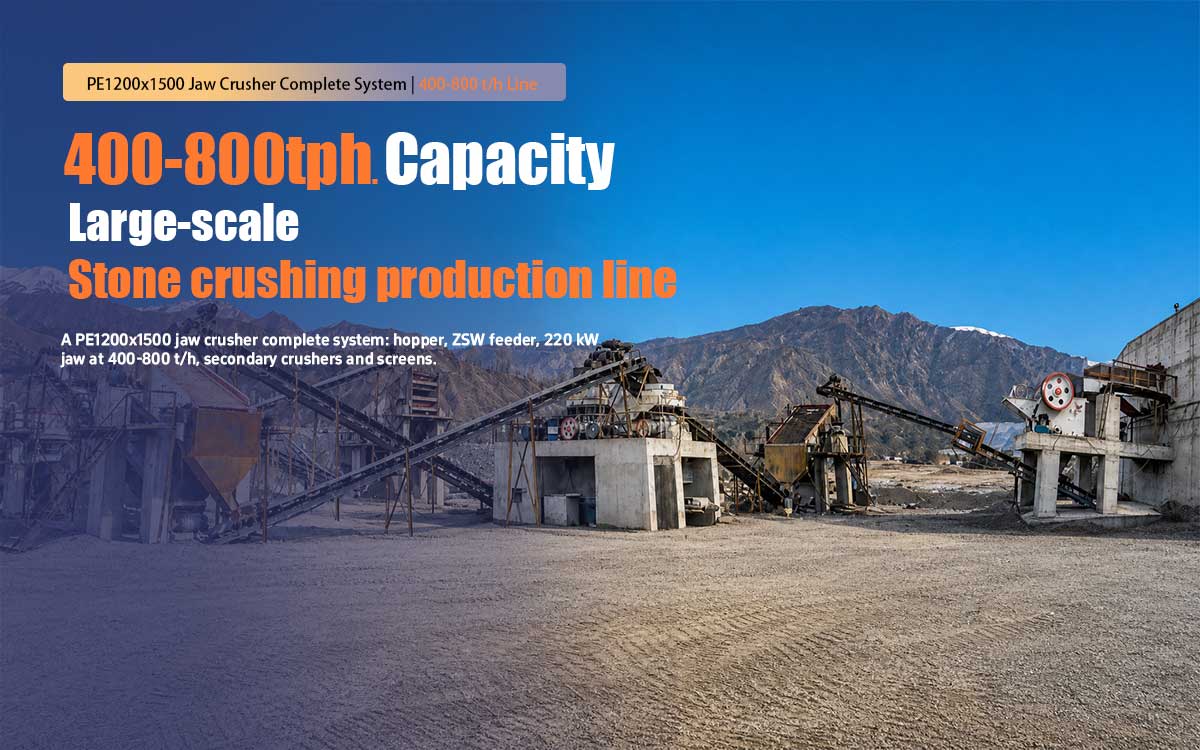
Blasted granite or basalt raw rock often ranges from 600 to 1200 mm in size, with compressive strengths typically exceeding 200 MPa. In this context, only the compression-based crushing principle of the jaw crusher can reliably handle the load: the jaw plates are wear-resistant and durable, the feed opening is large, and the machine supports continuous, full-load operation. Typical configurations range from PE400×600 to PE900×1200 models paired with ZSW vibrating feeders, serving as the primary equipment for the first stage of crushing in quarries.
3.2 Scenario 2: Sand Making and Fine Crushing of Brittle Materials—Choosing the Double-Roll Crusher
When the goal is to further crush 25–50 mm crushed stone into 2–10 mm fine aggregates or manufactured sand, or to process brittle materials such as coke, slag, glass, or blast furnace slag, the double-roll crusher is the most economical choice. It offers adjustable output size, minimal over-crushing, and high yield rates; furthermore, it adapts well to sticky or moist materials (with moisture content up to 15%) without being prone to chamber clogging.
3.3 Scenario 3: A Complete Production Line Combining Two Machines
Truly efficient production lines often employ a "relay" setup between the two: the jaw crusher handles the primary coarse crushing of large blocks, while the double-roll crusher takes over for fine crushing and sand making, with a vibrating screen facilitating a closed-loop circuit in between. Compared to the three-stage "Jaw Crusher + Impact Crusher + Sand-Making Machine" configuration, replacing the latter two stages with a double-roll crusher reduces both initial investment and O&M costs. This setup is ideal for processing materials of low to medium hardness, such as river pebbles for sand making or construction waste for recycling.
IV. Comparison of Equipment Advantages
4.1 Three Major Advantages of the Jaw Crusher
Handles Hard Materials with Ease: Capable of processing high-hardness rock (up to 320 MPa)—including granite, iron ore, and basalt—with stable crushing performance; this is a core application area where the double-roll crusher cannot compete.
High Feed Flexibility: Extra-large blocks (up to 1200 mm class) can be fed directly into the crushing chamber, eliminating the need for secondary blasting or pre-screening and lowering upfront investment costs.
Controllable O&M Costs: The jaw plate structure is simple and easy to replace, resulting in a lower wear cost per ton compared to cone crushers; with fewer structural components and potential failure points, it offers high reliability in demanding mining environments. 4.2 Three Major Advantages of the Double-Roll Crusher
Fine and uniform output: The roll gap directly determines the output particle size, allowing for precise adjustment within the 2–10 mm range. The finished product features good particle shape and a low over-crushing rate, making it ideal for sand making and chemical raw material processing where strict particle size requirements apply.
Handles wet and sticky materials: The shearing action of the twin rolls offers far superior tolerance for sticky, wet materials (with moisture content ≤15%) compared to screening-type crushers; the crushing chamber does not clog during rainy seasons or when processing high-moisture raw materials.
Low fine-crushing costs: A single unit replaces a two-stage setup (impact crusher + sand-making machine), reducing both power consumption and equipment investment. The return on investment (ROI) period is significantly shortened for applications involving brittle materials.
V. Practical Case Studies
5.1 Case Study 1: Granite Quarry Primary Crushing Line (Jaw Crusher)
Configuration: ZSW-380×96 feeder + PE600×900 jaw crusher + vibrating screen + conveyor system.
Material: Granite (compressive strength approx. 200 MPa). Capacity: 80–120 t/h. Performance: The jaw crusher reduces raw stone (under 500 mm) to 60–90 mm; the crushing ratio remains stable at 5–6; jaw plate service life is approximately 8–12 months (based on granite with medium silica content); and the entire line operates continuously for 20 hours/day without clogging. This configuration is widely used in mining projects across Southeast Asia and Africa and is considered a "standard quarry" solution.
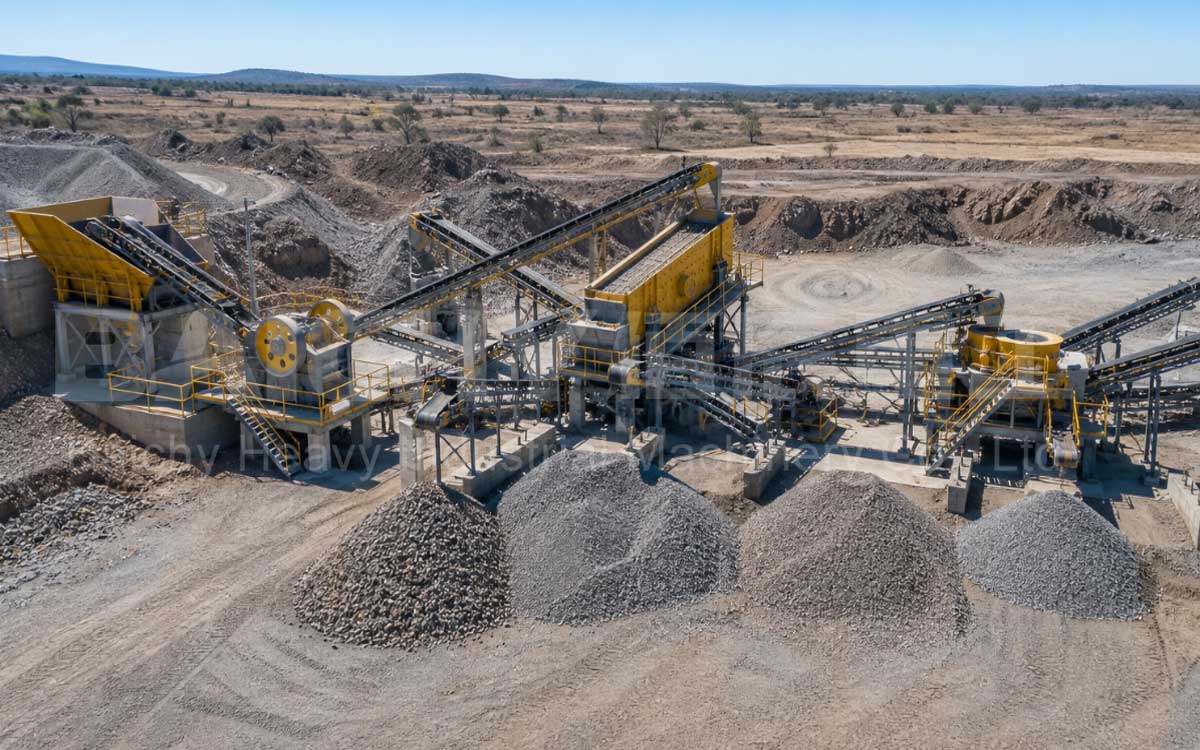
5.2 Case Study 2: River Pebble Sand-Making Line (Double-Roll Crusher Fine-Crushing Stage)
Configuration: Jaw crusher (primary crushing) + 2PG series double-roll crusher + vibrating screen (closed-circuit). Material: River pebbles (Mohs hardness 7, good brittleness).
Performance: The double-roll crusher directly reduces 30–50 mm pebbles to 3–8 mm finished sand. The fines generation rate is approximately 30% lower than that of hammer crusher solutions, and the sand particle shape is closer to cubic, resulting in a high acceptance rate among concrete aggregate customers. River pebbles are brittle in texture and suitable for crushing via a shearing action, making them a classic, successful application for double-roll crushers.
Note: The above outlines a representative configuration for a Baichy project; actual production capacity and equipment lifespan will vary based on material properties and operating conditions. We recommend providing material samples prior to formal purchase so our engineers can conduct crushability tests and issue a model selection report.
VI. Related Recommended Equipment
Primary Crushing Stage: PE series jaw crushers (PE250×400 / PE400×600 / PE600×900 / PE900×1200), paired with ZSW series vibrating feeders;
River Pebble Crushing Production Line
Fine Crushing & Sand Making Stage: 2PG series double-roll crushers (models ranging from 2PG400×250 to 2PG1000×700, selected based on capacity requirements), or combined with a PFL vertical compound crusher for enhanced particle shaping;
Screening & Conveying: YK series circular vibrating screens, belt conveyors, and fine sand recovery units to establish a closed-loop circuit;
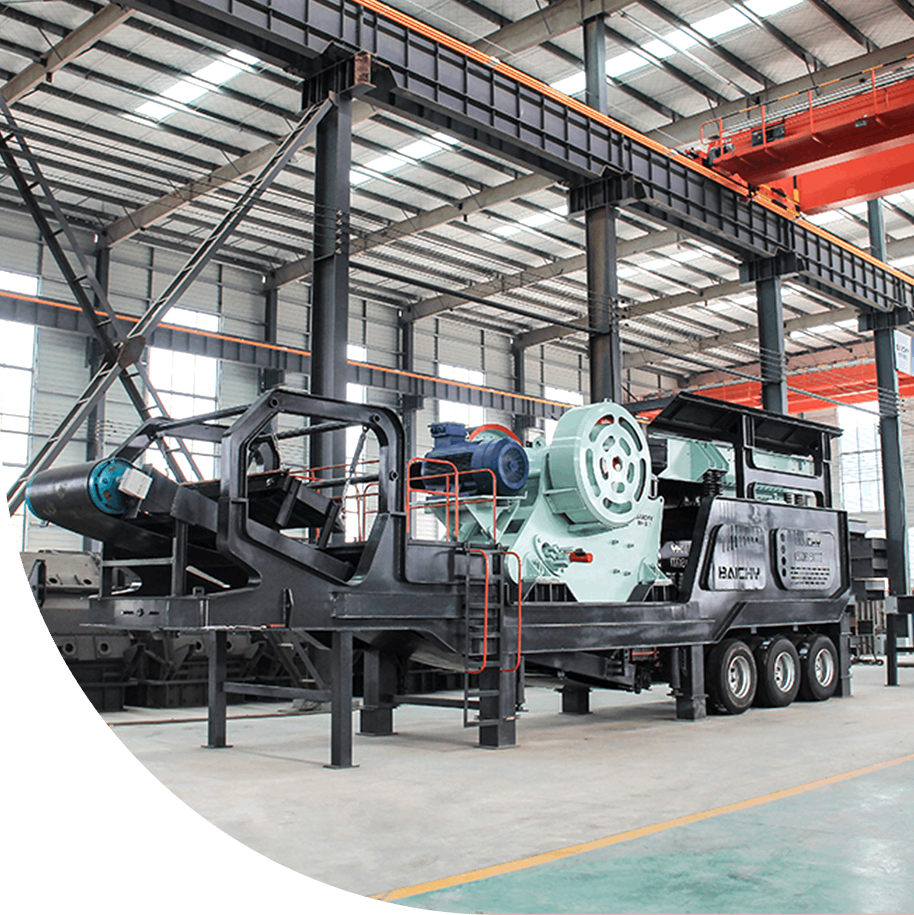
Mobile Solutions: For production lines requiring frequent relocation, YDPZ series mobile crushing stations are available; these integrate jaw crushers or double-roll crushers onto crawler or wheeled chassis for "plug-and-play" operation.
VII. FAQ
Q1: Can a jaw crusher directly replace a double-roll crusher?
No. The minimum discharge size for a jaw crusher is approximately 40 mm, making it unable to consistently produce fine material in the 2–10 mm range; forcing the discharge opening to a smaller setting results in a sharp drop in capacity and abnormal wear on the jaw plates. The double-roll crusher excels precisely where the jaw crusher falls short; the two should be viewed as a "primary crushing + fine crushing" tandem rather than as substitutes for one another.
Q2: Is the double-roll crusher suitable for crushing hard rocks like granite or basalt?
It is not recommended. The roll shells of double-roll crushers are typically designed for materials with a compressive strength of ≤160 MPa. When crushing hard rock, the roll shells wear out rapidly—with wear costs per ton reaching 3–5 times that of a jaw crusher—making it economically inefficient. Choose a jaw crusher for the primary (coarse) crushing of hard rock, and a cone crusher for secondary and tertiary (medium-to-fine) crushing; reserve double-roll crushers for medium-soft and brittle materials such as limestone, river pebbles, coke, and slag.
Q3: How can a jaw crusher and a double-roll crusher be combined into a complete production line?
A typical workflow is: Feeder → Jaw crusher for primary crushing (120–1000 mm feed → 40–100 mm output) → Vibrating screen for classification → Double-roll crusher for fine crushing (25–50 mm feed → 2–10 mm output) → Closed-loop circulation back to the screen. This two-stage "jaw crusher + double-roll crusher" line is suitable for sand making from materials of low-to-medium hardness; both total power consumption and investment costs are lower than those of a three-stage system. If higher output or sand produced from hard rock is required, the fine-crushing stage can be upgraded to a cone crusher.
VIII. Equipment Selection Recommendations (Summary)
A quick rule of thumb for selection: Hard material, large lumps, primary crushing needed → Jaw crusher; brittle material, finer feed, sand production needed → Double-roll crusher; combine the two for a complete coarse-to-fine crushing process. If you are unsure, simply send us four parameters—material hardness, moisture content, target particle size, and daily production capacity—and Baichy engineers will provide a free equipment selection plan and capacity analysis.
Baichy Heavy Industry
Baichy Heavy Industry is a high-tech mining equipment company integrating R&D, manufacturing, sales, and after-sales service. Focusing on crushing, grinding, and mineral processing equipment, we provide professional solutions to our customers. We are ISO9001:2015 、certified, and our products include mobile crushing palnts, crawler crushing plant, construction waste crushing plants, jaw crushers, sand making machines, cone crushers, fine crushers, grinding mills, ball mills, etc., all with reliable performance to meet diverse project needs.
Baichy Heavy Industry – Your Trusted Partner
To ensure optimal performance of your equipment, Baichy Heavy Industry offers:
- Professional on-site installation guidance
- Comprehensive operator training
- 24/7 technical support & maintenance services
Our complete after-sales service system guarantees long-term, stable operation of your machinery with minimal downtime.
Protect Your Rights – Only Use Official Channels
To avoid scams and ensure authentic support, contact us exclusively through:
• Official Website: www.baichychina.com
• WhatsApp: +8615093222637
• Email: [email protected]
Your satisfaction is our priority – expect prompt, professional service every time.
(Note: Beware of unauthorized third parties claiming to represent Baichy. Always verify through official contacts.)