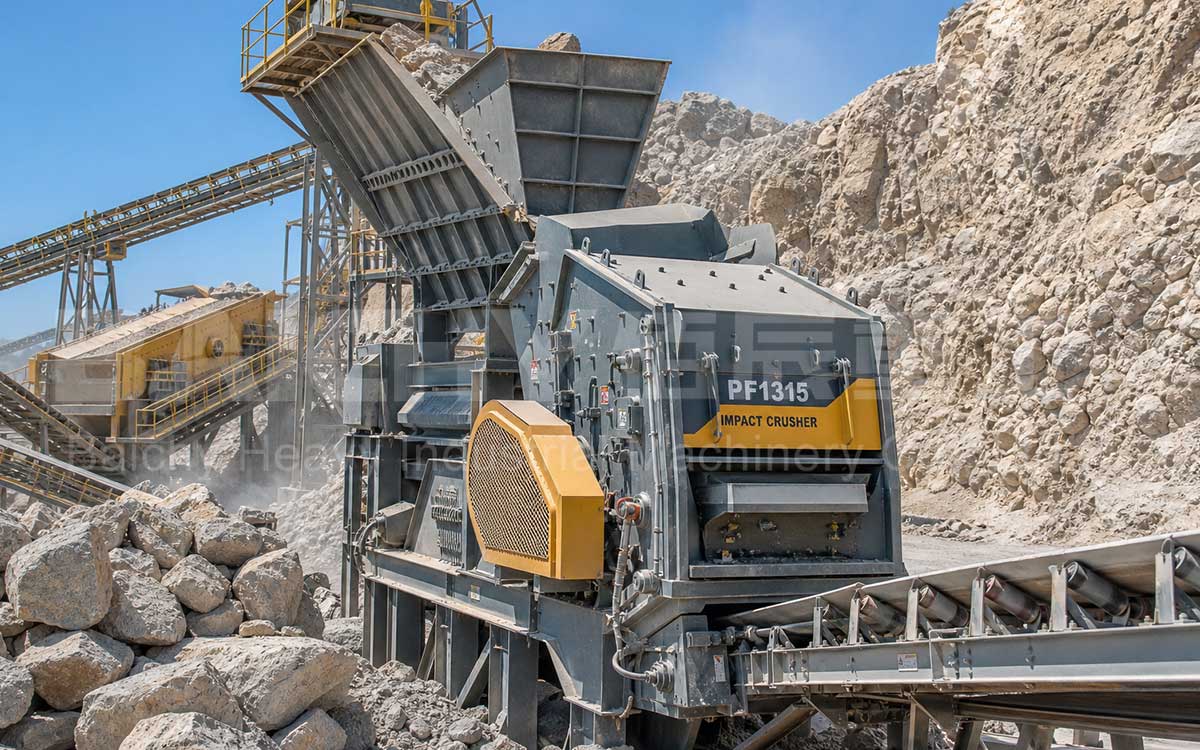
The raw stone of quartz sand refers to natural rock formations with an exceptionally high quartz content. You can think of this as the parent material of quartz sand; only after undergoing a series of processing steps—such as crushing and purification—does it transform into the familiar sand grains we recognize.
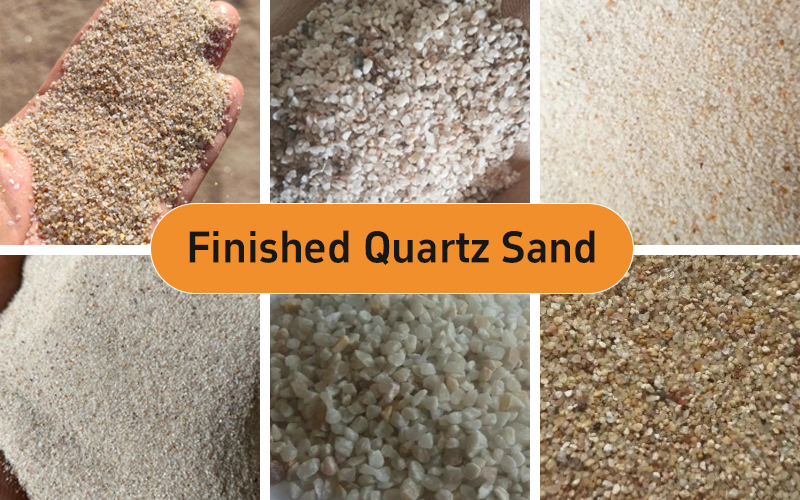
Finished Quartz Sand
I. The Three Most Common Sources of Raw Stone
Quartz sand does not appear out of thin air; it primarily originates from the following three categories of rock:
| Raw Stone Type | Characteristics & Origin | Common Applications |
| Quartzite | The primary source material. Formed through the metamorphism of quartz sandstone, it possesses an extremely high SiO₂ content (typically >97%) and a dense structure. | Photovoltaic glass, high-purity quartz sand, precision casting |
| Quartz Sandstone | Formed by the cementation of natural quartz grains over hundreds of millions of years of geological activity; it is, in essence, ancient sand. | Construction sand, standard glass, filtration media |
| Vein Quartz | Pure white mineral veins formed by hydrothermal fluids from underground magma; low in impurities, it serves as a premium raw material for producing high-purity quartz sand. |
Additionally, quartz grains resulting from the weathering of granite—as well as natural quartz sand found in riverbeds and marine environments—can also be processed into industrial raw materials through purification; however, their purity typically falls short of that of the three categories mentioned above.
II. Why Does the Quality of the Raw Stone Determine the Upper Limit of the Sand?
The ultimate purity (SiO₂ content) of quartz sand depends largely on the inherent genetics of its raw stone:
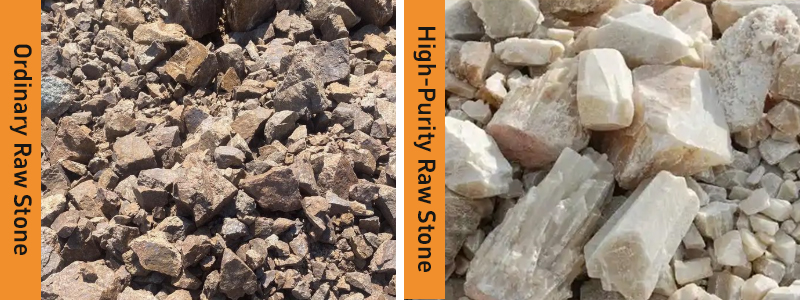
Ordinary Raw Stone VS High-Purity Raw Stone
• Ordinary Raw Stone (e.g., sandstone with high iron content): Can only be processed via physical beneficiation methods to produce construction sand or low-grade glass sand.
• High-Purity Raw Stone (e.g., premium vein quartz): Can undergo complex processes—such as acid leaching and chlorination—to produce high-end quartz sand suitable for semiconductor or photovoltaic applications.
The transformation of quartz sand from raw stone to finished product is, at its core, an industrial journey involving impurity removal, fine grinding, and classification. Depending on the intended final application (construction-grade, glass-grade, or high-purity grade), the production line may range from simple physical crushing to complex chemical purification.
III. Basic Processing: The Physical Method Production Line (Construction/Foundry Grade)
This represents the most universal processing workflow. Its core objectives are crushing, clay removal (washing), and iron removal, making it suitable for applications where purity requirements are not particularly stringent.
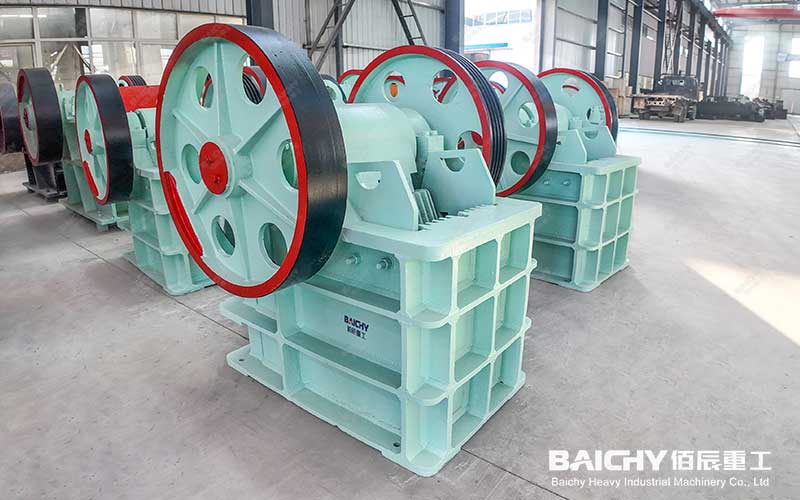
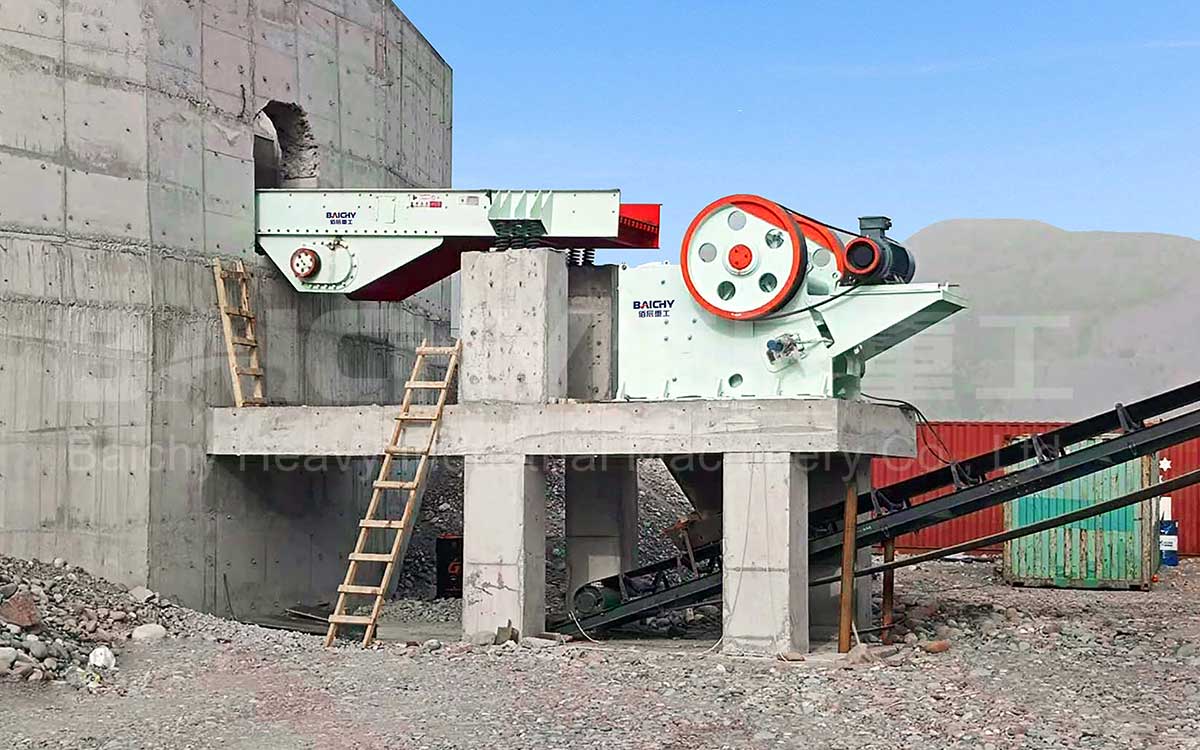
Crushing Equipment - PE 250x400 Jaw Crusher
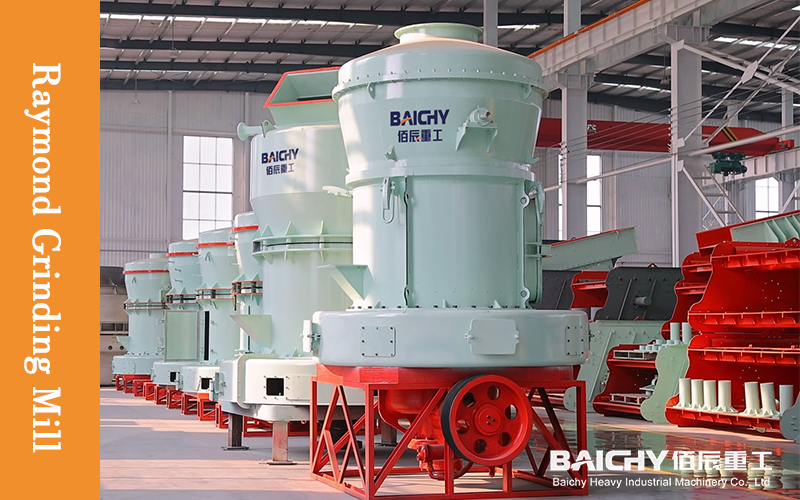
Grinding Eauipment - Raymond Mill
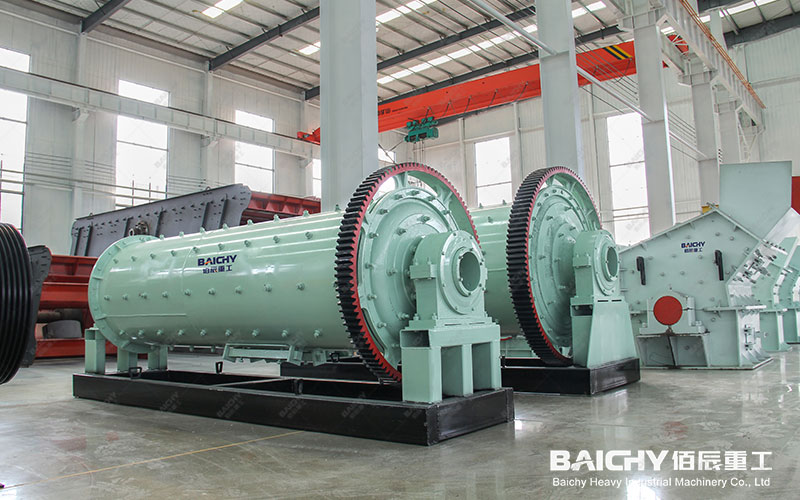
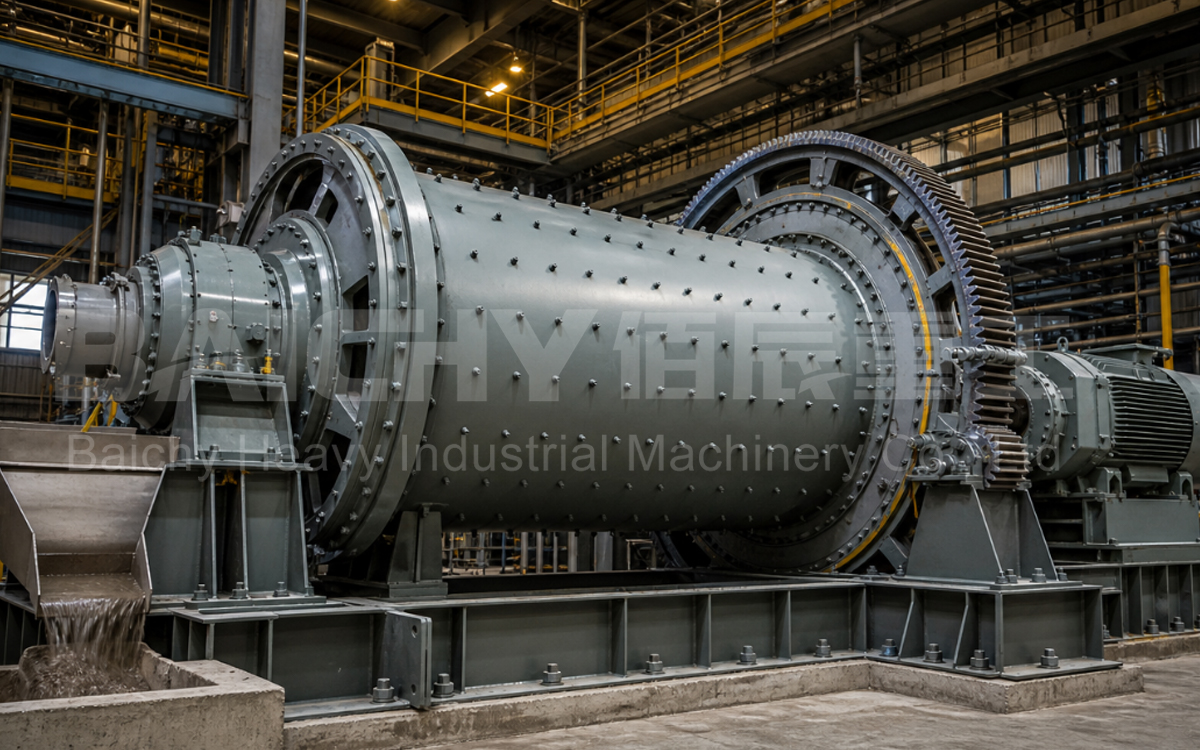
Grinding Equipment - Ball Mill
| Processing Stage | Core Task | Key Equipment | Functional Analysis |
| 1. Crushing | Reducing Large Lumps | Jaw Crusher, Cone Crusher | Coarsely crushes raw ore (quartzite/vein quartz) to <50mm; serves as the entry point of the production line. |
| 2. Grinding | Liberating Impurities | Rod Mill, Ball Mill, Raymond Mill | Grinds crushed rock into sand grains (typically 0.1–0.8mm), breaking open impurity inclusions. |
| 3. Washing | Removing Clay & Dust | Spiral Sand Washer, Scrubber | Utilizes mechanical friction and water flow to scour away surface clay and dust. |
| 4. Magnetic Separation | Core Iron Removal | Permanent Magnetic Drum Separator, High-Gradient Magnetic Separator | Separates magnetic impurities such as magnetite and hematite; a critical step for enhancing whiteness. |
| 5. Classification | Particle Size Control | Vibrating Screen, Hydrocyclone | Screens and separates particles into specific size ranges that meet client requirements, while removing oversized or undersized grains. |
Applicable Scenarios: Construction sand, foundry sand, standard glass sand. If only construction-grade sand is required, the process typically concludes after the Washing + Screening stages.
IV. Advanced Processing: Chemical Purification Line (Photovoltaic/Electronic Grade)
When quartz sand is intended for use in photovoltaic glass or semiconductor manufacturing, a chemical scalpel must be added to the downstream end of the physical processing line.
| Processing Method | Key Equipment | Function & Prerequisites |
| Flotation | Flotation Machine (with chemical reagents) | Separates silicate impurities—such as feldspar and mica—that coexist with quartz. |
| Acid Leaching | Acid-Resistant Reactor, Wastewater Treatment System | Uses hydrochloric acid (HCl) and hydrofluoric acid (HF) to deeply dissolve iron and aluminum impurities, achieving a purity of 99.9%+. |
| High-Temperature Chlorination | High-Temperature Chlorination Furnace (1000°C+) | Introduces chlorine gas to volatilize trace metals; a cutting-edge technology for producing 99.99%-grade semiconductor sand. |
| Precision Classification | Air Classifier | Ensures an extremely narrow particle size distribution, meeting the requirements for high-end electronic powders. |
V. Equipment Configuration Variations for Different Applications
Your investment and equipment selection depend entirely on your target market:
| Finished Product Grade | Typical Purity | Essential Core Equipment |
| Construction Grade | SiO₂ > 90% | Jaw Crusher + Vibrating Screen + Sand Washer |
| Glass Grade | SiO₂ > 98.5% | Jaw Crusher + Ball Mill + Magnetic Separator + Flotation Machine |
| Photovoltaic (PV) Grade | SiO₂ > 99.5% | Complete Physical Processing Line + Acid Leaching Equipment + Precision Classifier |
| Semiconductor Grade | SiO₂ > 99.99% | Complete Physico-chemical Processing Line + High-Temperature Chlorination Furnace + Ultrapure Water System |
VI. Key Considerations for Equipment Selection
1. Iron Content (Fe₂O₃) Control: This is the critical threshold that determines the viability of quartz sand quality. High-gradient magnetic separators offer the most cost-effective method for iron removal; however, if iron levels remain excessive, an acid leaching line becomes mandatory.
2. Environmental Compliance Thresholds: The acid leaching process generates fluorine- and acid-containing wastewater. Treatment costs are extremely high, and a comprehensive wastewater recycling system is required; therefore, small and medium-sized enterprises should exercise extreme caution before adopting this process.
3. Raw Materials Determine the Upper Limit: Equipment can only purify existing material; it cannot create purity from scratch. If the raw ore itself contains high levels of impurities (e.g., high iron content), even the most sophisticated equipment will be unable to produce high-purity sand. If you can provide specific details regarding your raw material source (e.g., quartzite or river sand) and your target product specifications, I can formulate a more precise equipment list tailored to your needs.
About of Baichy Heavy Industry
Baichy Heavy Industry is a high-tech mining equipment company integrating R&D, manufacturing, sales, and after-sales service. Focusing on crushing, grinding, and mineral processing equipment, we provide professional solutions to our customers. We are ISO9001:2015 銆乧ertified, and our products include mobile crushing palnts, crawler crushing plant, construction waste crushing plants, jaw crushers, sand making machines, cone crushers, fine crushers, grinding mills, ball mills, etc., all with reliable performance to meet diverse project needs.
Our advantages:
• Professional pre-sales support: Free project design and comprehensive solutions to help you accurately select the right equipment;
• Comprehensive on-site service: Providing installation guidance and worker training to ensure smooth equipment commissioning;
• Reliable after-sales guarantee: A complete after-sales system, timely response to technical inquiries and equipment maintenance, ensuring long-term stable operation.
To protect your rights, please contact us through the following official channels for professional service:
Official Website Customer Service
https://wa.me/+8615093222637
Email: [email protected]
We are committed to providing high-quality equipment and full-cycle services to deliver comprehensive intelligent solutions for the global mining industry!
Frequently Asked Questions (FAQ)
1. What are the main pieces of equipment required to process raw quartz ore?
A: The production line for processing raw quartz ore typically follows a crushing – grinding – beneficiation workflow. Core equipment includes: Jaw Crushers (for coarse crushing), Cone Crushers/Impact Crushers (for medium/fine crushing), Ball Mills/Rod Mills (for fine grinding), Vibrating Screens (for sizing/grading), Magnetic Separators (for iron removal), Flotation Machines (for removing feldspar/mica), Sand Washers/Scrubbers (for removing clay/silt), and Hydrocyclones/Air Classifiers (for precision classification). For the production of high-purity quartz sand, acid leaching reactors and high-temperature chlorination furnaces must also be added to the lineup.
2. How do the processing techniques and production lines differ for quartz sands of varying purity levels?
A: Purity level dictates the complexity of the process and the associated investment costs; these differences are primarily reflected in the beneficiation and purification stages:
• Construction/Foundry Sand: The process is relatively simple, consisting mainly of Crushing → Washing → Screening.
• Glass Sand/Filter Media: The process is more comprehensive, requiring Crushing → Grinding → Magnetic Separation (Key Step) → Flotation → Classification.
• High-Purity/Photovoltaic/Electronic-Grade Sand: The process is highly complex. Following physical beneficiation, it is mandatory to incorporate deep chemical purification techniques—such as Acid Leaching or even High-Temperature Chlorination. Consequently, the requirements for equipment corrosion resistance and environmental protection standards are extremely rigorous.
3. Which piece of equipment is most critical for removing iron impurities from quartz sand?
A: Iron removal is the core stage in the purification of quartz sand. Depending on the form in which the iron exists and the specific requirements of the final product, the emphasis on key equipment varies:
• Strongly Magnetic Iron: Using a Permanent Magnetic Drum Separator offers the best cost-performance ratio and serves as the standard configuration for basic iron removal.
• Weakly Magnetic Iron and Trace Iron: It is essential to utilize a High-Gradient Magnetic Separator. The magnetic field strength and gradient generated by this equipment far exceed those of standard magnetic separators, making it a critical component for producing medium-to-high-end products, such as photovoltaic-grade glass sand.
• Included or Intergrown Iron: Magnetic separation is ineffective; removal necessitates the use of acid pickling (chemical dissolution) or high-temperature chlorination (chemical reaction and volatilization) processes and equipment.