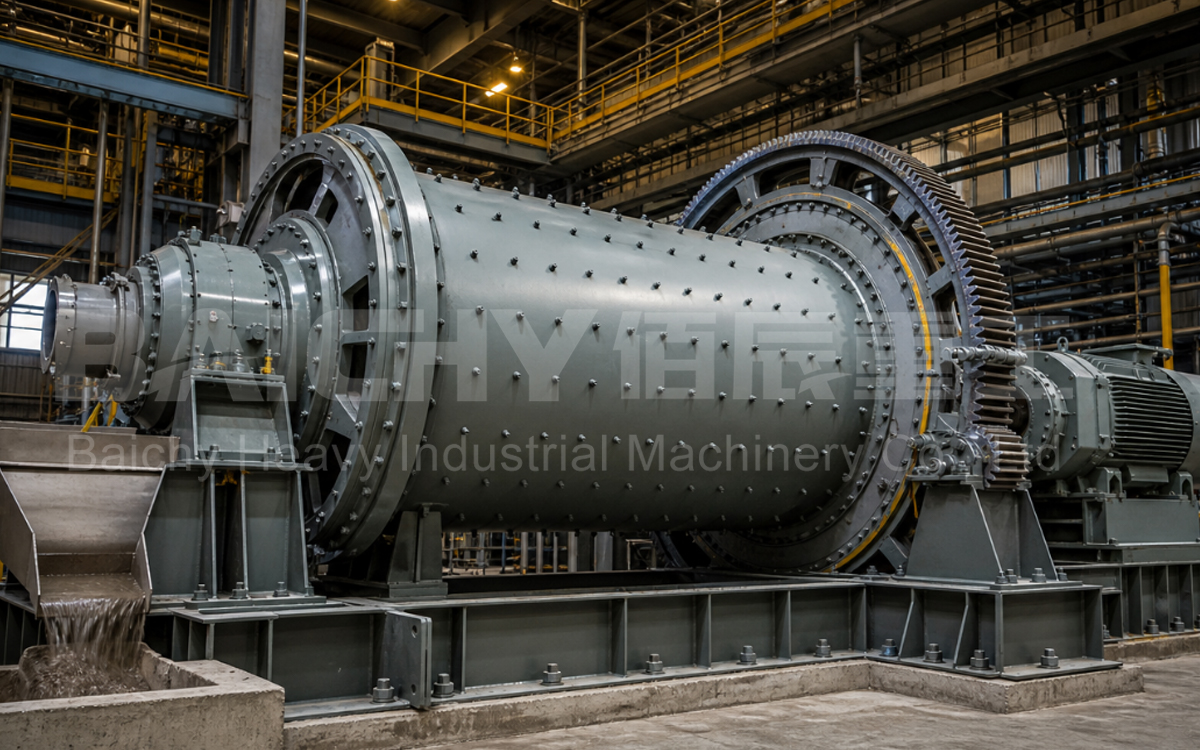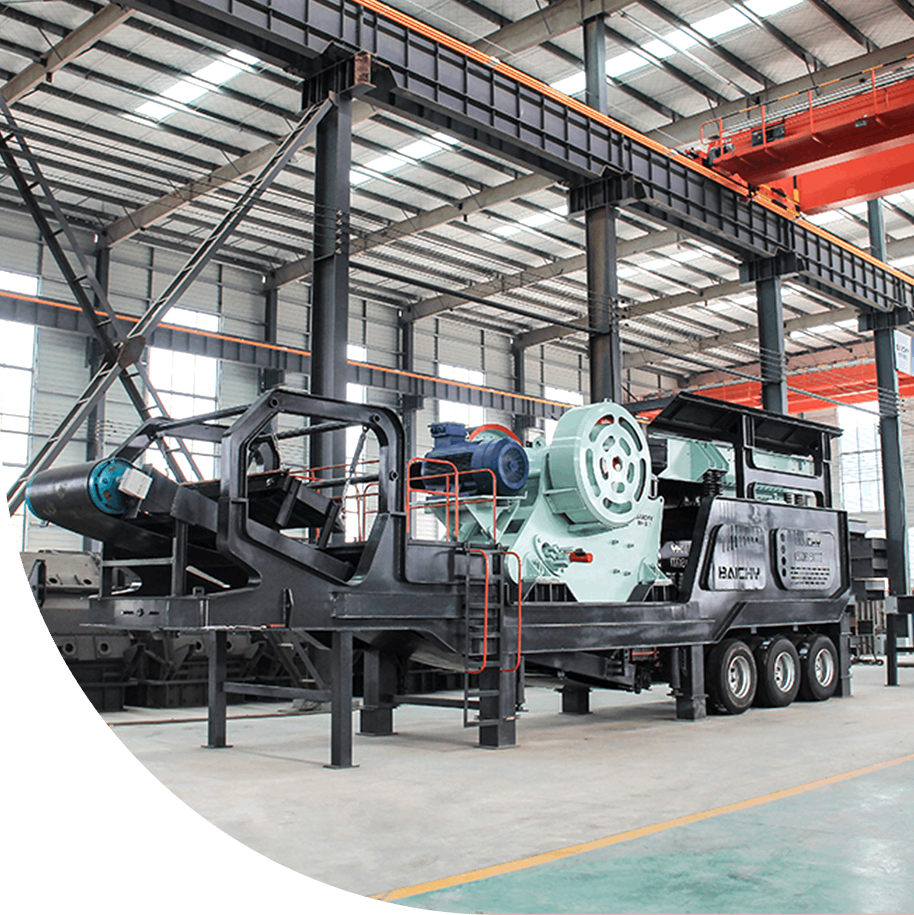

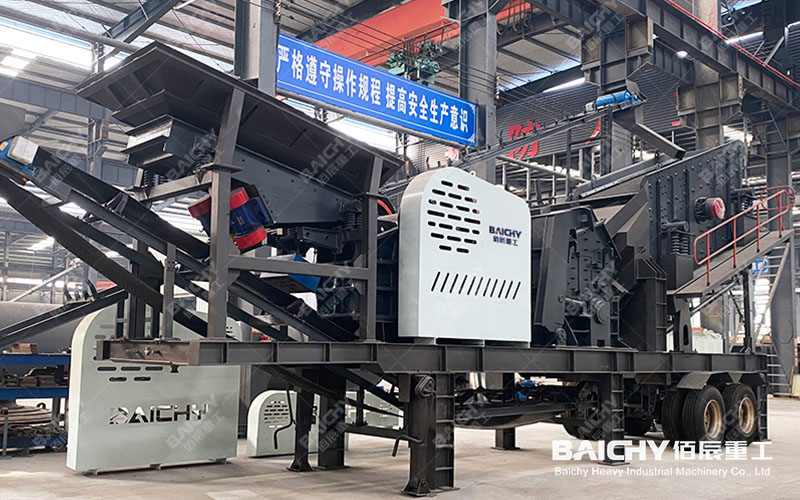
Modular Copper Ore Crushing Station Solution
Across the vast and resource-rich landscapes of Namibia, mining development is evolving toward greater efficiency, flexibility, and environmental sustainability. For copper ore crushing projects requiring a processing capacity of 8–12 tons per hour (TPH)—with a specific requirement for a finished product particle size of 2–10 mm—traditional fixed crushing lines often face significant challenges, including high capital investment, lengthy construction periods, and poor site adaptability. In response to these issues, the modular copper ore crushing station has emerged as an ideal solution for addressing these specific challenges. This article will explore in depth how this solution creates value for mining clients in Namibia.
The Unique Requirements of Copper Ore Crushing in Namibia
Mining development in Namibia—particularly for small-to-medium-sized ore bodies or projects located in remote regions—imposes specific demands on equipment. First, infrastructure may be relatively underdeveloped, necessitating equipment that can be rapidly deployed and operate autonomously. Second, environmental regulations are becoming increasingly stringent, requiring a reduction in on-site construction activities and minimal land disturbance. Finally, maximizing return on investment is paramount; equipment must facilitate rapid commissioning and deliver quick returns within a limited budget. A modular crushing station with a processing capacity of 8–12 TPH and an output size of 2–10 mm perfectly aligns with these requirements. This specific configuration not only meets the initial processing volume demands of small-to-medium-sized copper mines but also produces a finished product with a particle size that is ideally prepared for subsequent grinding or leaching processes, thereby enhancing overall operational efficiency.
The Core Concept of Modular Crushing Stations
A modular crushing station is not merely an assembly of disparate equipment components; rather, it represents a pre-designed, integrated, and pre-tested "plug-and-play" solution. It consolidates the feeding, crushing, screening, and conveying systems—along with the electrical control systems—into a series of transportable steel-structure modules. Upon arrival at the site, the system requires only simple interconnections and leveling to become fully operational, thereby drastically reducing the time required to transition from installation to full-scale production.
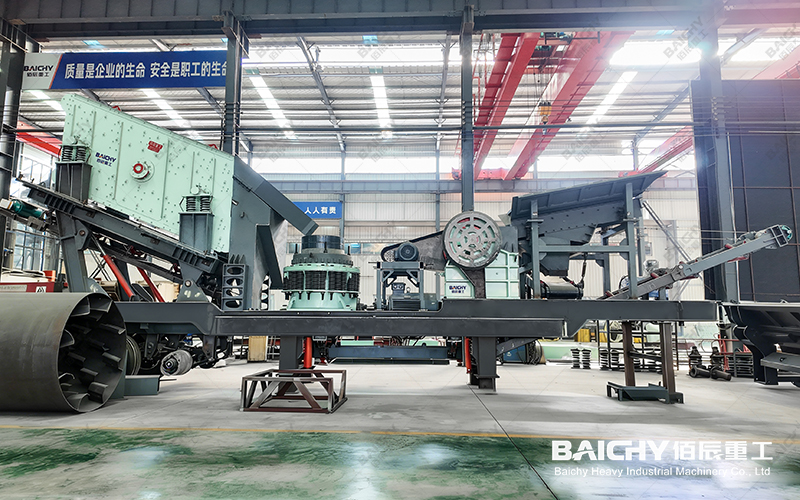
Modular Copper Ore Crushing Station Solution
The Four Core Advantages of Modular Copper Ore Crushing Stations
1. Unparalleled Deployment Flexibility
The modular design endows the crushing station with exceptional adaptability to various site conditions. Whether situated in mining areas characterized by rugged terrain or operating at work faces that require relocation to follow the ore vein, inpidual modules can be rapidly transported via trailer. This inherent flexibility is particularly well-suited to the dispersed mining exploration sites and phased extraction operations common throughout Namibia.
2. Significant Reduction in Investment and Operational Costs
• Infrastructure Cost Savings: Eliminates the need to pour massive concrete foundations, thereby reducing the scope of on-site civil engineering work.
• Shortened Return-on-Investment Cycle: Rapid commissioning and start-up translate directly into earlier realization of economic benefits.
• Reduced Reliance on Manual Labor: A highly automated control system minimizes the number of on-site operators required.
3. Exceptional Environmental Performance and Sustainability
The compact design of the modular station minimizes land footprint and preserves natural vegetation. Since the majority of assembly work is completed at the factory, on-site noise, dust, and waste generation are kept to a minimum, ensuring full compliance with stringent environmental standards.
4. Stable and Reliable Processing Performance
The configuration—specifically designed for crushing copper ore at a rate of 8–12 tons per hour (TPH)—ensures long-term, stable operation at rated capacity. An optimized crushing chamber profile and screening system guarantee a high yield and consistent uniformity of the final product size (2–10 mm), providing a reliable foundation for downstream processing stages.
Recommended Equipment Configuration and Performance Parameters
The following outlines a typical recommended configuration for a modular crushing station designed for copper ore processing in Namibia, featuring a throughput of 8–12 TPH and a final product size of 2–10 mm:
| Module Name | Recommended Equipment Model | Core Function Description | Key Advantages/Highlights |
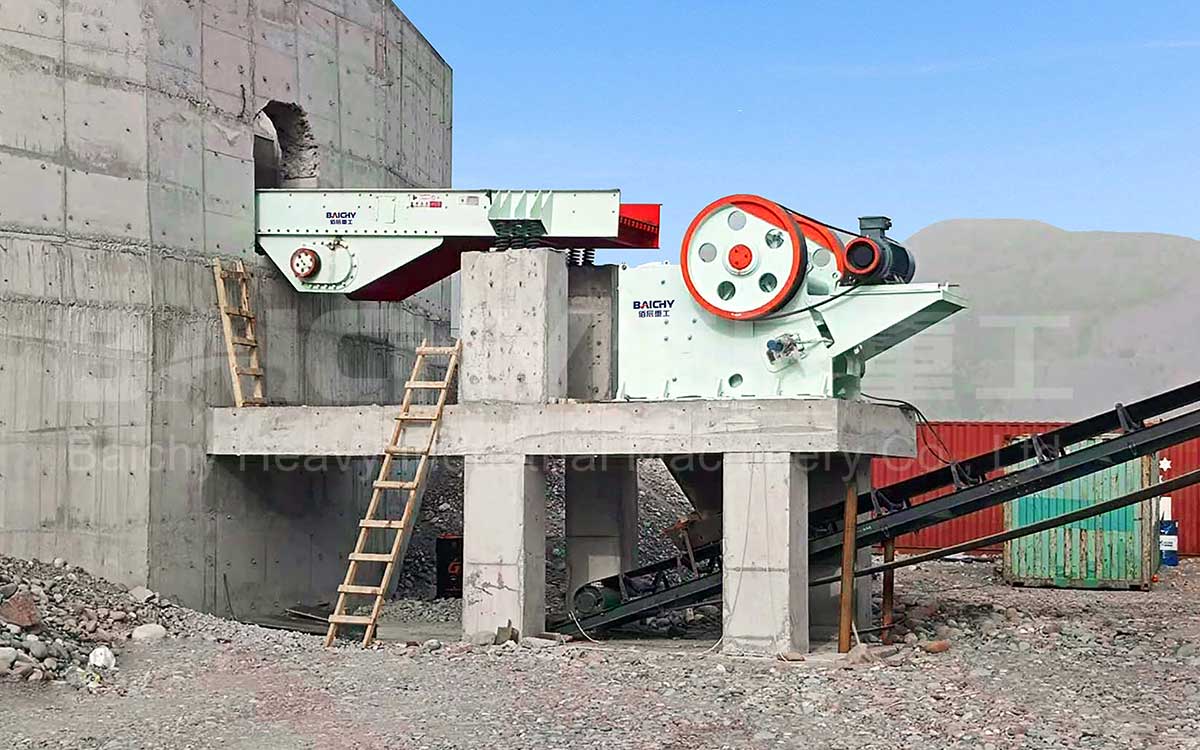
| Feeding Module | Vibrating Feeder GZD-850×3000 | Feeds material into the crusher uniformly and controllably, while simultaneously performing preliminary screening to remove soil and impurities. | Features pre-screening capability; utilizes variable frequency drive (VFD) control to regulate feed rate. |
| Crushing Module | Jaw Crusher PE-400×600 | Performs primary coarse crushing of copper ore; features high impact resistance and is capable of processing materials with high hardness. | Simple structure, easy maintenance, and a high crushing ratio. |
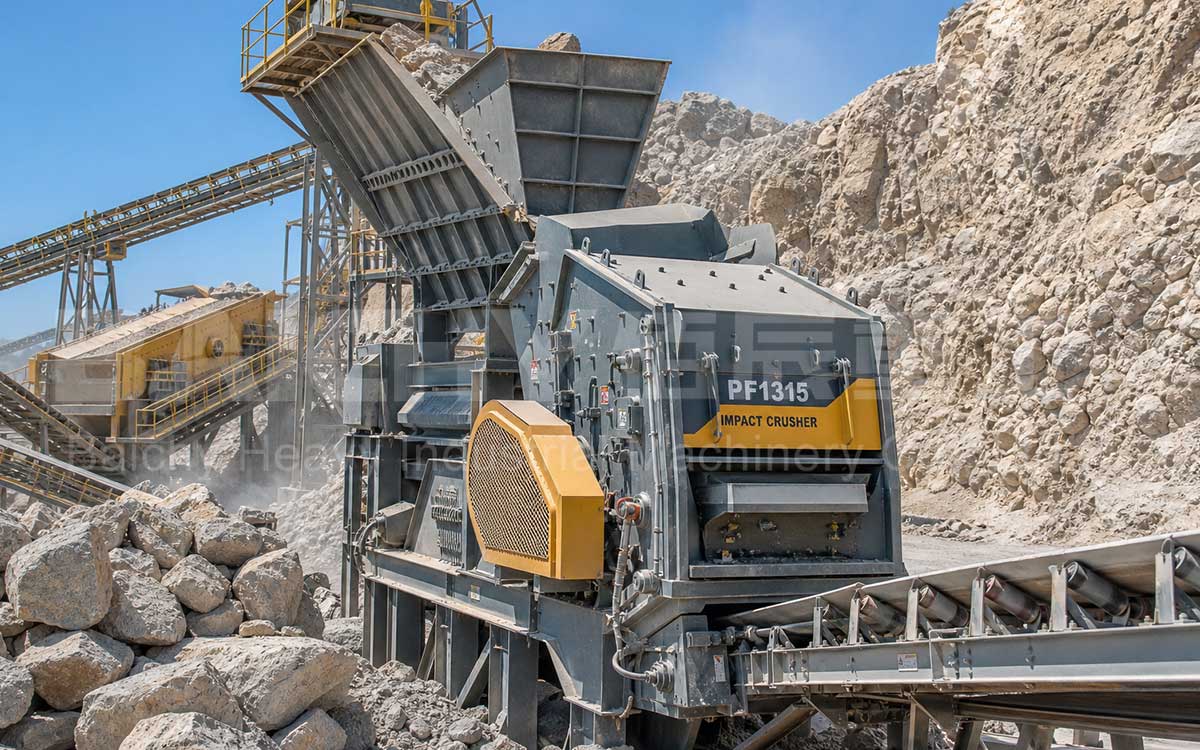
| Medium/Fine Crushing & Screening Module | Cone Crusher / Impact Crusher PYB-900 or PF-1010 | Performs medium-to-fine crushing on the coarsely crushed material to achieve the target particle size. | Produces a final product with excellent particle shape; ensures a high yield of finished material and operates smoothly. |
| Screening & Conveying Module | 2YK-1237 Vibrating Screen | Screens crushed material; properly sized material (2–10 mm) is discharged, while oversized material is returned for further crushing. | Features a multi-layer screen design for high screening efficiency, creating a closed-circuit loop. |
| Electrical Control & Power Module | Integrated Intelligent Control Cabinet | Centralizes the start/stop control for all station equipment, monitors operating parameters, and provides fault alarms. | Supports remote monitoring, offers a high degree of automation, and incorporates safety interlocks. |
Note: Specific configurations must be finalized based on the physical properties of the copper ore, such as hardness, moisture content, and clay content.
Case Study Insight: A Copper Mining Project in Namibia
In 2024, we assisted with a medium-scale copper mining project in Namibia. The client's core requirement was to establish a temporary crushing system at a new mine site within three weeks—specifically, a system with a capacity of 10 TPH and a final product size of less than 10 mm. The modular copper ore crushing station we provided—centered around a jaw crusher and cone crusher combination—successfully resolved this challenge. After all modules arrived via sea freight at the Port of Walvis Bay, they were transported overland to the mine site; installation, interconnection, and commissioning were completed in just five days, with formal production commencing on the sixth day. The system has operated stably, and the final product granularity fully meets the requirements of the leaching plant, thereby helping the client seize a key market opportunity.
Recommended Related Equipment & Solutions
• Mobile Crushing Stations: If your operations require more frequent relocation, we recommend considering wheel-mounted or crawler-mounted mobile crushing stations, which enable "crushing-on-the-go" capabilities.
• Dust Collection Systems: A modular pulse dust collector unit can be added as an optional upgrade to achieve fully enclosed, dust-free operations, thereby enhancing environmental compliance standards.
• Custom Wear Parts: To address the specific abrasiveness of the copper ore found in this Namibian mining region, we can provide custom-engineered wear parts made from high-chrome alloy or composite ceramics, significantly extending the service life of consumable components.
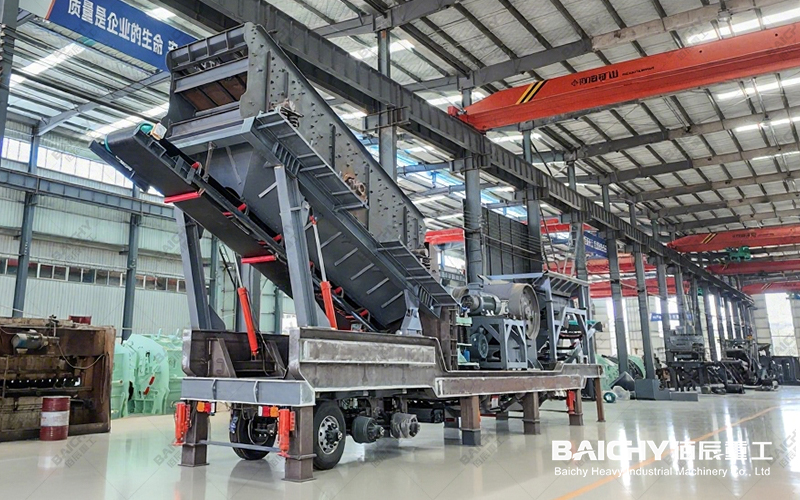
Modular Copper Ore Crushing Station Solution
Frequently Asked Questions (FAQ)
Q1: How does the positioning of a modular crushing station differ from that of a fixed production line or a mobile crushing station?
A1: It represents the optimal balance point situated precisely between the two. Compared to fixed production lines, this solution offers faster deployment, lower costs, and portability; compared to mobile crushing stations, it boasts greater processing capacity, superior stability, and is better suited for medium-to-long-term projects. It represents an ideal choice for operations within the 8–12 TPH capacity range that prioritize both cost-effectiveness and operational flexibility.
Q2: What specific design modifications have been implemented to adapt the equipment to Namibia's climate and environmental conditions?
A2: For equipment destined for Namibia, we implement a series of adaptive optimizations. These include moisture-proofing and salt-spray resistance treatments for the electrical control system; high-temperature adaptive designs for the lubrication system; and enhanced sealing protection for critical transmission components to effectively withstand sandy and dusty weather conditions.
Q3: Can the final product particle size of 2–10 mm be precisely guaranteed? How are oversized particles handled?
A3: Yes, it can be guaranteed. The key lies in the adoption of a "closed-circuit circulation" design. The screening module classifies the crushed material; qualified particles (2–10 mm) are discharged as the final product, while oversized particles (larger than 10 mm) are automatically returned to the crusher via a return conveyor for further processing until they meet the size specifications. This system ensures a consistent final product qualification rate of over 95%.