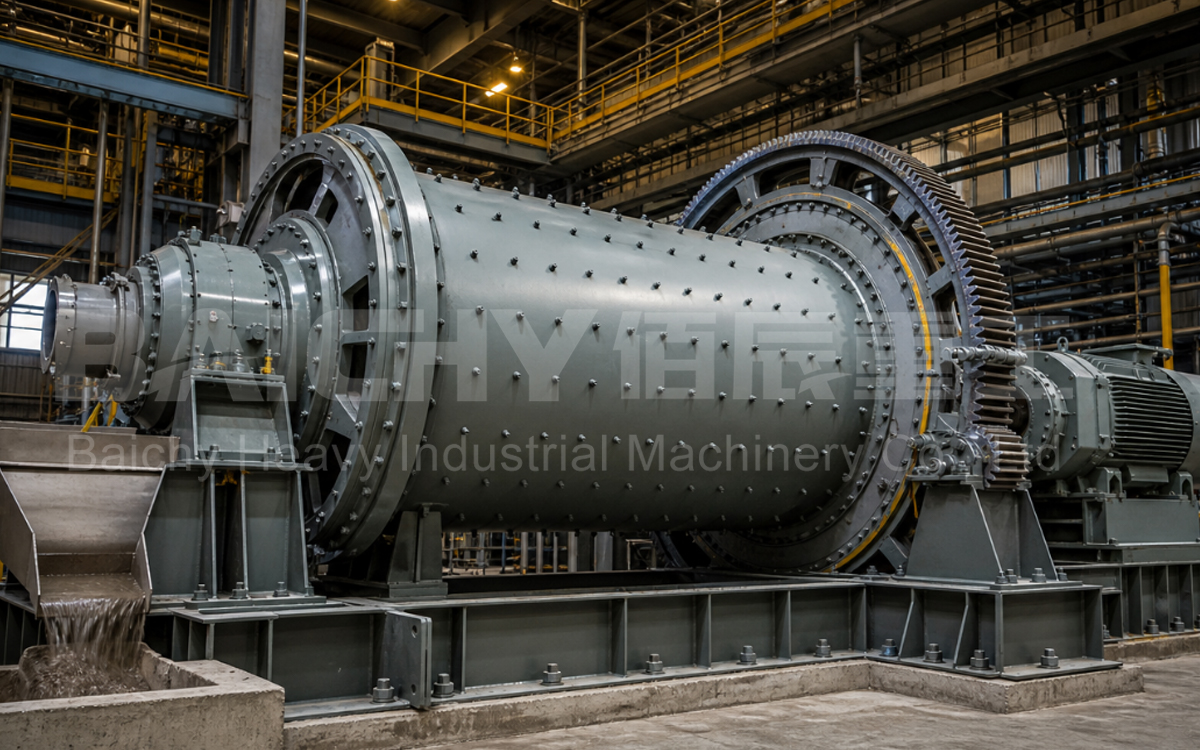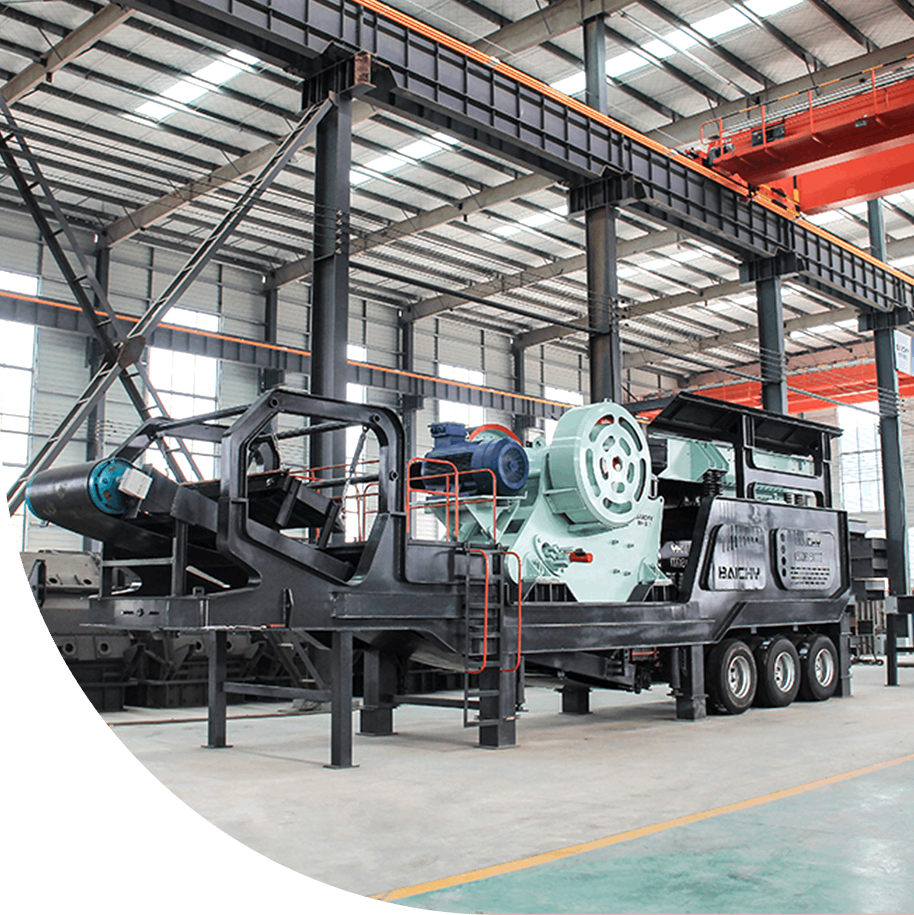

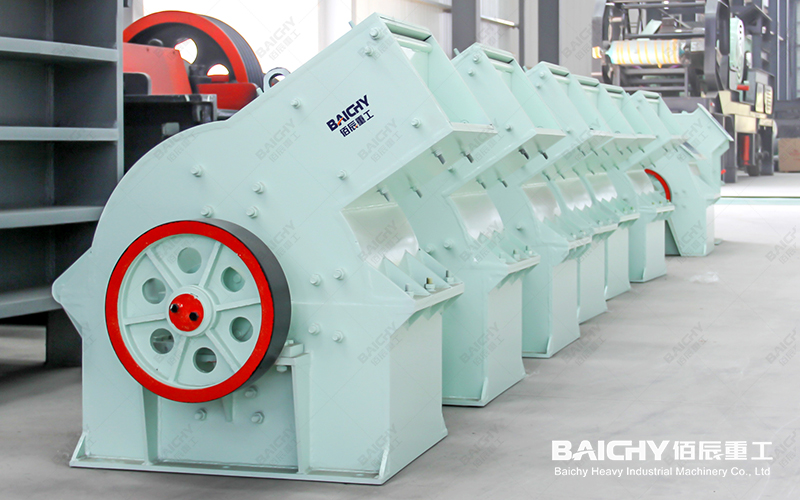
25 HP Hammer Mill Crusher
In the primary crushing stage of raw materials across industries such as mining, building materials, and chemicals, selecting the appropriate equipment is crucial for controlling project investment and ensuring stable production. Among the myriad specifications and models available, the 25-horsepower hammer mill crusher stands out as an ideal choice for many medium-scale production lines, thanks to its balanced performance and broad applicability. This article provides an in-depth analysis of the core advantages and application prospects of this "golden horsepower" crushing device.
The 25-horsepower (approx. 18.5 kW) motor power range represents a highly representative model within the hammer mill crusher category. It occupies a perfect middle ground between small-scale crushing and heavy-duty, large-scale crushing operations, effectively balancing production capacity, energy efficiency, and equipment investment costs.
1.1 Market Positioning and Application Scenarios
This equipment is primarily positioned for use in the secondary or tertiary crushing stages within small-to-medium-sized stone quarries, raw material preparation for cement plants, construction waste recycling facilities, and coal mines. Its design philosophy centers on minimizing both the user's initial acquisition costs and long-term operating expenses, while simultaneously meeting specific production output requirements.
1.2 Overview of Technical Parameters
Typically, a standard 25-horsepower hammer mill crusher features the following core parameters, endowing it with strong competitiveness among comparable products:
| Parameter | Typical Specification / Description |
| Motor Power | 25 HP / 18.5 kW |
| Rotor Diameter × Length | Approx. Φ800 × 600 mm (varies by specific model) |
| Feed Size | ≤ 200–250 mm |
| Discharge Size | ≤ 30 mm (adjustable) |
| Processing Capacity | 15–35 t/h (varies based on material hardness and moisture content) |
| Equipment Weight | Approx. 1.8 – 2.5 tons |
| Core Advantages | Compact structure, moderate investment cost, easy maintenance, uniform discharge granularity |
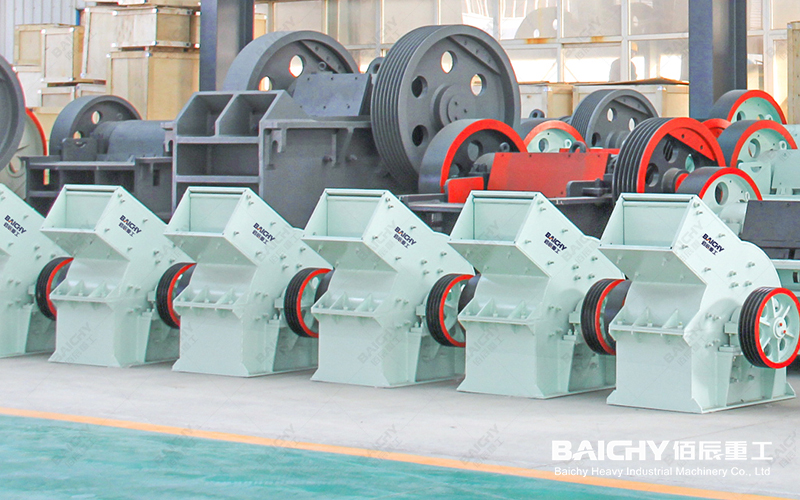
25 HP Hammer Mill Crusher
Analysis of Core Advantages: Why Choose the 25-HP hammer mill crusher?
1.1 The Balance of High Efficiency and Low Energy Consumption: The 25-horsepower motor delivers sufficient crushing force while avoiding the energy waste associated with "oversizing"—using an unnecessarily powerful motor for a lighter load. Its optimized rotor dynamics design ensures that every unit of electricity is efficiently converted into effective crushing energy; consequently, its energy consumption per ton of processed material ranks among the best in its class.
1.2 Exceptional Crushing Ratio and Particle Shape: The hammer mill crusher inherently features a high crushing ratio; the 25-horsepower model can effortlessly reduce materials of approximately 200mm in size to less than 30mm in a single pass. Its unique grate bar structure ensures uniform and controllable discharge particle sizes, resulting in finished products with a low content of needle-like or flaky particles—making it particularly well-suited as a primary or secondary stage in sand-making or powder-grinding operations.
1.3 Robust Durability and Ease of Maintenance: Critical components, such as hammer heads and liner plates, are cast from high-chromium alloy wear-resistant materials, ensuring a long service life. The equipment features a simple structural design with hinged side access doors, making the replacement of wear parts and internal inspections highly convenient; this significantly reduces downtime and lowers maintenance costs.
1.4 Broad Material Adaptability: It is not only suitable for processing medium-to-low hardness materials—such as limestone, bluestone, and gypsum—but also delivers excellent crushing results for brittle materials, including coal, coke, and slag. It serves as a versatile choice for a wide range of material processing applications.
Application Case Study: Field-Verified Performance
Case: Construction Waste Processing Line at an Eco-Friendly Building Materials Company
This company installed one of our PCΦ800×600 model 25-horsepower hammer mill crushers to serve as the core secondary crushing unit for their construction waste (primarily concrete blocks and discarded bricks/tiles). The equipment has operated stably for over 4,000 hours, reducing construction waste blocks with particle sizes of ≤220mm into aggregates of ≤25mm. With a stable hourly output of 22–28 tons, it provides uniformly sized raw materials for downstream brick manufacturing, thereby significantly shortening the return-on-investment period for the entire production line. The client provided feedback describing the equipment as "rugged, energy-efficient, and producing excellent particle shapes—fully meeting our production capacity expectations."
Related Equipment Recommendations: Building an Efficient Production Line
A single 25-horsepower hammer mill crusher rarely operates in isolation; it typically serves as a critical link within a comprehensive, high-efficiency production line. We recommend considering the following complementary equipment configurations to maximize operational efficiency:
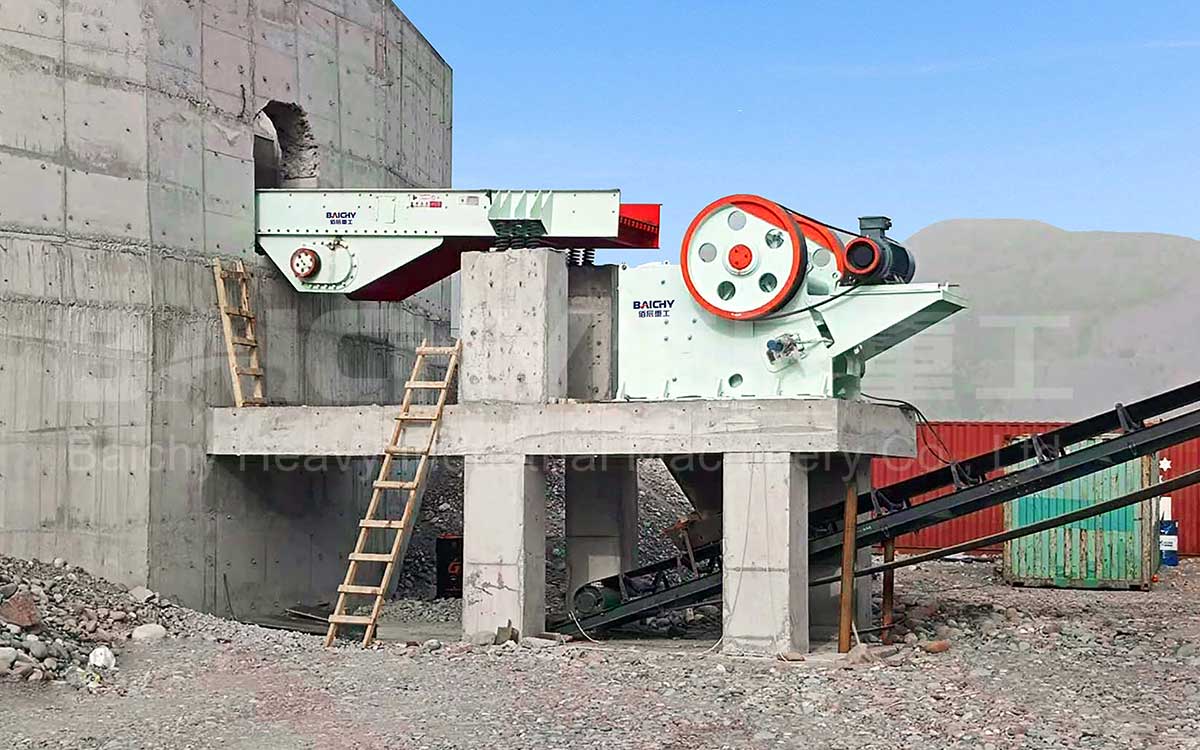
• Feeding Equipment: We recommend installing a trough feeder or a vibrating feeder to ensure a uniform and continuous feed rate. This prevents the equipment from running idle or becoming overloaded—a fundamental requirement for protecting the hammer heads and motor, as well as for stabilizing output volume.
• Primary Crushing: If the raw material particle size is large (>400mm), we recommend installing a jaw crusher upstream to perform primary (coarse) crushing. This creates a classic "Jaw Crusher + hammer mill crusher" two-stage crushing system, facilitating a highly efficient and cost-effective crushing process.
• Downstream Processing: Depending on the requirements for the final product, the crushed material can be fed into a vibrating screen for classification. Material of the desired particle size is directed to the finished product stockpile, while oversized particles can be returned for re-crushing or fed into subsequent processing equipment—such as sand-making machines or Raymond mills—for further refinement.
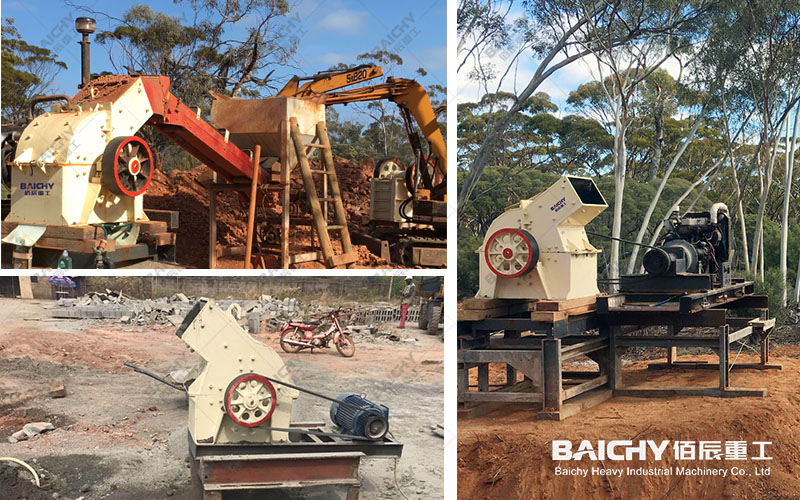
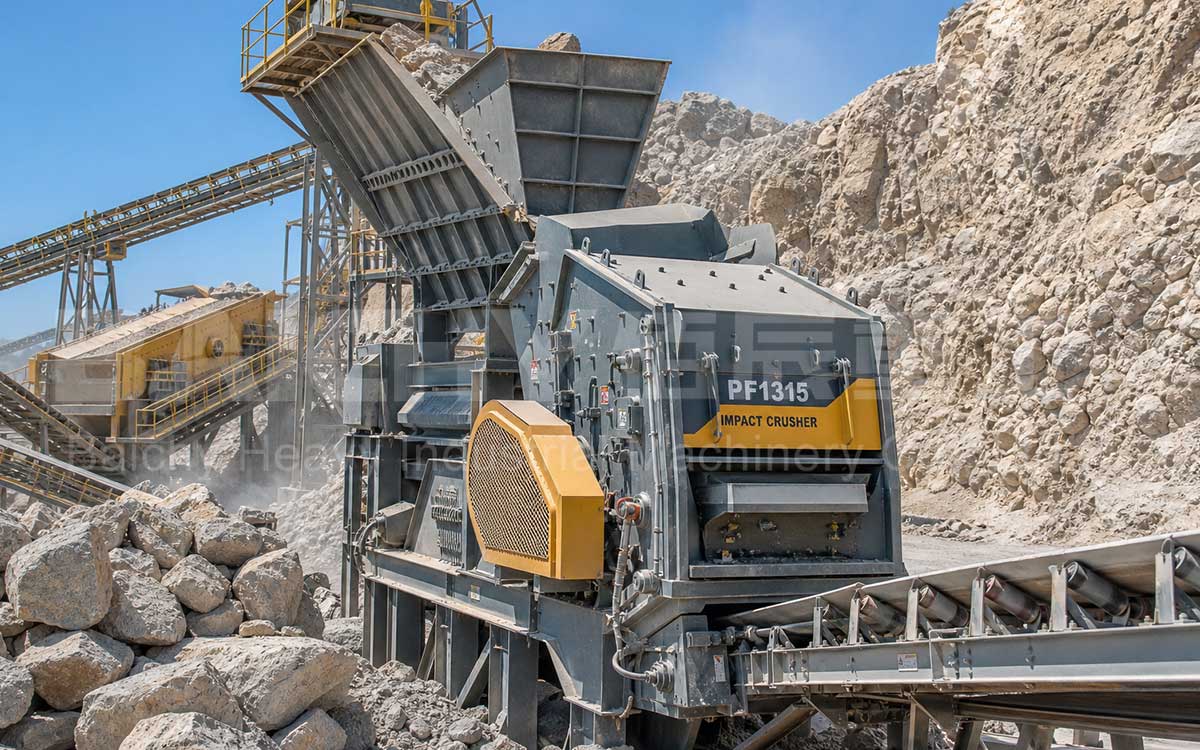
Hammer Crusher Customer Site
V. Frequently Asked Questions (FAQ)
Q1: Can a 25-horsepower hammer mill crusher process high-hardness materials like granite?
A1: While hammer mill crushers are highly versatile, they are not recommended for the long-term crushing of high-hardness and highly abrasive materials—such as granite or basalt. Doing so would result in extremely rapid wear of the hammer heads and liner plates, leading to a sharp increase in operating costs. For such materials, we recommend prioritizing equipment that utilizes the principle of laminated crushing—such as jaw crushers or cone crushers.
Q2: How is the discharge particle size adjusted? Can this equipment be used for sand making?
A2: The discharge particle size is primarily adjusted by altering the gap between the bottom grate bars or by replacing the grate screens with those of a different specification. Increasing the gap results in a coarser discharge, while decreasing the gap results in a finer discharge. This equipment can serve as a preliminary shaping and crushing stage for sand production, effectively reducing the content of soil and weak particles within the raw material; however, to produce manufactured sand with a specific grain size of 0–5mm, it is still necessary to subsequently feed the material into a specialized impact-type sand-making machine.
Q3: What points require attention regarding daily operation and maintenance?
A3: The core principles revolve around three key points: uniform feeding, regular inspections, and timely replacement. Ensure that materials enter the crushing chamber uniformly and continuously. Periodically inspect key components—such as hammer heads, liners, and bearings—for wear and tightness. When a hammer head has worn down to a certain extent on one side, it may be flipped over for continued use; once fully worn, the hammer heads must be replaced as a complete set to maintain the dynamic balance of the rotor.