PE400×600 Jaw Crusher for Ethiopia
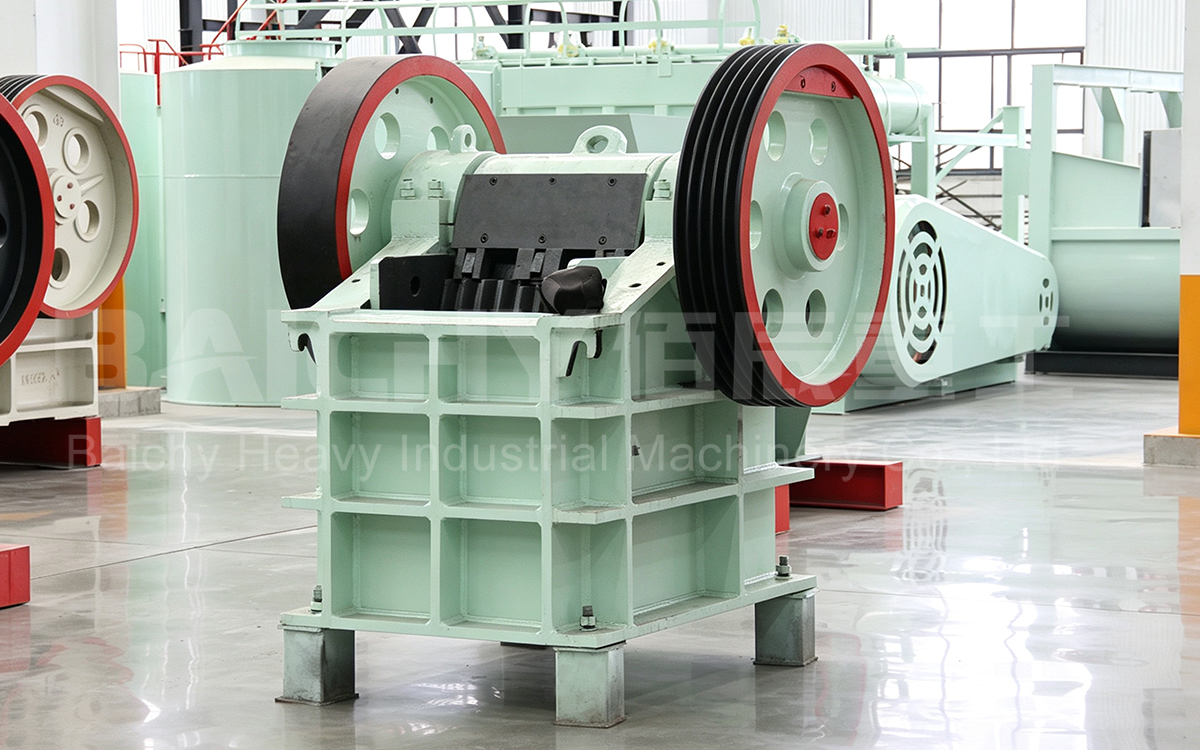
The PE400×600 is a jaw crusher tailored for small-to-medium-sized quarries and construction contractors in Ethiopia. It operates at full load on Ethiopia’s standard 380V/50Hz grid, delivering a stable output of 16–35 tph when processing Termaber basalt (hardness: 130–351 MPa), with a shipping time of just 7–10 days from the Port of Djibouti to Addis Ababa. With an initial investment of approximately $8,000–$12,000 and electricity costs under $8 per day, the equipment pays for itself within 6–8 months of operation. This isn't just a promise—it is based on actual performance data from customers we have already served in Ethiopia.
Real-world challenges for small-to-medium quarry owners in Ethiopia
1.1 Power supply issues
Ethiopia’s national grid standard is 380V/50Hz. Many imported machines are configured for the Chinese 380V/50Hz or European 400V/50Hz standards; while they appear compatible, their tolerance for voltage fluctuation differs. Voltage at remote Ethiopian quarries can fluctuate between 350V and 420V. Standard motors frequently trip under these conditions, whereas the PE400×600’s standard 30kW motor accommodates a ±10% voltage fluctuation—field tests show it can run continuously for 8 hours within a 340–430V range without tripping.
1.2 Rock is too hard; standard equipment can't handle it
Ethiopia’s Termaber basalt—formed by volcanic eruptions in the East African Rift—is a dense rock with a measured uniaxial compressive strength of 130–351 MPa and a Mohs hardness of 6–7. Under these conditions, low-quality domestic jaw plates require flipping every 7–10 days and must be discarded after 30–45 days. At $600–$800 per set, replacing them eight times a year costs over $4,800. The PE400×600 comes standard with high-manganese steel (ZGMn13) jaw plates; when processing basalt, these offer a stable service life of 60–90 days—two to three times that of standard plates—keeping annual replacement costs between $2,000 and $3,000.
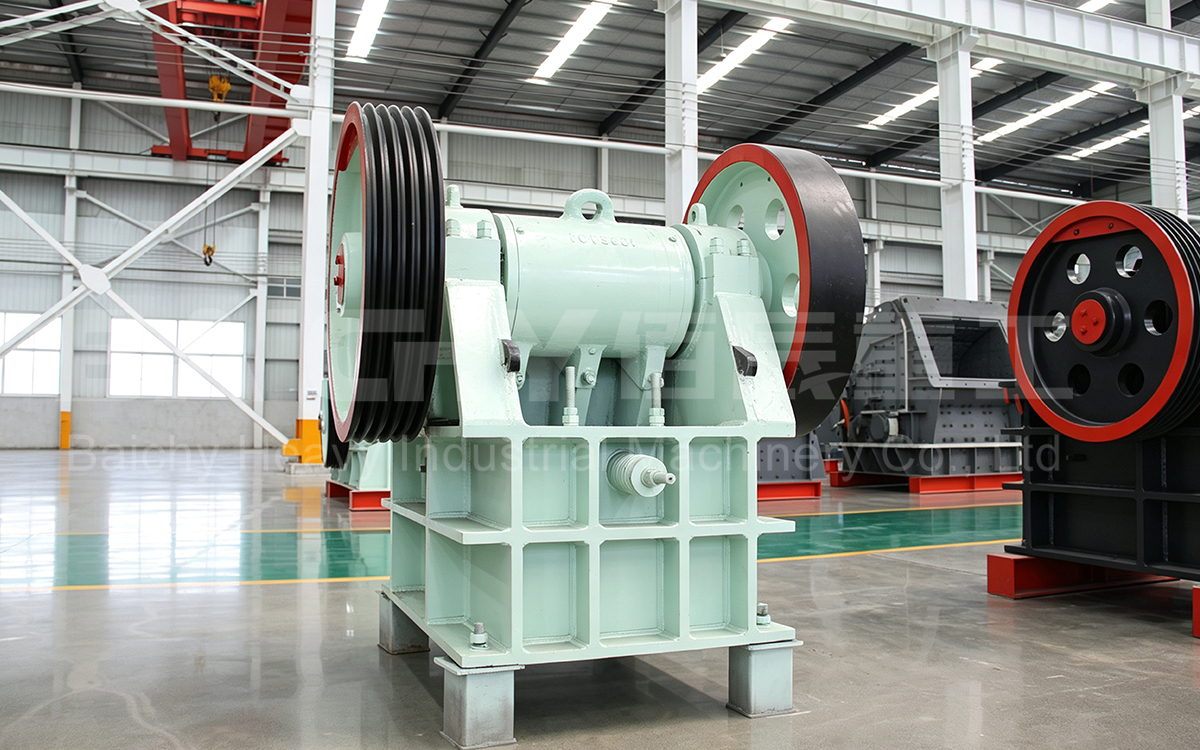
basalt jaw crusher
1.3 Logistics costs eroding profits
As a landlocked country, Ethiopia requires all maritime equipment shipments to transit through the Port of Djibouti, followed by an overland journey of over 800 km to Addis Ababa. Freight charges are calculated based on both volume and weight; the heavier and larger the equipment, the higher the unit cost.
| Transport Dimensions | PE400×600 | Typical Alternative (PE500×750) |
| Net Equipment Weight | ~6.5 tonnes | ~10.3 tonnes |
| Packaging Volume | ~8.5 m³ | ~14 m³ |
| Freight (Djibouti Port → Addis Ababa) | ~$650–850 | ~$1,100–1,400 |
| Suitability for 20GP Consolidation | ✅ Can be consolidated with feeder & vibrating screen | ⚠️ Occupies half a container alone |
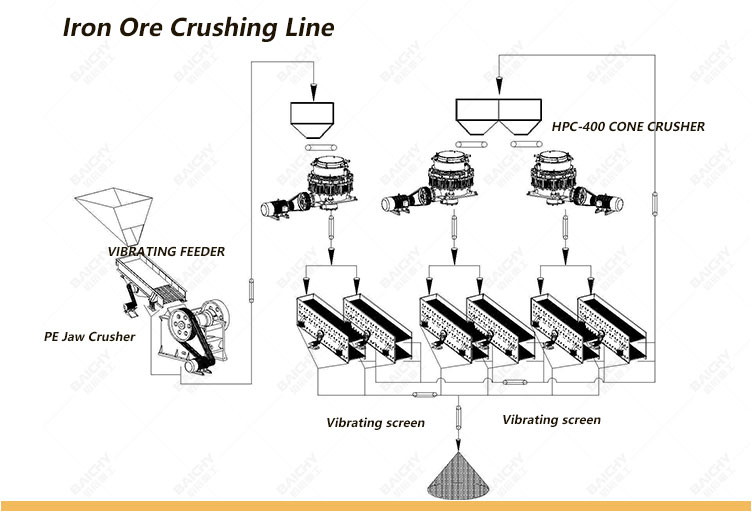
Conclusion: The PE400×600 is the jaw crusher model offering the highest logistics efficiency for Ethiopia. A single 20GP container can accommodate an entire 20–30 tph production line (PE400×600 + feeder + vibrating screen + conveyor), keeping the combined sea and land freight costs under $3,500.
2 Benefit Translation: Real Returns Behind the Specs
| Technical Specs | Value | What It Means for You |
| Feed Opening Size | 400 × 600 mm | Directly accepts basalt blocks with diameters ≤340 mm; no secondary blasting required |
| Discharge Setting Range | 40–100 mm | 40–60 mm for construction aggregates (0–5, 5–10, 10–20 mm); 70–100 mm for road base material |
| Processing Capacity (Basalt) | 16–35 tph | ~128–280 tons per 8-hour shift. Based on an ex-factory price of $8–$12/ton for construction aggregates in Ethiopia, daily output value is $1,000–$3,360 |
| Motor Power | 30 kW (380V/50Hz) | Electricity cost ≈ $0.96/hour (based on the Ethiopian industrial rate of $0.032/kWh); at a daily output of 280 tons, electricity cost is only $0.027 per ton |
| Equipment Net Weight | ~6.5 tons | No need for a 50-ton crane; installation and positioning can be completed using a single 20-ton truck crane |
| Eccentric Shaft Speed | 275 r/min | High speed = the key to high output. Compared to competing models (250 r/min), efficiency is 10% higher. |
| Jaw plate material | ZGMn13 high-manganese steel | Service life with basalt: 60–90 days; replacement cost per set: $350–450. |
2 Key Specifications Table
| Parameter | Specification |
| Model | PE400×600 (PE-400×600) |
| Feed opening size | 400 × 600 mm |
| Max. feed size | ≤340 mm |
| Discharge opening adjustment range | 40–100 mm |
| Processing capacity | 16–60 tph (limestone); 16–35 tph (basalt) |
| Eccentric shaft speed | 275 r/min |
| Motor power | 30 kW (380V/50Hz) |
| Net weight | ~6.5 tons |
| Dimensions (L×W×H) | 1700 × 1732 × 1653 mm |
| Jaw plate material | ZGMn13 high-manganese steel (upgradeable to Cr26 high-chromium cast iron) |
| Lubrication method | Manual grease lubrication (upgradeable to automatic lubrication) |
| Suitable materials | Basalt, granite, limestone, river pebbles, iron ore, quartz |
| Power supply | 380V/50Hz (Ethiopian standard) / 400V/50Hz (common in East Africa) / 60Hz (customizable) |
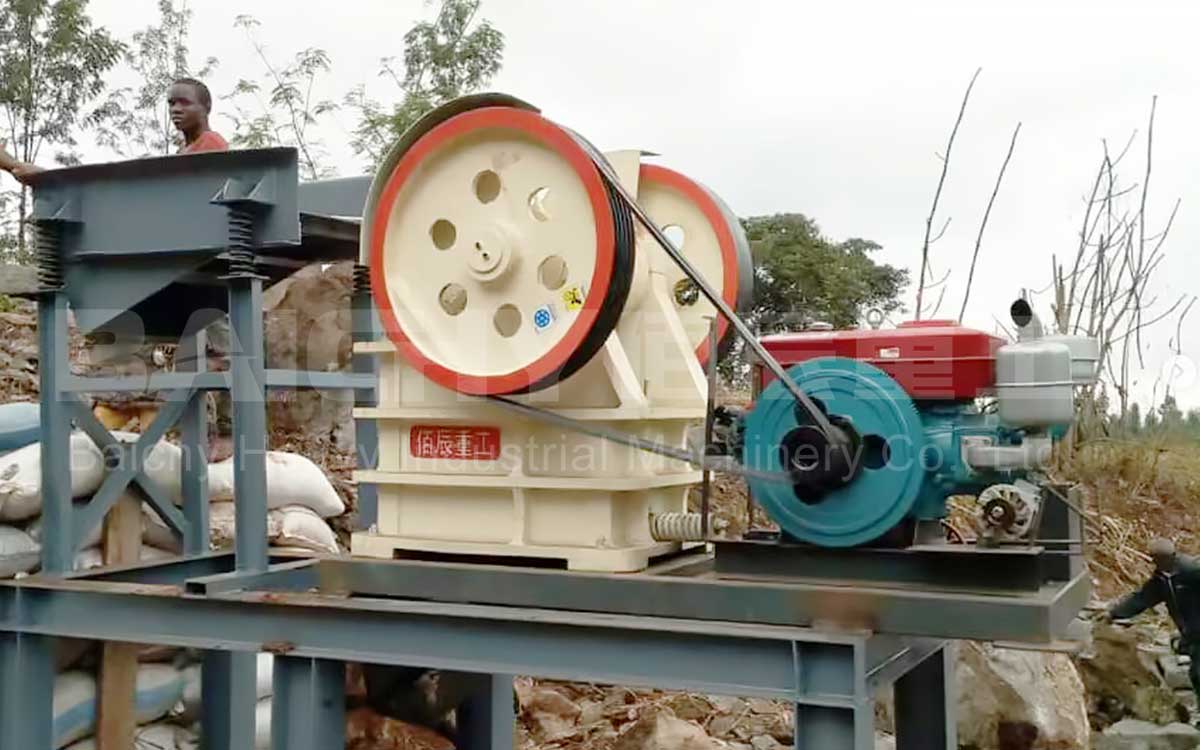
small-quarry-crusher-Ethiopia
5 FAQ
Q1: Can the PE400×600 crush Termaber basalt in Ethiopia?
Yes. We have already delivered multiple PE400×600 units to Ethiopia specifically for crushing Termaber basalt. Success depends on two factors:
(1) The standard ZGMn13 high-manganese steel jaw plates can withstand material hardness of 130–351 MPa;
(2) Adjusting the discharge opening to 50–70 mm achieves the optimal balance between production capacity and jaw plate service life.
Q2: How long does it take to ship the equipment to Addis Ababa, and what is the cost?
Sea freight to the Port of Djibouti takes 7–10 days, followed by 3–5 days for overland transport from Djibouti to Addis Ababa. Sea freight costs depend on current container rates, while overland transport costs approximately $650–$850 per ton (including customs clearance and transshipment). The total logistics cost for shipping the entire production line (using shared container space) is approximately $3,000–$3,500.
Q3: Are your 380V/50Hz motors truly stable on the Ethiopian power grid?
Yes. We supply industrial motors as standard for Ethiopian clients that feature a ±10% voltage fluctuation tolerance; actual testing confirms continuous operation within the 340–430V range. We also offer optional soft-start cabinets to further mitigate the impact of grid fluctuations.
Q4: What is the service life of the jaw plates, and are spare parts easy to obtain?
For basalt processing applications: 60–90 days. The replacement cost is $350–$450 per set. We ship spare parts to Addis Ababa via DHL, with delivery taking 5–7 days. We recommend that clients order two extra sets of jaw plates and one extra toggle plate with their initial equipment order, eliminating the need for further purchases within the first six months.
Q5: How should I choose between the PE400×600 and the PE500×750 models?
| Comparison Criteria | PE400×600 | PE500×750 |
| Basalt Capacity | 16–35 tph | 30–60 tph |
| Main Unit Price | $8,000–12,000 | $15,000–20,000 |
| Logistics Costs | $650–850 | $1,100–1,400 |
| Suitable Daily Output | 100–300 tons/day | 300–500 tons/day |
| Minimum Investment | ~$14,000 | ~$25,000 |
Summary: Choose the PE400×600 for a daily output of under 300 tons, and the PE500×750 for over 300 tons. If the budget allows, it is always wise to build in a 20% capacity margin.