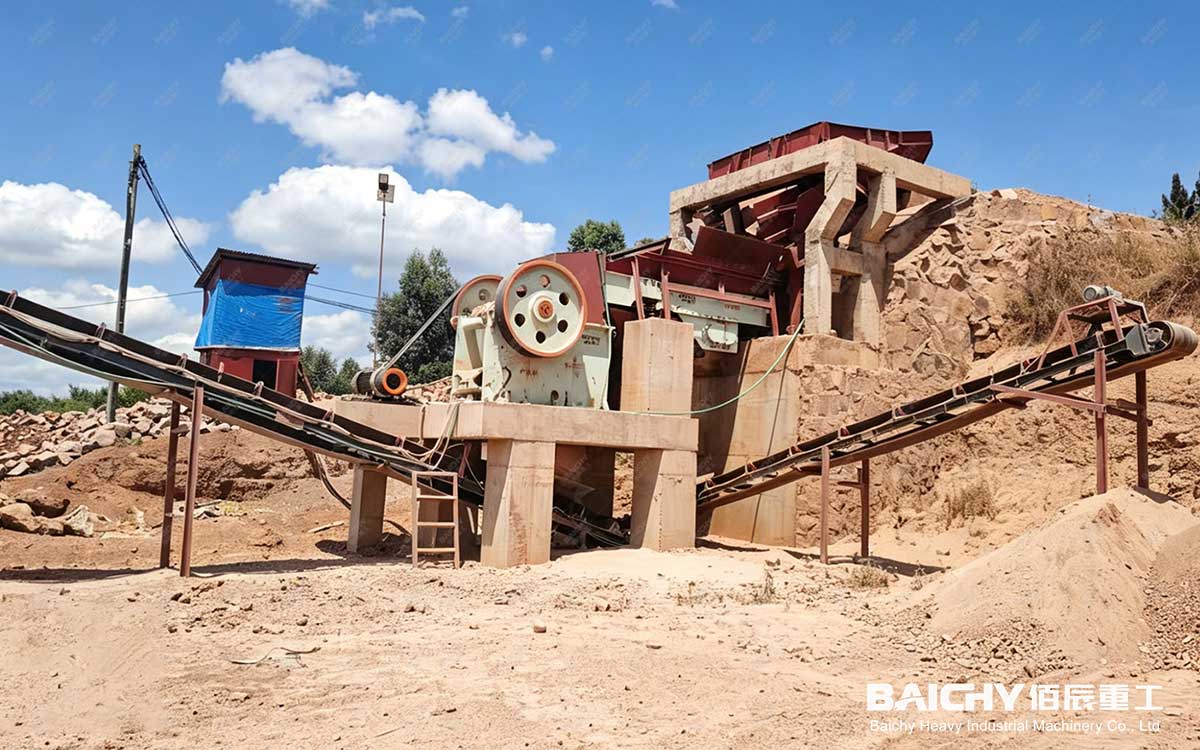
Guide to Selecting Jaw Crushers for Mining Stone Crushing Production Lines
In a mining stone crushing production line, the jaw crusher performs the primary crushing task that determines the line's maximum capacity. Selecting the right jaw crusher model effectively locks in the production line's daily output, particle size baseline, and even cost-per-ton—making this one of the most critical steps in production line planning where errors must be avoided.
I. Overview: Why the Jaw Crusher is the Production Line's "First Gatekeeper"
A complete mining stone crushing line typically comprises five stages: feeding, primary crushing, secondary/fine crushing, screening, and conveying; the jaw crusher almost invariably occupies the primary crushing position. This is due to three essential capabilities unmatched by other machine types: a large feed opening capable of accepting raw ore blocks exceeding 750mm in diameter; a high crushing ratio (4:1–6:1) that reduces rock to the 100–200mm size required for the next stage in a single pass; and a robust structural rigidity that withstands the impact loads of highly abrasive materials over the long term.
For rocks with a Mohs hardness of 6–7 or higher—such as granite, basalt, and diabase—the jaw crusher is the only primary crushing option that balances cost-effectiveness with reliability. Simply put, whether a production line can "handle the intake" and "operate effectively" depends first on whether the selected jaw crusher matches the actual working conditions.
II. Typical Application Scenarios
1. Hard Rock Mines: Granite, Basalt, Diabase
Characterized by large raw ore sizes and high abrasiveness indices, jaw crushers utilize a combination of deep crushing chambers and thickened jaw plates to maintain stable crushing efficiency under heavy-load conditions, making them the industry-standard choice for primary crushing in hard rock mines.
2. Construction Aggregate and Manufactured Sand Production Lines
Projects involving highways, bridges, and commercial concrete require aggregates with consistent particle shapes. Following primary crushing by a jaw crusher, secondary shaping is performed by a cone crusher or impact crusher; this process consistently yields multi-grade aggregates (0–5mm, 5–10mm, 10–20mm, 20–31.5mm) that meet the GB/T 14685 gradation standards.
3. Pre-grinding stage in mineral processing plants
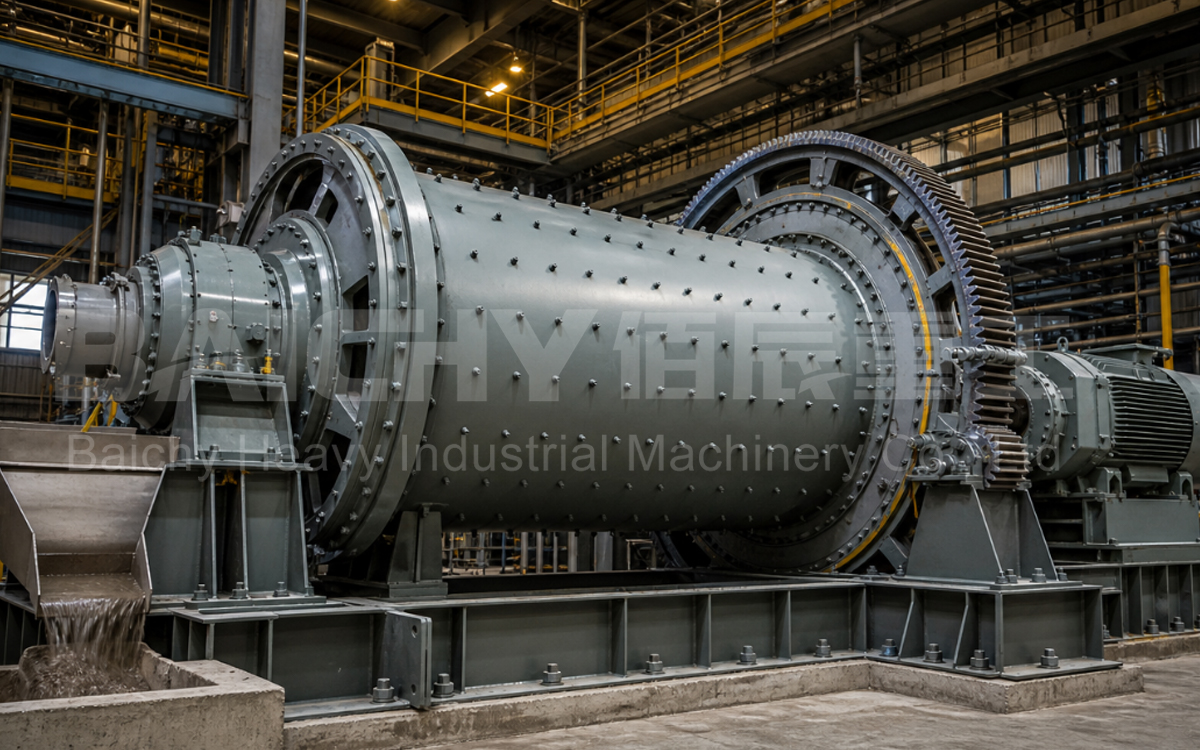
In the mineral processing workflow, the jaw crusher performs preliminary crushing, reducing ore to a size below 10–25 mm. This ensures the feed meets the requirements for the subsequent ball mill, boosting mill productivity by 15%–25% and serving as a critical point for energy conservation and consumption reduction across the entire process.
4. Mobile crushing station integration
Wheeled or tracked mobile stations frequently utilize jaw crushers as their primary crushing unit, enabling simultaneous mining and crushing. They are particularly well-suited for operations requiring frequent relocation, such as mine overburden removal, river dredging, and temporary material stockpiling.
III. Core Advantages
1. Simple structure, low maintenance requirements
The jaw crusher consists of only a few core components—such as the frame, swing jaw, eccentric shaft, and toggle plate—allowing for routine maintenance without hydraulic assistance. Wear parts like jaw plates and toggle plates are easily replaceable, and general maintenance personnel can perform these tasks independently after minimal training.
2. Wide feed size range and strong adaptability
Feed openings range from 340 mm (PE400×600) to 1020 mm (PE1200×1500), covering capacities from 15 to 800 t/h. Materials such as limestone, river pebbles, iron ore, and construction waste can be crushed directly without the need for manual pre-sorting.
3. High crushing ratio and controllable particle shape
With a crushing ratio of 4:1 to 6:1 and a wedge-style discharge opening adjustment mechanism, the output size can be modified in minutes to meet specific downstream process requirements. Compared to single-stage hammer crushers, jaw crushers yield a more stable proportion of medium-to-fine particles and produce fewer flaky or elongated particles.
4. Low total lifecycle cost
Taking the PE600×900 model as an example, annual electricity consumption is approximately 12%–18% lower than that of a hammer crusher with equivalent capacity. Jaw plates can last 8–12 months when processing moderately abrasive limestone, keeping the cost per ton of crushed material consistently low within the industry. IV. Technical Parameters of PE Series Jaw Crushers
| Model | Feed Opening Size (mm) | Max. Feed Size (mm) | Discharge Opening Adjustment Range (mm) | Processing Capacity (t/h) | Motor Power (kW) |
|---|---|---|---|---|---|
| PE400×600 | 400×600 | 340 | 40–100 | 16–64 | 30–37 |
| PE500×750 | 500×750 | 425 | 50–100 | 45–100 | 45–55 |
| PE600×900 | 600×900 | 500 | 65–160 | 60–160 | 55–75 |
| PE750×1060 | 750×1060 | 630 | 80–180 | 90–230 | 90–110 |
| PE900×1200 | 900×1200 | 750 | 95–200 | 130–300 | 110–132 |
Note: The capacities listed above are rated based on limestone with a bulk density of 1.6 t/m³; when crushing hard rock such as granite or basalt, it is recommended to apply a conversion factor of 0.8–0.9 for equipment selection.
V. Real-World Application Case
Case 1: Granite Crushing Line in Rwanda (100–150 t/h)
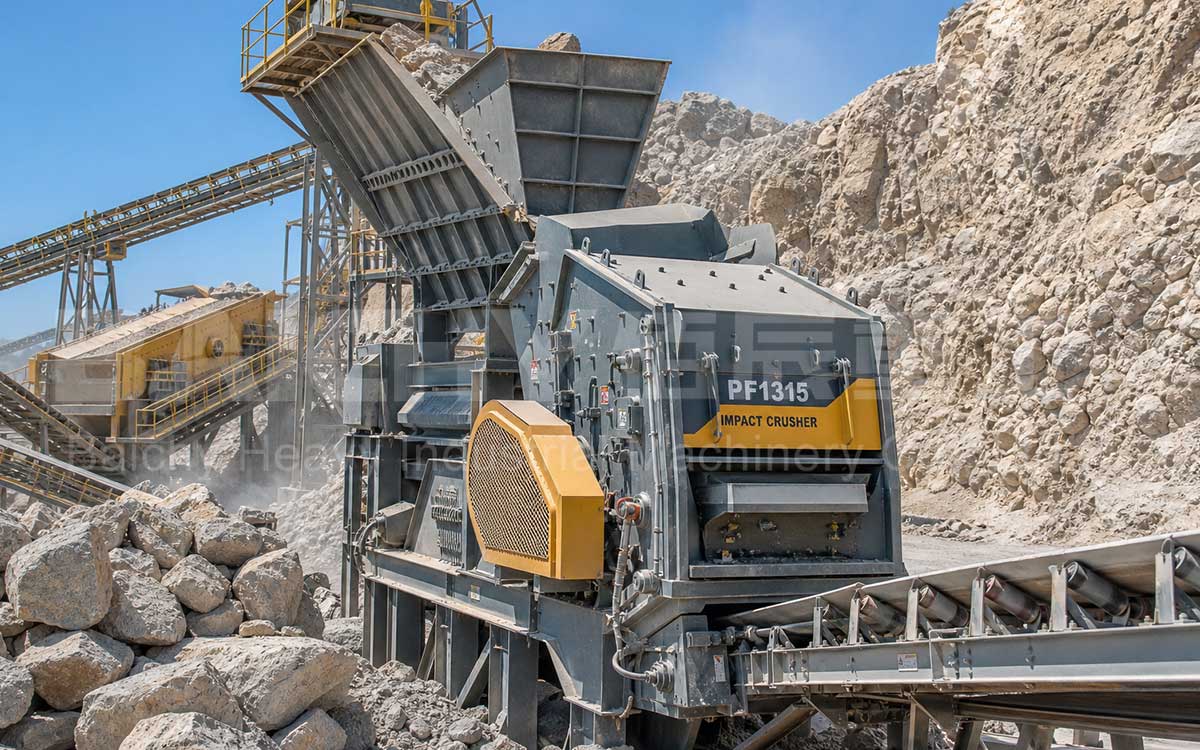
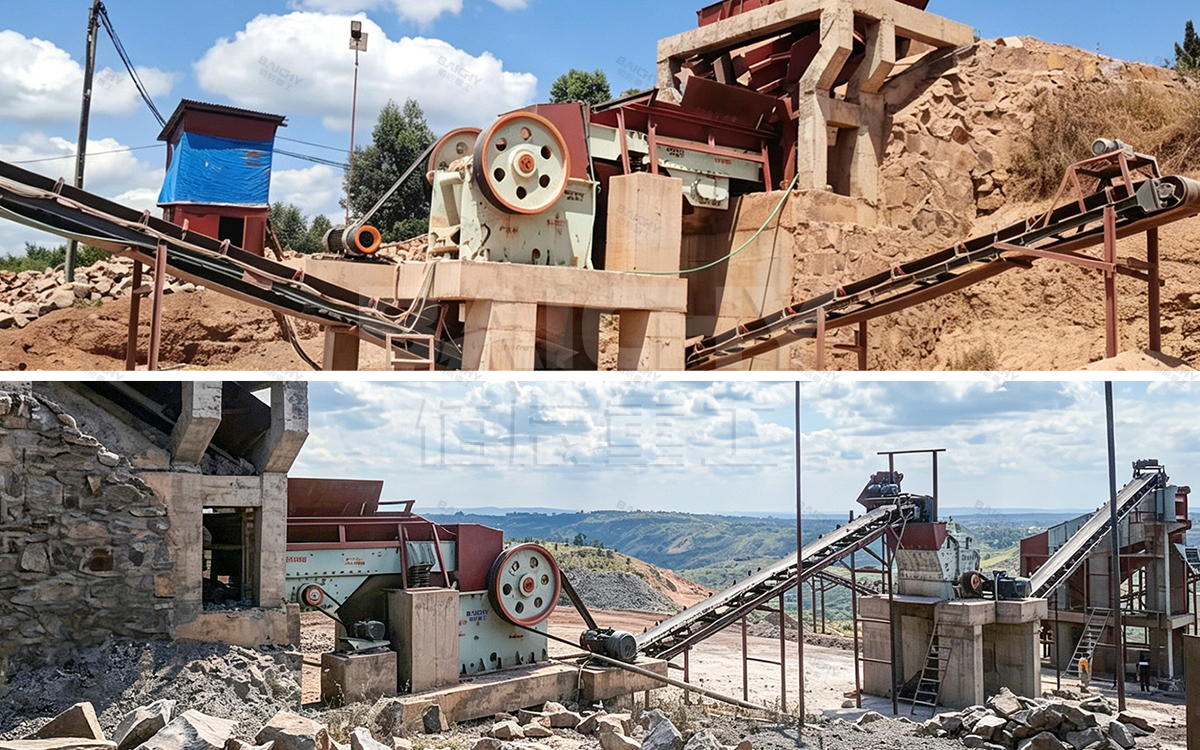
The customer utilized a PE600×900 jaw crusher paired with a PF1214 impact crusher to process granite with a compressive strength of approximately 180 MPa. Measurements taken six months after commissioning showed: a 96% pass rate for the 0–31.5 mm product fraction; a jaw plate service life of 10 months before the first replacement; electricity consumption per ton 8% lower than the original design; and an actual production line capacity reaching 108% of the rated value.
Case Study 2: Fixed Production Line for Philippine River Pebbles
To handle highly abrasive river pebbles, a PE750×1060 jaw crusher is used as the primary crushing unit, paired with a cone crusher for secondary crushing. Although river pebbles have sharp edges and cause high wear on components, the jaw crusher—featuring a large crushing chamber and wear-resistant jaw plates—keeps the wear cost for the primary crushing stage under 0.9 RMB per ton, allowing the client to recoup the entire investment within two years.
VI. Recommended Auxiliary Equipment
| Station | Recommended Equipment | Selection Criteria |
|---|---|---|
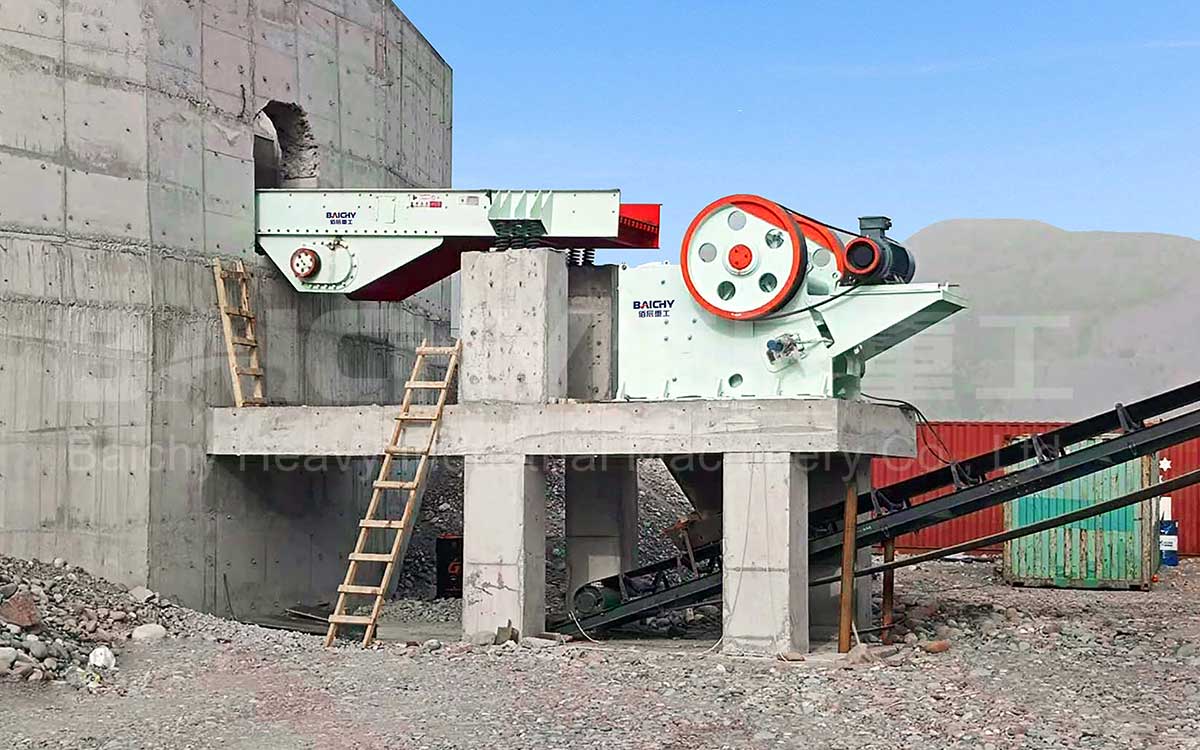
| Feeding | ZSW Series Vibrating Feeder | Match with jaw crusher inlet; ensures uniform feeding and pre-screening. |
| Secondary / Fine Crushing | CS Cone Crusher / PF Impact Crusher | Choose cone crusher for hard rock; choose impact crusher for medium-soft rock. |
| Sand Making & Shaping | VSI Sand-Making Machine | Improves particle shape and gradation of 0–5mm manufactured sand. |
| Screening | Circular Vibrating Screen (YK Series) | Multi-stage screening to meet aggregate grading requirements. |
| Conveying | Belt Conveyor | Select belt width and speed based on capacity; control drop height to prevent clogging. |
For a complete production line, it is recommended that a process engineer performs a capacity balance calculation based on material hardness, moisture content, and target product ratios to avoid equipment mismatch (e.g., "oversized equipment for small loads" or "undersized equipment for heavy loads").
Guide to Selecting Jaw Crushers for Mining Stone Crushing Production Lines
VII. FAQ
Q1: How do I select the right jaw crusher model based on target capacity?
A: First, determine the material type and hardness. Then, calculate the required hourly capacity based on daily operating hours, incorporating a 10%–15% safety margin. For example, a daily output of 1,000 tons (10-hour shift) implies a baseline capacity of 110–125 t/h, corresponding to the PE600×900 model; for hard rock like granite, it is advisable to select the next larger model or consult the manufacturer for a formal selection calculation.
Q2: How should the jaw crusher be paired with cone or impact crushers?
A: Follow the standard process flow: "Jaw crusher for primary crushing + Cone crusher (for hard rock) or Impact crusher (for medium-soft rock) for secondary crushing." The jaw crusher reduces run-of-mine ore to 100–200 mm, while a cone or impact crusher takes over to produce the final aggregate; by distributing the crushing ratio between the two stages, the entire line achieves the most balanced energy consumption and wear rates.
Q3: What is the approximate service life of jaw plates when processing highly abrasive materials like granite?
A: Taking a PE600×900 crusher equipped with high-manganese steel jaw plates and a 100 mm discharge setting as an example, the service life is typically 6–10 months for granite and 10–12 months for limestone. Service life is influenced by feed size distribution and clay content; flipping the jaw plates for use on the other side is recommended, as this can extend the service cycle by 30%–40%.
Baichy Heavy Industry
Baichy Heavy Industry is a high-tech mining equipment company integrating R&D, manufacturing, sales, and after-sales service. Focusing on crushing, grinding, and mineral processing equipment, we provide professional solutions to our customers. We are ISO9001:2015 、certified, and our products include mobile crushing palnts, crawler crushing plant, construction waste crushing plants, jaw crushers, sand making machines, cone crushers, fine crushers, grinding mills, ball mills, etc., all with reliable performance to meet diverse project needs.
Baichy Heavy Industry – Your Trusted Partner
To ensure optimal performance of your equipment, Baichy Heavy Industry offers:
- Professional on-site installation guidance
- Comprehensive operator training
- 24/7 technical support & maintenance services
Our complete after-sales service system guarantees long-term, stable operation of your machinery with minimal downtime.
Protect Your Rights – Only Use Official Channels
To avoid scams and ensure authentic support, contact us exclusively through:
• Official Website: www.baichychina.com
• WhatsApp: +8615093222637
• Email: [email protected]
Your satisfaction is our priority – expect prompt, professional service every time.
(Note: Beware of unauthorized third parties claiming to represent Baichy. Always verify through official contacts.)