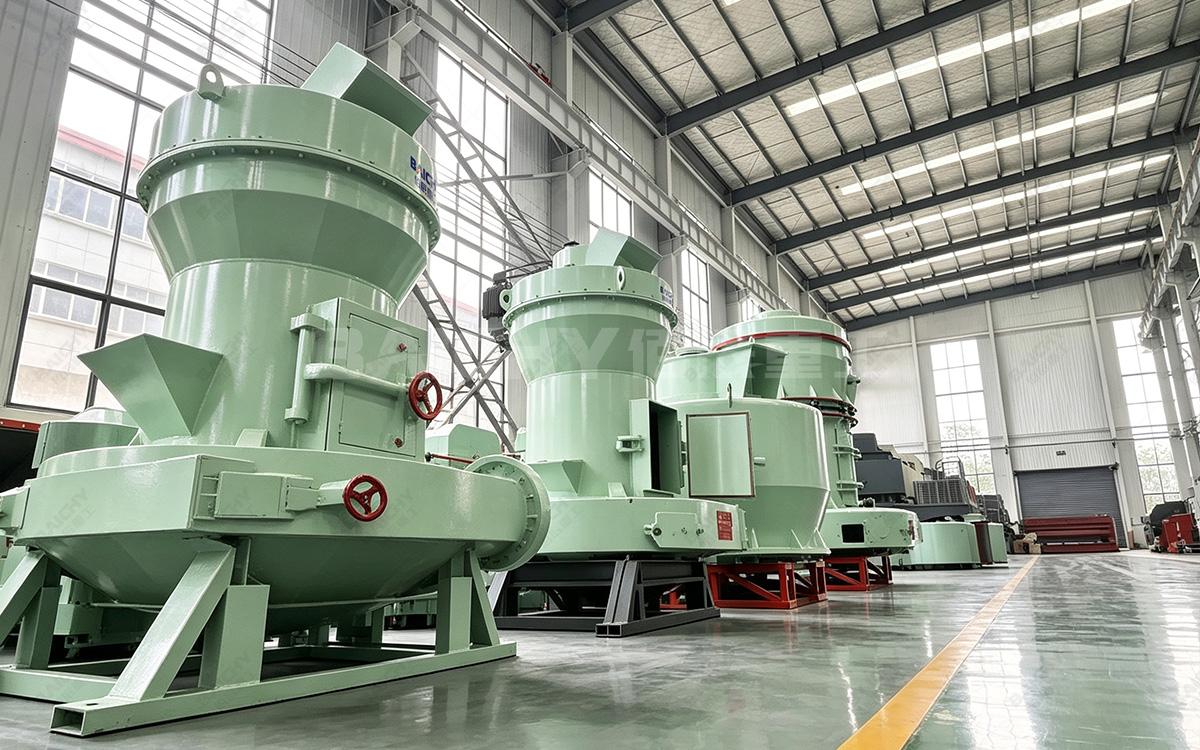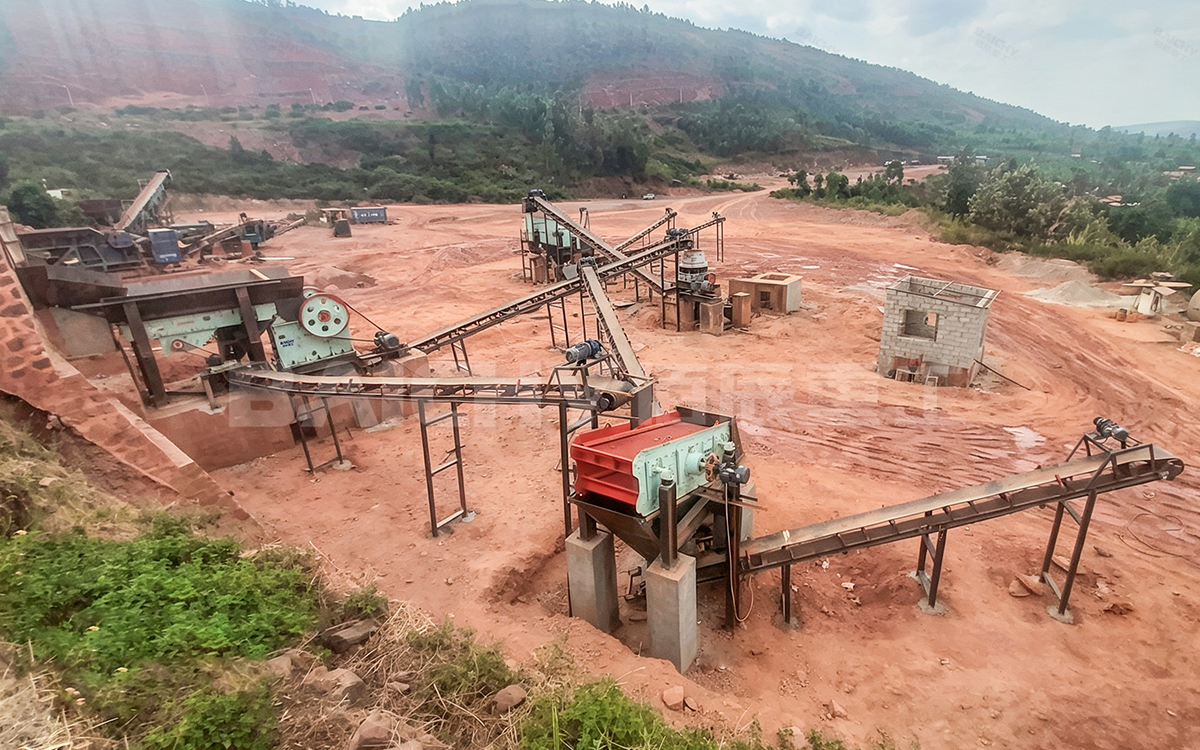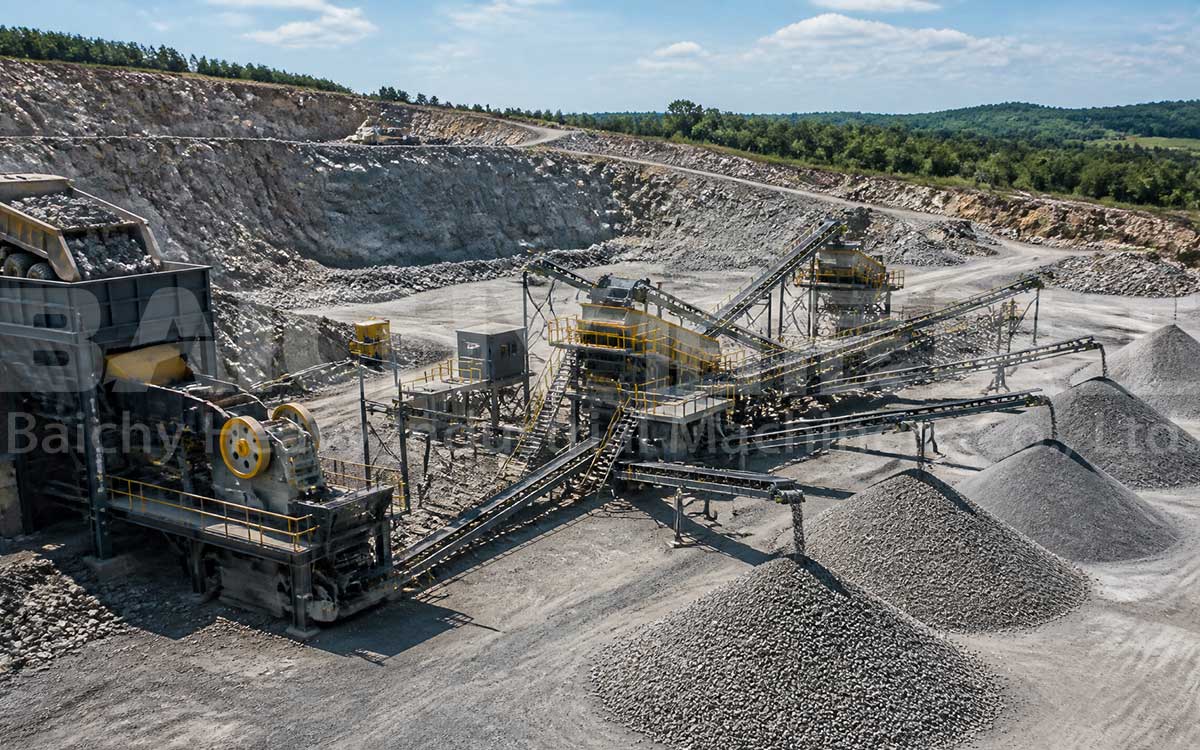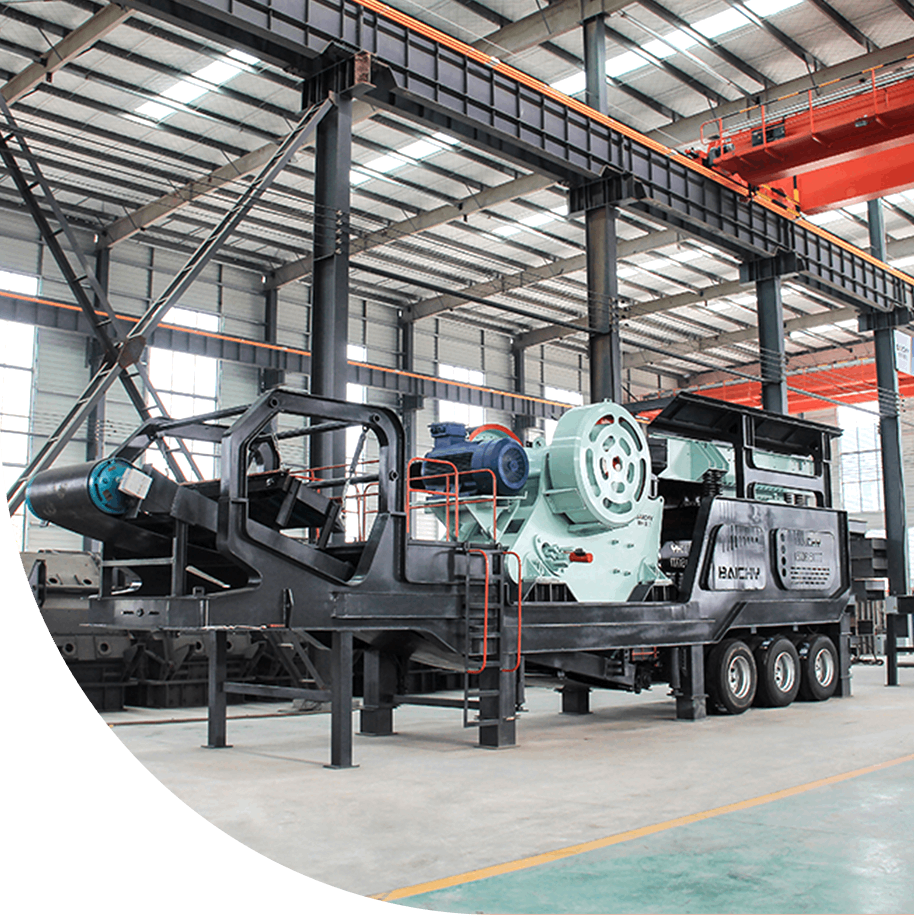

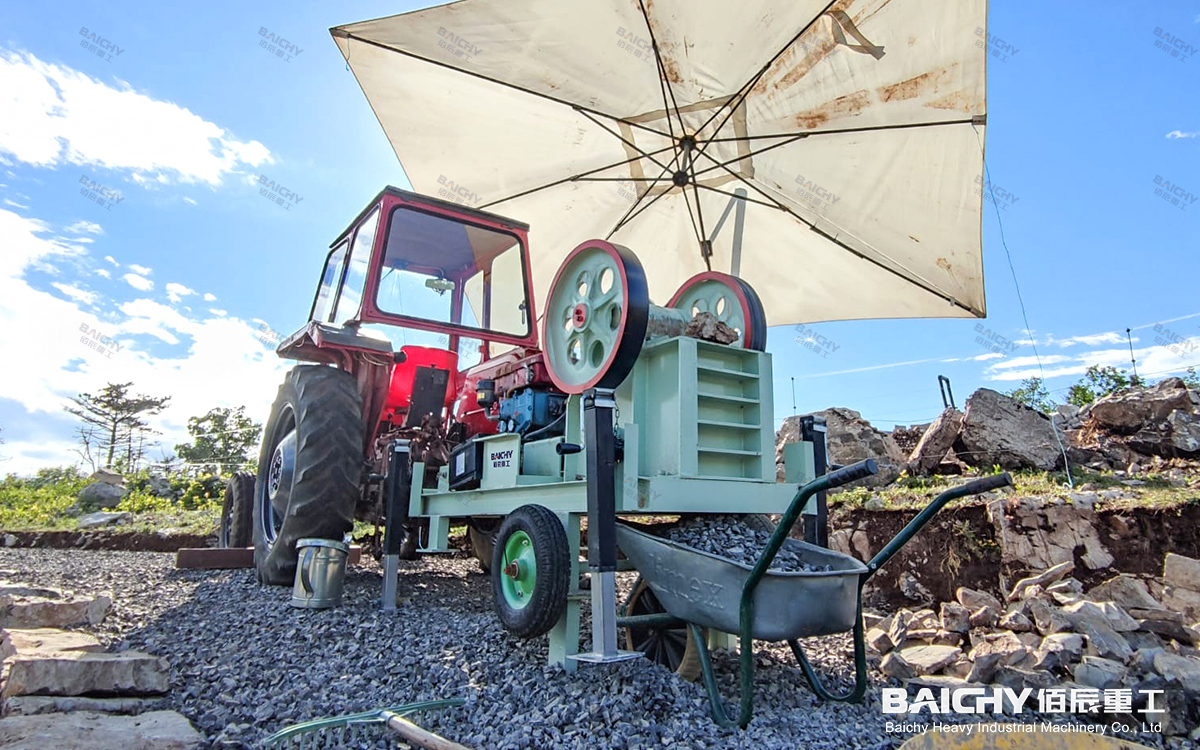
small diesel stone crusher
For a small quarry, road project, construction site, or remote aggregate operation, a diesel-powered crusher can be more practical than an electric unit. It can work in locations where grid power is unavailable, unstable, or too expensive to connect. However, choosing a machine only by asking for the “lowest price” can lead to the wrong capacity, unexpected freight costs, and poor output control.
A better approach is to match the crusher to the complete project: the material, required capacity, feed size, finished product, working location, and destination port. For many small-scale applications, a small diesel jaw crusher is a suitable starting point because it provides a simple primary-crushing solution for natural rock and construction materials.
This guide explains what Brazilian buyers should check before requesting a quotation and why two machines that look similar may have very different final prices.
Why Choose a Diesel Jaw Crusher for a Small Project?
A diesel jaw crusher uses a jaw-shaped crushing chamber to compress rock between a fixed jaw plate and a moving jaw plate. Large pieces are reduced into smaller sizes, and the discharge opening can be adjusted within the machine’s operating range.
For small and mobile projects, the main advantages are practical rather than simply technical:
• Independent power supply: The machine does not need a direct connection to the local power grid.
• Flexible jobsite use: It can be used at a quarry, construction site, road project, or remote work area.
• Straightforward operation: A jaw crusher is commonly selected as a primary crusher because its working principle is easy to understand and maintain.
• Adaptable configuration: Engine power, crushing chamber size, supporting frame, and auxiliary equipment can be matched to the application.
• Useful for multiple materials: Depending on the machine design and feed condition, it may be used for natural stone, granite, basalt, limestone, river rock, and selected construction materials.
The correct model still depends on the material properties and production target. A diesel engine alone does not guarantee the required output. The crusher, power system, feed arrangement, and discharge setting must be selected as one working system.
What Determines the Price of a Small Diesel Stone Crusher?
There is no single universal price for a small diesel stone crusher because the equipment is normally quoted according to its configuration and delivery terms. A basic machine price may not include the same items as a complete export quotation.
The following factors usually have the greatest effect on the final offer:
| Price factor | Why it matters | Information to confirm |
|---|---|---|
| Crushing capacity | A higher hourly output generally requires a larger crushing chamber and stronger drive system. | Required tons per hour |
| Feed size | Larger rocks require a suitable inlet and may affect the crusher size. | Maximum feed dimension |
| Output size | The desired product size affects the discharge setting and whether screening is needed. | Target product range |
| Diesel configuration | Engine brand, power, fuel system, controls, and spare parts can change the equipment cost. | Preferred brand or local service needs |
| Frame and mobility | A stationary frame, skid frame, trailer, or other support arrangement may have different costs. | Jobsite and relocation frequency |
| Auxiliary equipment | Hopper, feeder, conveyor, screen, dust-control equipment, and magnet may be included or excluded. | Complete process or crusher only |
| Delivery terms | Freight, insurance, export packing, and destination charges depend on the selected trade term and port. | FOB or CIF; destination port in Brazil |
For this reason, a responsible supplier should not send an unexplained fixed price after receiving only the words “small diesel crusher.” The offer should clearly state the model, included components, production basis, power configuration, trade term, and exclusions.
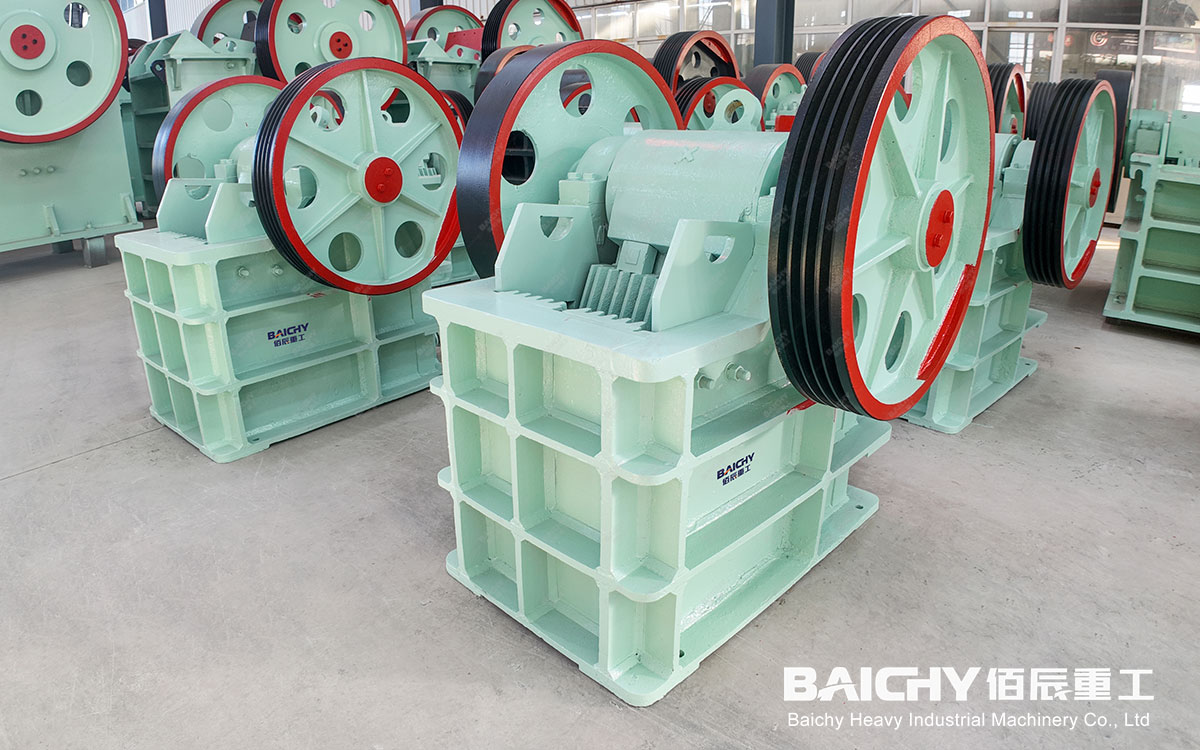
diesel jaw crusher Brazil
How to Select the Right Configuration for a Brazilian Customer
1. Start with the material
Tell the supplier exactly what will be crushed. “Stone” is not enough for accurate selection. Limestone, granite, basalt, recycled concrete, and mixed construction waste can have different hardness, abrasiveness, moisture, and shape characteristics.
If possible, provide a material name, a photograph, a short description of the deposit, or a sample analysis. This helps the supplier evaluate whether a jaw crusher is appropriate as the primary crushing stage and whether additional equipment may be required.
2. Define the real capacity
Capacity should be stated in tonnes per hour, together with the expected working hours per day. A buyer who needs 10 tonnes per hour should not automatically purchase a machine advertised with a much larger nominal capacity. Actual output can change according to feed gradation, rock hardness, moisture, feeding method, discharge setting, and operator practice.
It is better to specify:
• Minimum acceptable capacity;
• Normal operating capacity;
• Maximum expected feed rate;
• Number of working hours per day;
• Whether the machine will run continuously or intermittently.
3. Confirm feed size and final product
The supplier needs both the largest feed rock and the desired discharge size. If the material arrives in very large pieces, primary breaking or a larger feed opening may be necessary. If the final product must be tightly controlled, a vibrating screen or secondary crusher may also be required.
Do not confuse the crusher’s discharge opening with a guaranteed final product size. The actual product distribution depends on the feed material, machine setting, chamber condition, and operating method.
4. Consider the worksite
A remote Brazilian site may prioritize fuel availability, service access, transport dimensions, and ease of maintenance. A city construction project may place more emphasis on noise, dust, footprint, and relocation. These conditions can lead to different configurations even when the requested capacity is similar.
Before ordering, confirm the available space, access road, lifting method, foundation or support requirements, and whether the machine must be moved between sites.
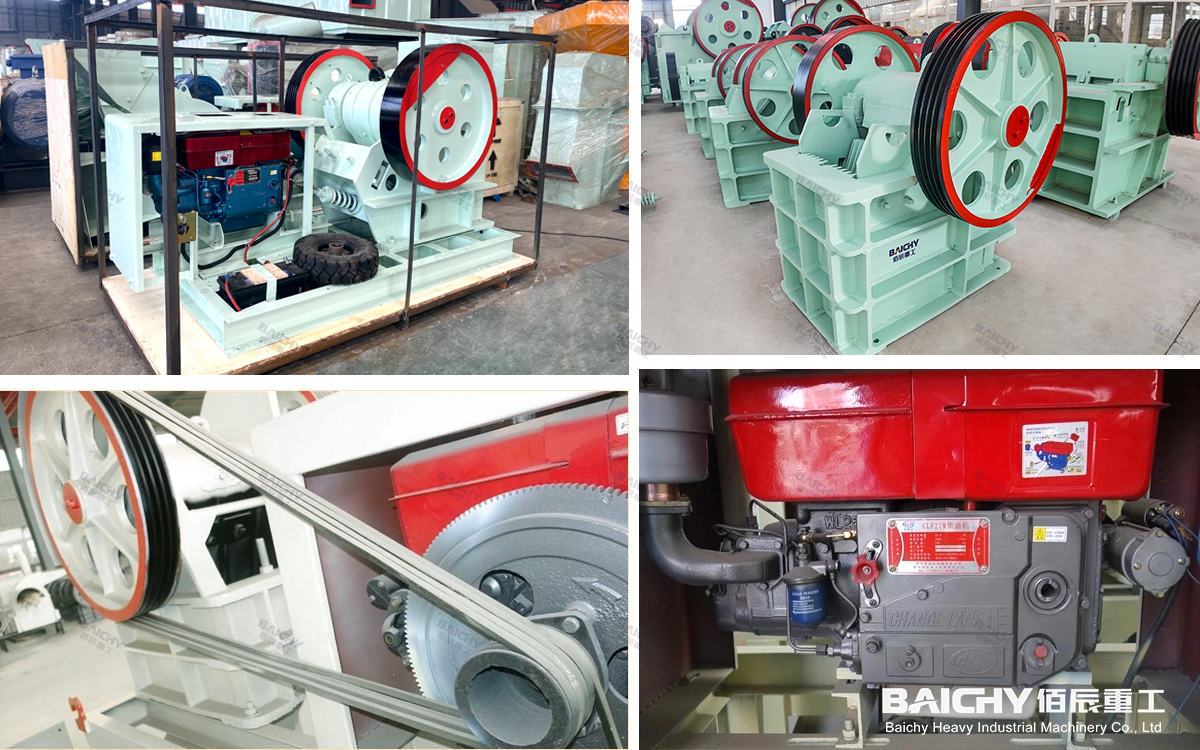
small rock crusher price
Diesel Power: Look Beyond the Engine Name
The diesel engine is only one part of the crushing system. Buyers should also ask about the drive arrangement, fuel consumption basis, control system, cooling conditions, safety protection, and availability of replacement filters, belts, jaw plates, and other wear parts.
A lower initial purchase price may not be the lowest operating cost if the engine is difficult to service locally or if wear parts are not readily available. Request a recommended spare-parts list and maintenance schedule together with the quotation. This makes it easier to compare suppliers on a total ownership basis rather than comparing equipment prices alone.
The quotation should also identify whether the diesel engine is included in the standard configuration, whether commissioning is included, and what technical support is available after delivery. These details are especially important when the equipment will operate far from a major service center.
FOB or CIF: Which Quote Should You Request?
Brazilian buyers should tell the supplier whether they need an FOB or CIF quotation. An FOB quotation generally allows the buyer or appointed forwarder to manage the main ocean freight after the agreed shipment point. A CIF quotation includes the supplier’s arranged freight and insurance to the named destination port, subject to the exact trade-term conditions.
The final landed cost may still include port handling, customs procedures, import taxes, inland transportation, brokerage, storage, and other local charges. Therefore, a CIF price should not automatically be treated as the complete delivered cost to the jobsite.
When requesting a quote, provide the Brazilian destination port and ask the supplier to list:
• Equipment price and included accessories;
• Export packing and loading method;
• Trade term and named port;
• Estimated production and shipping time;
• Warranty scope;
• Spare-parts options;
• Items excluded from the quotation.
Frequently Asked Questions
1. What is the price of a small diesel stone crusher in Brazil?
The price depends on capacity, feed opening, output setting, diesel engine configuration, included accessories, shipping terms, and destination port. A precise quotation requires project details rather than a general machine description.
2. Is a diesel jaw crusher suitable for a remote Brazilian site?
It can be suitable when grid electricity is unavailable or unreliable. The buyer should also check fuel access, transport conditions, maintenance support, spare-parts availability, and the space required for safe operation.
3. What information is needed to select the correct model?
Provide the material type, maximum feed size, desired capacity in tonnes per hour, target output size, operating hours, jobsite conditions, mobility requirements, and Brazilian destination port.
4. Does the crusher price include a feeder and conveyor?
Not necessarily. Some quotations cover the crusher and diesel engine only, while others include a hopper, feeder, conveyor, screen, or support frame. Ask for a detailed list of included and excluded components.
5. Should I request an FOB or CIF quotation?
Request the term that matches your purchasing and logistics plan. FOB may be useful when you have your own forwarder, while CIF can simplify the ocean-freight arrangement to a named Brazilian port. Confirm all local charges before calculating the total landed cost.
Baichy Heavy Industry
Baichy Heavy Industry is a high-tech mining equipment company integrating R&D, manufacturing, sales, and after-sales service. Focusing on crushing, grinding, and mineral processing equipment, we provide professional solutions to our customers. We are ISO9001:2015 Certified, and our products include mobile crushing palnts, crawler crushing plant, construction waste crushing plants, jaw crushers, sand making machines, cone crushers, fine crushers, grinding mills, ball mills, etc., all with reliable performance to meet diverse project needs.
Baichy Heavy Industry – Your Trusted Partner
To ensure optimal performance of your equipment, Baichy Heavy Industry offers:
- Professional on-site installation guidance
- Comprehensive operator training
- 24/7 technical support & maintenance services
Our complete after-sales service system guarantees long-term, stable operation of your machinery with minimal downtime.
Protect Your Rights – Only Use Official Channels
To avoid scams and ensure authentic support, contact us exclusively through:
• Official Website: www.baichychina.com
• WhatsApp: +8615093222637
• Email: [email protected]
Your satisfaction is our priority – expect prompt, professional service every time.
(Note: Beware of unauthorized third parties claiming to represent Baichy. Always verify through official contacts.)