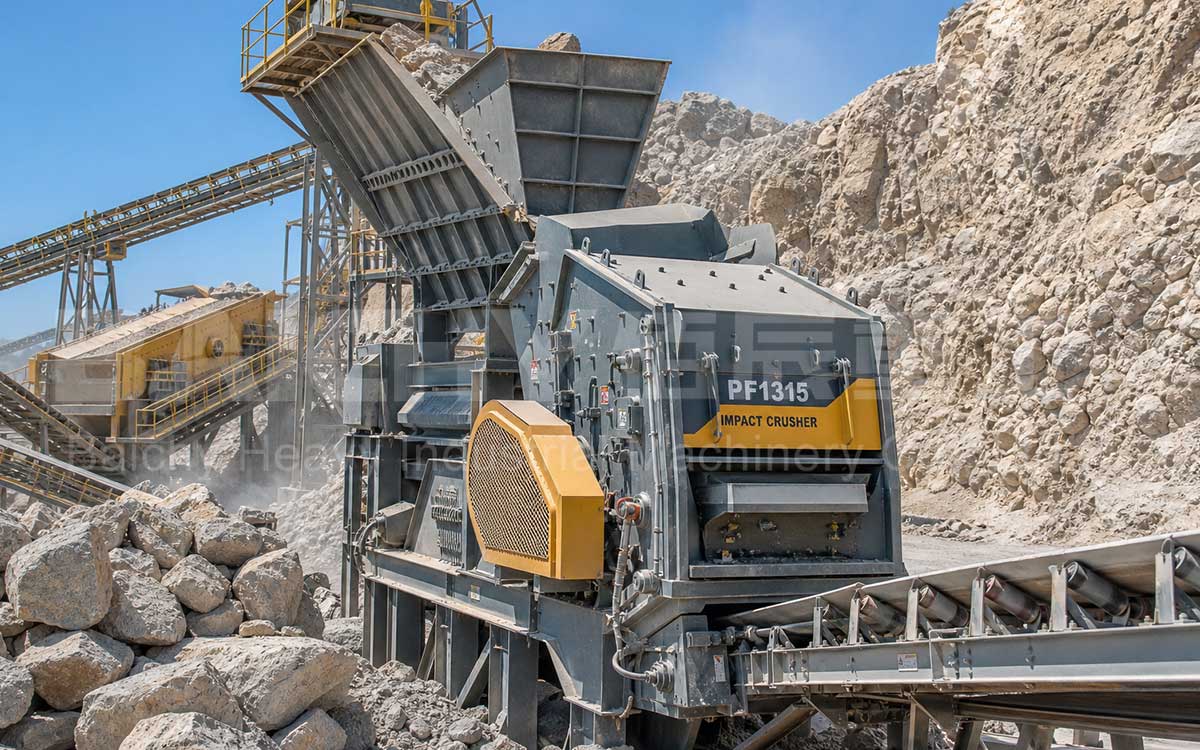


The jaw crusher is the most widely used primary crushing equipment in global mining and aggregate production lines. Selecting the right manufacturer directly determines the cost per ton, the service life of the jaw plates, and the timeline for bringing the entire production line online. As a manufacturer deeply committed to mining crushing, ore grinding, and mineral processing equipment, we center our operations on the PE/PEX series of jaw crushers, delivering both stationary and mobile plant solutions to over 60 countries. This article helps you make an informed decision when selecting a jaw crusher manufacturer by examining four key dimensions: manufacturing capabilities, application scenarios, equipment advantages, and real-world case studies.
I. Overview: What a Professional Jaw Crusher Manufacturer Offers
A "jaw crusher manufacturer" is not merely a workshop producing a single product; it is an equipment manufacturing enterprise covering the entire value chain—including design, casting, machining, assembly, testing, and after-sales service. The value of a professional manufacturer lies in three areas:
In-house production of core components: With proprietary casting and heat-treatment capabilities for critical parts such as frames, jaw plates, and eccentric shafts, quality is fully traceable, eliminating the inconsistencies often associated with outsourced components;
Customization for operating conditions: Motors and electrical control systems can be tailored to local grid standards (e.g., 380V/50Hz, 400V/50Hz, 460V/60Hz) and adapted for special conditions, such as high-altitude derating or extreme cold;
Complete line integration: Delivery extends beyond a single machine to include a comprehensive process package—covering feeding, crushing, screening, and sand making—along with container loading plans and lists of wear parts.
For the buyer, dealing directly with the manufacturer eliminates intermediary markups and provides access to accurate technical specifications and after-sales commitments prior to commissioning—addressing the very areas where hidden costs are highest in international procurement.
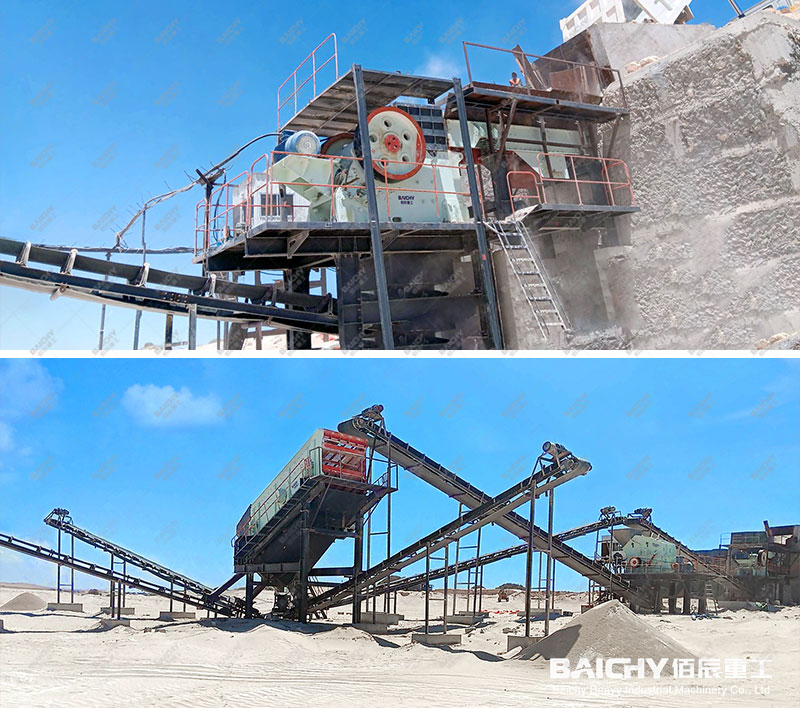
Direct Supply Solutions for PE/PEX Series Hard Rock Primary Crushing Equipment
II. Key Application Scenarios
Jaw crushers are renowned for their large feed openings, high reduction ratios, and simple structures, making them suitable for virtually all primary crushing applications:
2.1 Primary Crushing of Run-of-Mine (ROM) Ore in Metal Mines
In the primary crushing stage of iron, manganese, copper, and gold ore processing plants—where feed sizes often reach 500–800 mm—jaw crushers reduce the ore to 150–250 mm before it proceeds to secondary crushing or ball milling. Capable of processing ores with compressive strengths up to 320 MPa, they serve as the standard primary crushing equipment in mineral processing circuits.
2.2 Sand, Gravel, and Quarrying Operations
Aggregate supply lines for highways, railways, and hydropower projects commonly employ a three-stage process: Jaw Crusher + Impact Crusher/Cone Crusher + Sand-Making Machine. The jaw crusher handles over 70% of the primary crushing load, directly determining the production capacity limit of the entire line.
2.3 Core Unit for Mobile Crushing Stations
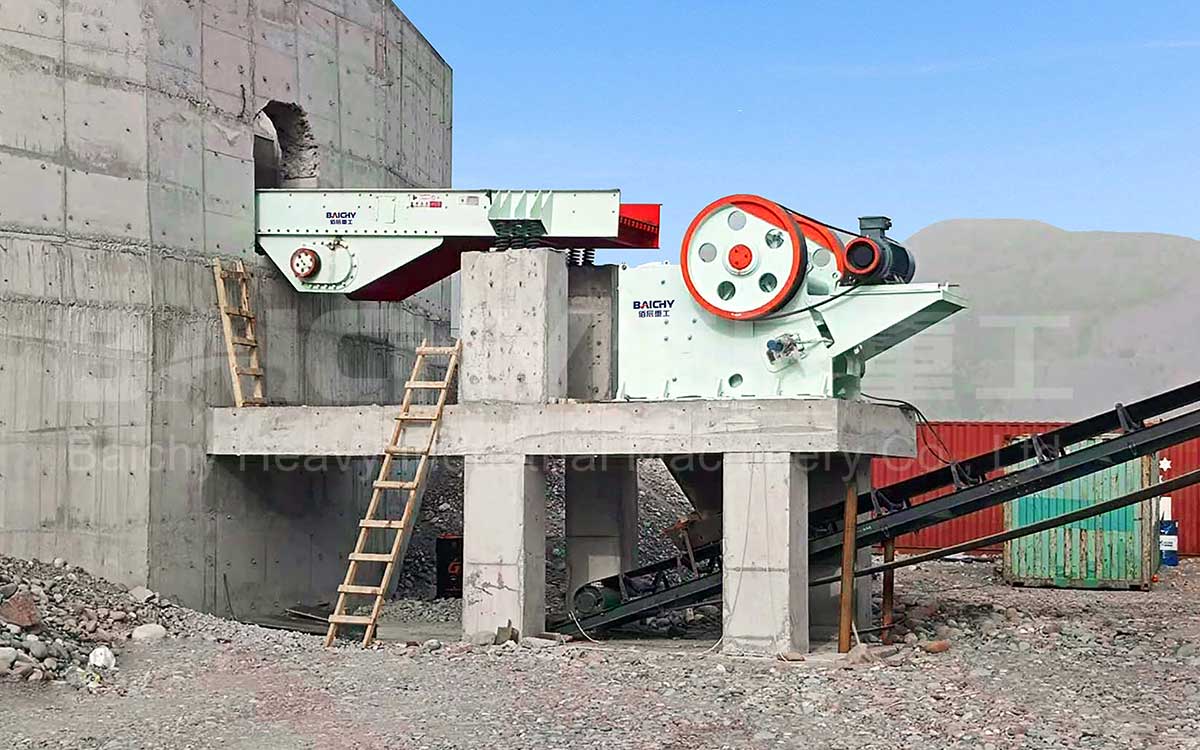
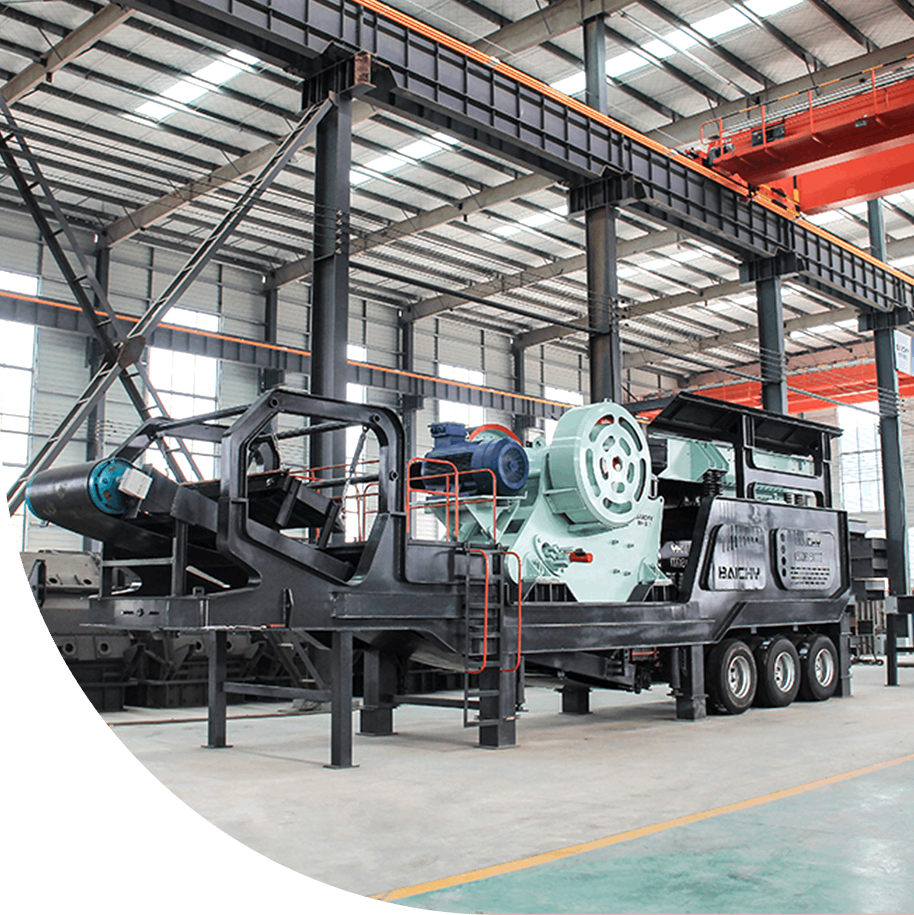
By mounting a jaw crusher onto YDPZ-series wheeled or tracked mobile stations, operations can begin immediately upon arrival at the mining face. This setup is ideal for decentralized operations—such as infrastructure projects requiring frequent site relocation or construction waste recycling—while eliminating the costs associated with pouring fixed foundations.
2.4 Construction Waste and Tailings Recycling
For the primary crushing and reuse of concrete blocks and reclaimed pavement materials—where feed often contains foreign objects like rebar—jaw crushers offer superior tolerance to impurities compared to impact crushers, making them the preferred choice for primary crushing in recycled aggregate production lines.
III. Core Equipment and Specifications
The table below lists the specifications for the manufacturer's flagship PE series jaw crushers and PEX fine-crushing models (capacities are rated based on medium-hard material with a density of approximately 1.6 t/m³):
| Model | Feed Opening (mm) | Max. Feed Size (mm) | Discharge Opening Range (mm) | Capacity (t/h) | Motor Power (kW) |
|---|---|---|---|---|---|
| PE-400×600 | 400×600 | 340 | 40–100 | 16–65 | 30 |
| PE-500×750 | 500×750 | 425 | 50–100 | 45–100 | 55 |
| PE-600×900 | 600×900 | 500 | 65–160 | 60–180 | 75 |
| PE-750×1060 | 750×1060 | 630 | 80–140 | 110–320 | 90–110 |
| PE-900×1200 | 900×1200 | 750 | 95–165 | 220–450 | 110–132 |
| PEX-250×1200 | 250×1200 | 210 | 25–60 | 15–50 | 30 |
* Capacity rated on medium-hard material at approx. 1.6 t/m³ bulk density. Actual output varies with feed size, discharge setting and material hardness.
Specification Notes: When crushing hard rock such as granite or basalt, actual capacity is approximately 75%–85% of the rated value; a 20% margin should be factored in during equipment selection. The 400×600 feed opening model is suitable for small-to-medium production lines (40–80 t/h), while models sized 750×1060 and above are designed for large-scale projects with hourly outputs exceeding 200 tons. Discharge settings utilize a hydraulic wedge adjustment system (optional), allowing for specification changes in just minutes and directly minimizing downtime losses.
IV. Core Advantages of the Manufacturer and Equipment
4.1 Deep-cavity structure with a crushing ratio of 4–6:1
The deep V-shaped crushing chamber and increased eccentric throw design allow large ore blocks to be crushed in a single pass. This eliminates the need for secondary blasting in most mining operations, reducing mining and loading costs by approximately 10%–15%.
4.2 High-manganese steel jaw plates with doubled service life
The jaw plates are made of Mn13Cr2 high-manganese steel, offering a service life of 6–12 months in hard-rock applications. Their symmetrical design allows for end-to-end reversal after wear, effectively doubling the lifespan of a single set; annual consumable costs account for only about 3%–5% of the total equipment price.
4.3 In-house production of core castings with full traceability
The factory possesses its own casting and heat-treatment capabilities. Key features include a one-piece cast steel or welded frame structure and an integrated bearing housing—distinguishing factors that set direct manufacturer supply apart from trading company distribution.
4.4 Controllable TCO and rapid investment payback
Taking the PE-600×900 model as an example: the 75kW motor consumes approximately 60 kWh at full load. At a rate of $0.10/kWh, the electricity consumption is roughly 0.42 kWh per ton. Compared to other primary crushing solutions of similar capacity, the cost per ton for the primary crushing stage is 15%–20% lower, allowing most projects to recoup their equipment investment within 12–18 months.
4.5 Low maintenance requirements, ideal for overseas projects
Routine maintenance is limited to lubrication and checking the toggle plate clearance, requiring minimal operator skill. This makes the equipment particularly suitable for projects in regions with limited maintenance resources, such as Africa, Southeast Asia, and Latin America.
V. Real-World Project Cases
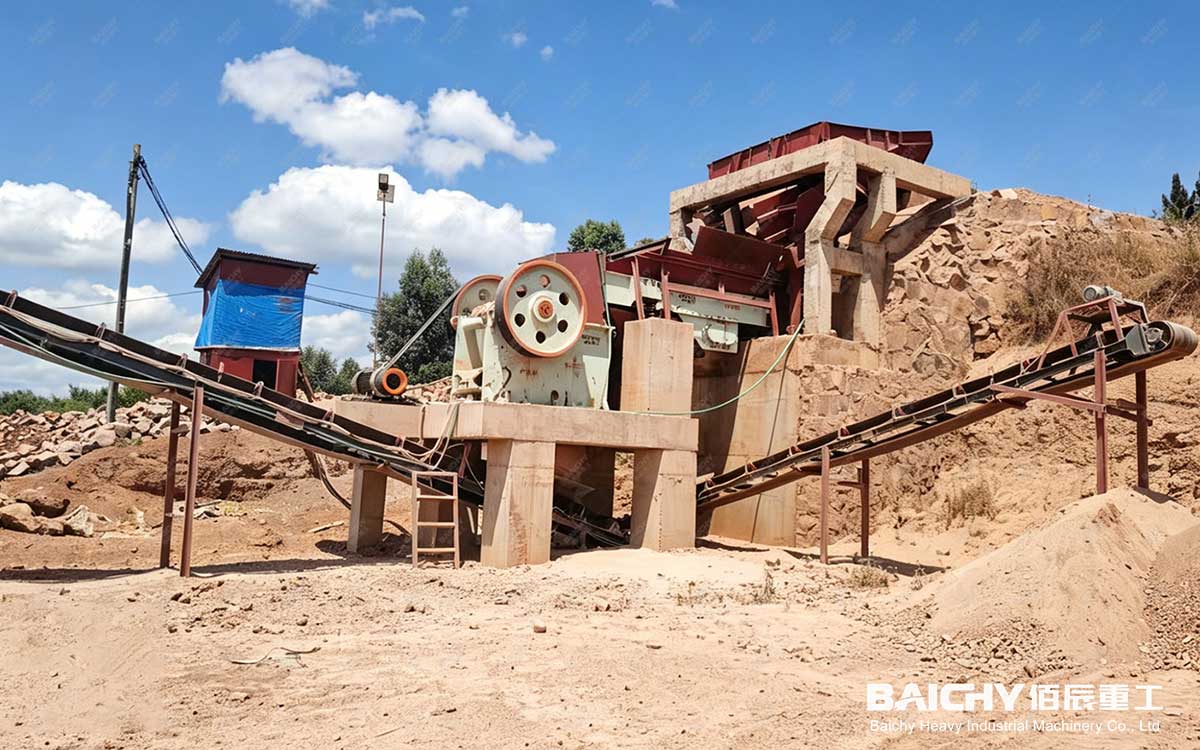
hard rock primary crushing equipment
Case 1: Stationary River Pebble Processing Line in the Philippines (C90 Main Unit).
The client processes river pebbles (hardness: 120–160 MPa) using a configuration comprising a C90 jaw crusher, a cone crusher, and a sand-making machine. Measured capacity is 90–110 t/h, producing three aggregate grades (0–5 mm, 5–15 mm, and 15–25 mm). After eight months of operation, the jaw plate integrity rate exceeded 90%, with an electricity consumption of 0.45 kWh per ton.
Case 2: Granite Project in Mexico (PE-500×750).
Featuring a motor customized for a 60Hz power grid and paired with an impact crusher, this line achieves an aggregate output of 80–100 t/h with a 96% capacity utilization rate; the client subsequently placed a repeat order for a complete mobile crushing station. Thanks to its large 425mm feed opening and compact footprint, this model has become a best-selling mainstay for small-to-medium-scale production lines in Latin America.
Case 3: Airport Aggregate Project in Ethiopia (PE-400×600).
Operating in high-altitude conditions (2,300m above sea level) requiring motor derating, the unit was customized by the manufacturer for 380V/50Hz power. The line has operated stably for two years with a cumulative aggregate output exceeding 300,000 tons, demonstrating the capability to deliver customized solutions for specialized operating environments. VI. Recommended Equipment
As the primary crusher in the production line, the jaw crusher must be combined with the following equipment to form a complete process chain:
| Recommended Equipment | Role | Reasoning |
|---|---|---|
| ZSW Series Vibrating Feeder | Feeding | Ensures uniform feeding and pre-screening of soil; protects the jaw crusher from impact. |
| PF Series Impact Crusher | Secondary Crushing (Medium-soft rock) | Forms a classic aggregate process with the jaw crusher; yields good particle shape. |
| CS/HP Series Cone Crusher | Secondary Crushing (Hard rock) | Offers superior wear resistance and stable output for granite/iron ore applications. |
| VSI Series Sand-making Machine | Sand Making & Shaping | Closed-circuit sand making; produces 0–5mm manufactured sand. |
| YK Series Circular Vibrating Screen | Screening | Grades material into multiple specifications for simultaneous sales. |
| YDPZ Mobile Jaw Crushing Station | Mobile Solution | Features an integrated PE series crusher; ready for immediate operation; ideal for projects requiring relocation. |
Selection Advice: For hard rock, prioritize the "Jaw Crusher + Cone Crusher + VSI" configuration; for medium-soft rock (limestone, river pebbles, dolomite), choose the lower-cost "Jaw Crusher + Impact Crusher" combination to reduce per-ton costs by an additional 8%–12%.
VII. FAQ
Q1: How can I distinguish between a professional jaw crusher manufacturer and a trader/assembler?
Check three factors: First, verify if core components—such as the frame and jaw plates—are manufactured in-house (quality is difficult to control with outsourced parts); second, check if they provide capacity data based on actual operating conditions rather than just nominal ratings; third, check if they can customize motors for local voltage and provide container loading plans. Professional manufacturers also provide a wear-parts list and a 12–18 month warranty.
Q2: What is the difference between purchasing directly from the manufacturer and buying through a distributor?
Direct purchasing eliminates 10%–20% in intermediary markups and grants access to the original manufacturer's warranty, direct spare parts supply, and container loading guidance. For large projects, engineers can be dispatched for on-site commissioning to ensure the production line achieves over 90% of its nominal capacity. The prerequisite is verifying the factory's credentials and actual shipment records.
Q3: Can the manufacturer customize equipment based on local operating conditions?
Yes. Customization is available for 380V/50Hz, 400V/50Hz, and 460V/60Hz motor and control systems. Project-specific configurations—such as derating designs for high-altitude operations (>2,000m), enhanced lubrication and sealing for extreme cold (-30°C), and pre-screening solutions for materials containing mud—can be accommodated with a lead time extension of only 5–10 days.
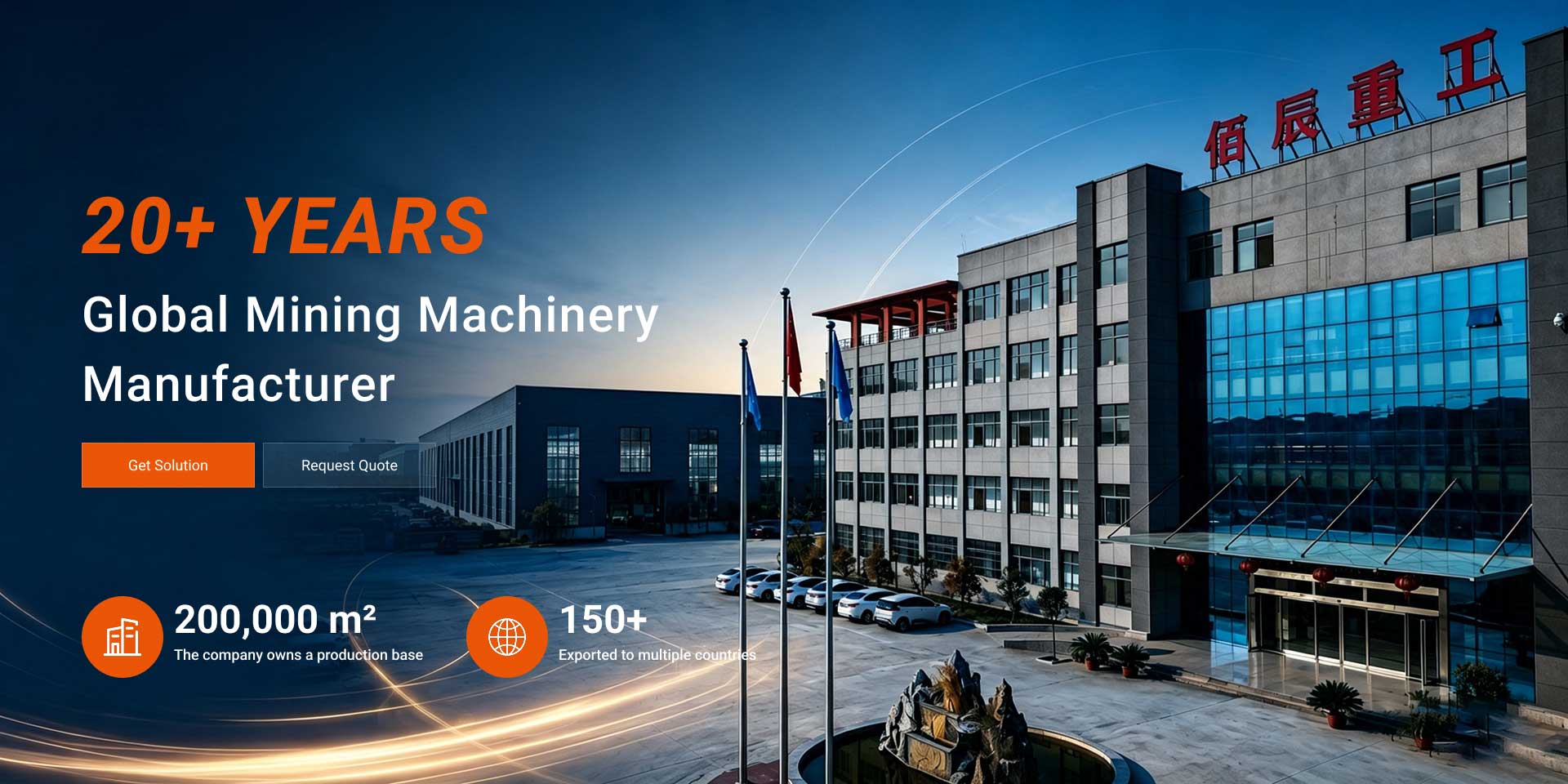
Baichy Heavy Industry
Baichy Heavy Industry is a high-tech mining equipment company integrating R&D, manufacturing, sales, and after-sales service. Focusing on crushing, grinding, and mineral processing equipment, we provide professional solutions to our customers. We are ISO9001:2015 、certified, and our products include mobile crushing palnts, crawler crushing plant, construction waste crushing plants, jaw crushers, sand making machines, cone crushers, fine crushers, grinding mills, ball mills, etc., all with reliable performance to meet diverse project needs.
Baichy Heavy Industry – Your Trusted Partner
To ensure optimal performance of your equipment, Baichy Heavy Industry offers:
- Professional on-site installation guidance
- Comprehensive operator training
- 24/7 technical support & maintenance services
Our complete after-sales service system guarantees long-term, stable operation of your machinery with minimal downtime.
Protect Your Rights – Only Use Official Channels
To avoid scams and ensure authentic support, contact us exclusively through:
• Official Website: www.baichychina.com
• WhatsApp: +8615093222637
• Email: [email protected]
Your satisfaction is our priority – expect prompt, professional service every time.
(Note: Beware of unauthorized third parties claiming to represent Baichy. Always verify through official contacts.)