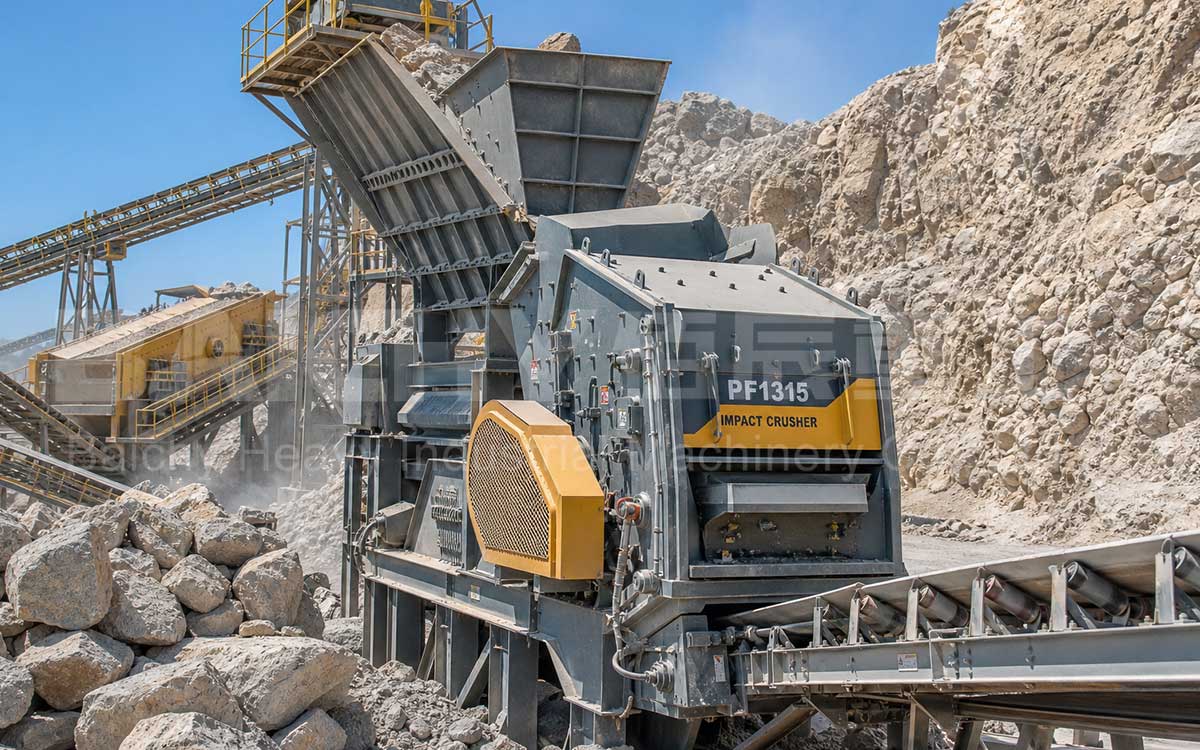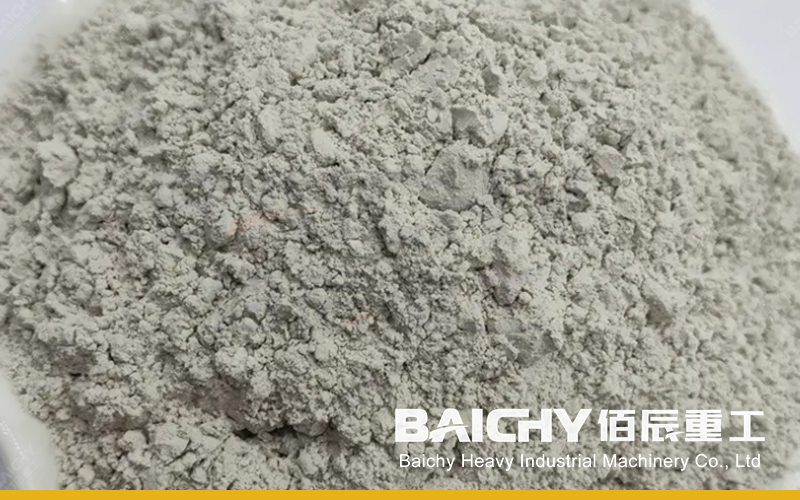
limestone power
Limestone Grinding Mill Recommendations: A Comparison of Three Key Models to Get It Right the First Time (80–3000 Mesh)
Bottom Line Up Front: Selecting a limestone grinding mill requires focusing on just three variables—product fineness, hourly production capacity, and raw material silica content. For 80–325 mesh desulfurization and construction-grade powders, the YGM High-Pressure Suspension Roller Mill (Raymond Mill) is the workhorse offering the lowest electricity consumption per ton. For high-capacity lines exceeding 15 t/h, Vertical Roller Mills take over, offering 30–50% energy savings. For 600–3000 mesh ultrafine powders, only the HGM Ultrafine Mill can command the price premium associated with such fineness. Limestone has a Mohs hardness of only 3 and excellent grindability; choosing the wrong model results in losses from electricity costs and wear, while the right model generates profits through the price premium of finer products.
I. Overview: Limestone Powder as a Dual-Purpose Raw Material for Construction and Industry
Limestone powder (Ground Calcium Carbonate/GCC) serves eight major downstream sectors: construction materials, power generation, chemicals, plastics, papermaking, coatings, and animal feed. Power plant wet desulfurization consumes hundreds of millions of tons of 250–325 mesh limestone powder annually; plastics and coatings utilize 600–1250 mesh GCC fillers; and papermaking and masterbatch production require 1250–3000 mesh ultrafine powders. The global calcium carbonate market is valued at approximately $31 billion in 2025 and is projected to reach $42 billion by 2030 (CAGR of ~6.3%; Grand View Research, 2025), indicating high demand certainty. However, an incorrect equipment choice amplifies electricity costs and losses from downtime throughout the production line's lifecycle—an issue this article aims to resolve.
II. Three Key Application Scenarios: Fineness Determines the Equipment Route
Power Plant Desulfurization and Construction Materials (80–325 Mesh): High volume, stable pricing; the product is ready once the target mesh size is achieved.
Corresponding model: YGM Raymond Mill (features closed-circuit air classification and the lowest electricity consumption per ton). GCC Filler (400–1250 mesh): Plastics and coatings are sensitive to particle size distribution and whiteness. YGM/HGM models feature variable-frequency classification for on-line grade adjustment, allowing a single machine to cover multiple price tiers.
Ultrafine Powder (1250–3000 mesh): Selling price is 2–3 times that of 325-mesh coarse powder. HGM three-ring ultrafine mills command a premium price based on fineness.
III. Comparative Analysis of Mainstream Limestone Grinding Mills
| Dimension | YGM Raymond Mill | Vertical Roller Mill | HGM Ultrafine Mill | Dry Ball Mill |
| Product Fineness | 80–425 mesh | 80 mesh– Micropowder grade | 150–3000 mesh (D97: 5–47 μm) | 80–400 mesh |
| Typical Capacity | 0.5–16 t/h | 10–500 t/h | 0.5–45 t/h | 10–50 t/h |
| System Power Consumption | ★★★★★ Lowest | ★★★★★ 30–50% lower than ball mills | ★★★★ Moderate | ★★☆ Relatively high |
| Wear/Maintenance Cost | ★★★★★ Low | ★★★★ Predictable (bed grinding) | ★★★★ Low | ★★★ Moderate |
| Investment Threshold | ★★★★★ Lowest | ★★☆ High | ★★★☆ Medium-High | ★★★ Moderate |
| Optimal Positioning | Mainstay for desulfurization/construction materials | High-capacity raw meal/grinding stations | Premium ultrafine filler segment | High-capacity coarse powder |
Note: Capacity is based on limestone (bulk density 1.6 t/m³); at the same fineness level, capacity for 200-mesh powder is approximately 1.5 times that of 325-mesh powder. Final specifications are subject to material grinding test reports and signed technical agreements.
IV. Detailed Overview of Three Recommended Models
Recommendation 1: YGM High-Pressure Suspension Roller Mill—A Workhorse for 80–425 Mesh Desulfurization and Construction Material Powders
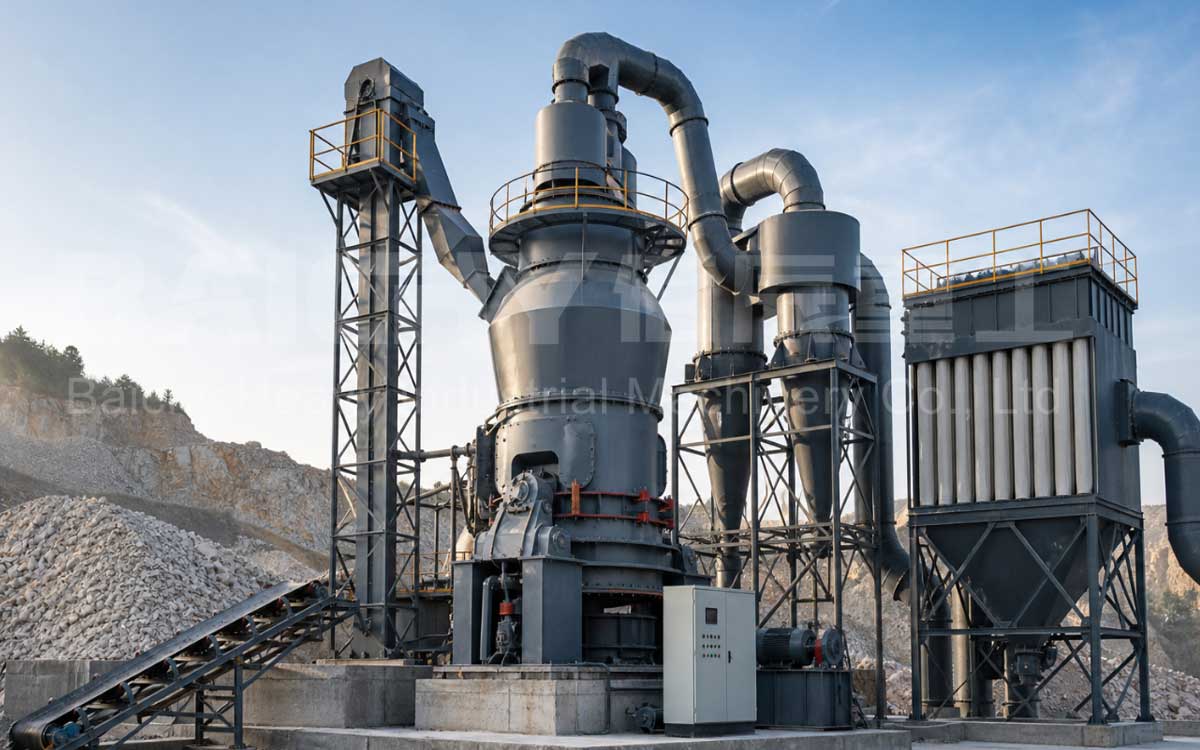
YGM Grinding Mill
High-pressure springs boost the grinding roller pressure by 800–1200 kgf; at the same power level, output for 200-mesh powder increases by approximately 20% compared to traditional Raymond mills. A variable-frequency classifier allows for rapid grade switching (within 10 seconds)—producing 100-mesh material for construction in the morning and switching to 325-mesh for desulfurization in the afternoon—enabling dual-market sales with a single machine. The Mn13Cr2 high-manganese steel grinding rollers and rings offer a service life of 1,500–2,400 hours, with wear costs ranging from $0.3 to $0.8 per ton of powder, allowing maintenance budgets to be locked in advance.
| Model | No. of Rollers Max. | Feed Size | Product Fineness | Typical Capacity (t/h) | Main Motor |
| YGM83 | 3 | ≤20 mm | 80–425 mesh | 0.5–2.5 | 37 kW |
| YGM95 | 4 | ≤25 mm | 80–425 mesh | 1.5–5 | 75 kW |
| YGM130 | 5 | ≤30 mm | 80–425 mesh | 4–10 | 110 kW |
| YGM160 | 6 | ≤35 mm | 80–425 mesh | 8–16 | 132 kW |
Recommendation 2: Vertical Roller Mill—An Energy-Efficient Solution for High Capacities (15 t/h+)
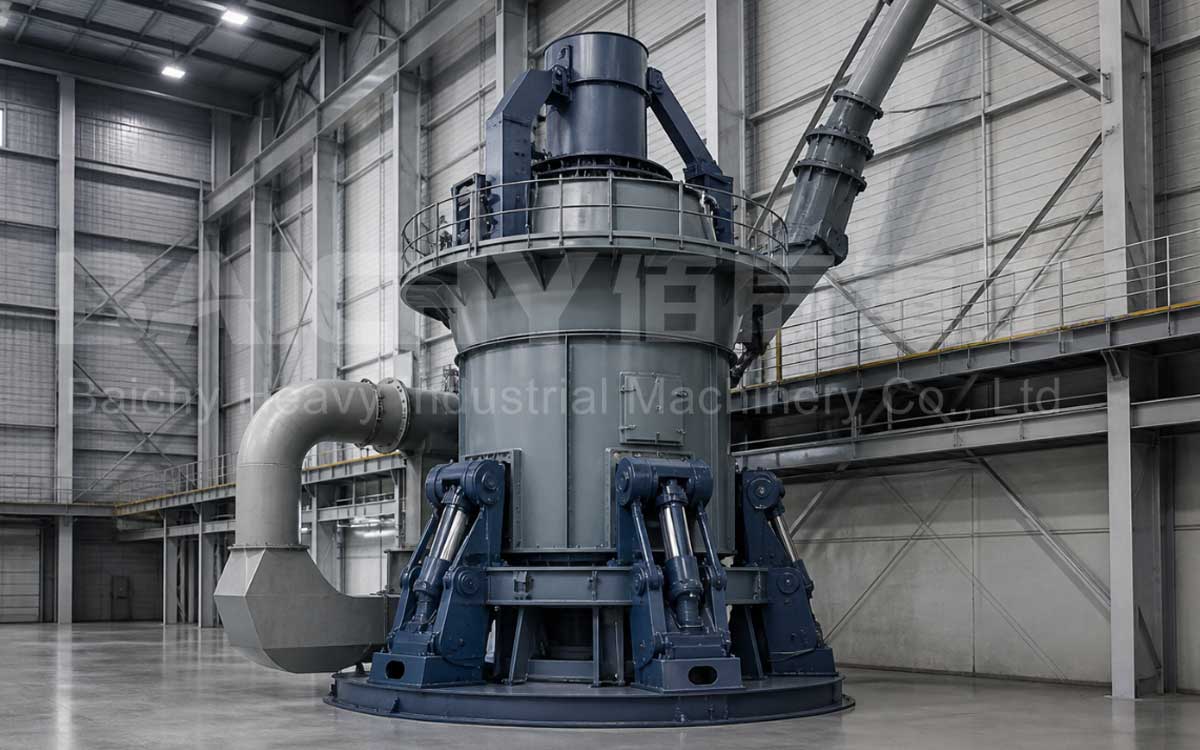
vertical roller mill
"Drying + Grinding + Classifying" 3-in-1 process: Limestone with a moisture content of ≤15–20% can be fed directly into the mill, eliminating the need for an external dryer. Material bed grinding reduces system power consumption by 30–50% compared to ball mills (raw meal processing: 14–18 kWh/t vs. 20–24 kWh/t), with single-unit capacities reaching hundreds of tons per hour. For a 50 t/h production line operating 8,000 hours annually, electricity savings amount to 3.2–4.8 million kWh (equivalent to US$220,000–$480,000), which typically offsets the price difference for the main unit; the material bed grinding process avoids direct metal-on-metal contact, resulting in a service life of 6,000–10,000 hours for grinding rollers and discs. High silica content (SiO₂ >5%) or the presence of metallic foreign objects necessitates the use of strong magnetic iron removal and stable feeding systems.
Recommendation 3: HGM Three-Ring Ultrafine Mill—Targeting the premium market for 600–3000 mesh filler powders
Features three-ring multi-roller grinding combined with variable-frequency dynamic classification; the finished product ranges from D97 5–47 μm, catering to applications such as plastic masterbatches, papermaking, and high-end coating fillers. Ultrafine powder sells for 2–3 times the price of 325-mesh coarse powder, yet the increase in production costs is far lower than the increase in selling price, allowing the equipment's price premium to be recouped in approximately two years; production capacity at 600 mesh is roughly 3–5 times that at 2500 mesh, so it is essential to secure a "guaranteed capacity for the target mesh size" before signing the contract.
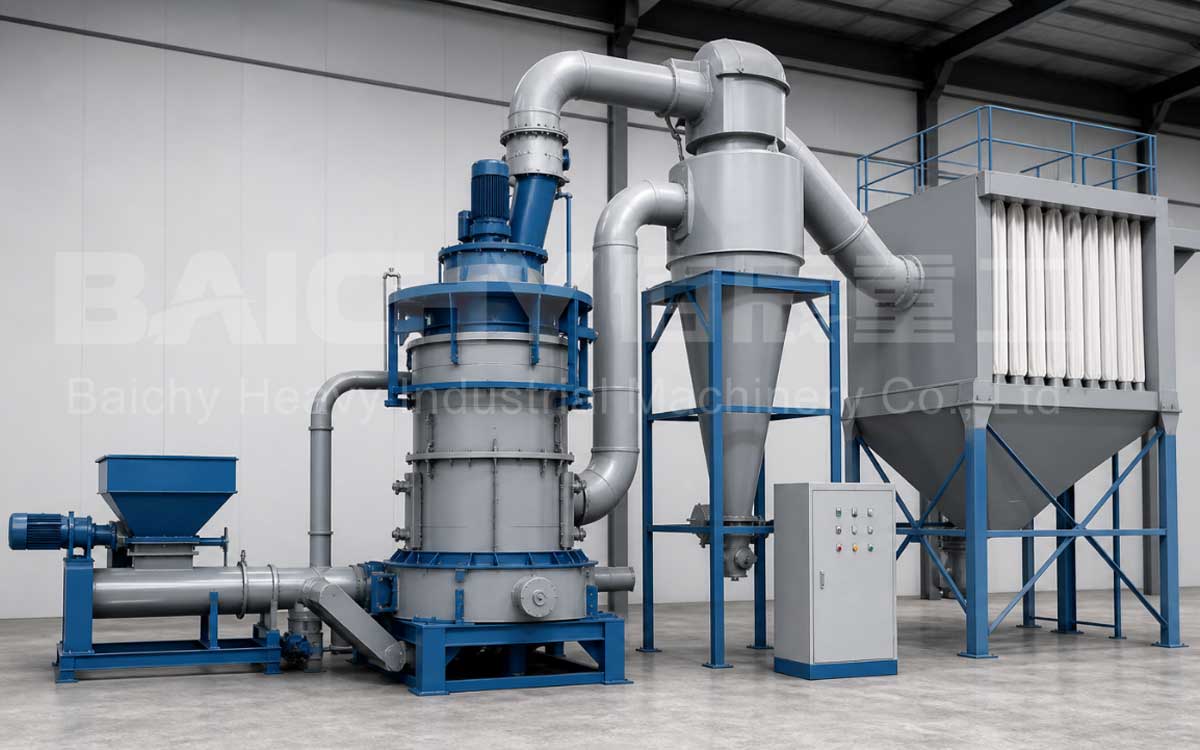
HGM Grinding mill
| Model | Number of Grinding Rollers | Main Unit Power | Typical Capacity (t/h) | Finished Product Fineness (D97) |
| HGM80 | 21 | 75–90 kW | 1-5 | 150–3000 mesh |
| HGM90 | 27 | 90–110 kW | 0.6–6.5 | 150–3000 mesh |
| HGM100/100A | 30 | 110–132 kW | 0.8-8 | 150–3000 mesh |
| HGM125 | 36 | 185–220 kW | 1.5-14 | 150–3000 mesh |
V. Five-Step Selection Method & Pitfall Avoidance Checklist
Fineness Determines Machine Type: First, ask "Who is the customer?"—choose YGM for desulfurization/construction material powder (80–325 mesh), HGM for filler powder (600+ mesh), and a vertical mill for high-capacity requirements.
Capacity Determines Model: Choose YGM83/95 for <5 t/h; YGM130 for 5–12 t/h; and evaluate vertical mills or ball mills for >15 t/h.
Silica Content Determines Material: Exercise caution with the Raymond mill route if SiO₂ >3%; switch to a ball mill with a classifier or a vertical mill to avoid excessive wear on grinding components.
Moisture Content Determines Drying Needs: If surface moisture >5%, install a dryer first; otherwise, grinding rollers and rings will clog, and yield rates will plummet.
Power Grid Determines Auxiliary Equipment: Confirm 380V/50Hz or 440V/60Hz specifications; customize the main motor, fan, and classifier as a complete set according to local standards. Common Pitfalls:
① Using a ball mill for products finer than 325 mesh—electricity consumption per ton is 1.4–1.6 times that of a Raymond mill system;
② Comparing only the price of the main unit while overlooking system components like the classifier, pulse dust collector, and blower, only to discover upon delivery that emission standards cannot be met;
③ Compromising by using a 50Hz motor with a variable frequency drive (VFD), resulting in reduced production capacity and motor overheating.
VI. Customer Case Studies
Case 1: Dry-process GCC (Ground Calcium Carbonate) production line in Brazil (380V/60Hz).
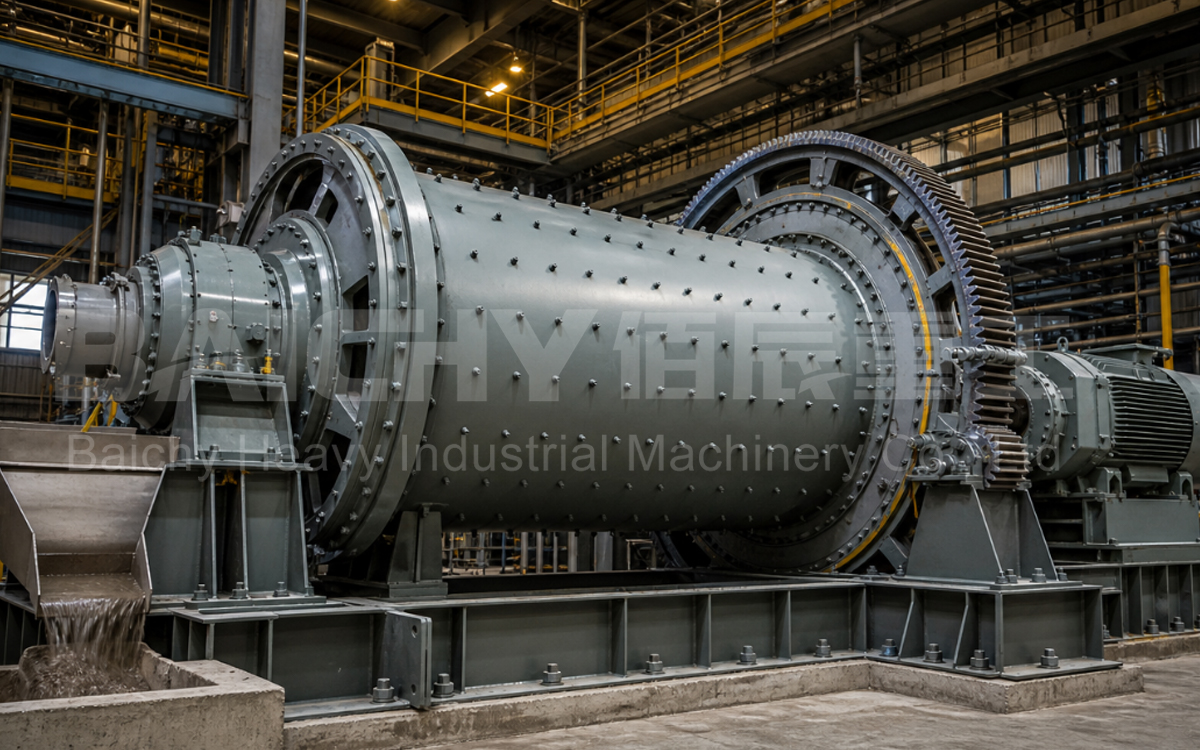
The customer owns a limestone quarry and needs to supply both coarse powder for construction materials and 600–1250 mesh GCC filler. Baichy delivered a YGM160 + HGM combination: the main unit, blower, classifier, and feeder were all customized for 60Hz operation, and the closed-loop negative-pressure system met local environmental inspection standards. The ability to switch between product grades allowed the customer to balance peak and off-peak demand, doubling equipment utilization compared to plants producing only a single fineness grade.
Case 2: Desulfurization powder project for a power plant in Southeast Asia (325 mesh).
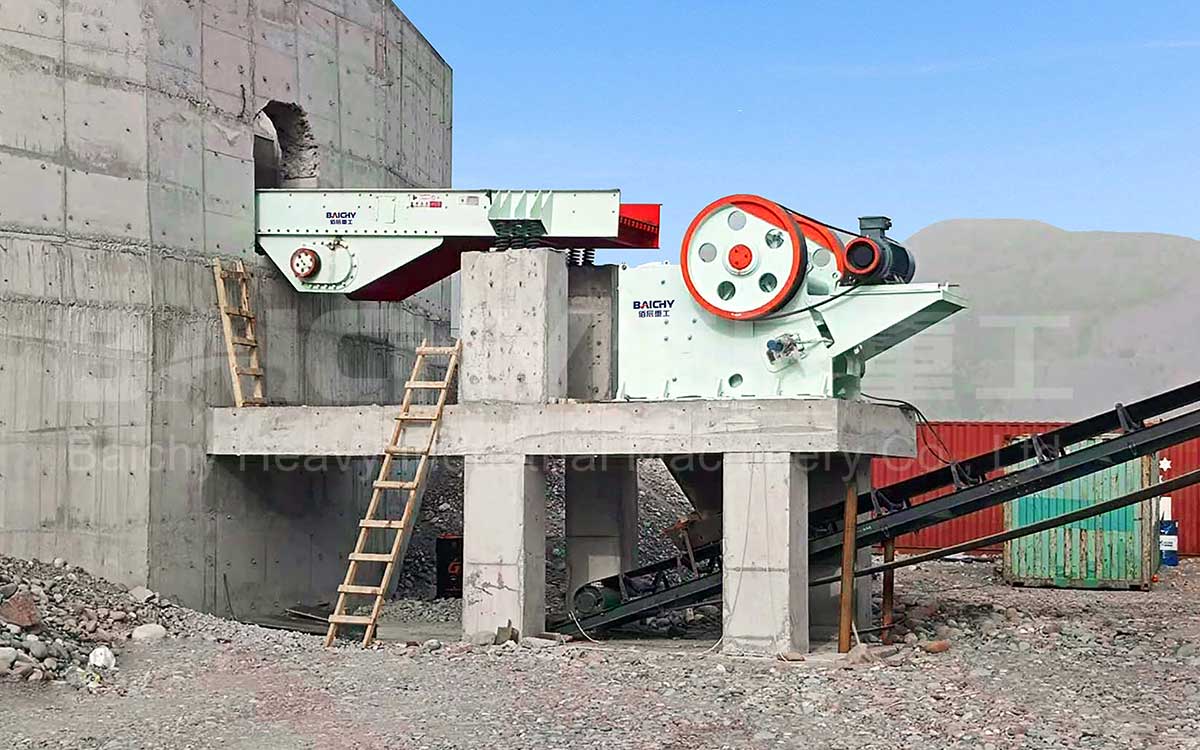
A 5R Raymond mill closed-loop system was adopted: jaw crusher (coarse crushing to ≤30 mm) → bucket elevator → electromagnetic feeder → grinding → VFD-controlled classification → cyclone collection + pulse bag dust collection. On-site dust concentration met standards; collected fines served directly as marketable products, with powder loss approaching zero. Free material grinding tests were conducted prior to the contract, providing D97 particle size reports and guaranteed capacity figures to prevent inflated specifications.
VII. FAQ
Q1: How many tons per hour can a limestone mill process?
A1: It depends on the model and fineness. The YGM series processes 0.5–16 t/h (80–425 mesh); the HGM ultrafine mill processes 0.5–45 t/h (150–3000 mesh); and vertical roller mills start at 10 t/h, with single-unit capacities reaching hundreds of tons per hour. At the same fineness level, the production capacity for 200-mesh powder is approximately 1.5 times that of 325-mesh powder; capacity ratings are based on limestone (1.6 t/m³), and material grinding tests and guaranteed capacity figures are required prior to contract signing.
Q2: Can the same equipment switch between 325-mesh and 800-mesh production?
A2: Yes. Both YGM and HGM models come standard with variable-frequency classifiers; by adjusting the impeller speed, the fineness can be continuously regulated within the 80–425 mesh or 150–3000 mesh ranges. Switching takes just 10 seconds and requires no downtime or part replacements. Covering two price tiers with a single production line is a common strategy for small and medium-sized powder plants to balance demand fluctuations between peak and off-peak seasons.
Q3: How much does a limestone grinding mill cost? What should I focus on in the quotation?
A3: Prices vary based on the model, system configuration, and local power grid standards. Pay close attention to three key points:
① Completeness of system components (classifier, cyclone collector, pulse dust collector, blower, and electrical control cabinet)—low-priced quotes often omit parts;
② Whether the motor is customized for the local grid rather than simply using a "50Hz motor + VFD" setup;
③ Whether the quote includes a free material grinding test and a guaranteed capacity commitment. Contact a Baichy engineer to receive a model recommendation, process flow chart, and itemized quotation within 48 hours.
Baichy Heavy Industry
Baichy Heavy Industry is a high-tech mining equipment company integrating R&D, manufacturing, sales, and after-sales service. Focusing on crushing, grinding, and mineral processing equipment, we provide professional solutions to our customers. We are ISO9001:2015 、certified, and our products include mobile crushing palnts, crawler crushing plant, construction waste crushing plants, jaw crushers, sand making machines, cone crushers, fine crushers, grinding mills, ball mills, etc., all with reliable performance to meet diverse project needs.
Baichy Heavy Industry – Your Trusted Partner
To ensure optimal performance of your equipment, Baichy Heavy Industry offers:
- Professional on-site installation guidance
- Comprehensive operator training
- 24/7 technical support & maintenance services
Our complete after-sales service system guarantees long-term, stable operation of your machinery with minimal downtime.
Protect Your Rights – Only Use Official Channels
To avoid scams and ensure authentic support, contact us exclusively through:
• Official Website: www.baichychina.com
• WhatsApp: +8615093222637
• Email: [email protected]
Your satisfaction is our priority – expect prompt, professional service every time.
(Note: Beware of unauthorized third parties claiming to represent Baichy. Always verify through official contacts.)