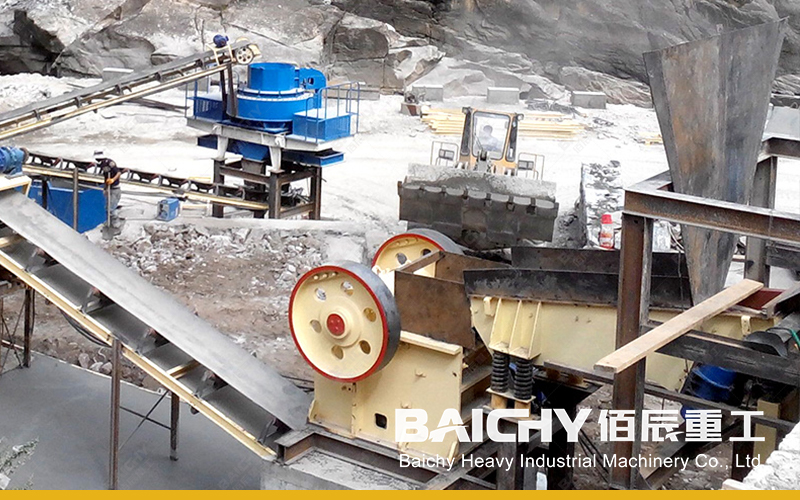
In the mining and building materials processing industries, limestone is an important industrial raw material, and its crushing efficiency directly impacts production efficiency and market competitiveness. Limestone crushing production lines with an hourly output of 90-100 tons are common and in high demand in medium to large-scale projects. How to build a stable, efficient, energy-saving, and consumption-reducing production line? As a company and marketing expert with many years of experience in the mining equipment field, we will analyze the key points in detail from a practical application perspective.
I. Capacity Matching and Process Design: Scientific Planning is the Cornerstone of Success
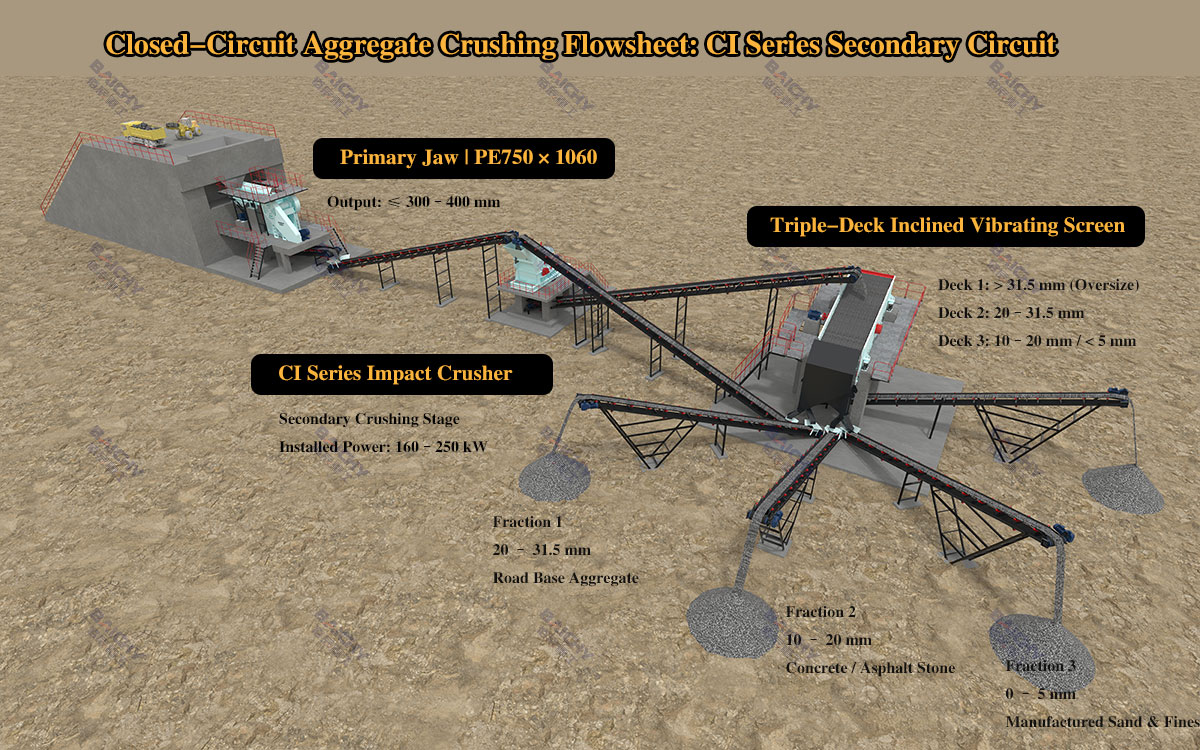
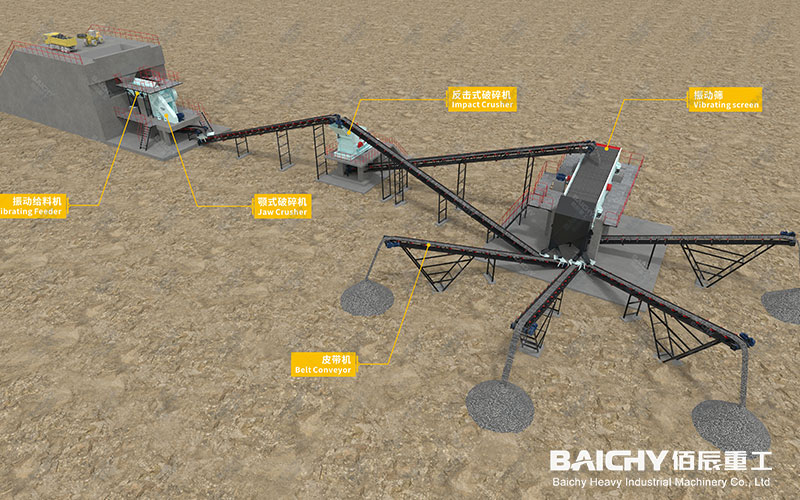
The capacity requirement of 90-100 tons/hour requires comprehensive consideration of the physical properties of limestone (such as hardness, silica content, and moisture content), feed particle size, and finished product specifications. The common three-stage crushing process (coarse crushing + medium crushing + fine crushing) performs excellently in this capacity range:
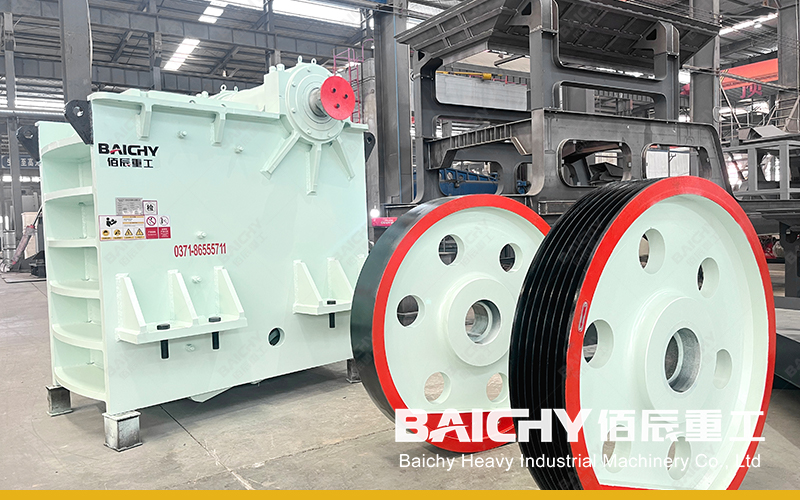
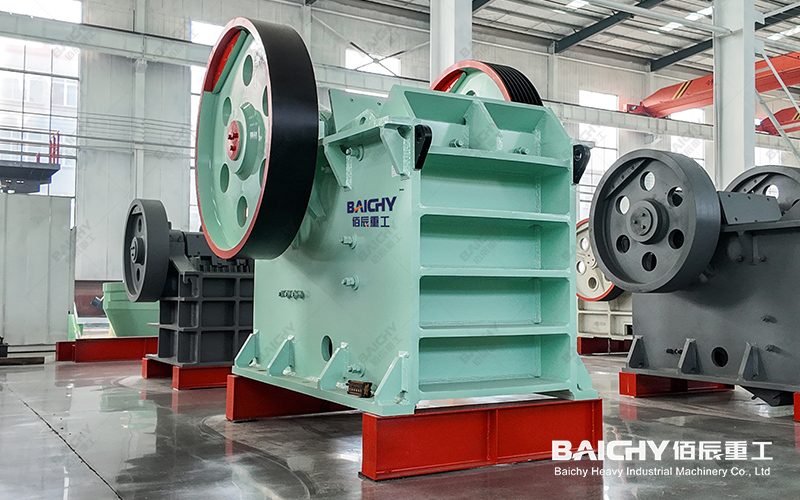
• Coarse Crushing Stage: Jaw crushers are recommended. They have strong processing capacity, robust structure, and are suitable for the primary crushing of large pieces of limestone.
• Medium Crushing Stage: Cone crushers or impact crushers are ideal choices, each with its own advantages in crushing ratio and particle shape control, and can be flexibly configured according to finished product requirements.
• Fine Crushing Stage: Impact crushers or high-efficiency fine crushers ensure uniform particle size of the finished product, increasing its added value.
The selection of auxiliary equipment such as vibrating feeders, circular vibrating screens, and belt conveyors is equally crucial, ensuring smooth flow throughout the entire process and avoiding capacity bottlenecks.
II. Core Equipment Selection: The Art of Balancing Reliability, Efficiency, and Cost
As an equipment supplier, we understand that "reliable operation" is our customers' primary requirement. Regarding equipment selection, we recommend:
1. Prioritize high-efficiency, energy-saving motors: In the long run, electricity costs account for more than 30% of production line operating costs. High-efficiency motors and intelligent drive systems can significantly reduce energy consumption per ton.
2. Wear resistance of key components: Although limestone is a medium-to-low hardness material, long-term processing still causes wear on components such as hammers, impact plates, and liners. Using high-manganese steel or composite alloy materials extends replacement cycles and reduces downtime losses.
3. Integration of Intelligent Control System: Through PLC automatic monitoring and fault early warning, dynamic adjustment of crushing ratio and feed rate is achieved, ensuring stable production capacity output.
III. Energy Saving and Environmental Protection: Green Production Has Become the Industry Standard
With tightening environmental policies, production line design must include dust and noise control. We recommend:
• Installing enclosed hoods and dust collection systems in the crushing and screening processes, combined with pulse bag filters, to achieve compliant dust emissions.
• Foundation vibration reduction and sound insulation design to reduce the impact on the surrounding environment.
These measures not only meet environmental impact assessment requirements but also enhance the company's sustainable image, aligning with the global market's expectations for green mines.
IV. Marketing Perspective: Creating Value Beyond Equipment for Customers
As marketing experts, we always emphasize that customers are not just buying "equipment," but "productivity solutions." Therefore, our services extend to:
• Free on-site surveys and solution simulations: Providing 3D layouts and production capacity simulations based on the actual conditions of the customer's mining area.
• Full Lifecycle Cost Analysis Report: Clearly presents the equipment investment return cycle, helping clients make informed decisions.
• Remote Operation and Maintenance & Rapid Response System: Through an IoT data platform, preventative maintenance is achieved, maximizing continuous production for clients.
Working Together for Win-Win, Creating Benchmark Projects
A limestone crushing production line with a capacity of 90-100 tons per hour is not only a testament to our technological strength but also the cornerstone of market trust. With decades of professional experience, we are willing to provide you with full-chain support from solution design and equipment manufacturing to installation and operation and maintenance, helping your project stand out in efficiency, cost, and quality.
Contact us now to obtain a customized production line configuration plan and investment return analysis report!