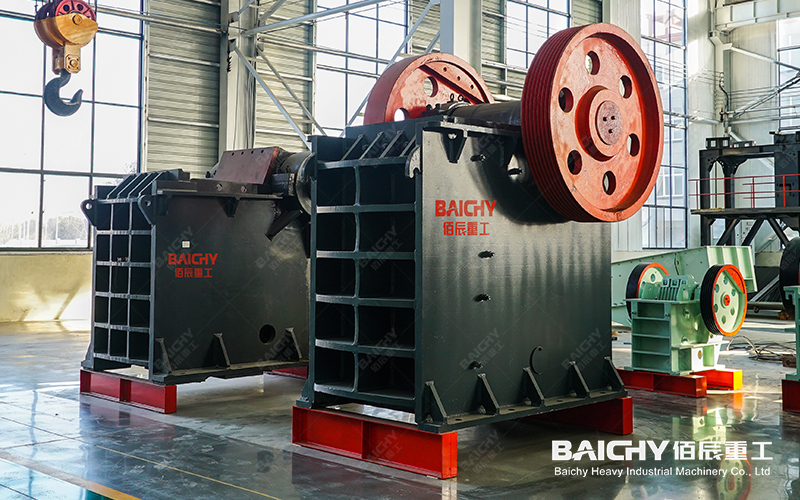
Mining Jaw Crushers
The mining jaw crusher is a core piece of equipment responsible for primary crushing within the mineral processing chain; its discharge size directly determines whether run-of-mine (ROM) ore can proceed to the secondary crushing or grinding stages at rated efficiency. Production losses and energy waste resulting from incorrect equipment selection often exceed the initial purchase price of the machine within just three years of operation. This article helps mining investors make quantifiable equipment decisions by examining four key dimensions: application scenarios, core advantages, parameter comparisons, and real-world case studies.
What is a Mining Jaw Crusher?
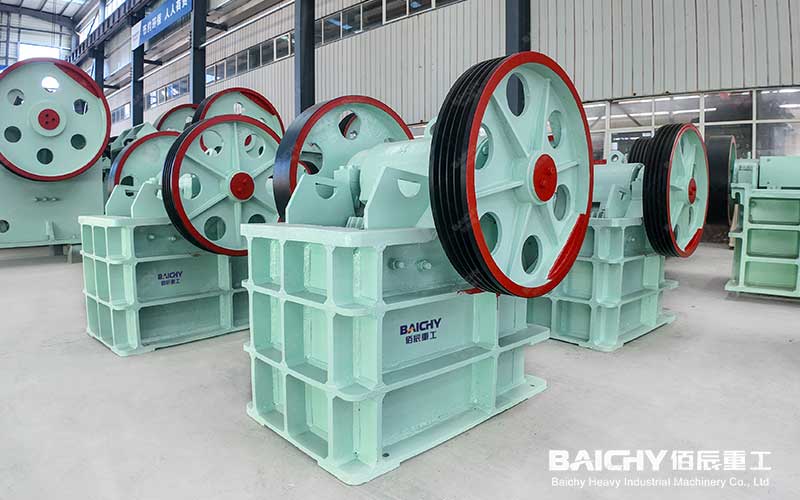
Mining jaw crushers operate through the periodic compression action between a movable jaw plate and a fixed jaw plate, reducing ROM ore—whether from underground or open-pit mines—to a coarse product size of 100–300 mm in a single pass. Characterized by simple construction, reliable operation, and low maintenance requirements, they serve as the "gateway" equipment preceding downstream machinery such as cone crushers, impact crushers, and ball mills.
Unlike standard crushers used in construction, mining-grade models feature reinforced designs in three key areas: first, structural rigidity—incorporating enlarged bearing housings and heavy-duty flywheels to withstand the continuous impact loads of hard rock; second, crushing chamber geometry—utilizing deep V-shaped chambers for the PE series (primary crushing) and specialized chambers for the PEX series (secondary/fine crushing); and third, core casting materials—using ZGMn13 high-manganese steel for both movable and fixed jaw plates.
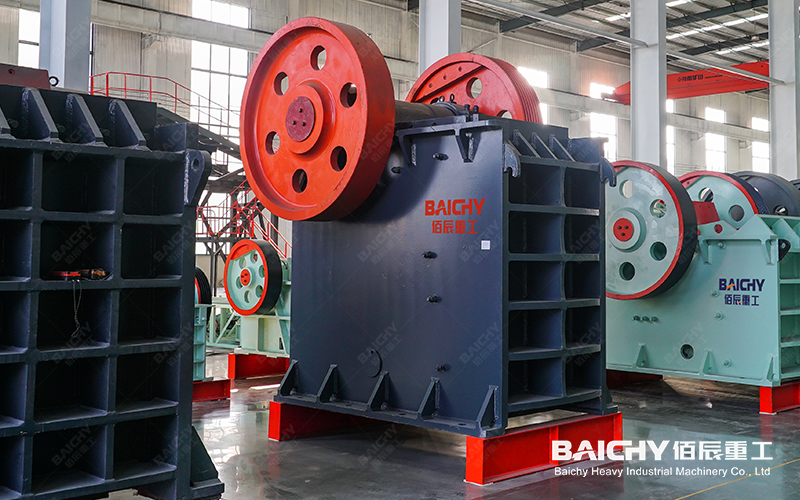
Jaw Crusher Selection
Typical Application Scenarios: From Metal Mines to Mobile Crushing Stations
Primary Crushing in Metal Mines
In hard-rock mines extracting iron, gold, or copper ores, the maximum feed size of ROM ore from the mining face typically ranges from 600 mm to 1,000 mm. With feed opening widths ranging from 500 mm to 1,200 mm, the PE series mining jaw crusher fully covers this range, reducing ROM ore to 150–250 mm in a single pass and ensuring a stable feed for downstream cone crushers or grinding mills. For large-scale mines processing over 2,000 tons per day, models such as the PE750×1060 and larger are the industry standard. Mineral Processing Plants and the Primary Crushing Stage
In processes such as CIL/CIP gold extraction and copper beneficiation, jaw crushers handle the first stage of crushing—often serving the strategy of "crushing instead of grinding." The discharge particle size directly impacts steel ball consumption and electricity usage in the downstream grinding mills; engineering data shows that for every 10mm reduction in jaw crusher discharge size, the specific energy consumption of downstream mills drops by approximately 3–5%. Consequently, mineral processing plants commonly incorporate coarse and secondary crushing output specifications into their operational performance metrics.
Mobile Crushing Stations and Infrastructure Support
Integrating mining-grade jaw crushers into YDPZ-series wheeled or tracked mobile stations enables operations such as overburden stripping, tailings dam construction, and the emergency supply of construction aggregates. In regions with intensive infrastructure development—such as Ethiopia and Mongolia—mobile jaw crushing stations reduce equipment transport and installation times from weeks to days, significantly lowering project startup costs.
Four Core Advantages: Why Jaw Crushers Are the Top Choice for Primary Crushing
1. High Crushing Ratio and Deep-Cavity Design
The deep V-shaped crushing cavity allows for a single-stage crushing ratio of 4–6:1. A 500mm raw ore block can proceed directly to the secondary crushing stage after a single pass, eliminating the need for intermediate transfer stages and additional feeding equipment, while reducing the total installed power of the production line by 10–15%.
2. High-Manganese Steel Jaw Plates and Wear Life
The movable and fixed jaw plates are cast from ZGMn13 high-manganese steel. When crushing abrasive rocks like granite or basalt, a single set of jaw plates can last 3–6 months. Once worn, they can be restored via hard-facing welding for reuse; annual spare parts expenditure typically amounts to only 2–3% of the machine's total cost—a rate far lower than the wear-and-tear costs associated with impact crusher blow bars or cone crusher liners.
3. Adaptability to Harsh Operating Conditions
Mining-grade models come standard with heavy-duty flywheels and oversized bearings, enabling reliable operation in high-altitude/low-pressure environments, dusty conditions, extreme cold down to -30°C (such as in Russian mining areas), and hot, humid tropical climates. An optional hydraulic discharge opening adjustment system allows for particle size adjustment without stopping the machine, thereby minimizing production losses caused by frequent shutdowns.
4. Controllable Total Lifecycle Costs
Taking the PE600×900 model as an example: in an operation processing 2,000 tons of iron ore per day, the electricity consumption for crushing is approximately 0.6–0.8 kWh per ton—resulting in annual electricity costs 15–20% lower than those of a primary cone crushing setup with equivalent capacity. Furthermore, the jaw crusher requires only a shallow foundation rather than a deep pit, keeping civil engineering and installation costs to just about 60% of those required for a cone crusher system. When combining equipment procurement (CAPEX) and operational expenses (OPEX), the jaw crusher solution offers a clear cost-per-ton advantage over a five-year period.
Key Specifications Comparison Table
The table below summarizes the specifications for Baichy's primary mining jaw crusher models to assist with equipment selection:
| Model | Feed Opening (mm) | Max. Feed Size (mm) | Discharge Range (mm) | Capacity (t/h) | Motor Power (kW) | Typical Applications |
|---|---|---|---|---|---|---|
| PE400×600 | 400×600 | 340 | 40–100 | 16–64 | 30 | Small-scale mines, laboratories, mobile stations |
| PE500×750 | 500×750 | 425 | 50–100 | 45–110 | 55 | Primary crushing for small-to-medium processing plants |
| PE600×900 | 600×900 | 500 | 65–160 | 60–160 | 75 | Core model for medium-scale mines |
| PE750×1060 | 750×1060 | 630 | 80–140 | 110–280 | 110 | Primary crushing for large-scale mines |
| PEX250×1000 | 250×1000 | 210 | 25–60 | 10–32 | 30 | Secondary fine crushing, mineral processing feed |
Real-World Case Study: Validation from Mine to Production Line
River Stone Crushing Project (Philippines): A stationary production line featuring the PE600×900 model. It processes river pebbles with an hourly output of 120–150 tons. The output meets grading requirements for construction aggregates, and the equipment investment was recouped within just six months of operation.
Ethiopia Basalt Project: A two-stage crushing setup featuring a PE400×600 jaw crusher and a PF impact crusher supplies aggregates for airport construction. It is directly compatible with the local 380V/50Hz power grid—requiring no transformer modifications—and went from contract signing to commissioning in just 45 days.
Chile Mobile Jaw Crushing Project: A YDPZ mobile station equipped with a mining-grade jaw crusher enables simultaneous stripping and crushing at a copper mine site. Equipment relocation takes only one day, and the hourly throughput reaches over 85% of that of a stationary production line.
Recommended Auxiliary Equipment: From Single Units to Complete Production Lines
Beyond selecting inpidual machines, overall production line efficiency depends on equipment synergy:
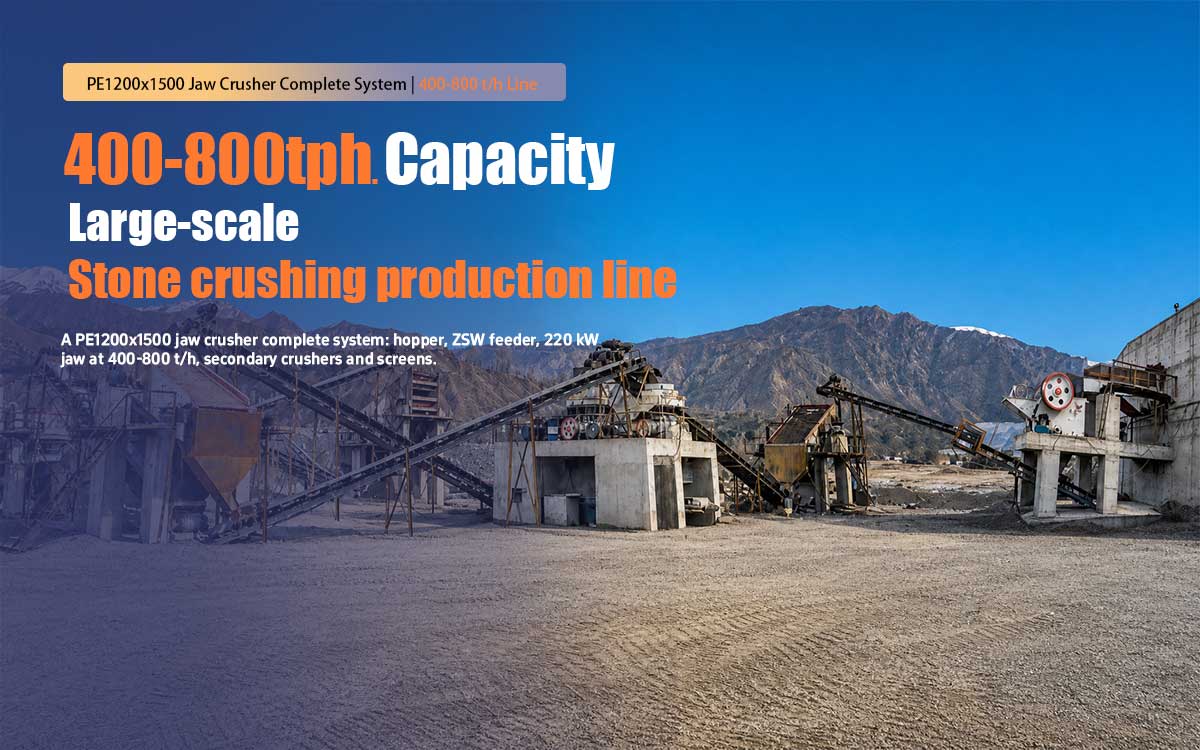
• ZSW Vibrating Feeder: Ensures uniform feeding, prevents chamber blockages and instantaneous overloads in the jaw crusher, and extends jaw plate lifespan;
• Cone Crusher / Impact Crusher: Handles the second stage (medium-to-fine crushing), forming a complete "coarse + medium/fine" closed-loop circuit with the jaw crusher;
• Vibrating Screen & Belt Conveyor: Controls product size grading and enables closed-circuit circulation and material recirculation;
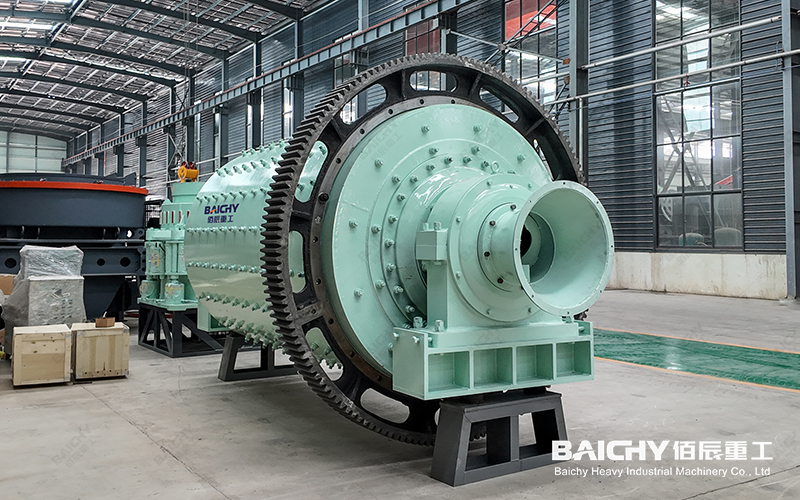
• Ball Mill / Grinding Mill: Serves the grinding stage for metal ores; the particle size transition between overflow ball mills and mining-grade jaw crushers is highly optimized;
• YDPZ Mobile Crushing Station: The top choice for multi-point mining operations, short-term projects, or emergency needs, enabling "immediate production upon arrival."
Mining-Grade Jaw Crusher FAQ
1. What is the difference between a mining-grade jaw crusher and a standard jaw crusher?
The core differences lie in structural rigidity and the materials used for critical components. Mining models feature enlarged bearing housings, heavy-duty flywheels, and high-manganese steel jaw plates, allowing them to withstand the impact loads of hard rock over long periods. Standard models are typically used for construction aggregates; if frequently used to process rock with a Mohs hardness above 5, their jaw plate lifespan is significantly reduced, and bearing failure rates increase.
2. How do I select a jaw crusher model based on ore hardness?
First, determine the ore's Mohs hardness and maximum feed size: for Mohs hardness below 5 (e.g., limestone, gypsum), a standard model is suitable; for 5–7 (e.g., granite, basalt, iron ore), a deep-cavity mining model is recommended, with capacity adjusted by a factor of 0.6–0.8; for hardness above 7 (e.g., quartzite, diabase), reinforced jaw plates and a pre-screening setup are required to prevent equipment damage caused by tramp iron or oversized material.
3. How often do the jaw plates on a mining jaw crusher need to be replaced?
It depends on the ore's abrasiveness and silica content: the service life of a single set of jaw plates is approximately 6–8 months for limestone, 3–4 months for granite or basalt, and 2–3 months for high-silica iron ore. It is recommended to track consumption based on cumulative throughput (e.g., replacing a set every 50,000–80,000 tonnes) and maintain an inventory of two spare sets to avoid downtime while waiting for parts.
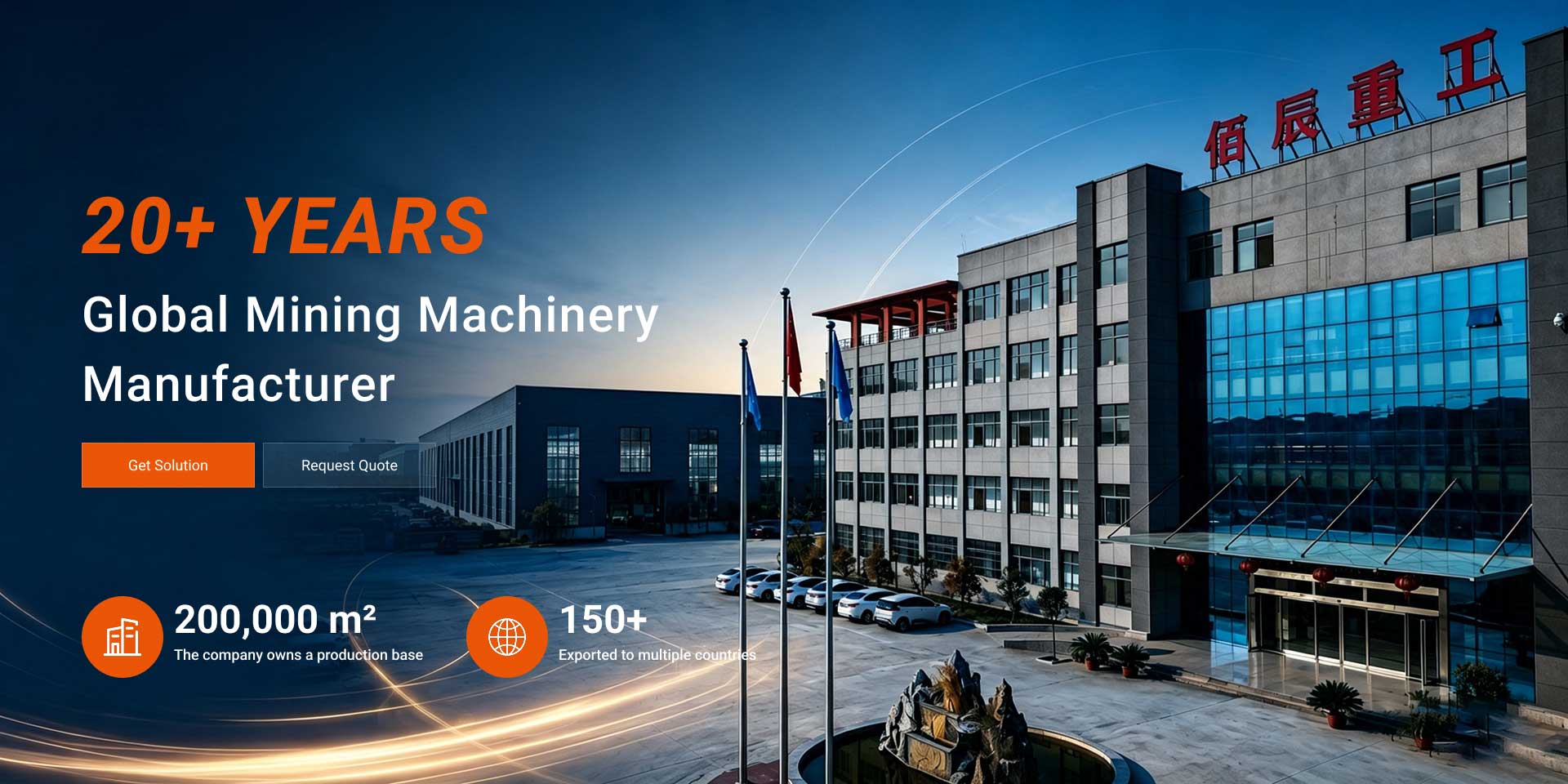
Baichy Heavy Industry
Baichy Heavy Industry is a high-tech mining equipment company integrating R&D, manufacturing, sales, and after-sales service. Focusing on crushing, grinding, and mineral processing equipment, we provide professional solutions to our customers. We are ISO9001:2015 、certified, and our products include mobile crushing palnts, crawler crushing plant, construction waste crushing plants, jaw crushers, sand making machines, cone crushers, fine crushers, grinding mills, ball mills, etc., all with reliable performance to meet diverse project needs.
Baichy Heavy Industry – Your Trusted Partner
To ensure optimal performance of your equipment, Baichy Heavy Industry offers:
- Professional on-site installation guidance
- Comprehensive operator training
- 24/7 technical support & maintenance services
Our complete after-sales service system guarantees long-term, stable operation of your machinery with minimal downtime.
Protect Your Rights – Only Use Official Channels
To avoid scams and ensure authentic support, contact us exclusively through:
• Official Website: www.baichychina.com
• WhatsApp: +8615093222637
• Email: [email protected]
Your satisfaction is our priority – expect prompt, professional service every time.
(Note: Beware of unauthorized third parties claiming to represent Baichy. Always verify through official contacts.)