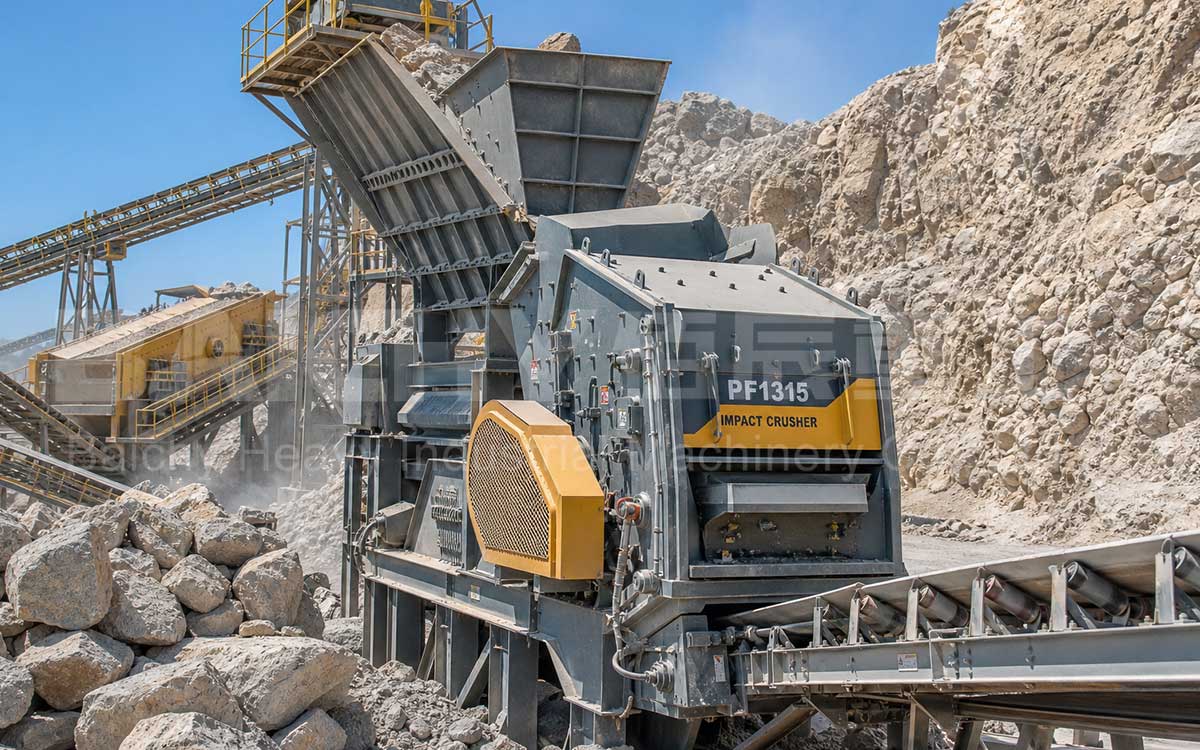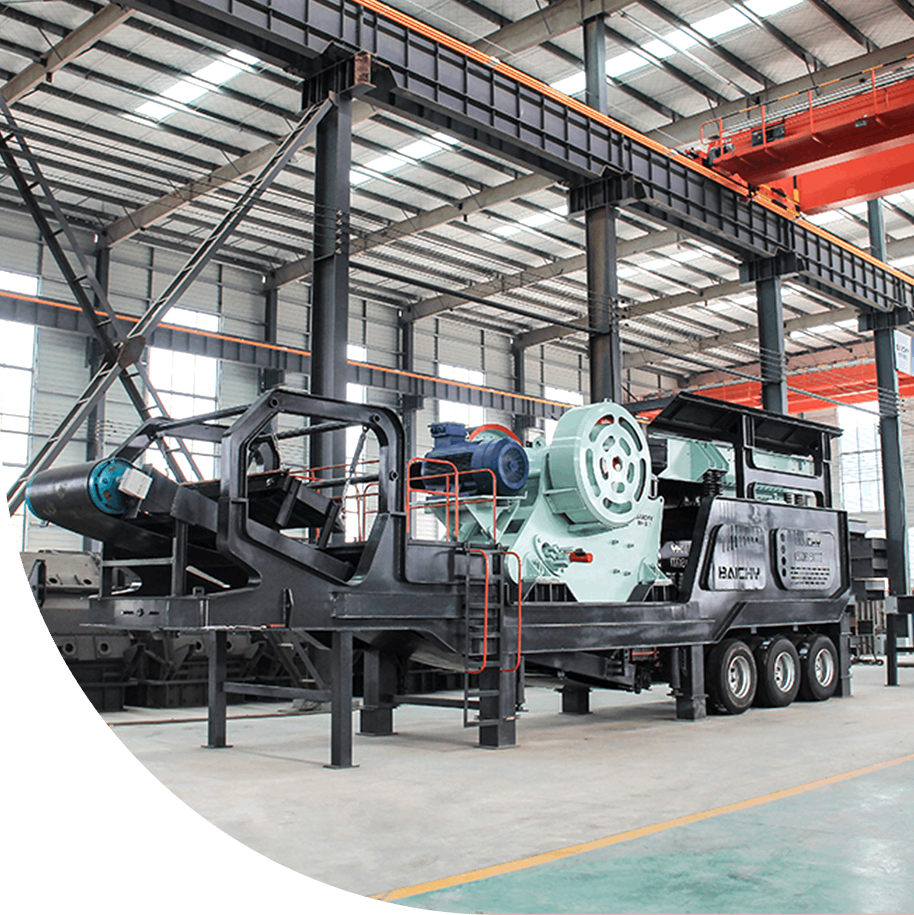


PC Hammer Crusher
The PC Hammer Crusher is the preferred equipment for the single-stage crushing of medium-hard, brittle materials such as limestone, coal, and gypsum. It offers a crushing ratio of 10–25 and produces material with over 85% of particles sized ≤20mm in a single pass, thereby eliminating the equipment and civil engineering costs associated with traditional two-stage (coarse plus fine) crushing processes. Baichy Heavy Industry is a professional manufacturer of mining crushing, ore grinding, and mineral processing equipment; its PC series single-rotor hammer crushers offer capacities ranging from 5 to 220 t/h and have been utilized in cement, power generation, and mining projects across more than 150 countries worldwide.
I. What is the PC Hammer Crusher? Positioning in the Single-Stage Crushing Process
The PC Hammer Crusher is an impact-type crushing machine. Upon entering the crushing chamber, material is violently struck by hammers mounted on a high-speed rotor and hurled against impact liners; particles smaller than the grate bar gaps are discharged from the bottom, achieving the desired product size in a single operation. The primary wear parts are the hammers and grate bars; Baichy offers components made from high-manganese steel (Mn13) and high-chromium cast iron, materials that extend service life by 30–50% compared to standard materials. Within the processing chain, jaw crushers handle coarse crushing of large blocks (≤1200mm) and cone crushers process high-hardness rock, whereas the PC Hammer Crusher is ideally suited for medium-hard, brittle materials with feed sizes ≤350mm and target output sizes of 10–20mm—effectively replacing two-stage crushing systems with a single unit for materials like limestone, coal, and gypsum.
II. Six Key Application Scenarios for the PC Hammer Crusher
1. Limestone Crushing in Cement Plants (Largest Application Market)
Limestone crushing within cement production lines represents the most classic application scenario for the PC Hammer Crusher. Ore with a feed size of ≤350mm is fed directly into the machine, and the output (≤20mm) meets the requirements for raw meal grinding; this eliminates the need for the traditional "jaw crusher plus impact crusher" two-stage setup and simultaneously reduces the required civil engineering footprint.
2. Fine Crushing of Coal for Thermal Power and Coking Industries
Fuel preparation for power plants and raw coal processing for coking plants represent the second-largest market for this equipment. Raw coal, coking coal, and slag are crushed to ≤15mm by the machine before proceeding directly to coal grinding or coking stages; continuous operational stability is the key performance indicator prioritized by the power industry. As coal is less abrasive than limestone, hammer service life can be extended by over 50%.
3. Preparation of Gypsum and Building Material Raw Materials
The PC hammer crusher is also widely used for the medium-to-fine crushing of building material feedstocks such as natural gypsum, desulfurization gypsum, cement clinker, and shale. Product size can be adjusted within the 5–20mm range simply by swapping grate bars, allowing a single production line to handle perse orders without replacing the main unit.
4. Pre-crushing for Mineral Processing and Powder Grinding
In ore grinding processes, the PC hammer crusher serves as a pre-crushing stage, reducing ore to an economical feed size for the mill. This can boost the mill's hourly output by 20–30%; it is suitable for the fine crushing of both medium-hard iron ores and non-metallic minerals.
5. Crushing and Homogenization of Chemical Raw Materials and Salt
Breaking down and homogenizing materials such as soda ash, phosphate rock, salt blocks, and fertilizer feedstocks are typical applications for the PC hammer crusher in the chemical industry, with energy consumption as low as 1.5–2.5 kWh/t.
6. Sand Making from Construction Waste and Soft Rock
In applications involving the recycling of materials like concrete blocks, brick rubble, and soft rocks (e.g., shale), the PC hammer crusher can be paired with a vibrating screen in a closed-loop circuit to produce sand—effectively "crushing instead of grinding." This meets the demand for aggregates used in fill materials and base layers.
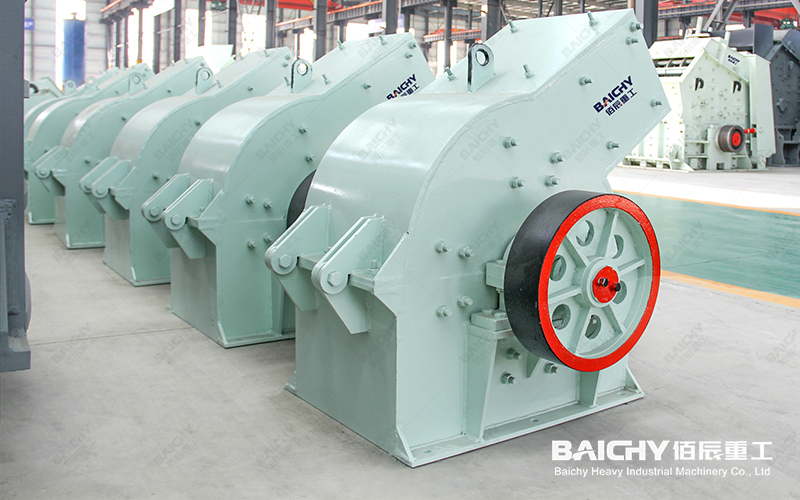
PC Series Hammer Crusher
III. Core Advantages of the PC Hammer Crusher: Translating Parameters into Profit
1. Single-stage crushing, reduced investment. With a crushing ratio of 10–25, a single unit replaces a two-stage crushing system; for a 100 t/h limestone line, initial investment costs are reduced by approximately 25–30%.
2. Adjustable output, flexible production. Product specifications can be switched within the 5–20mm range by simply changing the grate bars, eliminating the need for downtime or equipment replacement.
3. Low specific energy consumption. For limestone applications, energy consumption is approximately 1.5–2.5 kWh/t—a saving of about 30% compared to two-stage crushing processes; based on a throughput of 100 t/h and 6,000 annual operating hours, this translates to annual electricity cost savings in the range of 150,000 to 200,000 RMB.
4. Low maintenance requirements. The hammer heads feature a modular design allowing for inpidual replacement in about 30 minutes per unit; the housing is equipped with an opening mechanism, eliminating the need for complete machine disassembly during maintenance—a feature particularly advantageous for overseas projects lacking highly skilled maintenance teams.
5. Critical selection criteria: Suitable for medium-hard, brittle materials with a compressive strength of ≤150 MPa; use with high-hardness, abrasive materials such as granite or basalt is strictly prohibited. Recommended feed moisture content is ≤10%; sticky materials with moisture exceeding 15% can clog the grate bars, resulting in a production capacity drop of over 30%.
IV. Technical Parameter Table for PC Series Hammer Crushers
Table 1: Main parameters for PC series single-rotor models (capacity based on limestone bulk density of 1.6 t/m³)
PC 系列单转子锤式破碎机主要参数
产能基准:石灰石 1.6t/m³| Model | Feed Size (mm) | Output Size (mm) | Capacity (t/h) | Motor Power (kW) | Total Weight (t) |
|---|---|---|---|---|---|
| PC-400×300 | ≤100 | ≤15 | 5–10 | 11 | 0.8 |
| PC-600×400 | ≤120 | ≤15 | 12–25 | 22 | 1.5 |
| PC-800×600 | ≤150 | ≤15 | 25–45 | 55 | 3.9 |
| PC-1000×800 | ≤200 | ≤15 | 40–80 | 110 | 7.9 |
| PC-1200×1000 | ≤250 | ≤20 | 60–120 | 132 | 14.5 |
| PC-1600×1600 | ≤350 | ≤20 | 120–220 | 280 | 30 |
Note: For lightweight materials such as coal and gypsum, actual capacity must be adjusted using a factor of 0.45–0.7; please provide material bulk density, moisture content, and target particle size before purchase so the manufacturer can calculate figures based on actual operating conditions.
V. Application Case Study for PC Hammer Crusher
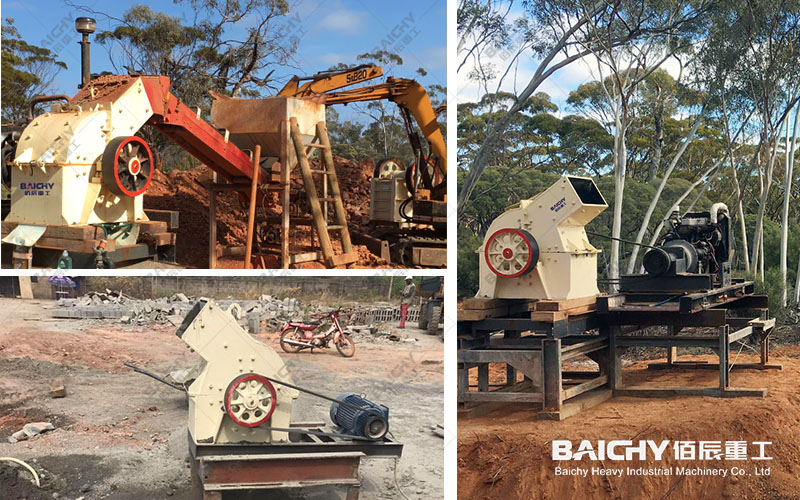
Limestone Crushing Equipment
Case 1: Limestone single-stage crushing retrofit at a cement plant in the Philippines.
A cement group replaced a two-stage process (jaw crusher + impact crusher) with the PC-1200×1000 model; limestone feed size was ≤250 mm. Operational performance: output size ≤20 mm; capacity of 95–110 t/h (reaching 105% of nameplate rating); specific power consumption of 2.0 kWh/t (a reduction of approximately 28% compared to the original process); total line investment reduced by 27%; commissioning completed in 45 days.
Case Study 2: Fine coal crushing preparation at a South African power plant.
A thermal power plant utilized a PC-800×600 crusher in its fuel processing line to reduce raw coal from a feed size of ≤150mm to a target output of ≤15mm. Operational performance: throughput of 32–40 t/h, product compliance rate of 93%, and a single set of hammers lasting over 8 months. The system was streamlined from three units down to one, resulting in a 45% reduction in installed power and a ~60% decrease in annual maintenance man-hours.
VI. Recommended Auxiliary Equipment for PC Hammer Crushers
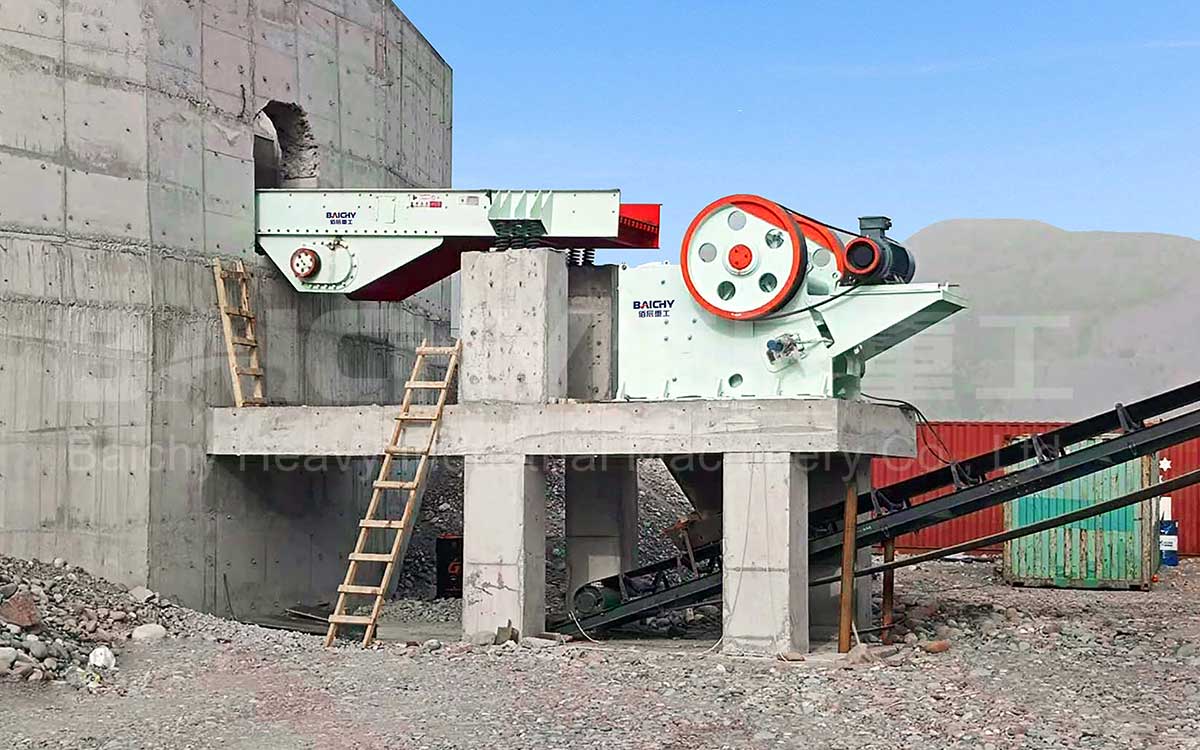
• ZSW Vibrating Feeder: Ensures uniform feeding, prevents material from directly impacting the rotor, and extends hammer lifespan.
• Jaw Crusher: Used for primary crushing of large ore blocks (>350mm) before feeding into the PC crusher.
• YK Vibrating Screen: Handles product grading and closed-circuit screening to enable multi-grade product utilization.
• Iron Remover / Baghouse Dust Collector: Iron removal prevents damage to hammers from metal contaminants; dust collection ensures compliance with environmental emission standards.
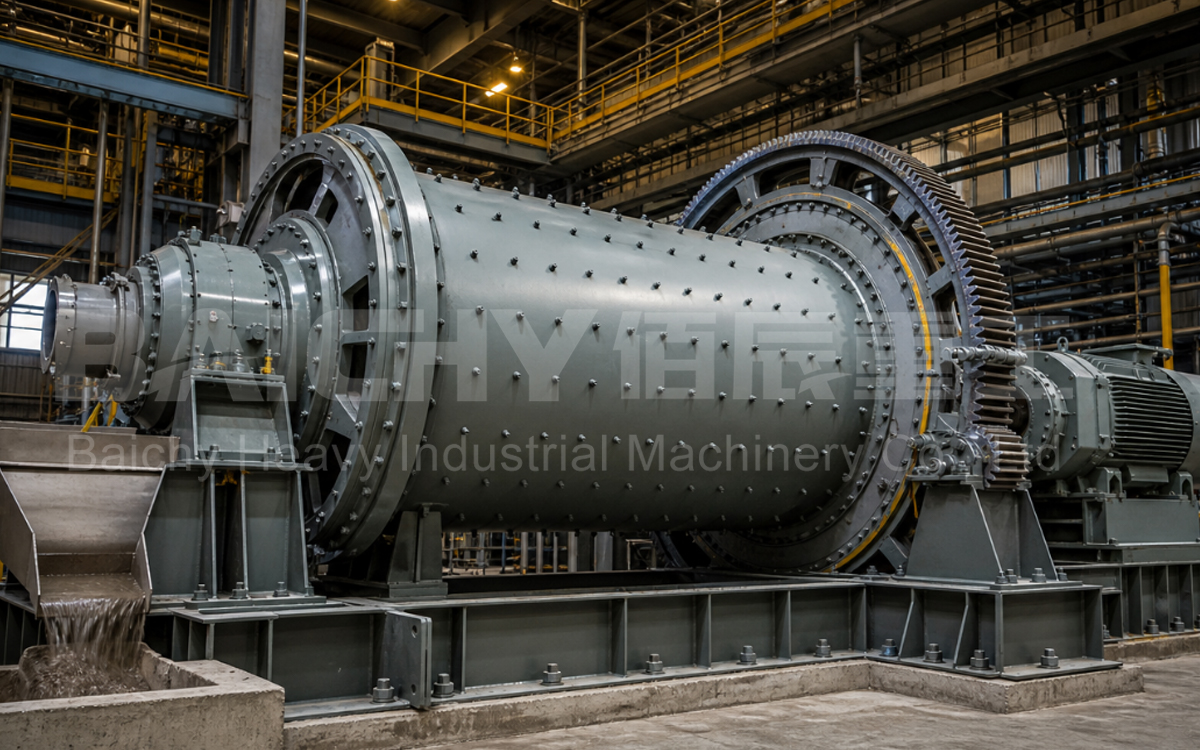
• Ball Mill / Raymond Mill: Acts as a pre-crushing stage; using the PC crusher beforehand can increase the mill's hourly output by 20–30%.
VII. PC Hammer Crusher FAQs
Q1: How do I choose between a PC hammer crusher and an impact crusher?
A: It depends primarily on material hardness and the target output size. For medium-hard, brittle materials requiring an output size of ≤20mm, the PC hammer crusher is the preferred choice due to lower investment costs per ton and reduced power consumption. For hard rock with a compressive strength >150 MPa or when cubic-shaped aggregate is required, an impact crusher or cone crusher should be selected.
Q2: How is the capacity of the PC series hammer crusher calculated based on actual material?
A: The rated capacity on the nameplate is based on limestone with a bulk density of 1.6 t/m³. For lightweight materials such as coal and gypsum, a conversion factor of 0.45–0.7 must be applied; for instance, the actual processing capacity of the PC-1000×800 model when crushing coal is approximately 25–50 t/h. Baichy provides free capacity calculation reports if you supply details regarding material bulk density, moisture content, and target particle size during the equipment selection process.
Q3: Can materials with high moisture content be processed directly using the PC hammer crusher?
A: It is recommended that the feed moisture content be ≤10%. Capacity drops by 10–30% when moisture content is between 10% and 15%; levels above 15%—or the use of sticky materials—can easily clog the grate bars. In such cases, the material should be air-dried to reduce moisture, or a double-roll crusher should be selected instead. Please specify the actual moisture content during equipment selection so that anti-clogging design features can be incorporated.
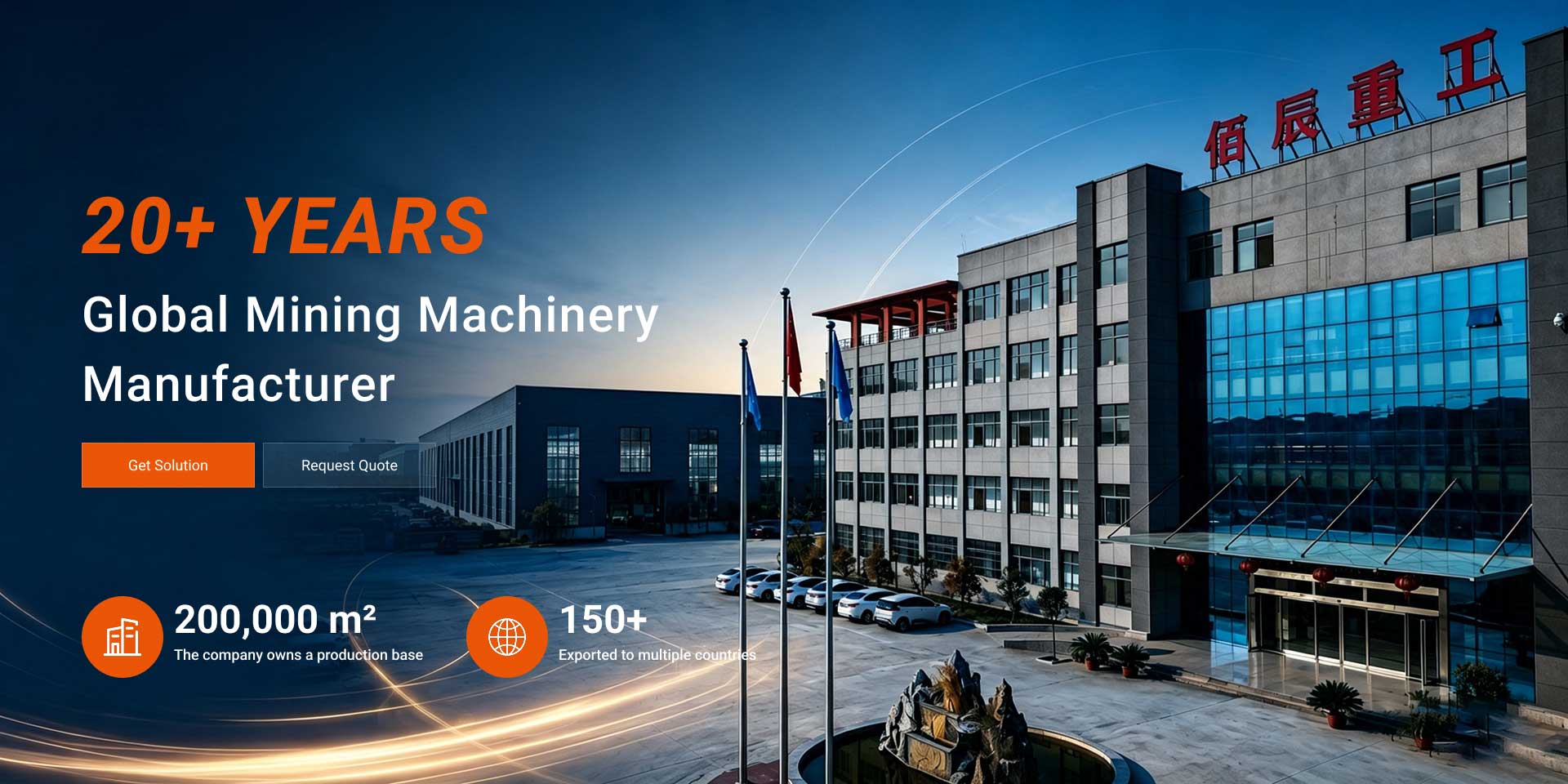
Baichy Heavy Industry
Baichy Heavy Industry is a high-tech mining equipment company integrating R&D, manufacturing, sales, and after-sales service. Focusing on crushing, grinding, and mineral processing equipment, we provide professional solutions to our customers. We are ISO9001:2015 、certified, and our products include mobile crushing palnts, crawler crushing plant, construction waste crushing plants, jaw crushers, sand making machines, cone crushers, fine crushers, grinding mills, ball mills, etc., all with reliable performance to meet diverse project needs.
Baichy Heavy Industry – Your Trusted Partner
To ensure optimal performance of your equipment, Baichy Heavy Industry offers:
- Professional on-site installation guidance
- Comprehensive operator training
- 24/7 technical support & maintenance services
Our complete after-sales service system guarantees long-term, stable operation of your machinery with minimal downtime.
Protect Your Rights – Only Use Official Channels
To avoid scams and ensure authentic support, contact us exclusively through:
• Official Website: www.baichychina.com
• WhatsApp: +8615093222637
• Email: [email protected]
Your satisfaction is our priority – expect prompt, professional service every time.
(Note: Beware of unauthorized third parties claiming to represent Baichy. Always verify through official contacts.)