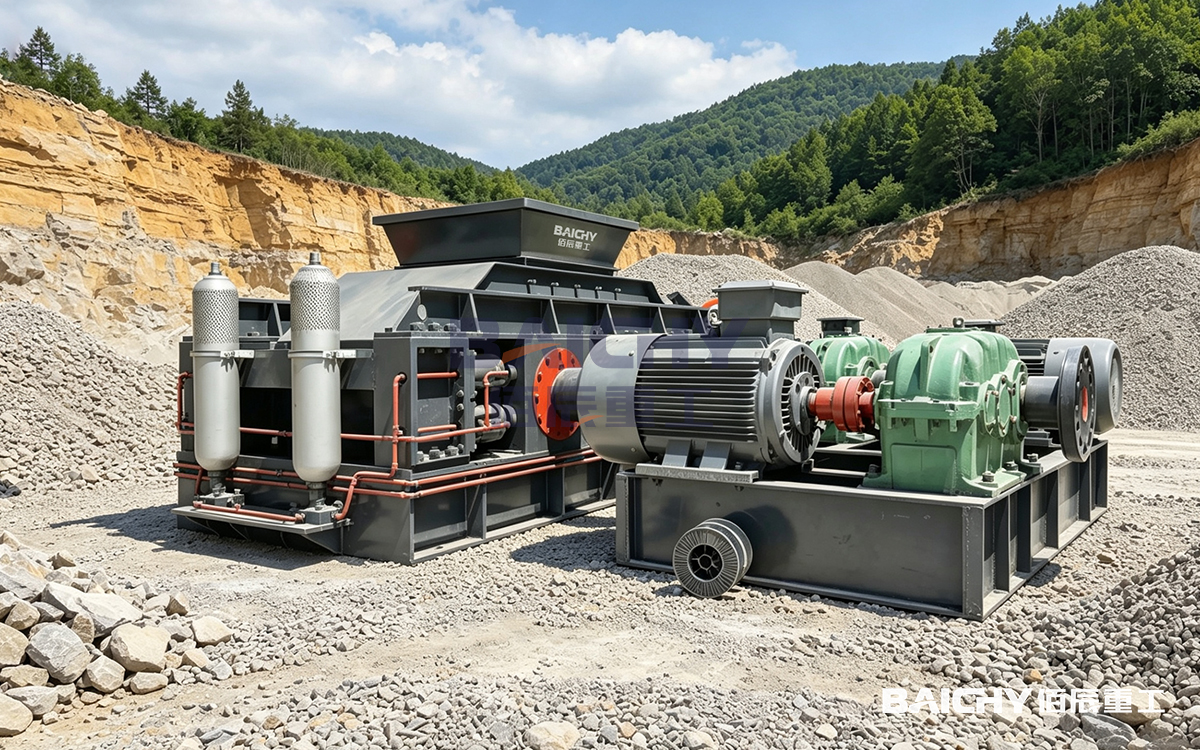
Double-toothed roll crusher
If you are processing materials such as coal, coal gangue, limestone, clay, or shale, and are plagued by downtime caused by clogging or excessive fines generation, the toothed double-roll crusher is the primary solution to consider for the primary crushing stage. It achieves size reduction through shearing and splitting rather than compression and grinding, resulting in minimal fines and low energy consumption; it also maintains continuous, stable operation even with sticky materials containing over 20% moisture.
I. What is a Toothed Double-Roll Crusher?
The toothed double-roll crusher is a piece of equipment designed for the primary crushing of soft to medium-hard materials, utilizing shearing and splitting as its main crushing mechanisms. Two toothed rolls rotate inwardly toward each other; as material enters the gap, the teeth grip it, causing it to fracture along planes of weakness under the influence of shear and wedging forces—unlike smooth-roll crushers, which rely on repeated compression and grinding. Crushing forces are concentrated locally, making the process more energy-efficient and significantly reducing the generation of fine powder compared to compression-based crushing methods. The machine comprises a frame, two toothed rolls, a buffer spring or hydraulic protection system, a dual-motor drive, and a roll-gap adjustment mechanism; if uncrushable objects (such as iron chunks) are encountered, the hydraulic system automatically retracts to protect the toothed rolls and drive components. II. Typical Application Scenarios for Double-Toothed Roll Crushers
This equipment is primarily utilized for materials of medium-to-low hardness that are friable and contain moisture or sticky components.
It is commonly found in the following five types of production lines:
| Industry | Typical Materials | Operating Characteristics |
|---|---|---|
| Coal Mining & Coal Preparation | Run-of-mine coal, gangue, coal slime cakes | High moisture content, clay content; prone to screen clogging |
| Coking Industry | Coke, coking coal | Requires uniform particle shape; minimal coke fines |
| Cement & Building Materials | Limestone, clay, shale, gypsum | Large raw material size; high impurity content |
| Metallurgy & Chemical Industry | Carbide slag, salt ore, boron ore, iron ore (secondary crushing) | Risk of corrosion or hard inclusions |
| Solid Waste Treatment | Construction waste, slag, waste bricks | Contains rebar/wire; requires overload protection |
Coal mines and coal preparation plants represent the most intensive application areas. Run-of-mine coal typically has a moisture content of 15%–25%. Traditional hammer crushers and jaw crushers struggle with sticky, wet materials, often suffering from grate clogging and material adhesion within the crushing chamber. In contrast, double-toothed roll crushers feature gaps between teeth and a grate-free structure, preventing material buildup; combined with a hydraulic relief design, they enable long-term, continuous operation.
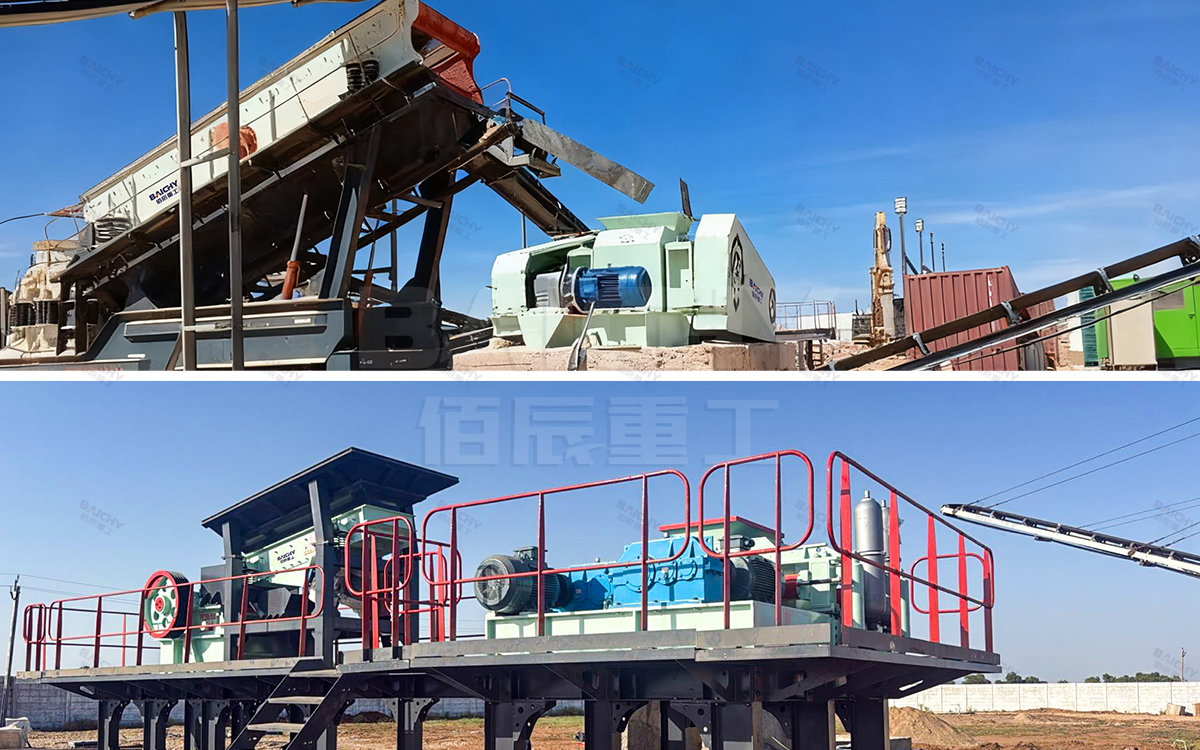
toothed roll crusher
III. Core Advantages of Double-Toothed Roll Crushers
1. Low over-crushing rate; protects downstream processes. The proportion of fines (<3mm) produced via the shear-splitting crushing method is typically 10–20 percentage points lower than that produced by compression-based methods. For coal preparation plants, this directly reduces the load on coal slime water treatment systems. For coking plants, a lower coke fines rate translates to higher coking blend yields—meaning greater profitability: more qualified product for the same throughput, along with reduced electricity consumption in subsequent screening and grinding stages.
2. Anti-clogging structure; handles high-moisture, sticky materials. The absence of grates and the presence of large gaps between teeth allow raw coal and clay with moisture content exceeding 20% to pass through continuously without clogging. This is the key differentiator setting the double-toothed roll crusher apart from hammer crushers.
3. Adjustable discharge particle size; versatile functionality. The gap between the two rollers can be adjusted using shims or a hydraulic system, allowing the output particle size to be varied between a few tens of millimeters and 200 millimeters; the same unit is suitable for both primary and secondary crushing stages, eliminating the need to replace the main machine when adjusting the production line.
4. Hydraulic overload protection ensures controllable maintenance costs. Upon encountering uncrushable objects such as iron scraps or rock bolts, the hydraulic cylinders or buffer springs automatically retract and then reset after the object passes, protecting the toothed rollers and bearings from impact damage. The toothed rollers feature teeth surfaced with high-manganese steel or alloy hardfacing; worn teeth can be restored via weld overlay rather than requiring a full roller replacement, resulting in significantly lower spare parts costs compared to hammer crushers.
5. High throughput, compact structure, and low energy consumption. The system utilizes dual-motor direct drive—eliminating large flywheels and complex transmission mechanisms—which simplifies foundation construction. A single unit can handle primary crushing loads of 150–300 t/h, with specific crushing energy consumption 10%–25% lower than that of compression-type equipment, making it particularly cost-effective in markets sensitive to electricity prices.
IV. Technical Parameters for 2PGC Series Double-Toothed Roll Crusher
The following specifications represent typical configurations for Baichy Heavy Industry’s 2PGC series; processing capacities are rated based on a limestone bulk density of 1.6 t/m³:
| Model | Roll Diameter × Length (mm) | Feed Size (mm) | Output Size (mm) | Capacity (t/h) | Motor Power (kW) | Total Weight (t) |
|---|---|---|---|---|---|---|
| 2PGC450×500 | φ450×500 | ≤200 | 25–50 | 10–30 | 2×7.5 | Approx. 6 |
| 2PGC600×750 | φ600×750 | ≤300 | 30–75 | 20–60 | 2×15 | Approx. 11 |
| 2PGC900×900 | φ900×900 | ≤500 | 50–150 | 60–120 | 2×30 | Approx. 22 |
| 2PGC1200×1500 | φ1200×1500 | ≤800 | 75–200 | 150–300 | 2×55 | Approx. 40 |
Selection Note: When crushing lightweight materials such as coal or coke, actual capacity must be adjusted based on density (multiply by approx. 0.5–0.7). If the material has high clay content or significant moisture fluctuations, it is recommended to select a larger model and include hydraulic adjustment and variable-frequency feeding systems. Motor voltage (380V/400V/440V/660V) and explosion-proof requirements can be customized according to specific project conditions.
V. Reference Application Case
Case 1: Run-of-mine (ROM) coal crushing line at a coal mine in Southeast Asia (representative configuration). The material consisted of ROM coal with a moisture content of 18%–25% and clay interlayers; the original hammer crusher suffered from frequent clogging, requiring manual clearing during every shift. After switching to the 2PGC600×750 double-toothed roll crusher, the single-unit production capacity stabilized at 40–55 t/h, the coal fines rate dropped by approximately 15 percentage points, the load on the associated screening system decreased accordingly, and maintenance frequency was reduced from 2–3 times a week to once a month. This configuration is also suitable for coal gangue comprehensive utilization production lines.
Case Study 2: Coarse crushing of limestone and clay at a cement plant. Cement raw meal preparation requires separate crushing and subsequent proportioning of limestone (≤500 mm) and clay (moisture content >15%). A single 2PGC900×900 unit can produce materials sized below 50 mm and 80 mm respectively by adjusting the roll gap; this dual-purpose capability saves on the investment and footprint of an additional coarse crushing unit.
Case Study 3: Coke sizing at a coking plant. Although coke has low hardness, the process requires uniform particle shape and minimal fines. The double-toothed roll crusher sizes the coke via a shearing action, keeping the proportion of <10 mm fines in the output low; this increases the yield of usable coke and directly improves the economic efficiency of the coking process.
(The above serves as a reference for typical configurations based on similar projects; specific plans must be tailored to on-site material analysis and production line layout design.)
VI. Recommended Auxiliary and Related Equipment for Double-Toothed Roll Crushers
Double-toothed roll crushers typically serve the coarse or medium crushing stages of a production line. Depending on the process position, they can be paired with the following equipment:
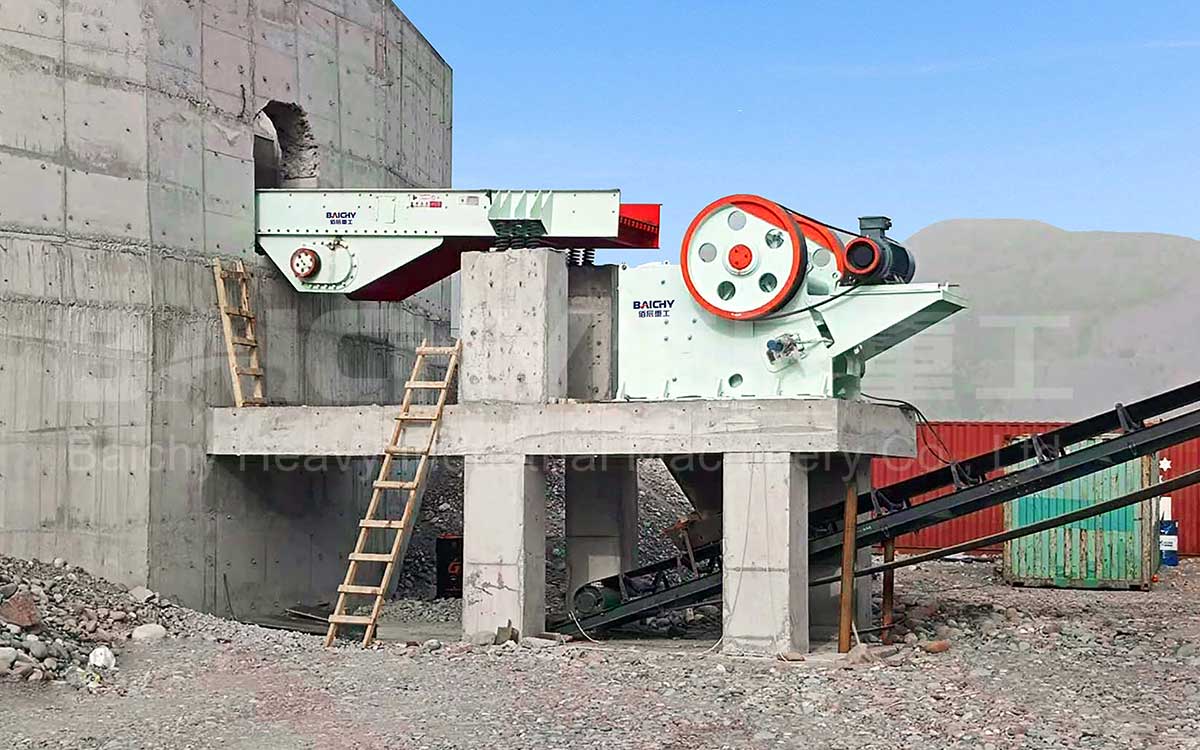
Upstream feeding: ZSW series vibrating feeder (provides uniform feeding and serves as a pre-screening unit);
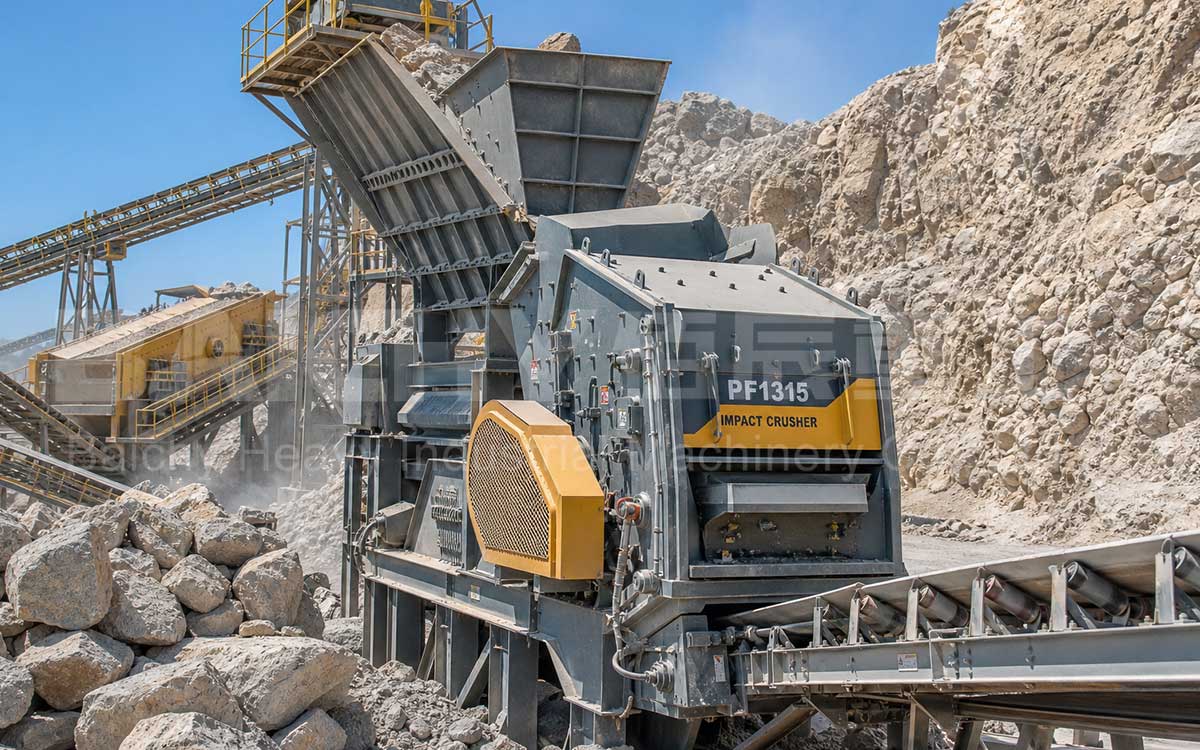
Intermediate/fine crushing linkage: Smooth double-roll crusher, PCK reversible hammer crusher, or impact crusher (for further crushing to sand-making or grinding sizes);
Screening and classification: YK series circular vibrating screen (paired with a high-frequency dewatering screen to control final product moisture);
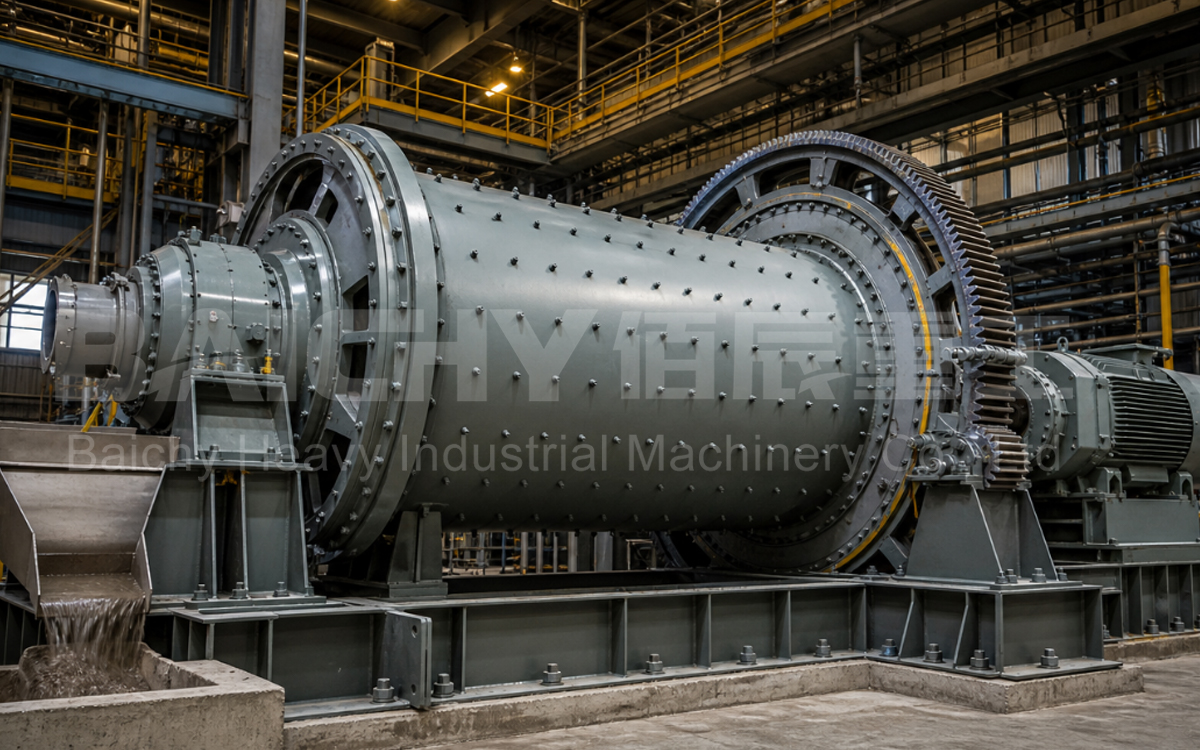
Downstream grinding: Ball mill or Raymond mill (to process fine-grained material for the grinding stage);
Sand-making extension: VSI sand-making machine (to further shape and process the double-toothed roll crusher's output into sand). Based on material analysis reports, Baichy Heavy Industry provides comprehensive equipment selection and turnkey production line services covering the entire "feeding–crushing–screening–grinding" process.
VII. Double-Toothed Roll Crusher: Frequently Asked Questions (FAQ)
Q1: What is the difference between a double-toothed roll crusher and a smooth roll crusher?
While both belong to the roll crusher family, their operating mechanisms differ. Double-toothed roll crushers feature toothed roll surfaces and crush materials via shearing and splitting actions; they are suitable for medium-soft, brittle materials such as coal, limestone, and clay. They typically produce an output size of 25–200 mm, offer low over-crushing rates, and possess strong resistance to jamming. In contrast, smooth roll crushers rely on compression and grinding between two rolls; they are suitable for harder materials or applications requiring finer output (down to 3–10 mm) but are less adaptable to high-moisture, sticky materials. Selection depends on material hardness, moisture content, and target particle size: choose double-toothed roll crushers for wet, sticky materials, and smooth roll crushers for dry, hard materials requiring fine crushing.
Q2: What is the maximum moisture content a double-toothed roll crusher can handle? Will it clog?
Double-toothed roll crushers feature a grate-free design with clearance between the teeth to accommodate material. Under standard operating conditions, they can process raw coal and clay-like materials with moisture content between 15% and 25% without clogging or sticking. For materials with higher moisture or clay content, continuous operation can be maintained by configuring the machine with hydraulic roll-gap adjustment and variable-frequency feeding, while appropriately reducing rotational speed and increasing the gap between the toothed rolls. This is one of their key advantages over hammer crushers.
Q3: How is the output particle size adjusted for a double-toothed roll crusher? How is production capacity determined during equipment selection?
Output particle size is adjusted by changing the gap between the two rolls; this can be achieved by adding or removing shims or using a hydraulic system, allowing for adjustments within a range of several tens of millimeters to two hundred millimeters. Equipment selection requires confirming three key parameters: maximum feed size (determines roll diameter and tooth profile), target output size (determines the roll gap range), and hourly throughput (determines roll length and motor power). It is recommended to provide material analysis reports (covering hardness, moisture content, and silt content). Based on this data, Baichy Heavy Industry can prepare a model selection proposal that includes capacity calculations, thereby avoiding the shortfall in actual output that often results from simply relying on nominal capacity ratings.
Baichy Heavy Industry
Baichy Heavy Industry is a high-tech mining equipment company integrating R&D, manufacturing, sales, and after-sales service. Focusing on crushing, grinding, and mineral processing equipment, we provide professional solutions to our customers. We are ISO9001:2015 、certified, and our products include mobile crushing palnts, crawler crushing plant, construction waste crushing plants, jaw crushers, sand making machines, cone crushers, fine crushers, grinding mills, ball mills, etc., all with reliable performance to meet diverse project needs.
Baichy Heavy Industry – Your Trusted Partner
To ensure optimal performance of your equipment, Baichy Heavy Industry offers:
- Professional on-site installation guidance
- Comprehensive operator training
- 24/7 technical support & maintenance services
Our complete after-sales service system guarantees long-term, stable operation of your machinery with minimal downtime.
Protect Your Rights – Only Use Official Channels
To avoid scams and ensure authentic support, contact us exclusively through:
• Official Website: www.baichychina.com
• WhatsApp: +8615093222637
• Email: [email protected]
Your satisfaction is our priority – expect prompt, professional service every time.
(Note: Beware of unauthorized third parties claiming to represent Baichy. Always verify through official contacts.)