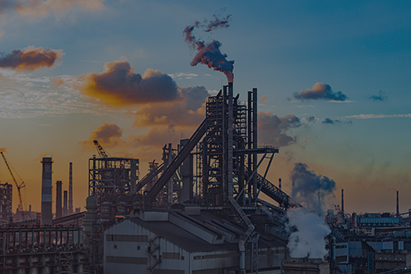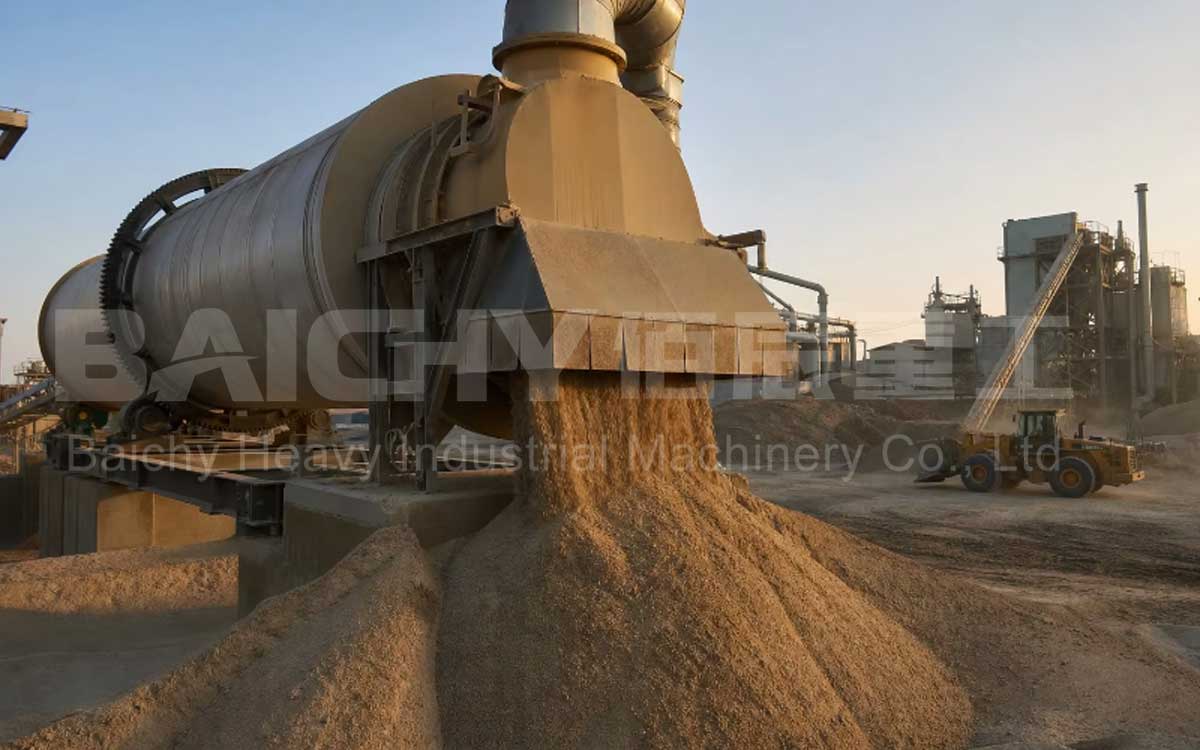

Complete CIL (Carbon-in-Leach) Mineral Processing Line
Carbon-in-Leach (CIL) is an advanced metallurgical process in which activated carbon is added directly to a cyanide leaching slurry, enabling the simultaneous adsorption and leaching of gold. It has become the preferred technology for modern gold beneficiation plants—particularly those processing clay-rich, refractory, or complex ores—where the efficient recovery of gold resources is paramount. As a manufacturer of mining crushing and grinding equipment, we deeply understand that providing efficient and stable crushing and grinding solutions for the front end of a CIL production line serves as the cornerstone for the success of the entire process.
An In-Depth Analysis of the CIL Beneficiation Line
A complete CIL beneficiation line is far more than just a few adsorption tanks; it is a highly integrated system where every stage—from front-end raw material preparation to back-end gold recovery—is intricately interconnected.
Key Components of a CIL Production Line
A typical CIL production line primarily comprises the following core processes:
1. Crushing and Grinding Section
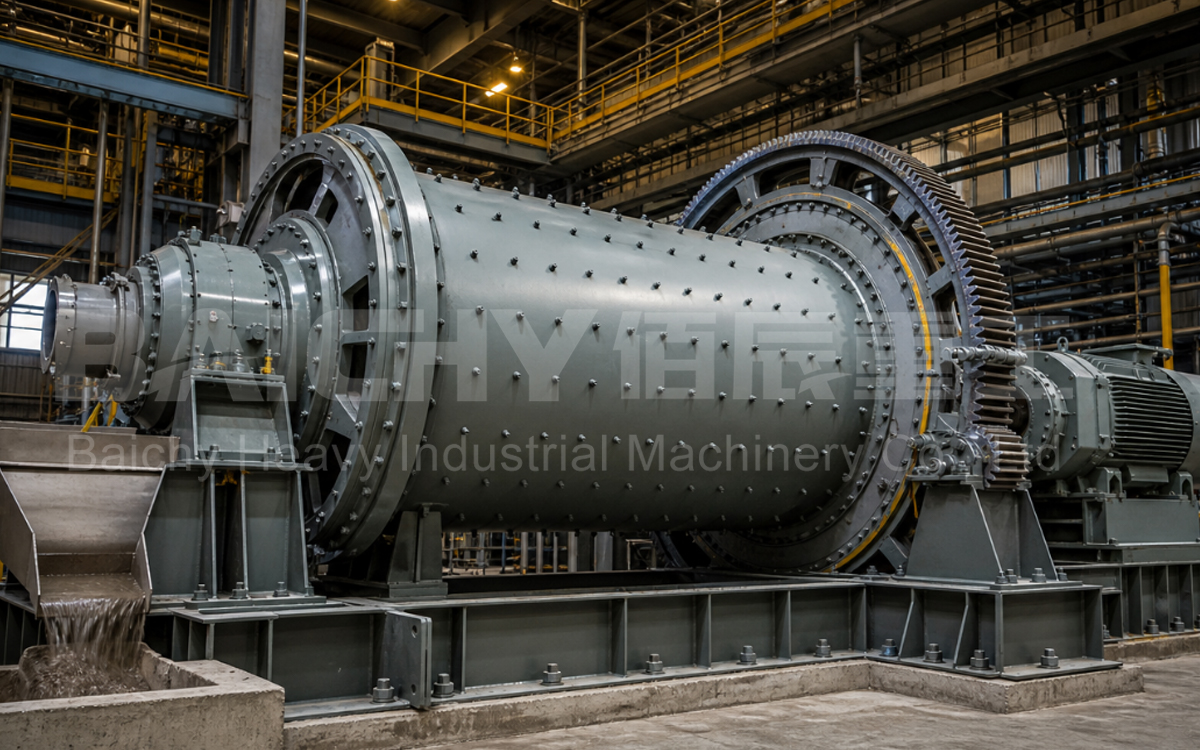
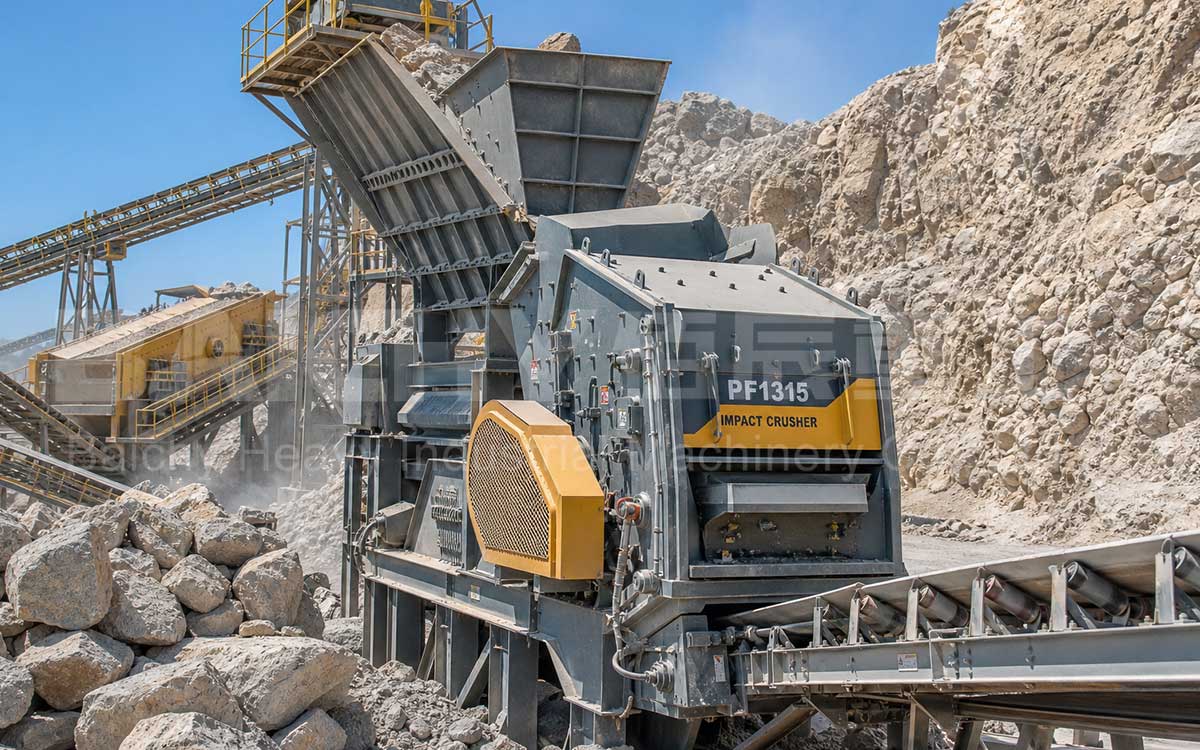
This constitutes the "throat" or critical gateway of the entire workflow. After undergoing coarse, medium, and fine crushing, the raw ore enters the grinding system (typically a closed circuit consisting of ball mills and hydrocyclones). Here, the ore is ground to a suitable fineness (typically requiring 85%–95% passing -200 mesh) to fully expose the gold minerals and create the necessary conditions for subsequent cyanide leaching. The particle size and efficiency of the grinding process directly determine the final gold recovery rate.
2. Thickening and Slurry Conditioning
The finely ground slurry flows into a thickener, where its solids concentration is increased and excess water is removed, thereby establishing stable slurry density conditions for the subsequent leaching operations. Slurry conditioning tanks are then utilized to adjust the pH value and concentration of the slurry to the optimal range required for cyanide leaching.
3. Cyanide Leaching and Carbon Adsorption (The Core of CIL)
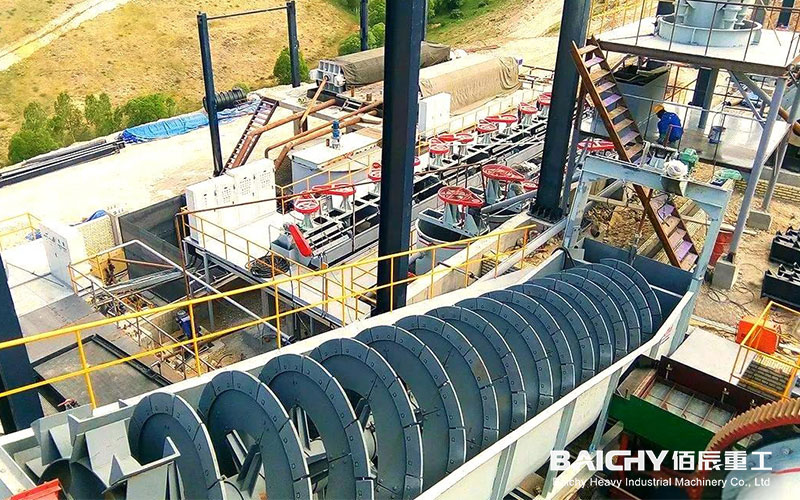
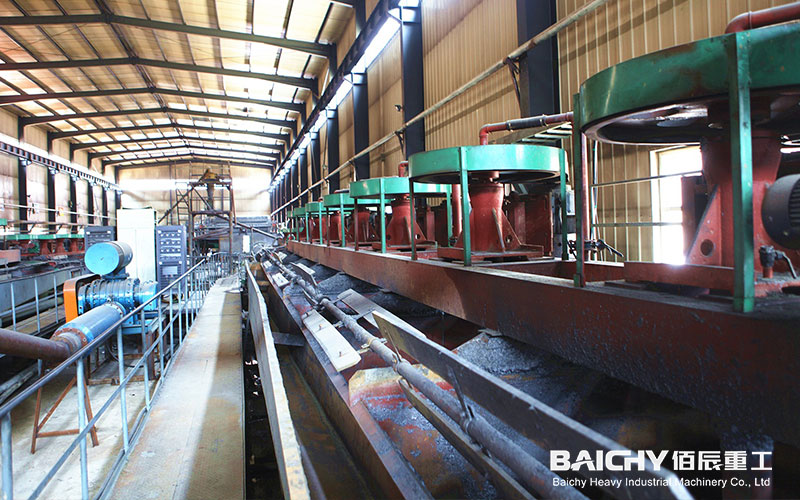
The conditioned slurry is pumped into a series of interconnected CIL adsorption tanks. Under conditions of aeration (injection of air or oxygen), a sodium cyanide solution is added, causing the gold to dissolve and form gold-cyanide complexes. Simultaneously, granular activated carbon—present within the tanks—selectively adsorbs these gold-cyanide complexes as the slurry flows through the system. The slurry and activated carbon flow in a counter-current direction: barren carbon is introduced at the first tank, while gold-loaded carbon is discharged from the final tank.
4. Gold-Loaded Carbon Processing
After screening and washing, the gold-loaded carbon is fed into the desorption-electrolysis system. Under conditions of high temperature and pressure (or atmospheric pressure), a hot mixed solution of NaOH and NaCN is used to desorb the gold from the activated carbon. The gold-rich "pregnant solution" then enters an electrolytic cell, where gold slime is deposited onto the cathode plates through an electrodeposition process.
5. Smelting and Tailings Treatment
The gold slime undergoes acid washing and drying before being smelted and cast into gold ingots. The tailings slurry remaining after leaching requires safe disposal; typically, cyanide-destroying agents—such as bleaching powder or hydrogen peroxide—are added to decompose residual cyanide, after which the slurry is transported to a tailings pond for storage.
Complete CIL (Carbon-in-Leach) Mineral Processing Line
Key Advantages of the CIL Process
Compared to the traditional CIP (Carbon-in-Pulp) process, the CIL process offers distinct advantages:
• Simplified Flowsheet, Reduced Investment: Leaching and adsorption take place within the same series of tanks, eliminating the need for separate leaching tanks and thereby reducing plant footprint and capital investment in equipment.
• Strong Adaptability: It is particularly well-suited for processing ores containing carbonaceous materials or "preg-robbing" substances, as the activated carbon preferentially adsorbs gold-cyanide complexes, thereby minimizing the loss of valuable metals.
• High Recovery Rate and Speed: Once dissolved, gold is immediately adsorbed by nearby activated carbon. This reduces the risk of dissolved gold becoming re-encapsulated by other minerals in the ore or precipitating out of solution, resulting in a higher overall recovery rate.
• Relatively Low Operating Costs: The simplified process reduces energy consumption and the consumption of chemical reagents (such as cyanide).
Recommended Core Equipment and Selection Criteria
As an equipment manufacturer, we focus primarily on providing stable and reliable upstream crushing and grinding equipment for CIL production lines. These stages serve as the foundation that determines the efficiency of all subsequent processing steps.
Recommended Equipment Configuration
| Process Stage | Recommended Equipment Type | Key Function and Selection Criteria |
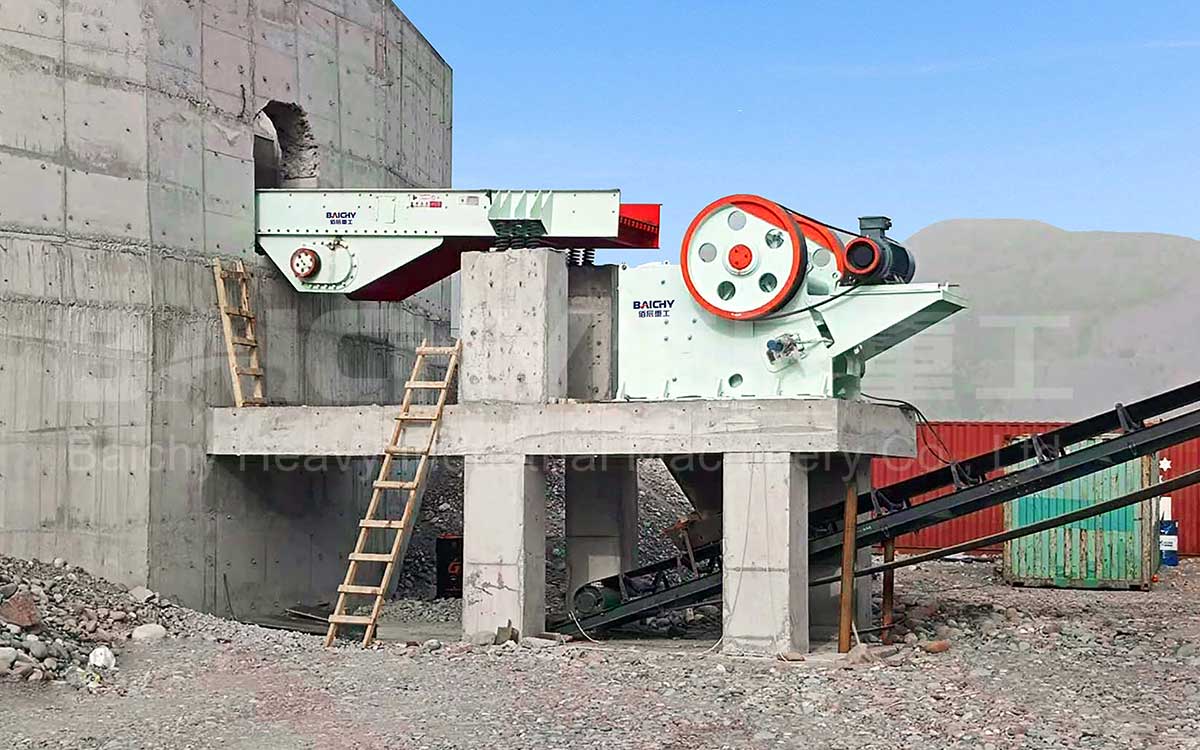
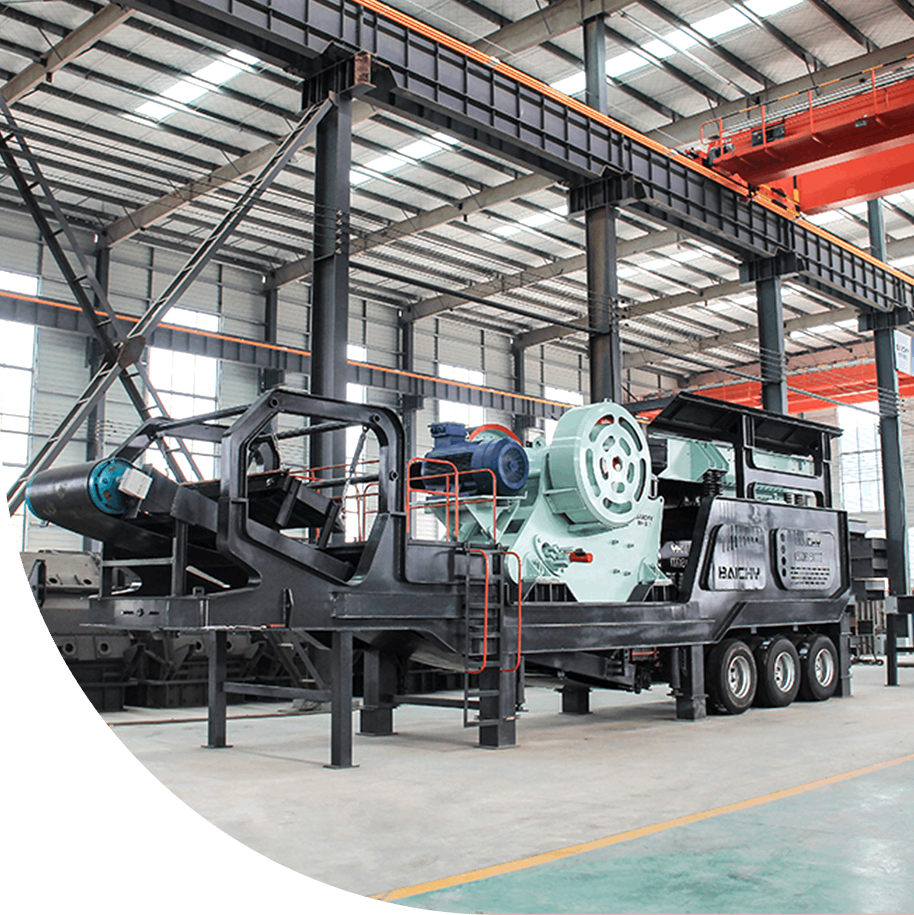
| Coarse Crushing | Jaw Crusher | Performs the primary crushing of run-of-mine (ROM) ore; requires high throughput capacity, high reliability, and a low failure rate. |
| Medium & Fine Crushing | Cone Crusher | Performs secondary and tertiary crushing to produce a feed material suitable for the grinding circuit. High-efficiency hydraulic cone crushers utilize inter-particle crushing (laminating crushing) to significantly increase throughput and reduce product particle size. |
| Grinding | Ball Mill + Hydrocyclone Cluster | Core Grinding Equipment. The ball mill grinds the ore to the target fineness, while the hydrocyclone cluster establishes a closed-circuit classification loop, enhancing grinding efficiency, strictly controlling product particle size distribution, and meeting the specific requirements of the CIL leaching process. |
| Feeding & Conveying | Vibrating Feeders, Belt Conveyors | These components ensure a continuous, uniform, and stable supply of material to every stage of the equipment, acting as the "arteries" that facilitate the smooth and uninterrupted operation of the entire production line. |
Why Choose Our Equipment?
Our crushing and grinding equipment is specifically engineered for the demanding conditions of mining environments. Featuring heavy-duty construction and premium-grade materials, our machinery ensures continuous, stable operation 24 hours a day, 7 days a week. With highly efficient crushing chamber designs and intelligent control systems, our equipment maximizes throughput while strictly maintaining the required product particle size—thereby driving cost reductions and efficiency gains for your CIL plant right from the source.
Success Stories & Frequently Asked Questions (FAQ)
We provided a complete crushing and screening system for a major gold mining project in West Africa, supporting a CIL plant with a daily ore processing capacity of 8,000 tons. Our integrated solution—combining multi-cylinder hydraulic cone crushers with large-scale ball mills—successfully maintained a stable mill feed size of less than -12mm. Furthermore, the grinding fineness achieved a standard where 92% of the material passed through a -200 mesh screen, laying a solid foundation for the project to achieve a gold recovery rate exceeding 93%.
Three Common Questions (FAQ) Regarding CIL Production Lines
1. What are the specific requirements for grinding fineness in the CIL process?
Grinding fineness is a critical parameter in the CIL process. The specific fineness requirements must be determined through metallurgical testing based on the specific grain size characteristics and dissemination patterns of the gold within the ore. Typically, for most free-milling gold ores, the requirement is to grind the material until 85% to 95% passes through a -200 mesh screen. If the grind is too coarse, the gold minerals will not be sufficiently liberated, resulting in a low recovery rate; conversely, if the grind is too fine, it not only increases energy consumption but may also exacerbate the contamination of the activated carbon by fine slimes.
2. How does the upstream crushing system impact the efficiency and profitability of a CIL plant?
The upstream crushing system directly determines the feed particle size (F80) entering the grinding mills. A smaller, more consistent feed size can significantly boost the ball mill's processing capacity, reduce specific energy consumption (kWh/ton), and facilitate the production of a qualified, uniform ground product. An efficient and energy-saving crushing section can directly lower the total lifecycle operating costs of a CIL plant.
3. What support should manufacturers provide when selecting equipment for a CIL production line?
A reliable equipment manufacturer should provide: 1) Process scheme recommendations based on ore petrographic and mineralogical analysis; 2) Detailed equipment configurations and layout drawings; 3) Accurate predictions regarding throughput capacity and power consumption; 4) Comprehensive installation guidance and operational training; and 5) Global spare parts supply and rapid technical support services.
Conclusion
Investing in a complete CIL beneficiation line is a complex systems engineering undertaking, and an exceptional crushing and grinding solution serves as the bedrock—the most solid foundation—for this "gold mine." Partnering with an equipment supplier possessing extensive experience and technical expertise ensures the smooth and efficient operation of the process right from the project's inception, ultimately maximizing the economic returns of gold production.
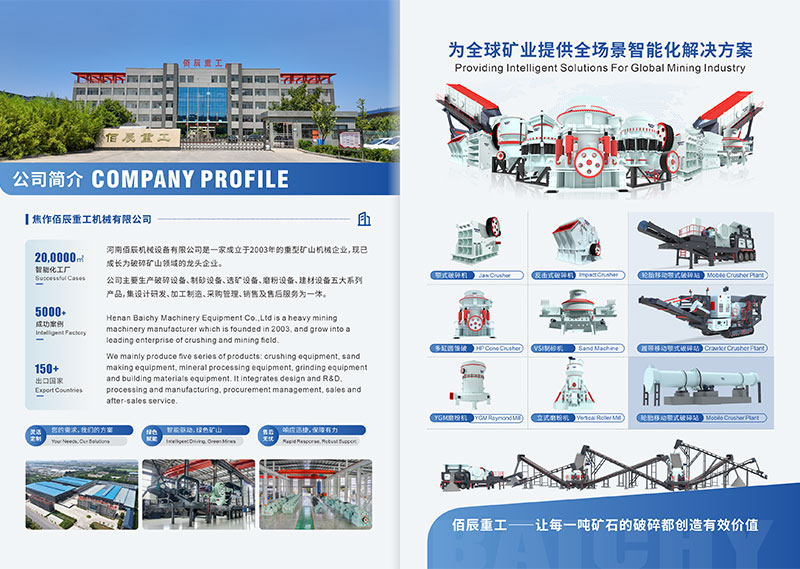
About of Baichy Heavy Industry
Baichy Heavy Industry is a high-tech mining equipment company integrating R&D, manufacturing, sales, and after-sales service. Focusing on crushing, grinding, and mineral processing equipment, we provide professional solutions to our customers. We are ISO9001:2015 、certified, and our products include mobile crushing palnts, crawler crushing plant, construction waste crushing plants, jaw crushers, sand making machines, cone crushers, fine crushers, grinding mills, ball mills, etc., all with reliable performance to meet diverse project needs.
Our advantages:
• Professional pre-sales support: Free project design and comprehensive solutions to help you accurately select the right equipment;
• Comprehensive on-site service: Providing installation guidance and worker training to ensure smooth equipment commissioning;
• Reliable after-sales guarantee: A complete after-sales system, timely response to technical inquiries and equipment maintenance, ensuring long-term stable operation.
To protect your rights, please contact us through the following official channels for professional service:
Official Website Customer Service
https://wa.me/+8615093222637
Email: [email protected]
We are committed to providing high-quality equipment and full-cycle services to deliver comprehensive intelligent solutions for the global mining industry!