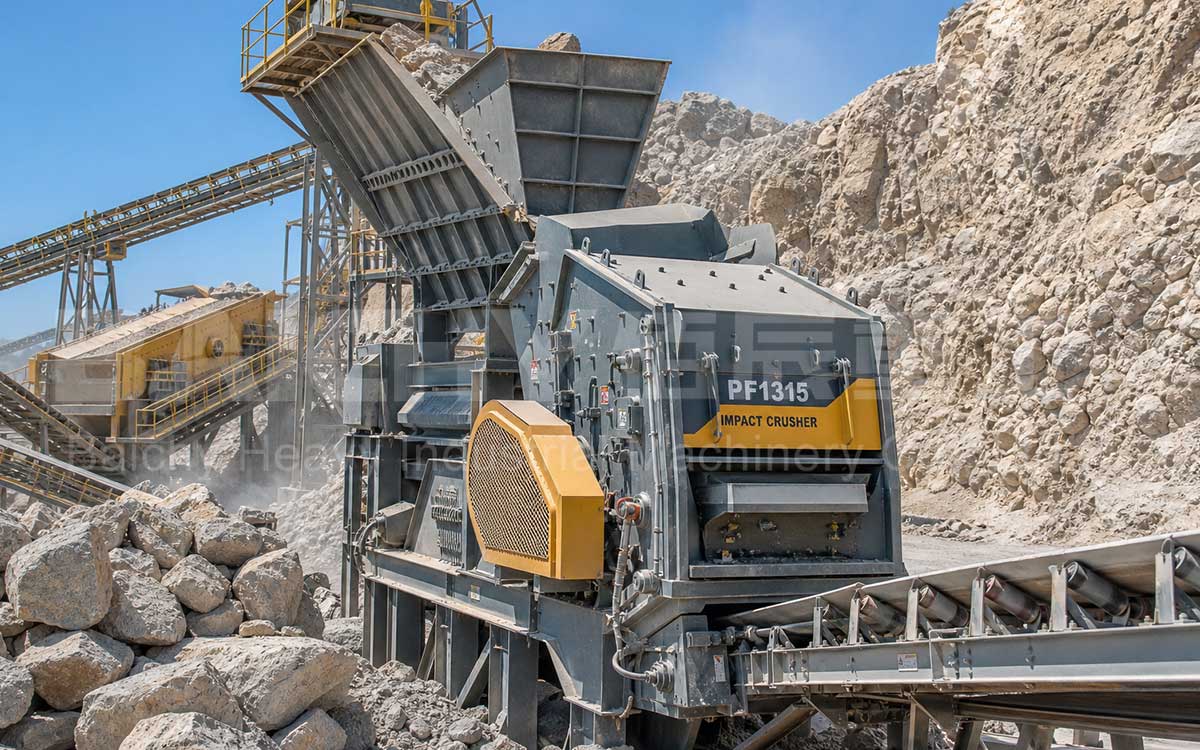

mining crushing equipment for Chile
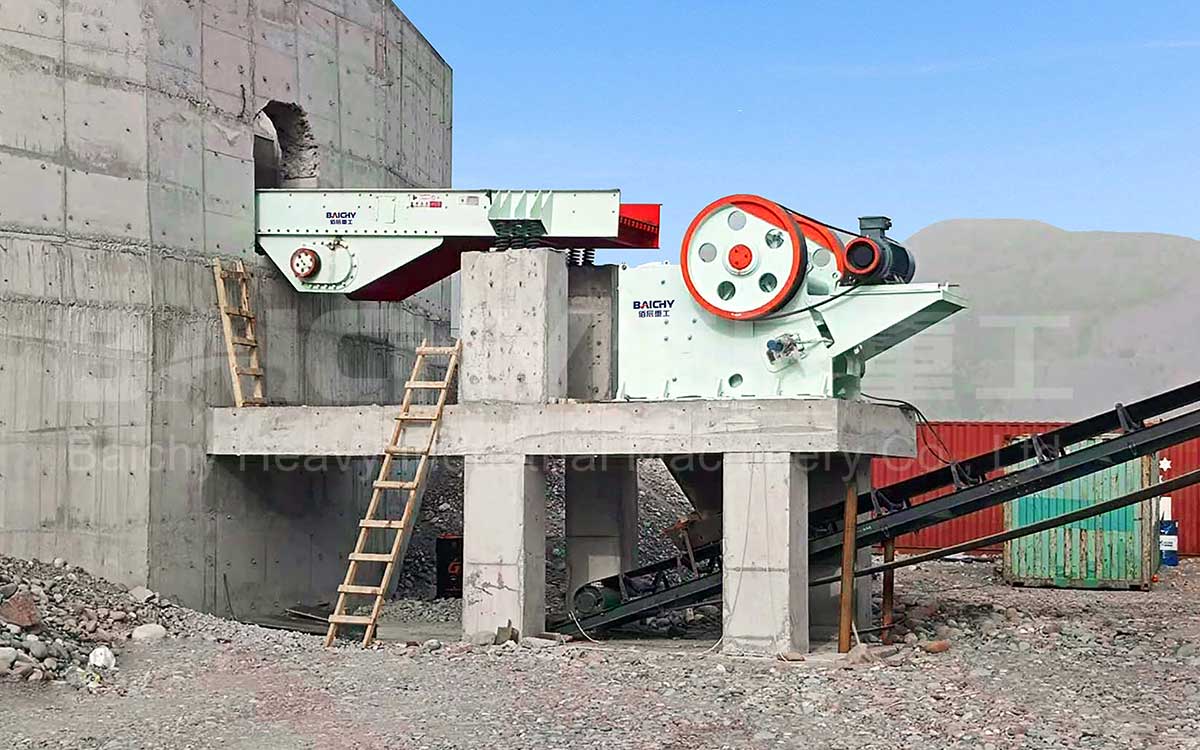
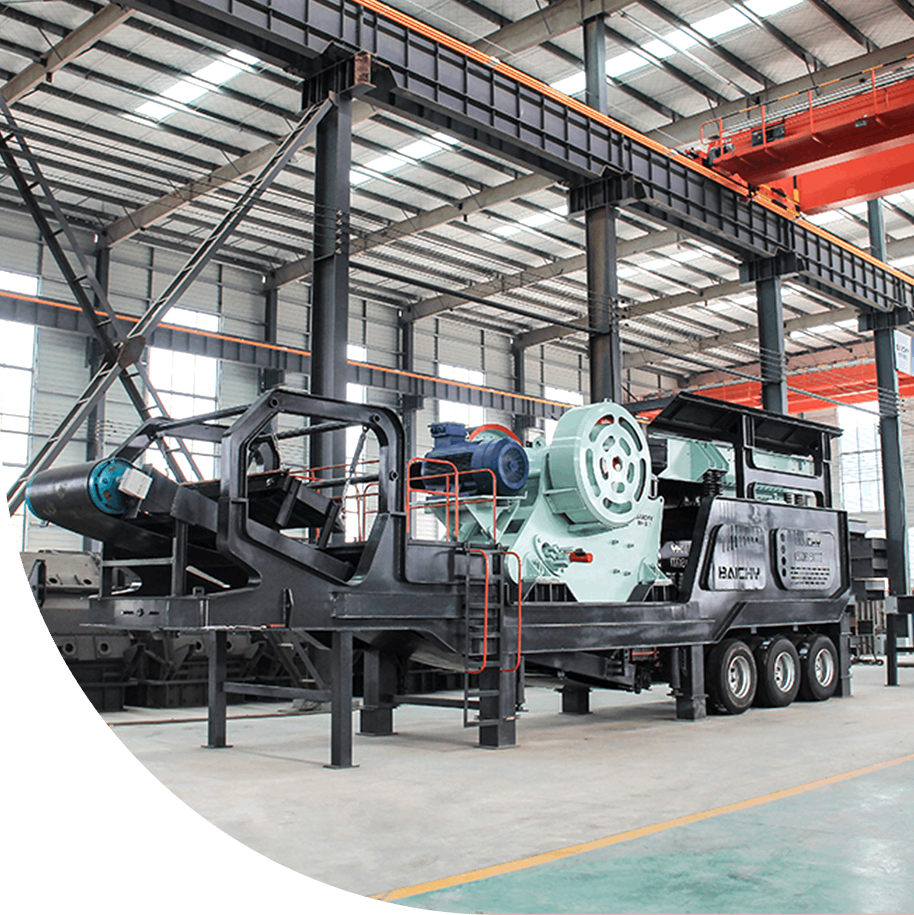
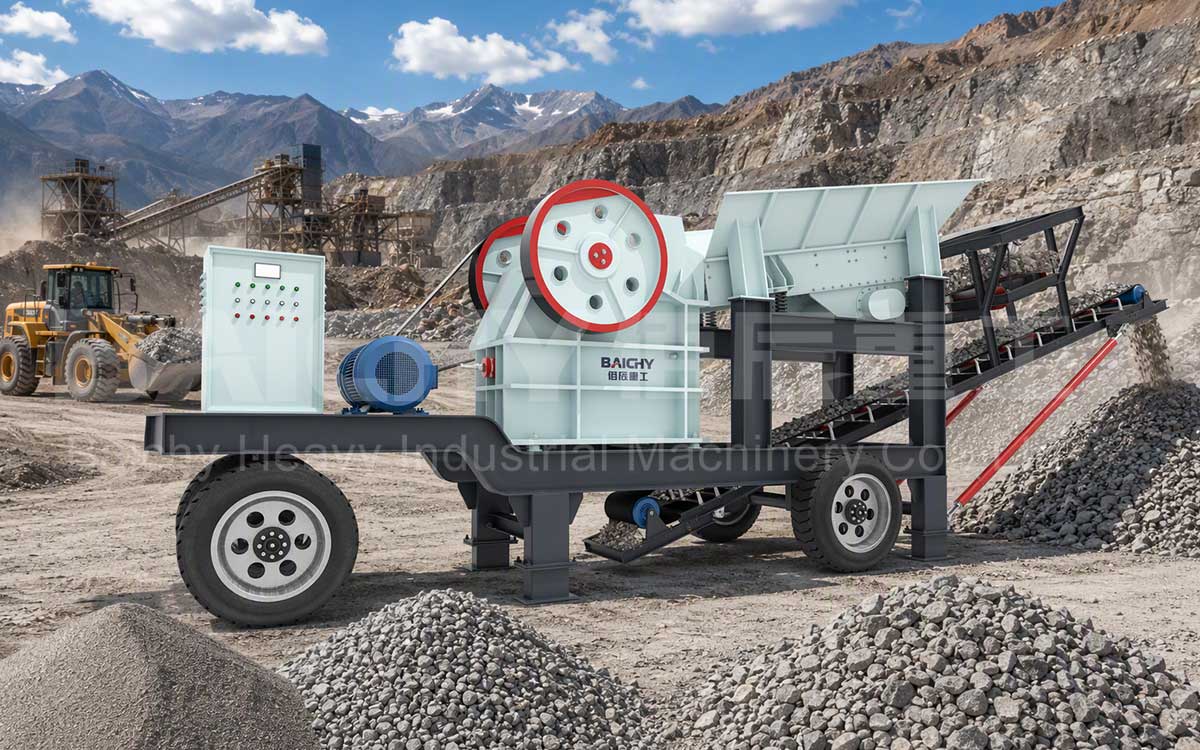
This PE400×600 + ZSW6520 mobile jaw crushing station is a "ready-to-use" solution designed for small-to-medium-sized copper mine quarries and road contractors in Chile. It is a complete primary crushing station transportable by a single semi-trailer; feeding, crushing, and conveying units are all integrated onto a heavy-duty chassis. Upon arrival at the site, no concrete foundation pouring is required, and production can begin within two hours. Operating in the andesite and granite conditions of northern Chile's copper mining regions, it delivers a stable output of 16–50 tons per hour, with a daily processing capacity of 100–400 tons.
It is fully compatible with Chile’s 380V/50Hz industrial power grid (Chile is one of the few South American countries using 50Hz, unlike most of the 60Hz Latin American market—so no motor modifications are needed). Shipping is available from the ports of Valparaíso or San Antonio, with a 15–20 day turnaround for arrival and customs clearance. Prices range from $8,000–$12,000 for the main crusher unit and $25,000–$35,000 for the complete mobile station—saving 40% on civil engineering and time costs compared to stationary production lines.
Why do small-to-medium mine owners in Chile need "mobility"?
1.1 Dispersed mine sites make stationary lines a "sunk cost"
Chilean copper mines are distributed from Antofagasta in the north to Rancagua in the center. Small-to-medium contractors often follow mining rights or specific projects—working in Region III this year and potentially moving to Region IV the next. Stationary crushing stations requiring concrete foundations cannot be moved or dismantled, turning the investment into a direct sunk cost.
The mobile station solution: The PE400×600 mobile station is mounted on a heavy-duty wheeled chassis and can be transported by road using a single semi-trailer. When a project ends, you simply tow it away—the equipment stays with you, not the mine.
1.2 Andes Mountain rock is no ordinary stone
The andesite and granodiorite associated with Chilean copper mines typically feature a uniaxial compressive strength of 150–300 MPa and a Mohs hardness of 6–7. Under these operating conditions, jaw plates on standard jaw crushers typically wear out and require replacement within 30–45 days. The PE400×600 comes standard with ZGMn13 high-manganese steel jaw plates (upgradable to Cr26 high-chromium cast iron), offering a proven service life of 60–90 days and keeping annual replacement costs under $2,000.
1.3 High Altitude + Remote Mining Site = High Installation Costs
Mining sites in the Andes range from 2,500 to 4,500 meters in altitude; large cranes and concrete mixer trucks cannot access these locations, causing civil engineering costs to skyrocket. The mobile crushing station features built-in hydraulic support legs; upon arrival, it simply requires leveling, stabilization, and electrical connection—eliminating the need for any concrete work. It can be put into operation by two people in just two hours.
1.4 Chile’s 50Hz Power Grid—A Natural Compatibility Advantage
Across South America, Chile is the only country using a 50Hz grid, while others (Peru, Argentina, Brazil, Bolivia) use 60Hz. This means most "South America-standard" equipment requires motor modifications or the addition of variable frequency drives (VFDs) for use in Chile. The PE400×600 comes standard with a 30kW / 380V / 50Hz motor, ensuring native compatibility with Chile’s industrial power grid—requiring zero modifications and resulting in no power derating.
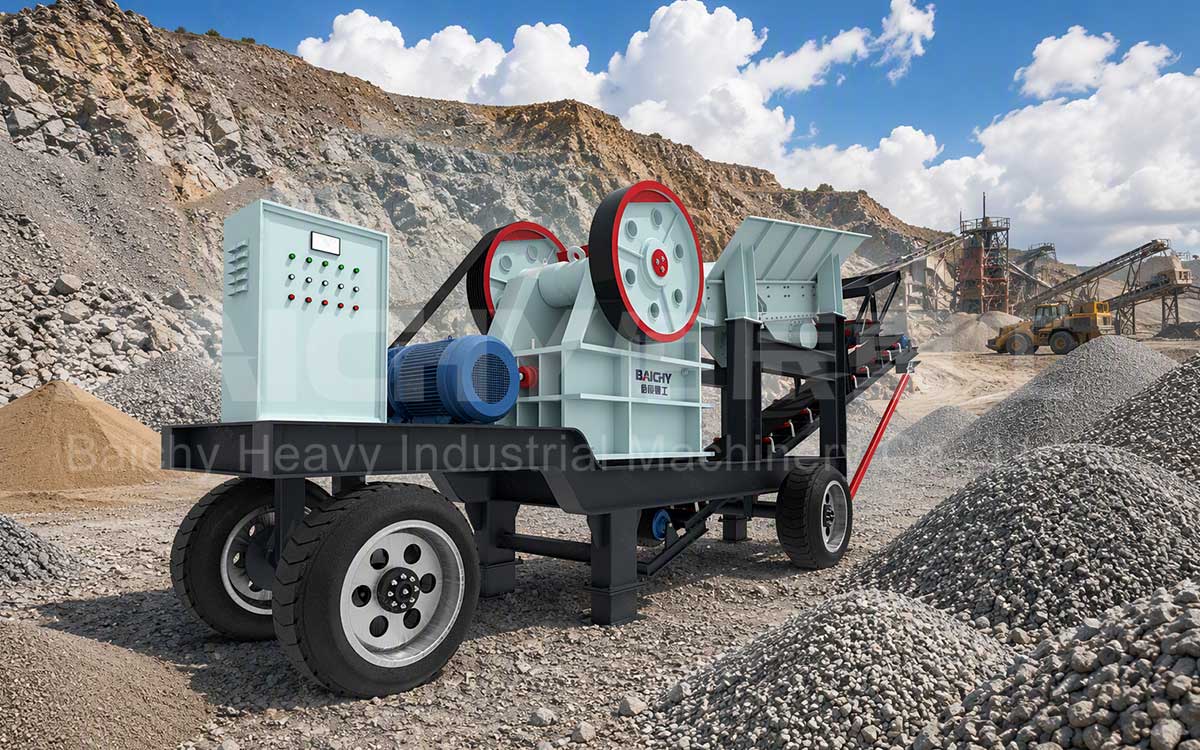
Mobile crushing station for Chile
Core Specifications
| Parameter | PE400×600 Mobile Jaw Crushing Station | Function |
| Jaw Crusher Model | PE400×600 (Feed opening: 400×600 mm) | Directly accepts ore/rock with diameters ≤340 mm; no secondary crushing required |
| Feeder | ZSW6520 Vibrating Grizzly Feeder | Grizzly bars provide pre-screening; fines bypass the jaw crusher—increasing effective capacity by 15–20% and reducing unnecessary jaw plate wear |
| Processing Capacity (Hard Rock) | 16–50 tph (depending on discharge setting) | Daily processing capacity of 100–400 tonnes. Based on Chilean construction aggregate prices of $12–$18/ton, daily output value is $1,200–$7,200. |
| Discharge opening adjustment range | 40–100 mm | 40–60 mm for construction aggregates (0–5, 5–10, 10–20 mm); 70–100 mm for road base/mine backfill materials. |
| Motor power | 30 kW / 380 V / 50 Hz | Electricity cost is only $4.5/hour (based on the Chilean mining electricity rate of $0.15/kWh); electricity cost per ton is $0.09–$0.28. |
| Jaw plate material | ZGMn13 high-manganese steel (upgradable to Cr26) | Service life of 60–90 days for andesite/granite applications; replacement cost per set is $350–$450. |
| Total machine weight | ~12–15 tons (including chassis, feeder, jaw crusher, and conveyor belt) | Transportable via standard semi-trailer; no special vehicle permits required. |
| Chassis type | Heavy-duty wheeled chassis + hydraulic outriggers | Road-legal for transport; outriggers deploy to stabilize the unit upon arrival at the mine—no concrete foundation required. |
| Power compatibility | 380 V / 50 Hz (Chilean standard) | Connects directly to the Chilean power grid without modification. Customizable Diesel Generator Set Solution |
| Dimensions (transport mode) | ~8.5 × 2.5 × 3.8 m (L×W×H) | Compatible with 40FR flat-rack containers or Ro-Ro shipping |
| Commissioning effort | 2 people × 2 hours | Saves 7–15 days on installation time and tens of thousands of dollars in civil engineering costs compared to fixed lines |
| Suitable materials | Andesite, granite, copper ore, basalt, river pebbles, limestone | Covers major mining areas in Chile |
Application scenarios for this equipment
✅ Suitable for:
Small-to-medium copper mines/quarries (100–400 tons/day): Production capacity is precisely matched to avoid wasted investment.
Road/mining contractors: Easily towed away upon project completion; the equipment follows the project, not the mine site.
Remote mining areas (high altitude, poor road conditions): No need for large cranes to transport up the mountain; installation can be completed by just two people.
Startup mine owners (budget under $30,000): Complete mobile station costs $25,000–$35,000; risk is manageable.
Rental companies requiring frequent site transfers: Road-legal transport; relocation costs are extremely low.
⚠️ Unsuitable scenarios:
Daily output >500 tons → Recommend PE600×900 mobile station or fixed line. Overloading the PE400×600 will cut the jaw plate lifespan in half.
Feed size >350mm → Requires a front-end hydraulic breaker or selection of the PE500×750 model. Otherwise, frequent material jams will cause actual output to plummet.
Need to produce manufactured sand (0–5mm) → Must be paired with a mobile cone crusher or VSI sand-making machine for secondary crushing. A single jaw crusher cannot produce sand directly.
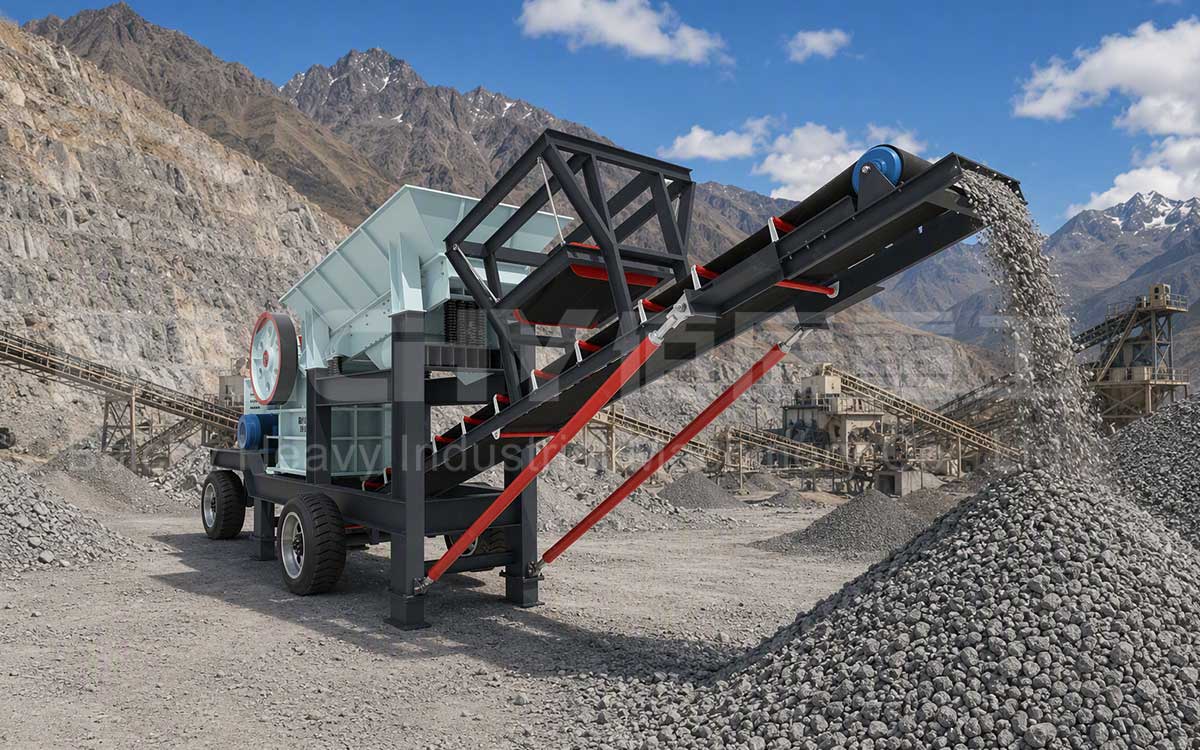
PE400×600 jaw crusher
4. FAQ
Q1: Can the PE400×600 crush andesite from Chilean copper mining areas?
Yes. The PE400×600 comes standard with ZGMn13 high-manganese steel jaw plates, capable of processing andesite and granodiorite with compressive strengths of 150–300 MPa. We recommend setting the discharge opening between 50 mm and 70 mm to achieve the optimal balance between production capacity and jaw plate service life.
Q2: Chile uses a 50Hz power grid; do your machines require motor modifications?
No. We supply 380V/50Hz motors as standard for the Chilean market; they are natively compatible with the local industrial grid, requiring no modifications or power derating. Unlike most "South American standard" units (which default to 60Hz), you do not need to add a variable frequency drive (VFD) or replace the motor.
Q3: How long does shipping to Chile take, and what is the cost?
Sea freight from the port of Shanghai or Tianjin to Valparaíso or San Antonio takes approximately 28–35 days. The entire mobile crushing station fits into a single 40-foot flat-rack container. Shipping costs depend on current rates (we recommend providing the destination port for an accurate quote). After customs clearance, the unit can be transported via Chile's extensive road network to any mining site.
Q4: What are the practical benefits of the ZSW6520 feeder's "grizzly bar pre-screening"?
The gap between the grizzly bars is typically set at 30–50 mm. Fine material, soil, and debris smaller than this gap fall through directly without entering the jaw crusher's crushing chamber. This offers three direct benefits:
(1) Effective jaw crusher capacity increases by 15–20%;
(2) Reduced jaw plate wear—fine material acts as an abrasive medium that causes significant wear;
(3) Lower soil/fines content in the final product.
Q5: Will there be a loss of power at the high altitudes (3,000m+) found in Chilean mining areas?
High altitudes can reduce motor heat dissipation efficiency and cause power derating in diesel engines. Our standard configuration accounts for this, ensuring no derating is required for altitudes up to 3,000 meters. For mining sites located above 3,500 meters, it is recommended to select high-altitude-rated motors (with upgraded insulation classes) or diesel generator sets with a power rating increased by 10–15%. The specific solution will be tailored to your actual altitude.