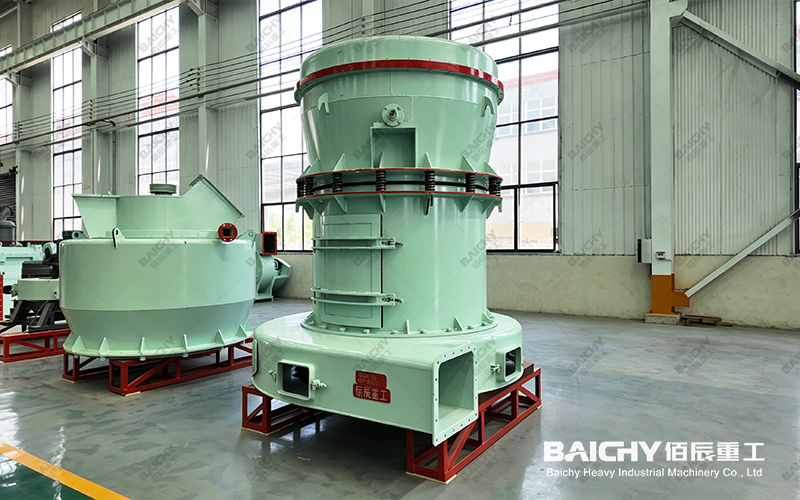
Calcium Carbonate Grinding Mill for Brazil
YGM High-Pressure Suspension Grinding Mill: The Cost-Effective Solution for Everything from Agricultural Lime to Plastic Fillers
For powder producers spanning Brazil’s agricultural heartland in the Center-West and its industrial belt in the Southeast, the YGM High-Pressure Suspension Grinding Mill offers the lowest cost-per-ton solution to serve the dual markets of agricultural lime and industrial Ground Calcium Carbonate (GCC). In 2022, Brazil’s agricultural lime production reached approximately 57 million tons—a 58% increase since 2012—yet the Brazilian Limestone Association (Abracal) estimates ideal consumption at 70–80 million tons, indicating a market gap of 25%–40%. Meanwhile, Brazil’s GCC market was valued at US$362 million in 2024 and is projected to grow to US$485 million by 2033 (Grand View Research).
Baichy Heavy Industry’s YGM series reliably meets demands ranging from soil amendment (80–425 mesh) to fillers for plastics, coatings, and paper. Featuring a variable-frequency classifier that allows for fineness adjustments in just 10 seconds and a power system customized for Brazil’s 380V/60Hz grid, this mill is the premier profitable choice for medium-sized Brazilian powder plants looking to serve two distinct markets with a single machine.
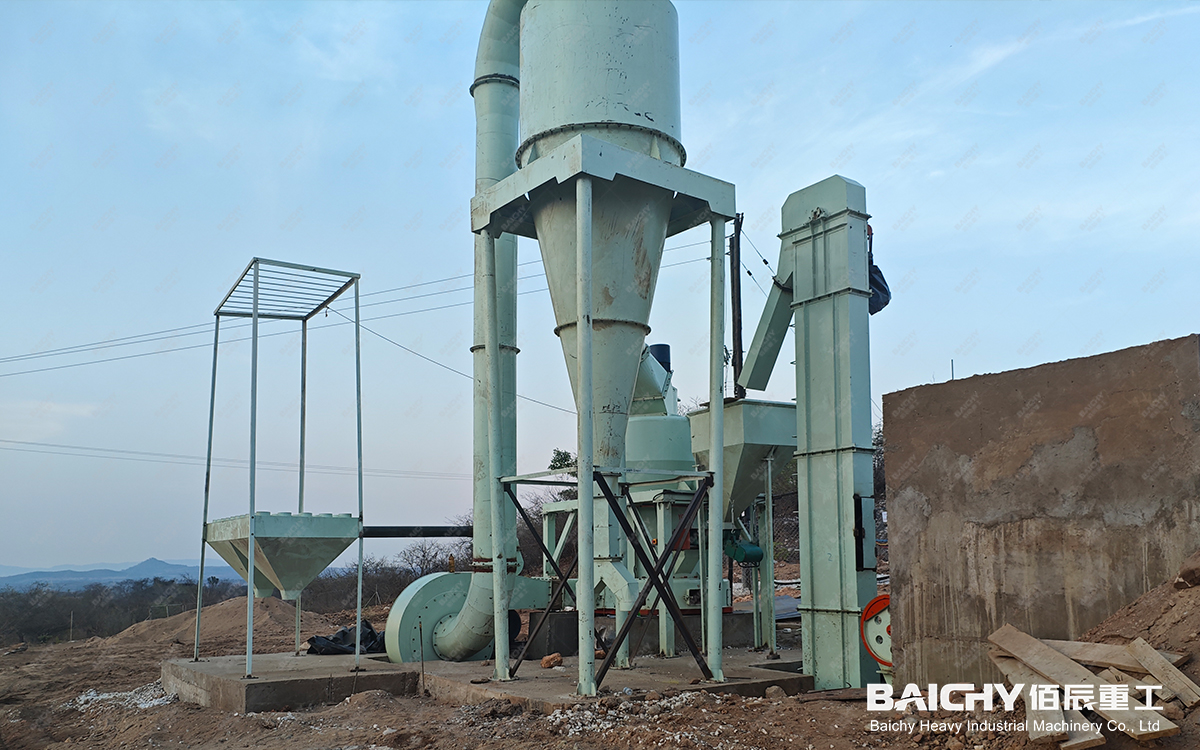
Tanzania YGM75 Grinding Production Line
1. Critical Pain Points: Three Common Mistakes Made by Brazilian Calcium Carbonate Processing Plants
• Mistake 1: Separate production lines for agricultural lime and industrial fillers, leading to idle capacity. Major soybean, corn, and sugarcane regions in the Brazilian Cerrado (Mato Grosso, Goiás, and Minas Gerais) have a constant demand for lime to amend acidic soil; however, agricultural lime sales are concentrated in the pre-planting season, leaving equipment idle for 4–6 months a year. Building a separate 325-mesh filler line results in redundant investment in main units, motors, and facilities. Only a mill capable of switching fineness levels allows for full-load operation year-round.
• Mistake 2: Neglecting 60Hz grid compatibility; using 50Hz motors results in reduced production capacity. The standard for industrial three-phase power in Brazil is 380V/60Hz (though 440V is found in some states and older industrial zones). A "compromise solution"—pairing a standard 50Hz motor with a variable frequency drive (VFD)—causes deviations in fan airflow and spindle torque due to the change in rotational speed; actual production output can drop by 15%, or the motor may even overheat and burn out. This is the most common source of hidden malfunctions in imported equipment in Brazil.
• Misconception 3: Focusing solely on the price of the main unit while overlooking import clearance costs and spare parts lead times. Importing equipment into Brazil entails various levies—such as the Import Duty (II), Industrial Products Tax (IPI), and PIS/COFINS—bringing the total tax burden to 40%–60% of the cargo value. Relying on urgent overseas air freight for wear parts (like grinding rollers and rings) can result in shipping costs for a single shipment that wipe out an entire month's profit. Furthermore, omitting components like pulse dust collectors and variable-frequency classifiers from the initial quote not only leads to failure in passing CONAMA environmental inspections upon arrival but also creates significant operational difficulties regarding product fineness adjustments and spare parts logistics.
2. YGM High-Pressure Suspension Roller Mill Selection Chart
| Model | No. of Rollers | Max. Feed Size | Finished Product Fineness | Typical Capacity (t/h) | Main Motor Power |
| YGM75 | 3 rollers | ≤ 20 mm | 80–425 mesh | 0.5 – 2.5 | 37 kW |
| YGM95 | 4 rollers | ≤ 25 mm | 80–425 mesh | 1.5 – 5 | 75 kW |
| YGM130 | 5 rollers | ≤ 30 mm | 80–425 mesh | 4 – 10 | 110 kW |
| YGM160 | 6 rollers | ≤ 35 mm | 80–425 mesh | 8 – 16 | 132 kW |
Note: The above are typical configuration parameters; actual capacity varies based on raw material hardness, feed size, and target fineness (at the same fineness level, capacity for 200-mesh powder is approximately 1.5 times that of 325-mesh powder). Production of 800–1250 mesh ultrafine ground calcium carbonate (GCC) can be achieved by pairing the unit with a three-ring micro-powder mill or by increasing the classifier speed via a variable frequency drive. Final specifications are subject to the signed technical agreement.
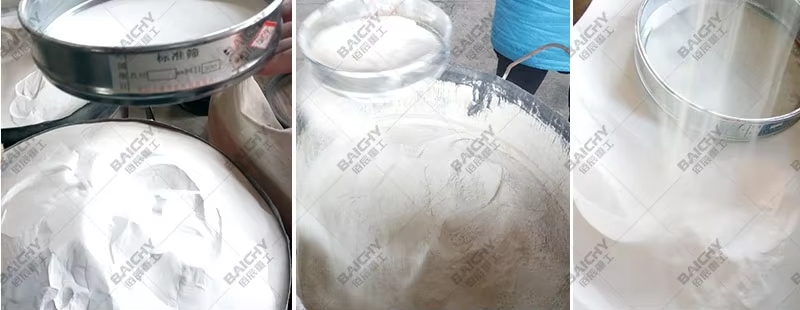
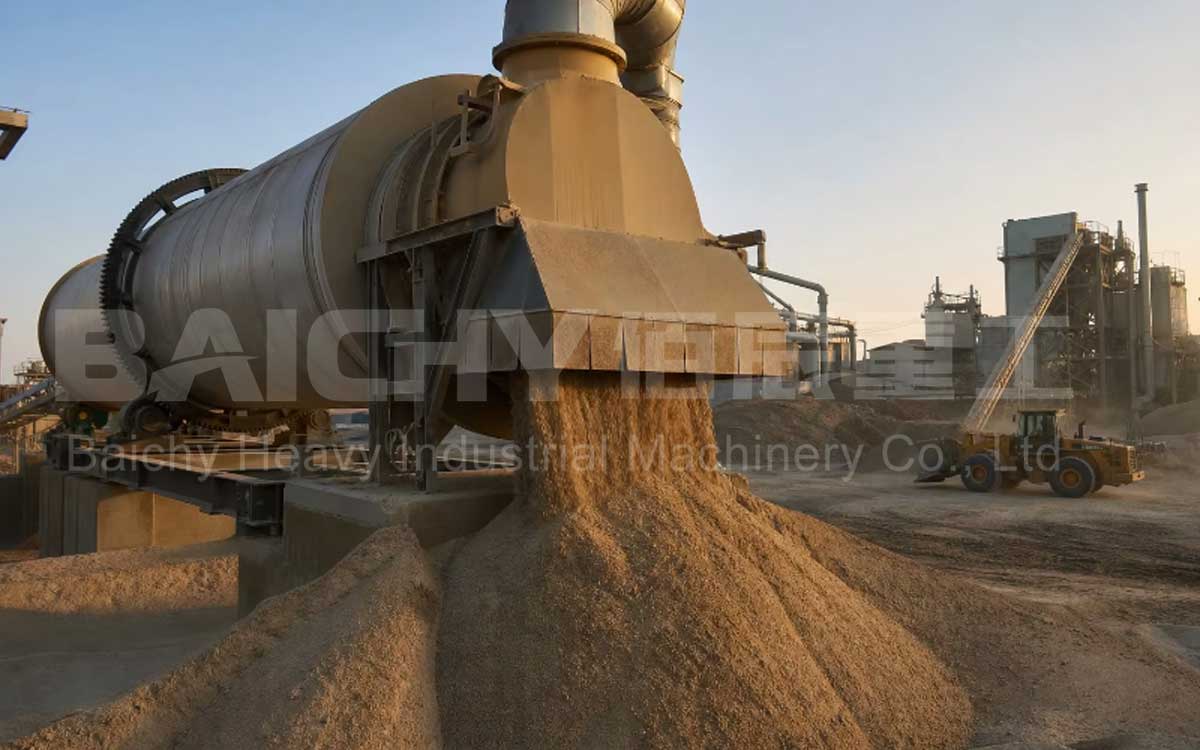
Finished product from the powder grinding production line
3. Selection Recommendations: Who Should (and Shouldn't) Buy
Recommended for:
• Mine owners in the Midwest and South (MT, GO, MG) who own calcite/limestone mines and wish to supply both 60–100 mesh agricultural lime and 200–325 mesh GCC for construction/industrial use—the YGM160 is the top choice;
• Masterbatch and coating manufacturers in the São Paulo metropolitan area and Rio Grande do Sul (RS) who need to produce their own 325–800 mesh filler powder to avoid upstream price hikes—choose the YGM130 for medium-sized projects;
• Formalized factories that have passed CONAMA environmental pre-screening and require a closed-loop system with pulse dust collection.
Not recommended for:
• Small-scale, workshop-style processing sites with a production capacity of less than 0.5 t/h (we suggest evaluating smaller models like the YGM83 or considering a toll processing arrangement instead);
• Materials with high silica content (SiO₂ > 3%) or a Mohs hardness above 7 (a ball mill plus classifier setup or an ultrafine vertical mill should be used instead to avoid excessive wear on grinding components).
4. FAQ
Q1: The Brazilian plant uses 380V/60Hz three-phase power; is this mill directly compatible?
A1: Yes, this is a core strength of our localization strategy. The entire system (main motor, blower, variable-frequency classifier, electromagnetic feeder) is custom-configured for Brazil’s 380V/60Hz standard (or 440V in some regions) and equipped with high-efficiency 60Hz motors from international brands like Siemens or WEG. We avoid compromise solutions—such as pairing a 50Hz motor with a basic frequency converter—to ensure matched airflow, stable current, and no risk of overheating. We have a track record of delivering this series in other 60Hz Latin American markets (Chile, Mexico, Colombia) and can facilitate remote factory inspections.
Q2: Can the same equipment switch between producing agricultural lime (*calcário agrícola*) and 325-mesh industrial filler?
A2: Yes. The YGM series comes standard with a variable-frequency classifier; simply adjusting the impeller speed allows for continuous particle size control within the 80–425 mesh range. You can produce 100-mesh agricultural lime (meeting PRNT standards) during the planting season and switch to 325-mesh filler for plastic masterbatches and coatings during the off-season. No mechanical parts need to be changed during the switch, and settings can be updated via the control panel in just 10 seconds. If ultrafine powder (800–1250 mesh) is required, the main unit can be fitted with a finer classification system or upgraded to a three-ring micro-powder mill configuration.
Q3: How often do the grinding rollers and rings need replacing? How is spare part supply ensured for the Brazilian market?
A3: When processing calcite (Mohs hardness 3, SiO₂ < 1.5%), the service life of Mn13Cr2 high-manganese steel grinding rollers and rings is approximately 1,800–2,400 hours. Based on 10 hours of daily operation, replacement is required every 6–8 months, with wear costs ranging from 0.3 to 0.8 USD per ton. We recommend that customers order a spare set of grinding parts to be shipped alongside the main equipment upon delivery. Subsequently, we suggest an 8-month procurement cycle using sea freight (transit time to the Port of Santos or Paranaguá is approximately 35–45 days) to avoid the high costs associated with expedited air freight.
Q4: What equipment is included in a complete calcium carbonate grinding line? Are the site foundation requirements in Brazil demanding?
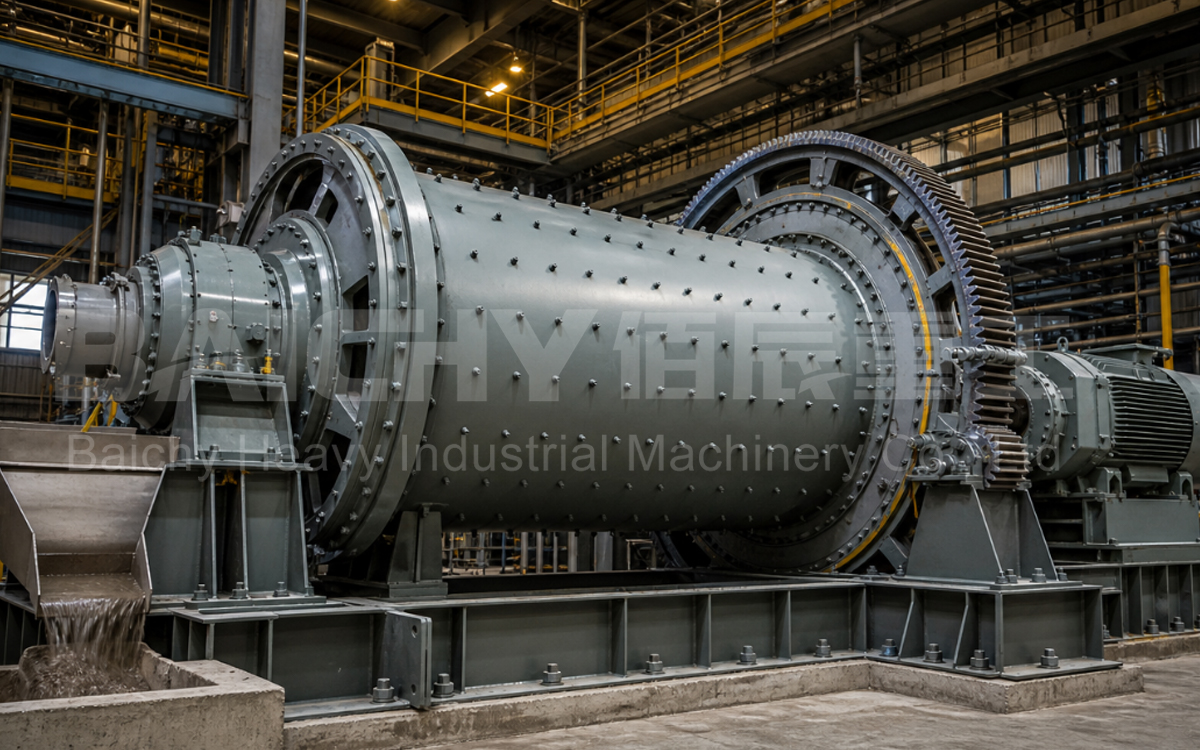
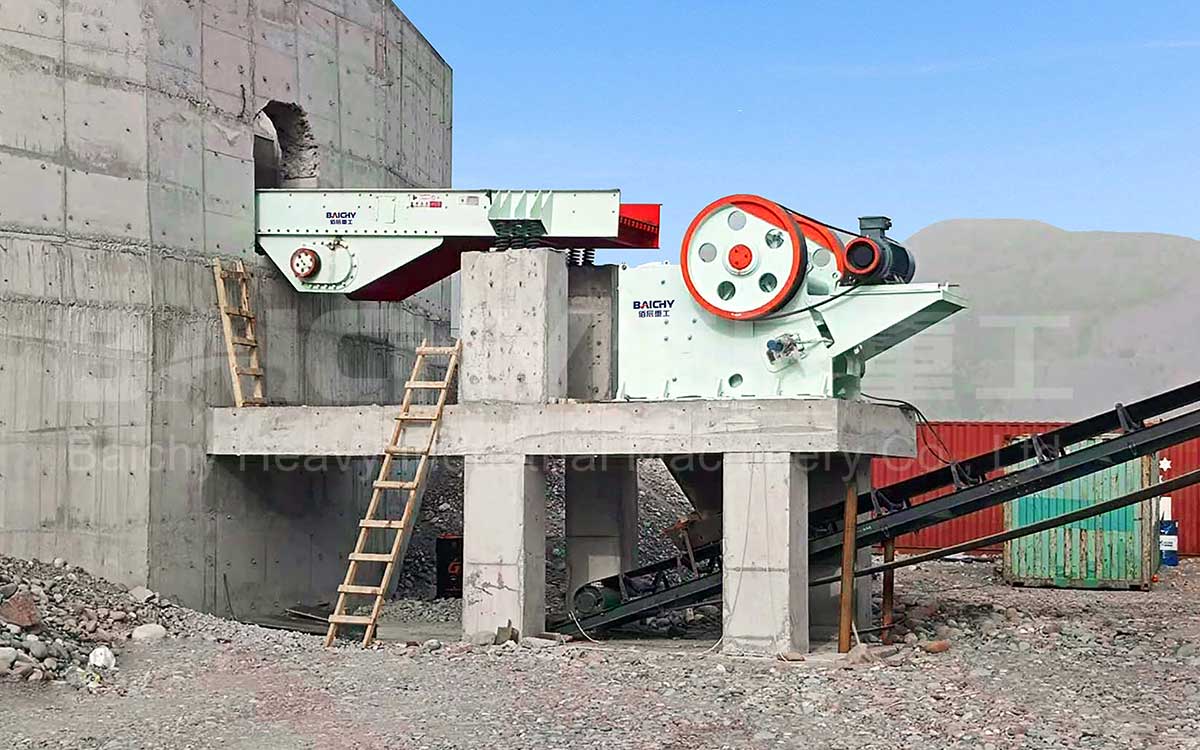
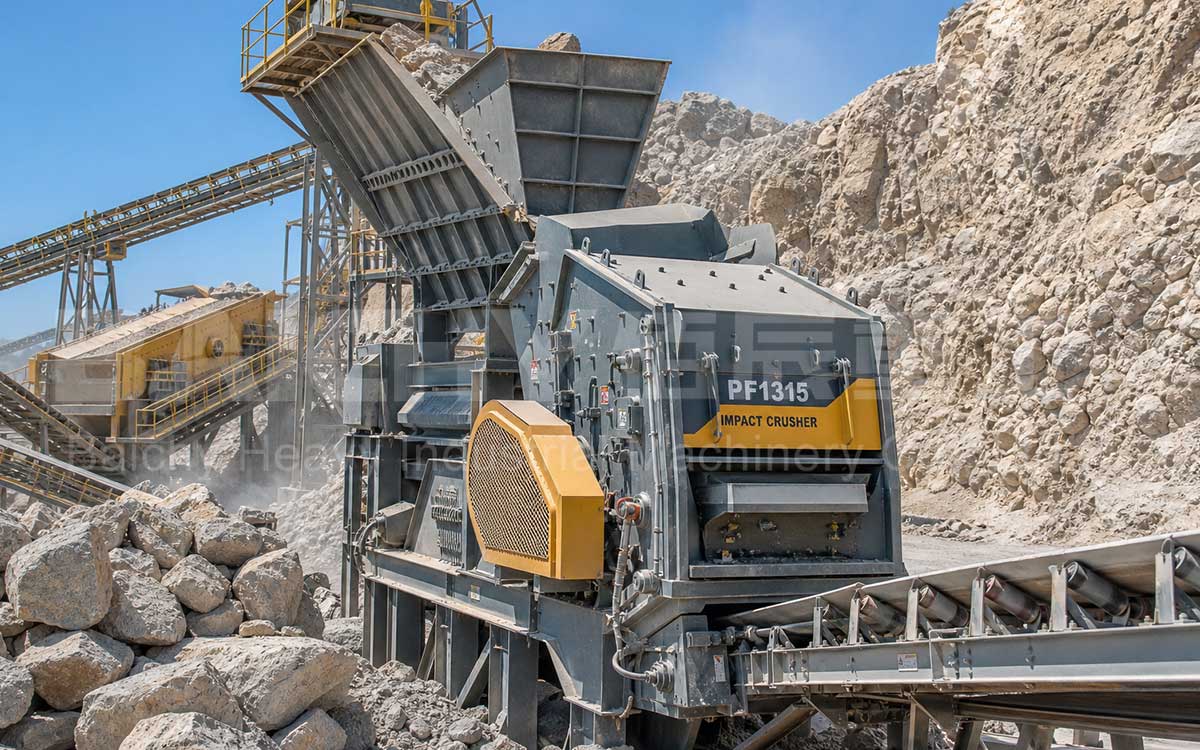
A4: The standard configuration includes: Jaw Crusher (primary crushing) → Bucket Elevator → Electromagnetic Vibrating Feeder → Main Grinding Mill → Variable Frequency Classifier → Cyclone Collector → Pulse Bag Dust Collector → Blower → Electrical Control Cabinet. On-site requirements are simple: pour a concrete platform according to our foundation drawings and provide a power supply (380V/60Hz). The entire system operates in a closed-loop, negative-pressure environment, preventing external dust leakage. We provide comprehensive manuals and foundation drawings in Portuguese/English and offer video-based guidance for installation and commissioning.
Q5: What are the import duties and payment procedures in Brazil? How does Baichy assist with customs clearance?
A5: The total tax burden for importing equipment into Brazil (II + IPI + PIS/COFINS + ICMS) is high, and rates vary by state. We provide detailed NCM (Mercosur Common Nomenclature) classification advice and commercial invoice templates tailored to the destination port and recipient state, assisting your customs broker in completing the declaration. Regarding payment, we accept wire transfers with a 30%–50% deposit and the balance due prior to shipment; for large orders, payment via Letter of Credit (L/C) can be negotiated. Complete units are shipped via sea freight—using 40HQ containers or LCL (Less than Container Load)—to the ports of Santos, Rio de Janeiro, or Paranaguá.