
Stone Crushing & Aggregate Equipment
Stone crushing and aggregate equipment" is never merely a single machine; rather, it constitutes a processing chain that determines the selling price of the finished product and the project's profitability. The stages—feeding, primary crushing, secondary/tertiary crushing, screening, sand making, and sand washing—are all indispensable. The entire logic behind equipment selection boils down to one principle: first, test the material hardness; next, determine the required product gradation; and finally, use the target production capacity to reverse-engineer the configuration of the entire line.
I. What is stone crushing and aggregate equipment?
1.1 What equipment makes up an aggregate production line?
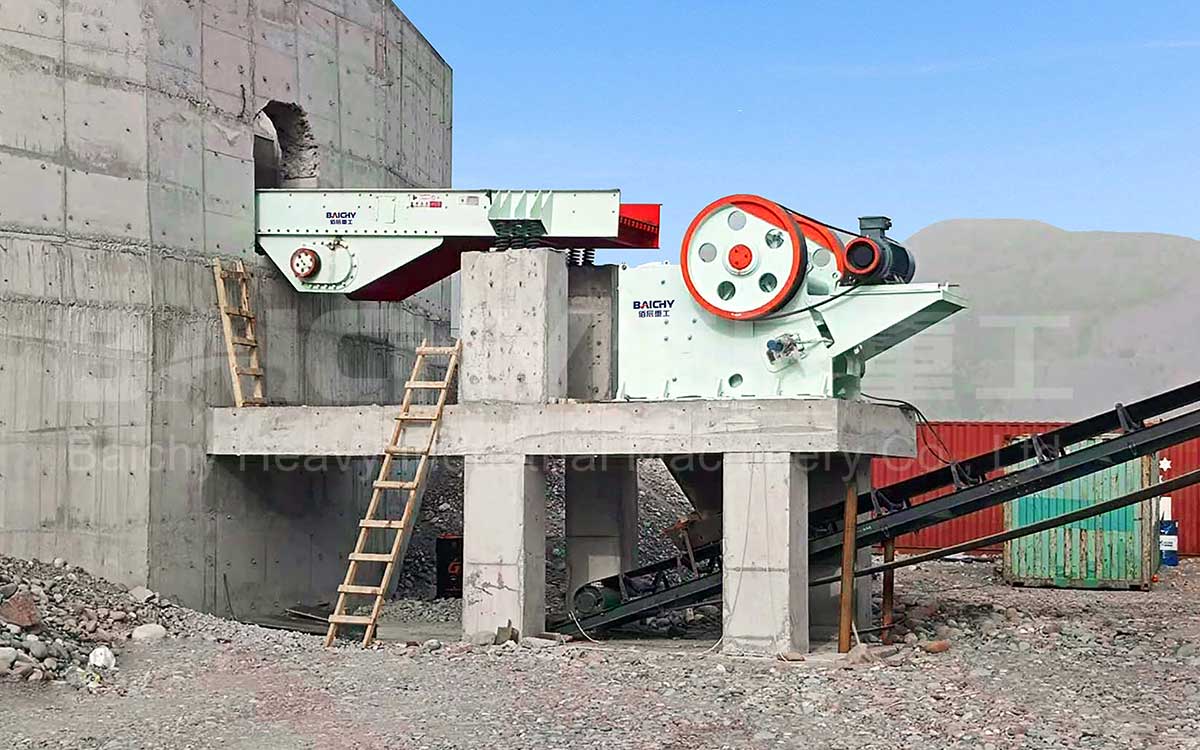
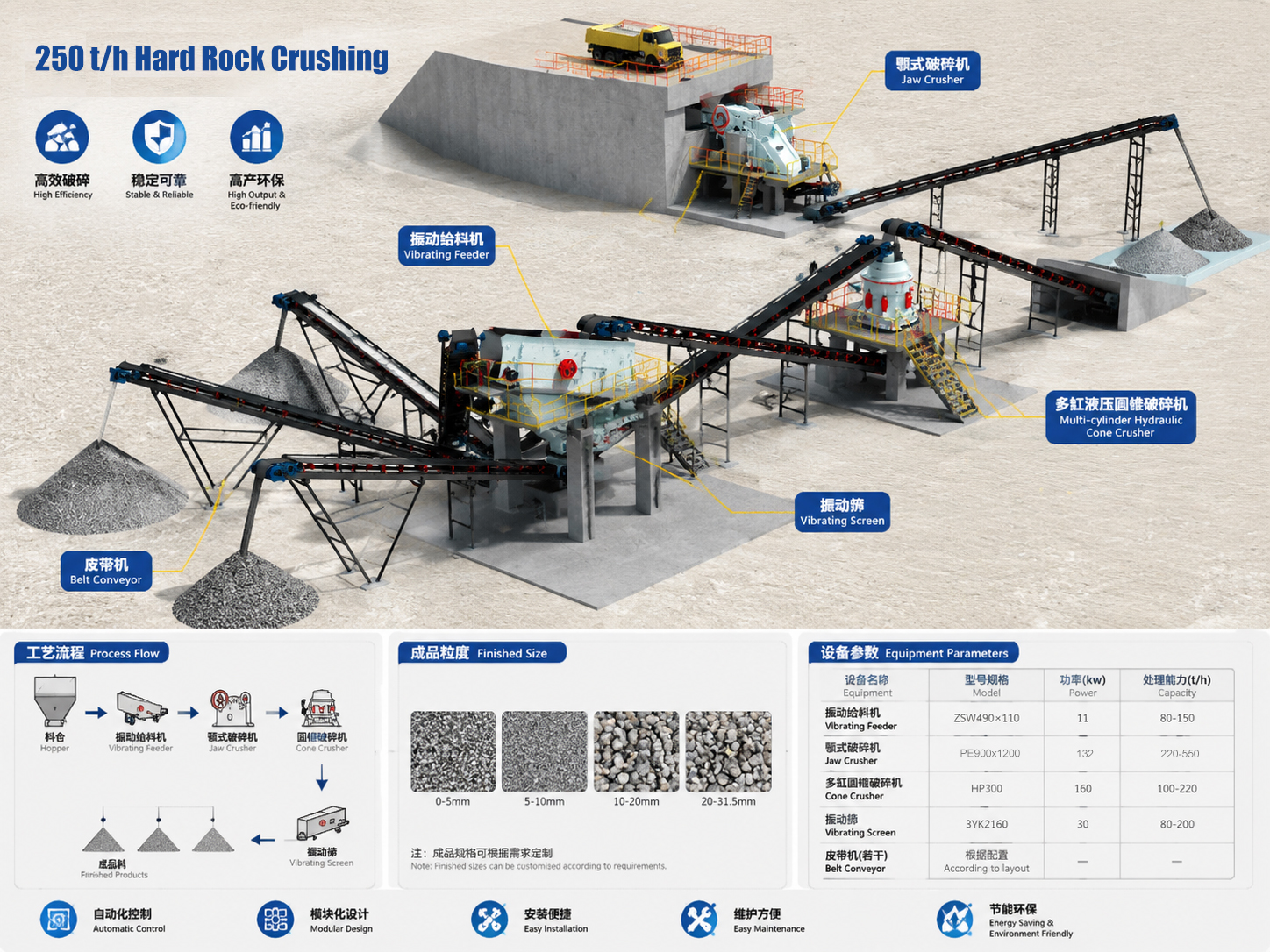
Standard stone crushing equipment is categorized into five major process stages: a vibrating feeder ensures steady material supply and pre-screens out soil; a jaw crusher handles primary crushing, reducing raw quarry stone to under 150mm; a cone crusher or impact crusher performs secondary and tertiary crushing; a circular vibrating screen manages classification, producing finished sizes such as 0–5mm, 5–10mm, 10–20mm, and 20–31.5mm; and finally, VSI sand makers and sand washers are configured as needed to process undersized material into cubical manufactured sand. Belt conveyors link these stages into a continuous production line—if any single stage falters, the capacity of the entire line suffers. Therefore, a competent equipment solution must account for material recirculation rates, moisture content, and silt/clay content; otherwise, actual plant output will inevitably fall short of expectations.
1.2 Why does aggregate quality determine engineering quality?
Aggregates account for approximately 60%–75% of concrete volume; their particle shape, gradation, and silt/clay content directly determine the concrete's strength and pumpability. Consequently, when inspecting and accepting materials, buyers always focus on three key factors: continuous gradation, low content of flaky and elongated particles, and controlled fines content—all of which are determined by the quality of the output from the crushing equipment. In other words, aggregate is a commodity whose value is "defined by the equipment": using the right crushing equipment allows the same raw ore to be sold as premium aggregate, whereas using the wrong equipment relegates it to low-value backfill material. This is precisely why aggregate producers are willing to invest in high-quality crushing production lines.
II. Typical Application Scenarios
Highway and Railway Engineering: Roadbed cushion layers and high-grade bridge concrete require continuously graded crushed stone (5–31.5 mm); a standard hard-rock processing configuration—jaw crusher + cone crusher + triple-deck vibrating screen—is commonly used.
Hydropower and Airport Projects: Dam concrete and airport runway surfaces demand strict adherence to strength and abrasion resistance standards; a cone crusher shaping process (minimizing flaky and elongated particles) is the preferred choice, with electrical control systems customized to local voltage and frequency.
Commercial Concrete and Mortar Plants: In-house aggregate production lines secure raw material supplies and control costs; simultaneous production of 0–5 mm manufactured sand and 5–25 mm crushed stone eliminates reliance on external suppliers and exposure to price fluctuations.
River Remediation and Manufactured Sand Substitution: Crushing river pebbles and cobbles to produce sand alleviates pressure caused by natural sand depletion and illegal sand mining; this represents the fastest-growing market segment in the Philippines and Vietnam.
Construction Waste Recycling: Mobile crushing stations process concrete blocks and brick rubble on-site, allowing recycled aggregates to be reused directly in roadbeds or manufactured products; combined with policy support, this offers substantial returns.
While scenarios vary, the equipment selection logic remains consistent: whether for highways, water conservancy, or recycled aggregates, stone crushing equipment should be initially selected based on three key factors—hardness, gradation, and capacity—rather than price. Ultimately, every application scenario tests the same fundamental capability: the equipment's ability to consistently produce aggregates meeting gradation specifications under continuous, high-load operation.
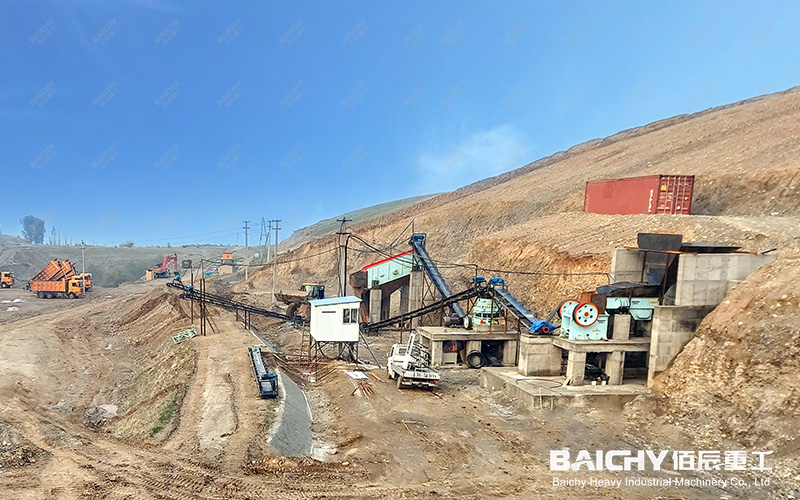
stone crushing equipment
III. Core Equipment Selection and Parameter Reference Table
The table below summarizes the core parameter ranges for each stage of a typical stone crushing plant, serving as a reference for initial project selection:
| Stage | Equipment Type | Representative Models | Max. Feed Size (mm) | Capacity Range (t/h) | Core Function |
|---|---|---|---|---|---|
| Feeding | Vibrating Feeder | ZSW Series | ≤750 | 80–560 | Uniform feeding; pre-screening to remove soil |
| Primary Crushing | Jaw Crusher | PE250×400 ~ PE900×1200 | ≤750 | 5–220 | First-stage crushing; handles large raw stones |
| Secondary/Fine Crushing | Cone Crusher | PYB900 / CS / HP Series | ≤350 | 45–700 | Secondary crushing of hard rock; produces uniform particle shape |
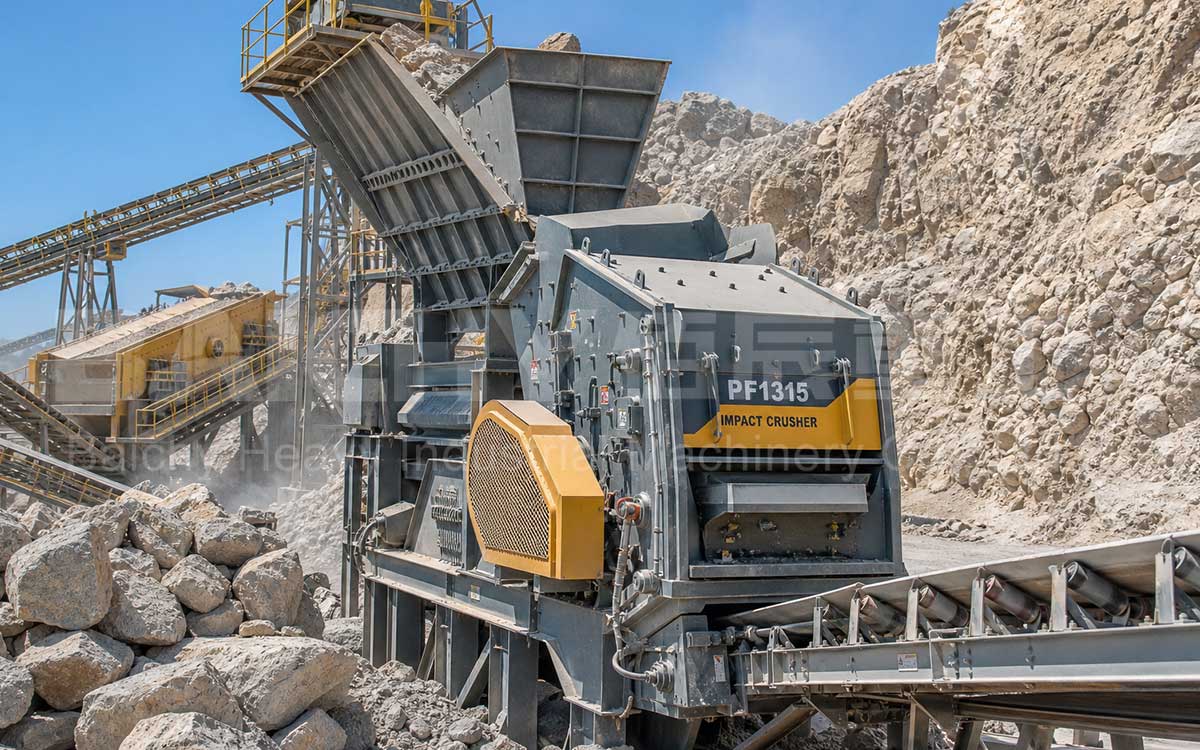
| Secondary/Fine Crushing | Impact Crusher | PF Series | ≤500 | 30–450 | Secondary crushing of soft rock; strong shaping capability |
| Screening | Circular Vibrating Screen | YK / GTS Series | ≤400 | 30–300 | Multi-stage grading; closed-circuit material recirculation |
| Sand Making | Sand Making Machine | VSI / PCH / Roll Crusher | ≤55 | 30–600 | Production of 0–5mm manufactured sand and shaping |
| Sand Washing | Wheel/Spiral Sand Washer | XSD / Spiral Series | ≤10 | 20–350 | Removes mud and reduces fines content; improves sand quality |
Note: The figures above represent common market ranges and serve only as a reference for initial selection. Actual capacity fluctuates based on material specific gravity, moisture content, and discharge opening settings (standard calibration based on limestone at 1.6 t/m³); precise configuration should be based on the specific proposal provided by the manufacturer for the given operating conditions. The difference between nominal capacity and actual operational capacity is the true litmus test for the integrity of a stone crushing system.
Selection Criteria: For granite and basalt (Mohs hardness > 6), the "Jaw Crusher + Cone Crusher" configuration is ideal, offering low wear-part consumption and the best long-term cost-per-ton. For limestone and shale (Mohs hardness < 5), the "Jaw Crusher + Impact Crusher" setup requires lower initial investment. When high-quality manufactured sand is required, a VSI sand-making machine and sand washer are added at the final stage—this distinguishes premium crushing systems from basic, standalone units, enabling the final product to enter high-speed rail and airport supply chains.
IV. Core Advantages: Why Integrated Systems Outperform Haphazard Assemblies
4.1 Process Advantages: Moving from "Capable of Crushing" to "Crushing Well"
Deep-cavity jaw crushers with high reduction ratios, cone crushers utilizing inter-particle (lamination) crushing, and impact crushers employing high-speed blow-bar impact—each equipment type targets specific material properties. However, the true value of an integrated crushing system lies in the seamless coordination of process stages: closed-circuit screening automatically returns oversized material for re-crushing, ensuring 100% product compliance; three-stage crushing keeps the reduction ratio at each stage between 4:1 and 6:1, preventing equipment overload and particle shape degradation. For the owner, the value lies not in the horsepower of inpidual machines but in the coordination of the entire line; a well-coordinated line ensures consistent particle shape, enabling the securing of long-term supply contracts at higher price points. In contrast, "piecemeal" procurement often results in impressive inpidual machine specs but frequent material jams across the line. Only when crushing systems are designed holistically based on the process chain can the capacity of each stage be effectively converted into profit.
4.2 Economic Advantages: Cost-Per-Ton is the Ultimate Benchmark
The purchase price of crushing equipment is merely the initial outlay; the true cost is reflected in electricity bills and spare parts expenses. High-manganese steel jaw plates and high-chromium alloy liners extend the service life of wear parts by over 40% in hard-rock applications; hydraulic discharge opening adjustments allow for production switching in just over ten minutes, minimizing downtime that would otherwise translate directly into lost sales revenue. Based on a production line with a capacity of 200 t/h operating 10 hours a day, every 5% increase in capacity utilization yields an additional ~30,000 tons of qualified aggregate annually—this represents the profit gap between "choosing the right equipment" and settling for equipment that "works but isn't optimal."
4.3 Delivery and Service Advantages: Offloading Project Risk to the Manufacturer
As a professional manufacturer of mining crushing, grinding, and mineral processing equipment, Baichy Heavy Industry offers comprehensive EPC services—ranging from process design and complete equipment supply to installation, commissioning, and spare parts provision. We support customization for 50/60Hz and 380V/400V/440V power standards and provide contingency plans for specific operating conditions, such as ESKOM load-shedding in South Africa. Our quotations itemize main units, motors, and wear parts, and we maintain transparency regarding nominal versus actual production capacities, eliminating the risk of "performance shortfalls" upon site arrival. Entrusting equipment selection, civil engineering, and installation to a single point of contact is the most efficient path to ensuring overseas projects go into production on schedule.
V. Real-World Case Studies
The following two cases involve complete stone crushing projects delivered within the last three years, validating the equipment selection logic discussed above:
Long Thanh Airport Aggregate Project (Vietnam): Utilizing river stone and cobble feedstock, the project employs a three-stage process—jaw crushing, cone crushing, and double-roll sand making—to produce 0–5mm manufactured sand and 5–25mm aggregate. The product meets the strict grading standards required for high-specification airport concrete.
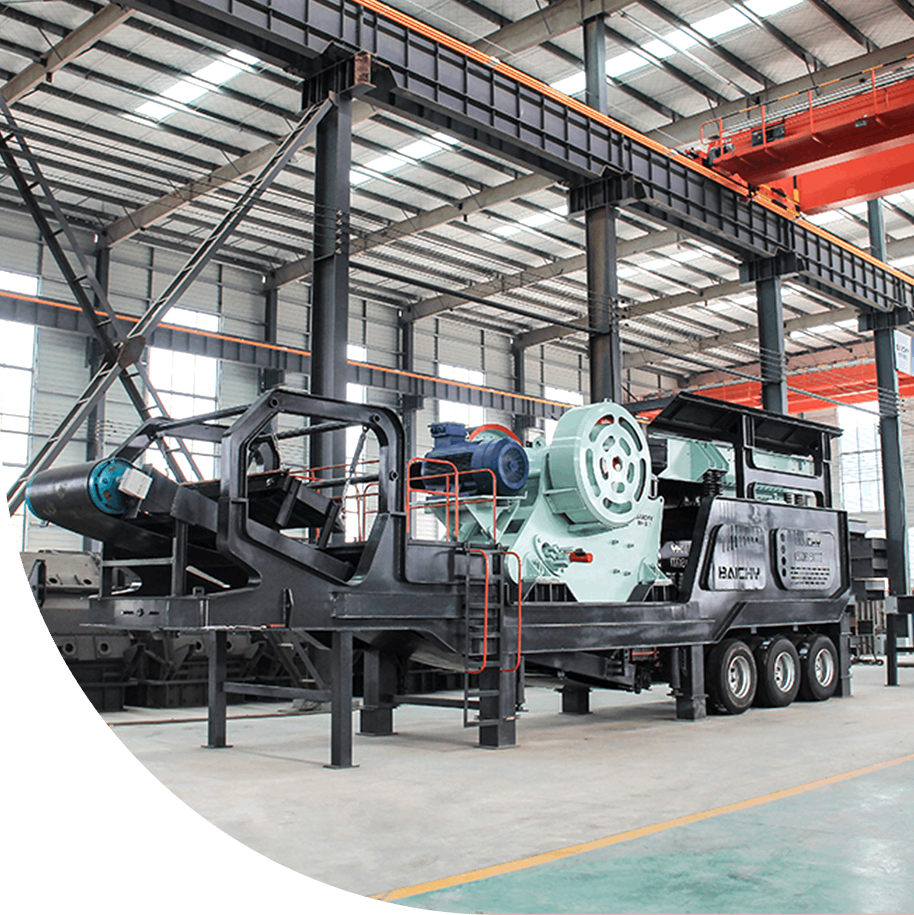
Mobile River Stone Crushing Line (Philippines): A truck-mounted combination of a C90 jaw crusher and a cone crusher. This setup eliminates the need for civil engineering foundations, allows for immediate production upon arrival (commissioned just 10 days after delivery), and offers flexible relocation between multiple quarry sites—demonstrating the economic advantages of mobile crushing equipment in markets with dispersed material sources.
Commonality between the cases: Both projects defined material hardness and finished product standards in the contract first, then used technical parameters to determine the appropriate equipment selection—a methodology that is replicable in any market.
VI. Recommended Equipment
Primary Crushing: PE/PEX/C Series Jaw Crushers (PE400×600, PE500×750, PE600×900)
Secondary/Fine Crushing: PYB900 Spring Cone Crusher, CS/HP Hydraulic Cone Crushers, PF Impact Crusher
Sand Making & Shaping: VSI Sand Maker, PCH Hammer Sand Maker, Double-Roll Sand Maker (dual-purpose for fine crushing and sand making)
Mobile Solutions: YDPZ Series Tire-mounted Mobile Crushing Stations (flexible combinations of Jaw, Cone, Impact, and VSI crushers)
Screening & Washing Auxiliaries: ZSW Feeder, YK/GTS Vibrating Screen, XSD Wheel-bucket Sand Washer, Spiral Sand Washer, Fine Sand Recovery Machine
The above are Baichy Heavy Industry's flagship stone crushing models; complete sets can be flexibly configured based on material hardness, production capacity, and required product gradation.
VII. Frequently Asked Questions (FAQ)
Q1: Should I choose "Jaw Crusher + Cone Crusher" or "Jaw Crusher + Impact Crusher"?
It depends on material hardness and abrasiveness. For materials with a Mohs hardness above 6—such as granite, basalt, and iron ore—choose a cone crusher; its inter-particle (lamination) crushing principle results in low wear-part consumption and the lowest long-term cost per ton. For soft rocks with a hardness below 5—such as limestone and shale—choose an impact crusher; it offers lower investment costs, excellent product shape, and minimal flaky or elongated particles. When in doubt, conducting a feed size and abrasiveness index test is far more reliable than relying on sales pitches.
Q2: How much does a stone crushing and aggregate production line cost? How long is the payback period?
Rough estimates based on capacity: Complete lines under 50 t/h cost approximately 300,000–800,000 RMB; standard two-stage lines (50–200 t/h) cost about 1–4 million RMB; three-stage lines or mobile stations exceeding 200 t/h start at 4 million RMB. Payback period = Total line investment &pide; Annual gross profit; annual gross profit ≈ Annual qualified output × (Aggregate selling price − Cost per tonne). In markets where aggregate prices remain stable at $15–30 per tonne, a 200 t/h production line typically pays for itself within 2–3 years. Notably, electricity consumption and wear parts account for the largest share of the cost per tonne—making these the critical "hidden costs" to compare when selecting equipment.
Q3: How do you choose between stationary and mobile aggregate plants?
Stationary lines offer the highest investment efficiency for projects with long-term mining rights, concentrated material sources, and fixed sites. Conversely, mobile crushing stations are ideal for projects with short timelines, dispersed material sources, or requirements for frequent relocation; they eliminate the need for civil foundations, allow for immediate production upon arrival, and incur virtually zero relocation costs. The deciding factor is simple: choose a stationary line if production from the same source is planned for more than three years; otherwise, the flexibility of a mobile station offers better value.
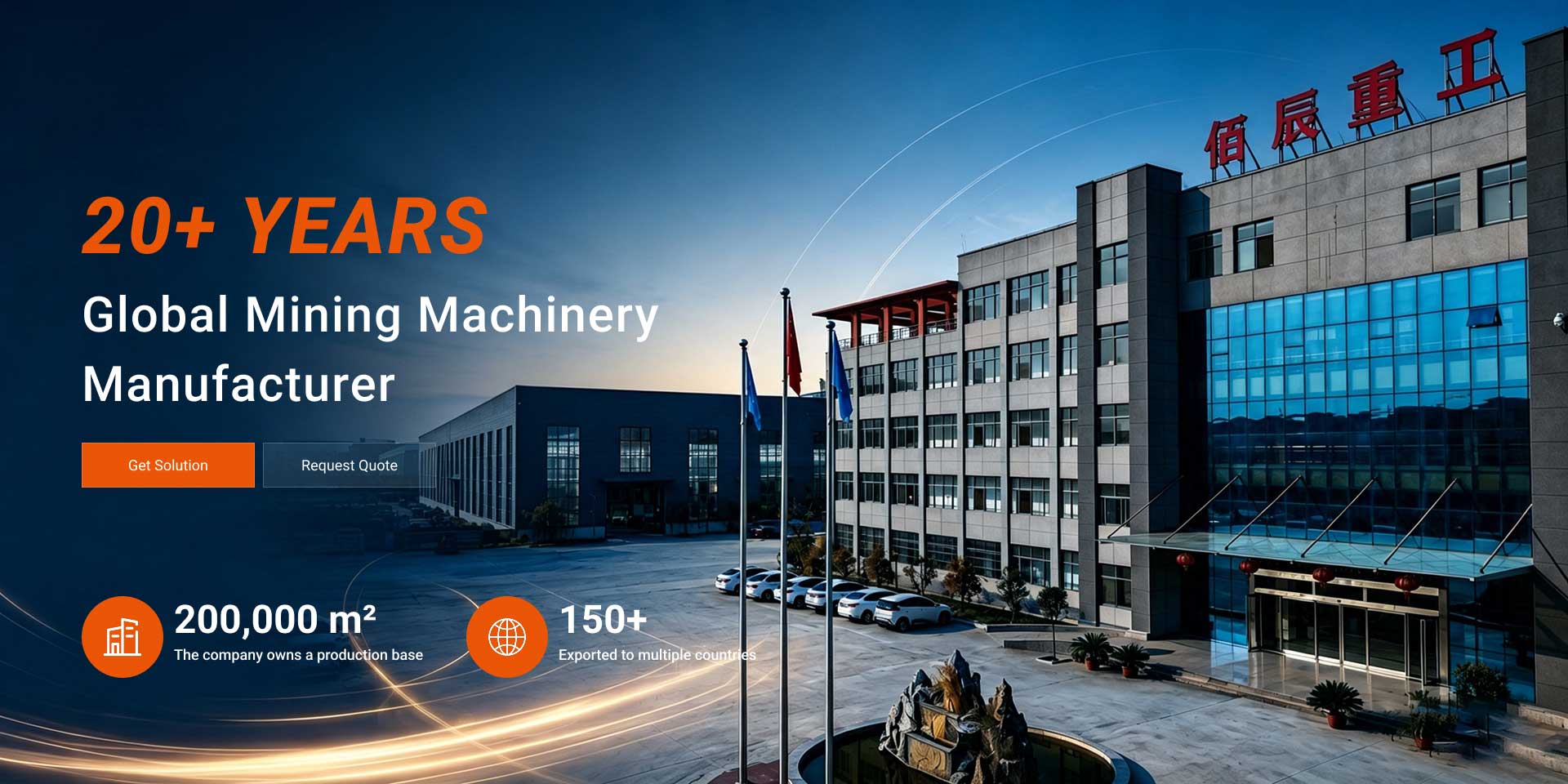
Baichy Heavy Industry
Baichy Heavy Industry is a high-tech mining equipment company integrating R&D, manufacturing, sales, and after-sales service. Focusing on crushing, grinding, and mineral processing equipment, we provide professional solutions to our customers. We are ISO9001:2015 、certified, and our products include mobile crushing palnts, crawler crushing plant, construction waste crushing plants, jaw crushers, sand making machines, cone crushers, fine crushers, grinding mills, ball mills, etc., all with reliable performance to meet diverse project needs.
Baichy Heavy Industry – Your Trusted Partner
To ensure optimal performance of your equipment, Baichy Heavy Industry offers:
- Professional on-site installation guidance
- Comprehensive operator training
- 24/7 technical support & maintenance services
Our complete after-sales service system guarantees long-term, stable operation of your machinery with minimal downtime.
Protect Your Rights – Only Use Official Channels
To avoid scams and ensure authentic support, contact us exclusively through:
• Official Website: www.baichychina.com
• WhatsApp: +8615093222637
• Email: [email protected]
Your satisfaction is our priority – expect prompt, professional service every time.
(Note: Beware of unauthorized third parties claiming to represent Baichy. Always verify through official contacts.)